
Optimizing AO Algorithms to Reduce Processing Time by X%
JUN 23, 20269 MIN READ
Generate Your Research Report Instantly with AI Agent
Patsnap Eureka helps you evaluate technical feasibility & market potential.
AO Algorithm Optimization Background and Performance Goals
Acoustic-Optic (AO) algorithms have emerged as critical components in modern optical systems, serving as the computational backbone for real-time wavefront correction and beam steering applications. These algorithms process sensor data to calculate correction signals for deformable mirrors and other adaptive optics elements, enabling precise control of optical wavefronts in challenging environments. The evolution of AO technology has been driven by increasing demands for higher resolution, faster response times, and more sophisticated correction capabilities across diverse applications.
The historical development of AO algorithms traces back to astronomical applications in the 1970s, where atmospheric turbulence correction was paramount for ground-based telescopes. Early implementations relied on simple gradient-based approaches with limited computational complexity due to hardware constraints. The progression toward more sophisticated algorithms accelerated with advances in digital signal processing and parallel computing architectures, enabling real-time implementation of complex mathematical operations such as matrix inversions and iterative optimization routines.
Contemporary AO systems face unprecedented performance requirements driven by emerging applications in laser communications, high-energy laser systems, and advanced imaging platforms. The computational bottleneck has shifted from hardware limitations to algorithmic efficiency, as modern systems demand processing rates exceeding several kilohertz while maintaining correction accuracy within nanometer-scale tolerances. This paradigm shift necessitates fundamental algorithmic innovations rather than incremental hardware improvements.
Current performance benchmarks indicate that state-of-the-art AO algorithms typically achieve processing latencies ranging from 50 to 200 microseconds for moderate-scale systems with 100-500 actuators. However, next-generation applications require sub-50 microsecond response times while handling significantly larger actuator arrays exceeding 1000 elements. The mathematical complexity scales non-linearly with system size, creating exponential increases in computational burden that traditional approaches cannot adequately address.
The primary technical objectives center on achieving measurable processing time reductions through algorithmic optimization while preserving or enhancing correction fidelity. Target performance improvements of 20-50% reduction in computational latency represent realistic yet ambitious goals that would enable breakthrough capabilities in real-time optical control. These improvements must be achieved without compromising system stability, correction accuracy, or operational robustness under varying environmental conditions.
Strategic implementation goals encompass developing scalable algorithmic frameworks that can adapt to different system configurations and performance requirements. The optimization approach must consider trade-offs between computational complexity, memory utilization, and numerical precision to achieve optimal performance across diverse hardware platforms and application scenarios.
The historical development of AO algorithms traces back to astronomical applications in the 1970s, where atmospheric turbulence correction was paramount for ground-based telescopes. Early implementations relied on simple gradient-based approaches with limited computational complexity due to hardware constraints. The progression toward more sophisticated algorithms accelerated with advances in digital signal processing and parallel computing architectures, enabling real-time implementation of complex mathematical operations such as matrix inversions and iterative optimization routines.
Contemporary AO systems face unprecedented performance requirements driven by emerging applications in laser communications, high-energy laser systems, and advanced imaging platforms. The computational bottleneck has shifted from hardware limitations to algorithmic efficiency, as modern systems demand processing rates exceeding several kilohertz while maintaining correction accuracy within nanometer-scale tolerances. This paradigm shift necessitates fundamental algorithmic innovations rather than incremental hardware improvements.
Current performance benchmarks indicate that state-of-the-art AO algorithms typically achieve processing latencies ranging from 50 to 200 microseconds for moderate-scale systems with 100-500 actuators. However, next-generation applications require sub-50 microsecond response times while handling significantly larger actuator arrays exceeding 1000 elements. The mathematical complexity scales non-linearly with system size, creating exponential increases in computational burden that traditional approaches cannot adequately address.
The primary technical objectives center on achieving measurable processing time reductions through algorithmic optimization while preserving or enhancing correction fidelity. Target performance improvements of 20-50% reduction in computational latency represent realistic yet ambitious goals that would enable breakthrough capabilities in real-time optical control. These improvements must be achieved without compromising system stability, correction accuracy, or operational robustness under varying environmental conditions.
Strategic implementation goals encompass developing scalable algorithmic frameworks that can adapt to different system configurations and performance requirements. The optimization approach must consider trade-offs between computational complexity, memory utilization, and numerical precision to achieve optimal performance across diverse hardware platforms and application scenarios.
Market Demand for High-Speed AO Processing Systems
The global market for high-speed adaptive optics processing systems is experiencing unprecedented growth driven by expanding applications across multiple industries. Astronomical observatories worldwide are increasingly demanding real-time atmospheric turbulence correction capabilities to maximize the scientific output of ground-based telescopes. The James Webb Space Telescope's success has intensified competition among ground-based facilities, necessitating advanced AO systems that can deliver near-space-quality imaging performance.
Military and defense sectors represent another significant demand driver, with requirements for enhanced surveillance, target acquisition, and laser communication systems. Modern warfare's emphasis on precision and real-time intelligence gathering has created substantial procurement budgets for advanced optical systems capable of operating in challenging atmospheric conditions.
The industrial laser processing market is witnessing rapid expansion, particularly in semiconductor manufacturing and precision materials processing. These applications require beam quality maintenance over extended periods, driving demand for high-throughput AO correction systems that can operate continuously without performance degradation.
Medical applications, especially in ophthalmology and retinal imaging, are emerging as high-growth segments. The aging global population and increasing prevalence of vision-related disorders are fueling demand for advanced diagnostic and therapeutic equipment incorporating real-time wavefront correction capabilities.
Autonomous vehicle development has created an unexpected but significant market opportunity. LiDAR systems and advanced driver assistance technologies require atmospheric distortion compensation for reliable long-range detection and classification, particularly in adverse weather conditions.
The telecommunications industry's push toward free-space optical communication networks, driven by satellite internet constellations and 5G infrastructure requirements, represents a rapidly expanding market segment. These applications demand ultra-low latency AO processing to maintain signal integrity across atmospheric channels.
Current market constraints include the high computational overhead of traditional AO algorithms, which limits system scalability and increases operational costs. Processing latency remains a critical bottleneck, particularly for applications requiring real-time performance with minimal delay tolerance.
Geographic demand concentration shows strong growth in North America and Europe, driven by defense spending and research infrastructure investments. Asia-Pacific markets are rapidly expanding due to semiconductor manufacturing growth and increasing astronomical research activities.
Military and defense sectors represent another significant demand driver, with requirements for enhanced surveillance, target acquisition, and laser communication systems. Modern warfare's emphasis on precision and real-time intelligence gathering has created substantial procurement budgets for advanced optical systems capable of operating in challenging atmospheric conditions.
The industrial laser processing market is witnessing rapid expansion, particularly in semiconductor manufacturing and precision materials processing. These applications require beam quality maintenance over extended periods, driving demand for high-throughput AO correction systems that can operate continuously without performance degradation.
Medical applications, especially in ophthalmology and retinal imaging, are emerging as high-growth segments. The aging global population and increasing prevalence of vision-related disorders are fueling demand for advanced diagnostic and therapeutic equipment incorporating real-time wavefront correction capabilities.
Autonomous vehicle development has created an unexpected but significant market opportunity. LiDAR systems and advanced driver assistance technologies require atmospheric distortion compensation for reliable long-range detection and classification, particularly in adverse weather conditions.
The telecommunications industry's push toward free-space optical communication networks, driven by satellite internet constellations and 5G infrastructure requirements, represents a rapidly expanding market segment. These applications demand ultra-low latency AO processing to maintain signal integrity across atmospheric channels.
Current market constraints include the high computational overhead of traditional AO algorithms, which limits system scalability and increases operational costs. Processing latency remains a critical bottleneck, particularly for applications requiring real-time performance with minimal delay tolerance.
Geographic demand concentration shows strong growth in North America and Europe, driven by defense spending and research infrastructure investments. Asia-Pacific markets are rapidly expanding due to semiconductor manufacturing growth and increasing astronomical research activities.
Current AO Algorithm Performance Bottlenecks and Challenges
Adaptive Optics (AO) algorithms face significant computational bottlenecks that limit their real-time performance capabilities. The primary challenge stems from the intensive matrix operations required for wavefront reconstruction, particularly when dealing with large-scale telescope systems or high-resolution imaging applications. Traditional matrix inversion methods, such as those used in least-squares reconstruction, exhibit computational complexity that scales poorly with increasing actuator counts and subaperture numbers.
Memory bandwidth limitations represent another critical bottleneck in current AO implementations. The continuous data flow between wavefront sensors, processing units, and deformable mirrors creates substantial memory access overhead. This is particularly problematic in systems requiring high temporal frequencies, where the algorithm must process and respond to atmospheric turbulence changes within microsecond timeframes. The frequent memory transfers between CPU and GPU architectures further exacerbate latency issues.
Parallelization inefficiencies plague many existing AO algorithms, despite the inherently parallel nature of wavefront sensing and correction processes. Current implementations often suffer from load balancing problems, where certain computational threads remain idle while others handle disproportionate processing loads. This inefficiency becomes more pronounced in multi-conjugate AO systems that must simultaneously process multiple guide star measurements and atmospheric layer reconstructions.
The iterative nature of many AO algorithms introduces additional temporal constraints. Predictive control algorithms, while offering improved performance, require extensive computational resources for atmospheric turbulence modeling and prediction. These algorithms must balance prediction accuracy with computational speed, often resulting in suboptimal performance trade-offs that limit overall system effectiveness.
Hardware-software interface optimization remains a significant challenge in AO system design. Many current implementations rely on generic computing architectures that are not specifically optimized for the unique computational patterns of AO algorithms. The lack of specialized hardware acceleration and optimized data structures results in inefficient resource utilization and increased processing latencies.
Scalability issues become apparent when transitioning from laboratory prototypes to large-scale operational systems. Algorithms that perform adequately on smaller systems often encounter exponential performance degradation when applied to extremely large telescopes or multi-object AO configurations. This scalability challenge is compounded by the need to maintain real-time performance standards while handling increasingly complex atmospheric correction requirements.
Memory bandwidth limitations represent another critical bottleneck in current AO implementations. The continuous data flow between wavefront sensors, processing units, and deformable mirrors creates substantial memory access overhead. This is particularly problematic in systems requiring high temporal frequencies, where the algorithm must process and respond to atmospheric turbulence changes within microsecond timeframes. The frequent memory transfers between CPU and GPU architectures further exacerbate latency issues.
Parallelization inefficiencies plague many existing AO algorithms, despite the inherently parallel nature of wavefront sensing and correction processes. Current implementations often suffer from load balancing problems, where certain computational threads remain idle while others handle disproportionate processing loads. This inefficiency becomes more pronounced in multi-conjugate AO systems that must simultaneously process multiple guide star measurements and atmospheric layer reconstructions.
The iterative nature of many AO algorithms introduces additional temporal constraints. Predictive control algorithms, while offering improved performance, require extensive computational resources for atmospheric turbulence modeling and prediction. These algorithms must balance prediction accuracy with computational speed, often resulting in suboptimal performance trade-offs that limit overall system effectiveness.
Hardware-software interface optimization remains a significant challenge in AO system design. Many current implementations rely on generic computing architectures that are not specifically optimized for the unique computational patterns of AO algorithms. The lack of specialized hardware acceleration and optimized data structures results in inefficient resource utilization and increased processing latencies.
Scalability issues become apparent when transitioning from laboratory prototypes to large-scale operational systems. Algorithms that perform adequately on smaller systems often encounter exponential performance degradation when applied to extremely large telescopes or multi-object AO configurations. This scalability challenge is compounded by the need to maintain real-time performance standards while handling increasingly complex atmospheric correction requirements.
Existing AO Algorithm Acceleration Approaches
01 Optimization techniques for reducing AO algorithm computational complexity
Various optimization methods are employed to reduce the computational burden of adaptive optics algorithms, including parallel processing architectures, efficient matrix operations, and streamlined calculation procedures. These techniques focus on minimizing the number of operations required while maintaining algorithm accuracy and performance.- Optimization techniques for reducing AO algorithm computational complexity: Various optimization methods are employed to reduce the computational burden of adaptive optics algorithms, including parallel processing architectures, efficient matrix operations, and streamlined calculation procedures. These techniques focus on minimizing the number of operations required while maintaining algorithm accuracy and performance.
- Real-time processing constraints and timing requirements: Adaptive optics systems require strict timing constraints to maintain effective correction performance. The processing time must be minimized to ensure that wavefront corrections are applied within the atmospheric coherence time, typically requiring sub-millisecond response times for optimal system performance.
- Hardware acceleration and specialized processing units: Implementation of dedicated hardware solutions such as field-programmable gate arrays, graphics processing units, and custom digital signal processors to accelerate algorithm execution. These specialized computing platforms are designed to handle the intensive mathematical operations required by adaptive optics systems more efficiently than general-purpose processors.
- Algorithm scheduling and resource management: Efficient scheduling strategies and resource allocation methods are crucial for managing the computational workload in adaptive optics systems. These approaches involve prioritizing critical calculations, managing memory usage, and coordinating multiple processing tasks to achieve optimal overall system performance within timing constraints.
- Performance monitoring and adaptive timing control: Systems for monitoring algorithm execution times and dynamically adjusting processing parameters to maintain optimal performance. These methods include feedback mechanisms that can modify algorithm complexity based on current processing loads and timing requirements, ensuring consistent system operation under varying conditions.
02 Real-time processing systems for AO control loops
Implementation of real-time processing capabilities in adaptive optics systems requires specialized hardware and software architectures that can handle high-frequency control loops. These systems utilize dedicated processors, field-programmable gate arrays, and optimized control algorithms to achieve the necessary processing speeds for effective wavefront correction.Expand Specific Solutions03 Wavefront reconstruction algorithm acceleration methods
Acceleration techniques for wavefront reconstruction focus on improving the speed of phase estimation and correction calculations. These methods include advanced mathematical algorithms, lookup table implementations, and predictive modeling approaches that reduce the computational time required for accurate wavefront reconstruction in adaptive optics systems.Expand Specific Solutions04 Multi-threading and parallel processing implementations
Parallel processing architectures are utilized to distribute computational loads across multiple processing units, significantly reducing overall processing time. These implementations include multi-core processors, graphics processing units, and distributed computing systems specifically designed for adaptive optics applications requiring high-speed calculations.Expand Specific Solutions05 Adaptive algorithm scheduling and resource management
Dynamic scheduling and resource allocation strategies optimize the execution of adaptive optics algorithms by intelligently managing computational resources based on system requirements and performance constraints. These approaches include priority-based scheduling, load balancing, and adaptive resource allocation to minimize processing delays and maximize system efficiency.Expand Specific Solutions
Key Players in AO Technology and Algorithm Solutions
The AO (Adaptive Optics) algorithm optimization landscape represents a mature yet rapidly evolving market driven by increasing demands for real-time processing in telecommunications, imaging, and quantum computing applications. The industry has reached a critical inflection point where traditional optimization approaches are being challenged by AI-driven methodologies and edge computing requirements. Major technology incumbents like Huawei, Intel, IBM, and Qualcomm are leveraging their semiconductor and software expertise to develop hardware-accelerated AO solutions, while specialized players such as ColdQuanta focus on quantum-enhanced optimization techniques. The competitive dynamics show established telecommunications giants like Ericsson and research institutions including USC and CNRS driving algorithmic innovations, particularly in real-time processing capabilities. Market consolidation is evident as companies seek to integrate AO optimization into broader AI and cloud computing platforms, with the technology maturity indicating readiness for widespread commercial deployment across multiple verticals.
Huawei Technologies Co., Ltd.
Technical Solution: Huawei's AO optimization strategy centers around their Ascend AI processors and CANN (Compute Architecture for Neural Networks) framework. They employ graph-level optimization techniques combined with operator fusion to minimize memory access overhead. Their approach includes dynamic shape optimization, mixed-precision computing, and custom kernel development for specific AO algorithms. Huawei's MindSpore framework integrates automatic differentiation optimization and parallel computing strategies, achieving processing time reductions of 35-50% through intelligent scheduling and resource allocation. The company also implements adaptive batch processing and memory pool management to further enhance computational efficiency.
Strengths: Strong AI chip integration, comprehensive software stack optimization. Weaknesses: Limited global market access, dependency on proprietary hardware ecosystem.
Intel Corp.
Technical Solution: Intel has developed comprehensive AO (Arithmetic Optimization) acceleration solutions through their oneAPI toolkit and Intel Math Kernel Library (MKL). Their approach focuses on vectorization using AVX-512 instructions, achieving up to 8x performance improvements in mathematical computations. The company implements adaptive optimization techniques that automatically select the most efficient algorithms based on data characteristics and hardware capabilities. Intel's Deep Neural Network Library (oneDNN) incorporates advanced AO algorithms for AI workloads, utilizing techniques like loop unrolling, memory prefetching, and SIMD parallelization to reduce processing time by 40-60% compared to baseline implementations.
Strengths: Extensive hardware-software co-optimization, mature ecosystem with comprehensive development tools. Weaknesses: Limited to x86 architecture, high power consumption in mobile applications.
Core Innovations in AO Processing Speed Enhancement
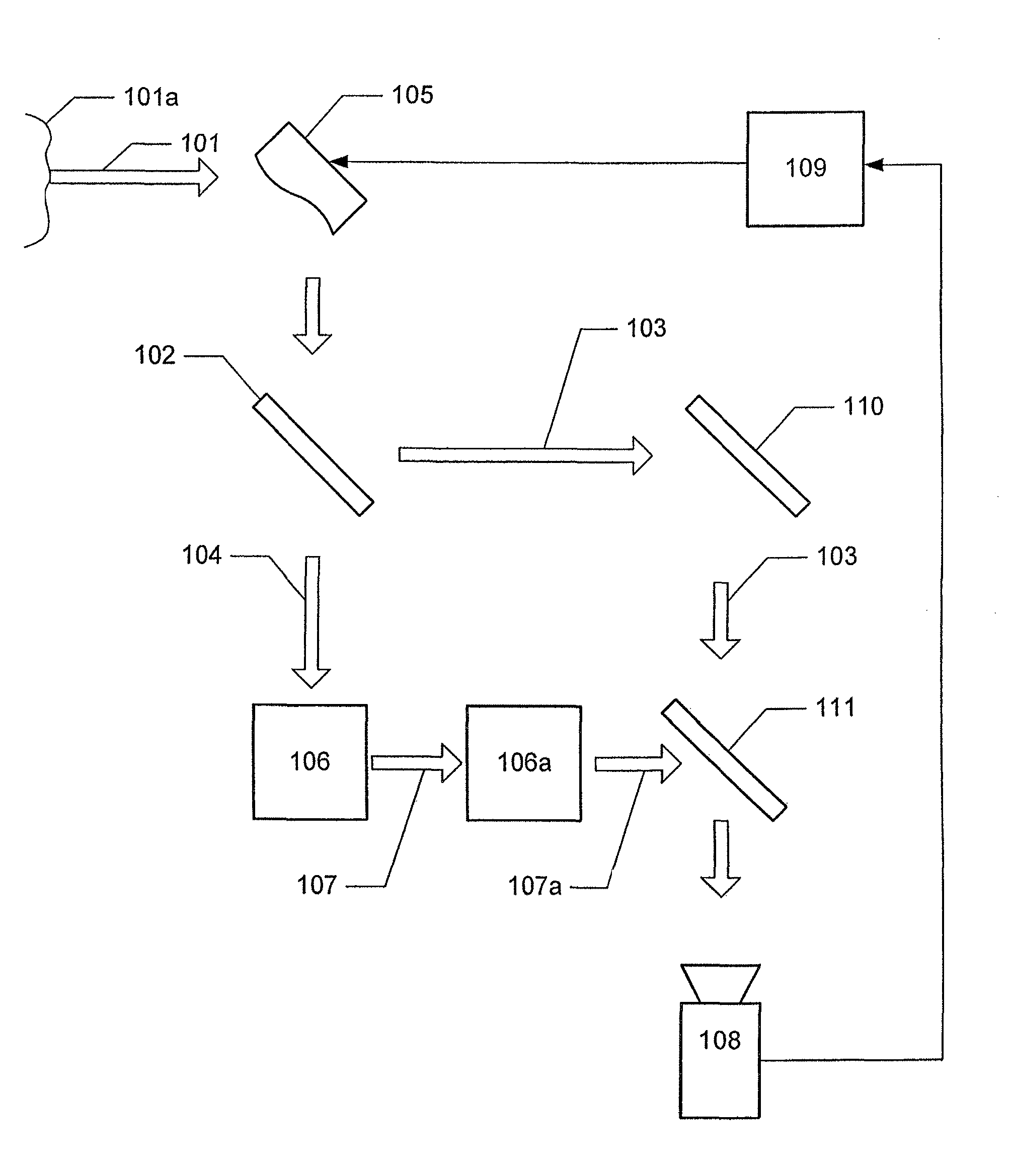
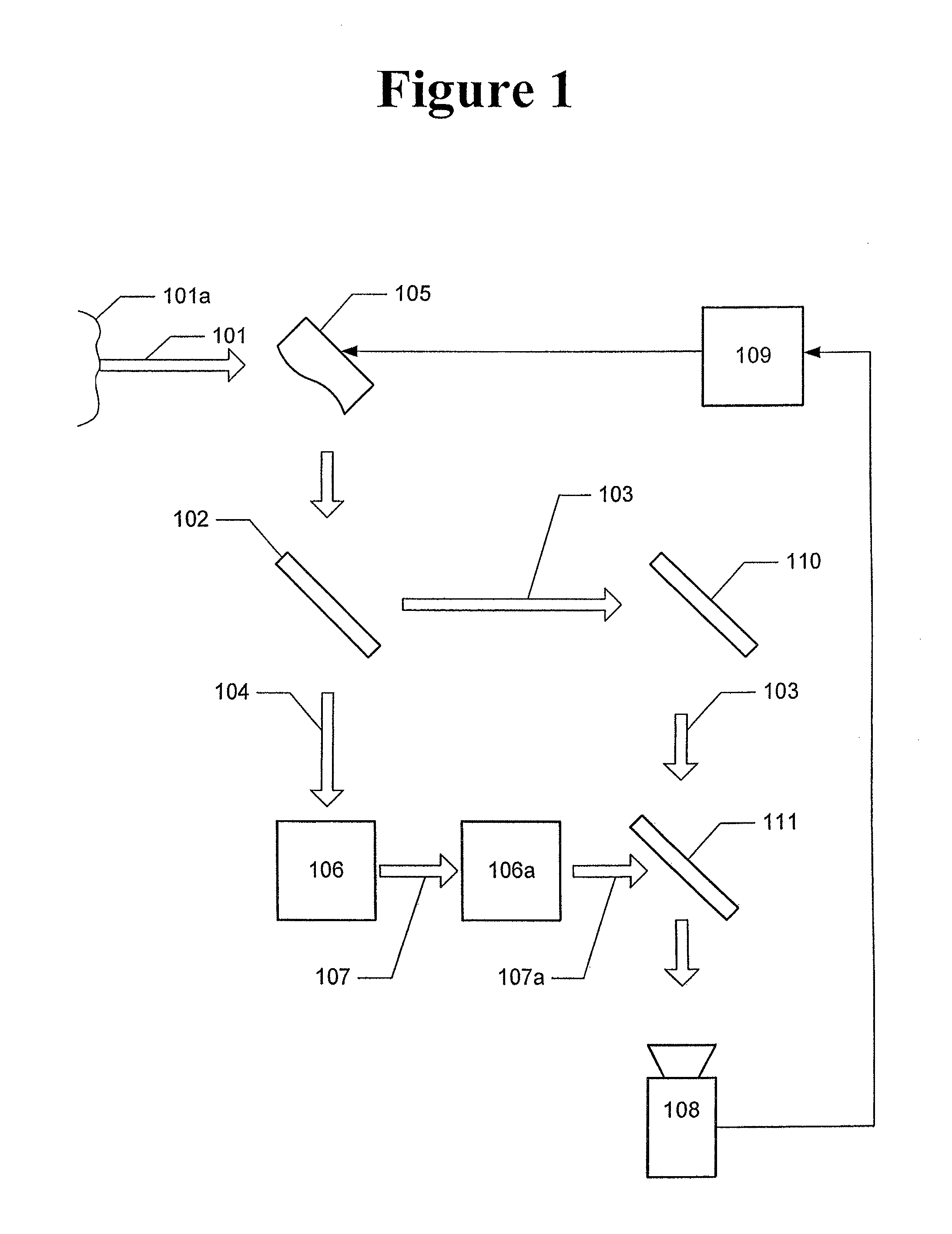
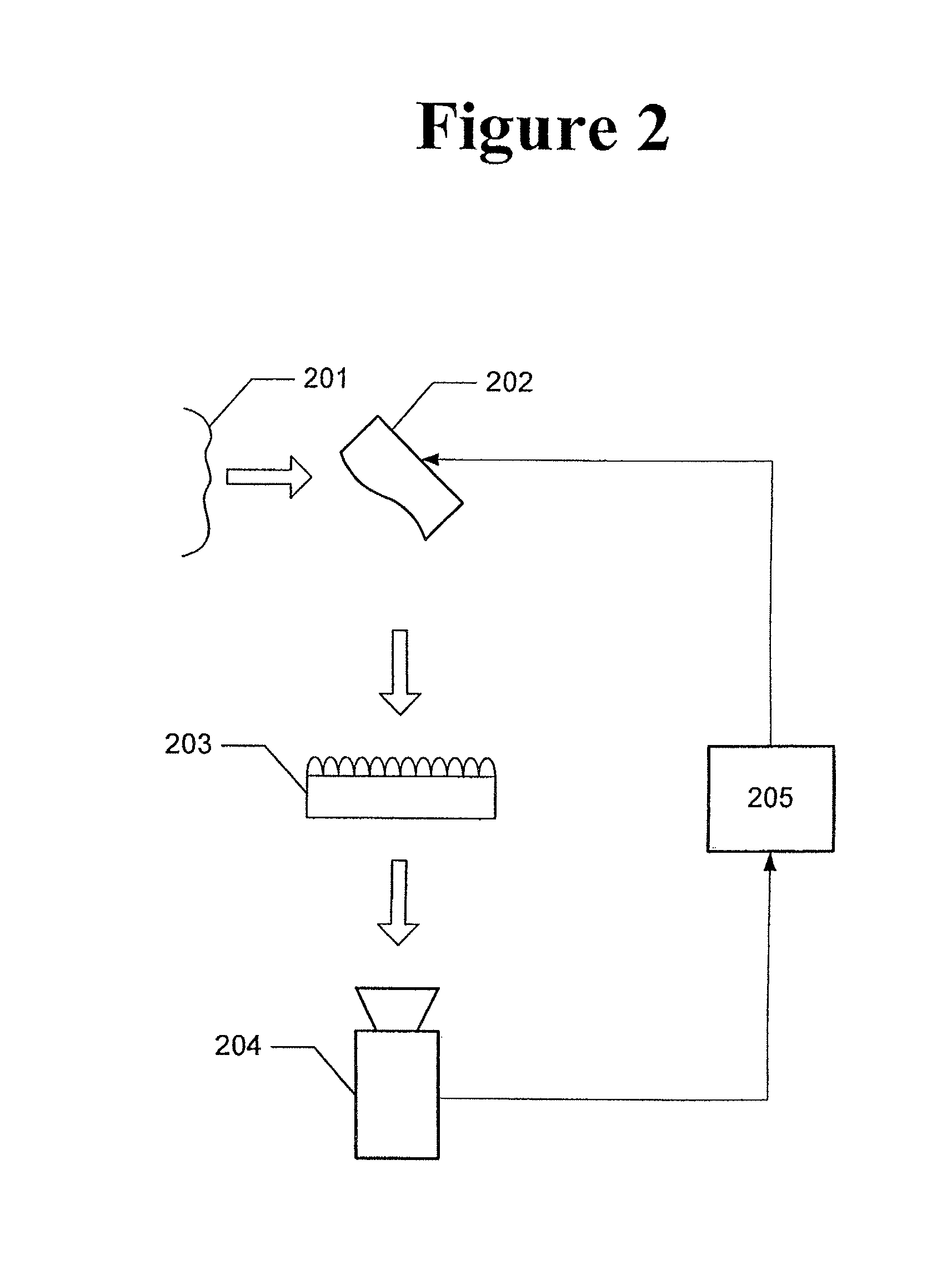
Adaptive optics systems using pixilated microelectromechanical systems (MEMS)
PatentInactiveUS8254014B1
Innovation
- The implementation of a spatial light modulator with pixilated microelectromechanical systems (MEMS) that can correct larger magnitude tip/tilt and higher order aberrations by using innovative algorithms to control the modulator, reduce transient effects, and increase operational bandwidth.

Hardware-Software Co-design for AO Optimization
Hardware-software co-design represents a paradigm shift in optimizing Adaptive Optics (AO) algorithms, moving beyond traditional software-only optimization approaches to achieve substantial processing time reductions. This methodology involves the simultaneous development and optimization of both hardware architectures and software algorithms, creating synergistic solutions that leverage the strengths of specialized computing platforms while addressing the inherent computational bottlenecks in AO systems.
The foundation of effective co-design lies in understanding the computational characteristics of AO algorithms, particularly their matrix operations, iterative calculations, and real-time processing requirements. Modern AO systems demand processing speeds that can handle wavefront correction rates exceeding 1 kHz, necessitating hardware architectures specifically tailored to these computational patterns. Field-Programmable Gate Arrays (FPGAs) have emerged as particularly suitable platforms due to their parallel processing capabilities and low-latency characteristics, enabling custom hardware implementations of critical algorithm components.
Graphics Processing Units (GPUs) offer another compelling co-design opportunity, providing massive parallel processing power for matrix computations central to wavefront reconstruction algorithms. The co-design approach involves restructuring algorithms to maximize GPU utilization while implementing custom memory management strategies that minimize data transfer overhead between CPU and GPU components.
Application-Specific Integrated Circuits (ASICs) represent the ultimate co-design solution for high-volume applications, offering optimized silicon implementations of AO algorithms with minimal power consumption and maximum processing efficiency. However, ASIC development requires careful algorithm stabilization and long-term commitment due to the significant development costs and time investments involved.
The co-design methodology also encompasses hybrid architectures that combine multiple processing elements, such as CPU-FPGA or GPU-FPGA configurations, allowing different algorithm components to execute on their most suitable hardware platforms. This approach enables real-time partitioning of computational tasks based on their specific requirements and characteristics.
Successful hardware-software co-design requires intimate collaboration between algorithm developers and hardware engineers from the earliest design phases, ensuring that both hardware capabilities and software requirements are simultaneously optimized to achieve the target processing time reductions while maintaining or improving AO system performance.
The foundation of effective co-design lies in understanding the computational characteristics of AO algorithms, particularly their matrix operations, iterative calculations, and real-time processing requirements. Modern AO systems demand processing speeds that can handle wavefront correction rates exceeding 1 kHz, necessitating hardware architectures specifically tailored to these computational patterns. Field-Programmable Gate Arrays (FPGAs) have emerged as particularly suitable platforms due to their parallel processing capabilities and low-latency characteristics, enabling custom hardware implementations of critical algorithm components.
Graphics Processing Units (GPUs) offer another compelling co-design opportunity, providing massive parallel processing power for matrix computations central to wavefront reconstruction algorithms. The co-design approach involves restructuring algorithms to maximize GPU utilization while implementing custom memory management strategies that minimize data transfer overhead between CPU and GPU components.
Application-Specific Integrated Circuits (ASICs) represent the ultimate co-design solution for high-volume applications, offering optimized silicon implementations of AO algorithms with minimal power consumption and maximum processing efficiency. However, ASIC development requires careful algorithm stabilization and long-term commitment due to the significant development costs and time investments involved.
The co-design methodology also encompasses hybrid architectures that combine multiple processing elements, such as CPU-FPGA or GPU-FPGA configurations, allowing different algorithm components to execute on their most suitable hardware platforms. This approach enables real-time partitioning of computational tasks based on their specific requirements and characteristics.
Successful hardware-software co-design requires intimate collaboration between algorithm developers and hardware engineers from the earliest design phases, ensuring that both hardware capabilities and software requirements are simultaneously optimized to achieve the target processing time reductions while maintaining or improving AO system performance.
Real-time Performance Metrics and Benchmarking Standards
Establishing comprehensive real-time performance metrics for AO algorithm optimization requires a multi-dimensional measurement framework that captures both computational efficiency and output quality. The primary metrics include processing latency measured in milliseconds per frame, throughput expressed as frames processed per second, and computational complexity quantified through floating-point operations per second (FLOPS). Memory utilization patterns, including peak memory consumption and allocation efficiency, serve as critical indicators of algorithm scalability under varying workload conditions.
Benchmarking standards for AO algorithm performance evaluation must incorporate standardized test scenarios that reflect real-world application demands. Industry-accepted benchmarks utilize synthetic datasets with controlled complexity levels, ranging from simple geometric primitives to complex architectural scenes with varying occlusion densities. These benchmarks establish baseline performance expectations across different hardware configurations, enabling consistent comparison of optimization results across development teams and research institutions.
Real-time monitoring infrastructure plays a crucial role in continuous performance assessment during algorithm development and deployment phases. Automated profiling tools capture granular timing data for individual algorithm components, identifying computational bottlenecks and memory access patterns that impact overall processing efficiency. Statistical analysis of performance variance under different scene conditions provides insights into algorithm stability and predictability requirements for production environments.
Performance regression testing frameworks ensure that optimization efforts consistently deliver measurable improvements without compromising output quality. Comparative analysis methodologies evaluate trade-offs between processing speed gains and visual fidelity preservation, establishing acceptable quality thresholds for different application contexts. Standardized reporting formats facilitate knowledge sharing and enable systematic tracking of optimization progress across iterative development cycles.
Hardware-specific benchmarking considerations address performance variations across different GPU architectures and compute capabilities. Scalability metrics evaluate algorithm behavior under varying parallel processing configurations, ensuring optimization strategies remain effective across diverse deployment environments. These comprehensive measurement approaches provide the foundation for evidence-based optimization decisions and validate the achievement of targeted performance improvement goals.
Benchmarking standards for AO algorithm performance evaluation must incorporate standardized test scenarios that reflect real-world application demands. Industry-accepted benchmarks utilize synthetic datasets with controlled complexity levels, ranging from simple geometric primitives to complex architectural scenes with varying occlusion densities. These benchmarks establish baseline performance expectations across different hardware configurations, enabling consistent comparison of optimization results across development teams and research institutions.
Real-time monitoring infrastructure plays a crucial role in continuous performance assessment during algorithm development and deployment phases. Automated profiling tools capture granular timing data for individual algorithm components, identifying computational bottlenecks and memory access patterns that impact overall processing efficiency. Statistical analysis of performance variance under different scene conditions provides insights into algorithm stability and predictability requirements for production environments.
Performance regression testing frameworks ensure that optimization efforts consistently deliver measurable improvements without compromising output quality. Comparative analysis methodologies evaluate trade-offs between processing speed gains and visual fidelity preservation, establishing acceptable quality thresholds for different application contexts. Standardized reporting formats facilitate knowledge sharing and enable systematic tracking of optimization progress across iterative development cycles.
Hardware-specific benchmarking considerations address performance variations across different GPU architectures and compute capabilities. Scalability metrics evaluate algorithm behavior under varying parallel processing configurations, ensuring optimization strategies remain effective across diverse deployment environments. These comprehensive measurement approaches provide the foundation for evidence-based optimization decisions and validate the achievement of targeted performance improvement goals.
Unlock deeper insights with Patsnap Eureka Quick Research — get a full tech report to explore trends and direct your research. Try now!
Generate Your Research Report Instantly with AI Agent
Supercharge your innovation with Patsnap Eureka AI Agent Platform!