

Advances in Electromagnetic Wave Research for Smart Grid Optimization
JUL 11, 20259 MIN READ
Generate Your Research Report Instantly with AI Agent
PatSnap Eureka helps you evaluate technical feasibility & market potential.
EM Wave Research Background and Objectives
Electromagnetic wave research has been a cornerstone of electrical engineering for over a century, with its applications expanding rapidly in recent decades. The smart grid, a modernized electrical grid that uses digital technology for two-way communication between utility providers and consumers, has emerged as a critical area where electromagnetic wave research can significantly contribute to optimization and efficiency.
The evolution of electromagnetic wave technology in the context of smart grids has been driven by the need for more reliable, efficient, and secure power distribution systems. From the early days of radio frequency identification (RFID) for asset tracking to the current implementation of advanced metering infrastructure (AMI), the integration of electromagnetic wave-based solutions has been pivotal in transforming traditional power grids into intelligent networks.
The primary objective of electromagnetic wave research in smart grid optimization is to enhance the overall performance, reliability, and security of the power distribution system. This includes improving real-time monitoring and control capabilities, enabling faster fault detection and isolation, and facilitating seamless integration of renewable energy sources into the grid.
One of the key goals is to develop more sophisticated sensors and communication systems that can withstand electromagnetic interference and operate efficiently in the complex electromagnetic environment of power systems. These advancements aim to provide utilities with granular data on power consumption patterns, grid status, and potential issues, enabling proactive maintenance and optimized resource allocation.
Another crucial objective is to explore novel electromagnetic wave-based technologies for power line communication (PLC) and wireless sensor networks (WSN). These technologies are essential for creating a robust and flexible communication infrastructure within the smart grid, allowing for efficient data exchange between various grid components and control centers.
Furthermore, electromagnetic wave research in smart grids seeks to address the challenges posed by the increasing integration of distributed energy resources (DERs) and electric vehicles (EVs). The goal is to develop advanced electromagnetic compatibility (EMC) solutions that ensure the harmonious operation of these diverse elements within the grid ecosystem.
As the smart grid continues to evolve, electromagnetic wave research is also focusing on enhancing cybersecurity measures. This includes developing innovative electromagnetic shielding techniques and secure communication protocols to protect critical infrastructure from potential electromagnetic attacks and data breaches.
In conclusion, the background and objectives of electromagnetic wave research for smart grid optimization encompass a wide range of technological advancements aimed at creating a more resilient, efficient, and sustainable power distribution system. By leveraging cutting-edge electromagnetic wave technologies, researchers and engineers are paving the way for a smarter, more responsive electrical grid that can meet the growing energy demands of the future while maintaining high levels of reliability and security.
The evolution of electromagnetic wave technology in the context of smart grids has been driven by the need for more reliable, efficient, and secure power distribution systems. From the early days of radio frequency identification (RFID) for asset tracking to the current implementation of advanced metering infrastructure (AMI), the integration of electromagnetic wave-based solutions has been pivotal in transforming traditional power grids into intelligent networks.
The primary objective of electromagnetic wave research in smart grid optimization is to enhance the overall performance, reliability, and security of the power distribution system. This includes improving real-time monitoring and control capabilities, enabling faster fault detection and isolation, and facilitating seamless integration of renewable energy sources into the grid.
One of the key goals is to develop more sophisticated sensors and communication systems that can withstand electromagnetic interference and operate efficiently in the complex electromagnetic environment of power systems. These advancements aim to provide utilities with granular data on power consumption patterns, grid status, and potential issues, enabling proactive maintenance and optimized resource allocation.
Another crucial objective is to explore novel electromagnetic wave-based technologies for power line communication (PLC) and wireless sensor networks (WSN). These technologies are essential for creating a robust and flexible communication infrastructure within the smart grid, allowing for efficient data exchange between various grid components and control centers.
Furthermore, electromagnetic wave research in smart grids seeks to address the challenges posed by the increasing integration of distributed energy resources (DERs) and electric vehicles (EVs). The goal is to develop advanced electromagnetic compatibility (EMC) solutions that ensure the harmonious operation of these diverse elements within the grid ecosystem.
As the smart grid continues to evolve, electromagnetic wave research is also focusing on enhancing cybersecurity measures. This includes developing innovative electromagnetic shielding techniques and secure communication protocols to protect critical infrastructure from potential electromagnetic attacks and data breaches.
In conclusion, the background and objectives of electromagnetic wave research for smart grid optimization encompass a wide range of technological advancements aimed at creating a more resilient, efficient, and sustainable power distribution system. By leveraging cutting-edge electromagnetic wave technologies, researchers and engineers are paving the way for a smarter, more responsive electrical grid that can meet the growing energy demands of the future while maintaining high levels of reliability and security.
Smart Grid Market Analysis
The smart grid market has been experiencing significant growth and transformation in recent years, driven by the increasing demand for efficient and reliable energy distribution systems. As electromagnetic wave research advances, its potential to optimize smart grid operations has become a focal point for industry stakeholders and researchers alike.
The global smart grid market is projected to expand substantially over the coming years, with estimates suggesting a compound annual growth rate (CAGR) of around 20% between 2021 and 2026. This growth is primarily attributed to the rising need for energy efficiency, the integration of renewable energy sources, and the modernization of aging power infrastructure across developed and developing economies.
Key factors driving market demand include the growing emphasis on reducing carbon emissions, increasing government initiatives to promote smart grid technologies, and the rising adoption of electric vehicles. These trends are creating a favorable environment for the implementation of advanced electromagnetic wave technologies in smart grid systems.
The market for smart grid solutions is segmented into various components, including hardware, software, and services. Among these, the software segment is expected to witness the highest growth rate due to the increasing need for data analytics, grid management, and cybersecurity solutions. The integration of electromagnetic wave research in smart grid software applications is anticipated to further boost this segment's growth.
Geographically, North America currently holds the largest share of the smart grid market, followed by Europe and Asia-Pacific. However, the Asia-Pacific region is expected to exhibit the highest growth rate in the coming years, driven by rapid urbanization, increasing energy demand, and government initiatives to modernize power infrastructure in countries like China and India.
The adoption of electromagnetic wave technologies in smart grid applications is expected to create new market opportunities across various sectors. For instance, the implementation of advanced sensors and communication systems based on electromagnetic wave research can enhance grid monitoring, fault detection, and overall system reliability. This, in turn, is likely to drive demand for specialized equipment and services in the smart grid ecosystem.
Furthermore, the integration of renewable energy sources into the power grid is creating a need for more sophisticated grid management solutions. Electromagnetic wave research can play a crucial role in developing advanced forecasting models, optimizing energy storage systems, and improving the overall efficiency of renewable energy integration.
As the smart grid market continues to evolve, there is a growing emphasis on interoperability and standardization. This trend is expected to create opportunities for companies specializing in electromagnetic wave technologies to develop solutions that can seamlessly integrate with existing smart grid infrastructure and comply with emerging industry standards.
The global smart grid market is projected to expand substantially over the coming years, with estimates suggesting a compound annual growth rate (CAGR) of around 20% between 2021 and 2026. This growth is primarily attributed to the rising need for energy efficiency, the integration of renewable energy sources, and the modernization of aging power infrastructure across developed and developing economies.
Key factors driving market demand include the growing emphasis on reducing carbon emissions, increasing government initiatives to promote smart grid technologies, and the rising adoption of electric vehicles. These trends are creating a favorable environment for the implementation of advanced electromagnetic wave technologies in smart grid systems.
The market for smart grid solutions is segmented into various components, including hardware, software, and services. Among these, the software segment is expected to witness the highest growth rate due to the increasing need for data analytics, grid management, and cybersecurity solutions. The integration of electromagnetic wave research in smart grid software applications is anticipated to further boost this segment's growth.
Geographically, North America currently holds the largest share of the smart grid market, followed by Europe and Asia-Pacific. However, the Asia-Pacific region is expected to exhibit the highest growth rate in the coming years, driven by rapid urbanization, increasing energy demand, and government initiatives to modernize power infrastructure in countries like China and India.
The adoption of electromagnetic wave technologies in smart grid applications is expected to create new market opportunities across various sectors. For instance, the implementation of advanced sensors and communication systems based on electromagnetic wave research can enhance grid monitoring, fault detection, and overall system reliability. This, in turn, is likely to drive demand for specialized equipment and services in the smart grid ecosystem.
Furthermore, the integration of renewable energy sources into the power grid is creating a need for more sophisticated grid management solutions. Electromagnetic wave research can play a crucial role in developing advanced forecasting models, optimizing energy storage systems, and improving the overall efficiency of renewable energy integration.
As the smart grid market continues to evolve, there is a growing emphasis on interoperability and standardization. This trend is expected to create opportunities for companies specializing in electromagnetic wave technologies to develop solutions that can seamlessly integrate with existing smart grid infrastructure and comply with emerging industry standards.
EM Wave Challenges in Smart Grids
The integration of electromagnetic (EM) wave technologies into smart grid systems presents a unique set of challenges that require innovative solutions. One of the primary obstacles is the complex and dynamic nature of the smart grid environment, which can significantly affect EM wave propagation and communication reliability. The presence of various electrical components, power lines, and transformers creates a high-noise environment that can interfere with EM wave signals, leading to potential data loss or misinterpretation.
Another significant challenge is the need for robust and secure communication protocols that can withstand potential electromagnetic interference (EMI) and cyber-attacks. As smart grids rely heavily on real-time data transmission for efficient operation, any disruption in EM wave-based communication can have severe consequences on grid stability and performance. This necessitates the development of advanced error correction and encryption techniques specifically tailored for EM wave applications in smart grid contexts.
The diverse range of frequencies used in smart grid communications also poses a challenge for EM wave research. From low-frequency power line communication (PLC) to high-frequency wireless sensor networks, each frequency band has its own set of propagation characteristics and potential interference sources. Researchers must develop comprehensive models and simulation tools that can accurately predict EM wave behavior across this wide spectrum, taking into account the unique properties of smart grid infrastructure.
Scalability and interoperability present additional hurdles in EM wave research for smart grids. As these systems continue to grow and incorporate new technologies, ensuring seamless integration and communication between various components becomes increasingly complex. This requires the development of flexible and adaptable EM wave solutions that can accommodate future expansions and technological advancements without compromising existing infrastructure.
The physical constraints of smart grid environments also pose challenges for EM wave propagation. Urban areas with dense building structures, rural locations with vast distances between nodes, and underground installations all present unique obstacles that can attenuate or distort EM signals. Overcoming these physical barriers while maintaining reliable and efficient communication is a key focus area for researchers in this field.
Furthermore, the increasing demand for higher data rates and lower latency in smart grid applications puts pressure on existing EM wave technologies. Researchers must explore novel modulation techniques, advanced antenna designs, and innovative signal processing algorithms to meet these growing performance requirements while operating within the constraints of the smart grid environment.
Another significant challenge is the need for robust and secure communication protocols that can withstand potential electromagnetic interference (EMI) and cyber-attacks. As smart grids rely heavily on real-time data transmission for efficient operation, any disruption in EM wave-based communication can have severe consequences on grid stability and performance. This necessitates the development of advanced error correction and encryption techniques specifically tailored for EM wave applications in smart grid contexts.
The diverse range of frequencies used in smart grid communications also poses a challenge for EM wave research. From low-frequency power line communication (PLC) to high-frequency wireless sensor networks, each frequency band has its own set of propagation characteristics and potential interference sources. Researchers must develop comprehensive models and simulation tools that can accurately predict EM wave behavior across this wide spectrum, taking into account the unique properties of smart grid infrastructure.
Scalability and interoperability present additional hurdles in EM wave research for smart grids. As these systems continue to grow and incorporate new technologies, ensuring seamless integration and communication between various components becomes increasingly complex. This requires the development of flexible and adaptable EM wave solutions that can accommodate future expansions and technological advancements without compromising existing infrastructure.
The physical constraints of smart grid environments also pose challenges for EM wave propagation. Urban areas with dense building structures, rural locations with vast distances between nodes, and underground installations all present unique obstacles that can attenuate or distort EM signals. Overcoming these physical barriers while maintaining reliable and efficient communication is a key focus area for researchers in this field.
Furthermore, the increasing demand for higher data rates and lower latency in smart grid applications puts pressure on existing EM wave technologies. Researchers must explore novel modulation techniques, advanced antenna designs, and innovative signal processing algorithms to meet these growing performance requirements while operating within the constraints of the smart grid environment.
Current EM Wave Solutions
01 Electromagnetic wave detection and measurement
Various devices and methods for detecting and measuring electromagnetic waves are described. These include sensors, antennas, and specialized equipment designed to capture and analyze electromagnetic signals across different frequencies and intensities.- Electromagnetic wave detection and measurement: Various devices and methods for detecting and measuring electromagnetic waves are developed. These include sensors, antennas, and specialized equipment designed to capture and analyze electromagnetic signals across different frequencies and intensities.
- Electromagnetic wave shielding and protection: Technologies for shielding and protecting against electromagnetic waves are implemented in various applications. This includes materials and structures designed to block or absorb electromagnetic radiation, protecting sensitive equipment or living organisms from potential harmful effects.
- Electromagnetic wave communication systems: Advanced communication systems utilizing electromagnetic waves are developed for various applications. These systems employ different frequencies and modulation techniques to transmit and receive information wirelessly, enabling long-distance communication and data transfer.
- Electromagnetic wave energy harvesting: Innovative methods and devices are created to harvest energy from electromagnetic waves present in the environment. These technologies aim to convert ambient electromagnetic radiation into usable electrical energy, potentially powering small devices or supplementing existing power sources.
- Electromagnetic wave applications in medical field: Electromagnetic waves are utilized in various medical applications, including diagnostic imaging, therapeutic treatments, and monitoring systems. These technologies leverage different properties of electromagnetic waves to provide non-invasive methods for examining and treating patients.
02 Electromagnetic wave shielding and protection
Technologies for shielding and protecting against electromagnetic waves are presented. These involve materials and structures designed to block or absorb electromagnetic radiation, protecting sensitive equipment or living organisms from potential harmful effects.Expand Specific Solutions03 Electromagnetic wave communication systems
Advancements in communication systems utilizing electromagnetic waves are discussed. These include improvements in wireless communication technologies, signal processing techniques, and novel methods for transmitting and receiving electromagnetic signals.Expand Specific Solutions04 Electromagnetic wave energy harvesting
Innovations in harvesting energy from electromagnetic waves are explored. These technologies aim to capture and convert ambient electromagnetic radiation into usable electrical energy, potentially providing power for various applications.Expand Specific Solutions05 Electromagnetic wave applications in medical field
The use of electromagnetic waves in medical applications is presented. This includes diagnostic imaging techniques, therapeutic treatments, and monitoring systems that leverage the properties of electromagnetic radiation to improve healthcare outcomes.Expand Specific Solutions
Key Smart Grid EM Wave Players
The electromagnetic wave research for smart grid optimization is in a dynamic growth phase, with increasing market size and technological advancements. The competitive landscape is diverse, featuring major players from various sectors. Companies like State Grid Corp. of China, Siemens Corp., and Hitachi Ltd. are leveraging their extensive infrastructure and R&D capabilities to drive innovation. Research institutions such as Huazhong University of Science & Technology and the University of Tokyo are contributing significantly to technological breakthroughs. The market is seeing a convergence of traditional power companies and tech giants, with firms like ZTE Corp. and Oracle International Corp. entering the space. While the technology is progressing rapidly, it is still evolving, with ongoing research focused on improving efficiency, reliability, and integration within smart grid systems.
State Grid Corp. of China
Technical Solution: State Grid Corp. of China has developed advanced electromagnetic wave research techniques for smart grid optimization. Their approach includes the use of wide-area measurement systems (WAMS) based on synchrophasor technology, which allows for real-time monitoring and control of the power grid [1]. They have implemented a high-speed fiber-optic communication network to transmit electromagnetic wave data across their vast grid infrastructure, enabling rapid response to power fluctuations and potential faults [2]. Additionally, State Grid has invested in electromagnetic compatibility (EMC) research to mitigate interference issues in smart grid environments, developing innovative shielding and grounding techniques for sensitive equipment [3].
Strengths: Extensive infrastructure and resources for large-scale implementation, strong government support. Weaknesses: Potential challenges in integrating new technologies with legacy systems across a vast network.
Siemens Corp.
Technical Solution: Siemens Corp. has made significant strides in electromagnetic wave research for smart grid optimization. Their approach focuses on developing advanced power line communication (PLC) technologies that utilize existing power lines for data transmission [1]. Siemens has also pioneered the use of cognitive radio techniques in smart grids, allowing for dynamic spectrum access and improved communication reliability in electromagnetically noisy environments [2]. Furthermore, they have developed smart sensors capable of detecting and analyzing electromagnetic disturbances in real-time, enabling predictive maintenance and fault detection in grid infrastructure [3]. Siemens' research also extends to electromagnetic field (EMF) management in smart grid applications, ensuring compliance with safety standards while maximizing grid efficiency [4].
Strengths: Strong R&D capabilities, global presence, and extensive experience in power systems. Weaknesses: High costs associated with cutting-edge research and implementation.
Key EM Wave Innovations
System, method, and apparatus for providing optimized network resources
PatentActiveUS12120529B1
Innovation
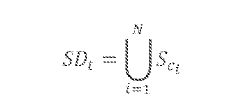
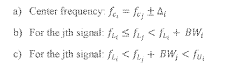
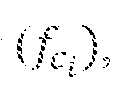
- A system for dynamic spectrum utilization management that includes monitoring sensors, a Fast Fourier Transform engine, a data analysis engine, and a Multi-Access Edge Computing layer, which analyzes RF data to identify available frequencies, detect signals of interest, and optimize network resources through a programmable rules and policy editor.


System, method, and apparatus for providing optimized network resources
PatentWO2024030148A1
Innovation
- A system utilizing Multi-Access Edge Computing (MEC) with monitoring sensors and a data analysis engine that includes a detection engine and a learning engine to dynamically analyze and optimize network resources by detecting signals of interest, learning the electromagnetic environment, and creating actionable data for resource optimization.

Regulatory Framework
The regulatory framework surrounding electromagnetic wave research for smart grid optimization is a complex and evolving landscape. As smart grid technologies continue to advance, governments and regulatory bodies worldwide are adapting their policies to ensure the safe and efficient implementation of these systems. In many jurisdictions, the use of electromagnetic waves for smart grid applications falls under the purview of telecommunications and energy regulators.
One of the primary concerns addressed by regulatory frameworks is the allocation and management of radio frequency spectrum. Smart grid systems often rely on wireless communication technologies, which require specific frequency bands to operate effectively. Regulatory bodies such as the Federal Communications Commission (FCC) in the United States and the European Conference of Postal and Telecommunications Administrations (CEPT) in Europe play crucial roles in defining and enforcing spectrum allocation policies for smart grid applications.
Electromagnetic compatibility (EMC) regulations are another critical aspect of the regulatory framework. These regulations aim to ensure that smart grid devices and systems do not cause harmful interference to other electronic equipment and can operate reliably in the presence of electromagnetic disturbances. Standards organizations like the International Electrotechnical Commission (IEC) and the Institute of Electrical and Electronics Engineers (IEEE) have developed specific EMC standards for smart grid equipment.
Data privacy and security regulations also play a significant role in shaping the development and deployment of smart grid technologies. As these systems collect and transmit vast amounts of data about energy consumption and grid operations, regulators have implemented measures to protect consumer privacy and prevent unauthorized access to sensitive information. The General Data Protection Regulation (GDPR) in the European Union and similar data protection laws in other regions have implications for smart grid data management practices.
Environmental regulations are increasingly influencing the development of smart grid technologies. Many countries have set ambitious targets for reducing greenhouse gas emissions and increasing the use of renewable energy sources. Smart grids are seen as a key enabler for achieving these goals, and regulatory frameworks are being adapted to incentivize the adoption of advanced grid technologies that can improve energy efficiency and integrate renewable energy sources more effectively.
As the field of electromagnetic wave research for smart grid optimization continues to evolve, regulatory frameworks are likely to undergo further refinement. Policymakers and industry stakeholders are working together to strike a balance between fostering innovation and ensuring the safety, reliability, and security of smart grid systems. This ongoing dialogue will be crucial in shaping the future of smart grid technologies and their role in creating more sustainable and efficient energy systems.
One of the primary concerns addressed by regulatory frameworks is the allocation and management of radio frequency spectrum. Smart grid systems often rely on wireless communication technologies, which require specific frequency bands to operate effectively. Regulatory bodies such as the Federal Communications Commission (FCC) in the United States and the European Conference of Postal and Telecommunications Administrations (CEPT) in Europe play crucial roles in defining and enforcing spectrum allocation policies for smart grid applications.
Electromagnetic compatibility (EMC) regulations are another critical aspect of the regulatory framework. These regulations aim to ensure that smart grid devices and systems do not cause harmful interference to other electronic equipment and can operate reliably in the presence of electromagnetic disturbances. Standards organizations like the International Electrotechnical Commission (IEC) and the Institute of Electrical and Electronics Engineers (IEEE) have developed specific EMC standards for smart grid equipment.
Data privacy and security regulations also play a significant role in shaping the development and deployment of smart grid technologies. As these systems collect and transmit vast amounts of data about energy consumption and grid operations, regulators have implemented measures to protect consumer privacy and prevent unauthorized access to sensitive information. The General Data Protection Regulation (GDPR) in the European Union and similar data protection laws in other regions have implications for smart grid data management practices.
Environmental regulations are increasingly influencing the development of smart grid technologies. Many countries have set ambitious targets for reducing greenhouse gas emissions and increasing the use of renewable energy sources. Smart grids are seen as a key enabler for achieving these goals, and regulatory frameworks are being adapted to incentivize the adoption of advanced grid technologies that can improve energy efficiency and integrate renewable energy sources more effectively.
As the field of electromagnetic wave research for smart grid optimization continues to evolve, regulatory frameworks are likely to undergo further refinement. Policymakers and industry stakeholders are working together to strike a balance between fostering innovation and ensuring the safety, reliability, and security of smart grid systems. This ongoing dialogue will be crucial in shaping the future of smart grid technologies and their role in creating more sustainable and efficient energy systems.
Cybersecurity Considerations
As electromagnetic wave technologies advance in smart grid optimization, cybersecurity considerations become increasingly critical. The integration of wireless communication systems and sensors in smart grids exposes the infrastructure to potential cyber threats, necessitating robust security measures.
One primary concern is the vulnerability of wireless communication channels to interception and manipulation. Malicious actors could potentially intercept sensitive data transmitted between smart grid components, compromising the integrity and confidentiality of the system. To mitigate this risk, encryption protocols specifically designed for electromagnetic wave-based communications in smart grids must be developed and implemented.
Another significant challenge is the protection of sensor networks from unauthorized access and tampering. These sensors, crucial for monitoring and optimizing grid performance, could be targeted by cyber attackers to disrupt operations or inject false data. Implementing secure authentication mechanisms and intrusion detection systems tailored for electromagnetic wave-based sensor networks is essential to maintain the reliability of smart grid systems.
The potential for electromagnetic interference (EMI) attacks also poses a significant cybersecurity risk. Deliberate EMI could disrupt communication channels, leading to system failures or incorrect data transmission. Developing EMI-resistant technologies and implementing shielding techniques are vital to ensure the resilience of smart grid communication systems against such attacks.
Furthermore, the increasing complexity of smart grid systems, with numerous interconnected devices and subsystems, expands the attack surface for potential cyber threats. This necessitates a comprehensive cybersecurity framework that addresses vulnerabilities at multiple levels, from individual devices to the overall network architecture.
As smart grids become more reliant on artificial intelligence and machine learning algorithms for optimization, the security of these systems becomes paramount. Ensuring the integrity of AI models and protecting them from adversarial attacks is crucial to maintain the reliability and efficiency of smart grid operations.
Lastly, the development of cybersecurity standards and regulations specific to electromagnetic wave technologies in smart grids is essential. These standards should address encryption requirements, authentication protocols, and security testing procedures to ensure a consistent and robust approach to cybersecurity across different smart grid implementations.
One primary concern is the vulnerability of wireless communication channels to interception and manipulation. Malicious actors could potentially intercept sensitive data transmitted between smart grid components, compromising the integrity and confidentiality of the system. To mitigate this risk, encryption protocols specifically designed for electromagnetic wave-based communications in smart grids must be developed and implemented.
Another significant challenge is the protection of sensor networks from unauthorized access and tampering. These sensors, crucial for monitoring and optimizing grid performance, could be targeted by cyber attackers to disrupt operations or inject false data. Implementing secure authentication mechanisms and intrusion detection systems tailored for electromagnetic wave-based sensor networks is essential to maintain the reliability of smart grid systems.
The potential for electromagnetic interference (EMI) attacks also poses a significant cybersecurity risk. Deliberate EMI could disrupt communication channels, leading to system failures or incorrect data transmission. Developing EMI-resistant technologies and implementing shielding techniques are vital to ensure the resilience of smart grid communication systems against such attacks.
Furthermore, the increasing complexity of smart grid systems, with numerous interconnected devices and subsystems, expands the attack surface for potential cyber threats. This necessitates a comprehensive cybersecurity framework that addresses vulnerabilities at multiple levels, from individual devices to the overall network architecture.
As smart grids become more reliant on artificial intelligence and machine learning algorithms for optimization, the security of these systems becomes paramount. Ensuring the integrity of AI models and protecting them from adversarial attacks is crucial to maintain the reliability and efficiency of smart grid operations.
Lastly, the development of cybersecurity standards and regulations specific to electromagnetic wave technologies in smart grids is essential. These standards should address encryption requirements, authentication protocols, and security testing procedures to ensure a consistent and robust approach to cybersecurity across different smart grid implementations.
Unlock deeper insights with PatSnap Eureka Quick Research — get a full tech report to explore trends and direct your research. Try now!
Generate Your Research Report Instantly with AI Agent
Supercharge your innovation with PatSnap Eureka AI Agent Platform!