
AIP System Integration: Ensuring Design Coherence
MAR 23, 20269 MIN READ
Generate Your Research Report Instantly with AI Agent
Patsnap Eureka helps you evaluate technical feasibility & market potential.
AIP System Integration Background and Objectives
Artificial Intelligence Platform (AIP) system integration represents a critical technological frontier that addresses the growing complexity of deploying coherent AI solutions across enterprise environments. As organizations increasingly adopt multiple AI technologies, tools, and frameworks, the challenge of maintaining design coherence while ensuring seamless interoperability has become paramount. This technological domain encompasses the methodologies, architectures, and standards required to unify disparate AI components into cohesive, enterprise-grade systems.
The evolution of AIP system integration has been driven by the rapid proliferation of AI technologies and the corresponding need for organizations to leverage multiple AI capabilities simultaneously. Early AI implementations often existed as isolated solutions, creating technological silos that hindered scalability and operational efficiency. The recognition of these limitations has catalyzed the development of comprehensive integration approaches that prioritize design coherence as a fundamental principle.
Design coherence in AIP systems refers to the systematic alignment of architectural patterns, data flows, user interfaces, and operational procedures across all integrated AI components. This concept extends beyond mere technical compatibility to encompass consistent user experiences, unified governance frameworks, and standardized performance metrics. The objective is to create AI ecosystems where individual components function as parts of a larger, harmonious whole rather than competing or conflicting elements.
The primary technical objectives of AIP system integration focus on establishing robust architectural frameworks that can accommodate diverse AI technologies while maintaining consistent design principles. These objectives include developing standardized APIs and communication protocols, implementing unified data management strategies, and creating coherent user interface paradigms that span multiple AI applications. Additionally, the integration must support scalable deployment models that can adapt to evolving organizational needs.
From an operational perspective, the objectives encompass ensuring reliable performance across integrated systems, maintaining security and compliance standards, and enabling efficient monitoring and management capabilities. The integration framework must also facilitate seamless updates and modifications to individual AI components without disrupting overall system coherence or functionality.
The strategic importance of this technology lies in its potential to unlock the full value of organizational AI investments by eliminating integration barriers and reducing operational complexity. Successfully implemented AIP system integration enables organizations to deploy sophisticated AI capabilities more rapidly while maintaining the design coherence necessary for sustainable long-term operations.
The evolution of AIP system integration has been driven by the rapid proliferation of AI technologies and the corresponding need for organizations to leverage multiple AI capabilities simultaneously. Early AI implementations often existed as isolated solutions, creating technological silos that hindered scalability and operational efficiency. The recognition of these limitations has catalyzed the development of comprehensive integration approaches that prioritize design coherence as a fundamental principle.
Design coherence in AIP systems refers to the systematic alignment of architectural patterns, data flows, user interfaces, and operational procedures across all integrated AI components. This concept extends beyond mere technical compatibility to encompass consistent user experiences, unified governance frameworks, and standardized performance metrics. The objective is to create AI ecosystems where individual components function as parts of a larger, harmonious whole rather than competing or conflicting elements.
The primary technical objectives of AIP system integration focus on establishing robust architectural frameworks that can accommodate diverse AI technologies while maintaining consistent design principles. These objectives include developing standardized APIs and communication protocols, implementing unified data management strategies, and creating coherent user interface paradigms that span multiple AI applications. Additionally, the integration must support scalable deployment models that can adapt to evolving organizational needs.
From an operational perspective, the objectives encompass ensuring reliable performance across integrated systems, maintaining security and compliance standards, and enabling efficient monitoring and management capabilities. The integration framework must also facilitate seamless updates and modifications to individual AI components without disrupting overall system coherence or functionality.
The strategic importance of this technology lies in its potential to unlock the full value of organizational AI investments by eliminating integration barriers and reducing operational complexity. Successfully implemented AIP system integration enables organizations to deploy sophisticated AI capabilities more rapidly while maintaining the design coherence necessary for sustainable long-term operations.
Market Demand for Coherent AIP System Solutions
The global defense industry is experiencing unprecedented demand for Air Independent Propulsion systems that demonstrate seamless design coherence across all operational parameters. Naval forces worldwide are prioritizing submarine capabilities that can operate effectively in contested maritime environments, driving substantial investment in advanced AIP technologies that integrate multiple subsystems without compromising stealth or operational efficiency.
Market drivers for coherent AIP solutions stem from evolving naval warfare requirements where submarines must maintain extended underwater endurance while preserving acoustic signatures at minimal levels. Modern naval doctrines emphasize multi-domain operations, requiring AIP systems that can support diverse mission profiles from intelligence gathering to strategic deterrence without design inconsistencies that could compromise mission success.
The commercial submarine sector, including research vessels and offshore energy support platforms, represents an emerging market segment demanding AIP systems with coherent design architectures. These applications require reliable, long-duration underwater operations where system integration failures could result in mission-critical consequences and substantial economic losses.
Regional security tensions in the South China Sea, Baltic Sea, and Mediterranean regions are accelerating procurement cycles for advanced submarine capabilities. Nations are seeking AIP technologies that demonstrate proven design coherence across propulsion, power management, and life support systems, eliminating potential failure points that could arise from poorly integrated subsystem interfaces.
The market increasingly values AIP solutions that incorporate standardized integration protocols, enabling seamless coordination between fuel cell stacks, battery systems, and traditional diesel-electric components. Defense procurement agencies are establishing stringent requirements for system-level validation testing that demonstrates coherent operation across all environmental conditions and operational scenarios.
Emerging applications in autonomous underwater vehicles and unmanned submarine platforms are creating new market opportunities for compact, highly integrated AIP systems. These platforms demand exceptional design coherence due to limited space constraints and the absence of human operators who could compensate for integration deficiencies during critical operations.
The market trend toward modular submarine construction is driving demand for AIP systems designed with inherent coherence principles, allowing for flexible integration into various hull configurations while maintaining consistent performance characteristics across different platform implementations.
Market drivers for coherent AIP solutions stem from evolving naval warfare requirements where submarines must maintain extended underwater endurance while preserving acoustic signatures at minimal levels. Modern naval doctrines emphasize multi-domain operations, requiring AIP systems that can support diverse mission profiles from intelligence gathering to strategic deterrence without design inconsistencies that could compromise mission success.
The commercial submarine sector, including research vessels and offshore energy support platforms, represents an emerging market segment demanding AIP systems with coherent design architectures. These applications require reliable, long-duration underwater operations where system integration failures could result in mission-critical consequences and substantial economic losses.
Regional security tensions in the South China Sea, Baltic Sea, and Mediterranean regions are accelerating procurement cycles for advanced submarine capabilities. Nations are seeking AIP technologies that demonstrate proven design coherence across propulsion, power management, and life support systems, eliminating potential failure points that could arise from poorly integrated subsystem interfaces.
The market increasingly values AIP solutions that incorporate standardized integration protocols, enabling seamless coordination between fuel cell stacks, battery systems, and traditional diesel-electric components. Defense procurement agencies are establishing stringent requirements for system-level validation testing that demonstrates coherent operation across all environmental conditions and operational scenarios.
Emerging applications in autonomous underwater vehicles and unmanned submarine platforms are creating new market opportunities for compact, highly integrated AIP systems. These platforms demand exceptional design coherence due to limited space constraints and the absence of human operators who could compensate for integration deficiencies during critical operations.
The market trend toward modular submarine construction is driving demand for AIP systems designed with inherent coherence principles, allowing for flexible integration into various hull configurations while maintaining consistent performance characteristics across different platform implementations.
Current AIP Integration Challenges and Constraints
AIP system integration faces significant architectural complexity challenges that stem from the heterogeneous nature of AI components. Traditional integration approaches struggle to accommodate the diverse computational requirements, data formats, and processing paradigms inherent in modern AI systems. The lack of standardized interfaces between different AI modules creates substantial technical debt and increases system maintenance overhead.
Data consistency and synchronization represent critical bottlenecks in current AIP implementations. Real-time AI applications require seamless data flow between multiple processing units, yet existing integration frameworks often introduce latency and data integrity issues. The challenge intensifies when dealing with streaming data sources that demand immediate processing while maintaining coherence across distributed AI components.
Scalability constraints pose another fundamental limitation in contemporary AIP integration strategies. Current solutions frequently exhibit performance degradation when scaling beyond predetermined thresholds, particularly in cloud-native environments where dynamic resource allocation is essential. The inability to efficiently distribute computational loads across heterogeneous hardware architectures limits the practical deployment of complex AI systems.
Version compatibility and dependency management create ongoing operational challenges for AIP system integrators. The rapid evolution of AI frameworks and libraries results in frequent compatibility conflicts, making it difficult to maintain stable production environments. Legacy system integration compounds these issues, as older AI components may not support modern integration protocols or security standards.
Security and governance constraints significantly impact AIP integration design decisions. Current integration approaches often struggle to implement comprehensive audit trails and access controls across distributed AI components. The challenge becomes more pronounced in regulated industries where compliance requirements demand granular monitoring and control capabilities that existing integration platforms cannot adequately provide.
Resource optimization remains a persistent challenge in AIP system integration. Current solutions lack sophisticated mechanisms for dynamic resource allocation based on real-time workload characteristics. This limitation results in either over-provisioning of computational resources or performance bottlenecks during peak demand periods, ultimately affecting system reliability and cost-effectiveness.
Data consistency and synchronization represent critical bottlenecks in current AIP implementations. Real-time AI applications require seamless data flow between multiple processing units, yet existing integration frameworks often introduce latency and data integrity issues. The challenge intensifies when dealing with streaming data sources that demand immediate processing while maintaining coherence across distributed AI components.
Scalability constraints pose another fundamental limitation in contemporary AIP integration strategies. Current solutions frequently exhibit performance degradation when scaling beyond predetermined thresholds, particularly in cloud-native environments where dynamic resource allocation is essential. The inability to efficiently distribute computational loads across heterogeneous hardware architectures limits the practical deployment of complex AI systems.
Version compatibility and dependency management create ongoing operational challenges for AIP system integrators. The rapid evolution of AI frameworks and libraries results in frequent compatibility conflicts, making it difficult to maintain stable production environments. Legacy system integration compounds these issues, as older AI components may not support modern integration protocols or security standards.
Security and governance constraints significantly impact AIP integration design decisions. Current integration approaches often struggle to implement comprehensive audit trails and access controls across distributed AI components. The challenge becomes more pronounced in regulated industries where compliance requirements demand granular monitoring and control capabilities that existing integration platforms cannot adequately provide.
Resource optimization remains a persistent challenge in AIP system integration. Current solutions lack sophisticated mechanisms for dynamic resource allocation based on real-time workload characteristics. This limitation results in either over-provisioning of computational resources or performance bottlenecks during peak demand periods, ultimately affecting system reliability and cost-effectiveness.
Current AIP Design Coherence Solutions
01 Modular architecture design for system integration
AIP system integration employs modular architecture approaches that enable flexible component integration and scalability. This design methodology allows different subsystems to be developed independently while maintaining coherent interfaces and communication protocols. The modular approach facilitates easier maintenance, upgrades, and system expansion while ensuring overall system coherence through standardized integration frameworks.- Modular architecture design for system integration: AIP system integration employs modular architecture approaches that enable flexible component integration and scalability. This design methodology allows different subsystems to be developed independently while maintaining coherent interfaces and communication protocols. The modular approach facilitates easier maintenance, upgrades, and system expansion while ensuring overall system coherence through standardized integration frameworks.
- Data integration and interoperability frameworks: Coherent data integration frameworks enable seamless information exchange between different system components. These frameworks establish standardized data formats, protocols, and interfaces that ensure consistent data flow across integrated subsystems. The implementation includes middleware solutions, data mapping techniques, and synchronization mechanisms that maintain data integrity and coherence throughout the integrated system.
- Interface standardization and protocol management: Standardized interfaces and communication protocols are essential for maintaining design coherence in integrated systems. This approach defines common interface specifications, message formats, and communication standards that enable different components to interact seamlessly. Protocol management ensures compatibility between legacy and new systems while maintaining consistent behavior across the integrated platform.
- System verification and validation methodologies: Comprehensive verification and validation processes ensure that integrated systems maintain coherence and meet design specifications. These methodologies include automated testing frameworks, simulation tools, and validation protocols that verify component interactions and overall system behavior. The approach encompasses both functional and non-functional requirements to ensure the integrated system operates as a coherent whole.
- Configuration management and version control: Effective configuration management maintains design coherence across system versions and updates. This includes tracking component dependencies, managing interface versions, and ensuring compatibility between different system elements. Configuration control mechanisms enable coordinated updates and changes while preserving system integrity and coherence throughout the integration lifecycle.
02 Data coherence and synchronization mechanisms
Maintaining data coherence across integrated AIP systems requires sophisticated synchronization mechanisms and protocols. These mechanisms ensure consistent data states across multiple processing units and subsystems, preventing conflicts and ensuring reliable system operation. Implementation includes cache coherence protocols, distributed data management, and real-time synchronization techniques that maintain system integrity during concurrent operations.Expand Specific Solutions03 Interface standardization and protocol design
Coherent system integration relies on standardized interfaces and communication protocols that enable seamless interaction between diverse components. This includes defining common data formats, communication standards, and API specifications that ensure interoperability. The standardization approach reduces integration complexity and enables plug-and-play functionality while maintaining system-wide coherence and reliability.Expand Specific Solutions04 Hierarchical control and coordination frameworks
AIP systems utilize hierarchical control architectures to maintain design coherence across multiple integration levels. These frameworks establish clear control hierarchies, decision-making processes, and coordination mechanisms that ensure consistent system behavior. The approach includes distributed control strategies, centralized monitoring capabilities, and adaptive coordination algorithms that maintain coherence during dynamic operational conditions.Expand Specific Solutions05 Verification and validation methodologies
Ensuring design coherence in integrated AIP systems requires comprehensive verification and validation methodologies. These approaches include systematic testing frameworks, simulation environments, and formal verification techniques that validate system integration at multiple levels. The methodologies verify functional correctness, performance requirements, and coherence properties throughout the system lifecycle, from design through deployment and operation.Expand Specific Solutions
Major Players in AIP System Integration Market
The AIP system integration market is in a mature growth phase, driven by increasing demand for coherent AI-powered design solutions across industries. The market demonstrates substantial scale with established technology giants like IBM, Intel, Google, and Synopsys leading through comprehensive platforms that integrate hardware and software components. Technology maturity varies significantly across segments, with companies like Taiwan Semiconductor Manufacturing and GlobalFoundries providing foundational semiconductor capabilities, while Cadence Design Systems and Arteris specialize in design automation tools. Enterprise solution providers including SAP, Workday, and Accenture focus on system-level integration services. The competitive landscape shows convergence between traditional semiconductor manufacturers, EDA tool providers, and cloud-based AI platforms, indicating a shift toward holistic ecosystem approaches rather than standalone solutions for ensuring design coherence in complex AIP implementations.
International Business Machines Corp.
Technical Solution: IBM's AIP system integration approach focuses on hybrid cloud architecture with Watson AI platform integration. Their solution emphasizes modular design patterns that enable seamless integration between AI processing units, data management systems, and enterprise applications. The company leverages containerized microservices architecture to ensure design coherence across different AI workloads, utilizing Red Hat OpenShift for orchestration. IBM's approach includes automated deployment pipelines, standardized APIs, and comprehensive monitoring tools that maintain system consistency. Their integration framework supports both on-premises and cloud-based AI processing, with particular emphasis on data governance and security protocols that ensure coherent design across distributed AI systems.
Strengths: Mature enterprise integration experience, robust security frameworks, comprehensive cloud-native tools. Weaknesses: Complex implementation, higher costs, potential vendor lock-in concerns.
Synopsys, Inc.
Technical Solution: Synopsys provides comprehensive EDA tools for AIP system integration, focusing on design verification and validation across AI processor architectures. Their solution includes advanced simulation platforms that ensure design coherence through automated testing and verification workflows. The company's approach integrates hardware-software co-design methodologies, enabling seamless integration between AI accelerators, memory subsystems, and interconnect fabrics. Synopsys offers specialized tools for power analysis, timing closure, and functional verification that maintain design integrity throughout the development cycle. Their platform supports multi-domain integration, ensuring coherent design across analog, digital, and mixed-signal components in AI processing systems.
Strengths: Industry-leading EDA tools, comprehensive verification capabilities, strong hardware-software co-design support. Weaknesses: High licensing costs, steep learning curve, primarily focused on design phase rather than deployment.
Core Technologies for AIP System Integration
Application infrastructure platform (AIP)
PatentInactiveUS20120124204A1
Innovation
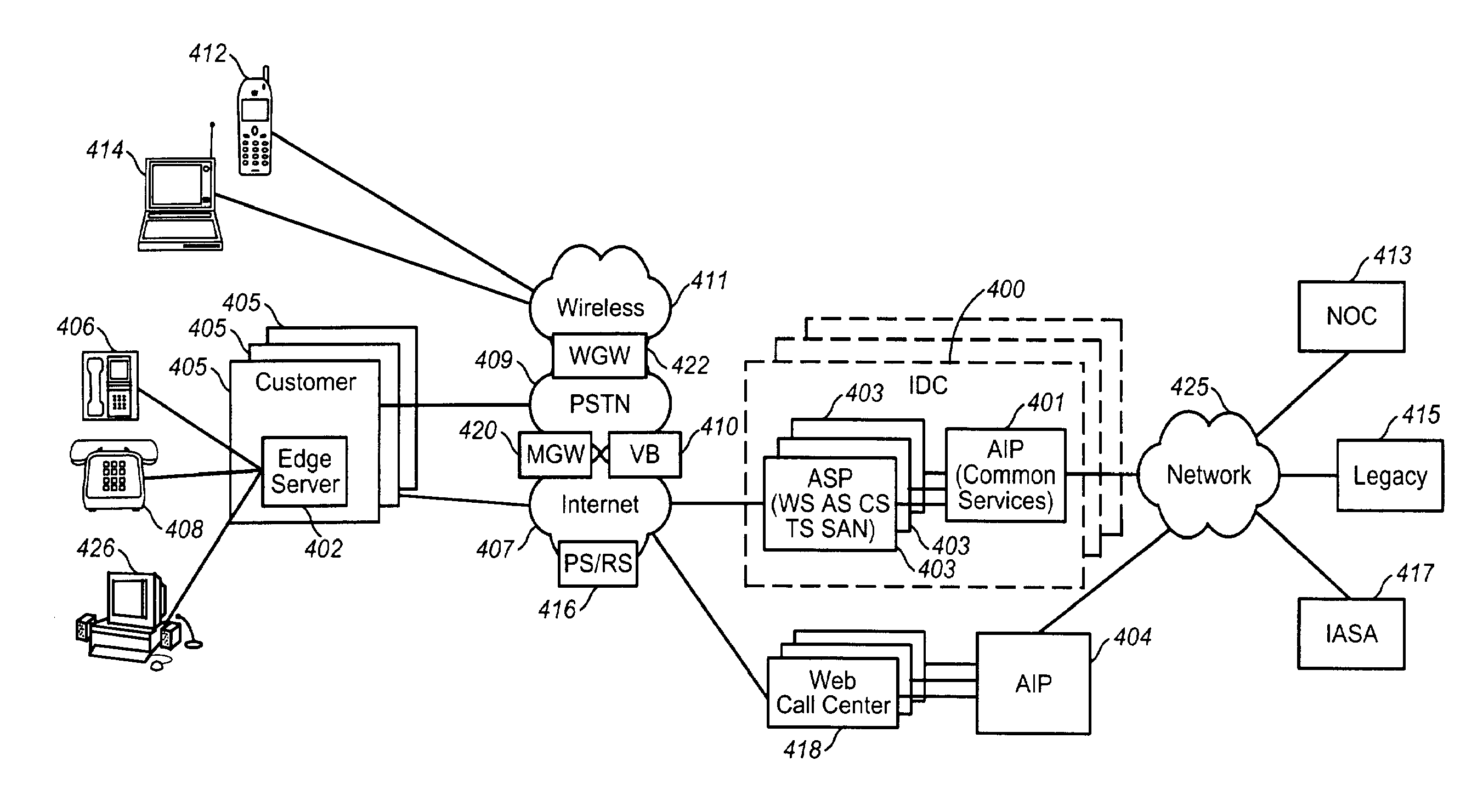
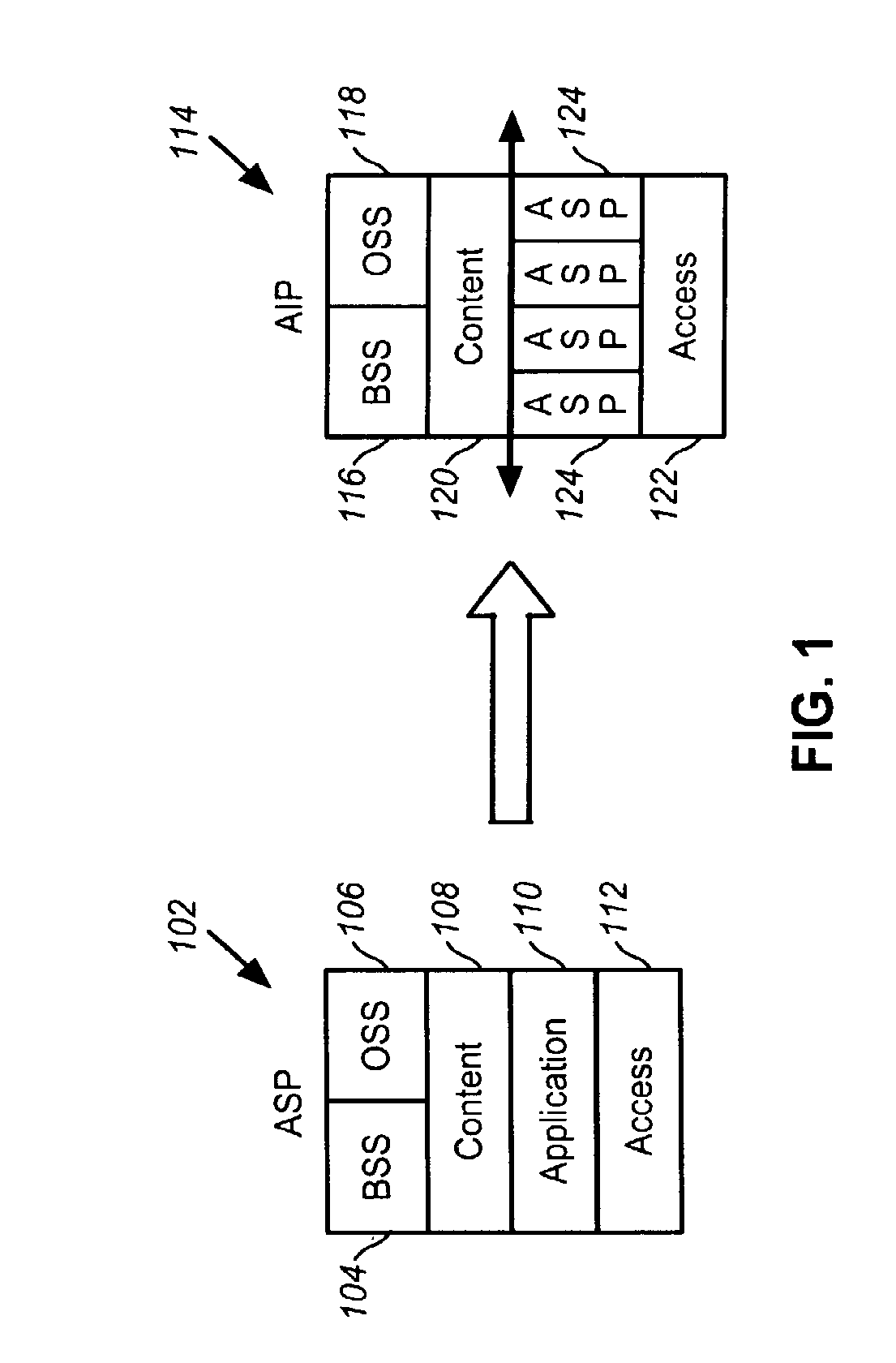
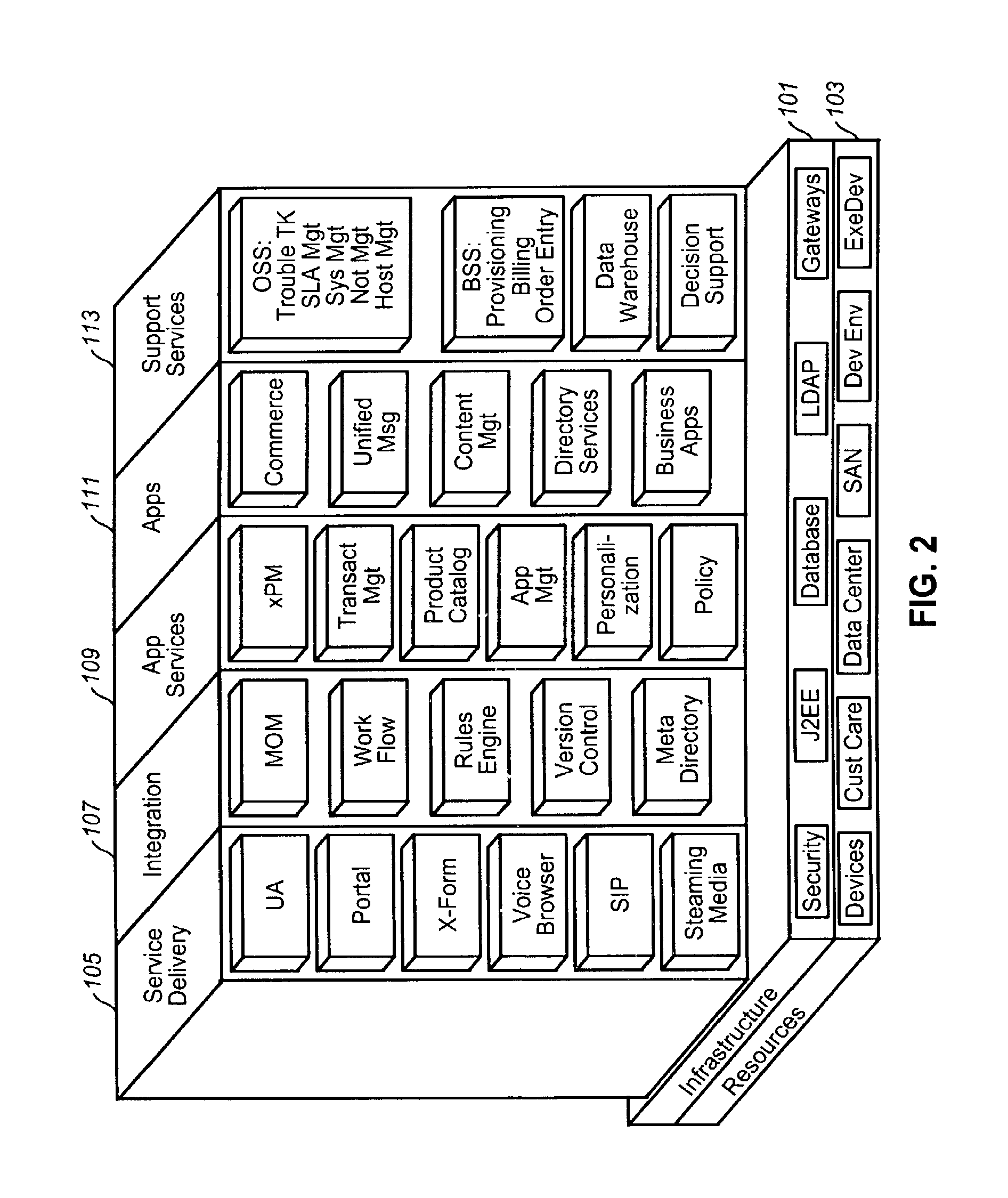
- An Application Infrastructure Platform (AIP) that aggregates and delivers applications and services, providing common management services to ASPs, enabling them to focus on market niche solutions by relieving the need for building infrastructure and offering a scalable, dynamic platform for service delivery through any device or media, leveraging technologies like message busses, Enterprise Java Beans, Workflow Managers, and Rules Engines.

Artificial intelligence based integration frameworks
PatentActiveUS20240241777A1
Innovation
- The use of artificial intelligence and machine learning techniques to programmatically generate and integrate APIs by processing integration data objects, identifying features, and generating API models, with the ability to update and refine these models periodically based on historical data.


Standards and Protocols for AIP Integration
The standardization landscape for AIP system integration encompasses multiple layers of protocols and frameworks designed to ensure seamless interoperability across diverse artificial intelligence platforms. Current industry standards primarily focus on data exchange formats, API specifications, and communication protocols that enable different AIP components to work cohesively within integrated environments.
IEEE standards, particularly IEEE 2857 for privacy engineering and IEEE 2755 for intelligent process automation, provide foundational frameworks for AIP integration. These standards establish common vocabularies, data models, and interface specifications that facilitate cross-platform compatibility. Additionally, the ISO/IEC 23053 framework for AI system lifecycle processes offers comprehensive guidelines for maintaining consistency throughout integration phases.
Protocol standardization efforts center around RESTful APIs, GraphQL interfaces, and emerging gRPC implementations that support high-performance communication between AIP modules. The Open Neural Network Exchange (ONNX) format has become instrumental in enabling model portability across different AI frameworks, while the Model Asset Exchange (MAX) protocol facilitates standardized model deployment and integration procedures.
Industry consortiums such as the Partnership on AI and the AI Infrastructure Alliance are actively developing integration protocols that address specific challenges in multi-vendor environments. These initiatives focus on establishing common metadata schemas, security protocols, and performance benchmarking standards that ensure consistent behavior across integrated AIP systems.
Emerging standards like the AI Model Governance Framework and the Responsible AI Standard (ISO/IEC 23894) introduce governance protocols that mandate documentation, versioning, and audit trail requirements for integrated systems. These frameworks ensure that design coherence is maintained not only at the technical level but also in terms of ethical compliance and operational transparency.
The evolution toward containerization standards, particularly through Kubernetes operators and Docker specifications tailored for AI workloads, has created new protocol requirements for resource management and orchestration. These standards define how AIP components should be packaged, deployed, and managed within integrated environments while maintaining design consistency and operational reliability across different deployment scenarios.
IEEE standards, particularly IEEE 2857 for privacy engineering and IEEE 2755 for intelligent process automation, provide foundational frameworks for AIP integration. These standards establish common vocabularies, data models, and interface specifications that facilitate cross-platform compatibility. Additionally, the ISO/IEC 23053 framework for AI system lifecycle processes offers comprehensive guidelines for maintaining consistency throughout integration phases.
Protocol standardization efforts center around RESTful APIs, GraphQL interfaces, and emerging gRPC implementations that support high-performance communication between AIP modules. The Open Neural Network Exchange (ONNX) format has become instrumental in enabling model portability across different AI frameworks, while the Model Asset Exchange (MAX) protocol facilitates standardized model deployment and integration procedures.
Industry consortiums such as the Partnership on AI and the AI Infrastructure Alliance are actively developing integration protocols that address specific challenges in multi-vendor environments. These initiatives focus on establishing common metadata schemas, security protocols, and performance benchmarking standards that ensure consistent behavior across integrated AIP systems.
Emerging standards like the AI Model Governance Framework and the Responsible AI Standard (ISO/IEC 23894) introduce governance protocols that mandate documentation, versioning, and audit trail requirements for integrated systems. These frameworks ensure that design coherence is maintained not only at the technical level but also in terms of ethical compliance and operational transparency.
The evolution toward containerization standards, particularly through Kubernetes operators and Docker specifications tailored for AI workloads, has created new protocol requirements for resource management and orchestration. These standards define how AIP components should be packaged, deployed, and managed within integrated environments while maintaining design consistency and operational reliability across different deployment scenarios.
Risk Management in AIP System Design
Risk management in AIP system design represents a critical discipline that addresses the multifaceted uncertainties inherent in integrating artificial intelligence processors with complex system architectures. The sophisticated nature of AIP systems, which combine hardware acceleration, software frameworks, and real-time processing capabilities, introduces unique risk vectors that traditional system design methodologies may inadequately address.
The primary risk categories in AIP system design encompass technical, operational, and strategic dimensions. Technical risks include hardware-software compatibility issues, thermal management failures, and performance degradation under varying workloads. These risks are particularly pronounced given the heterogeneous nature of AIP architectures, where multiple processing units must operate cohesively while maintaining optimal power efficiency and computational throughput.
Operational risks manifest through system reliability concerns, including unexpected failure modes during critical operations and cascading failures that can compromise entire system functionality. The real-time nature of many AIP applications amplifies these risks, as system failures can have immediate and severe consequences in applications such as autonomous vehicles or industrial automation systems.
Strategic risks emerge from the rapidly evolving landscape of AI hardware and software technologies. Design decisions made during early development phases may become obsolete due to technological advances, regulatory changes, or shifting market requirements. This temporal risk factor necessitates flexible design approaches that can accommodate future modifications without requiring complete system redesigns.
Effective risk mitigation strategies for AIP systems require comprehensive testing protocols that simulate diverse operational scenarios and stress conditions. Redundancy mechanisms, including backup processing pathways and graceful degradation capabilities, serve as essential safeguards against critical system failures. Additionally, modular design architectures enable isolated risk containment, preventing localized failures from propagating throughout the entire system.
The implementation of robust monitoring and diagnostic systems provides real-time risk assessment capabilities, enabling proactive intervention before critical failures occur. These systems must balance comprehensive coverage with minimal performance impact, ensuring that risk management mechanisms do not compromise the primary system objectives of efficiency and reliability.
The primary risk categories in AIP system design encompass technical, operational, and strategic dimensions. Technical risks include hardware-software compatibility issues, thermal management failures, and performance degradation under varying workloads. These risks are particularly pronounced given the heterogeneous nature of AIP architectures, where multiple processing units must operate cohesively while maintaining optimal power efficiency and computational throughput.
Operational risks manifest through system reliability concerns, including unexpected failure modes during critical operations and cascading failures that can compromise entire system functionality. The real-time nature of many AIP applications amplifies these risks, as system failures can have immediate and severe consequences in applications such as autonomous vehicles or industrial automation systems.
Strategic risks emerge from the rapidly evolving landscape of AI hardware and software technologies. Design decisions made during early development phases may become obsolete due to technological advances, regulatory changes, or shifting market requirements. This temporal risk factor necessitates flexible design approaches that can accommodate future modifications without requiring complete system redesigns.
Effective risk mitigation strategies for AIP systems require comprehensive testing protocols that simulate diverse operational scenarios and stress conditions. Redundancy mechanisms, including backup processing pathways and graceful degradation capabilities, serve as essential safeguards against critical system failures. Additionally, modular design architectures enable isolated risk containment, preventing localized failures from propagating throughout the entire system.
The implementation of robust monitoring and diagnostic systems provides real-time risk assessment capabilities, enabling proactive intervention before critical failures occur. These systems must balance comprehensive coverage with minimal performance impact, ensuring that risk management mechanisms do not compromise the primary system objectives of efficiency and reliability.
Unlock deeper insights with Patsnap Eureka Quick Research — get a full tech report to explore trends and direct your research. Try now!
Generate Your Research Report Instantly with AI Agent
Supercharge your innovation with Patsnap Eureka AI Agent Platform!