

Anticipating Technological Shifts in Thermo Mechanical Processing
MAR 13, 20269 MIN READ
Generate Your Research Report Instantly with AI Agent
Patsnap Eureka helps you evaluate technical feasibility & market potential.
Thermo Mechanical Processing Evolution and Objectives
Thermo mechanical processing (TMP) has undergone significant evolution since its inception in the mid-20th century, transforming from basic hot working techniques to sophisticated multi-stage processing methodologies. The field emerged from the fundamental understanding that mechanical deformation combined with controlled thermal treatments could produce superior material properties compared to conventional processing routes. Early developments focused primarily on steel processing, where researchers discovered that controlled rolling in specific temperature ranges could enhance strength-toughness combinations.
The evolution of TMP has been driven by the increasing demand for materials with enhanced performance characteristics across diverse industrial applications. Traditional processing methods often required trade-offs between strength and ductility, limiting material optimization potential. The development of TMP addressed these limitations by enabling precise control over microstructural evolution through the synergistic effects of temperature, strain, and strain rate manipulation.
Modern TMP encompasses a broad spectrum of techniques including controlled rolling, thermomechanical controlled processing (TMCP), and advanced deformation processing methods. These approaches have expanded beyond ferrous materials to include aluminum alloys, titanium alloys, and emerging high-entropy alloys. The integration of computational modeling and real-time process monitoring has further enhanced the precision and repeatability of TMP operations.
Current technological objectives in TMP focus on achieving unprecedented levels of property customization while maintaining economic viability. Primary goals include developing processing routes that can produce materials with tailored microstructures for specific applications, such as ultra-high strength steels for automotive lightweighting or advanced aluminum alloys for aerospace components. The pursuit of grain refinement through severe plastic deformation techniques represents another critical objective, aiming to achieve nanoscale microstructures with exceptional mechanical properties.
Sustainability considerations have become increasingly important in defining TMP objectives. Energy-efficient processing routes that minimize thermal cycling and reduce overall processing time are being prioritized. Additionally, the development of TMP techniques for recycled materials and the creation of processing methods that extend material service life align with circular economy principles.
The integration of artificial intelligence and machine learning into TMP represents a transformative objective, enabling predictive process control and autonomous optimization of processing parameters. This technological convergence aims to achieve real-time microstructure prediction and adaptive process adjustment, potentially revolutionizing manufacturing efficiency and product quality consistency in thermo mechanical processing applications.
The evolution of TMP has been driven by the increasing demand for materials with enhanced performance characteristics across diverse industrial applications. Traditional processing methods often required trade-offs between strength and ductility, limiting material optimization potential. The development of TMP addressed these limitations by enabling precise control over microstructural evolution through the synergistic effects of temperature, strain, and strain rate manipulation.
Modern TMP encompasses a broad spectrum of techniques including controlled rolling, thermomechanical controlled processing (TMCP), and advanced deformation processing methods. These approaches have expanded beyond ferrous materials to include aluminum alloys, titanium alloys, and emerging high-entropy alloys. The integration of computational modeling and real-time process monitoring has further enhanced the precision and repeatability of TMP operations.
Current technological objectives in TMP focus on achieving unprecedented levels of property customization while maintaining economic viability. Primary goals include developing processing routes that can produce materials with tailored microstructures for specific applications, such as ultra-high strength steels for automotive lightweighting or advanced aluminum alloys for aerospace components. The pursuit of grain refinement through severe plastic deformation techniques represents another critical objective, aiming to achieve nanoscale microstructures with exceptional mechanical properties.
Sustainability considerations have become increasingly important in defining TMP objectives. Energy-efficient processing routes that minimize thermal cycling and reduce overall processing time are being prioritized. Additionally, the development of TMP techniques for recycled materials and the creation of processing methods that extend material service life align with circular economy principles.
The integration of artificial intelligence and machine learning into TMP represents a transformative objective, enabling predictive process control and autonomous optimization of processing parameters. This technological convergence aims to achieve real-time microstructure prediction and adaptive process adjustment, potentially revolutionizing manufacturing efficiency and product quality consistency in thermo mechanical processing applications.
Market Demand for Advanced TMP Technologies
The global steel industry's evolution toward higher-strength, lightweight materials has created substantial market demand for advanced thermo-mechanical processing technologies. Traditional hot rolling processes are increasingly inadequate for producing the complex microstructures required in automotive, aerospace, and construction applications. This gap has generated significant commercial opportunities for innovative TMP solutions that can deliver superior mechanical properties while maintaining cost-effectiveness.
Automotive manufacturers represent the largest demand segment, driven by stringent fuel efficiency regulations and crashworthiness standards. The transition to electric vehicles has further intensified requirements for high-strength steel components that reduce vehicle weight without compromising safety. Advanced high-strength steels and ultra-high-strength steels produced through sophisticated TMP routes are becoming essential for meeting these specifications.
The construction industry presents another substantial market opportunity, particularly for seismic-resistant structures and high-rise buildings. Modern architectural demands require steel with exceptional toughness and ductility combinations that conventional processing cannot achieve. Advanced TMP technologies enable the production of structural steels with tailored properties that meet increasingly stringent building codes and performance requirements.
Energy sector applications, including oil and gas pipelines, offshore platforms, and renewable energy infrastructure, demand materials with superior corrosion resistance and mechanical properties under extreme conditions. These applications require precise control over microstructural evolution during processing, creating demand for advanced TMP systems with enhanced monitoring and control capabilities.
The market is also responding to sustainability pressures, with manufacturers seeking TMP technologies that reduce energy consumption and carbon emissions. Advanced process control systems that optimize heating schedules and deformation parameters can significantly improve energy efficiency while enhancing product quality. This dual benefit of environmental compliance and cost reduction is driving adoption across multiple industry segments.
Emerging applications in additive manufacturing and hybrid processing techniques are creating new market niches for specialized TMP equipment. The integration of artificial intelligence and machine learning into process control systems represents a growing segment, as manufacturers seek predictive capabilities for quality optimization and defect prevention.
Regional demand patterns show strong growth in Asia-Pacific markets, driven by infrastructure development and automotive production expansion. European markets emphasize advanced materials for renewable energy applications, while North American demand focuses on pipeline and automotive applications requiring enhanced performance characteristics.
Automotive manufacturers represent the largest demand segment, driven by stringent fuel efficiency regulations and crashworthiness standards. The transition to electric vehicles has further intensified requirements for high-strength steel components that reduce vehicle weight without compromising safety. Advanced high-strength steels and ultra-high-strength steels produced through sophisticated TMP routes are becoming essential for meeting these specifications.
The construction industry presents another substantial market opportunity, particularly for seismic-resistant structures and high-rise buildings. Modern architectural demands require steel with exceptional toughness and ductility combinations that conventional processing cannot achieve. Advanced TMP technologies enable the production of structural steels with tailored properties that meet increasingly stringent building codes and performance requirements.
Energy sector applications, including oil and gas pipelines, offshore platforms, and renewable energy infrastructure, demand materials with superior corrosion resistance and mechanical properties under extreme conditions. These applications require precise control over microstructural evolution during processing, creating demand for advanced TMP systems with enhanced monitoring and control capabilities.
The market is also responding to sustainability pressures, with manufacturers seeking TMP technologies that reduce energy consumption and carbon emissions. Advanced process control systems that optimize heating schedules and deformation parameters can significantly improve energy efficiency while enhancing product quality. This dual benefit of environmental compliance and cost reduction is driving adoption across multiple industry segments.
Emerging applications in additive manufacturing and hybrid processing techniques are creating new market niches for specialized TMP equipment. The integration of artificial intelligence and machine learning into process control systems represents a growing segment, as manufacturers seek predictive capabilities for quality optimization and defect prevention.
Regional demand patterns show strong growth in Asia-Pacific markets, driven by infrastructure development and automotive production expansion. European markets emphasize advanced materials for renewable energy applications, while North American demand focuses on pipeline and automotive applications requiring enhanced performance characteristics.
Current TMP Challenges and Global Development Status
Thermo Mechanical Processing faces significant technical challenges that vary considerably across different global regions and industrial sectors. The primary obstacle lies in achieving precise control over the complex interplay between temperature, strain rate, and microstructural evolution during processing. Current systems struggle with real-time monitoring and adjustment capabilities, particularly when dealing with advanced materials such as high-strength steels, titanium alloys, and emerging superalloys.
Temperature uniformity remains a critical bottleneck in large-scale TMP operations. Conventional heating systems often produce thermal gradients that lead to inconsistent microstructures and mechanical properties across processed components. This challenge is particularly pronounced in heavy forging applications where maintaining uniform temperature distribution throughout massive workpieces proves technically demanding and economically costly.
The integration of advanced sensing technologies presents another significant hurdle. While laboratory-scale TMP processes can achieve remarkable precision through sophisticated monitoring systems, scaling these capabilities to industrial production environments encounters substantial technical and economic barriers. Current sensor technologies often fail to withstand the harsh conditions of high-temperature processing environments, limiting real-time process optimization capabilities.
Global development status reveals distinct regional disparities in TMP advancement. European manufacturers, particularly in Germany and Sweden, lead in developing sophisticated control algorithms and sensor integration systems. Their focus centers on automotive and aerospace applications where precision requirements justify higher technology investments. Japanese companies excel in developing compact, energy-efficient TMP systems, emphasizing process optimization and material waste reduction.
North American development concentrates on heavy industry applications, with significant investments in large-scale forging and rolling operations. However, the region faces challenges in modernizing aging infrastructure and integrating digital technologies into existing production lines. Chinese manufacturers are rapidly advancing in TMP technology adoption, focusing on cost-effective solutions for mass production applications, though quality consistency remains a developmental priority.
The computational modeling aspect presents ongoing challenges across all regions. Current finite element models struggle to accurately predict microstructural evolution under complex TMP conditions, particularly for multi-phase materials. This limitation constrains process optimization efforts and increases reliance on empirical approaches rather than predictive modeling.
Energy efficiency concerns increasingly drive TMP development priorities globally. Traditional processes consume substantial energy for heating and mechanical deformation, prompting research into alternative heating methods, heat recovery systems, and process route optimization. However, implementing these improvements while maintaining product quality standards requires significant technological advancement and capital investment.
Temperature uniformity remains a critical bottleneck in large-scale TMP operations. Conventional heating systems often produce thermal gradients that lead to inconsistent microstructures and mechanical properties across processed components. This challenge is particularly pronounced in heavy forging applications where maintaining uniform temperature distribution throughout massive workpieces proves technically demanding and economically costly.
The integration of advanced sensing technologies presents another significant hurdle. While laboratory-scale TMP processes can achieve remarkable precision through sophisticated monitoring systems, scaling these capabilities to industrial production environments encounters substantial technical and economic barriers. Current sensor technologies often fail to withstand the harsh conditions of high-temperature processing environments, limiting real-time process optimization capabilities.
Global development status reveals distinct regional disparities in TMP advancement. European manufacturers, particularly in Germany and Sweden, lead in developing sophisticated control algorithms and sensor integration systems. Their focus centers on automotive and aerospace applications where precision requirements justify higher technology investments. Japanese companies excel in developing compact, energy-efficient TMP systems, emphasizing process optimization and material waste reduction.
North American development concentrates on heavy industry applications, with significant investments in large-scale forging and rolling operations. However, the region faces challenges in modernizing aging infrastructure and integrating digital technologies into existing production lines. Chinese manufacturers are rapidly advancing in TMP technology adoption, focusing on cost-effective solutions for mass production applications, though quality consistency remains a developmental priority.
The computational modeling aspect presents ongoing challenges across all regions. Current finite element models struggle to accurately predict microstructural evolution under complex TMP conditions, particularly for multi-phase materials. This limitation constrains process optimization efforts and increases reliance on empirical approaches rather than predictive modeling.
Energy efficiency concerns increasingly drive TMP development priorities globally. Traditional processes consume substantial energy for heating and mechanical deformation, prompting research into alternative heating methods, heat recovery systems, and process route optimization. However, implementing these improvements while maintaining product quality standards requires significant technological advancement and capital investment.
Mainstream TMP Solutions and Implementation Methods
01 Controlled rolling and heat treatment processes for steel
Thermo mechanical processing involves controlled rolling at specific temperature ranges combined with subsequent heat treatment to achieve desired microstructures and mechanical properties in steel products. The process typically includes austenite conditioning, controlled deformation, and accelerated cooling to refine grain structure and enhance strength, toughness, and other mechanical properties. This approach is particularly effective for producing high-strength low-alloy steels and other advanced steel grades.- Controlled rolling and temperature management in steel processing: Thermo mechanical processing involves controlled rolling operations at specific temperature ranges to achieve desired microstructures and mechanical properties in steel products. The process combines deformation and thermal treatment, where the material is subjected to mechanical working at elevated temperatures followed by controlled cooling. This approach allows for grain refinement and improved strength-toughness balance in the final product.
- Multi-stage deformation processing for enhanced material properties: The process utilizes multiple deformation stages at varying temperatures to optimize the microstructure evolution. Each stage is carefully controlled to achieve specific metallurgical transformations, including austenite conditioning, recrystallization control, and phase transformation management. This sequential approach enables the production of materials with superior mechanical properties compared to conventional processing methods.
- Accelerated cooling techniques following hot deformation: Following the hot deformation process, accelerated cooling strategies are employed to control the final microstructure and properties. The cooling rate and temperature profile are precisely managed to achieve desired phase transformations and precipitation patterns. This technique is particularly effective for producing high-strength materials with fine-grained structures and improved toughness characteristics.
- Strain accumulation and recrystallization control: The process involves careful control of strain accumulation during deformation to influence recrystallization behavior and grain size distribution. By managing the deformation parameters such as strain rate, reduction ratio, and inter-pass time, the recrystallization kinetics can be controlled to achieve optimal grain refinement. This approach is essential for developing materials with enhanced mechanical properties and uniform microstructures.
- Integration of thermal and mechanical parameters for alloy optimization: Advanced thermo mechanical processing integrates precise control of both thermal and mechanical parameters to optimize alloy performance. The process considers the interaction between temperature, strain, strain rate, and time to achieve specific microstructural features. This comprehensive approach enables the development of materials with tailored properties for specific applications, including improved formability, strength, and durability.
02 Temperature control during deformation processing
Precise temperature control during the deformation stage is critical in thermo mechanical processing. The material is subjected to mechanical working within specific temperature windows to optimize recrystallization behavior and phase transformations. This includes monitoring and controlling the temperature during hot rolling, forging, or other forming operations to achieve uniform microstructure and prevent defects. The temperature ranges are carefully selected based on material composition and desired final properties.Expand Specific Solutions03 Multi-stage deformation and cooling strategies
Advanced thermo mechanical processing employs multi-stage deformation sequences with intermediate cooling or reheating steps. This approach allows for progressive refinement of microstructure through repeated cycles of strain accumulation and recovery. The cooling rates between deformation stages and after final processing are carefully controlled to achieve specific phase compositions and grain sizes. Such strategies are essential for producing materials with superior combinations of strength, ductility, and fracture resistance.Expand Specific Solutions04 Grain refinement through severe plastic deformation
Thermo mechanical processing techniques can incorporate severe plastic deformation methods to achieve ultrafine or nanocrystalline grain structures. These processes involve applying large strains at controlled temperatures to induce continuous dynamic recrystallization or other grain refinement mechanisms. The resulting fine-grained microstructures exhibit enhanced mechanical properties including increased strength and improved fatigue resistance. This approach is applicable to various metallic materials including aluminum alloys, titanium alloys, and steels.Expand Specific Solutions05 Integration of thermomechanical processing with alloy design
Modern thermo mechanical processing is closely integrated with alloy composition design to optimize material performance. Specific alloying elements are selected to control precipitation behavior, recrystallization kinetics, and phase transformation temperatures during processing. The processing parameters are then tailored to the alloy chemistry to maximize the benefits of both compositional and microstructural optimization. This integrated approach enables the development of advanced materials with application-specific property profiles for industries such as automotive, aerospace, and construction.Expand Specific Solutions
Leading Companies in Thermo Mechanical Processing
The thermo mechanical processing industry is experiencing a transformative phase characterized by rapid technological evolution and increasing market consolidation. The sector demonstrates significant growth potential, driven by demands from semiconductor manufacturing, automotive, and advanced materials sectors, with established players like Taiwan Semiconductor Manufacturing Co., Tokyo Electron Ltd., and JFE Steel Corp. leading market development. Technology maturity varies considerably across applications, with companies such as FANUC Corp., Okuma Corp., and Axcelis Technologies representing mature automation and processing solutions, while emerging players like Shanghai Nuozuoli and research institutions including The Ohio State University, California Institute of Technology, and Huazhong University of Science & Technology are advancing next-generation thermal processing innovations. The competitive landscape features a mix of established industrial giants like IBM, Apple, and Rolls-Royce alongside specialized equipment manufacturers and academic research centers, indicating a dynamic ecosystem where traditional manufacturing expertise converges with cutting-edge research capabilities to address evolving thermal processing challenges.
Taiwan Semiconductor Manufacturing Co., Ltd.
Technical Solution: TSMC has developed advanced thermo-mechanical processing technologies for semiconductor manufacturing, including innovative thermal management systems for extreme ultraviolet (EUV) lithography processes. Their approach integrates real-time temperature monitoring with mechanical stress control during wafer processing, utilizing advanced materials like silicon carbide substrates and specialized cooling systems. The company has implemented predictive thermal modeling algorithms that anticipate temperature fluctuations during high-energy processes, enabling proactive adjustments to maintain optimal processing conditions. Their thermo-mechanical solutions also include advanced chuck designs that minimize wafer warpage during thermal cycling, critical for maintaining dimensional accuracy in advanced node manufacturing.
Strengths: Industry-leading semiconductor manufacturing expertise, extensive R&D resources, proven scalability in high-volume production. Weaknesses: High capital investment requirements, technology primarily focused on semiconductor applications, limited diversification into other industries.
Tokyo Electron Ltd.
Technical Solution: Tokyo Electron has pioneered integrated thermo-mechanical processing solutions for semiconductor equipment, focusing on plasma processing systems with advanced thermal control capabilities. Their technology combines real-time thermal monitoring with mechanical positioning systems to maintain precise process conditions during etching and deposition operations. The company has developed proprietary algorithms that predict thermal expansion effects on substrate positioning, automatically compensating for mechanical drift during processing. Their systems incorporate multi-zone heating elements with independent temperature control, enabling complex thermal profiles while minimizing mechanical stress on processed materials. Recent innovations include AI-driven predictive maintenance systems that anticipate equipment thermal behavior changes before they impact process quality.
Strengths: Deep expertise in semiconductor processing equipment, strong integration of thermal and mechanical systems, established global customer base. Weaknesses: Primarily focused on semiconductor industry, high dependency on cyclical market conditions, limited presence in emerging application areas.
Key Patents in Advanced TMP Innovations
Methods of thermo-mechanically processing tool steel and tools made from thermo-mechanically processed tool steels
PatentActiveUS20150114199A1
Innovation
- Thermo-mechanical processing of tool steel preforms involves deforming a region of the steel at temperatures between the martensitic start temperature and stable austenitic temperature, followed by cooling to room temperature, to modify the microstructure and enhance mechanical properties such as impact strength and toughness.


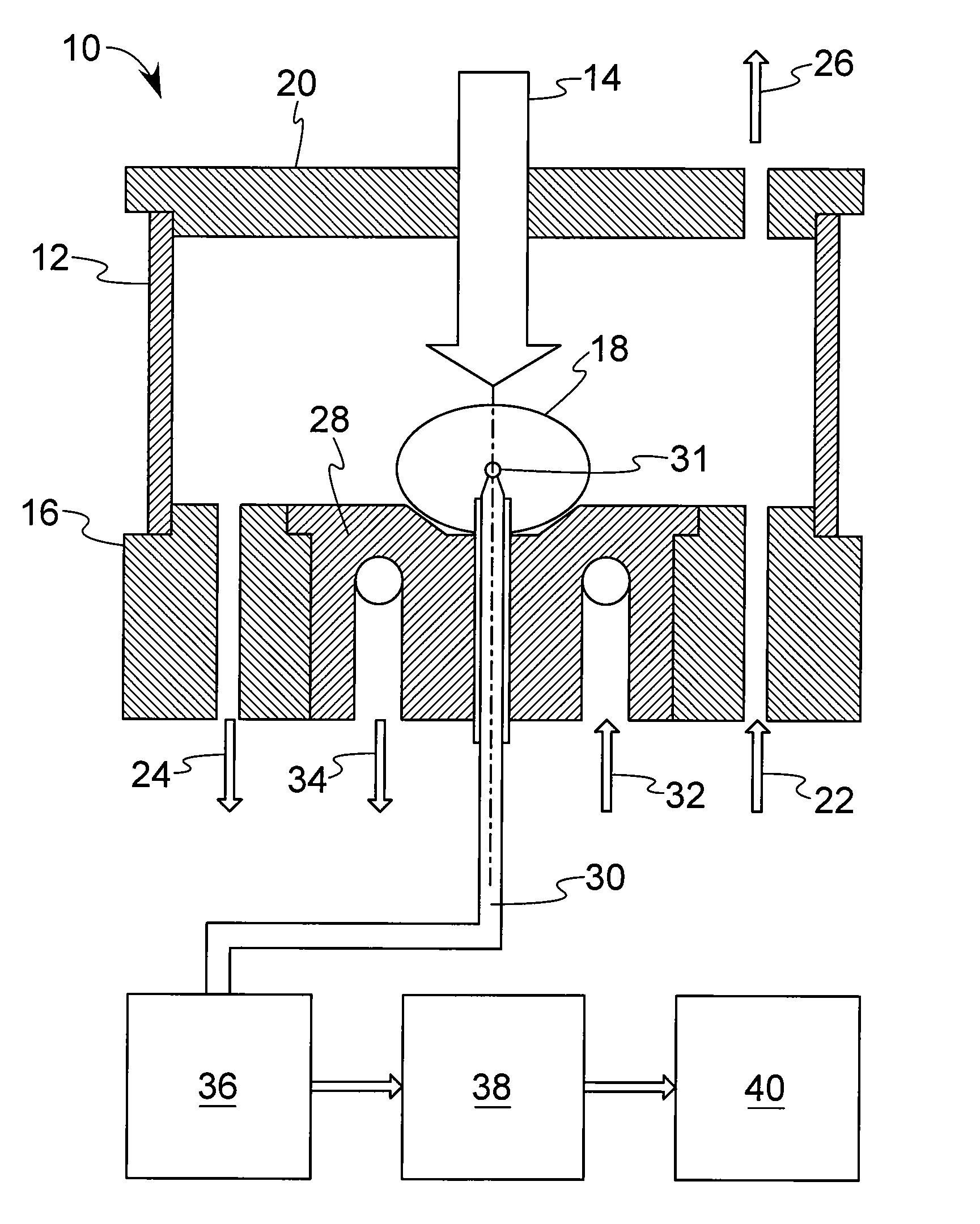
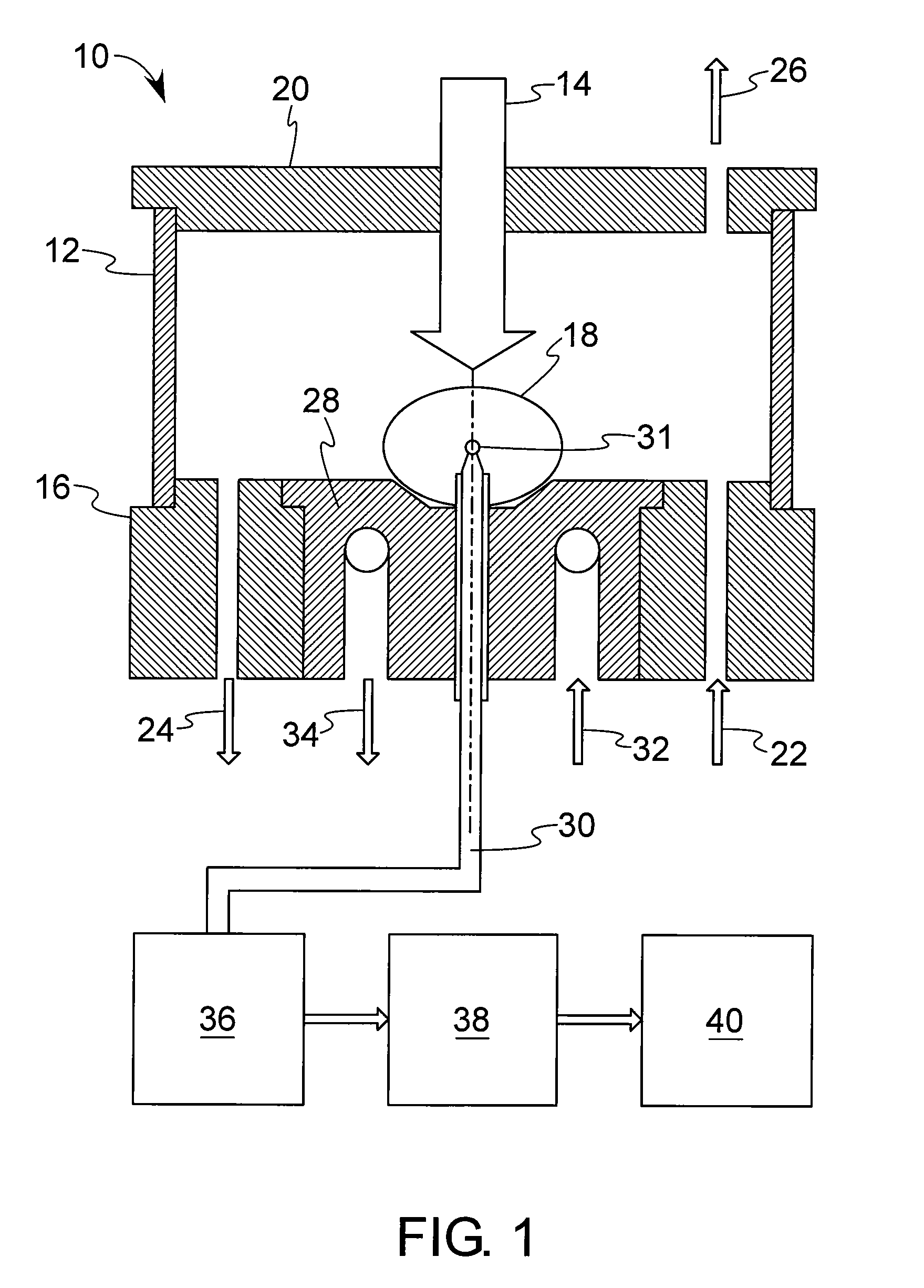
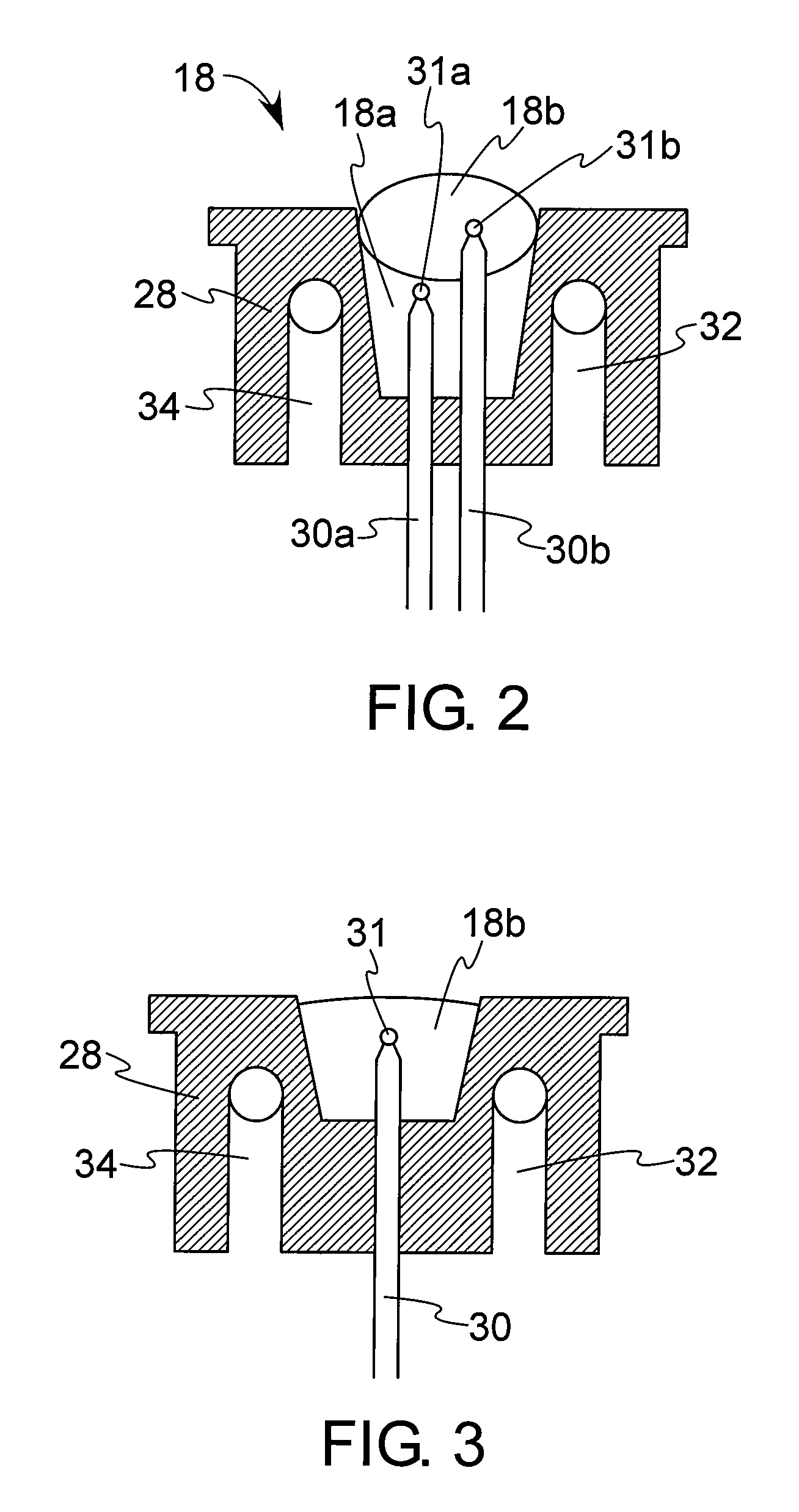
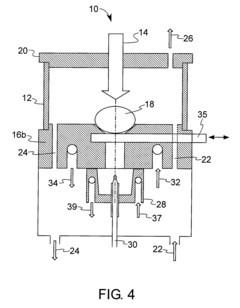
Method and device for investigation of phase transformations in metals and alloys
PatentActiveUS20090119057A1
Innovation
- The Single Sensor Differential Thermal Analysis (SSDTA) method calculates reference temperatures using numerical modeling, eliminating the need for a reference sensor and allowing for precise determination of phase transformation temperatures and structural changes under both simulated and actual processing conditions, including high heating and cooling rates.
Environmental Impact of TMP Technology Shifts
The environmental implications of technological shifts in thermo mechanical processing represent a critical dimension that increasingly influences industry adoption patterns and regulatory compliance strategies. As TMP technologies evolve toward more sophisticated processing capabilities, their environmental footprint undergoes significant transformation, creating both opportunities for sustainability improvements and new challenges for environmental management.
Energy consumption patterns constitute the most substantial environmental consideration in TMP technology evolution. Traditional thermo mechanical processing systems typically consume 15-25% more energy compared to emerging hybrid processing technologies that integrate advanced heat recovery systems and optimized mechanical loading protocols. Next-generation TMP systems incorporating real-time process optimization algorithms demonstrate potential energy reductions of 20-35%, primarily through improved thermal efficiency and reduced processing cycle times.
Water usage and thermal discharge management present evolving environmental challenges as TMP technologies advance. Conventional cooling systems in high-temperature processing applications generate substantial thermal pollution, with discharge temperatures often exceeding 40°C above ambient levels. Emerging closed-loop cooling technologies and advanced heat exchanger designs are reducing water consumption by 40-60% while minimizing thermal discharge impacts through integrated heat recovery mechanisms.
Material waste generation patterns shift significantly with technological advancement in TMP processes. Advanced process control systems enable more precise material handling, reducing scrap rates from typical 8-12% to 3-5% in optimized operations. However, the integration of sophisticated monitoring equipment and sensor technologies introduces new electronic waste streams that require specialized disposal protocols and recycling considerations.
Atmospheric emissions profiles undergo substantial modification as TMP technologies incorporate cleaner processing methods. Traditional high-temperature mechanical processing generates particulate emissions and volatile organic compounds, particularly in metal forming and polymer processing applications. Advanced filtration systems and enclosed processing environments in next-generation TMP systems achieve emission reductions of 70-85% for particulate matter and 60-75% for volatile compounds.
The lifecycle environmental impact assessment reveals that while initial manufacturing and installation of advanced TMP systems may increase carbon footprint by 15-20%, operational efficiency gains typically achieve net environmental benefits within 18-24 months of deployment. Long-term environmental performance improvements become particularly pronounced in high-volume manufacturing applications where cumulative efficiency gains compound over extended operational periods.
Energy consumption patterns constitute the most substantial environmental consideration in TMP technology evolution. Traditional thermo mechanical processing systems typically consume 15-25% more energy compared to emerging hybrid processing technologies that integrate advanced heat recovery systems and optimized mechanical loading protocols. Next-generation TMP systems incorporating real-time process optimization algorithms demonstrate potential energy reductions of 20-35%, primarily through improved thermal efficiency and reduced processing cycle times.
Water usage and thermal discharge management present evolving environmental challenges as TMP technologies advance. Conventional cooling systems in high-temperature processing applications generate substantial thermal pollution, with discharge temperatures often exceeding 40°C above ambient levels. Emerging closed-loop cooling technologies and advanced heat exchanger designs are reducing water consumption by 40-60% while minimizing thermal discharge impacts through integrated heat recovery mechanisms.
Material waste generation patterns shift significantly with technological advancement in TMP processes. Advanced process control systems enable more precise material handling, reducing scrap rates from typical 8-12% to 3-5% in optimized operations. However, the integration of sophisticated monitoring equipment and sensor technologies introduces new electronic waste streams that require specialized disposal protocols and recycling considerations.
Atmospheric emissions profiles undergo substantial modification as TMP technologies incorporate cleaner processing methods. Traditional high-temperature mechanical processing generates particulate emissions and volatile organic compounds, particularly in metal forming and polymer processing applications. Advanced filtration systems and enclosed processing environments in next-generation TMP systems achieve emission reductions of 70-85% for particulate matter and 60-75% for volatile compounds.
The lifecycle environmental impact assessment reveals that while initial manufacturing and installation of advanced TMP systems may increase carbon footprint by 15-20%, operational efficiency gains typically achieve net environmental benefits within 18-24 months of deployment. Long-term environmental performance improvements become particularly pronounced in high-volume manufacturing applications where cumulative efficiency gains compound over extended operational periods.
Energy Efficiency in Next-Gen TMP Systems
Energy efficiency has emerged as a critical performance metric for next-generation thermo mechanical processing systems, driven by escalating energy costs and stringent environmental regulations. Modern TMP facilities consume substantial amounts of electrical energy, typically ranging from 2,000 to 3,500 kWh per ton of processed pulp, making energy optimization a paramount concern for sustainable operations.
Advanced heat recovery systems represent the most promising avenue for energy efficiency improvements in contemporary TMP configurations. These systems capture waste heat from refining processes and redirect it to preheating applications, achieving energy savings of 15-25% compared to conventional setups. Multi-stage heat exchangers and thermal storage units enable continuous heat utilization even during production fluctuations.
Variable frequency drives and intelligent motor control systems have revolutionized energy consumption patterns in TMP operations. These technologies dynamically adjust motor speeds based on real-time processing demands, reducing energy waste during low-load conditions. Smart control algorithms can predict optimal operating parameters, minimizing energy consumption while maintaining product quality specifications.
Steam optimization technologies are transforming energy utilization in next-generation TMP systems. Advanced steam management includes cascaded steam usage, where high-pressure steam is progressively utilized across multiple process stages before condensation. This approach maximizes thermal energy extraction and reduces overall steam generation requirements by up to 30%.
Process integration strategies focus on synergistic energy sharing between different TMP unit operations. Heat generated during chip preheating can be redirected to fiber conditioning processes, while mechanical energy from refiners can be partially recovered through regenerative systems. These integrated approaches create closed-loop energy cycles that significantly enhance overall system efficiency.
Emerging technologies such as microwave-assisted processing and electromagnetic heating offer potential breakthroughs in energy efficiency. These methods provide more targeted energy delivery, reducing heat losses and improving energy transfer coefficients. Preliminary studies indicate potential energy savings of 20-40% compared to conventional thermal processing methods, though commercial viability remains under evaluation.
Advanced heat recovery systems represent the most promising avenue for energy efficiency improvements in contemporary TMP configurations. These systems capture waste heat from refining processes and redirect it to preheating applications, achieving energy savings of 15-25% compared to conventional setups. Multi-stage heat exchangers and thermal storage units enable continuous heat utilization even during production fluctuations.
Variable frequency drives and intelligent motor control systems have revolutionized energy consumption patterns in TMP operations. These technologies dynamically adjust motor speeds based on real-time processing demands, reducing energy waste during low-load conditions. Smart control algorithms can predict optimal operating parameters, minimizing energy consumption while maintaining product quality specifications.
Steam optimization technologies are transforming energy utilization in next-generation TMP systems. Advanced steam management includes cascaded steam usage, where high-pressure steam is progressively utilized across multiple process stages before condensation. This approach maximizes thermal energy extraction and reduces overall steam generation requirements by up to 30%.
Process integration strategies focus on synergistic energy sharing between different TMP unit operations. Heat generated during chip preheating can be redirected to fiber conditioning processes, while mechanical energy from refiners can be partially recovered through regenerative systems. These integrated approaches create closed-loop energy cycles that significantly enhance overall system efficiency.
Emerging technologies such as microwave-assisted processing and electromagnetic heating offer potential breakthroughs in energy efficiency. These methods provide more targeted energy delivery, reducing heat losses and improving energy transfer coefficients. Preliminary studies indicate potential energy savings of 20-40% compared to conventional thermal processing methods, though commercial viability remains under evaluation.
Unlock deeper insights with Patsnap Eureka Quick Research — get a full tech report to explore trends and direct your research. Try now!
Generate Your Research Report Instantly with AI Agent
Supercharge your innovation with Patsnap Eureka AI Agent Platform!