

How to Customize Thermal Profiles in Thermo Mechanical Processing
MAR 13, 20269 MIN READ
Generate Your Research Report Instantly with AI Agent
Patsnap Eureka helps you evaluate technical feasibility & market potential.
Thermal Profile Customization Background and Objectives
Thermo mechanical processing represents a critical manufacturing approach that combines controlled thermal treatment with mechanical deformation to achieve desired material properties and product geometries. The evolution of this field has been driven by the increasing demand for precision-engineered components across aerospace, automotive, electronics, and energy sectors. Traditional thermal processing methods often employed standardized temperature profiles that provided limited flexibility in addressing specific material requirements or complex geometrical constraints.
The historical development of thermal profile customization emerged from the limitations of conventional heat treatment processes. Early manufacturing systems relied on fixed heating and cooling cycles that were optimized for general applications but failed to address the nuanced requirements of advanced materials and intricate component designs. As material science advanced and manufacturing tolerances became increasingly stringent, the need for adaptive thermal management became apparent.
Modern thermo mechanical processing demands precise control over temperature distribution, heating rates, cooling gradients, and dwell times to optimize microstructural evolution and mechanical properties. The integration of advanced sensors, computational modeling, and real-time control systems has enabled manufacturers to develop sophisticated thermal profile customization capabilities that can be tailored to specific material compositions, component geometries, and performance requirements.
The primary objective of thermal profile customization is to achieve optimal material properties while minimizing processing time, energy consumption, and material waste. This involves developing predictive models that can correlate thermal processing parameters with final product characteristics, enabling manufacturers to design custom thermal cycles that maximize performance outcomes. Key goals include enhancing mechanical strength, improving dimensional stability, reducing residual stresses, and achieving uniform microstructural properties throughout the processed components.
Contemporary research focuses on developing intelligent thermal processing systems that can automatically adjust processing parameters based on real-time feedback from embedded sensors and advanced monitoring systems. These systems aim to compensate for material variations, equipment drift, and environmental factors that can impact processing outcomes. The ultimate vision encompasses fully automated thermal profile optimization that can adapt to changing production requirements while maintaining consistent quality standards across diverse manufacturing scenarios.
The historical development of thermal profile customization emerged from the limitations of conventional heat treatment processes. Early manufacturing systems relied on fixed heating and cooling cycles that were optimized for general applications but failed to address the nuanced requirements of advanced materials and intricate component designs. As material science advanced and manufacturing tolerances became increasingly stringent, the need for adaptive thermal management became apparent.
Modern thermo mechanical processing demands precise control over temperature distribution, heating rates, cooling gradients, and dwell times to optimize microstructural evolution and mechanical properties. The integration of advanced sensors, computational modeling, and real-time control systems has enabled manufacturers to develop sophisticated thermal profile customization capabilities that can be tailored to specific material compositions, component geometries, and performance requirements.
The primary objective of thermal profile customization is to achieve optimal material properties while minimizing processing time, energy consumption, and material waste. This involves developing predictive models that can correlate thermal processing parameters with final product characteristics, enabling manufacturers to design custom thermal cycles that maximize performance outcomes. Key goals include enhancing mechanical strength, improving dimensional stability, reducing residual stresses, and achieving uniform microstructural properties throughout the processed components.
Contemporary research focuses on developing intelligent thermal processing systems that can automatically adjust processing parameters based on real-time feedback from embedded sensors and advanced monitoring systems. These systems aim to compensate for material variations, equipment drift, and environmental factors that can impact processing outcomes. The ultimate vision encompasses fully automated thermal profile optimization that can adapt to changing production requirements while maintaining consistent quality standards across diverse manufacturing scenarios.
Market Demand for Advanced Thermomechanical Processing
The global market for advanced thermomechanical processing technologies is experiencing unprecedented growth driven by increasing demands for high-performance materials across multiple industrial sectors. Aerospace and automotive industries represent the primary demand drivers, requiring materials with superior strength-to-weight ratios, enhanced fatigue resistance, and precise microstructural control that can only be achieved through sophisticated thermal profile customization.
Manufacturing sectors are increasingly recognizing the critical importance of precise thermal control in thermomechanical processing to achieve desired material properties. The ability to customize thermal profiles enables manufacturers to optimize grain structure, reduce residual stresses, and enhance mechanical properties while maintaining production efficiency. This capability has become essential for producing advanced alloys, high-strength steels, and specialized composites that meet stringent performance requirements.
The semiconductor and electronics industries are driving significant demand for thermomechanical processing solutions capable of handling temperature-sensitive materials with extreme precision. These sectors require thermal profile customization to prevent thermal damage while achieving necessary mechanical properties, particularly in the production of electronic packaging materials and heat dissipation components.
Energy sector applications, including renewable energy infrastructure and power generation equipment, are creating substantial market opportunities for advanced thermomechanical processing technologies. Wind turbine components, solar panel frames, and nuclear reactor materials require precise thermal treatment protocols to ensure long-term reliability and performance under extreme operating conditions.
The medical device industry represents an emerging high-value market segment demanding customized thermal profiles for biocompatible materials processing. Orthopedic implants, surgical instruments, and medical equipment components require specific microstructural characteristics achievable only through precisely controlled thermomechanical processing parameters.
Market demand is further intensified by regulatory requirements and quality standards that mandate consistent material properties and traceability. Industries are seeking thermomechanical processing solutions that provide real-time thermal profile monitoring, data logging capabilities, and process repeatability to meet compliance requirements while maintaining competitive production costs.
Regional market dynamics show particularly strong demand growth in Asia-Pacific manufacturing hubs, where rapid industrialization and technology adoption are driving investments in advanced processing equipment. European markets emphasize precision and environmental sustainability, while North American markets focus on aerospace and defense applications requiring the highest performance standards.
Manufacturing sectors are increasingly recognizing the critical importance of precise thermal control in thermomechanical processing to achieve desired material properties. The ability to customize thermal profiles enables manufacturers to optimize grain structure, reduce residual stresses, and enhance mechanical properties while maintaining production efficiency. This capability has become essential for producing advanced alloys, high-strength steels, and specialized composites that meet stringent performance requirements.
The semiconductor and electronics industries are driving significant demand for thermomechanical processing solutions capable of handling temperature-sensitive materials with extreme precision. These sectors require thermal profile customization to prevent thermal damage while achieving necessary mechanical properties, particularly in the production of electronic packaging materials and heat dissipation components.
Energy sector applications, including renewable energy infrastructure and power generation equipment, are creating substantial market opportunities for advanced thermomechanical processing technologies. Wind turbine components, solar panel frames, and nuclear reactor materials require precise thermal treatment protocols to ensure long-term reliability and performance under extreme operating conditions.
The medical device industry represents an emerging high-value market segment demanding customized thermal profiles for biocompatible materials processing. Orthopedic implants, surgical instruments, and medical equipment components require specific microstructural characteristics achievable only through precisely controlled thermomechanical processing parameters.
Market demand is further intensified by regulatory requirements and quality standards that mandate consistent material properties and traceability. Industries are seeking thermomechanical processing solutions that provide real-time thermal profile monitoring, data logging capabilities, and process repeatability to meet compliance requirements while maintaining competitive production costs.
Regional market dynamics show particularly strong demand growth in Asia-Pacific manufacturing hubs, where rapid industrialization and technology adoption are driving investments in advanced processing equipment. European markets emphasize precision and environmental sustainability, while North American markets focus on aerospace and defense applications requiring the highest performance standards.
Current State of Thermal Profile Control Technologies
The current landscape of thermal profile control technologies in thermomechanical processing encompasses several sophisticated approaches that have evolved to meet the demanding requirements of modern manufacturing. Traditional control systems primarily rely on proportional-integral-derivative (PID) controllers integrated with thermocouples and infrared sensors to monitor and adjust heating parameters. These systems provide basic feedback control but often struggle with the complex, non-linear thermal dynamics inherent in advanced processing applications.
Model predictive control (MPC) systems represent a significant advancement in thermal profile management, utilizing mathematical models to predict future temperature states and optimize control actions accordingly. These systems excel in handling multi-variable processes and can incorporate constraints related to material properties, equipment limitations, and quality requirements. Leading industrial implementations demonstrate improved temperature uniformity and reduced energy consumption compared to conventional control methods.
Advanced sensor technologies have revolutionized thermal monitoring capabilities, with high-resolution thermal imaging systems and distributed fiber optic sensors enabling real-time temperature mapping across entire processing zones. These technologies provide unprecedented visibility into thermal gradients and enable more precise control of localized heating patterns. Integration with machine learning algorithms allows these systems to adapt to material variations and process disturbances automatically.
Digital twin technologies are emerging as powerful tools for thermal profile optimization, creating virtual replicas of processing equipment that enable predictive modeling and scenario testing without disrupting production. These systems combine physics-based models with historical process data to simulate thermal behavior under various operating conditions, facilitating the development of customized thermal profiles for specific applications.
Current challenges in thermal profile control include managing the trade-offs between heating rate, temperature uniformity, and energy efficiency. Existing technologies often require extensive calibration and struggle with rapid process changes or material variations. The integration of multiple control systems and sensors also presents complexity in terms of data management and system coordination.
Industrial implementations vary significantly across sectors, with aerospace and automotive industries leading in adoption of advanced thermal control technologies due to their stringent quality requirements and high-value applications. However, scalability and cost considerations remain barriers for broader implementation across other manufacturing sectors.
Model predictive control (MPC) systems represent a significant advancement in thermal profile management, utilizing mathematical models to predict future temperature states and optimize control actions accordingly. These systems excel in handling multi-variable processes and can incorporate constraints related to material properties, equipment limitations, and quality requirements. Leading industrial implementations demonstrate improved temperature uniformity and reduced energy consumption compared to conventional control methods.
Advanced sensor technologies have revolutionized thermal monitoring capabilities, with high-resolution thermal imaging systems and distributed fiber optic sensors enabling real-time temperature mapping across entire processing zones. These technologies provide unprecedented visibility into thermal gradients and enable more precise control of localized heating patterns. Integration with machine learning algorithms allows these systems to adapt to material variations and process disturbances automatically.
Digital twin technologies are emerging as powerful tools for thermal profile optimization, creating virtual replicas of processing equipment that enable predictive modeling and scenario testing without disrupting production. These systems combine physics-based models with historical process data to simulate thermal behavior under various operating conditions, facilitating the development of customized thermal profiles for specific applications.
Current challenges in thermal profile control include managing the trade-offs between heating rate, temperature uniformity, and energy efficiency. Existing technologies often require extensive calibration and struggle with rapid process changes or material variations. The integration of multiple control systems and sensors also presents complexity in terms of data management and system coordination.
Industrial implementations vary significantly across sectors, with aerospace and automotive industries leading in adoption of advanced thermal control technologies due to their stringent quality requirements and high-value applications. However, scalability and cost considerations remain barriers for broader implementation across other manufacturing sectors.
Existing Thermal Profile Customization Solutions
01 Thermal profile monitoring and control systems
Systems and methods for monitoring and controlling thermal profiles in various processes, particularly in manufacturing and industrial applications. These systems utilize sensors and control mechanisms to measure temperature distributions and adjust heating or cooling parameters to maintain desired thermal profiles. The technology enables real-time monitoring and feedback control to optimize process conditions and ensure consistent product quality.- Thermal profile monitoring and control systems: Systems and methods for monitoring and controlling thermal profiles in various processes, particularly in manufacturing and industrial applications. These systems utilize sensors and control mechanisms to measure temperature distributions and adjust heating or cooling parameters to maintain desired thermal profiles. The technology enables real-time monitoring and feedback control to optimize process conditions and ensure consistent product quality.
- Thermal profiling in semiconductor and electronics manufacturing: Methods and apparatus for thermal profiling during semiconductor fabrication and electronics assembly processes, including soldering, reflow, and bonding operations. These techniques involve measuring and analyzing temperature profiles across substrates or components to ensure proper thermal treatment and prevent defects. The technology includes thermal mapping, profile optimization, and process validation to achieve reliable manufacturing outcomes.
- Thermal profile analysis for material processing: Techniques for analyzing thermal profiles during material processing operations such as heat treatment, curing, sintering, and forming. These methods involve characterizing temperature distributions within materials or processing equipment to optimize process parameters and material properties. The technology enables prediction and control of thermal behavior to achieve desired material characteristics and minimize defects.
- Thermal profiling devices and measurement instruments: Devices and instruments specifically designed for measuring and recording thermal profiles in various applications. These include portable thermal profilers, data loggers, and sensor arrays that can be deployed in different environments to capture temperature data. The technology provides accurate thermal measurements with features such as wireless communication, data storage, and real-time display capabilities.
- Thermal profile simulation and modeling: Computational methods and software tools for simulating and modeling thermal profiles in systems and processes. These approaches use numerical analysis, finite element methods, and computational fluid dynamics to predict temperature distributions and thermal behavior. The technology enables virtual testing and optimization of thermal designs before physical implementation, reducing development time and costs.
02 Thermal profiling in semiconductor and electronics manufacturing
Methods and apparatus for thermal profiling during semiconductor fabrication and electronics assembly processes, including soldering, reflow, and bonding operations. These techniques involve measuring and analyzing temperature profiles across substrates or components during thermal processing to ensure proper material properties and prevent defects. The technology includes thermal mapping, profile optimization, and process validation capabilities.Expand Specific Solutions03 Thermal profile analysis for material characterization
Techniques for analyzing thermal profiles to characterize material properties, phase transitions, and thermal behavior. These methods involve measuring temperature changes over time or spatial distributions to determine thermal conductivity, specific heat capacity, melting points, and other thermophysical properties. Applications include quality control, material selection, and research and development in various industries.Expand Specific Solutions04 Thermal profile optimization in heating and cooling systems
Systems and methods for optimizing thermal profiles in heating, ventilation, and air conditioning applications, as well as in industrial heating and cooling equipment. These technologies focus on achieving uniform temperature distributions, improving energy efficiency, and reducing thermal gradients. Techniques include advanced control algorithms, multi-zone temperature management, and adaptive heating or cooling strategies.Expand Specific Solutions05 Thermal profile measurement devices and instrumentation
Devices and instrumentation specifically designed for measuring and recording thermal profiles in various applications. These include thermal profilers, temperature data loggers, infrared imaging systems, and multi-point temperature measurement arrays. The technology enables accurate spatial and temporal temperature mapping for process monitoring, validation, and optimization purposes across different industries.Expand Specific Solutions
Key Players in Thermal Processing Equipment Industry
The customization of thermal profiles in thermo-mechanical processing represents a mature industrial technology experiencing steady growth driven by advanced manufacturing demands. The market spans multiple sectors including semiconductor fabrication, steel processing, and additive manufacturing, with established players demonstrating varying levels of technological sophistication. Industry leaders like Applied Materials and Siemens AG showcase advanced automation and digitalization capabilities, while specialized firms such as Ipsen Industries International and Desktop Metal focus on niche thermal processing solutions. The technology maturity varies significantly across applications, with semiconductor processing (KLA Corp, IBM) representing the most advanced implementations, steel processing companies (British Steel, Hunan Valin) offering traditional approaches, and emerging players in composites (MITRAS Composites) driving innovation in specialized thermal management systems.
Applied Materials, Inc.
Technical Solution: Applied Materials develops advanced thermal processing equipment with customizable thermal profiles for semiconductor manufacturing. Their systems feature multi-zone temperature control with independent heating elements that can be programmed for specific thermal ramp rates, dwell times, and cooling profiles. The company's thermal processing solutions include rapid thermal processing (RTP) systems that enable precise temperature control within ±1°C accuracy across wafer surfaces. Their proprietary software allows engineers to create custom thermal recipes based on material properties and process requirements, with real-time monitoring and feedback control systems to maintain optimal processing conditions throughout the manufacturing cycle.
Strengths: Industry-leading precision in temperature control, extensive experience in semiconductor thermal processing, advanced software integration. Weaknesses: High equipment costs, primarily focused on semiconductor applications limiting broader industrial applicability.
International Business Machines Corp.
Technical Solution: IBM leverages artificial intelligence and machine learning technologies to optimize thermal profiles in manufacturing processes. Their Watson AI platform analyzes historical thermal processing data to recommend optimal temperature profiles for specific materials and applications. The company's cognitive manufacturing solutions enable real-time thermal profile adjustments based on material feedback and process conditions. IBM's approach focuses on data-driven thermal optimization, utilizing predictive analytics to customize heating and cooling cycles that maximize material properties while minimizing energy consumption and processing time across various thermo-mechanical processing applications.
Strengths: Advanced AI and machine learning capabilities, strong data analytics expertise, cloud-based solution accessibility. Weaknesses: Limited direct manufacturing equipment experience, requires integration with third-party thermal processing hardware.
Core Technologies in Adaptive Thermal Control Systems
Method and system for software defined metallurgy
PatentWO2018204146A1
Innovation
- A variable metallurgy property system that uses a user interface to receive desired material properties and generates thermal processing parameter profiles for the furnace, including temperature, atmosphere composition, and gas flow rates, to achieve specific metallurgical characteristics through interactive setup and real-time adjustments.


Apparatus and method for precision thermal processing of a body
PatentInactiveUS20160288254A1
Innovation
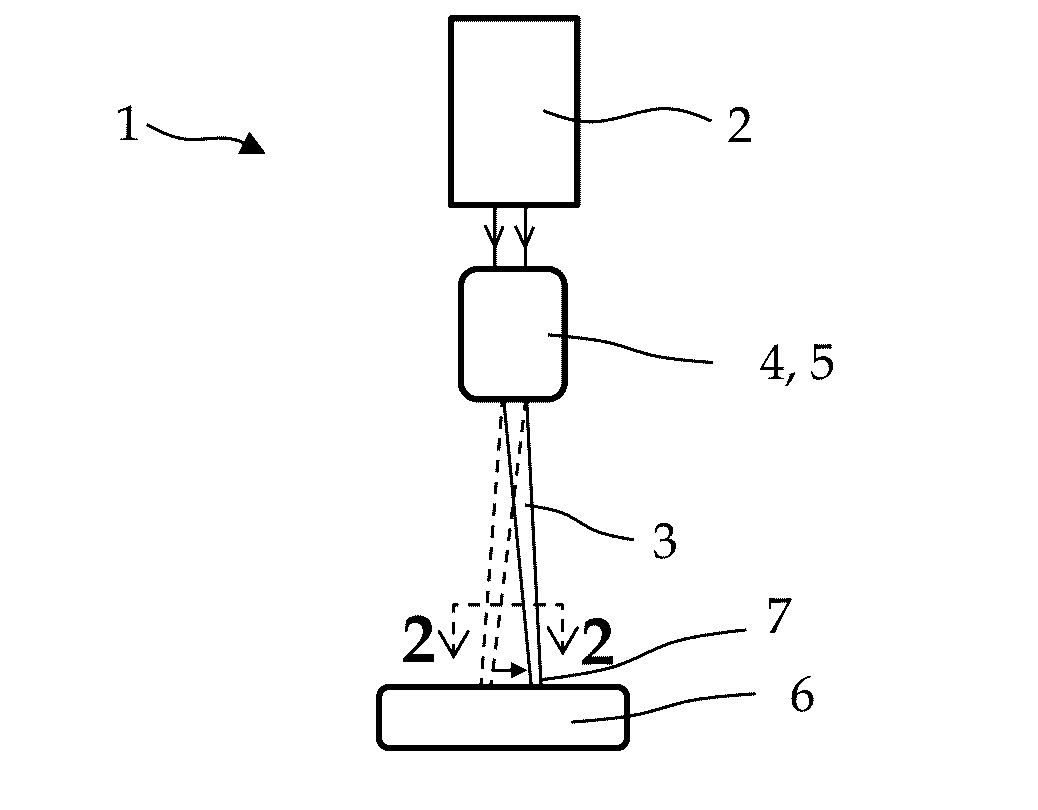
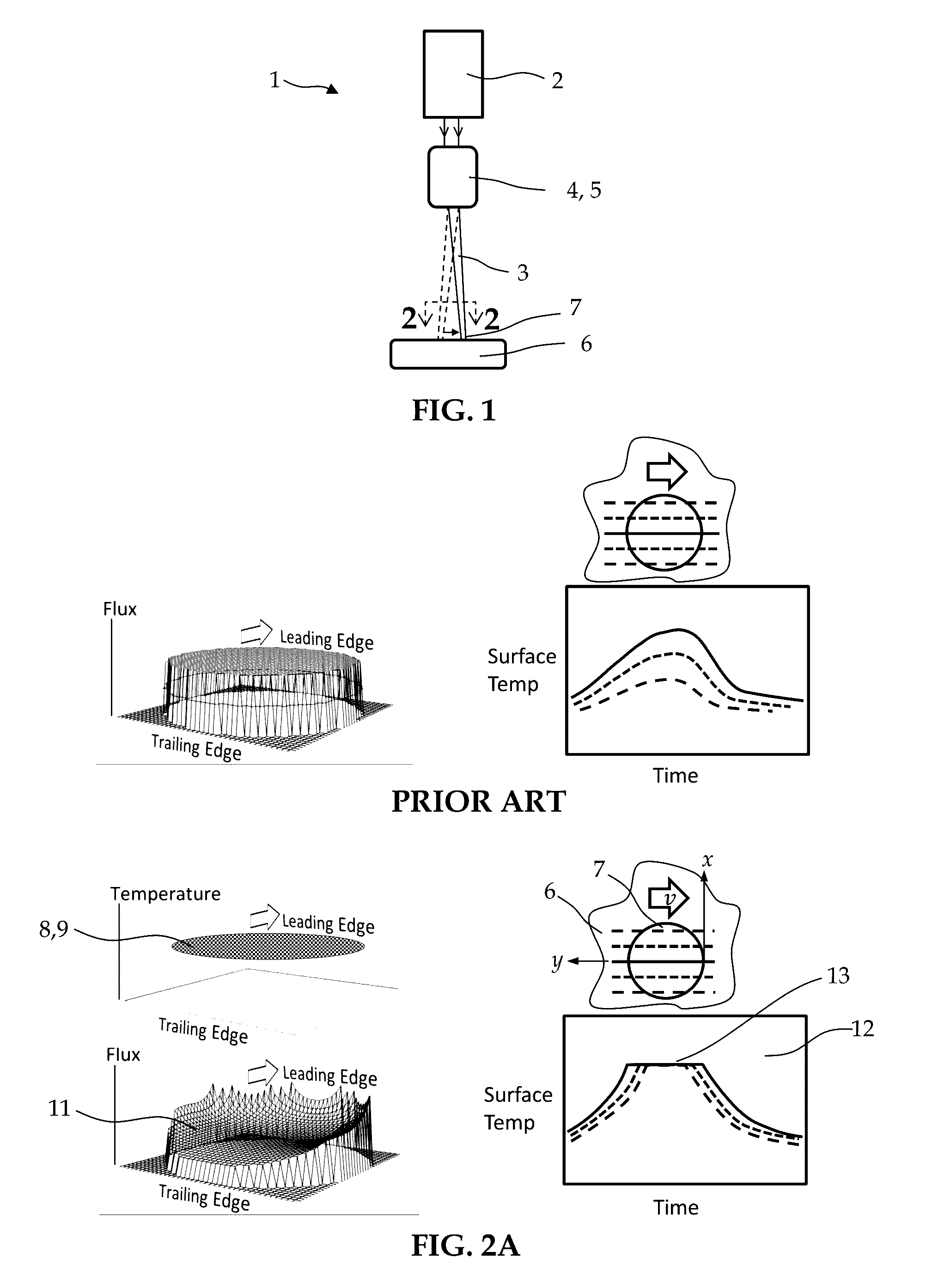
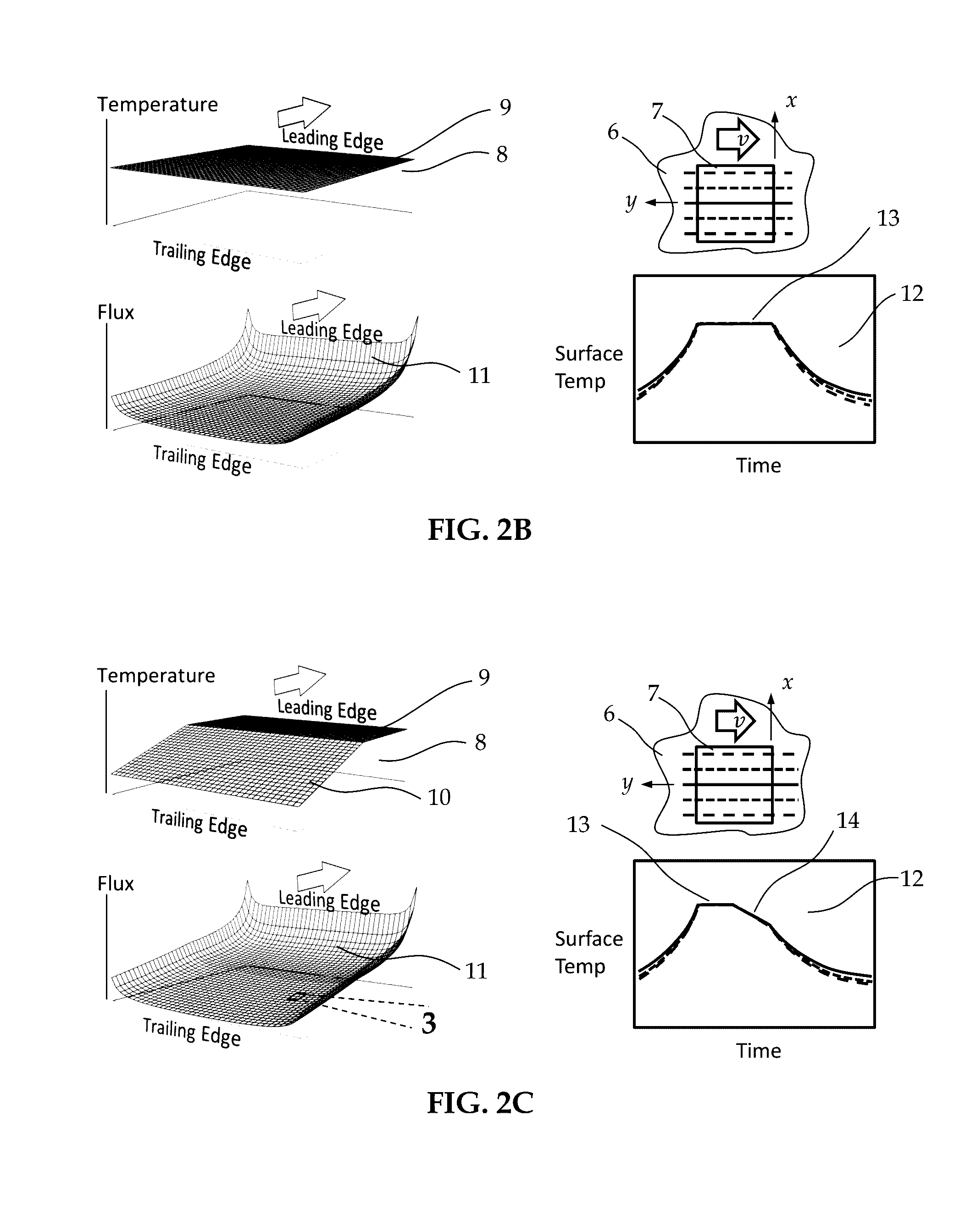
- An apparatus and method that configures the energy beam to approximate a thermal solution based on a boundary condition of the third kind, allowing for precise control of the flux profile and scanning velocity to achieve a specified temperature profile, incorporating adaptive optical elements like Spatial Light Modulators to dynamically adjust the flux profile and ensure uniform heating and cooling rates.

Material Property Standards and Processing Regulations
The customization of thermal profiles in thermomechanical processing operates within a comprehensive framework of material property standards and processing regulations that ensure both product quality and operational safety. These standards establish the fundamental parameters that govern how thermal profiles must be designed, implemented, and validated across different material systems and industrial applications.
International standards organizations, including ASTM, ISO, and ASME, have developed extensive specifications that define acceptable thermal processing parameters for various material categories. These standards encompass critical aspects such as maximum heating rates, temperature uniformity requirements, cooling rate specifications, and thermal gradient limitations. For steel processing, ASTM A1033 provides guidelines for controlled cooling practices, while ISO 17804 establishes requirements for thermal treatment documentation and traceability.
Material-specific property standards play a crucial role in thermal profile customization by defining the allowable temperature ranges and thermal cycling parameters that preserve desired mechanical properties. These standards specify critical transformation temperatures, such as austenite formation and decomposition points for steels, or glass transition temperatures for polymers. Compliance with these property standards ensures that customized thermal profiles do not compromise the intended material characteristics or introduce unacceptable microstructural changes.
Processing regulations encompass safety requirements, environmental compliance, and quality assurance protocols that directly impact thermal profile design. Occupational safety standards mandate specific temperature monitoring systems, emergency shutdown procedures, and personnel protection measures. Environmental regulations may restrict heating rates or cooling methods to minimize energy consumption or reduce emissions, thereby constraining the available thermal profile options.
Quality management systems, particularly those aligned with ISO 9001 and AS9100 standards, require comprehensive documentation and validation of thermal processing parameters. These regulations mandate statistical process control methods, calibration requirements for thermal measurement equipment, and traceability systems that link thermal profiles to specific material batches and final product properties.
Regulatory compliance verification involves extensive testing protocols that validate thermal profile effectiveness while ensuring adherence to applicable standards. This includes thermal mapping studies, material property verification testing, and process capability assessments that demonstrate consistent achievement of specified material characteristics within regulatory constraints.
International standards organizations, including ASTM, ISO, and ASME, have developed extensive specifications that define acceptable thermal processing parameters for various material categories. These standards encompass critical aspects such as maximum heating rates, temperature uniformity requirements, cooling rate specifications, and thermal gradient limitations. For steel processing, ASTM A1033 provides guidelines for controlled cooling practices, while ISO 17804 establishes requirements for thermal treatment documentation and traceability.
Material-specific property standards play a crucial role in thermal profile customization by defining the allowable temperature ranges and thermal cycling parameters that preserve desired mechanical properties. These standards specify critical transformation temperatures, such as austenite formation and decomposition points for steels, or glass transition temperatures for polymers. Compliance with these property standards ensures that customized thermal profiles do not compromise the intended material characteristics or introduce unacceptable microstructural changes.
Processing regulations encompass safety requirements, environmental compliance, and quality assurance protocols that directly impact thermal profile design. Occupational safety standards mandate specific temperature monitoring systems, emergency shutdown procedures, and personnel protection measures. Environmental regulations may restrict heating rates or cooling methods to minimize energy consumption or reduce emissions, thereby constraining the available thermal profile options.
Quality management systems, particularly those aligned with ISO 9001 and AS9100 standards, require comprehensive documentation and validation of thermal processing parameters. These regulations mandate statistical process control methods, calibration requirements for thermal measurement equipment, and traceability systems that link thermal profiles to specific material batches and final product properties.
Regulatory compliance verification involves extensive testing protocols that validate thermal profile effectiveness while ensuring adherence to applicable standards. This includes thermal mapping studies, material property verification testing, and process capability assessments that demonstrate consistent achievement of specified material characteristics within regulatory constraints.
Energy Efficiency Considerations in Thermal Processing
Energy efficiency has emerged as a critical consideration in thermal processing operations, driven by rising energy costs, environmental regulations, and corporate sustainability initiatives. The optimization of energy consumption during customized thermal profile implementation requires a comprehensive understanding of heat transfer mechanisms, equipment design, and process control strategies. Modern thermo mechanical processing facilities typically consume 20-30% of their operational costs in energy, making efficiency improvements a significant economic driver.
The relationship between thermal profile customization and energy efficiency presents both opportunities and challenges. Precise temperature control and rapid heating/cooling cycles often demand higher energy inputs in the short term but can reduce overall processing time and improve material yield. Advanced heating technologies such as induction heating, infrared systems, and hybrid heating approaches offer superior energy transfer efficiency compared to conventional resistance heating methods. These technologies enable more targeted energy delivery, reducing waste heat and improving overall system efficiency by 15-25%.
Process optimization strategies focus on minimizing thermal losses through improved insulation, heat recovery systems, and intelligent scheduling algorithms. Predictive control systems utilize machine learning algorithms to anticipate thermal demands and pre-condition equipment, reducing energy spikes during profile transitions. Heat recovery systems can capture waste heat from cooling phases and redirect it to preheating operations, achieving energy savings of 10-20% in continuous processing environments.
Equipment design considerations play a crucial role in energy efficiency optimization. Modern furnaces incorporate advanced refractory materials, improved sealing systems, and zone-based heating controls that allow for precise energy allocation. Variable frequency drives on motors and fans enable dynamic power adjustment based on real-time processing requirements. Integration of renewable energy sources, such as solar thermal systems for preheating applications, represents an emerging trend in sustainable thermal processing.
Real-time monitoring and data analytics enable continuous optimization of energy consumption patterns. Advanced sensors track energy usage across different processing zones, identifying inefficiencies and optimization opportunities. Digital twin technologies simulate various thermal profiles to predict energy requirements and optimize processing parameters before implementation, reducing trial-and-error approaches that waste energy and materials.
The relationship between thermal profile customization and energy efficiency presents both opportunities and challenges. Precise temperature control and rapid heating/cooling cycles often demand higher energy inputs in the short term but can reduce overall processing time and improve material yield. Advanced heating technologies such as induction heating, infrared systems, and hybrid heating approaches offer superior energy transfer efficiency compared to conventional resistance heating methods. These technologies enable more targeted energy delivery, reducing waste heat and improving overall system efficiency by 15-25%.
Process optimization strategies focus on minimizing thermal losses through improved insulation, heat recovery systems, and intelligent scheduling algorithms. Predictive control systems utilize machine learning algorithms to anticipate thermal demands and pre-condition equipment, reducing energy spikes during profile transitions. Heat recovery systems can capture waste heat from cooling phases and redirect it to preheating operations, achieving energy savings of 10-20% in continuous processing environments.
Equipment design considerations play a crucial role in energy efficiency optimization. Modern furnaces incorporate advanced refractory materials, improved sealing systems, and zone-based heating controls that allow for precise energy allocation. Variable frequency drives on motors and fans enable dynamic power adjustment based on real-time processing requirements. Integration of renewable energy sources, such as solar thermal systems for preheating applications, represents an emerging trend in sustainable thermal processing.
Real-time monitoring and data analytics enable continuous optimization of energy consumption patterns. Advanced sensors track energy usage across different processing zones, identifying inefficiencies and optimization opportunities. Digital twin technologies simulate various thermal profiles to predict energy requirements and optimize processing parameters before implementation, reducing trial-and-error approaches that waste energy and materials.
Unlock deeper insights with Patsnap Eureka Quick Research — get a full tech report to explore trends and direct your research. Try now!
Generate Your Research Report Instantly with AI Agent
Supercharge your innovation with Patsnap Eureka AI Agent Platform!