

Maximizing Value Realization through Thermo Mechanical Techniques
MAR 13, 20269 MIN READ
Generate Your Research Report Instantly with AI Agent
Patsnap Eureka helps you evaluate technical feasibility & market potential.
Thermo Mechanical Technology Background and Value Goals
Thermo mechanical techniques represent a convergence of thermal and mechanical engineering principles that have evolved significantly since the industrial revolution. Initially emerging from steam engine applications in the 18th century, these techniques have progressively advanced through materials science breakthroughs, precision manufacturing developments, and modern computational modeling capabilities. The field encompasses heat treatment processes, thermal expansion management, thermomechanical processing of materials, and integrated thermal-mechanical systems design.
The evolution of thermo mechanical applications has been driven by increasing demands for energy efficiency, material performance optimization, and system reliability across diverse industries. From traditional metallurgical processes to contemporary semiconductor manufacturing, aerospace propulsion systems, and renewable energy technologies, the scope has expanded dramatically. Modern applications leverage advanced materials, sophisticated control systems, and real-time monitoring capabilities to achieve unprecedented precision and efficiency levels.
Contemporary value realization goals in thermo mechanical techniques focus on multiple strategic objectives. Primary targets include maximizing energy conversion efficiency through optimized thermal cycles, reducing material waste through precise temperature-controlled processing, and extending component lifecycles via advanced heat treatment methodologies. These objectives directly translate to significant cost reductions, improved product quality, and enhanced competitive positioning in global markets.
The integration of digital technologies has revolutionized value creation potential within thermo mechanical systems. Advanced simulation tools enable predictive optimization, while IoT sensors and machine learning algorithms facilitate real-time process adjustments. This technological convergence allows for dynamic value maximization through adaptive system responses, predictive maintenance scheduling, and continuous process improvement protocols.
Strategic value goals encompass both immediate operational benefits and long-term technological advantages. Short-term objectives include reducing energy consumption by 15-30% through optimized thermal management, improving material utilization rates, and minimizing production downtime. Long-term goals involve developing next-generation materials with superior thermomechanical properties, establishing sustainable manufacturing processes, and creating competitive differentiation through proprietary thermal processing techniques.
The economic impact potential of maximized thermo mechanical value realization extends across entire value chains. Manufacturing sectors can achieve substantial cost savings through improved process efficiency, while end-users benefit from enhanced product performance and durability. This dual value creation mechanism positions thermo mechanical optimization as a critical strategic capability for sustained competitive advantage in increasingly demanding market environments.
The evolution of thermo mechanical applications has been driven by increasing demands for energy efficiency, material performance optimization, and system reliability across diverse industries. From traditional metallurgical processes to contemporary semiconductor manufacturing, aerospace propulsion systems, and renewable energy technologies, the scope has expanded dramatically. Modern applications leverage advanced materials, sophisticated control systems, and real-time monitoring capabilities to achieve unprecedented precision and efficiency levels.
Contemporary value realization goals in thermo mechanical techniques focus on multiple strategic objectives. Primary targets include maximizing energy conversion efficiency through optimized thermal cycles, reducing material waste through precise temperature-controlled processing, and extending component lifecycles via advanced heat treatment methodologies. These objectives directly translate to significant cost reductions, improved product quality, and enhanced competitive positioning in global markets.
The integration of digital technologies has revolutionized value creation potential within thermo mechanical systems. Advanced simulation tools enable predictive optimization, while IoT sensors and machine learning algorithms facilitate real-time process adjustments. This technological convergence allows for dynamic value maximization through adaptive system responses, predictive maintenance scheduling, and continuous process improvement protocols.
Strategic value goals encompass both immediate operational benefits and long-term technological advantages. Short-term objectives include reducing energy consumption by 15-30% through optimized thermal management, improving material utilization rates, and minimizing production downtime. Long-term goals involve developing next-generation materials with superior thermomechanical properties, establishing sustainable manufacturing processes, and creating competitive differentiation through proprietary thermal processing techniques.
The economic impact potential of maximized thermo mechanical value realization extends across entire value chains. Manufacturing sectors can achieve substantial cost savings through improved process efficiency, while end-users benefit from enhanced product performance and durability. This dual value creation mechanism positions thermo mechanical optimization as a critical strategic capability for sustained competitive advantage in increasingly demanding market environments.
Market Demand for Advanced Thermo Mechanical Solutions
The global market for advanced thermo mechanical solutions is experiencing unprecedented growth driven by increasing demands for energy efficiency, sustainability, and performance optimization across multiple industrial sectors. Manufacturing industries are particularly seeking innovative thermal management technologies to enhance production efficiency while reducing energy consumption and operational costs.
Aerospace and automotive sectors represent significant demand drivers, where lightweight materials and advanced thermal processing techniques are essential for meeting stringent performance and environmental regulations. The push toward electric vehicles has intensified the need for sophisticated thermal management systems, creating substantial market opportunities for advanced thermo mechanical solutions.
Energy sector transformation is generating considerable demand for enhanced heat recovery systems, advanced turbine technologies, and improved thermal conversion processes. Power generation facilities are increasingly adopting advanced thermo mechanical techniques to maximize energy output while minimizing environmental impact, particularly in renewable energy applications.
Industrial manufacturing processes across chemical, pharmaceutical, and materials processing industries require precise thermal control and mechanical optimization. These sectors are driving demand for integrated solutions that combine thermal management with mechanical performance enhancement, enabling higher productivity and product quality.
The semiconductor and electronics industries present rapidly expanding market segments, where thermal management is critical for device performance and reliability. Advanced cooling solutions and thermal interface materials are experiencing strong demand growth as electronic devices become more powerful and compact.
Emerging markets in developing economies are contributing to demand growth as industrialization accelerates and environmental regulations become more stringent. These regions are increasingly adopting advanced thermo mechanical technologies to build competitive manufacturing capabilities while meeting international environmental standards.
Market demand is also influenced by regulatory pressures for carbon emission reduction and energy efficiency improvements. Government incentives and environmental policies are accelerating adoption of advanced thermo mechanical solutions across various industries, creating sustained market growth momentum.
The integration of digital technologies and smart manufacturing concepts is expanding market opportunities for intelligent thermo mechanical systems that offer real-time optimization and predictive maintenance capabilities, representing the next frontier of market demand evolution.
Aerospace and automotive sectors represent significant demand drivers, where lightweight materials and advanced thermal processing techniques are essential for meeting stringent performance and environmental regulations. The push toward electric vehicles has intensified the need for sophisticated thermal management systems, creating substantial market opportunities for advanced thermo mechanical solutions.
Energy sector transformation is generating considerable demand for enhanced heat recovery systems, advanced turbine technologies, and improved thermal conversion processes. Power generation facilities are increasingly adopting advanced thermo mechanical techniques to maximize energy output while minimizing environmental impact, particularly in renewable energy applications.
Industrial manufacturing processes across chemical, pharmaceutical, and materials processing industries require precise thermal control and mechanical optimization. These sectors are driving demand for integrated solutions that combine thermal management with mechanical performance enhancement, enabling higher productivity and product quality.
The semiconductor and electronics industries present rapidly expanding market segments, where thermal management is critical for device performance and reliability. Advanced cooling solutions and thermal interface materials are experiencing strong demand growth as electronic devices become more powerful and compact.
Emerging markets in developing economies are contributing to demand growth as industrialization accelerates and environmental regulations become more stringent. These regions are increasingly adopting advanced thermo mechanical technologies to build competitive manufacturing capabilities while meeting international environmental standards.
Market demand is also influenced by regulatory pressures for carbon emission reduction and energy efficiency improvements. Government incentives and environmental policies are accelerating adoption of advanced thermo mechanical solutions across various industries, creating sustained market growth momentum.
The integration of digital technologies and smart manufacturing concepts is expanding market opportunities for intelligent thermo mechanical systems that offer real-time optimization and predictive maintenance capabilities, representing the next frontier of market demand evolution.
Current State and Challenges in Thermo Mechanical Systems
Thermo mechanical systems currently operate across diverse industrial sectors, with applications ranging from power generation and aerospace propulsion to manufacturing processes and energy conversion technologies. The global market for thermo mechanical equipment has experienced steady growth, driven by increasing energy efficiency demands and stringent environmental regulations. However, the sector faces significant performance gaps between theoretical potential and practical implementation outcomes.
Contemporary thermo mechanical systems encounter substantial efficiency limitations, with most industrial applications achieving only 30-45% of their theoretical thermodynamic potential. Heat transfer inefficiencies represent a primary bottleneck, particularly in high-temperature environments where material degradation and thermal stress concentration occur. Traditional heat exchangers and thermal management systems struggle with fouling, corrosion, and inadequate heat recovery mechanisms, leading to substantial energy losses and reduced operational lifespans.
Material science constraints pose another critical challenge, as existing alloys and composites cannot withstand extreme temperature gradients while maintaining mechanical integrity. Thermal cycling fatigue, creep deformation, and oxidation resistance remain unresolved issues that limit system reliability and performance optimization. Advanced ceramics and superalloys show promise but face manufacturing scalability and cost-effectiveness barriers.
Control system integration presents additional complexity, as real-time thermal management requires sophisticated sensing and actuation capabilities. Current monitoring technologies lack the precision and response speed necessary for optimal thermal regulation, resulting in suboptimal operating conditions and increased maintenance requirements. Predictive maintenance algorithms remain underdeveloped for thermo mechanical applications.
Geographical distribution of technological advancement shows concentration in developed economies, with North America and Europe leading in research and development. Asia-Pacific regions demonstrate rapid adoption but face technology transfer limitations. Emerging markets struggle with infrastructure requirements and technical expertise gaps, creating uneven global development patterns.
Economic factors significantly influence technology adoption, as high initial capital investments and extended payback periods deter widespread implementation. Regulatory frameworks vary considerably across regions, creating compliance challenges for multinational operations. The lack of standardized performance metrics and testing protocols further complicates technology evaluation and comparison processes.
Contemporary thermo mechanical systems encounter substantial efficiency limitations, with most industrial applications achieving only 30-45% of their theoretical thermodynamic potential. Heat transfer inefficiencies represent a primary bottleneck, particularly in high-temperature environments where material degradation and thermal stress concentration occur. Traditional heat exchangers and thermal management systems struggle with fouling, corrosion, and inadequate heat recovery mechanisms, leading to substantial energy losses and reduced operational lifespans.
Material science constraints pose another critical challenge, as existing alloys and composites cannot withstand extreme temperature gradients while maintaining mechanical integrity. Thermal cycling fatigue, creep deformation, and oxidation resistance remain unresolved issues that limit system reliability and performance optimization. Advanced ceramics and superalloys show promise but face manufacturing scalability and cost-effectiveness barriers.
Control system integration presents additional complexity, as real-time thermal management requires sophisticated sensing and actuation capabilities. Current monitoring technologies lack the precision and response speed necessary for optimal thermal regulation, resulting in suboptimal operating conditions and increased maintenance requirements. Predictive maintenance algorithms remain underdeveloped for thermo mechanical applications.
Geographical distribution of technological advancement shows concentration in developed economies, with North America and Europe leading in research and development. Asia-Pacific regions demonstrate rapid adoption but face technology transfer limitations. Emerging markets struggle with infrastructure requirements and technical expertise gaps, creating uneven global development patterns.
Economic factors significantly influence technology adoption, as high initial capital investments and extended payback periods deter widespread implementation. Regulatory frameworks vary considerably across regions, creating compliance challenges for multinational operations. The lack of standardized performance metrics and testing protocols further complicates technology evaluation and comparison processes.
Current Thermo Mechanical Value Optimization Methods
01 Thermomechanical processing for metal alloy strengthening
Thermomechanical techniques involve controlled heating and mechanical deformation processes to enhance the mechanical properties of metal alloys. These processes optimize grain structure, improve strength, ductility, and toughness through precise temperature control and deformation sequences. The value realization comes from producing materials with superior performance characteristics for demanding applications.- Thermomechanical processing for metal alloy strengthening: Thermomechanical techniques involve controlled heating and mechanical deformation processes to enhance the mechanical properties of metal alloys. These processes optimize grain structure, improve strength, ductility, and toughness through precise temperature control and deformation sequences. The value realization comes from producing high-performance materials with superior mechanical characteristics for demanding applications.
- Hot forming and heat treatment integration: Integration of hot forming operations with heat treatment processes enables simultaneous shaping and property enhancement of materials. This combined approach reduces processing steps, energy consumption, and production time while achieving desired material characteristics. The technique provides economic value through improved manufacturing efficiency and enhanced product quality in automotive and aerospace applications.
- Controlled cooling strategies for microstructure optimization: Precise control of cooling rates following thermomechanical processing enables tailored microstructure development and phase transformation control. These strategies allow manufacturers to achieve specific material properties by manipulating cooling parameters. Value is realized through the ability to produce materials with customized characteristics meeting specific performance requirements without additional processing steps.
- Advanced monitoring and process control systems: Implementation of real-time monitoring systems and automated control technologies in thermomechanical processes ensures consistent quality and optimal processing conditions. These systems track temperature, deformation, and material response parameters to maintain precise process control. The value realization includes reduced defect rates, improved reproducibility, and enhanced process efficiency through data-driven optimization.
- Energy-efficient thermomechanical processing methods: Development of energy-efficient thermomechanical techniques focuses on reducing energy consumption while maintaining or improving material properties. These methods incorporate waste heat recovery, optimized heating cycles, and reduced processing temperatures where possible. Economic and environmental value is achieved through lower operational costs, reduced carbon footprint, and sustainable manufacturing practices.
02 Hot forming and press hardening technologies
Advanced hot forming techniques combine thermal treatment with mechanical forming to achieve complex geometries while maintaining high strength properties. Press hardening processes involve heating materials to specific temperatures followed by rapid cooling in forming dies. These methods enable production of lightweight, high-strength components with improved dimensional accuracy and reduced manufacturing costs.Expand Specific Solutions03 Thermomechanical treatment for microstructure control
Controlled thermomechanical processing enables precise manipulation of material microstructures through strategic combinations of temperature, strain rate, and cooling parameters. This approach allows for tailored grain refinement, phase transformation control, and precipitation optimization. The resulting materials exhibit enhanced mechanical properties and performance consistency for industrial applications.Expand Specific Solutions04 Energy-efficient thermomechanical manufacturing processes
Modern thermomechanical techniques focus on optimizing energy consumption while maintaining product quality through integrated heating and forming operations. These processes reduce production steps, minimize material waste, and lower overall manufacturing costs. Implementation of advanced process control and monitoring systems further enhances efficiency and value realization in industrial production.Expand Specific Solutions05 Advanced thermomechanical simulation and modeling
Computational modeling and simulation tools enable prediction and optimization of thermomechanical processes before physical implementation. These technologies integrate finite element analysis, material behavior models, and process parameters to reduce development time and costs. Virtual testing capabilities allow for rapid iteration and refinement of processing conditions to maximize value realization.Expand Specific Solutions
Key Players in Thermo Mechanical Industry
The thermo mechanical techniques sector represents a mature yet evolving industry experiencing steady growth driven by energy efficiency demands and industrial automation needs. The market demonstrates significant scale with established players spanning petrochemicals (China Petroleum & Chemical Corp., Saudi Arabian Oil Co.), automotive (BMW, Isuzu Motors), aerospace (United Technologies Corp., SNECMA SA), and industrial technology (Siemens AG, ABB Research Ltd.). Technology maturity varies across applications, with traditional thermal management reaching commercial maturity while advanced solid-state solutions from companies like Phononic represent emerging frontiers. Research institutions including California Institute of Technology, Swiss Federal Institute of Technology, and Industrial Technology Research Institute drive innovation alongside corporate R&D efforts. The competitive landscape shows consolidation around integrated system providers who combine thermal and mechanical expertise, positioning the sector for continued evolution toward smart, sustainable solutions that maximize operational value through enhanced efficiency and performance optimization.
Phononic, Inc.
Technical Solution: Phononic specializes in solid-state cooling and heating solutions using advanced thermoelectric technology combined with innovative mechanical design. Their thermo-mechanical approach eliminates traditional mechanical components like compressors and fans, instead utilizing semiconductor-based thermal management systems that provide precise temperature control with minimal mechanical wear. The company's solutions achieve coefficient of performance improvements of 30-50% compared to traditional systems while offering silent operation and compact form factors, making them ideal for applications requiring precise thermal control in space-constrained environments.
Strengths: Solid-state reliability, precise temperature control, compact design with no moving parts. Weaknesses: Higher initial costs, limited scalability for large industrial applications.
United Technologies Corp.
Technical Solution: United Technologies has developed innovative thermo-mechanical solutions primarily for aerospace and building systems applications. Their technology focuses on integrated thermal-mechanical design optimization, combining advanced materials science with precision manufacturing to achieve superior heat dissipation while maintaining structural integrity. The company's approach includes development of lightweight thermal management systems that reduce overall system weight by 20% while improving thermal performance, particularly valuable in aerospace applications where weight reduction directly translates to fuel efficiency and operational cost savings.
Strengths: Aerospace industry leadership, lightweight design expertise, proven performance in extreme conditions. Weaknesses: High development costs, long certification cycles for new applications.
Core Patents in Advanced Thermo Mechanical Techniques
Apparatus and method for assessing thermo-mechanical fatigue related phenomena within a test material
PatentInactiveUS9632046B2
Innovation
- A test apparatus and method utilizing a hemispherical specimen with a localized primary heat introduction zone and remote heat removal, allowing for near-steady-state operation with thickness insensitivity and controlled thermoelastic response, using a heat source like a gas torch, infrared heater, or laser beam, and monitoring thermo-mechanically induced phenomena such as creep and crack growth.
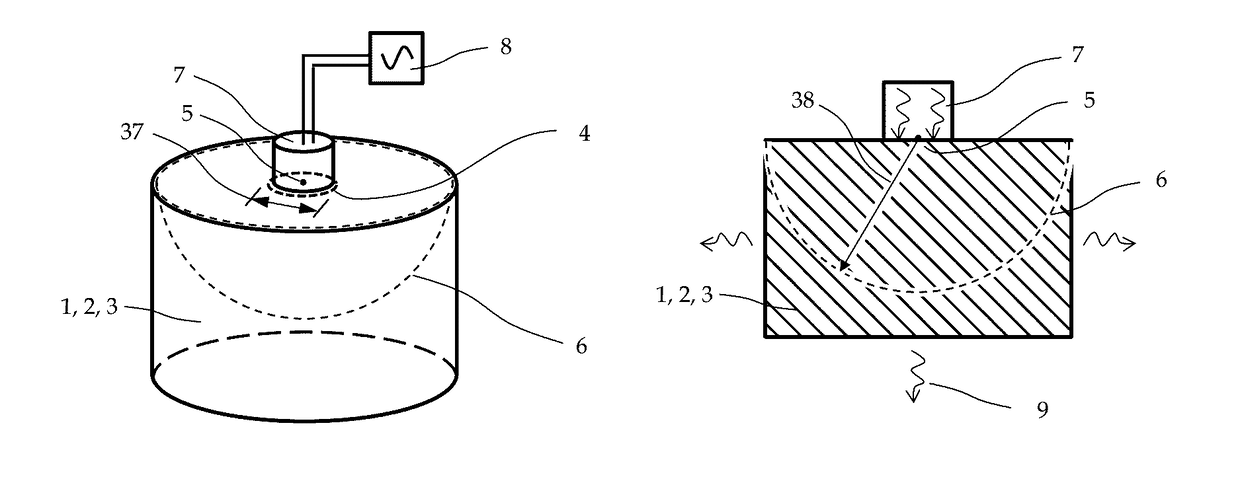
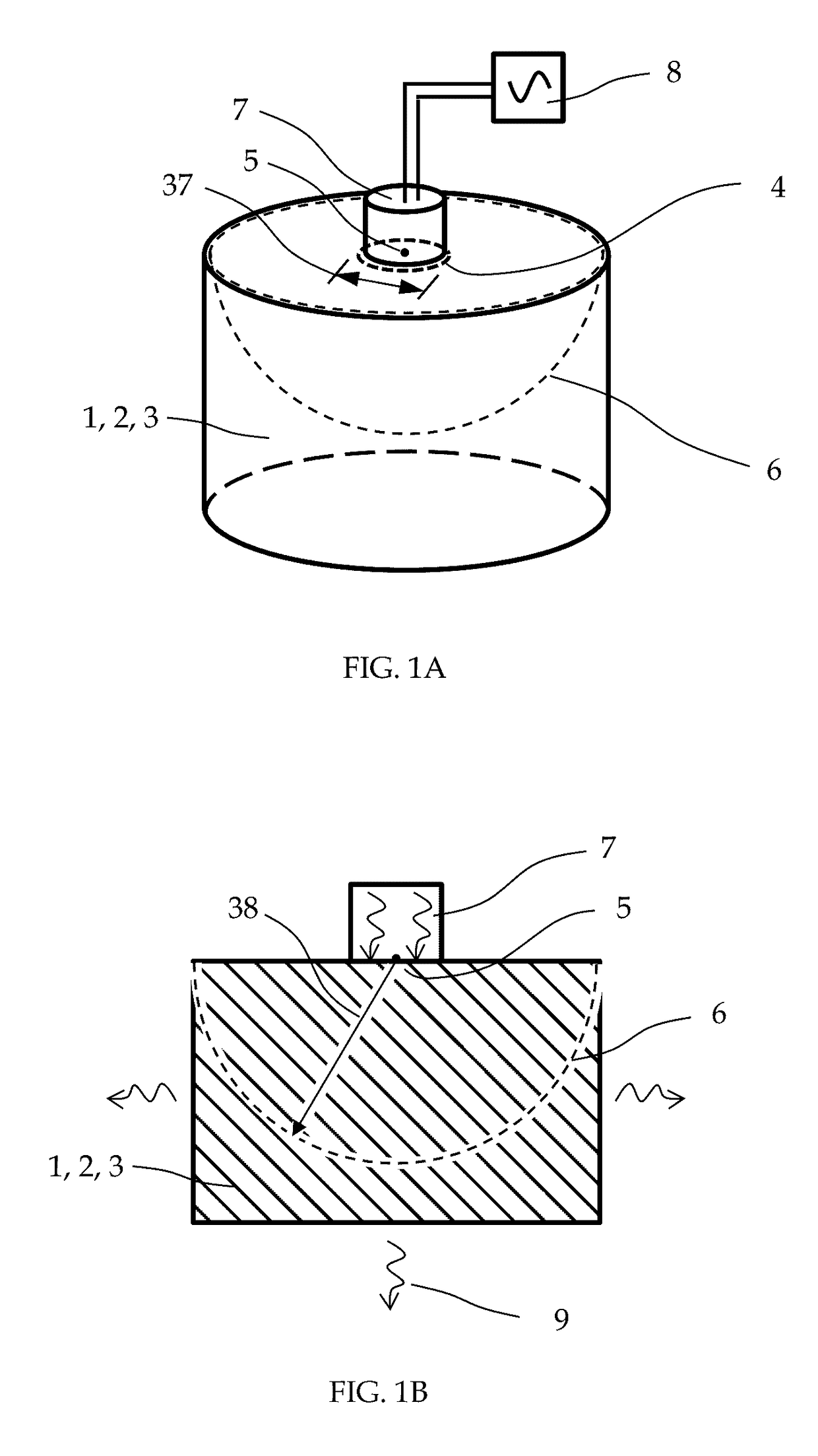
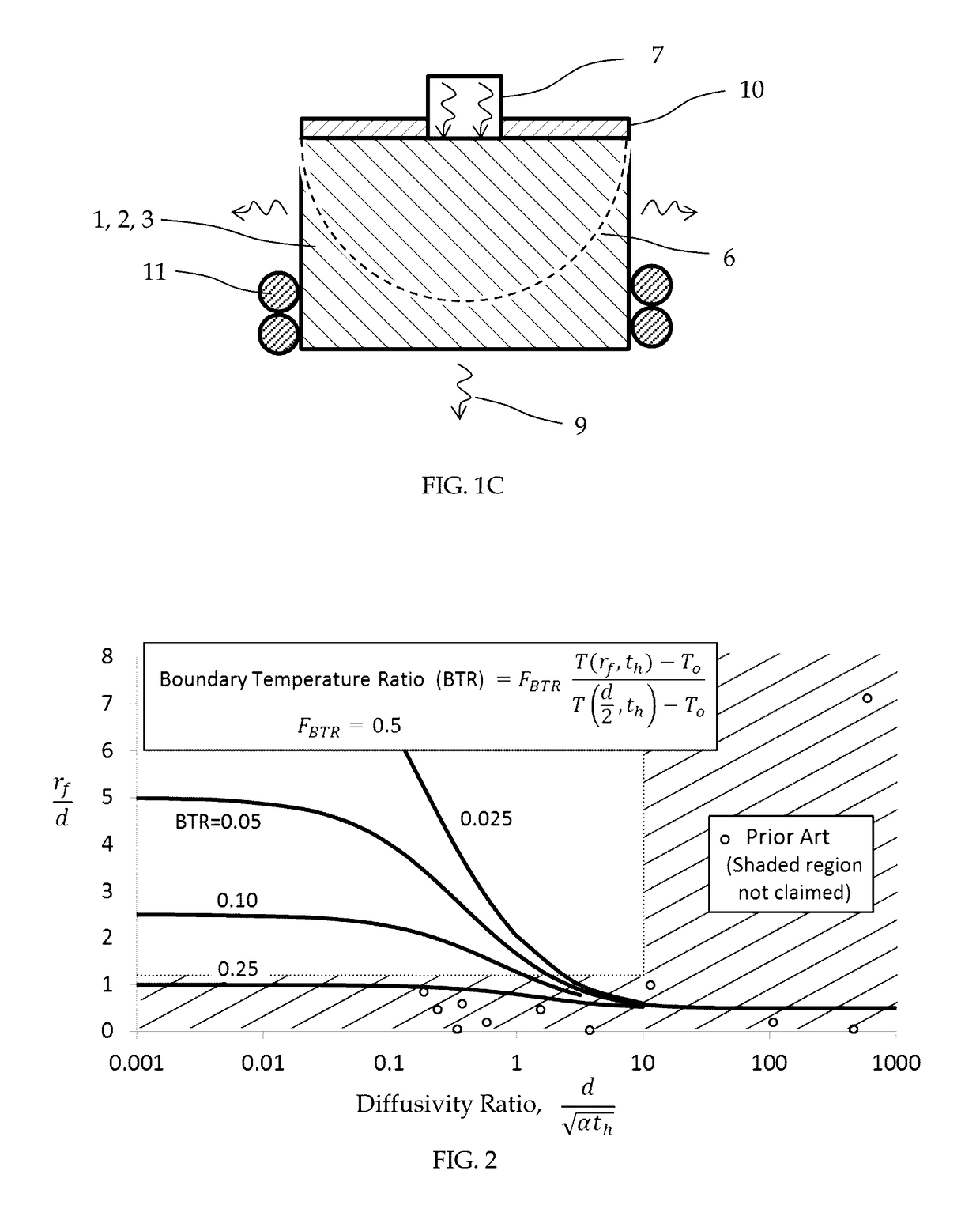

Industrial cracking furnace cracking product value maximization model construction method
PatentActiveCN103087752A
Innovation
- Construct a model to maximize the value of cracked products in industrial cracking furnaces, establish a prediction model based on steam cracking experimental data, and check and optimize cracking furnace operations to maximize the total value of cracked products or cracked products.


Energy Efficiency Standards and Environmental Regulations
The regulatory landscape surrounding energy efficiency and environmental protection has become increasingly stringent, creating both challenges and opportunities for thermo mechanical techniques implementation. Current energy efficiency standards, such as the International Energy Agency's guidelines and regional frameworks like the EU Energy Efficiency Directive, mandate significant reductions in industrial energy consumption. These regulations typically require industries to achieve 20-30% energy savings compared to baseline measurements, directly impacting the adoption of advanced thermo mechanical solutions.
Environmental regulations focusing on carbon emissions and waste heat recovery have established mandatory compliance thresholds that drive innovation in thermo mechanical applications. The Paris Agreement's national commitments have translated into sector-specific regulations requiring industries to optimize thermal processes and minimize energy waste. These regulatory pressures create substantial market demand for thermo mechanical techniques that can simultaneously improve operational efficiency and reduce environmental impact.
Compliance frameworks increasingly emphasize lifecycle assessment approaches, evaluating the total environmental impact of thermal systems from installation through decommissioning. This comprehensive evaluation methodology favors thermo mechanical solutions that demonstrate long-term sustainability benefits, including reduced material consumption, extended equipment lifespan, and improved recyclability of system components.
The regulatory trend toward real-time monitoring and reporting requirements has accelerated the integration of smart thermo mechanical systems equipped with advanced sensing and data analytics capabilities. These systems enable continuous compliance verification while optimizing performance parameters to maximize both regulatory adherence and operational value.
Emerging regulations targeting industrial waste heat utilization present significant opportunities for thermo mechanical technique deployment. Legislative frameworks in major industrial regions now mandate waste heat recovery systems for facilities exceeding specific thermal output thresholds, creating guaranteed market demand for innovative thermo mechanical solutions that can capture and repurpose previously wasted thermal energy streams.
Environmental regulations focusing on carbon emissions and waste heat recovery have established mandatory compliance thresholds that drive innovation in thermo mechanical applications. The Paris Agreement's national commitments have translated into sector-specific regulations requiring industries to optimize thermal processes and minimize energy waste. These regulatory pressures create substantial market demand for thermo mechanical techniques that can simultaneously improve operational efficiency and reduce environmental impact.
Compliance frameworks increasingly emphasize lifecycle assessment approaches, evaluating the total environmental impact of thermal systems from installation through decommissioning. This comprehensive evaluation methodology favors thermo mechanical solutions that demonstrate long-term sustainability benefits, including reduced material consumption, extended equipment lifespan, and improved recyclability of system components.
The regulatory trend toward real-time monitoring and reporting requirements has accelerated the integration of smart thermo mechanical systems equipped with advanced sensing and data analytics capabilities. These systems enable continuous compliance verification while optimizing performance parameters to maximize both regulatory adherence and operational value.
Emerging regulations targeting industrial waste heat utilization present significant opportunities for thermo mechanical technique deployment. Legislative frameworks in major industrial regions now mandate waste heat recovery systems for facilities exceeding specific thermal output thresholds, creating guaranteed market demand for innovative thermo mechanical solutions that can capture and repurpose previously wasted thermal energy streams.
Economic Impact Assessment of Thermo Mechanical Investments
The economic impact assessment of thermo mechanical investments requires a comprehensive evaluation framework that encompasses both direct and indirect financial implications. Organizations implementing these technologies must consider capital expenditure requirements, operational cost variations, and long-term return on investment metrics. The assessment methodology should incorporate discounted cash flow analysis, net present value calculations, and payback period evaluations to establish baseline economic viability.
Investment costs for thermo mechanical systems typically involve substantial upfront capital requirements, including equipment procurement, installation infrastructure, and specialized training programs. These initial expenditures often range from moderate facility upgrades to comprehensive system overhauls, depending on the scope of implementation. The cost structure varies significantly across different industrial applications, with heavy manufacturing sectors generally requiring higher investment thresholds compared to lighter industrial processes.
Operational cost benefits emerge through multiple channels, including energy efficiency improvements, reduced material waste, enhanced product quality, and decreased maintenance requirements. Energy savings alone can contribute 15-30% reduction in operational expenses, while improved process control minimizes raw material consumption and reduces defect rates. These operational improvements translate directly into enhanced profit margins and competitive positioning within respective market segments.
Revenue enhancement opportunities arise from improved product quality, expanded processing capabilities, and access to premium market segments. Thermo mechanical techniques often enable manufacturers to achieve superior material properties, tighter tolerances, and enhanced surface finishes that command higher market prices. Additionally, these technologies frequently unlock new product development possibilities, creating additional revenue streams and market differentiation opportunities.
Risk assessment considerations include technology obsolescence, market volatility, and implementation challenges that could impact projected returns. Economic models must account for potential downtime during installation, learning curve effects, and possible integration complications with existing systems. Sensitivity analysis becomes crucial for understanding how variations in key parameters affect overall investment viability and establishing appropriate contingency planning strategies.
Investment costs for thermo mechanical systems typically involve substantial upfront capital requirements, including equipment procurement, installation infrastructure, and specialized training programs. These initial expenditures often range from moderate facility upgrades to comprehensive system overhauls, depending on the scope of implementation. The cost structure varies significantly across different industrial applications, with heavy manufacturing sectors generally requiring higher investment thresholds compared to lighter industrial processes.
Operational cost benefits emerge through multiple channels, including energy efficiency improvements, reduced material waste, enhanced product quality, and decreased maintenance requirements. Energy savings alone can contribute 15-30% reduction in operational expenses, while improved process control minimizes raw material consumption and reduces defect rates. These operational improvements translate directly into enhanced profit margins and competitive positioning within respective market segments.
Revenue enhancement opportunities arise from improved product quality, expanded processing capabilities, and access to premium market segments. Thermo mechanical techniques often enable manufacturers to achieve superior material properties, tighter tolerances, and enhanced surface finishes that command higher market prices. Additionally, these technologies frequently unlock new product development possibilities, creating additional revenue streams and market differentiation opportunities.
Risk assessment considerations include technology obsolescence, market volatility, and implementation challenges that could impact projected returns. Economic models must account for potential downtime during installation, learning curve effects, and possible integration complications with existing systems. Sensitivity analysis becomes crucial for understanding how variations in key parameters affect overall investment viability and establishing appropriate contingency planning strategies.
Unlock deeper insights with Patsnap Eureka Quick Research — get a full tech report to explore trends and direct your research. Try now!
Generate Your Research Report Instantly with AI Agent
Supercharge your innovation with Patsnap Eureka AI Agent Platform!