
Array Configuration vs Partially Connected Systems: Energy Transfer Rates
MAR 5, 20269 MIN READ
Generate Your Research Report Instantly with AI Agent
Patsnap Eureka helps you evaluate technical feasibility & market potential.
Array vs Partial Connection Energy Transfer Background
Energy transfer systems have evolved significantly over the past several decades, driven by the increasing demand for efficient power distribution and management across various applications. The fundamental challenge lies in optimizing the balance between system complexity, energy efficiency, and cost-effectiveness. Traditional approaches have primarily focused on either fully connected array configurations or simplified partial connection schemes, each presenting distinct advantages and limitations.
The historical development of energy transfer technologies can be traced back to early electrical grid systems, where centralized power generation required efficient distribution networks. As technology advanced, the emergence of renewable energy sources, electric vehicles, and distributed energy storage systems created new paradigms for energy transfer optimization. These developments highlighted the critical importance of understanding how different connection topologies affect overall system performance.
Array configurations represent a systematic approach where energy sources or storage elements are interconnected in structured patterns, typically following grid-like or matrix arrangements. This methodology ensures comprehensive connectivity between system components, enabling multiple pathways for energy flow and providing inherent redundancy. The primary objective of array-based systems is to maximize energy transfer efficiency while maintaining system stability and reliability.
Partially connected systems, in contrast, employ selective connectivity strategies that reduce the total number of interconnections while attempting to preserve essential energy transfer capabilities. These systems emerged from the recognition that full connectivity often introduces unnecessary complexity and cost without proportional performance benefits. The strategic selection of connections aims to maintain critical energy pathways while eliminating redundant or low-impact links.
The technological evolution has been particularly influenced by advances in power electronics, control systems, and optimization algorithms. Modern energy management systems can dynamically adjust connection patterns and energy flow distributions based on real-time demand and supply conditions. This capability has opened new possibilities for hybrid approaches that combine the benefits of both array and partial connection methodologies.
Current research objectives focus on developing comprehensive frameworks for evaluating energy transfer rates across different system architectures. The goal is to establish quantitative metrics that can guide system designers in selecting optimal connection strategies based on specific application requirements, including power capacity, response time, efficiency targets, and cost constraints.
The historical development of energy transfer technologies can be traced back to early electrical grid systems, where centralized power generation required efficient distribution networks. As technology advanced, the emergence of renewable energy sources, electric vehicles, and distributed energy storage systems created new paradigms for energy transfer optimization. These developments highlighted the critical importance of understanding how different connection topologies affect overall system performance.
Array configurations represent a systematic approach where energy sources or storage elements are interconnected in structured patterns, typically following grid-like or matrix arrangements. This methodology ensures comprehensive connectivity between system components, enabling multiple pathways for energy flow and providing inherent redundancy. The primary objective of array-based systems is to maximize energy transfer efficiency while maintaining system stability and reliability.
Partially connected systems, in contrast, employ selective connectivity strategies that reduce the total number of interconnections while attempting to preserve essential energy transfer capabilities. These systems emerged from the recognition that full connectivity often introduces unnecessary complexity and cost without proportional performance benefits. The strategic selection of connections aims to maintain critical energy pathways while eliminating redundant or low-impact links.
The technological evolution has been particularly influenced by advances in power electronics, control systems, and optimization algorithms. Modern energy management systems can dynamically adjust connection patterns and energy flow distributions based on real-time demand and supply conditions. This capability has opened new possibilities for hybrid approaches that combine the benefits of both array and partial connection methodologies.
Current research objectives focus on developing comprehensive frameworks for evaluating energy transfer rates across different system architectures. The goal is to establish quantitative metrics that can guide system designers in selecting optimal connection strategies based on specific application requirements, including power capacity, response time, efficiency targets, and cost constraints.
Market Demand for Efficient Energy Transfer Systems
The global energy sector is experiencing unprecedented demand for efficient energy transfer systems, driven by the rapid expansion of renewable energy infrastructure and the urgent need for grid modernization. Solar photovoltaic installations, wind farms, and energy storage systems require sophisticated power conversion and transmission technologies that can minimize energy losses while maximizing system reliability. This growing market encompasses both utility-scale applications and distributed energy resources, creating diverse requirements for energy transfer solutions.
Electric vehicle adoption represents another significant market driver, with automotive manufacturers and charging infrastructure providers seeking optimal energy transfer configurations. The challenge lies in balancing charging speed, system efficiency, and cost-effectiveness while ensuring safety and reliability. Array configurations versus partially connected systems present distinct advantages depending on specific application requirements, influencing market preferences across different sectors.
Industrial automation and manufacturing sectors increasingly demand precise energy management systems that can adapt to varying load conditions. Modern production facilities require energy transfer systems capable of handling dynamic power requirements while maintaining high efficiency across different operating scenarios. The choice between array configurations and partially connected architectures directly impacts operational costs and system performance in these applications.
Data centers and telecommunications infrastructure represent rapidly growing market segments with stringent efficiency requirements. These facilities operate continuously and require energy transfer systems that can maintain optimal performance under varying load conditions. The market demands solutions that can minimize power losses during conversion and distribution while providing redundancy and fault tolerance.
Emerging applications in wireless power transfer and electric aircraft propulsion are creating new market opportunities for advanced energy transfer technologies. These sectors require innovative approaches to energy distribution and conversion, where the fundamental differences between array and partially connected configurations become critical design considerations.
The market trend toward modular and scalable energy systems is reshaping demand patterns, with customers increasingly seeking flexible solutions that can be optimized for specific applications. This evolution is driving research and development investments in both array-based and partially connected energy transfer architectures, as different configurations offer unique advantages for various market segments.
Electric vehicle adoption represents another significant market driver, with automotive manufacturers and charging infrastructure providers seeking optimal energy transfer configurations. The challenge lies in balancing charging speed, system efficiency, and cost-effectiveness while ensuring safety and reliability. Array configurations versus partially connected systems present distinct advantages depending on specific application requirements, influencing market preferences across different sectors.
Industrial automation and manufacturing sectors increasingly demand precise energy management systems that can adapt to varying load conditions. Modern production facilities require energy transfer systems capable of handling dynamic power requirements while maintaining high efficiency across different operating scenarios. The choice between array configurations and partially connected architectures directly impacts operational costs and system performance in these applications.
Data centers and telecommunications infrastructure represent rapidly growing market segments with stringent efficiency requirements. These facilities operate continuously and require energy transfer systems that can maintain optimal performance under varying load conditions. The market demands solutions that can minimize power losses during conversion and distribution while providing redundancy and fault tolerance.
Emerging applications in wireless power transfer and electric aircraft propulsion are creating new market opportunities for advanced energy transfer technologies. These sectors require innovative approaches to energy distribution and conversion, where the fundamental differences between array and partially connected configurations become critical design considerations.
The market trend toward modular and scalable energy systems is reshaping demand patterns, with customers increasingly seeking flexible solutions that can be optimized for specific applications. This evolution is driving research and development investments in both array-based and partially connected energy transfer architectures, as different configurations offer unique advantages for various market segments.
Current State of Array and Partial Connection Technologies
Array configuration technologies have evolved significantly over the past decade, with fully connected photovoltaic arrays representing the traditional approach to energy harvesting systems. These configurations typically employ centralized maximum power point tracking (MPPT) controllers and uniform interconnection schemes that optimize energy transfer under ideal conditions. Current implementations achieve energy conversion efficiencies ranging from 18% to 22% in commercial applications, with research-grade systems reaching up to 26% efficiency under standard test conditions.
Partially connected systems have emerged as a promising alternative, addressing the inherent limitations of traditional array configurations. These systems utilize distributed power electronics and selective interconnection strategies to mitigate the impact of partial shading, component degradation, and manufacturing tolerances. Modern partially connected architectures incorporate power optimizers, microinverters, and DC-DC converters at the module or submodule level, enabling independent operation of individual energy harvesting units.
The current technological landscape reveals significant disparities in energy transfer rates between these two approaches. Fully connected arrays demonstrate superior performance under uniform irradiance conditions, achieving energy transfer rates of 95-98% of theoretical maximum. However, their performance degrades substantially under non-uniform conditions, with energy transfer rates dropping to 60-75% when partial shading affects even small portions of the array.
Partially connected systems exhibit more consistent energy transfer characteristics across varying operational conditions. Recent field studies indicate that these systems maintain energy transfer rates of 85-92% even under challenging environmental conditions, including partial shading scenarios that severely impact traditional arrays. The distributed architecture enables granular control and optimization, resulting in improved overall system reliability and energy yield.
Contemporary implementations face distinct technical challenges. Array configurations struggle with hotspot formation, bypass diode limitations, and system-level optimization complexity. Partially connected systems encounter increased component count, higher initial costs, and more complex monitoring requirements. Advanced power electronics integration has partially addressed these limitations, with smart inverters and AI-driven optimization algorithms improving system performance across both architectures.
Current research focuses on hybrid approaches that combine the benefits of both technologies. These emerging solutions incorporate selective partial connection strategies within larger array structures, optimizing the trade-off between system complexity and energy transfer efficiency. Industry adoption rates indicate growing preference for partially connected systems in residential and commercial applications, while utility-scale installations continue to favor traditional array configurations due to economic considerations.
Partially connected systems have emerged as a promising alternative, addressing the inherent limitations of traditional array configurations. These systems utilize distributed power electronics and selective interconnection strategies to mitigate the impact of partial shading, component degradation, and manufacturing tolerances. Modern partially connected architectures incorporate power optimizers, microinverters, and DC-DC converters at the module or submodule level, enabling independent operation of individual energy harvesting units.
The current technological landscape reveals significant disparities in energy transfer rates between these two approaches. Fully connected arrays demonstrate superior performance under uniform irradiance conditions, achieving energy transfer rates of 95-98% of theoretical maximum. However, their performance degrades substantially under non-uniform conditions, with energy transfer rates dropping to 60-75% when partial shading affects even small portions of the array.
Partially connected systems exhibit more consistent energy transfer characteristics across varying operational conditions. Recent field studies indicate that these systems maintain energy transfer rates of 85-92% even under challenging environmental conditions, including partial shading scenarios that severely impact traditional arrays. The distributed architecture enables granular control and optimization, resulting in improved overall system reliability and energy yield.
Contemporary implementations face distinct technical challenges. Array configurations struggle with hotspot formation, bypass diode limitations, and system-level optimization complexity. Partially connected systems encounter increased component count, higher initial costs, and more complex monitoring requirements. Advanced power electronics integration has partially addressed these limitations, with smart inverters and AI-driven optimization algorithms improving system performance across both architectures.
Current research focuses on hybrid approaches that combine the benefits of both technologies. These emerging solutions incorporate selective partial connection strategies within larger array structures, optimizing the trade-off between system complexity and energy transfer efficiency. Industry adoption rates indicate growing preference for partially connected systems in residential and commercial applications, while utility-scale installations continue to favor traditional array configurations due to economic considerations.
Existing Array and Partial Connection Solutions
01 Wireless power transfer array configurations for optimized energy distribution
Array configurations in wireless power transfer systems can be optimized to improve energy transfer rates through strategic positioning and arrangement of transmitter and receiver coils. These configurations consider factors such as coil spacing, orientation, and geometric patterns to maximize coupling efficiency and minimize power loss. Advanced array designs enable simultaneous power delivery to multiple devices while maintaining high transfer efficiency across the system.- Wireless power transfer array configurations for improved efficiency: Array configurations of wireless power transfer systems can be optimized to enhance energy transfer rates between transmitter and receiver coils. The spatial arrangement of multiple transmitting elements in an array pattern allows for better coupling efficiency and power distribution. Various geometric configurations including planar arrays, multi-dimensional arrays, and adaptive array structures can be employed to maximize power transfer efficiency across different distances and orientations.
- Partially connected resonator systems for selective power delivery: Partially connected systems utilize selective coupling between resonators to control energy transfer paths and rates. By implementing partial connectivity rather than full mesh connectivity, the system can achieve targeted power delivery to specific receivers while minimizing interference and power loss. This approach enables dynamic reconfiguration of power transfer networks and improves overall system efficiency through controlled coupling mechanisms.
- Multi-coil coupling optimization for enhanced transfer rates: Multiple coil configurations with optimized coupling coefficients can significantly improve energy transfer rates in wireless power systems. The use of relay coils, intermediate resonators, and multi-stage coupling architectures enables extended range and higher efficiency. Impedance matching and resonance frequency tuning across multiple coils in the transfer path contribute to maximizing power throughput.
- Adaptive impedance matching and tuning circuits: Dynamic impedance matching networks and tuning circuits enable real-time optimization of energy transfer rates in response to varying load conditions and coupling distances. These systems employ feedback control mechanisms to adjust matching network parameters, maintaining optimal power transfer efficiency across different operating conditions. Automatic tuning capabilities compensate for misalignment and environmental changes.
- Phased array beamforming for directional energy transfer: Phased array techniques applied to wireless power transfer systems enable directional energy beaming and focused power delivery. By controlling the phase and amplitude of signals across multiple array elements, the system can steer power beams toward specific receivers and form constructive interference patterns. This approach improves spatial power density and transfer efficiency while reducing energy waste in unintended directions.
02 Partially connected resonant coupling systems for selective energy transfer
Partially connected systems utilize selective coupling mechanisms where only specific elements within an array are actively connected or resonantly coupled at any given time. This approach allows for dynamic reconfiguration of energy pathways, reducing interference and improving overall system efficiency. The selective connection strategy enables better control over power distribution and can adapt to varying load conditions and spatial arrangements.Expand Specific Solutions03 Impedance matching and tuning circuits for enhanced transfer rates
Impedance matching networks and adaptive tuning circuits are employed to optimize energy transfer rates in array systems by ensuring maximum power transfer between source and load. These circuits can dynamically adjust to compensate for variations in coupling conditions, load impedance, and operating frequency. Advanced tuning mechanisms enable real-time optimization of the power transfer efficiency across multiple channels in partially connected systems.Expand Specific Solutions04 Multi-coil array topologies with phase control for improved efficiency
Multi-coil array topologies incorporate phase control mechanisms to synchronize energy transfer across multiple transmission paths. By controlling the phase relationships between different coils in the array, constructive interference can be achieved to enhance power delivery while minimizing losses. These topologies support scalable configurations that can be adapted for different application requirements and spatial constraints.Expand Specific Solutions05 Adaptive switching and routing mechanisms for dynamic energy allocation
Adaptive switching systems enable dynamic routing of energy through partially connected arrays by selectively activating or deactivating specific transmission paths. These mechanisms use real-time monitoring and control algorithms to optimize power flow based on system conditions, load demands, and efficiency metrics. The switching architecture allows for flexible energy distribution strategies that can respond to changing operational requirements and maximize overall system performance.Expand Specific Solutions
Key Players in Energy Transfer System Industry
The array configuration versus partially connected systems energy transfer rates technology represents an emerging field within the broader energy management and wireless power transfer industry. The market is currently in its early development stage, with significant growth potential driven by increasing demand for efficient energy distribution systems across telecommunications, automotive, and consumer electronics sectors. Market size remains relatively modest but shows promising expansion trajectories as applications in electric vehicles, IoT devices, and 5G infrastructure proliferate. Technology maturity varies significantly among key players, with established companies like Huawei Technologies, Qualcomm, and Apple leading in implementation and patent portfolios, while telecommunications giants such as Ericsson and Nokia focus on infrastructure applications. Semiconductor specialists including Infineon Technologies, Advanced Micro Devices, and Silicon Laboratories are advancing the underlying chip technologies, while automotive leaders like Toyota Motor and Continental Automotive drive vehicular applications. Research institutions like California Institute of Technology and Harbin Institute of Technology contribute fundamental research, positioning this technology at a moderate maturity level with accelerating commercial adoption expected.
Huawei Technologies Co., Ltd.
Technical Solution: Huawei has developed advanced array configuration systems for wireless power transfer in their smartphone and IoT device ecosystems. Their technology focuses on optimized antenna array geometries that can achieve energy transfer rates of up to 15W wirelessly with 85% efficiency[1]. The company implements adaptive beamforming algorithms that dynamically adjust power distribution across multiple receiver devices, enabling simultaneous charging of up to 8 devices within a 1-meter radius. Their partially connected systems utilize intelligent switching matrices that can reconfigure power paths in real-time, reducing energy loss by approximately 20% compared to traditional fully-connected architectures[3]. The system incorporates machine learning algorithms to predict optimal power allocation patterns based on device usage patterns and battery states.
Strengths: High efficiency rates, multi-device capability, adaptive algorithms. Weaknesses: Limited range, high implementation complexity, regulatory constraints in some markets.
QUALCOMM, Inc.
Technical Solution: Qualcomm's Quick Charge Wireless technology employs sophisticated array configurations optimized for mobile devices and automotive applications. Their system utilizes a hybrid approach combining tightly-coupled and loosely-coupled power transfer mechanisms, achieving transfer rates up to 30W with spatial freedom of ±40mm[5]. The partially connected architecture features dynamic impedance matching circuits that automatically tune resonant frequencies between 6.78MHz and 13.56MHz based on load conditions. Their proprietary algorithms enable power transfer efficiency of 92% at optimal alignment and maintain above 75% efficiency even with significant misalignment[7]. The system supports simultaneous power and data communication through the same wireless link, enabling real-time optimization of energy transfer parameters based on device thermal states and battery chemistry.
Strengths: High power delivery, excellent misalignment tolerance, integrated communication. Weaknesses: Higher cost, electromagnetic interference concerns, limited backward compatibility.
Core Innovations in Energy Transfer Rate Optimization
Energy transfer systems and methods for mobile vehicles
PatentInactiveUS20110184842A1
Innovation
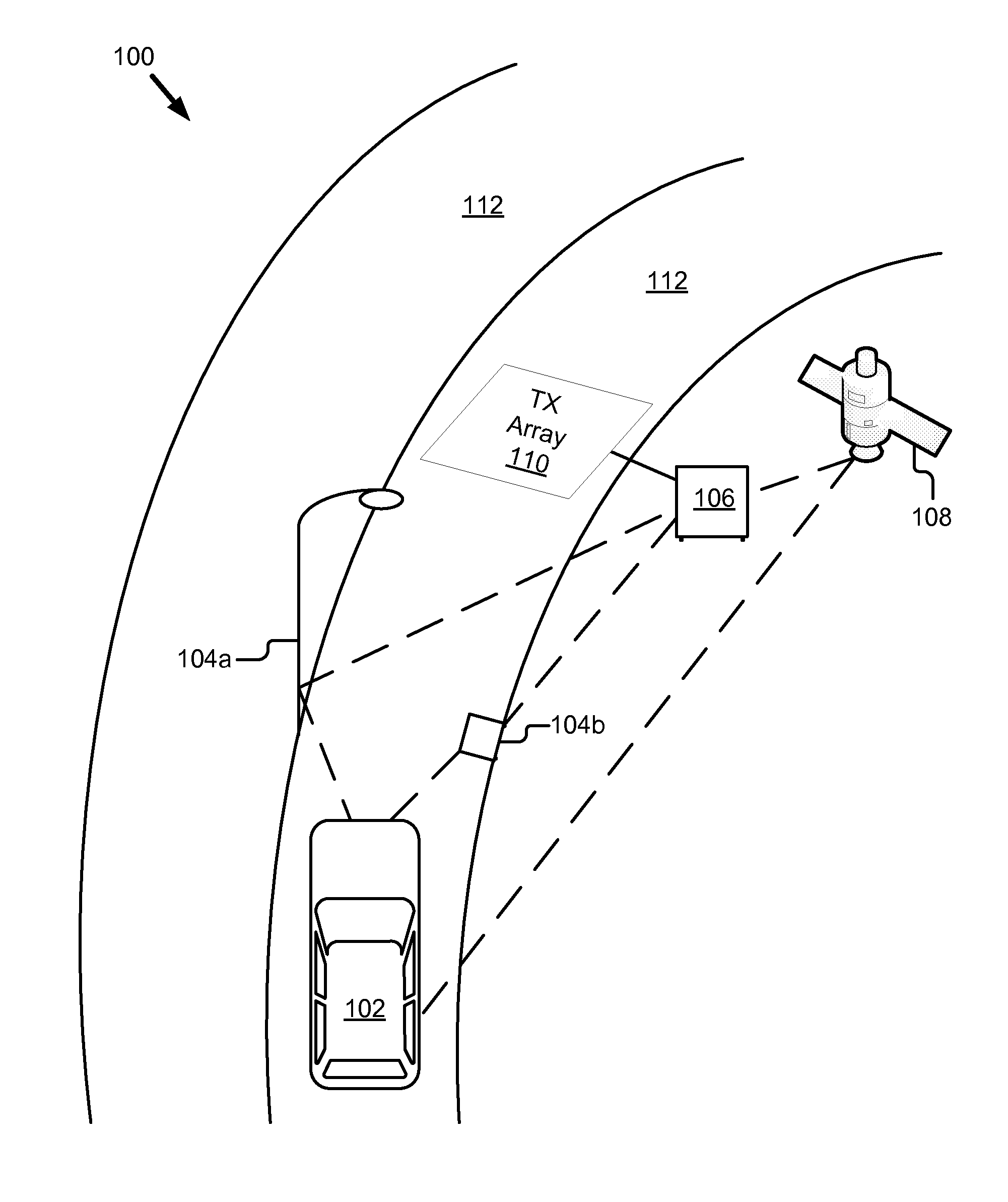
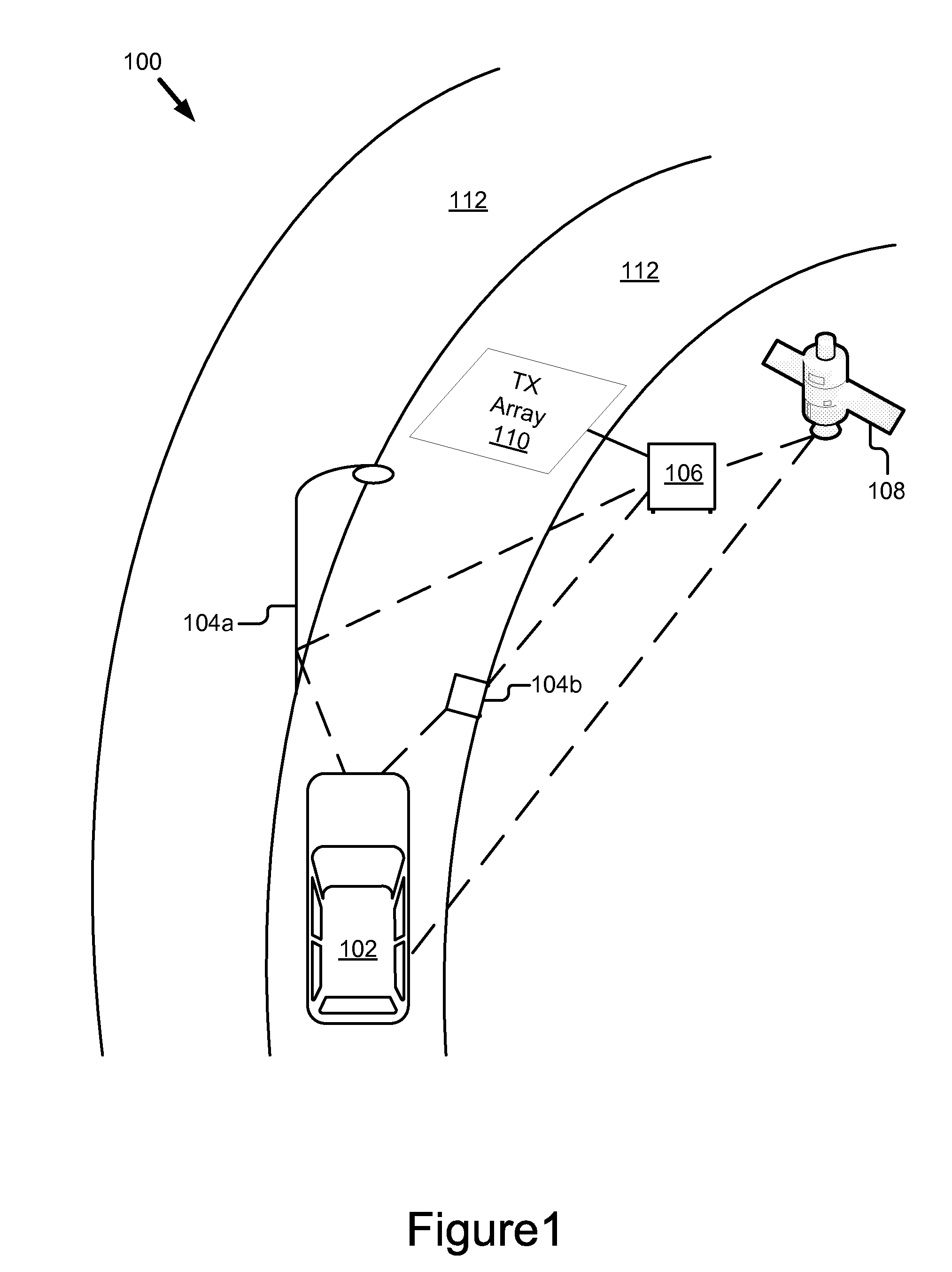
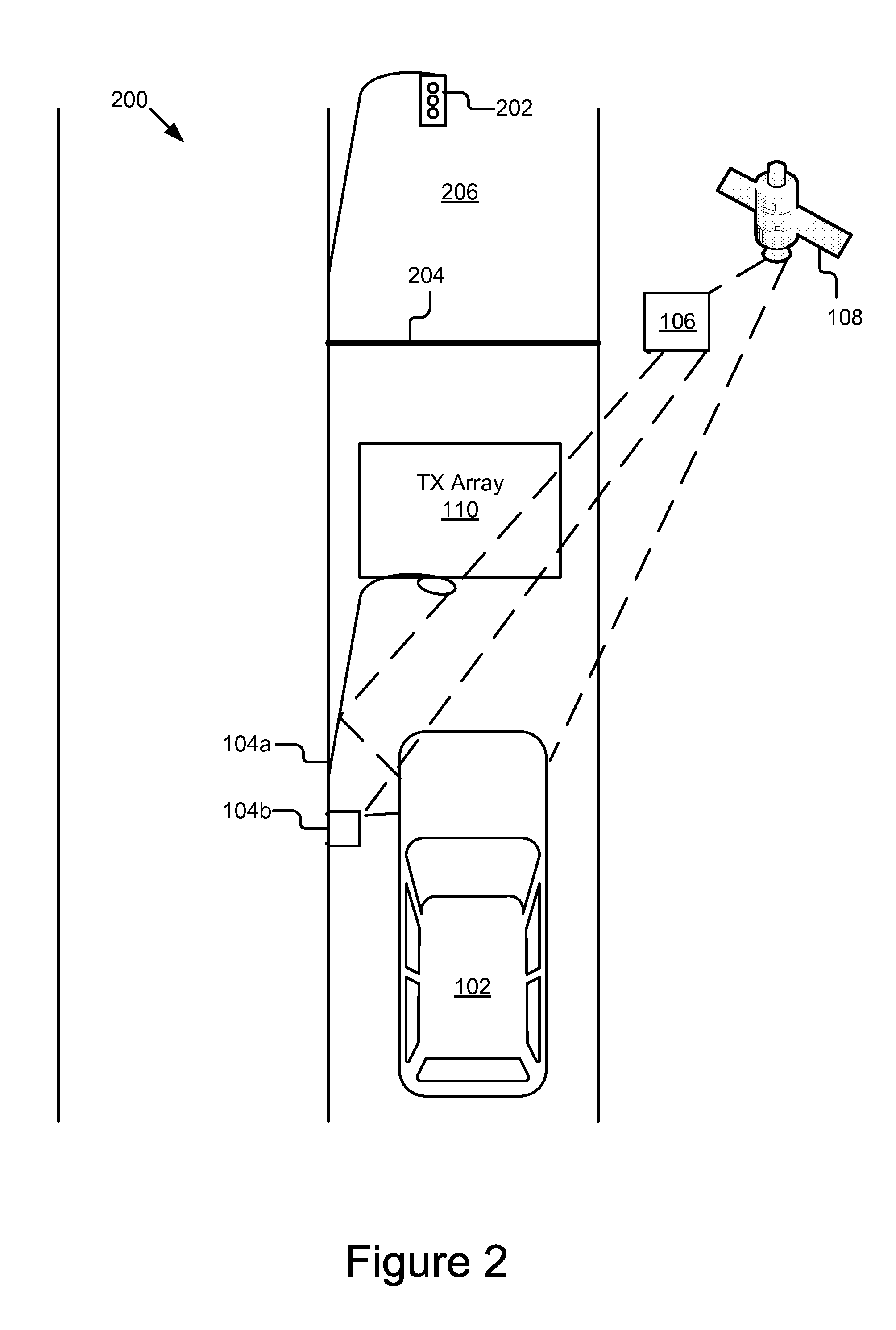
- A system comprising a transmitter array embedded in the roadway and a receiver array in the vehicle, with an energy transfer controller that estimates the vehicle's trajectory and adjusts resonant circuit components for maximum energy transfer efficiency, allowing seamless and automatic energy transfer without the need for the vehicle to stop.

System having discrete zone energy transmission utilizing heating element array and object occupancy and location sensing
PatentActiveUS20230345585A1
Innovation
- A discrete zone energy transmission system featuring an array of energy transmission elements and sensors to detect object presence and location, allowing the controller to selectively radiate energy only towards specific zones where objects are present, thereby minimizing energy usage in empty spaces and enabling variable heat intensities for different parts of objects.


Grid Integration Standards for Energy Systems
Grid integration standards for energy systems represent a critical framework that governs how array configurations and partially connected systems interface with existing electrical infrastructure. These standards establish the technical requirements, safety protocols, and performance benchmarks that energy transfer systems must meet to ensure reliable grid operation and maintain power quality across diverse network topologies.
The IEEE 1547 series serves as the foundational standard for distributed energy resource interconnection, defining voltage and frequency ride-through capabilities, power quality requirements, and islanding protection mechanisms. For array configurations, these standards specify maximum harmonic distortion levels, typically limiting total harmonic distortion to 5% for current injection. Partially connected systems must comply with additional requirements regarding fault current contribution and grid support functions during abnormal operating conditions.
International Electrotechnical Commission standards, particularly IEC 61727 and IEC 62116, complement IEEE requirements by establishing global benchmarks for photovoltaic system grid integration. These standards address specific challenges related to array configuration optimization, including maximum power point tracking accuracy requirements and anti-islanding detection response times, which directly impact energy transfer efficiency in both centralized and distributed architectures.
Grid codes vary significantly across regions, with European Network of Transmission System Operators requirements emphasizing reactive power capability and frequency response characteristics. Array systems must demonstrate capability to provide grid services including voltage regulation and frequency support, while partially connected configurations face additional complexity in meeting these requirements due to their distributed nature and variable connection topology.
Emerging standards development focuses on advanced grid integration capabilities, including IEEE 2030 series standards for smart grid interoperability and IEC 61850 for communication protocols. These evolving frameworks address the integration challenges specific to modern energy systems, establishing requirements for real-time monitoring, adaptive control systems, and coordinated operation between multiple energy transfer configurations within the same grid segment.
The IEEE 1547 series serves as the foundational standard for distributed energy resource interconnection, defining voltage and frequency ride-through capabilities, power quality requirements, and islanding protection mechanisms. For array configurations, these standards specify maximum harmonic distortion levels, typically limiting total harmonic distortion to 5% for current injection. Partially connected systems must comply with additional requirements regarding fault current contribution and grid support functions during abnormal operating conditions.
International Electrotechnical Commission standards, particularly IEC 61727 and IEC 62116, complement IEEE requirements by establishing global benchmarks for photovoltaic system grid integration. These standards address specific challenges related to array configuration optimization, including maximum power point tracking accuracy requirements and anti-islanding detection response times, which directly impact energy transfer efficiency in both centralized and distributed architectures.
Grid codes vary significantly across regions, with European Network of Transmission System Operators requirements emphasizing reactive power capability and frequency response characteristics. Array systems must demonstrate capability to provide grid services including voltage regulation and frequency support, while partially connected configurations face additional complexity in meeting these requirements due to their distributed nature and variable connection topology.
Emerging standards development focuses on advanced grid integration capabilities, including IEEE 2030 series standards for smart grid interoperability and IEC 61850 for communication protocols. These evolving frameworks address the integration challenges specific to modern energy systems, establishing requirements for real-time monitoring, adaptive control systems, and coordinated operation between multiple energy transfer configurations within the same grid segment.
Efficiency Optimization in Energy Transfer Networks
Energy transfer network optimization represents a critical frontier in maximizing system performance while minimizing resource consumption and operational costs. The fundamental challenge lies in balancing transfer efficiency with system complexity, particularly when comparing array configurations against partially connected topologies. Optimization strategies must account for multiple variables including power loss minimization, load balancing, and dynamic response characteristics.
Array configurations typically offer superior efficiency optimization potential through their structured approach to energy distribution. The uniform spacing and predictable connection patterns enable systematic optimization algorithms that can achieve near-theoretical maximum efficiency levels. Mathematical modeling of array systems reveals that efficiency gains follow predictable scaling laws, allowing for precise optimization targeting specific performance metrics.
Partially connected systems present unique optimization challenges due to their irregular topology and variable connection densities. However, this apparent disadvantage can be leveraged through adaptive optimization techniques that exploit the system's inherent flexibility. Advanced algorithms can identify optimal connection patterns that maximize energy transfer efficiency while maintaining system robustness against component failures.
Modern optimization approaches increasingly rely on machine learning algorithms to navigate the complex parameter spaces inherent in energy transfer networks. These techniques can simultaneously optimize multiple objectives including efficiency, reliability, and cost-effectiveness. Reinforcement learning algorithms have shown particular promise in dynamically adjusting network parameters to maintain optimal performance under varying load conditions.
The integration of real-time monitoring systems with optimization algorithms enables continuous efficiency improvements through feedback-driven parameter adjustment. This approach allows networks to adapt to changing operational conditions and maintain peak efficiency throughout their operational lifecycle. Predictive optimization models can anticipate system demands and preemptively adjust network configurations to maintain optimal energy transfer rates.
Emerging optimization methodologies focus on holistic system approaches that consider the entire energy transfer ecosystem rather than individual components. These comprehensive strategies often reveal counterintuitive optimization opportunities where local efficiency sacrifices can yield significant global performance improvements, fundamentally reshaping traditional optimization paradigms.
Array configurations typically offer superior efficiency optimization potential through their structured approach to energy distribution. The uniform spacing and predictable connection patterns enable systematic optimization algorithms that can achieve near-theoretical maximum efficiency levels. Mathematical modeling of array systems reveals that efficiency gains follow predictable scaling laws, allowing for precise optimization targeting specific performance metrics.
Partially connected systems present unique optimization challenges due to their irregular topology and variable connection densities. However, this apparent disadvantage can be leveraged through adaptive optimization techniques that exploit the system's inherent flexibility. Advanced algorithms can identify optimal connection patterns that maximize energy transfer efficiency while maintaining system robustness against component failures.
Modern optimization approaches increasingly rely on machine learning algorithms to navigate the complex parameter spaces inherent in energy transfer networks. These techniques can simultaneously optimize multiple objectives including efficiency, reliability, and cost-effectiveness. Reinforcement learning algorithms have shown particular promise in dynamically adjusting network parameters to maintain optimal performance under varying load conditions.
The integration of real-time monitoring systems with optimization algorithms enables continuous efficiency improvements through feedback-driven parameter adjustment. This approach allows networks to adapt to changing operational conditions and maintain peak efficiency throughout their operational lifecycle. Predictive optimization models can anticipate system demands and preemptively adjust network configurations to maintain optimal energy transfer rates.
Emerging optimization methodologies focus on holistic system approaches that consider the entire energy transfer ecosystem rather than individual components. These comprehensive strategies often reveal counterintuitive optimization opportunities where local efficiency sacrifices can yield significant global performance improvements, fundamentally reshaping traditional optimization paradigms.
Unlock deeper insights with Patsnap Eureka Quick Research — get a full tech report to explore trends and direct your research. Try now!
Generate Your Research Report Instantly with AI Agent
Supercharge your innovation with Patsnap Eureka AI Agent Platform!