

Array Configuration vs Point-to-Point Links: Capacity Assessment
MAR 5, 20269 MIN READ
Generate Your Research Report Instantly with AI Agent
PatSnap Eureka helps you evaluate technical feasibility & market potential.
Array vs P2P Links Background and Objectives
The evolution of network architectures has been fundamentally shaped by the ongoing tension between centralized array configurations and distributed point-to-point (P2P) link systems. This architectural dichotomy represents one of the most critical design decisions in modern communication systems, directly impacting network capacity, scalability, and performance characteristics. As data traffic continues to exponentially increase across various applications, from cloud computing to edge networks, the capacity assessment of these competing topologies has become increasingly vital for strategic technology planning.
Array configurations, characterized by their hub-and-spoke or centralized switching architectures, have traditionally dominated enterprise and data center environments due to their simplified management and centralized control capabilities. These systems typically employ high-capacity central switching elements that aggregate traffic from multiple endpoints, enabling efficient resource utilization and streamlined network administration. The centralized nature allows for sophisticated traffic engineering, quality of service implementation, and unified security policy enforcement.
Conversely, point-to-point link architectures represent a fundamentally different approach, emphasizing direct connectivity between network nodes without intermediate aggregation points. This distributed topology has gained significant traction in scenarios requiring ultra-low latency, high reliability, and massive scalability. P2P configurations eliminate single points of failure inherent in centralized systems while potentially offering superior aggregate bandwidth through parallel processing capabilities.
The capacity assessment challenge emerges from the complex interplay between theoretical maximum throughput, practical implementation constraints, and real-world traffic patterns. Array configurations often demonstrate superior port density and cost efficiency per connection, while P2P links excel in scenarios requiring guaranteed bandwidth allocation and deterministic performance characteristics. The evaluation becomes particularly complex when considering factors such as oversubscription ratios, traffic locality, and dynamic load distribution.
Current technological trends, including the proliferation of artificial intelligence workloads, Internet of Things deployments, and edge computing architectures, have intensified the need for comprehensive capacity evaluation frameworks. These emerging applications present unique traffic patterns and performance requirements that challenge traditional network design assumptions, necessitating a thorough reassessment of both array and P2P link capabilities.
The primary objective of this capacity assessment focuses on developing quantitative methodologies to evaluate the performance characteristics of both architectural approaches under various operational scenarios. This includes establishing metrics for throughput efficiency, latency performance, scalability limits, and cost-effectiveness ratios that enable informed decision-making for specific deployment contexts.
Array configurations, characterized by their hub-and-spoke or centralized switching architectures, have traditionally dominated enterprise and data center environments due to their simplified management and centralized control capabilities. These systems typically employ high-capacity central switching elements that aggregate traffic from multiple endpoints, enabling efficient resource utilization and streamlined network administration. The centralized nature allows for sophisticated traffic engineering, quality of service implementation, and unified security policy enforcement.
Conversely, point-to-point link architectures represent a fundamentally different approach, emphasizing direct connectivity between network nodes without intermediate aggregation points. This distributed topology has gained significant traction in scenarios requiring ultra-low latency, high reliability, and massive scalability. P2P configurations eliminate single points of failure inherent in centralized systems while potentially offering superior aggregate bandwidth through parallel processing capabilities.
The capacity assessment challenge emerges from the complex interplay between theoretical maximum throughput, practical implementation constraints, and real-world traffic patterns. Array configurations often demonstrate superior port density and cost efficiency per connection, while P2P links excel in scenarios requiring guaranteed bandwidth allocation and deterministic performance characteristics. The evaluation becomes particularly complex when considering factors such as oversubscription ratios, traffic locality, and dynamic load distribution.
Current technological trends, including the proliferation of artificial intelligence workloads, Internet of Things deployments, and edge computing architectures, have intensified the need for comprehensive capacity evaluation frameworks. These emerging applications present unique traffic patterns and performance requirements that challenge traditional network design assumptions, necessitating a thorough reassessment of both array and P2P link capabilities.
The primary objective of this capacity assessment focuses on developing quantitative methodologies to evaluate the performance characteristics of both architectural approaches under various operational scenarios. This includes establishing metrics for throughput efficiency, latency performance, scalability limits, and cost-effectiveness ratios that enable informed decision-making for specific deployment contexts.
Market Demand for High-Capacity Network Architectures
The global telecommunications industry is experiencing unprecedented demand for high-capacity network architectures, driven by the exponential growth of data traffic and the proliferation of bandwidth-intensive applications. Cloud computing services, video streaming platforms, and emerging technologies such as artificial intelligence and machine learning are placing enormous strain on existing network infrastructure, necessitating fundamental reassessment of network design paradigms.
Enterprise data centers represent a particularly critical segment where the choice between array configuration and point-to-point links significantly impacts operational efficiency and scalability. Organizations are increasingly migrating mission-critical workloads to cloud environments, requiring network architectures capable of handling massive data transfers with minimal latency. The demand for real-time analytics and distributed computing frameworks has intensified the need for optimized interconnect solutions that can support sustained high-throughput operations.
Telecommunications service providers face mounting pressure to upgrade their backbone infrastructure to accommodate the surge in mobile data consumption and the rollout of next-generation wireless technologies. The transition toward software-defined networking and network function virtualization has created new requirements for flexible, high-capacity interconnect solutions that can adapt to dynamic traffic patterns and service demands.
The financial services sector has emerged as a significant driver of demand for ultra-low latency, high-capacity network solutions. High-frequency trading applications and real-time risk management systems require network architectures that can deliver consistent performance under extreme load conditions. The choice between array configurations and point-to-point topologies directly impacts trading execution speeds and competitive positioning in these markets.
Manufacturing industries are increasingly adopting Industrial Internet of Things implementations and smart factory concepts, generating substantial demand for robust network architectures capable of supporting massive sensor deployments and real-time control systems. The reliability and capacity characteristics of different network topologies become critical factors in ensuring operational continuity and production efficiency.
Research institutions and academic organizations represent another growing market segment, particularly those engaged in computational research requiring high-performance computing clusters and large-scale data processing capabilities. The capacity assessment of different network configurations directly influences research productivity and collaboration effectiveness across distributed teams and facilities.
Enterprise data centers represent a particularly critical segment where the choice between array configuration and point-to-point links significantly impacts operational efficiency and scalability. Organizations are increasingly migrating mission-critical workloads to cloud environments, requiring network architectures capable of handling massive data transfers with minimal latency. The demand for real-time analytics and distributed computing frameworks has intensified the need for optimized interconnect solutions that can support sustained high-throughput operations.
Telecommunications service providers face mounting pressure to upgrade their backbone infrastructure to accommodate the surge in mobile data consumption and the rollout of next-generation wireless technologies. The transition toward software-defined networking and network function virtualization has created new requirements for flexible, high-capacity interconnect solutions that can adapt to dynamic traffic patterns and service demands.
The financial services sector has emerged as a significant driver of demand for ultra-low latency, high-capacity network solutions. High-frequency trading applications and real-time risk management systems require network architectures that can deliver consistent performance under extreme load conditions. The choice between array configurations and point-to-point topologies directly impacts trading execution speeds and competitive positioning in these markets.
Manufacturing industries are increasingly adopting Industrial Internet of Things implementations and smart factory concepts, generating substantial demand for robust network architectures capable of supporting massive sensor deployments and real-time control systems. The reliability and capacity characteristics of different network topologies become critical factors in ensuring operational continuity and production efficiency.
Research institutions and academic organizations represent another growing market segment, particularly those engaged in computational research requiring high-performance computing clusters and large-scale data processing capabilities. The capacity assessment of different network configurations directly influences research productivity and collaboration effectiveness across distributed teams and facilities.
Current State and Challenges of Array Configuration Systems
Array configuration systems have emerged as a critical architectural approach in modern high-performance computing and data center environments, representing a fundamental shift from traditional point-to-point connectivity models. These systems aggregate multiple processing units, storage devices, or network elements into cohesive arrays that can be managed and accessed as unified resources. The current implementation landscape spans diverse domains including storage area networks, processor arrays, and distributed computing clusters.
The technological maturity of array configurations varies significantly across different application domains. In storage systems, technologies like RAID arrays and distributed file systems have achieved widespread commercial adoption, demonstrating proven scalability and reliability metrics. However, in emerging areas such as neuromorphic computing arrays and quantum processor configurations, the technology remains largely experimental with limited production deployments.
Contemporary array configuration systems face substantial scalability bottlenecks when attempting to maintain coherent communication across large numbers of interconnected elements. The complexity of managing inter-element synchronization grows exponentially with array size, creating practical limits on achievable system scale. Current implementations typically encounter performance degradation beyond 1000-element configurations due to coordination overhead and latency accumulation.
Bandwidth allocation and traffic management represent persistent technical challenges in existing array architectures. Unlike point-to-point links that provide dedicated bandwidth channels, array configurations must dynamically distribute available bandwidth among competing elements. This creates contention scenarios that can significantly impact overall system throughput, particularly under high-load conditions where multiple elements simultaneously require maximum bandwidth allocation.
Fault tolerance mechanisms in current array systems remain inadequate for mission-critical applications. While individual element failures can often be isolated, cascading failure scenarios continue to pose significant risks to system integrity. The interconnected nature of array configurations means that single points of failure can potentially compromise entire system segments, creating reliability concerns that limit adoption in high-availability environments.
Power consumption and thermal management challenges have become increasingly prominent as array densities continue to increase. Current cooling solutions struggle to maintain optimal operating temperatures across large-scale arrays, leading to thermal throttling and reduced performance. The power distribution complexity also creates design constraints that limit the practical size and density of deployable array configurations.
Standardization gaps across different array configuration implementations hinder interoperability and limit vendor ecosystem development. The absence of unified protocols for array management and inter-element communication creates fragmented markets where proprietary solutions dominate, increasing deployment costs and reducing flexibility for end users seeking multi-vendor array implementations.
The technological maturity of array configurations varies significantly across different application domains. In storage systems, technologies like RAID arrays and distributed file systems have achieved widespread commercial adoption, demonstrating proven scalability and reliability metrics. However, in emerging areas such as neuromorphic computing arrays and quantum processor configurations, the technology remains largely experimental with limited production deployments.
Contemporary array configuration systems face substantial scalability bottlenecks when attempting to maintain coherent communication across large numbers of interconnected elements. The complexity of managing inter-element synchronization grows exponentially with array size, creating practical limits on achievable system scale. Current implementations typically encounter performance degradation beyond 1000-element configurations due to coordination overhead and latency accumulation.
Bandwidth allocation and traffic management represent persistent technical challenges in existing array architectures. Unlike point-to-point links that provide dedicated bandwidth channels, array configurations must dynamically distribute available bandwidth among competing elements. This creates contention scenarios that can significantly impact overall system throughput, particularly under high-load conditions where multiple elements simultaneously require maximum bandwidth allocation.
Fault tolerance mechanisms in current array systems remain inadequate for mission-critical applications. While individual element failures can often be isolated, cascading failure scenarios continue to pose significant risks to system integrity. The interconnected nature of array configurations means that single points of failure can potentially compromise entire system segments, creating reliability concerns that limit adoption in high-availability environments.
Power consumption and thermal management challenges have become increasingly prominent as array densities continue to increase. Current cooling solutions struggle to maintain optimal operating temperatures across large-scale arrays, leading to thermal throttling and reduced performance. The power distribution complexity also creates design constraints that limit the practical size and density of deployable array configurations.
Standardization gaps across different array configuration implementations hinder interoperability and limit vendor ecosystem development. The absence of unified protocols for array management and inter-element communication creates fragmented markets where proprietary solutions dominate, increasing deployment costs and reducing flexibility for end users seeking multi-vendor array implementations.
Existing Solutions for Network Capacity Optimization
01 Adaptive array configuration for capacity optimization
Array configurations can be dynamically adapted to optimize point-to-point link capacity by adjusting antenna elements, beamforming patterns, and spatial diversity schemes. This approach allows systems to respond to varying channel conditions and traffic demands, maximizing throughput and spectral efficiency. Adaptive algorithms can reconfigure array parameters in real-time to maintain optimal performance across different operating scenarios.- Adaptive array configuration for capacity optimization: Array configurations can be dynamically adapted to optimize point-to-point link capacity by adjusting antenna elements, beamforming parameters, and spatial diversity schemes. This approach allows systems to respond to varying channel conditions and traffic demands, maximizing throughput and spectral efficiency. Adaptive algorithms can reconfigure array geometries and signal processing techniques to maintain optimal performance across different operational scenarios.
- MIMO array architectures for enhanced link capacity: Multiple-input multiple-output array configurations enable significant capacity improvements in point-to-point links through spatial multiplexing and diversity techniques. These architectures utilize multiple transmit and receive antenna elements to create parallel data streams, effectively multiplying the link capacity without requiring additional bandwidth. Advanced signal processing and channel estimation methods are employed to exploit the spatial dimensions of the wireless channel.
- Phased array beam steering for directional capacity enhancement: Phased array configurations with electronic beam steering capabilities provide focused directional transmission to increase point-to-point link capacity. By controlling the phase relationships between array elements, these systems can dynamically direct energy toward specific receivers while minimizing interference. This approach improves signal-to-noise ratio and enables higher modulation schemes, resulting in increased data rates and link reliability.
- Distributed array topologies for extended coverage and capacity: Distributed antenna array configurations extend point-to-point link capacity by strategically positioning array elements across geographic areas. This topology reduces path loss, mitigates shadowing effects, and enables cooperative transmission techniques that enhance overall system capacity. Coordination mechanisms between distributed elements ensure coherent signal combining and interference management for optimal performance.
- Hybrid analog-digital array processing for capacity scaling: Hybrid array architectures combine analog and digital beamforming techniques to achieve scalable capacity improvements while managing hardware complexity and power consumption. These configurations partition signal processing between analog phase shifters and digital baseband processors, enabling large-scale arrays with practical implementation constraints. The hybrid approach balances performance gains with cost-effectiveness for high-capacity point-to-point links.
02 MIMO array architectures for enhanced link capacity
Multiple-input multiple-output array configurations enable significant capacity improvements in point-to-point links through spatial multiplexing and diversity techniques. These architectures utilize multiple transmit and receive antenna elements to create parallel data streams, effectively multiplying the link capacity without requiring additional bandwidth. Advanced signal processing techniques coordinate the array elements to minimize interference and maximize data throughput.Expand Specific Solutions03 Phased array beam steering for directional capacity enhancement
Phased array configurations employ controlled phase shifts across antenna elements to steer beams toward specific directions, concentrating signal energy and improving point-to-point link capacity. This technique enables precise targeting of communication partners while reducing interference to other users. Electronic beam steering eliminates mechanical components and allows rapid reconfiguration to track mobile endpoints or switch between multiple point-to-point connections.Expand Specific Solutions04 Distributed array configurations for extended coverage
Distributed array architectures position antenna elements across spatially separated locations to extend coverage area and improve link capacity through cooperative transmission and reception. This configuration reduces path loss effects and enables macro-diversity gains by allowing multiple access points to serve point-to-point links simultaneously. Coordination mechanisms synchronize the distributed elements to coherently combine signals and maximize effective capacity.Expand Specific Solutions05 Hybrid array topologies for flexible capacity scaling
Hybrid array configurations combine different antenna types, frequencies, and architectural approaches to provide flexible capacity scaling for point-to-point links. These systems can integrate analog and digital beamforming, mix sub-array structures, or combine different polarization schemes to optimize performance across diverse deployment scenarios. The hybrid approach balances complexity, cost, and performance while enabling graceful capacity upgrades as requirements evolve.Expand Specific Solutions
Key Players in Network Infrastructure and Link Technology
The array configuration versus point-to-point links capacity assessment represents a mature networking technology domain experiencing steady evolution driven by increasing bandwidth demands and cloud infrastructure growth. The market demonstrates substantial scale with established telecommunications and technology giants leading development. Major players including Cisco, Intel, Huawei, Microsoft, and Qualcomm possess advanced technical capabilities spanning hardware design, software optimization, and system integration. Companies like Ericsson, ZTE, and telecom operators China Mobile and China Unicom contribute significant deployment experience and real-world validation. The technology maturity is high, with proven implementations across enterprise and carrier networks, though ongoing innovation focuses on AI-driven optimization, software-defined networking integration, and next-generation protocols to address emerging 5G, edge computing, and hyperscale data center requirements.
Cisco Technology, Inc.
Technical Solution: Cisco implements advanced array configuration technologies in their data center switching platforms, utilizing spine-leaf architectures that optimize capacity through distributed switching fabrics. Their approach combines high-radix switches in array configurations with intelligent load balancing algorithms to maximize aggregate bandwidth utilization. The company's Nexus series switches employ multi-tier array topologies that can scale to support thousands of endpoints while maintaining consistent latency profiles. Their capacity assessment methodology incorporates real-time traffic analysis and predictive modeling to optimize array configurations for specific workload patterns, achieving up to 95% bandwidth efficiency in large-scale deployments.
Strengths: Market-leading position in enterprise networking with proven scalability solutions and comprehensive management tools. Weaknesses: Higher cost compared to commodity solutions and vendor lock-in concerns for proprietary protocols.
Intel Corp.
Technical Solution: Intel's approach focuses on silicon-level optimization for both array and point-to-point configurations through their advanced processor interconnect technologies. Their solutions include high-bandwidth memory interfaces and multi-die packaging that enables efficient array configurations within processor packages. Intel's capacity assessment tools leverage machine learning algorithms to predict optimal configurations based on workload characteristics, supporting both traditional point-to-point links and complex array topologies. Their latest generation processors incorporate adaptive routing capabilities that can dynamically switch between array and point-to-point modes depending on traffic patterns, achieving significant improvements in overall system throughput and energy efficiency.
Strengths: Deep silicon expertise and integration capabilities with comprehensive performance optimization tools. Weaknesses: Limited to x86 ecosystem and higher power consumption compared to specialized networking processors.
Core Innovations in Array Configuration Capacity Assessment
Data credit pooling for point-to-point links
PatentInactiveUS7719964B2
Innovation
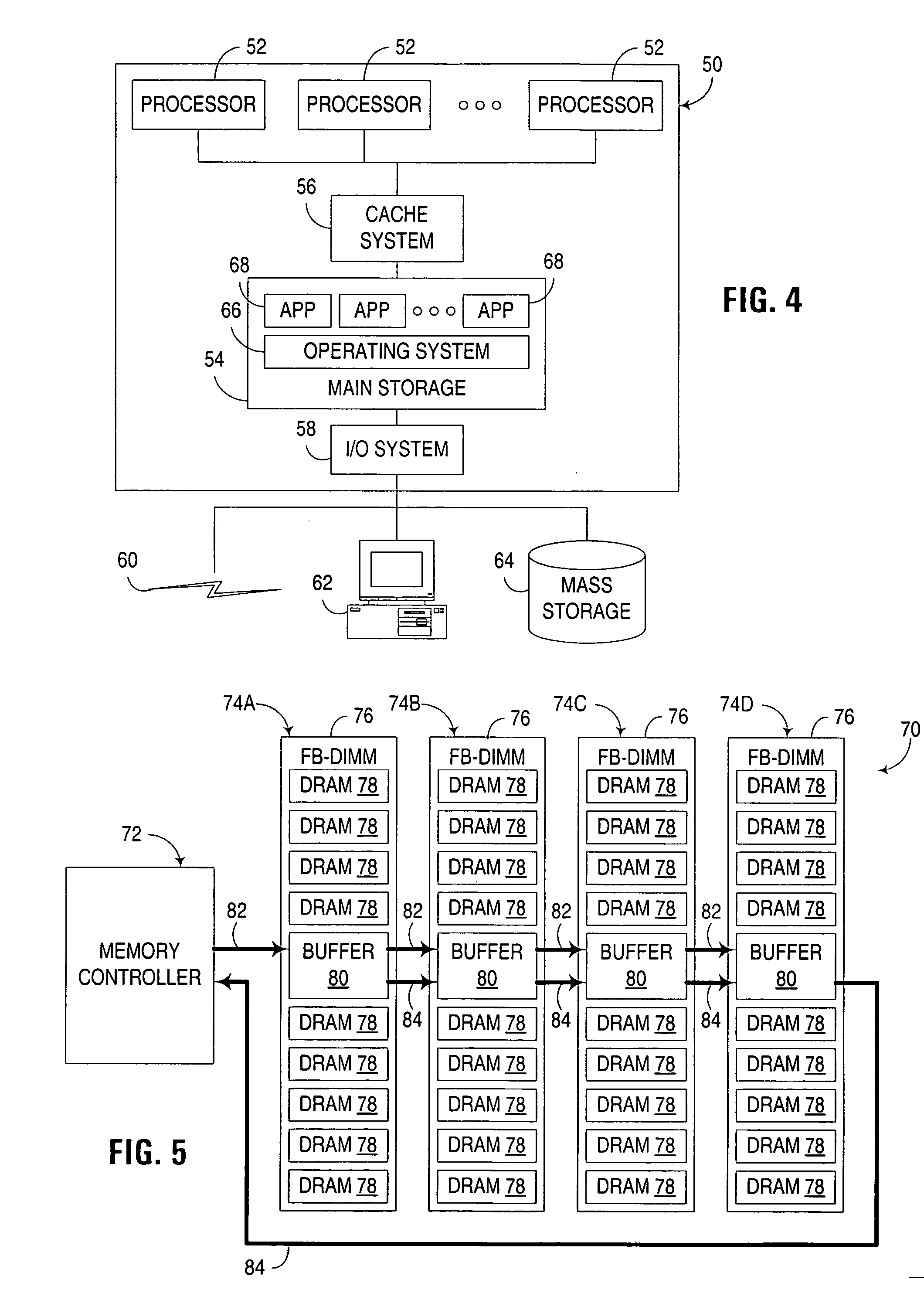
- Implementing a shared data credit system where some credits are dedicated to specific virtual channels and others are shared among them, allowing for reduced buffer requirements by designating shared credits to any virtual channel, thereby reducing chip area usage without impacting link throughput.


Multi-node architecture with daisy chain communication link configurable to operate in unidirectional and bidirectional modes
PatentInactiveUS20060020740A1
Innovation
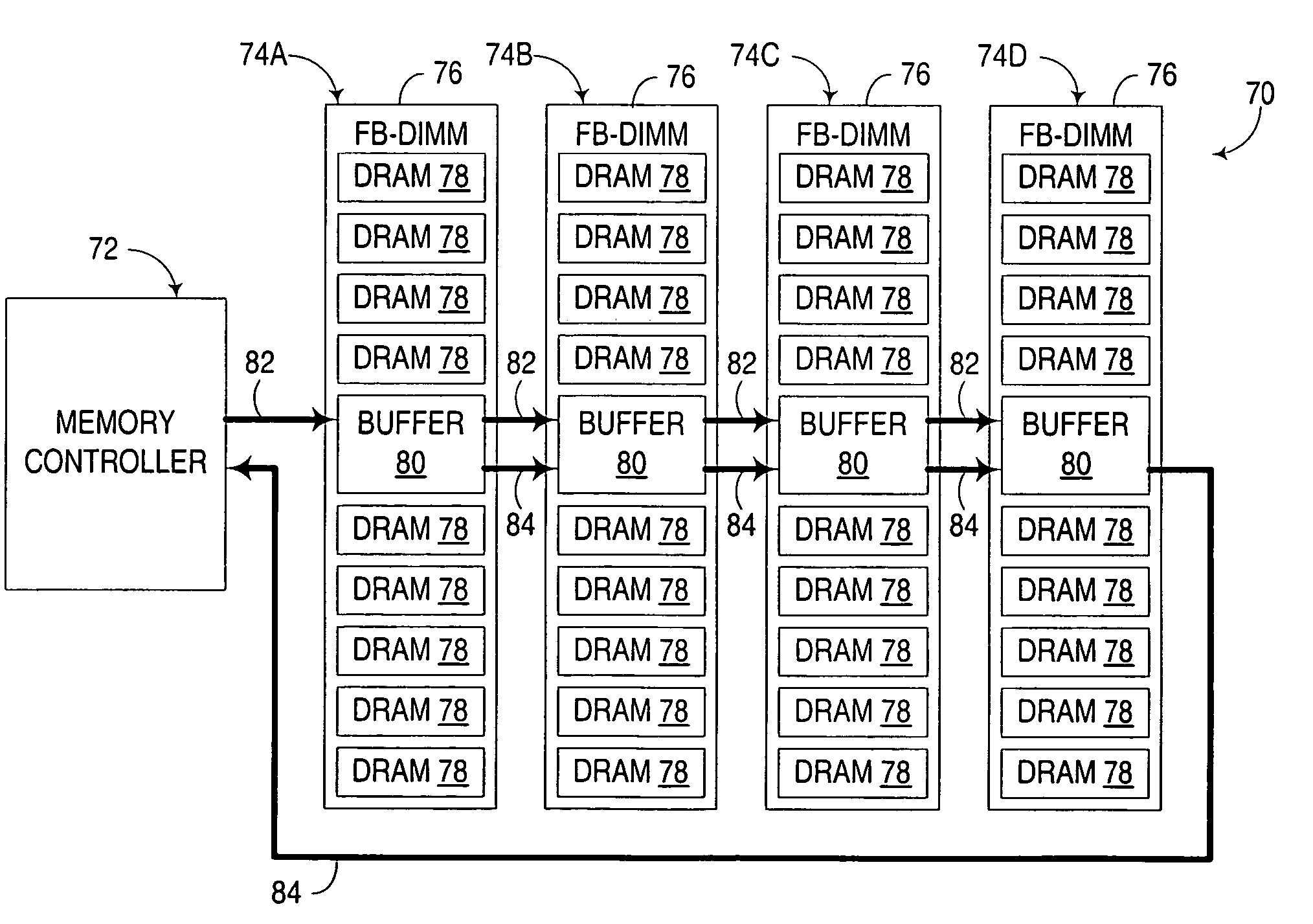
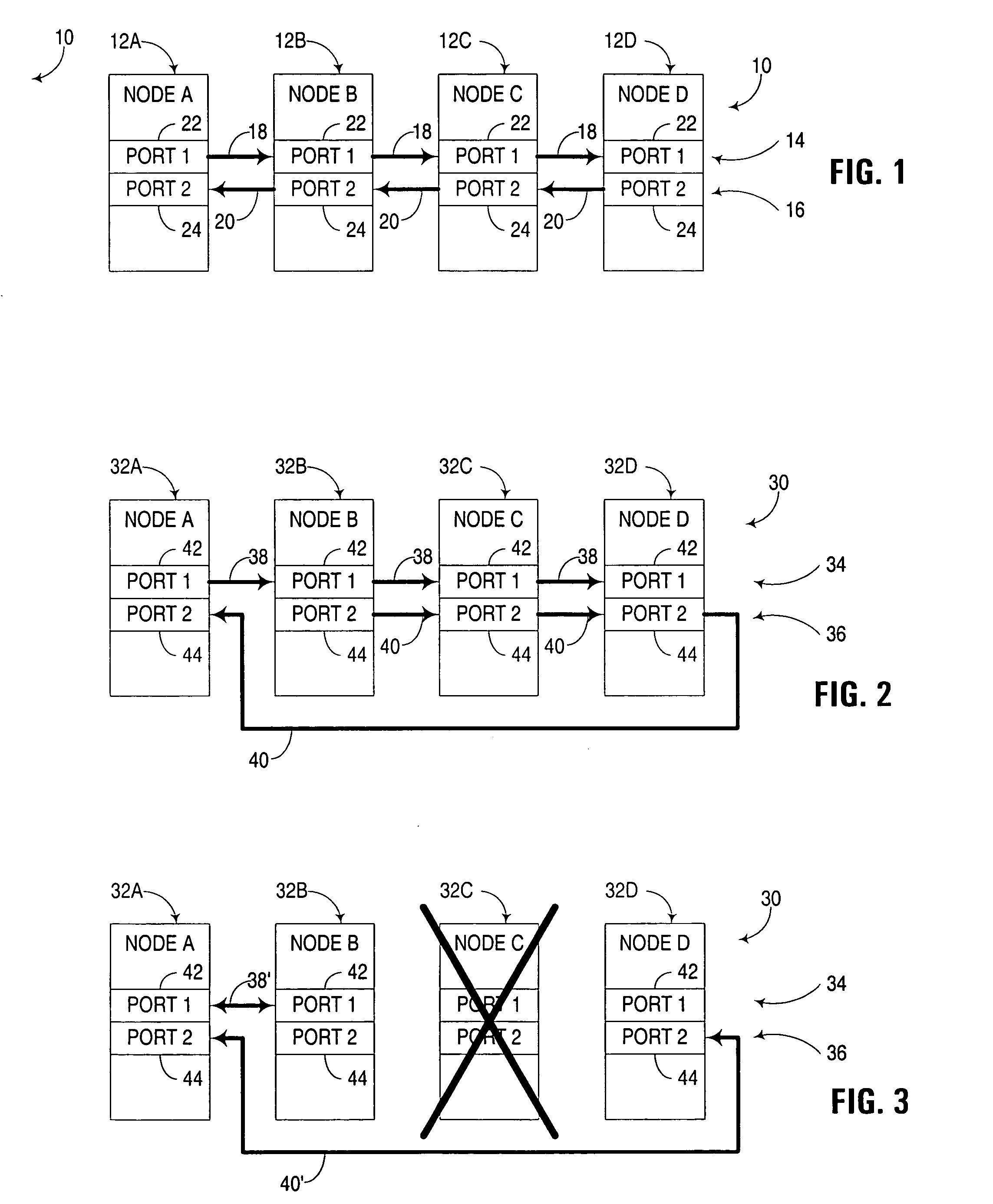
- The implementation of selectively configurable communication links that can switch between unidirectional and bidirectional modes to maintain data communication across nodes in a daisy chain configuration, even in the presence of a discontinuity, by reconfiguring data ports and control circuits within each node.

Standardization Framework for Network Link Protocols
The standardization framework for network link protocols plays a crucial role in establishing unified approaches for capacity assessment between array configurations and point-to-point links. Current standardization efforts are primarily driven by IEEE 802.3 Ethernet standards, ITU-T recommendations, and emerging industry consortiums focused on high-speed interconnect technologies. These frameworks provide essential guidelines for measuring, comparing, and optimizing link capacity across different network topologies.
IEEE 802.3 standards have evolved to address capacity assessment methodologies for various link configurations, including provisions for multi-lane array implementations and traditional point-to-point connections. The standardization framework encompasses performance metrics such as aggregate throughput, latency characteristics, and error rate specifications. Recent amendments have introduced standardized testing procedures that enable fair comparison between array-based and point-to-point architectures under controlled conditions.
ITU-T G.709 and related recommendations establish the foundation for optical transport network capacity assessment, particularly relevant for high-capacity array configurations. These standards define frame structures, overhead allocation, and capacity calculation methods that apply to both architectural approaches. The framework includes standardized measurement intervals, statistical analysis methods, and reporting formats that ensure consistency across different implementations and vendors.
Industry-specific standardization bodies, including the Optical Internetworking Forum and Ethernet Alliance, have developed supplementary frameworks addressing capacity assessment for emerging technologies. These frameworks incorporate advanced array configuration protocols and next-generation point-to-point link technologies. The standardization process includes rigorous testing methodologies, interoperability requirements, and performance benchmarking criteria that facilitate objective capacity comparisons.
The framework also addresses protocol stack considerations, defining how capacity assessment should account for different layer interactions in both array and point-to-point implementations. Standardized APIs and management interfaces enable consistent capacity monitoring and reporting across diverse network architectures, supporting automated capacity planning and optimization processes.
IEEE 802.3 standards have evolved to address capacity assessment methodologies for various link configurations, including provisions for multi-lane array implementations and traditional point-to-point connections. The standardization framework encompasses performance metrics such as aggregate throughput, latency characteristics, and error rate specifications. Recent amendments have introduced standardized testing procedures that enable fair comparison between array-based and point-to-point architectures under controlled conditions.
ITU-T G.709 and related recommendations establish the foundation for optical transport network capacity assessment, particularly relevant for high-capacity array configurations. These standards define frame structures, overhead allocation, and capacity calculation methods that apply to both architectural approaches. The framework includes standardized measurement intervals, statistical analysis methods, and reporting formats that ensure consistency across different implementations and vendors.
Industry-specific standardization bodies, including the Optical Internetworking Forum and Ethernet Alliance, have developed supplementary frameworks addressing capacity assessment for emerging technologies. These frameworks incorporate advanced array configuration protocols and next-generation point-to-point link technologies. The standardization process includes rigorous testing methodologies, interoperability requirements, and performance benchmarking criteria that facilitate objective capacity comparisons.
The framework also addresses protocol stack considerations, defining how capacity assessment should account for different layer interactions in both array and point-to-point implementations. Standardized APIs and management interfaces enable consistent capacity monitoring and reporting across diverse network architectures, supporting automated capacity planning and optimization processes.
Performance Benchmarking Methodologies for Link Systems
Establishing robust performance benchmarking methodologies is critical for accurately assessing the capacity differences between array configurations and point-to-point links. These methodologies must account for the inherent architectural differences while providing standardized metrics that enable meaningful comparisons across diverse system implementations.
The foundation of effective benchmarking lies in defining standardized test scenarios that reflect real-world operational conditions. For array configurations, benchmarking must evaluate aggregate throughput across multiple simultaneous connections, measuring how effectively the system handles distributed traffic loads. Point-to-point systems require focused assessment of individual link performance under varying load conditions, including peak capacity utilization and sustained throughput measurements.
Latency characterization represents another crucial benchmarking dimension, particularly given the different propagation patterns in array versus point-to-point architectures. Array systems typically exhibit variable latency depending on routing paths and switching overhead, while point-to-point links demonstrate more predictable latency profiles. Benchmarking methodologies must capture these variations through statistical analysis of latency distributions rather than simple average measurements.
Traffic pattern simulation forms the core of comprehensive benchmarking approaches. Methodologies should incorporate diverse traffic models including bursty data transfers, sustained streaming applications, and mixed workload scenarios. Array configurations often excel under diverse traffic conditions due to their adaptive routing capabilities, while point-to-point links may demonstrate superior performance under specific, optimized traffic patterns.
Scalability assessment requires dynamic benchmarking approaches that evaluate performance degradation as system scale increases. For array configurations, this involves measuring how additional nodes affect overall system capacity and individual connection performance. Point-to-point systems require evaluation of how multiple parallel links interact and whether they achieve theoretical aggregate capacity improvements.
Error rate and reliability metrics must be integrated into benchmarking frameworks, as these factors significantly impact effective capacity utilization. Array systems may demonstrate different error characteristics due to their distributed nature, while point-to-point links typically exhibit more predictable error patterns that can be more easily characterized and compensated.
The foundation of effective benchmarking lies in defining standardized test scenarios that reflect real-world operational conditions. For array configurations, benchmarking must evaluate aggregate throughput across multiple simultaneous connections, measuring how effectively the system handles distributed traffic loads. Point-to-point systems require focused assessment of individual link performance under varying load conditions, including peak capacity utilization and sustained throughput measurements.
Latency characterization represents another crucial benchmarking dimension, particularly given the different propagation patterns in array versus point-to-point architectures. Array systems typically exhibit variable latency depending on routing paths and switching overhead, while point-to-point links demonstrate more predictable latency profiles. Benchmarking methodologies must capture these variations through statistical analysis of latency distributions rather than simple average measurements.
Traffic pattern simulation forms the core of comprehensive benchmarking approaches. Methodologies should incorporate diverse traffic models including bursty data transfers, sustained streaming applications, and mixed workload scenarios. Array configurations often excel under diverse traffic conditions due to their adaptive routing capabilities, while point-to-point links may demonstrate superior performance under specific, optimized traffic patterns.
Scalability assessment requires dynamic benchmarking approaches that evaluate performance degradation as system scale increases. For array configurations, this involves measuring how additional nodes affect overall system capacity and individual connection performance. Point-to-point systems require evaluation of how multiple parallel links interact and whether they achieve theoretical aggregate capacity improvements.
Error rate and reliability metrics must be integrated into benchmarking frameworks, as these factors significantly impact effective capacity utilization. Array systems may demonstrate different error characteristics due to their distributed nature, while point-to-point links typically exhibit more predictable error patterns that can be more easily characterized and compensated.
Unlock deeper insights with PatSnap Eureka Quick Research — get a full tech report to explore trends and direct your research. Try now!
Generate Your Research Report Instantly with AI Agent
Supercharge your innovation with PatSnap Eureka AI Agent Platform!