Assessing Isothermal Expansion's Impact on System Efficiency
MAR 9, 20269 MIN READ
Generate Your Research Report Instantly with AI Agent
PatSnap Eureka helps you evaluate technical feasibility & market potential.
Isothermal Process Background and Efficiency Goals
Isothermal processes represent a fundamental thermodynamic concept where temperature remains constant throughout the system transformation. This principle has been central to thermodynamic theory since the early works of Boyle and Gay-Lussac in the 17th and 18th centuries, establishing the foundation for understanding gas behavior under controlled temperature conditions. The isothermal expansion process specifically involves the expansion of a gas at constant temperature, requiring heat input to maintain thermal equilibrium while the system performs work against external pressure.
The historical development of isothermal process understanding evolved through significant contributions from pioneers like Carnot, Clausius, and Kelvin, who established the theoretical framework linking isothermal processes to system efficiency. These early investigations revealed that isothermal processes could achieve maximum work output for given temperature conditions, making them theoretically ideal for energy conversion applications. The mathematical relationship PV = constant for isothermal processes became a cornerstone for analyzing system performance and efficiency optimization.
Modern applications of isothermal expansion span across diverse engineering domains, including refrigeration systems, heat pumps, gas turbines, and emerging energy storage technologies. In these applications, the primary efficiency goal centers on maximizing useful work extraction while minimizing energy losses during the expansion process. The theoretical efficiency advantage of isothermal expansion lies in its ability to maintain optimal pressure-volume relationships throughout the process, potentially achieving higher work output compared to adiabatic or polytropic processes.
Contemporary efficiency objectives for isothermal expansion systems focus on achieving near-reversible processes that approach Carnot cycle efficiency limits. This involves minimizing irreversibilities such as friction, heat transfer across finite temperature differences, and non-equilibrium effects that reduce overall system performance. Advanced control strategies and innovative heat exchanger designs are being developed to maintain isothermal conditions more effectively, thereby improving practical efficiency outcomes.
The integration of isothermal expansion principles into modern energy systems aims to enhance overall thermodynamic efficiency while reducing environmental impact. Current research emphasizes developing systems that can maintain isothermal conditions across varying operational parameters, enabling consistent high-efficiency performance across different load conditions and environmental factors.
The historical development of isothermal process understanding evolved through significant contributions from pioneers like Carnot, Clausius, and Kelvin, who established the theoretical framework linking isothermal processes to system efficiency. These early investigations revealed that isothermal processes could achieve maximum work output for given temperature conditions, making them theoretically ideal for energy conversion applications. The mathematical relationship PV = constant for isothermal processes became a cornerstone for analyzing system performance and efficiency optimization.
Modern applications of isothermal expansion span across diverse engineering domains, including refrigeration systems, heat pumps, gas turbines, and emerging energy storage technologies. In these applications, the primary efficiency goal centers on maximizing useful work extraction while minimizing energy losses during the expansion process. The theoretical efficiency advantage of isothermal expansion lies in its ability to maintain optimal pressure-volume relationships throughout the process, potentially achieving higher work output compared to adiabatic or polytropic processes.
Contemporary efficiency objectives for isothermal expansion systems focus on achieving near-reversible processes that approach Carnot cycle efficiency limits. This involves minimizing irreversibilities such as friction, heat transfer across finite temperature differences, and non-equilibrium effects that reduce overall system performance. Advanced control strategies and innovative heat exchanger designs are being developed to maintain isothermal conditions more effectively, thereby improving practical efficiency outcomes.
The integration of isothermal expansion principles into modern energy systems aims to enhance overall thermodynamic efficiency while reducing environmental impact. Current research emphasizes developing systems that can maintain isothermal conditions across varying operational parameters, enabling consistent high-efficiency performance across different load conditions and environmental factors.
Market Demand for High-Efficiency Thermal Systems
The global thermal management market is experiencing unprecedented growth driven by increasing energy costs and stringent environmental regulations. Industries across manufacturing, power generation, and HVAC sectors are actively seeking solutions that maximize energy conversion efficiency while minimizing operational costs. This demand surge has created substantial opportunities for advanced thermal systems incorporating isothermal expansion principles.
Power generation facilities represent the largest market segment for high-efficiency thermal systems. Traditional steam turbines and gas turbines are being retrofitted or replaced with systems that better utilize isothermal processes to extract maximum work from thermal energy. The growing emphasis on combined heat and power systems has further accelerated adoption of technologies that can maintain near-constant temperature during expansion cycles.
Manufacturing industries, particularly those with high thermal loads such as steel production, chemical processing, and petrochemicals, are increasingly investing in thermal efficiency improvements. These sectors face mounting pressure to reduce energy consumption per unit of output, making isothermal expansion technologies attractive for waste heat recovery and process optimization applications.
The residential and commercial HVAC market presents another significant growth area. Building energy codes are becoming more stringent globally, driving demand for heating and cooling systems that achieve higher coefficients of performance. Heat pumps and refrigeration systems utilizing improved isothermal processes can deliver superior efficiency ratings compared to conventional alternatives.
Emerging applications in renewable energy storage are creating new market opportunities. Compressed air energy storage systems and thermal energy storage solutions require efficient expansion processes to maximize round-trip efficiency. These applications particularly benefit from isothermal expansion principles to minimize energy losses during discharge cycles.
Geographic demand patterns show strongest growth in regions with high energy costs and supportive regulatory frameworks. European markets lead in adoption due to carbon pricing mechanisms and energy efficiency mandates. Asian markets, particularly in industrial sectors, are rapidly expanding as manufacturing costs and environmental compliance requirements increase.
The market trajectory indicates sustained growth as organizations recognize that thermal efficiency improvements often provide the highest return on investment among available energy conservation measures.
Power generation facilities represent the largest market segment for high-efficiency thermal systems. Traditional steam turbines and gas turbines are being retrofitted or replaced with systems that better utilize isothermal processes to extract maximum work from thermal energy. The growing emphasis on combined heat and power systems has further accelerated adoption of technologies that can maintain near-constant temperature during expansion cycles.
Manufacturing industries, particularly those with high thermal loads such as steel production, chemical processing, and petrochemicals, are increasingly investing in thermal efficiency improvements. These sectors face mounting pressure to reduce energy consumption per unit of output, making isothermal expansion technologies attractive for waste heat recovery and process optimization applications.
The residential and commercial HVAC market presents another significant growth area. Building energy codes are becoming more stringent globally, driving demand for heating and cooling systems that achieve higher coefficients of performance. Heat pumps and refrigeration systems utilizing improved isothermal processes can deliver superior efficiency ratings compared to conventional alternatives.
Emerging applications in renewable energy storage are creating new market opportunities. Compressed air energy storage systems and thermal energy storage solutions require efficient expansion processes to maximize round-trip efficiency. These applications particularly benefit from isothermal expansion principles to minimize energy losses during discharge cycles.
Geographic demand patterns show strongest growth in regions with high energy costs and supportive regulatory frameworks. European markets lead in adoption due to carbon pricing mechanisms and energy efficiency mandates. Asian markets, particularly in industrial sectors, are rapidly expanding as manufacturing costs and environmental compliance requirements increase.
The market trajectory indicates sustained growth as organizations recognize that thermal efficiency improvements often provide the highest return on investment among available energy conservation measures.
Current State of Isothermal Expansion Technologies
Isothermal expansion technologies have evolved significantly over the past decade, with current implementations spanning multiple industrial sectors including power generation, refrigeration systems, and compressed air energy storage. The fundamental principle involves maintaining constant temperature during gas expansion processes, theoretically maximizing work output while minimizing energy losses. Contemporary systems primarily utilize advanced heat exchangers, thermal mass integration, and sophisticated control algorithms to approximate isothermal conditions.
Leading commercial implementations include isothermal compressed air energy storage (I-CAES) systems developed by companies such as SustainX and LightSail Energy, though several have faced market challenges. These systems employ water spray injection or liquid piston technologies to maintain near-isothermal conditions during expansion cycles. Current efficiency rates typically range from 70-85% for well-designed systems, representing substantial improvements over traditional adiabatic expansion methods.
The refrigeration industry has adopted isothermal expansion principles in advanced heat pump systems and industrial cooling applications. Modern implementations utilize variable-speed compressors, enhanced heat transfer surfaces, and real-time temperature monitoring to optimize expansion processes. These systems demonstrate measurable efficiency gains of 15-25% compared to conventional expansion valve technologies.
Power generation applications focus on organic Rankine cycles (ORC) and waste heat recovery systems incorporating isothermal expansion stages. Current technologies employ multi-stage expansion with intermediate heating, achieving closer approximation to ideal isothermal processes. Recent developments include integration with renewable energy sources and industrial waste heat streams.
Key technical challenges persist in achieving true isothermal conditions at scale. Heat transfer limitations, pressure drop considerations, and economic viability remain primary constraints. Current research emphasizes advanced materials for heat exchangers, novel working fluids with enhanced thermal properties, and hybrid expansion systems combining isothermal and adiabatic stages for optimal performance.
Emerging technologies include micro-channel heat exchangers, phase-change material integration, and AI-driven control systems for real-time optimization. These developments show promise for improving isothermal approximation while maintaining commercial feasibility across diverse applications.
Leading commercial implementations include isothermal compressed air energy storage (I-CAES) systems developed by companies such as SustainX and LightSail Energy, though several have faced market challenges. These systems employ water spray injection or liquid piston technologies to maintain near-isothermal conditions during expansion cycles. Current efficiency rates typically range from 70-85% for well-designed systems, representing substantial improvements over traditional adiabatic expansion methods.
The refrigeration industry has adopted isothermal expansion principles in advanced heat pump systems and industrial cooling applications. Modern implementations utilize variable-speed compressors, enhanced heat transfer surfaces, and real-time temperature monitoring to optimize expansion processes. These systems demonstrate measurable efficiency gains of 15-25% compared to conventional expansion valve technologies.
Power generation applications focus on organic Rankine cycles (ORC) and waste heat recovery systems incorporating isothermal expansion stages. Current technologies employ multi-stage expansion with intermediate heating, achieving closer approximation to ideal isothermal processes. Recent developments include integration with renewable energy sources and industrial waste heat streams.
Key technical challenges persist in achieving true isothermal conditions at scale. Heat transfer limitations, pressure drop considerations, and economic viability remain primary constraints. Current research emphasizes advanced materials for heat exchangers, novel working fluids with enhanced thermal properties, and hybrid expansion systems combining isothermal and adiabatic stages for optimal performance.
Emerging technologies include micro-channel heat exchangers, phase-change material integration, and AI-driven control systems for real-time optimization. These developments show promise for improving isothermal approximation while maintaining commercial feasibility across diverse applications.
Existing Isothermal Expansion Solutions
01 Isothermal compression and expansion cycle optimization
Systems that utilize isothermal compression and expansion processes to improve overall thermodynamic efficiency. These systems maintain constant temperature during gas compression and expansion phases through heat exchange mechanisms, reducing energy losses compared to adiabatic processes. The optimization involves controlling heat transfer rates and managing working fluid properties to maximize energy recovery and minimize irreversibilities in the cycle.- Isothermal compression and expansion cycle optimization: Systems that utilize isothermal compression and expansion processes to improve overall thermodynamic efficiency. These systems maintain constant temperature during gas compression and expansion phases through heat exchange mechanisms, reducing energy losses compared to adiabatic processes. The optimization involves controlling heat transfer rates and managing working fluid properties to maximize energy recovery and minimize entropy generation during the isothermal transformation.
- Heat exchanger integration for isothermal processes: Integration of specialized heat exchangers within expansion systems to facilitate isothermal conditions. These designs incorporate enhanced heat transfer surfaces, optimized flow channels, and thermal management components that enable efficient heat addition or removal during the expansion process. The heat exchanger configurations are specifically designed to maintain temperature stability while allowing pressure changes, thereby improving the efficiency of the expansion cycle.
- Working fluid selection and optimization: Selection and optimization of working fluids with properties conducive to isothermal expansion efficiency. The choice of working fluid considers thermal conductivity, specific heat capacity, phase change characteristics, and compatibility with system materials. Optimization strategies include using fluid mixtures, additives, or novel compounds that enhance heat transfer capabilities and maintain stable thermodynamic properties throughout the isothermal expansion process.
- Control systems for isothermal expansion regulation: Advanced control systems and methods for regulating isothermal expansion processes to maximize efficiency. These systems employ sensors, feedback mechanisms, and computational algorithms to monitor and adjust operational parameters in real-time. The control strategies manage variables such as expansion rate, heat transfer rate, pressure differentials, and temperature fluctuations to maintain optimal isothermal conditions and improve overall system performance.
- Multi-stage isothermal expansion configurations: Multi-stage expansion system designs that implement isothermal processes across multiple stages to enhance efficiency. These configurations divide the overall expansion into sequential stages, each operating under near-isothermal conditions with intermediate heat exchange. The staged approach reduces irreversibilities, improves energy extraction, and allows for better thermal management compared to single-stage systems, resulting in higher overall efficiency of the expansion process.
02 Heat exchanger integration for isothermal processes
Implementation of specialized heat exchangers within expansion systems to facilitate near-isothermal conditions. These heat exchangers are designed with enhanced surface areas and optimized flow configurations to enable efficient heat transfer during gas expansion. The integration allows for better temperature control and improved energy conversion efficiency by maintaining thermal equilibrium throughout the expansion process.Expand Specific Solutions03 Working fluid selection and optimization
Selection and optimization of working fluids with specific thermophysical properties to enhance isothermal expansion efficiency. The choice of working fluid affects heat transfer characteristics, pressure ratios, and overall system performance. Optimization considers factors such as thermal conductivity, specific heat capacity, and phase change properties to achieve maximum efficiency in isothermal expansion operations.Expand Specific Solutions04 Multi-stage isothermal expansion systems
Systems employing multiple expansion stages with intermediate cooling to approximate isothermal conditions more closely. Each stage operates at progressively lower pressures with heat removal between stages, allowing for more efficient energy extraction. This configuration reduces temperature variations and improves overall system efficiency compared to single-stage expansion processes.Expand Specific Solutions05 Control systems for isothermal process management
Advanced control systems and monitoring technologies designed to maintain isothermal conditions during expansion processes. These systems utilize sensors, feedback mechanisms, and automated adjustments to regulate heat transfer rates, flow rates, and pressure conditions. The control strategies ensure optimal operation by minimizing temperature deviations and maximizing energy recovery efficiency throughout the expansion cycle.Expand Specific Solutions
Key Players in Thermal Management Industry
The isothermal expansion technology sector is in an emerging development stage, characterized by significant research activity but limited commercial deployment. The market remains relatively small with substantial growth potential, particularly in energy storage and thermal management applications. Technology maturity varies considerably across different applications and companies. Energy storage pioneers like SustainX and Hydrostor have advanced isothermal compressed air systems, while established industrial players including ABB, Carrier Corp., and MAHLE Thermal & Fluid Systems integrate isothermal principles into existing product lines. Academic institutions such as Tsinghua University, University of Maryland, and Purdue Research Foundation drive fundamental research, while specialized firms like Greenfire Energy and BITZER focus on niche applications. The competitive landscape shows a mix of startups pursuing breakthrough technologies, multinational corporations leveraging existing capabilities, and research institutions providing foundational knowledge, indicating the technology's transitional phase from laboratory to market readiness.
SustainX, Inc.
Technical Solution: SustainX developed an isothermal compressed air energy storage (ICAES) system that maintains near-constant temperature during compression and expansion processes through water injection and heat exchange mechanisms. Their technology achieves approximately 70-75% round-trip efficiency by minimizing thermodynamic losses during air compression and expansion cycles. The system uses advanced heat management techniques including direct water injection into compression chambers and sophisticated heat exchangers to maintain isothermal conditions, significantly improving energy conversion efficiency compared to traditional adiabatic systems.
Strengths: High round-trip efficiency, proven isothermal process control, scalable energy storage solution. Weaknesses: Complex water management systems, higher initial capital costs, limited operational temperature range.
Hydrostor, Inc.
Technical Solution: Hydrostor implements Advanced Compressed Air Energy Storage (A-CAES) technology utilizing isothermal processes in underground caverns. Their system maintains constant temperature during air expansion through sophisticated heat exchange networks and thermal management systems, achieving system efficiencies of 60-65%. The technology incorporates multi-stage expansion with intercooling and reheating processes to optimize isothermal conditions, reducing energy losses and improving overall system performance for grid-scale energy storage applications.
Strengths: Large-scale storage capacity, underground storage safety, proven commercial deployment. Weaknesses: Geographic limitations for suitable cavern sites, high infrastructure development costs, complex geological requirements.
Core Technologies in Isothermal Process Control
Systems and methods for improving drivetrain efficiency for compressed gas energy storage and recovery systems
PatentInactiveUS20110138797A1
Innovation
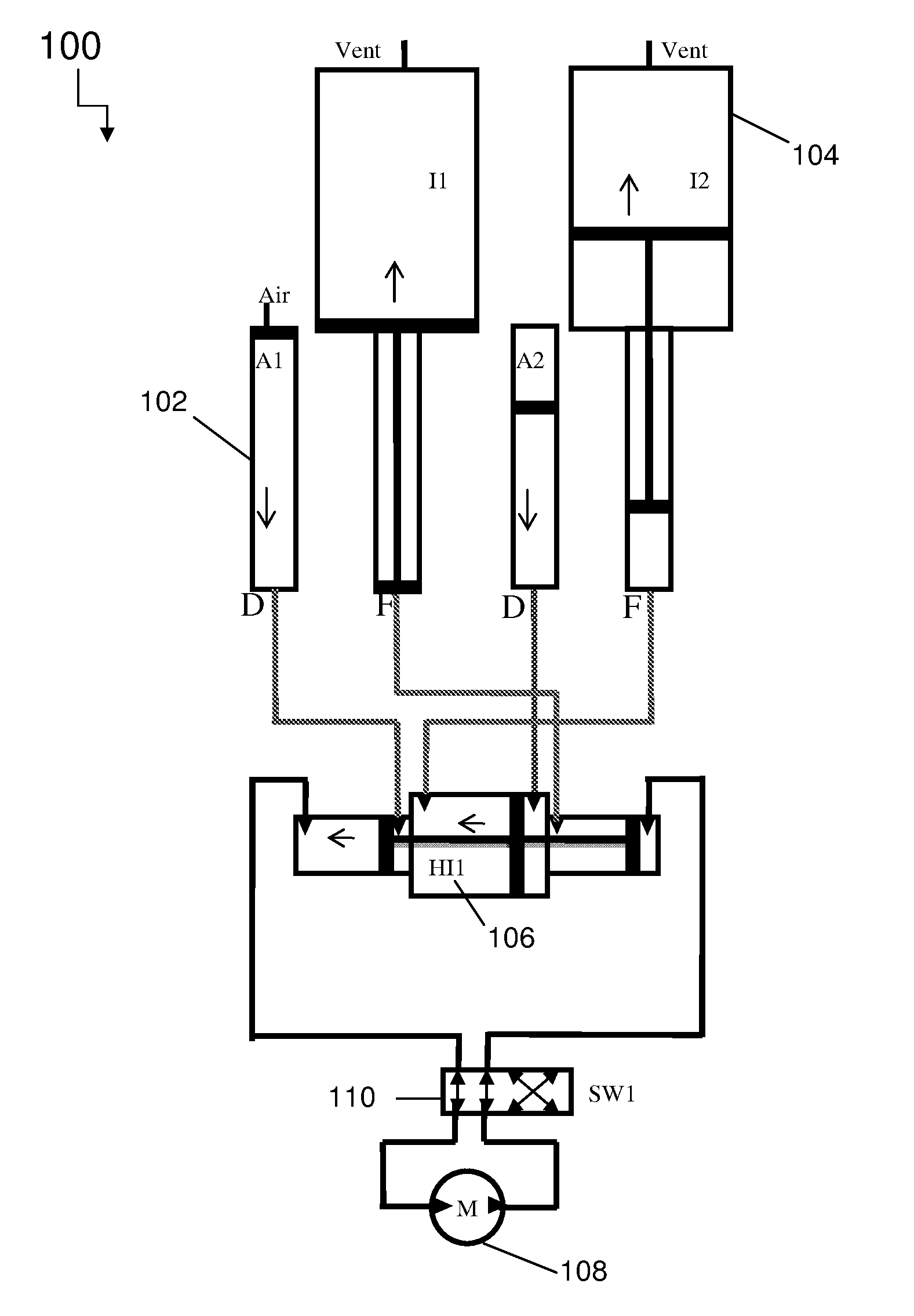
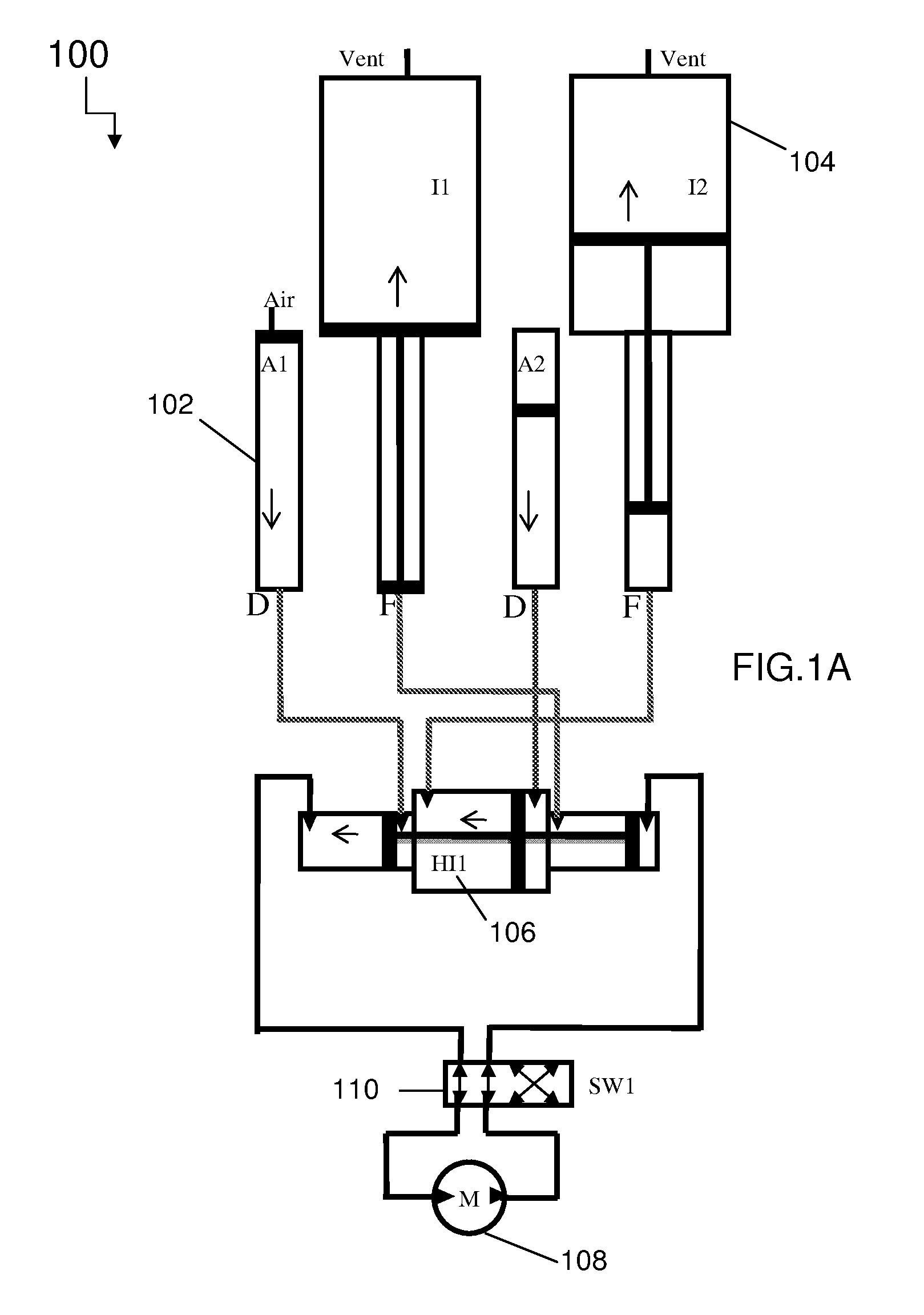
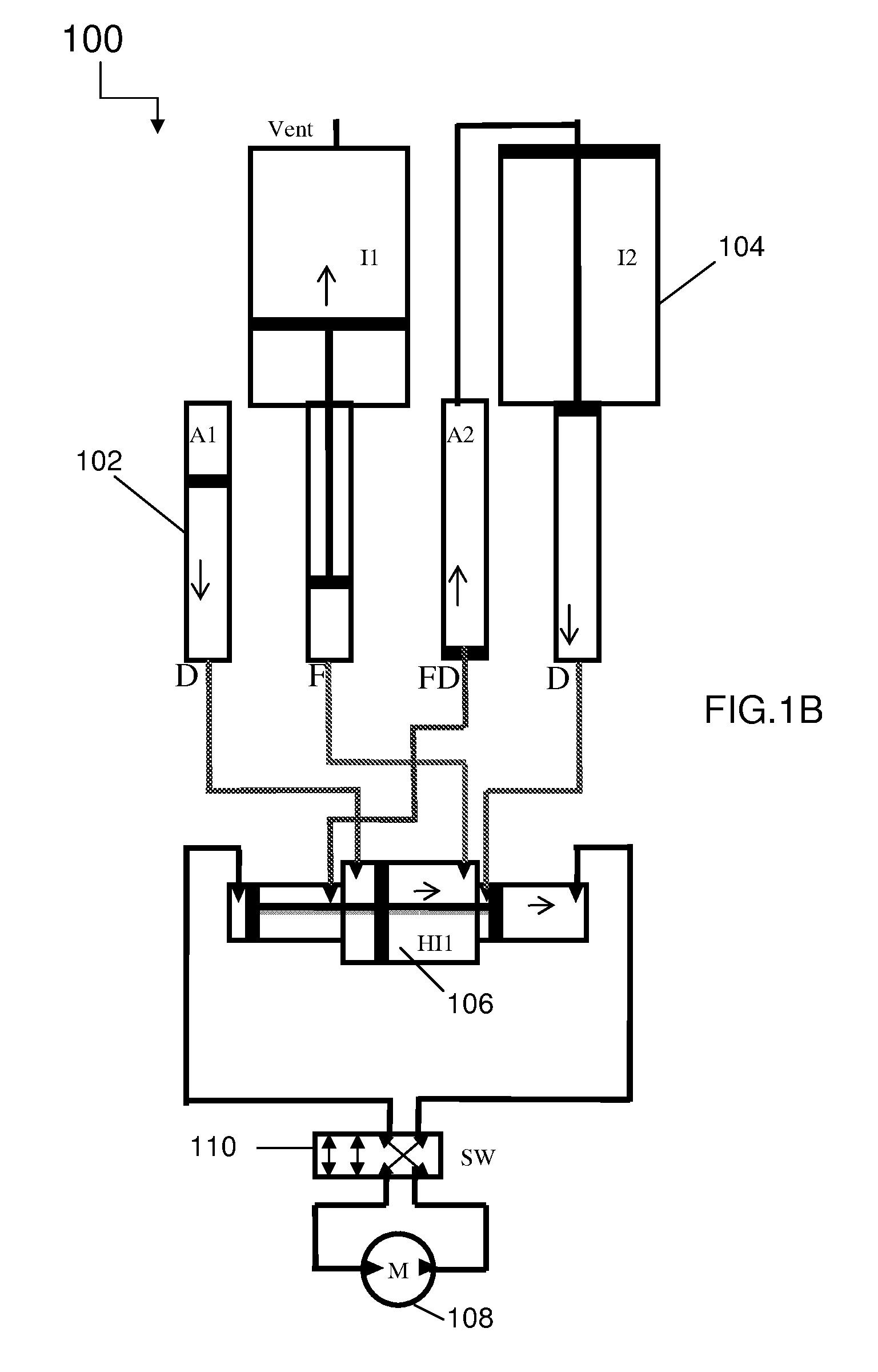
- A compressed gas-based energy storage and recovery system utilizing isothermal gas expansion and compression with a staged hydraulic-pneumatic conversion system, incorporating a variable displacement hydraulic motor and a heat-transfer circuit to enhance power density and efficiency, while minimizing the need for additional power conditioning equipment.

Energy storage and generation systems and methods using coupled cylinder assemblies
PatentInactiveUS8037678B2
Innovation
- Incorporating distinct pneumatic and hydraulic free-piston cylinders mechanically coupled to each other, separating heat transfer components from the hydraulic circuit, and using multiple cylinders to narrow the hydraulic pressure range, allowing for more efficient operation and easier maintenance.


Energy Efficiency Standards and Regulations
The regulatory landscape for energy efficiency has evolved significantly to address the growing importance of thermodynamic processes like isothermal expansion in industrial systems. Current international standards, including ISO 50001 Energy Management Systems and ASHRAE 90.1, establish baseline requirements for energy performance monitoring and optimization. These frameworks increasingly recognize the critical role of process-level efficiency improvements, particularly in applications where isothermal expansion contributes to overall system performance.
Regional regulatory approaches vary considerably in their treatment of thermodynamic efficiency standards. The European Union's Energy Efficiency Directive mandates comprehensive energy audits for large enterprises, with specific attention to heat recovery and expansion processes. Similarly, the U.S. Department of Energy's Federal Energy Management Program establishes performance benchmarks that indirectly influence isothermal expansion optimization in federal facilities. These regulations create compliance frameworks that drive technological advancement in expansion-based energy recovery systems.
Industry-specific standards have emerged to address unique applications of isothermal expansion processes. The American Society of Mechanical Engineers (ASME) Performance Test Codes provide detailed methodologies for measuring efficiency in expansion devices, while the International Electrotechnical Commission (IEC) standards govern electrical systems that utilize expansion-based energy conversion. These technical standards establish measurement protocols and performance thresholds that directly impact system design decisions.
Emerging regulatory trends indicate increasing focus on lifecycle efficiency assessments and real-time performance monitoring requirements. Proposed updates to existing standards emphasize continuous improvement methodologies and data-driven optimization approaches. These developments suggest future regulations will require more sophisticated analysis of isothermal expansion impacts, potentially mandating advanced monitoring systems and predictive maintenance protocols.
Compliance challenges arise from the complex interaction between general energy efficiency mandates and specific thermodynamic process requirements. Organizations must navigate overlapping jurisdictional requirements while implementing cost-effective solutions that meet both current standards and anticipated future regulations. This regulatory complexity drives demand for comprehensive efficiency assessment methodologies that can demonstrate compliance across multiple frameworks while optimizing isothermal expansion contributions to overall system performance.
Regional regulatory approaches vary considerably in their treatment of thermodynamic efficiency standards. The European Union's Energy Efficiency Directive mandates comprehensive energy audits for large enterprises, with specific attention to heat recovery and expansion processes. Similarly, the U.S. Department of Energy's Federal Energy Management Program establishes performance benchmarks that indirectly influence isothermal expansion optimization in federal facilities. These regulations create compliance frameworks that drive technological advancement in expansion-based energy recovery systems.
Industry-specific standards have emerged to address unique applications of isothermal expansion processes. The American Society of Mechanical Engineers (ASME) Performance Test Codes provide detailed methodologies for measuring efficiency in expansion devices, while the International Electrotechnical Commission (IEC) standards govern electrical systems that utilize expansion-based energy conversion. These technical standards establish measurement protocols and performance thresholds that directly impact system design decisions.
Emerging regulatory trends indicate increasing focus on lifecycle efficiency assessments and real-time performance monitoring requirements. Proposed updates to existing standards emphasize continuous improvement methodologies and data-driven optimization approaches. These developments suggest future regulations will require more sophisticated analysis of isothermal expansion impacts, potentially mandating advanced monitoring systems and predictive maintenance protocols.
Compliance challenges arise from the complex interaction between general energy efficiency mandates and specific thermodynamic process requirements. Organizations must navigate overlapping jurisdictional requirements while implementing cost-effective solutions that meet both current standards and anticipated future regulations. This regulatory complexity drives demand for comprehensive efficiency assessment methodologies that can demonstrate compliance across multiple frameworks while optimizing isothermal expansion contributions to overall system performance.
Environmental Impact of Thermal System Design
The environmental implications of thermal system design incorporating isothermal expansion processes present both opportunities and challenges for sustainable engineering practices. Traditional thermal systems often operate with significant temperature variations that can lead to material stress, reduced component lifespan, and increased maintenance requirements. By implementing isothermal expansion mechanisms, thermal systems can achieve more stable operating conditions, potentially reducing the environmental burden associated with frequent component replacement and system maintenance.
Energy consumption patterns in isothermal expansion systems demonstrate notable differences compared to conventional thermal designs. The constant temperature maintenance required during isothermal processes typically demands sophisticated control systems and potentially higher instantaneous power inputs. However, this energy investment often translates to improved overall system efficiency, reducing long-term energy consumption and associated carbon emissions. The environmental benefit becomes particularly pronounced in large-scale industrial applications where even marginal efficiency improvements can result in substantial reductions in fossil fuel consumption.
Material selection and system longevity represent critical environmental considerations in isothermal thermal system design. The reduced thermal stress inherent in isothermal processes can significantly extend component lifecycles, thereby decreasing the frequency of material extraction, manufacturing, and disposal cycles. This extended operational lifespan contributes to reduced embodied carbon footprints and minimizes waste generation throughout the system's operational period.
Waste heat management in isothermal expansion systems offers unique environmental advantages through enhanced heat recovery opportunities. The predictable and controlled nature of isothermal processes facilitates more effective waste heat capture and utilization, enabling integration with secondary systems or district heating networks. This improved heat recovery capability can substantially reduce overall energy waste and enhance the environmental performance of integrated thermal management systems.
The manufacturing and installation phases of isothermal thermal systems present distinct environmental considerations. While these systems may require more sophisticated components and control mechanisms, potentially increasing initial environmental impact, the long-term operational benefits typically offset these upfront costs. Advanced materials and precision manufacturing requirements must be balanced against the extended operational efficiency and reduced maintenance demands that characterize well-designed isothermal systems.
Energy consumption patterns in isothermal expansion systems demonstrate notable differences compared to conventional thermal designs. The constant temperature maintenance required during isothermal processes typically demands sophisticated control systems and potentially higher instantaneous power inputs. However, this energy investment often translates to improved overall system efficiency, reducing long-term energy consumption and associated carbon emissions. The environmental benefit becomes particularly pronounced in large-scale industrial applications where even marginal efficiency improvements can result in substantial reductions in fossil fuel consumption.
Material selection and system longevity represent critical environmental considerations in isothermal thermal system design. The reduced thermal stress inherent in isothermal processes can significantly extend component lifecycles, thereby decreasing the frequency of material extraction, manufacturing, and disposal cycles. This extended operational lifespan contributes to reduced embodied carbon footprints and minimizes waste generation throughout the system's operational period.
Waste heat management in isothermal expansion systems offers unique environmental advantages through enhanced heat recovery opportunities. The predictable and controlled nature of isothermal processes facilitates more effective waste heat capture and utilization, enabling integration with secondary systems or district heating networks. This improved heat recovery capability can substantially reduce overall energy waste and enhance the environmental performance of integrated thermal management systems.
The manufacturing and installation phases of isothermal thermal systems present distinct environmental considerations. While these systems may require more sophisticated components and control mechanisms, potentially increasing initial environmental impact, the long-term operational benefits typically offset these upfront costs. Advanced materials and precision manufacturing requirements must be balanced against the extended operational efficiency and reduced maintenance demands that characterize well-designed isothermal systems.
Unlock deeper insights with PatSnap Eureka Quick Research — get a full tech report to explore trends and direct your research. Try now!
Generate Your Research Report Instantly with AI Agent
Supercharge your innovation with PatSnap Eureka AI Agent Platform!