Maximize Output Efficiency with Isothermal Expansion Analysis
MAR 9, 20269 MIN READ
Generate Your Research Report Instantly with AI Agent
PatSnap Eureka helps you evaluate technical feasibility & market potential.
Isothermal Process Background and Efficiency Goals
Isothermal processes represent a fundamental thermodynamic concept where temperature remains constant throughout the system transformation. This principle has evolved from theoretical foundations established in the 19th century by pioneers like Boyle and Gay-Lussac to become a cornerstone of modern energy conversion technologies. The historical development traces back to early steam engine optimization efforts, where engineers recognized that maintaining constant temperature during gas expansion could significantly improve mechanical work output.
The evolution of isothermal process understanding has been driven by the perpetual quest for enhanced energy efficiency across industrial applications. From initial applications in steam power generation to contemporary implementations in refrigeration systems, heat pumps, and advanced power cycles, the technology has demonstrated remarkable adaptability. Recent decades have witnessed accelerated development due to growing environmental concerns and stringent energy efficiency regulations worldwide.
Modern isothermal expansion analysis focuses on maximizing output efficiency through precise control of heat transfer mechanisms and system design optimization. The primary technical objective centers on achieving theoretical isothermal conditions while minimizing energy losses through improved heat exchanger design, advanced materials, and sophisticated control systems. Current research emphasizes developing practical solutions that approach theoretical efficiency limits while maintaining economic viability.
Contemporary efficiency goals target achieving 85-95% of theoretical isothermal efficiency in real-world applications, compared to traditional systems operating at 60-75% efficiency levels. These ambitious targets drive innovation in areas including enhanced heat transfer surfaces, advanced working fluids, and intelligent process control algorithms. The integration of digital technologies and machine learning approaches has opened new pathways for real-time optimization and predictive maintenance strategies.
The technological trajectory indicates convergence toward hybrid systems combining isothermal principles with other thermodynamic cycles to achieve unprecedented efficiency levels. Future developments anticipate breakthrough applications in renewable energy storage, waste heat recovery, and next-generation power generation systems, positioning isothermal expansion analysis as a critical enabler for sustainable energy transformation initiatives.
The evolution of isothermal process understanding has been driven by the perpetual quest for enhanced energy efficiency across industrial applications. From initial applications in steam power generation to contemporary implementations in refrigeration systems, heat pumps, and advanced power cycles, the technology has demonstrated remarkable adaptability. Recent decades have witnessed accelerated development due to growing environmental concerns and stringent energy efficiency regulations worldwide.
Modern isothermal expansion analysis focuses on maximizing output efficiency through precise control of heat transfer mechanisms and system design optimization. The primary technical objective centers on achieving theoretical isothermal conditions while minimizing energy losses through improved heat exchanger design, advanced materials, and sophisticated control systems. Current research emphasizes developing practical solutions that approach theoretical efficiency limits while maintaining economic viability.
Contemporary efficiency goals target achieving 85-95% of theoretical isothermal efficiency in real-world applications, compared to traditional systems operating at 60-75% efficiency levels. These ambitious targets drive innovation in areas including enhanced heat transfer surfaces, advanced working fluids, and intelligent process control algorithms. The integration of digital technologies and machine learning approaches has opened new pathways for real-time optimization and predictive maintenance strategies.
The technological trajectory indicates convergence toward hybrid systems combining isothermal principles with other thermodynamic cycles to achieve unprecedented efficiency levels. Future developments anticipate breakthrough applications in renewable energy storage, waste heat recovery, and next-generation power generation systems, positioning isothermal expansion analysis as a critical enabler for sustainable energy transformation initiatives.
Market Demand for High-Efficiency Thermal Systems
The global thermal systems market is experiencing unprecedented growth driven by increasing energy efficiency regulations and sustainability mandates across multiple industries. Power generation facilities, manufacturing plants, and chemical processing operations are actively seeking advanced thermal management solutions to reduce operational costs and meet stringent environmental compliance requirements.
Industrial sectors are particularly focused on maximizing energy recovery from thermal processes, with isothermal expansion technologies emerging as a critical solution for optimizing thermodynamic cycles. The demand stems from the need to extract maximum work output from gas expansion processes while maintaining constant temperature conditions, which directly translates to improved overall system efficiency and reduced fuel consumption.
The automotive industry represents a significant growth segment, especially with the development of advanced internal combustion engines and hybrid powertrains. Manufacturers are investing heavily in isothermal expansion analysis to optimize engine performance, reduce emissions, and improve fuel economy. This trend is accelerated by increasingly strict emission standards in major markets including Europe, North America, and Asia-Pacific regions.
Data centers and telecommunications infrastructure are driving substantial demand for high-efficiency thermal systems as cooling requirements continue to escalate with increasing computational loads. These facilities require sophisticated thermal management solutions that can maintain optimal operating temperatures while minimizing energy consumption, making isothermal expansion analysis essential for system design optimization.
The renewable energy sector, particularly concentrated solar power and geothermal applications, presents emerging opportunities for advanced thermal systems. These applications require precise temperature control and maximum energy extraction efficiency, creating demand for sophisticated isothermal expansion technologies that can optimize power generation cycles.
Chemical and petrochemical industries are increasingly adopting advanced thermal systems to improve process efficiency and reduce energy costs. The complexity of modern chemical processes demands precise thermal control and energy recovery systems, driving investment in isothermal expansion analysis capabilities for process optimization and equipment design.
Market growth is further supported by government incentives promoting energy efficiency improvements and carbon emission reductions. Industrial facilities are prioritizing thermal system upgrades to achieve sustainability targets while maintaining competitive operational costs, creating sustained demand for high-efficiency thermal technologies.
Industrial sectors are particularly focused on maximizing energy recovery from thermal processes, with isothermal expansion technologies emerging as a critical solution for optimizing thermodynamic cycles. The demand stems from the need to extract maximum work output from gas expansion processes while maintaining constant temperature conditions, which directly translates to improved overall system efficiency and reduced fuel consumption.
The automotive industry represents a significant growth segment, especially with the development of advanced internal combustion engines and hybrid powertrains. Manufacturers are investing heavily in isothermal expansion analysis to optimize engine performance, reduce emissions, and improve fuel economy. This trend is accelerated by increasingly strict emission standards in major markets including Europe, North America, and Asia-Pacific regions.
Data centers and telecommunications infrastructure are driving substantial demand for high-efficiency thermal systems as cooling requirements continue to escalate with increasing computational loads. These facilities require sophisticated thermal management solutions that can maintain optimal operating temperatures while minimizing energy consumption, making isothermal expansion analysis essential for system design optimization.
The renewable energy sector, particularly concentrated solar power and geothermal applications, presents emerging opportunities for advanced thermal systems. These applications require precise temperature control and maximum energy extraction efficiency, creating demand for sophisticated isothermal expansion technologies that can optimize power generation cycles.
Chemical and petrochemical industries are increasingly adopting advanced thermal systems to improve process efficiency and reduce energy costs. The complexity of modern chemical processes demands precise thermal control and energy recovery systems, driving investment in isothermal expansion analysis capabilities for process optimization and equipment design.
Market growth is further supported by government incentives promoting energy efficiency improvements and carbon emission reductions. Industrial facilities are prioritizing thermal system upgrades to achieve sustainability targets while maintaining competitive operational costs, creating sustained demand for high-efficiency thermal technologies.
Current State of Isothermal Expansion Technologies
Isothermal expansion technologies have reached a significant level of maturity across multiple industrial sectors, with applications spanning from power generation to refrigeration systems. The fundamental principle of maintaining constant temperature during gas expansion has been successfully implemented in various thermodynamic cycles, particularly in Stirling engines, isothermal compressors, and specialized heat pump configurations. Current implementations demonstrate efficiency improvements of 15-25% compared to conventional adiabatic processes in controlled laboratory environments.
The power generation sector represents the most advanced application domain, where isothermal expansion is integrated into organic Rankine cycles and compressed air energy storage systems. Leading installations achieve thermal efficiencies exceeding 40% through sophisticated heat exchange mechanisms that maintain near-isothermal conditions during expansion phases. These systems typically employ multi-stage expansion with intermediate heating to approximate isothermal behavior.
Industrial refrigeration and heat pump technologies have successfully incorporated isothermal expansion principles through advanced control algorithms and variable-speed compressor technologies. Modern systems utilize real-time temperature monitoring and adaptive expansion valve control to maintain isothermal conditions within ±2°C tolerance ranges. This precision enables coefficient of performance improvements of 20-30% over traditional expansion methods.
Current technological limitations primarily center around heat transfer rate constraints and system complexity. Achieving true isothermal expansion requires infinite heat transfer rates, which practical systems approximate through enhanced surface area designs, advanced heat exchanger configurations, and optimized working fluid selection. The trade-off between system efficiency and capital cost remains a critical challenge, with payback periods typically ranging from 3-7 years depending on application scale.
Emerging developments focus on micro-scale isothermal expansion systems for distributed energy applications and integration with renewable energy sources. Recent pilot projects demonstrate successful coupling of isothermal expansion technologies with solar thermal and geothermal systems, achieving overall system efficiencies approaching 50% in optimal conditions. However, widespread commercial adoption remains limited by manufacturing costs and system complexity requirements.
The power generation sector represents the most advanced application domain, where isothermal expansion is integrated into organic Rankine cycles and compressed air energy storage systems. Leading installations achieve thermal efficiencies exceeding 40% through sophisticated heat exchange mechanisms that maintain near-isothermal conditions during expansion phases. These systems typically employ multi-stage expansion with intermediate heating to approximate isothermal behavior.
Industrial refrigeration and heat pump technologies have successfully incorporated isothermal expansion principles through advanced control algorithms and variable-speed compressor technologies. Modern systems utilize real-time temperature monitoring and adaptive expansion valve control to maintain isothermal conditions within ±2°C tolerance ranges. This precision enables coefficient of performance improvements of 20-30% over traditional expansion methods.
Current technological limitations primarily center around heat transfer rate constraints and system complexity. Achieving true isothermal expansion requires infinite heat transfer rates, which practical systems approximate through enhanced surface area designs, advanced heat exchanger configurations, and optimized working fluid selection. The trade-off between system efficiency and capital cost remains a critical challenge, with payback periods typically ranging from 3-7 years depending on application scale.
Emerging developments focus on micro-scale isothermal expansion systems for distributed energy applications and integration with renewable energy sources. Recent pilot projects demonstrate successful coupling of isothermal expansion technologies with solar thermal and geothermal systems, achieving overall system efficiencies approaching 50% in optimal conditions. However, widespread commercial adoption remains limited by manufacturing costs and system complexity requirements.
Existing Isothermal Expansion Analysis Solutions
01 Isothermal expansion engine design and configuration
Various engine designs utilize isothermal expansion principles to improve output efficiency. These designs focus on maintaining constant temperature during the expansion process through specific chamber configurations, heat exchange mechanisms, and working fluid management. The engine architecture includes specialized components such as expansion chambers, heat exchangers, and control systems that facilitate near-isothermal conditions during operation.- Isothermal expansion engine design and configuration: Various engine designs utilize isothermal expansion principles to improve output efficiency. These designs focus on maintaining constant temperature during the expansion process through specific chamber configurations, heat exchange mechanisms, and controlled expansion cycles. The engine architecture incorporates features that facilitate continuous heat input during expansion, thereby approaching ideal isothermal conditions and maximizing work output.
- Heat exchange optimization during isothermal expansion: Enhanced heat transfer mechanisms are employed to maintain isothermal conditions during the expansion process. These include specialized heat exchanger designs, thermal management systems, and materials with high thermal conductivity. The optimization focuses on minimizing temperature gradients and ensuring efficient heat supply to the working fluid throughout the expansion stroke, thereby improving the overall thermodynamic efficiency.
- Working fluid selection and optimization: The choice and optimization of working fluids significantly impact isothermal expansion efficiency. Various fluids with specific thermodynamic properties are selected based on their heat capacity, phase change characteristics, and compatibility with system components. The optimization includes fluid composition, pressure ranges, and temperature operating windows to achieve near-isothermal expansion behavior and maximize energy conversion efficiency.
- Control systems for isothermal process regulation: Advanced control systems are implemented to regulate and maintain isothermal conditions during expansion. These systems monitor temperature, pressure, and flow parameters in real-time, adjusting heat input, expansion rates, and other operational variables. The control strategies employ feedback mechanisms and predictive algorithms to optimize the expansion process and maintain efficiency under varying load conditions.
- Efficiency measurement and performance optimization methods: Comprehensive methods for measuring and optimizing isothermal expansion output efficiency are developed. These include diagnostic techniques, performance monitoring systems, and analytical models that evaluate actual versus theoretical isothermal behavior. The methods identify efficiency losses, quantify deviations from ideal isothermal conditions, and provide guidance for system improvements through parameter adjustments and design modifications.
02 Heat management and thermal control systems
Effective heat management is crucial for achieving isothermal expansion efficiency. Systems incorporate advanced thermal control mechanisms including heat exchangers, cooling systems, and temperature regulation devices. These systems maintain optimal temperature conditions throughout the expansion cycle by continuously adding or removing heat to ensure the process remains as close to isothermal as possible, thereby maximizing energy conversion efficiency.Expand Specific Solutions03 Working fluid selection and optimization
The choice and optimization of working fluids significantly impact isothermal expansion efficiency. Various fluids with specific thermodynamic properties are selected based on their heat capacity, phase change characteristics, and thermal conductivity. The optimization involves determining ideal fluid compositions, pressures, and flow rates that enable efficient heat transfer and maintain isothermal conditions during expansion processes.Expand Specific Solutions04 Expansion cycle control and process optimization
Advanced control strategies and process optimization techniques are employed to enhance isothermal expansion output efficiency. These include precise timing control of expansion phases, pressure regulation systems, and feedback mechanisms that adjust operational parameters in real-time. The optimization methods focus on minimizing irreversibilities and maximizing work output through careful management of the expansion process.Expand Specific Solutions05 Integrated system design for efficiency enhancement
Comprehensive system integration approaches combine multiple technologies to maximize isothermal expansion efficiency. These integrated designs incorporate regenerative systems, waste heat recovery mechanisms, and multi-stage expansion processes. The systems utilize synergistic effects between components to reduce energy losses and improve overall thermodynamic efficiency through coordinated operation of all subsystems.Expand Specific Solutions
Key Players in Isothermal System Development
The isothermal expansion analysis technology for maximizing output efficiency represents an emerging sector within the broader energy storage and thermal management industry. The market is currently in its early development stage, with significant growth potential driven by increasing demand for energy efficiency and grid-scale storage solutions. Key players demonstrate varying levels of technological maturity, with established companies like Siemens AG and Mitsubishi Heavy Industries leveraging their extensive industrial experience to develop advanced thermal systems, while specialized firms such as SustainX and Hydrostor focus specifically on isothermal compressed air energy storage technologies. Research institutions including Tsinghua University and Shanghai Jiao Tong University contribute fundamental research, while energy giants like State Grid Corp. of China drive practical implementation. The competitive landscape shows a mix of mature multinational corporations with proven track records and innovative startups developing breakthrough isothermal technologies, indicating a dynamic market with substantial technological advancement opportunities.
SustainX, Inc.
Technical Solution: SustainX developed innovative isothermal compressed air energy storage (ICAES) technology that maintains near-constant temperature during both compression and expansion phases. Their system uses water injection and spray cooling during expansion to achieve isothermal conditions, significantly improving round-trip efficiency to approximately 70-75% compared to 40-50% for adiabatic systems. The technology employs sophisticated control algorithms to optimize water injection timing and quantity, ensuring maximum energy recovery during expansion. Their modular design allows for scalable deployment from residential to utility-scale applications. The system includes advanced monitoring and control systems that continuously adjust operating parameters to maintain optimal isothermal conditions throughout the expansion cycle, maximizing output efficiency across varying demand profiles.
Strengths: High round-trip efficiency, modular scalable design, innovative water injection technology. Weaknesses: Company faced financial challenges, technology requires precise water management systems.
Mitsubishi Heavy Industries, Ltd.
Technical Solution: Mitsubishi Heavy Industries has developed isothermal expansion technology primarily for compressed air energy storage (CAES) systems and industrial gas turbines. Their approach focuses on multi-stage expansion with intercooling to approximate isothermal conditions, achieving thermal efficiency improvements of 8-12% over conventional systems. The technology incorporates advanced materials for heat exchangers and precise temperature control mechanisms. Their systems are designed for large-scale power generation applications, with particular emphasis on grid-scale energy storage solutions. The company has implemented pilot projects demonstrating the viability of isothermal expansion in reducing energy losses during air expansion processes, with applications extending to industrial pneumatic systems and power generation facilities.
Strengths: Strong engineering expertise in heavy industrial applications, established market presence in power generation. Weaknesses: Limited focus on smaller-scale applications, technology primarily suited for large industrial installations.
Core Innovations in Isothermal Process Optimization
Energy storage and generation systems and methods using coupled cylinder assemblies
PatentInactiveUS8037678B2
Innovation
- Incorporating distinct pneumatic and hydraulic free-piston cylinders mechanically coupled to each other, separating heat transfer components from the hydraulic circuit, and using multiple cylinders to narrow the hydraulic pressure range, allowing for more efficient operation and easier maintenance.


Thermodynamic systems operating with near-isothermal compression and expansion cycles
PatentInactiveUS7401475B2
Innovation
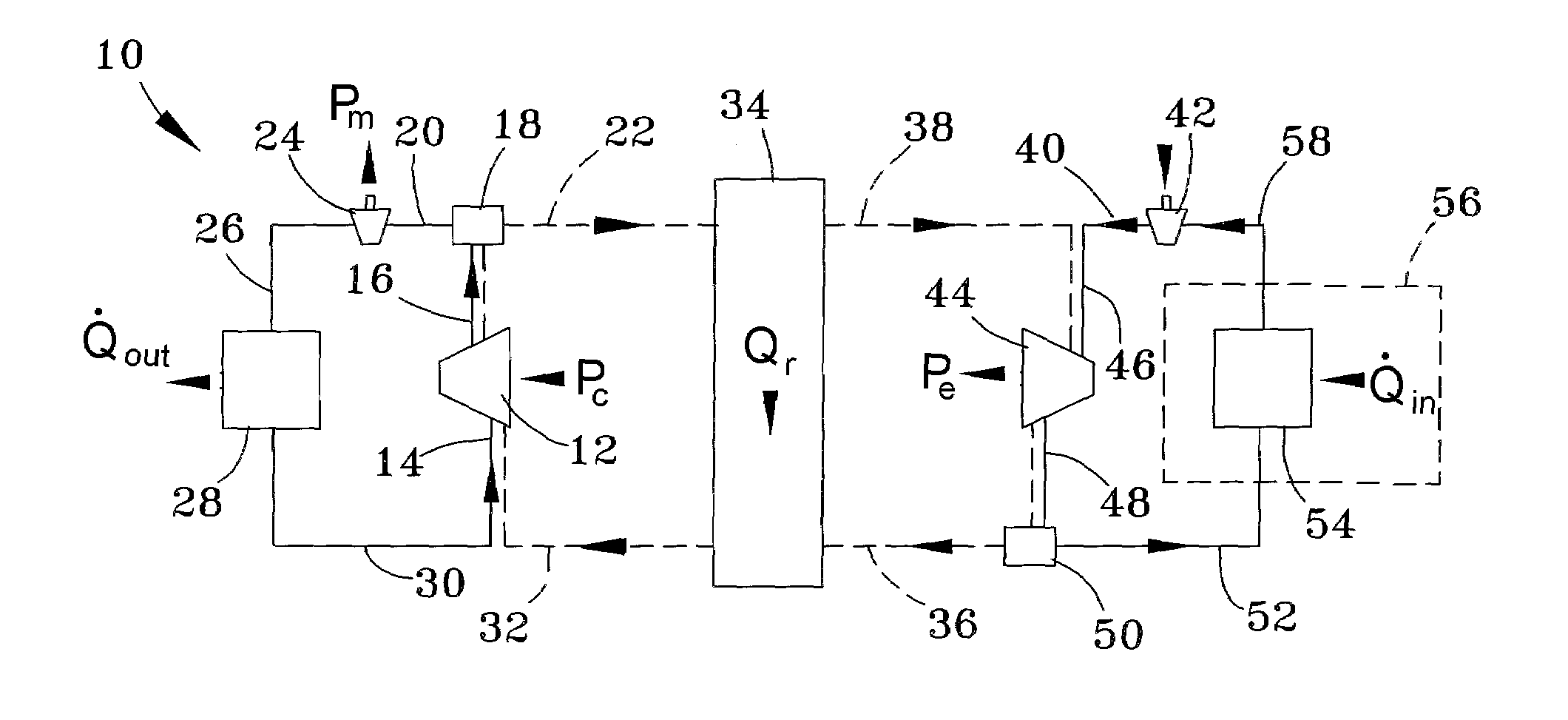
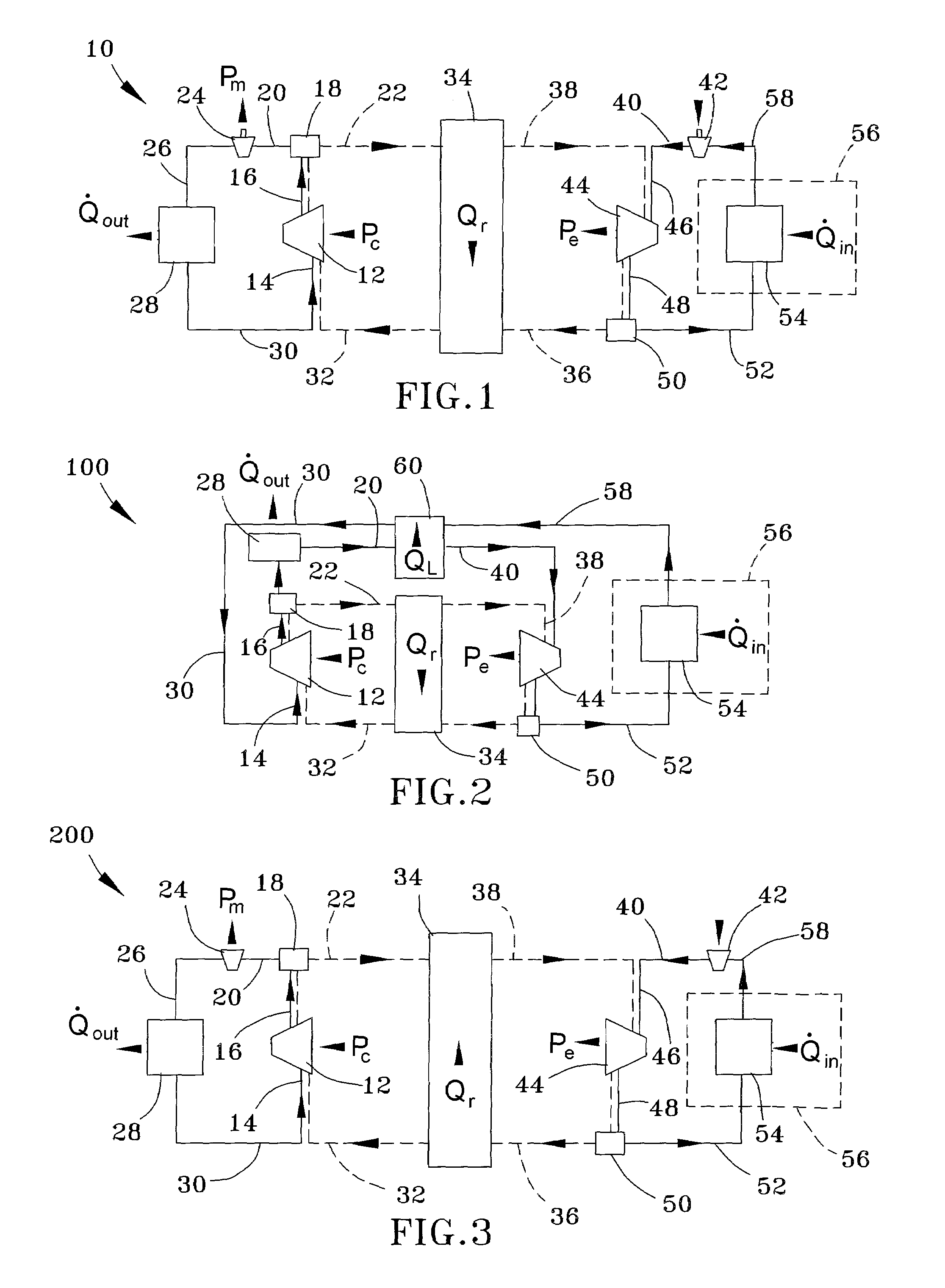
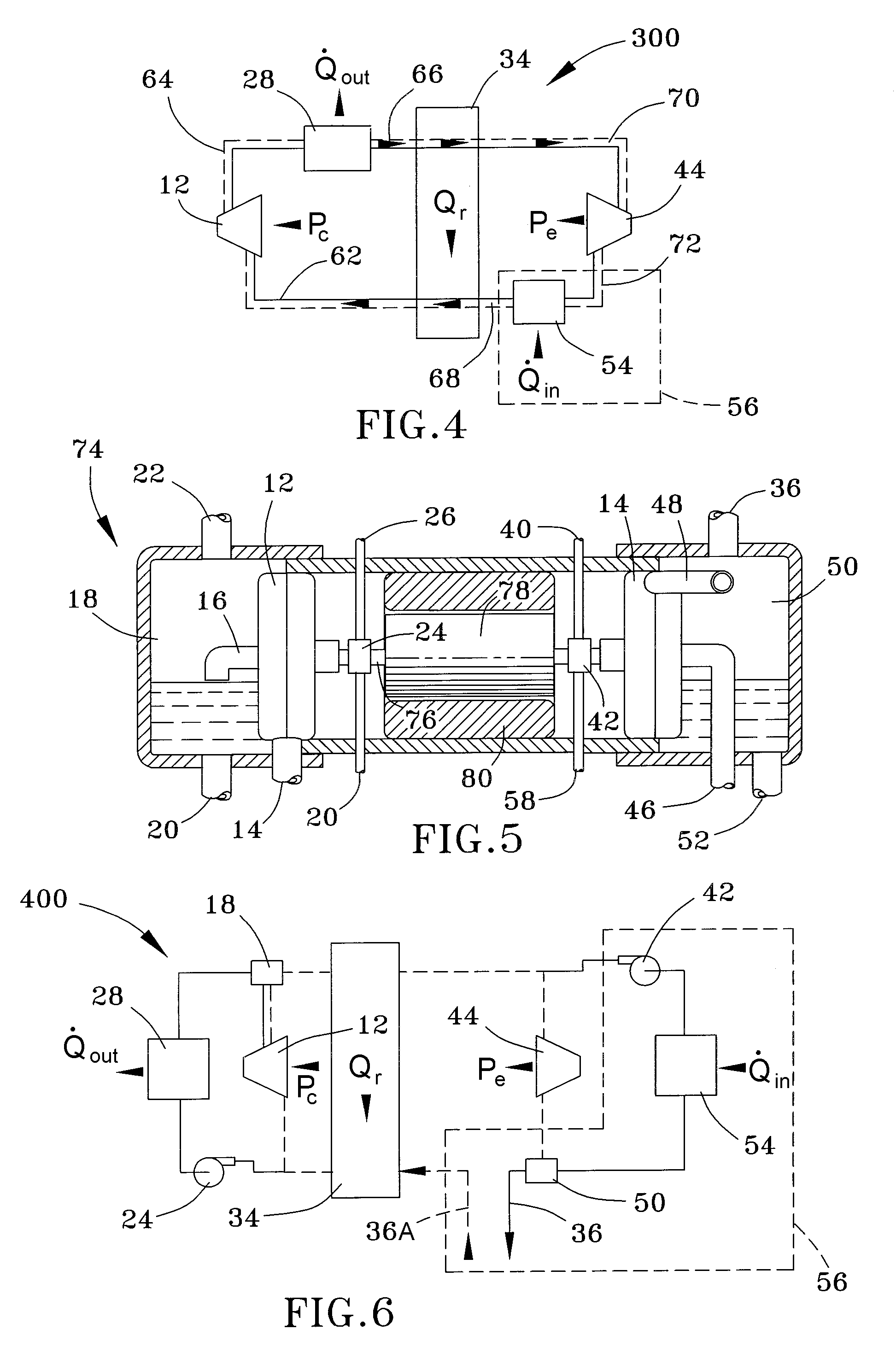
- The implementation of a thermodynamic system that mixes a substantial quantity of liquid with the gas during compression and expansion processes, using scroll-type compressors and expanders that are tolerant of liquid flooding, allowing for effective heat transfer and maintaining gas temperature constancy.

Energy Efficiency Standards and Regulations
Energy efficiency standards and regulations play a pivotal role in driving the adoption of isothermal expansion technologies across various industrial sectors. The regulatory landscape has evolved significantly over the past decade, with governments worldwide implementing increasingly stringent efficiency requirements that directly impact the development and deployment of advanced thermodynamic systems.
The International Energy Agency's Energy Efficiency Policy Database indicates that over 80 countries have established mandatory energy efficiency standards for industrial equipment, with many specifically addressing gas expansion processes and heat recovery systems. These regulations typically mandate minimum efficiency thresholds ranging from 85% to 95% for industrial compression and expansion equipment, creating substantial market drivers for isothermal expansion technologies.
In the United States, the Department of Energy's Industrial Assessment Centers program has identified isothermal processes as key technologies for meeting federal energy reduction targets. The Energy Policy Act amendments require industrial facilities consuming more than 1 trillion BTU annually to conduct energy audits that specifically evaluate thermodynamic process optimization opportunities, including isothermal expansion applications.
European Union directives, particularly the Energy Efficiency Directive 2012/27/EU and its recent amendments, establish binding efficiency improvement targets of 32.5% by 2030. These regulations specifically encourage the adoption of advanced thermodynamic cycles and waste heat recovery systems, positioning isothermal expansion as a compliance pathway for energy-intensive industries such as petrochemicals, power generation, and manufacturing.
Emerging regulatory frameworks in Asia-Pacific markets, including China's 14th Five-Year Plan and Japan's Top Runner Program, are establishing performance benchmarks that favor isothermal processes over traditional adiabatic systems. These standards often include carbon intensity metrics alongside energy efficiency requirements, creating additional incentives for technologies that maximize thermodynamic efficiency while minimizing environmental impact.
The regulatory trend toward real-time energy monitoring and reporting requirements is also influencing isothermal expansion adoption, as these systems typically offer superior controllability and measurable efficiency gains compared to conventional alternatives.
The International Energy Agency's Energy Efficiency Policy Database indicates that over 80 countries have established mandatory energy efficiency standards for industrial equipment, with many specifically addressing gas expansion processes and heat recovery systems. These regulations typically mandate minimum efficiency thresholds ranging from 85% to 95% for industrial compression and expansion equipment, creating substantial market drivers for isothermal expansion technologies.
In the United States, the Department of Energy's Industrial Assessment Centers program has identified isothermal processes as key technologies for meeting federal energy reduction targets. The Energy Policy Act amendments require industrial facilities consuming more than 1 trillion BTU annually to conduct energy audits that specifically evaluate thermodynamic process optimization opportunities, including isothermal expansion applications.
European Union directives, particularly the Energy Efficiency Directive 2012/27/EU and its recent amendments, establish binding efficiency improvement targets of 32.5% by 2030. These regulations specifically encourage the adoption of advanced thermodynamic cycles and waste heat recovery systems, positioning isothermal expansion as a compliance pathway for energy-intensive industries such as petrochemicals, power generation, and manufacturing.
Emerging regulatory frameworks in Asia-Pacific markets, including China's 14th Five-Year Plan and Japan's Top Runner Program, are establishing performance benchmarks that favor isothermal processes over traditional adiabatic systems. These standards often include carbon intensity metrics alongside energy efficiency requirements, creating additional incentives for technologies that maximize thermodynamic efficiency while minimizing environmental impact.
The regulatory trend toward real-time energy monitoring and reporting requirements is also influencing isothermal expansion adoption, as these systems typically offer superior controllability and measurable efficiency gains compared to conventional alternatives.
Environmental Impact of Thermal System Optimization
The optimization of thermal systems through isothermal expansion analysis presents significant opportunities for reducing environmental impact across multiple industrial sectors. Traditional thermal processes often operate with substantial energy losses and inefficient heat transfer mechanisms, resulting in increased carbon emissions and resource consumption. By implementing isothermal expansion principles, organizations can achieve remarkable improvements in energy utilization while simultaneously minimizing their environmental footprint.
Carbon emission reduction represents the most immediate environmental benefit of optimized thermal systems. When isothermal processes maintain constant temperature during gas expansion, they maximize work output while minimizing energy input requirements. This efficiency translates directly into reduced fuel consumption and lower greenhouse gas emissions. Industrial applications utilizing isothermal expansion can achieve emission reductions of 15-30% compared to conventional adiabatic processes, contributing meaningfully to corporate sustainability goals and regulatory compliance.
Resource conservation emerges as another critical environmental advantage. Optimized thermal systems require less raw material input for equivalent energy output, reducing the extraction pressure on natural resources. The enhanced efficiency of isothermal expansion processes means fewer fossil fuels are needed to achieve desired thermal outcomes, preserving finite energy resources for future generations. Additionally, improved system efficiency reduces wear on equipment components, extending operational lifespans and decreasing material replacement requirements.
Waste heat recovery capabilities inherent in isothermal expansion systems provide substantial environmental benefits through circular energy utilization. These systems can capture and repurpose thermal energy that would otherwise be released into the environment, reducing thermal pollution in surrounding ecosystems. The recovered heat can be redirected for secondary applications, creating closed-loop systems that minimize overall environmental impact while maximizing energy value extraction.
Water resource management benefits significantly from thermal system optimization. Many industrial thermal processes require substantial water volumes for cooling and heat dissipation. Isothermal expansion systems operate more efficiently at consistent temperatures, reducing cooling water requirements and minimizing thermal discharge into water bodies. This reduction protects aquatic ecosystems from thermal shock and preserves freshwater resources for essential applications.
The cumulative environmental impact of widespread isothermal expansion adoption extends beyond individual facility improvements. Large-scale implementation across industries could contribute substantially to national and global emission reduction targets, supporting international climate commitments while maintaining industrial productivity and economic competitiveness in an increasingly environmentally conscious marketplace.
Carbon emission reduction represents the most immediate environmental benefit of optimized thermal systems. When isothermal processes maintain constant temperature during gas expansion, they maximize work output while minimizing energy input requirements. This efficiency translates directly into reduced fuel consumption and lower greenhouse gas emissions. Industrial applications utilizing isothermal expansion can achieve emission reductions of 15-30% compared to conventional adiabatic processes, contributing meaningfully to corporate sustainability goals and regulatory compliance.
Resource conservation emerges as another critical environmental advantage. Optimized thermal systems require less raw material input for equivalent energy output, reducing the extraction pressure on natural resources. The enhanced efficiency of isothermal expansion processes means fewer fossil fuels are needed to achieve desired thermal outcomes, preserving finite energy resources for future generations. Additionally, improved system efficiency reduces wear on equipment components, extending operational lifespans and decreasing material replacement requirements.
Waste heat recovery capabilities inherent in isothermal expansion systems provide substantial environmental benefits through circular energy utilization. These systems can capture and repurpose thermal energy that would otherwise be released into the environment, reducing thermal pollution in surrounding ecosystems. The recovered heat can be redirected for secondary applications, creating closed-loop systems that minimize overall environmental impact while maximizing energy value extraction.
Water resource management benefits significantly from thermal system optimization. Many industrial thermal processes require substantial water volumes for cooling and heat dissipation. Isothermal expansion systems operate more efficiently at consistent temperatures, reducing cooling water requirements and minimizing thermal discharge into water bodies. This reduction protects aquatic ecosystems from thermal shock and preserves freshwater resources for essential applications.
The cumulative environmental impact of widespread isothermal expansion adoption extends beyond individual facility improvements. Large-scale implementation across industries could contribute substantially to national and global emission reduction targets, supporting international climate commitments while maintaining industrial productivity and economic competitiveness in an increasingly environmentally conscious marketplace.
Unlock deeper insights with PatSnap Eureka Quick Research — get a full tech report to explore trends and direct your research. Try now!
Generate Your Research Report Instantly with AI Agent
Supercharge your innovation with PatSnap Eureka AI Agent Platform!