Augmented Reality Applications in Water Reactor Training
MAR 10, 20269 MIN READ
Generate Your Research Report Instantly with AI Agent
PatSnap Eureka helps you evaluate technical feasibility & market potential.
AR Water Reactor Training Background and Objectives
The nuclear power industry has undergone significant transformation since the first commercial reactors began operation in the 1950s. Training methodologies for nuclear reactor operators have evolved from traditional classroom instruction and basic simulators to sophisticated computer-based training systems. However, the complexity of water reactor systems, particularly pressurized water reactors (PWRs) and boiling water reactors (BWRs), continues to present substantial challenges for effective knowledge transfer and skill development.
Water reactor training has historically relied on full-scope simulators that replicate control room environments, supplemented by theoretical coursework and limited hands-on experience with actual plant components. While these methods have proven effective, they are constrained by high costs, limited accessibility, and the inability to provide immersive three-dimensional visualization of internal reactor processes that are typically hidden from direct observation.
The emergence of augmented reality technology in the early 2000s, combined with advances in mobile computing and display technologies, has created unprecedented opportunities to revolutionize nuclear training methodologies. AR technology enables the overlay of digital information onto real-world environments, allowing trainees to visualize complex internal processes, component relationships, and operational procedures in ways previously impossible.
The primary objective of implementing AR in water reactor training is to enhance learning effectiveness by providing immersive, interactive experiences that bridge the gap between theoretical knowledge and practical application. This technology aims to enable trainees to visualize coolant flow patterns, heat transfer processes, neutron flux distributions, and component interactions within reactor systems through three-dimensional holographic representations.
Secondary objectives include reducing training costs by supplementing expensive full-scope simulators with portable AR solutions, improving knowledge retention through multi-sensory learning experiences, and enabling remote training capabilities that can reach geographically dispersed personnel. AR applications also seek to standardize training content across different facilities while allowing for customization based on specific plant configurations.
The ultimate goal is to develop a comprehensive AR-based training ecosystem that can accelerate operator certification timelines, reduce human error rates in actual plant operations, and maintain the nuclear industry's exemplary safety record while addressing the growing need for skilled personnel as the global nuclear fleet expands and aging workers retire.
Water reactor training has historically relied on full-scope simulators that replicate control room environments, supplemented by theoretical coursework and limited hands-on experience with actual plant components. While these methods have proven effective, they are constrained by high costs, limited accessibility, and the inability to provide immersive three-dimensional visualization of internal reactor processes that are typically hidden from direct observation.
The emergence of augmented reality technology in the early 2000s, combined with advances in mobile computing and display technologies, has created unprecedented opportunities to revolutionize nuclear training methodologies. AR technology enables the overlay of digital information onto real-world environments, allowing trainees to visualize complex internal processes, component relationships, and operational procedures in ways previously impossible.
The primary objective of implementing AR in water reactor training is to enhance learning effectiveness by providing immersive, interactive experiences that bridge the gap between theoretical knowledge and practical application. This technology aims to enable trainees to visualize coolant flow patterns, heat transfer processes, neutron flux distributions, and component interactions within reactor systems through three-dimensional holographic representations.
Secondary objectives include reducing training costs by supplementing expensive full-scope simulators with portable AR solutions, improving knowledge retention through multi-sensory learning experiences, and enabling remote training capabilities that can reach geographically dispersed personnel. AR applications also seek to standardize training content across different facilities while allowing for customization based on specific plant configurations.
The ultimate goal is to develop a comprehensive AR-based training ecosystem that can accelerate operator certification timelines, reduce human error rates in actual plant operations, and maintain the nuclear industry's exemplary safety record while addressing the growing need for skilled personnel as the global nuclear fleet expands and aging workers retire.
Market Demand for Nuclear Training Simulation Solutions
The global nuclear training simulation market has experienced substantial growth driven by increasing emphasis on nuclear safety protocols and the need for comprehensive operator training programs. Nuclear power plants worldwide require highly skilled personnel capable of managing complex reactor systems, creating sustained demand for advanced training solutions that can replicate real-world operational scenarios without safety risks.
Traditional training methods in nuclear facilities have relied heavily on classroom instruction and basic simulators, but these approaches often fail to provide the immersive, hands-on experience necessary for effective learning. The complexity of water reactor systems demands training solutions that can accurately simulate emergency scenarios, routine maintenance procedures, and operational decision-making processes in a controlled environment.
Regulatory bodies across major nuclear markets have implemented stringent requirements for operator certification and ongoing training, significantly driving market demand. The International Atomic Energy Agency and national regulatory authorities mandate specific training hours and competency assessments, creating a consistent need for sophisticated simulation technologies that can meet these compliance requirements.
The aging workforce in the nuclear industry presents both challenges and opportunities for training simulation providers. As experienced operators approach retirement, utilities face knowledge transfer challenges that advanced simulation technologies can help address. Simultaneously, attracting younger professionals to the nuclear sector requires modern, technology-enhanced training approaches that align with contemporary learning preferences.
Emerging markets developing new nuclear programs represent significant growth opportunities for training simulation solutions. Countries expanding their nuclear capacity require comprehensive training infrastructure to support their growing nuclear workforce, often seeking proven simulation technologies that can accelerate operator competency development.
The integration of augmented reality technologies into nuclear training represents a natural evolution responding to market demands for more effective, engaging, and cost-efficient training solutions. Utilities increasingly recognize that immersive training technologies can reduce training time, improve knowledge retention, and provide standardized training experiences across multiple facilities, addressing key operational and economic priorities in the nuclear sector.
Traditional training methods in nuclear facilities have relied heavily on classroom instruction and basic simulators, but these approaches often fail to provide the immersive, hands-on experience necessary for effective learning. The complexity of water reactor systems demands training solutions that can accurately simulate emergency scenarios, routine maintenance procedures, and operational decision-making processes in a controlled environment.
Regulatory bodies across major nuclear markets have implemented stringent requirements for operator certification and ongoing training, significantly driving market demand. The International Atomic Energy Agency and national regulatory authorities mandate specific training hours and competency assessments, creating a consistent need for sophisticated simulation technologies that can meet these compliance requirements.
The aging workforce in the nuclear industry presents both challenges and opportunities for training simulation providers. As experienced operators approach retirement, utilities face knowledge transfer challenges that advanced simulation technologies can help address. Simultaneously, attracting younger professionals to the nuclear sector requires modern, technology-enhanced training approaches that align with contemporary learning preferences.
Emerging markets developing new nuclear programs represent significant growth opportunities for training simulation solutions. Countries expanding their nuclear capacity require comprehensive training infrastructure to support their growing nuclear workforce, often seeking proven simulation technologies that can accelerate operator competency development.
The integration of augmented reality technologies into nuclear training represents a natural evolution responding to market demands for more effective, engaging, and cost-efficient training solutions. Utilities increasingly recognize that immersive training technologies can reduce training time, improve knowledge retention, and provide standardized training experiences across multiple facilities, addressing key operational and economic priorities in the nuclear sector.
Current AR Implementation Challenges in Nuclear Industry
The nuclear industry faces significant technical barriers when implementing augmented reality solutions for water reactor training programs. Hardware limitations represent a primary challenge, as AR devices must meet stringent radiation resistance standards and operate reliably in high-temperature, high-humidity environments typical of nuclear facilities. Current consumer-grade AR headsets lack the necessary durability and certification required for nuclear applications, while industrial-grade alternatives often suffer from limited processing power and poor display quality.
Software integration complexities pose another substantial obstacle. Nuclear training systems require seamless integration with existing plant-specific databases, safety protocols, and regulatory compliance frameworks. The challenge lies in developing AR applications that can accurately render complex reactor components while maintaining real-time synchronization with plant operational data. Legacy training systems, often built on proprietary platforms, resist integration with modern AR technologies, creating compatibility gaps that require extensive custom development.
Safety certification and regulatory approval processes significantly impede AR implementation timelines. Nuclear regulatory bodies maintain conservative approaches toward new technologies, requiring extensive validation and testing phases that can span multiple years. AR systems must demonstrate fail-safe operation modes and prove they will not interfere with critical safety systems or distract operators during emergency scenarios.
Content development challenges emerge from the highly specialized nature of nuclear reactor operations. Creating accurate 3D models of reactor internals requires extensive collaboration between nuclear engineers, training specialists, and AR developers. The complexity of reactor systems demands precise visualization of components, fluid flows, and radiation fields, which pushes current AR rendering capabilities to their limits.
Network security concerns create additional implementation barriers. Nuclear facilities operate under strict cybersecurity protocols that often prohibit wireless communications and external network connections. AR systems typically require robust data connectivity for content updates and performance monitoring, creating conflicts with established security frameworks that prioritize air-gapped systems and minimal digital attack surfaces.
Human factors considerations also present ongoing challenges. Experienced nuclear operators may resist adopting new training technologies, preferring traditional hands-on methods. AR interfaces must accommodate users wearing protective equipment and account for the cognitive load associated with processing augmented information while maintaining situational awareness in safety-critical environments.
Software integration complexities pose another substantial obstacle. Nuclear training systems require seamless integration with existing plant-specific databases, safety protocols, and regulatory compliance frameworks. The challenge lies in developing AR applications that can accurately render complex reactor components while maintaining real-time synchronization with plant operational data. Legacy training systems, often built on proprietary platforms, resist integration with modern AR technologies, creating compatibility gaps that require extensive custom development.
Safety certification and regulatory approval processes significantly impede AR implementation timelines. Nuclear regulatory bodies maintain conservative approaches toward new technologies, requiring extensive validation and testing phases that can span multiple years. AR systems must demonstrate fail-safe operation modes and prove they will not interfere with critical safety systems or distract operators during emergency scenarios.
Content development challenges emerge from the highly specialized nature of nuclear reactor operations. Creating accurate 3D models of reactor internals requires extensive collaboration between nuclear engineers, training specialists, and AR developers. The complexity of reactor systems demands precise visualization of components, fluid flows, and radiation fields, which pushes current AR rendering capabilities to their limits.
Network security concerns create additional implementation barriers. Nuclear facilities operate under strict cybersecurity protocols that often prohibit wireless communications and external network connections. AR systems typically require robust data connectivity for content updates and performance monitoring, creating conflicts with established security frameworks that prioritize air-gapped systems and minimal digital attack surfaces.
Human factors considerations also present ongoing challenges. Experienced nuclear operators may resist adopting new training technologies, preferring traditional hands-on methods. AR interfaces must accommodate users wearing protective equipment and account for the cognitive load associated with processing augmented information while maintaining situational awareness in safety-critical environments.
Existing AR Training Platforms for Water Reactors
01 AR display systems and optical components
Augmented reality systems utilize specialized display technologies and optical components to overlay digital information onto the real world. These systems incorporate waveguides, light engines, and projection optics to create immersive visual experiences. The optical architecture enables users to view virtual content while maintaining awareness of their physical environment through transparent or semi-transparent displays.- AR display systems and optical components: Augmented reality systems utilize specialized display technologies and optical components to overlay digital information onto the real world. These systems incorporate waveguides, light engines, and projection optics to create immersive visual experiences. The optical architecture enables users to view virtual content while maintaining awareness of their physical environment through transparent or semi-transparent displays.
- AR content rendering and tracking methods: Advanced rendering techniques and tracking algorithms enable accurate placement and registration of virtual objects in real-world environments. These methods utilize computer vision, sensor fusion, and simultaneous localization and mapping to maintain stable alignment between digital content and physical spaces. The systems process real-time data to ensure virtual elements respond appropriately to user movements and environmental changes.
- AR interaction and user interface technologies: Interactive augmented reality systems employ various input methods including gesture recognition, voice commands, and haptic feedback to enable natural user interactions with virtual content. These interfaces allow users to manipulate digital objects, navigate menus, and control applications through intuitive movements and commands. The technology bridges the gap between physical actions and digital responses in mixed reality environments.
- AR applications for specific industries and use cases: Augmented reality technology has been adapted for various specialized applications across different sectors including education, healthcare, manufacturing, and entertainment. These implementations provide context-specific information overlays, training simulations, remote assistance capabilities, and enhanced visualization tools. The systems are tailored to meet industry-specific requirements and workflow integration needs.
- AR device architecture and processing systems: The underlying hardware architecture of augmented reality devices includes specialized processors, memory systems, and power management components optimized for real-time processing of complex visual data. These systems integrate multiple sensors, cameras, and communication modules to enable seamless AR experiences. The architecture balances computational performance with energy efficiency and thermal management for wearable and mobile form factors.
02 AR content rendering and image processing
Advanced rendering techniques and image processing algorithms are employed to generate and display augmented reality content in real-time. These methods handle the computational challenges of overlaying virtual objects onto live camera feeds, including depth mapping, occlusion handling, and lighting adjustments. The processing systems ensure that virtual elements appear naturally integrated with the physical environment.Expand Specific Solutions03 Spatial tracking and positioning for AR
Accurate spatial tracking and positioning technologies enable augmented reality systems to understand the user's location and orientation in three-dimensional space. These systems utilize various sensors, cameras, and algorithms to track movement and maintain proper alignment of virtual content with real-world objects. The tracking mechanisms support stable and responsive AR experiences across different environments.Expand Specific Solutions04 AR interaction and user interface methods
Innovative interaction techniques allow users to engage with augmented reality content through gestures, voice commands, and other input modalities. These interface methods provide intuitive ways to manipulate virtual objects, navigate AR environments, and access information. The interaction systems are designed to feel natural and reduce the learning curve for users adopting AR technology.Expand Specific Solutions05 AR applications and content delivery platforms
Comprehensive platforms and frameworks support the development and deployment of augmented reality applications across various domains including education, entertainment, retail, and industrial use cases. These systems provide tools for content creation, distribution, and management of AR experiences. The platforms enable developers to build scalable AR solutions that can be accessed through different devices and form factors.Expand Specific Solutions
Key Players in AR Nuclear Training Solutions
The augmented reality applications in water reactor training sector represents an emerging niche within the broader industrial training market, currently in early adoption phase with significant growth potential driven by nuclear safety imperatives. The market demonstrates moderate size but high strategic value, particularly in regions with substantial nuclear infrastructure. Technology maturity varies considerably across key players: established AR specialists like ThirdEye Gen and Snap provide foundational AR platforms, while nuclear industry leaders such as Korea Hydro & Nuclear Power and State Grid entities bring domain expertise but limited AR integration. Research institutions including Beijing Institute of Technology and Electronics & Telecommunications Research Institute are advancing core technologies, though commercial deployment remains nascent. The competitive landscape shows fragmentation between AR technology providers and nuclear operators, indicating opportunities for strategic partnerships to accelerate market development and achieve comprehensive training solutions.
ThirdEye Gen, Inc.
Technical Solution: ThirdEye Gen specializes in industrial AR solutions with applications in power plant training environments. Their mixed reality platform provides hands-on training experiences for complex industrial systems, including water reactor components. The system offers real-time overlay of technical information, step-by-step procedural guidance, and remote expert assistance capabilities. Trainees can interact with virtual reactor components, practice maintenance procedures, and receive immediate feedback on their actions. The platform supports both individual and group training scenarios with cloud-based content management and progress tracking systems.
Strengths: Proven industrial AR expertise, scalable cloud-based platform, multi-industry applications. Weaknesses: Less specialized in nuclear-specific requirements, potential security concerns for sensitive nuclear training data.
Electronics & Telecommunications Research Institute
Technical Solution: ETRI has developed cutting-edge AR technologies for industrial training applications, including power generation facilities. Their AR platform incorporates advanced computer vision, spatial mapping, and real-time rendering capabilities specifically designed for complex industrial environments. For water reactor training, their system provides detailed 3D visualization of reactor systems, interactive learning modules for operational procedures, and augmented reality overlays for maintenance training. The platform supports multi-language interfaces, adaptive learning pathways, and integration with existing plant management systems. Their technology emphasizes safety-critical training scenarios with precise tracking and measurement capabilities.
Strengths: Advanced AR technology development, government research backing, strong technical innovation capabilities. Weaknesses: Limited commercial deployment experience, potential technology transfer restrictions, focus on research rather than commercial applications.
Core AR Technologies for Nuclear Training Applications
System and method for immersive training using augmented reality using digital twins and smart glasses
PatentInactiveUS20240071003A1
Innovation
- A method and system that utilize a digital twin to generate an object-detection model and a virtual reality authoring environment, allowing non-experts to create training modules by selecting tools, adding audio and visual annotations, and automatically generating datasets for machine learning algorithms, enabling remote expert input and cloud storage for seamless training delivery.


Augmented Reality Simulator
PatentInactiveUS20150260474A1
Innovation
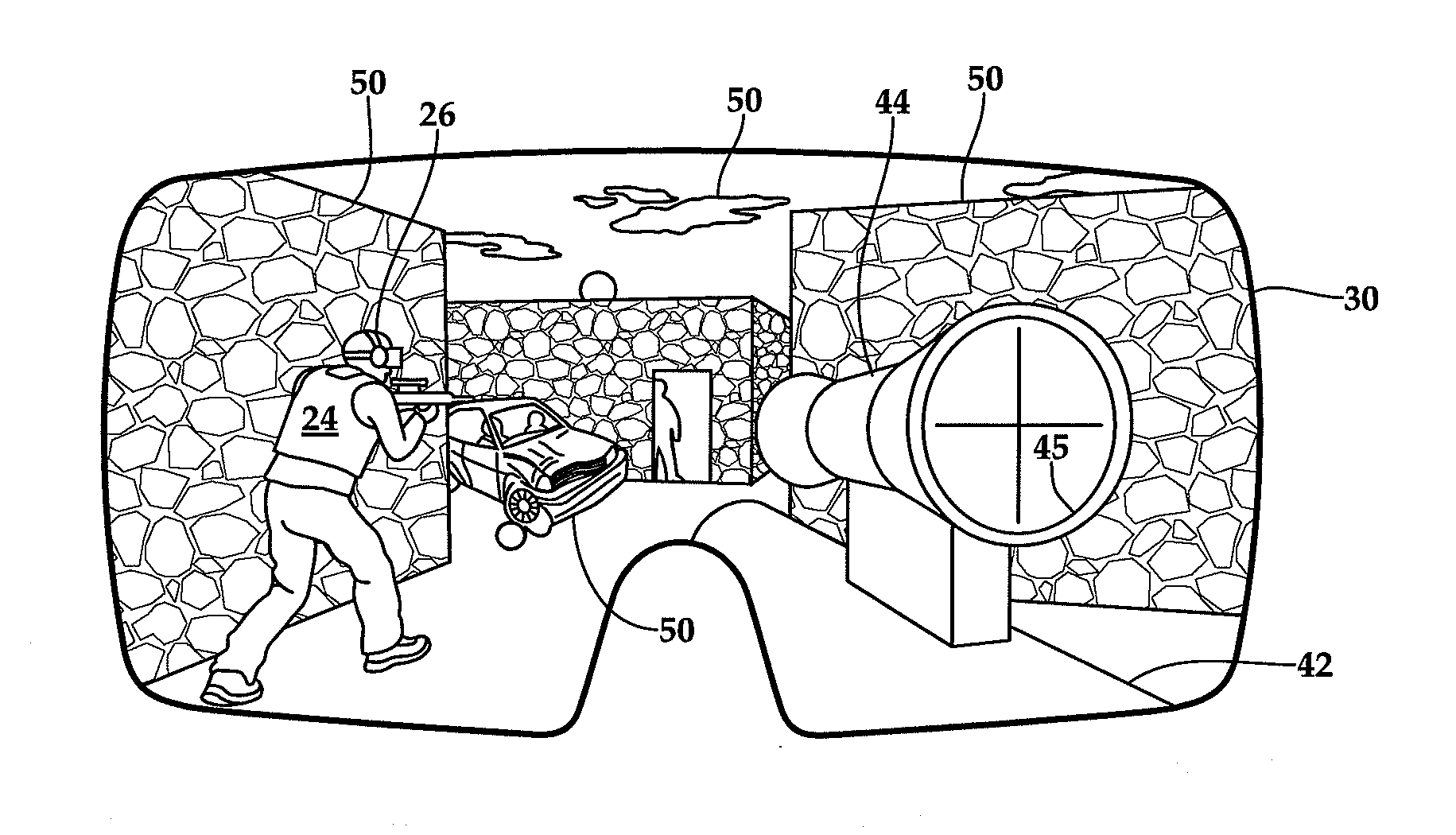
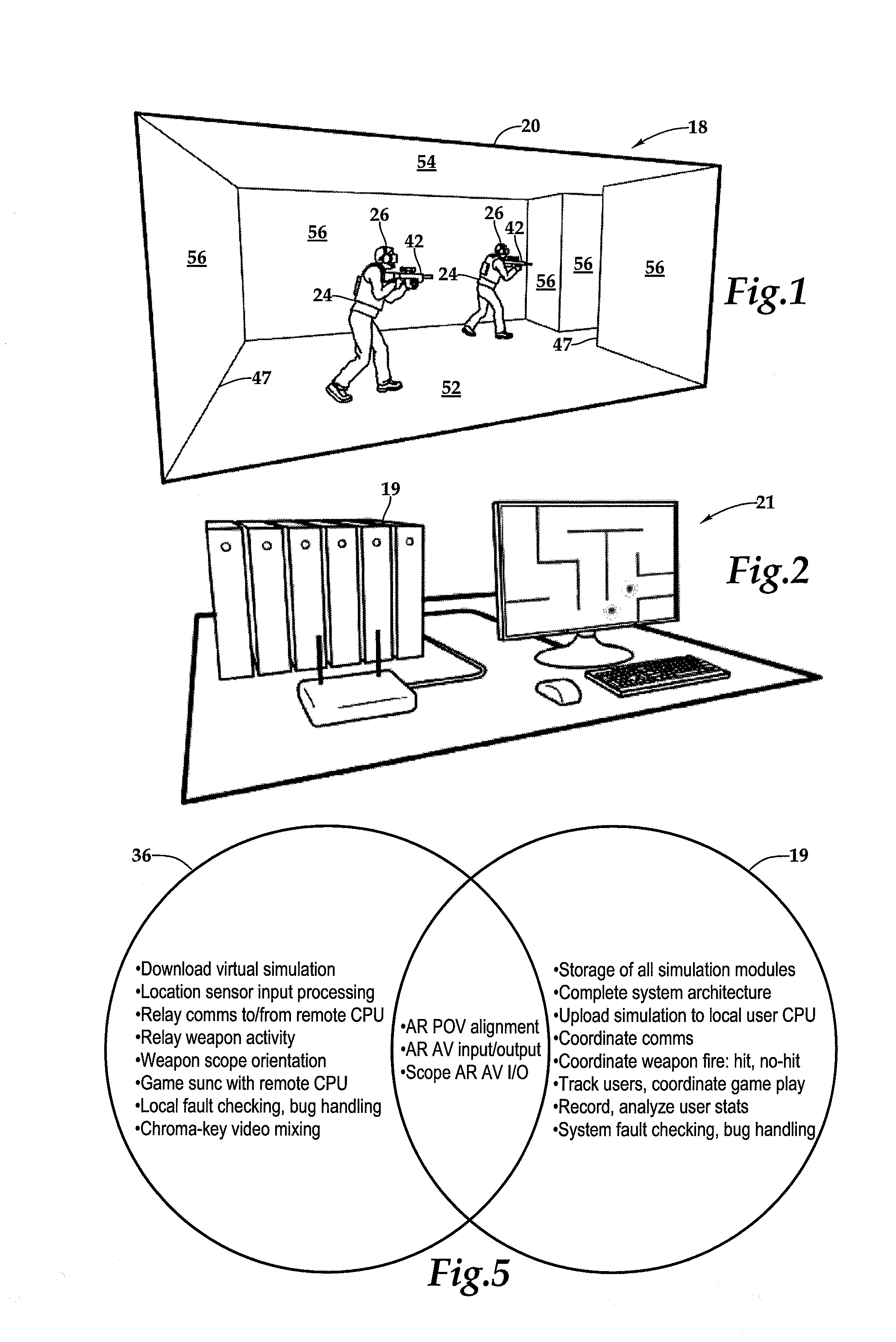
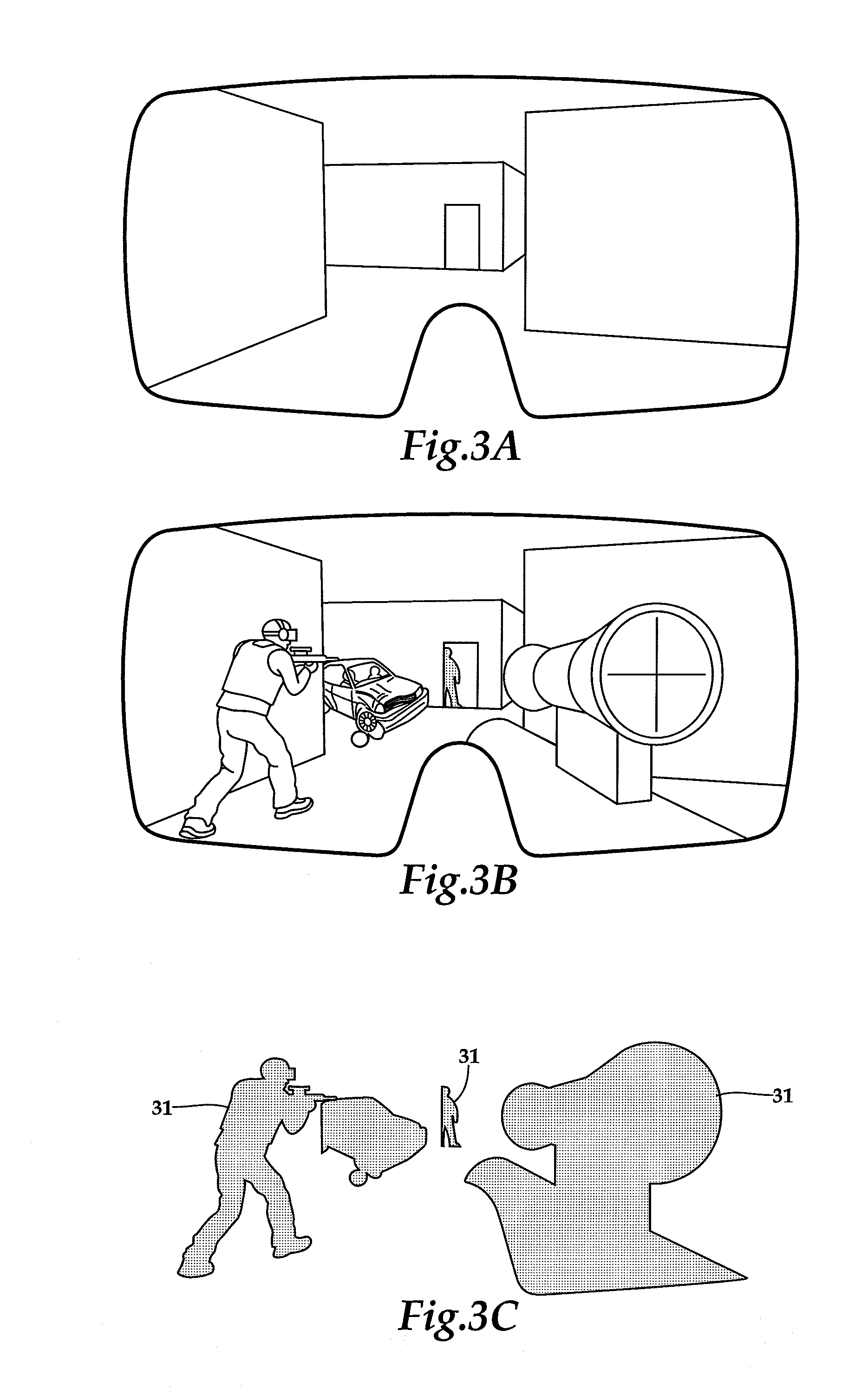
- An augmented reality system that includes a head-mounted digital display with low latency binocular video feed, a videogame engine, and a technique for compositing video game imagery with real environment images using positional tracking and machine vision, allowing for alignment of virtual and real environments, and incorporating real-time tactile feedback to enhance safety and realism.

Nuclear Safety Regulations for AR Training Systems
Nuclear safety regulations for AR training systems represent a critical framework that governs the implementation and operation of augmented reality technologies within nuclear facility training environments. These regulations are primarily established by national nuclear regulatory authorities such as the Nuclear Regulatory Commission (NRC) in the United States, the International Atomic Energy Agency (IAEA) globally, and equivalent bodies in other nuclear-operating countries. The regulatory landscape specifically addresses the unique challenges posed by integrating digital simulation technologies into safety-critical training programs for water reactor operations.
The fundamental regulatory principle centers on ensuring that AR training systems maintain the same rigorous safety standards as traditional training methods while providing enhanced learning capabilities. Regulatory bodies require comprehensive validation and verification processes for AR training content, ensuring that virtual scenarios accurately represent real-world reactor conditions and emergency procedures. These validation requirements extend to hardware reliability, software integrity, and data security protocols that protect sensitive nuclear facility information.
Certification processes for AR training systems involve multi-tiered approval mechanisms that evaluate both technical performance and educational effectiveness. Training programs utilizing AR technology must demonstrate compliance with established learning objectives, competency requirements, and assessment standards. Regulatory authorities mandate that AR systems undergo periodic audits and performance evaluations to ensure continued compliance with safety protocols and training effectiveness metrics.
Data protection and cybersecurity regulations form another crucial component of the regulatory framework. AR training systems must implement robust security measures to prevent unauthorized access to reactor design information, operational procedures, and safety protocols. These requirements include encrypted data transmission, secure user authentication, and comprehensive audit trails for all training activities and system interactions.
Quality assurance standards require AR training providers to maintain detailed documentation of system development, testing procedures, and ongoing maintenance activities. Regulatory compliance also mandates regular updates to training content to reflect evolving safety procedures, technological improvements, and lessons learned from operational experience. These regulations ensure that AR training systems contribute positively to nuclear safety culture while maintaining the highest standards of operational preparedness and emergency response capabilities.
The fundamental regulatory principle centers on ensuring that AR training systems maintain the same rigorous safety standards as traditional training methods while providing enhanced learning capabilities. Regulatory bodies require comprehensive validation and verification processes for AR training content, ensuring that virtual scenarios accurately represent real-world reactor conditions and emergency procedures. These validation requirements extend to hardware reliability, software integrity, and data security protocols that protect sensitive nuclear facility information.
Certification processes for AR training systems involve multi-tiered approval mechanisms that evaluate both technical performance and educational effectiveness. Training programs utilizing AR technology must demonstrate compliance with established learning objectives, competency requirements, and assessment standards. Regulatory authorities mandate that AR systems undergo periodic audits and performance evaluations to ensure continued compliance with safety protocols and training effectiveness metrics.
Data protection and cybersecurity regulations form another crucial component of the regulatory framework. AR training systems must implement robust security measures to prevent unauthorized access to reactor design information, operational procedures, and safety protocols. These requirements include encrypted data transmission, secure user authentication, and comprehensive audit trails for all training activities and system interactions.
Quality assurance standards require AR training providers to maintain detailed documentation of system development, testing procedures, and ongoing maintenance activities. Regulatory compliance also mandates regular updates to training content to reflect evolving safety procedures, technological improvements, and lessons learned from operational experience. These regulations ensure that AR training systems contribute positively to nuclear safety culture while maintaining the highest standards of operational preparedness and emergency response capabilities.
Cybersecurity Considerations for AR Nuclear Applications
The integration of augmented reality technology in nuclear water reactor training environments introduces significant cybersecurity vulnerabilities that require comprehensive protection strategies. AR systems in nuclear facilities create multiple attack vectors through their interconnected hardware components, wireless communication protocols, and data processing capabilities. These systems typically rely on real-time data feeds from reactor monitoring systems, creating potential pathways for malicious actors to access critical infrastructure networks.
Network segmentation represents a fundamental security requirement for AR nuclear training applications. Training systems must operate on isolated networks with strict air-gap protocols separating them from operational reactor control systems. Implementation of zero-trust architecture ensures that every device, user, and data flow undergoes continuous verification before accessing sensitive nuclear information or training scenarios.
Authentication and access control mechanisms must incorporate multi-factor authentication protocols specifically designed for nuclear environments. Biometric verification, smart card authentication, and role-based access controls ensure that only authorized personnel can access AR training systems. Regular security clearance validation and session monitoring prevent unauthorized access to sensitive reactor operational data embedded within training scenarios.
Data encryption protocols must protect both stored training content and real-time communications between AR devices and training servers. Advanced encryption standards with nuclear-grade security classifications ensure that reactor design information, operational procedures, and safety protocols remain protected from potential cyber threats. End-to-end encryption prevents data interception during wireless transmission between AR headsets and central training systems.
Regular security auditing and penetration testing specifically tailored for AR nuclear applications help identify potential vulnerabilities before they can be exploited. Continuous monitoring systems detect anomalous behavior patterns, unauthorized device connections, or suspicious data access attempts within the AR training environment. These security measures must comply with nuclear regulatory requirements while maintaining the immersive training experience essential for effective reactor operator education.
Network segmentation represents a fundamental security requirement for AR nuclear training applications. Training systems must operate on isolated networks with strict air-gap protocols separating them from operational reactor control systems. Implementation of zero-trust architecture ensures that every device, user, and data flow undergoes continuous verification before accessing sensitive nuclear information or training scenarios.
Authentication and access control mechanisms must incorporate multi-factor authentication protocols specifically designed for nuclear environments. Biometric verification, smart card authentication, and role-based access controls ensure that only authorized personnel can access AR training systems. Regular security clearance validation and session monitoring prevent unauthorized access to sensitive reactor operational data embedded within training scenarios.
Data encryption protocols must protect both stored training content and real-time communications between AR devices and training servers. Advanced encryption standards with nuclear-grade security classifications ensure that reactor design information, operational procedures, and safety protocols remain protected from potential cyber threats. End-to-end encryption prevents data interception during wireless transmission between AR headsets and central training systems.
Regular security auditing and penetration testing specifically tailored for AR nuclear applications help identify potential vulnerabilities before they can be exploited. Continuous monitoring systems detect anomalous behavior patterns, unauthorized device connections, or suspicious data access attempts within the AR training environment. These security measures must comply with nuclear regulatory requirements while maintaining the immersive training experience essential for effective reactor operator education.
Unlock deeper insights with PatSnap Eureka Quick Research — get a full tech report to explore trends and direct your research. Try now!
Generate Your Research Report Instantly with AI Agent
Supercharge your innovation with PatSnap Eureka AI Agent Platform!