
Benzene Ring vs Indole: Conjugated System Efficiency
FEB 24, 20269 MIN READ
Generate Your Research Report Instantly with AI Agent
Patsnap Eureka helps you evaluate technical feasibility & market potential.
Conjugated System Background and Research Objectives
Conjugated systems represent fundamental molecular architectures where alternating single and double bonds create delocalized electron networks, enabling unique electronic properties crucial for numerous applications in organic electronics, pharmaceuticals, and materials science. The efficiency of these systems directly correlates with their ability to facilitate electron transport, optical absorption, and chemical reactivity through π-electron delocalization.
Benzene rings and indole structures constitute two pivotal conjugated frameworks that have shaped modern organic chemistry and materials design. Benzene, with its six-membered aromatic ring, established the foundational understanding of aromaticity and conjugation stability. Its perfectly symmetrical structure and complete electron delocalization have made it the benchmark for aromatic stability, quantified through resonance energy measurements of approximately 36 kcal/mol.
Indole systems, incorporating both benzene and pyrrole rings in a fused bicyclic arrangement, present a more complex conjugated framework with distinct electronic characteristics. The nitrogen heteroatom introduces additional electron density and creates asymmetric charge distribution, fundamentally altering the conjugation efficiency compared to simple benzene systems. This structural complexity enables indole derivatives to exhibit enhanced reactivity patterns and unique photophysical properties.
The comparative analysis of conjugation efficiency between these systems has gained significant importance due to emerging applications in organic photovoltaics, light-emitting diodes, and pharmaceutical compounds. Recent advances in computational chemistry and spectroscopic techniques have enabled precise quantification of conjugation parameters, including electron mobility, optical bandgaps, and charge transfer characteristics.
Current research objectives focus on establishing quantitative metrics for conjugation efficiency comparison, developing predictive models for electronic property optimization, and identifying design principles for enhanced conjugated system performance. Understanding the fundamental differences in electron delocalization mechanisms between benzene and indole frameworks will enable rational design of next-generation organic materials with tailored electronic properties.
The investigation aims to bridge theoretical understanding with practical applications, providing comprehensive guidelines for selecting optimal conjugated scaffolds based on specific performance requirements in electronic and pharmaceutical applications.
Benzene rings and indole structures constitute two pivotal conjugated frameworks that have shaped modern organic chemistry and materials design. Benzene, with its six-membered aromatic ring, established the foundational understanding of aromaticity and conjugation stability. Its perfectly symmetrical structure and complete electron delocalization have made it the benchmark for aromatic stability, quantified through resonance energy measurements of approximately 36 kcal/mol.
Indole systems, incorporating both benzene and pyrrole rings in a fused bicyclic arrangement, present a more complex conjugated framework with distinct electronic characteristics. The nitrogen heteroatom introduces additional electron density and creates asymmetric charge distribution, fundamentally altering the conjugation efficiency compared to simple benzene systems. This structural complexity enables indole derivatives to exhibit enhanced reactivity patterns and unique photophysical properties.
The comparative analysis of conjugation efficiency between these systems has gained significant importance due to emerging applications in organic photovoltaics, light-emitting diodes, and pharmaceutical compounds. Recent advances in computational chemistry and spectroscopic techniques have enabled precise quantification of conjugation parameters, including electron mobility, optical bandgaps, and charge transfer characteristics.
Current research objectives focus on establishing quantitative metrics for conjugation efficiency comparison, developing predictive models for electronic property optimization, and identifying design principles for enhanced conjugated system performance. Understanding the fundamental differences in electron delocalization mechanisms between benzene and indole frameworks will enable rational design of next-generation organic materials with tailored electronic properties.
The investigation aims to bridge theoretical understanding with practical applications, providing comprehensive guidelines for selecting optimal conjugated scaffolds based on specific performance requirements in electronic and pharmaceutical applications.
Market Demand for Advanced Conjugated Materials
The global market for advanced conjugated materials has experienced substantial growth driven by the increasing demand for high-performance electronic devices, energy storage systems, and optoelectronic applications. Conjugated systems, particularly those based on benzene rings and indole structures, serve as fundamental building blocks for organic semiconductors, conductive polymers, and photovoltaic materials. The electronics industry represents the largest consumer segment, with applications spanning from organic light-emitting diodes (OLEDs) to organic field-effect transistors (OFETs).
The renewable energy sector has emerged as a significant driver for conjugated material demand, particularly in organic photovoltaic cells and energy storage devices. Solar cell manufacturers increasingly seek materials with optimized conjugation efficiency to enhance power conversion rates and device stability. Battery and supercapacitor applications also require conjugated materials with specific electronic properties, creating diverse market opportunities for both benzene-based and indole-based systems.
Pharmaceutical and biotechnology industries contribute substantially to market demand through applications in drug delivery systems, biosensors, and diagnostic devices. Indole-based conjugated systems show particular promise in biomedical applications due to their structural similarity to naturally occurring compounds and favorable biocompatibility profiles. The growing emphasis on personalized medicine and point-of-care diagnostics continues to expand this market segment.
The display technology market represents another crucial demand driver, with manufacturers seeking materials that offer superior color purity, energy efficiency, and operational lifetime. Advanced conjugated materials enable the development of flexible displays, transparent electronics, and next-generation lighting solutions. Market trends indicate increasing preference for materials that combine high conjugation efficiency with processability and environmental stability.
Emerging applications in quantum computing, neuromorphic devices, and advanced sensing technologies are creating new market niches for specialized conjugated materials. These applications often require precise control over electronic properties, driving demand for materials with tailored conjugation characteristics. The market shows growing interest in hybrid systems that combine the stability of benzene rings with the unique electronic properties of indole structures.
Regional market dynamics reveal strong demand growth in Asia-Pacific regions, driven by electronics manufacturing hubs and increasing investment in renewable energy infrastructure. North American and European markets focus more on high-value applications in aerospace, defense, and advanced healthcare technologies, where performance requirements justify premium material costs.
The renewable energy sector has emerged as a significant driver for conjugated material demand, particularly in organic photovoltaic cells and energy storage devices. Solar cell manufacturers increasingly seek materials with optimized conjugation efficiency to enhance power conversion rates and device stability. Battery and supercapacitor applications also require conjugated materials with specific electronic properties, creating diverse market opportunities for both benzene-based and indole-based systems.
Pharmaceutical and biotechnology industries contribute substantially to market demand through applications in drug delivery systems, biosensors, and diagnostic devices. Indole-based conjugated systems show particular promise in biomedical applications due to their structural similarity to naturally occurring compounds and favorable biocompatibility profiles. The growing emphasis on personalized medicine and point-of-care diagnostics continues to expand this market segment.
The display technology market represents another crucial demand driver, with manufacturers seeking materials that offer superior color purity, energy efficiency, and operational lifetime. Advanced conjugated materials enable the development of flexible displays, transparent electronics, and next-generation lighting solutions. Market trends indicate increasing preference for materials that combine high conjugation efficiency with processability and environmental stability.
Emerging applications in quantum computing, neuromorphic devices, and advanced sensing technologies are creating new market niches for specialized conjugated materials. These applications often require precise control over electronic properties, driving demand for materials with tailored conjugation characteristics. The market shows growing interest in hybrid systems that combine the stability of benzene rings with the unique electronic properties of indole structures.
Regional market dynamics reveal strong demand growth in Asia-Pacific regions, driven by electronics manufacturing hubs and increasing investment in renewable energy infrastructure. North American and European markets focus more on high-value applications in aerospace, defense, and advanced healthcare technologies, where performance requirements justify premium material costs.
Current State of Benzene vs Indole Conjugation Research
The current research landscape surrounding benzene and indole conjugated systems reveals significant disparities in both theoretical understanding and practical applications. Benzene, as the archetypal aromatic system, has been extensively studied since the 19th century, with its conjugation properties well-established through decades of quantum mechanical calculations and experimental validation. Contemporary research focuses primarily on optimizing benzene-based conjugated polymers and understanding substituent effects on electron delocalization efficiency.
Indole conjugation research has gained substantial momentum over the past two decades, driven by its prevalence in biological systems and emerging applications in organic electronics. Current investigations concentrate on the unique bicyclic conjugation pattern where the pyrrole nitrogen contributes to the extended π-system, creating distinct electronic properties compared to simple benzene rings. Recent computational studies have revealed that indole's conjugation efficiency varies significantly depending on substitution patterns and environmental factors.
Leading research institutions worldwide are employing advanced spectroscopic techniques, including time-resolved fluorescence and ultrafast pump-probe spectroscopy, to quantify conjugation efficiency differences between these systems. Density functional theory calculations have become increasingly sophisticated, with researchers utilizing range-separated hybrid functionals to accurately predict conjugation lengths and electron mobility parameters.
The pharmaceutical industry drives much of the indole conjugation research, particularly in drug design where understanding conjugated system efficiency directly impacts bioavailability and molecular recognition. Simultaneously, the organic photovoltaics sector continues investigating benzene-based conjugated systems for improved charge transport properties.
Current research gaps include limited comparative studies directly contrasting benzene and indole conjugation efficiencies under identical conditions. Most existing literature treats these systems independently, making systematic comparisons challenging. Additionally, the influence of solvent effects and temperature variations on relative conjugation efficiency remains underexplored.
Emerging research directions focus on hybrid systems incorporating both benzene and indole moieties, aiming to leverage the advantages of each conjugated framework. These studies represent the cutting edge of current conjugation research, potentially revealing synergistic effects that could revolutionize organic electronic materials design.
Indole conjugation research has gained substantial momentum over the past two decades, driven by its prevalence in biological systems and emerging applications in organic electronics. Current investigations concentrate on the unique bicyclic conjugation pattern where the pyrrole nitrogen contributes to the extended π-system, creating distinct electronic properties compared to simple benzene rings. Recent computational studies have revealed that indole's conjugation efficiency varies significantly depending on substitution patterns and environmental factors.
Leading research institutions worldwide are employing advanced spectroscopic techniques, including time-resolved fluorescence and ultrafast pump-probe spectroscopy, to quantify conjugation efficiency differences between these systems. Density functional theory calculations have become increasingly sophisticated, with researchers utilizing range-separated hybrid functionals to accurately predict conjugation lengths and electron mobility parameters.
The pharmaceutical industry drives much of the indole conjugation research, particularly in drug design where understanding conjugated system efficiency directly impacts bioavailability and molecular recognition. Simultaneously, the organic photovoltaics sector continues investigating benzene-based conjugated systems for improved charge transport properties.
Current research gaps include limited comparative studies directly contrasting benzene and indole conjugation efficiencies under identical conditions. Most existing literature treats these systems independently, making systematic comparisons challenging. Additionally, the influence of solvent effects and temperature variations on relative conjugation efficiency remains underexplored.
Emerging research directions focus on hybrid systems incorporating both benzene and indole moieties, aiming to leverage the advantages of each conjugated framework. These studies represent the cutting edge of current conjugation research, potentially revealing synergistic effects that could revolutionize organic electronic materials design.
Existing Solutions for Conjugation Efficiency Enhancement
01 Indole derivatives with conjugated benzene ring systems for enhanced electronic properties
Conjugated systems combining indole moieties with benzene rings can enhance electronic properties through extended π-electron delocalization. These structures improve charge transfer efficiency and optical properties, making them suitable for applications in organic electronics and photonic materials. The conjugation between the indole nitrogen and aromatic systems creates stable molecular frameworks with tunable electronic characteristics.- Indole-based conjugated compounds for organic electronic devices: Conjugated systems incorporating indole moieties with benzene rings are utilized in organic electronic materials to enhance charge transport properties and device efficiency. These compounds feature extended π-conjugation through the indole nitrogen and aromatic rings, improving electron mobility and optical properties. The conjugated structures are designed to optimize energy levels and facilitate efficient charge injection and transport in organic semiconductors.
- Benzene-indole conjugated systems for pharmaceutical applications: Conjugated systems combining benzene rings with indole structures are employed in pharmaceutical compounds to enhance biological activity and molecular stability. The extended conjugation improves molecular interactions with biological targets and enhances pharmacokinetic properties. These systems demonstrate improved binding affinity and selectivity through optimized electronic distribution across the conjugated framework.
- Photovoltaic materials utilizing benzene-indole conjugation: Conjugated systems featuring benzene and indole units are developed for photovoltaic applications to improve light absorption and charge separation efficiency. The conjugated architecture enables broad spectral absorption and facilitates exciton dissociation at donor-acceptor interfaces. These materials exhibit enhanced power conversion efficiency through optimized molecular orbital alignment and reduced recombination losses.
- Fluorescent probes based on benzene-indole conjugated frameworks: Conjugated systems incorporating benzene and indole moieties are designed as fluorescent probes with enhanced quantum efficiency and photostability. The extended conjugation provides tunable emission wavelengths and improved Stokes shifts for biological imaging applications. These compounds demonstrate superior fluorescence properties through intramolecular charge transfer mechanisms within the conjugated system.
- Catalytic systems employing benzene-indole conjugated ligands: Conjugated ligand systems featuring benzene and indole structures are utilized in catalytic applications to enhance reaction efficiency and selectivity. The conjugated framework provides electronic stabilization of metal centers and facilitates substrate activation through π-π interactions. These systems demonstrate improved catalytic performance through optimized electronic communication between the metal center and conjugated ligand backbone.
02 Synthesis methods for benzene-indole conjugated compounds
Various synthetic approaches have been developed to create conjugated systems linking benzene rings with indole structures. These methods include coupling reactions, condensation processes, and cyclization techniques that form stable conjugated frameworks. The synthesis strategies focus on maintaining conjugation integrity while introducing functional groups that enhance system efficiency and stability.Expand Specific Solutions03 Application of benzene-indole conjugated systems in pharmaceutical compounds
Conjugated benzene-indole systems serve as core structures in pharmaceutical applications due to their biological activity and molecular recognition properties. The extended conjugation enhances binding affinity to biological targets and improves pharmacokinetic properties. These systems demonstrate effectiveness in drug design where aromatic interactions and electronic properties are crucial for therapeutic activity.Expand Specific Solutions04 Optical and photophysical properties of benzene-indole conjugated systems
The conjugated systems exhibit distinctive optical properties including enhanced fluorescence, absorption characteristics, and light-harvesting capabilities. The extended conjugation between benzene and indole units creates chromophoric systems with tunable emission wavelengths and quantum yields. These properties make them valuable for applications in sensors, imaging agents, and optoelectronic devices.Expand Specific Solutions05 Structural modifications to optimize conjugation efficiency
Strategic structural modifications of benzene-indole conjugated systems can significantly improve conjugation efficiency and system performance. Approaches include introducing electron-donating or electron-withdrawing groups, extending conjugation length, and optimizing molecular planarity. These modifications enhance electronic communication between aromatic units and improve overall system stability and functionality.Expand Specific Solutions
Key Players in Conjugated Materials Industry
The benzene ring versus indole conjugated system efficiency represents a mature research area within pharmaceutical and materials science, currently in the optimization and application phase rather than early discovery. The global market for conjugated organic compounds spans billions of dollars across pharmaceutical intermediates, OLED materials, and specialty chemicals sectors. Technology maturity varies significantly among key players: pharmaceutical giants like Takeda, Astellas, Roche, and Otsuka demonstrate advanced capabilities in indole-based drug development, while materials companies such as Samsung Display, LG Chem, and DUK SAN NEOLUX excel in benzene-ring conjugated systems for electronic applications. Chemical manufacturers including NIPPON STEEL Chemical, Yamamoto Chemicals, and Novozymes provide specialized intermediates and catalysts. Leading research institutions like MIT, Australian National University, and various Chinese universities contribute fundamental insights into conjugation efficiency mechanisms, creating a competitive landscape where application-specific optimization drives innovation rather than breakthrough discovery.
Takeda Pharmaceutical Co., Ltd.
Technical Solution: Takeda has implemented sophisticated molecular modeling techniques to evaluate conjugated system efficiency in drug discovery, specifically comparing benzene and indole frameworks for enhanced therapeutic efficacy. Their research platform integrates machine learning algorithms with quantum chemistry calculations to predict and optimize conjugation patterns in pharmaceutical compounds. The company focuses on understanding how different aromatic systems affect drug-target interactions, utilizing advanced spectroscopic methods and computational analysis to determine optimal conjugated architectures for improved pharmacokinetic properties and reduced side effects in therapeutic applications.
Strengths: Strong research infrastructure and expertise in pharmaceutical conjugated systems. Weaknesses: Research primarily limited to pharmaceutical applications rather than broader chemical industry needs.
F. Hoffmann-La Roche Ltd.
Technical Solution: Roche has developed advanced computational chemistry platforms that analyze conjugated system efficiency in drug design, particularly focusing on indole-based pharmaceutical compounds. Their approach utilizes quantum mechanical calculations to optimize electron delocalization in heterocyclic systems, comparing the aromatic stability of benzene rings versus indole scaffolds in medicinal chemistry applications. The company employs density functional theory (DFT) methods to evaluate molecular orbital interactions and conjugation pathways, enabling the design of more effective pharmaceutical compounds with enhanced bioavailability and target specificity through optimized conjugated system architectures.
Strengths: Extensive pharmaceutical expertise and advanced computational resources for molecular design. Weaknesses: Limited focus on industrial chemical applications beyond pharmaceuticals.
Core Patents in Benzene-Indole Conjugated Systems
Silanyloxyaryl phosphine ligand and uses thereof in c-n cross-coupling
PatentWO2013159229A1
Innovation
- The development of silanyloxyaryl phosphine ligands for use in transition metal catalysts, specifically in palladium-catalyzed C-N cross-coupling reactions, which provide a broad scope for accommodating various amine coupling partners and o-alkynylhalo(hetero)arene substrates, including those with heterocyclic functionality, at low catalyst loadings, enabling the synthesis of functionalized indoles and other C-N cross-coupling products.


Indole Derivative and Use for Treatment of Cancer
PatentInactiveUS20070254877A1
Innovation
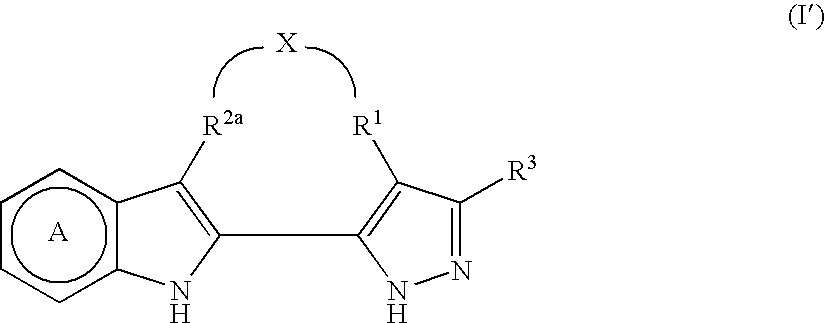
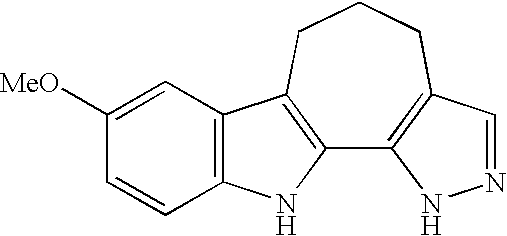
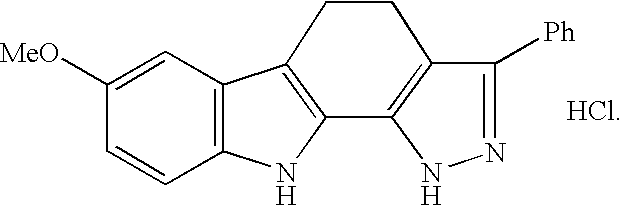
- Development of a compound represented by specific indole derivatives with a benzene ring and heterocyclic groups, which form rings via various linkages, offering enhanced kinase inhibitory activity and stability, thereby inhibiting vascular endothelial growth factor receptors and other kinases.

Environmental Impact of Conjugated Material Synthesis
The synthesis of conjugated materials, particularly those incorporating benzene rings and indole structures, presents significant environmental challenges that require comprehensive assessment and mitigation strategies. Traditional synthetic pathways for these aromatic systems often rely on energy-intensive processes and hazardous reagents, contributing to substantial carbon footprints and waste generation.
Benzene-based conjugated material synthesis typically involves Friedel-Crafts reactions, cross-coupling methodologies, and oxidative polymerization processes. These reactions frequently require toxic catalysts such as palladium complexes, aluminum chloride, or chromium-based oxidants. The environmental burden is further amplified by the need for anhydrous conditions, high-temperature processing, and extensive purification steps that generate significant solvent waste.
Indole-containing conjugated systems present additional environmental complexities due to the nitrogen heteroatom's sensitivity to reaction conditions. Synthesis often demands protecting group strategies, multi-step sequences, and harsh deprotection conditions using strong acids or bases. The Fischer indole synthesis, while widely employed, generates substantial ammonia waste and requires elevated temperatures, increasing energy consumption.
Solvent usage represents a critical environmental concern across both synthetic pathways. Traditional approaches rely heavily on chlorinated solvents, aromatic hydrocarbons, and dipolar aprotic solvents that pose significant disposal challenges. The volume-to-product ratios often exceed 100:1, creating substantial waste streams requiring specialized treatment facilities.
Recent developments in green chemistry principles have introduced more sustainable alternatives. Flow chemistry techniques reduce solvent requirements and enable continuous processing with improved energy efficiency. Microwave-assisted synthesis decreases reaction times and energy consumption while maintaining product quality. Water-based synthetic routes, though challenging for hydrophobic conjugated systems, show promise when combined with surfactant technologies or phase-transfer catalysis.
Catalyst recovery and recycling strategies have emerged as crucial sustainability measures. Heterogeneous catalysts, supported metal complexes, and organocatalytic approaches reduce heavy metal contamination while enabling catalyst reuse. These innovations significantly decrease the environmental impact per unit of conjugated material produced.
The lifecycle assessment of conjugated material synthesis reveals that raw material extraction and processing contribute substantially to overall environmental impact. Benzene derivatives sourced from petroleum refining carry inherent carbon burdens, while indole precursors often require multi-step synthesis from tryptophan or aniline feedstocks.
Benzene-based conjugated material synthesis typically involves Friedel-Crafts reactions, cross-coupling methodologies, and oxidative polymerization processes. These reactions frequently require toxic catalysts such as palladium complexes, aluminum chloride, or chromium-based oxidants. The environmental burden is further amplified by the need for anhydrous conditions, high-temperature processing, and extensive purification steps that generate significant solvent waste.
Indole-containing conjugated systems present additional environmental complexities due to the nitrogen heteroatom's sensitivity to reaction conditions. Synthesis often demands protecting group strategies, multi-step sequences, and harsh deprotection conditions using strong acids or bases. The Fischer indole synthesis, while widely employed, generates substantial ammonia waste and requires elevated temperatures, increasing energy consumption.
Solvent usage represents a critical environmental concern across both synthetic pathways. Traditional approaches rely heavily on chlorinated solvents, aromatic hydrocarbons, and dipolar aprotic solvents that pose significant disposal challenges. The volume-to-product ratios often exceed 100:1, creating substantial waste streams requiring specialized treatment facilities.
Recent developments in green chemistry principles have introduced more sustainable alternatives. Flow chemistry techniques reduce solvent requirements and enable continuous processing with improved energy efficiency. Microwave-assisted synthesis decreases reaction times and energy consumption while maintaining product quality. Water-based synthetic routes, though challenging for hydrophobic conjugated systems, show promise when combined with surfactant technologies or phase-transfer catalysis.
Catalyst recovery and recycling strategies have emerged as crucial sustainability measures. Heterogeneous catalysts, supported metal complexes, and organocatalytic approaches reduce heavy metal contamination while enabling catalyst reuse. These innovations significantly decrease the environmental impact per unit of conjugated material produced.
The lifecycle assessment of conjugated material synthesis reveals that raw material extraction and processing contribute substantially to overall environmental impact. Benzene derivatives sourced from petroleum refining carry inherent carbon burdens, while indole precursors often require multi-step synthesis from tryptophan or aniline feedstocks.
Safety Regulations for Conjugated Chemical Applications
The regulatory landscape for conjugated chemical systems, particularly those involving benzene rings and indole structures, has evolved significantly in response to growing awareness of their potential health and environmental impacts. Current safety frameworks primarily stem from established chemical safety protocols developed by regulatory bodies such as the EPA, REACH, and OSHA, which classify these compounds based on their toxicological profiles and exposure risks.
Benzene-containing conjugated systems face stringent regulations due to benzene's established carcinogenic properties. The Occupational Safety and Health Administration maintains strict permissible exposure limits of 1 ppm as an 8-hour time-weighted average for benzene exposure in workplace environments. These regulations extend to conjugated systems where benzene rings serve as core structural components, requiring comprehensive risk assessments and implementation of engineering controls to minimize worker exposure during synthesis and handling processes.
Indole-based conjugated systems present a more complex regulatory scenario. While indole itself is generally recognized as having lower acute toxicity compared to benzene, its conjugated derivatives often require case-by-case evaluation. The European REACH regulation mandates registration and safety data submission for indole conjugated compounds produced or imported in quantities exceeding one ton annually, with particular attention to their persistence, bioaccumulation, and toxicity characteristics.
Environmental release regulations for both compound classes emphasize containment and waste management protocols. The Clean Water Act and Clean Air Act establish discharge limits and emission standards that directly impact industrial applications of these conjugated systems. Manufacturing facilities must implement closed-loop systems and advanced treatment technologies to prevent environmental contamination, particularly given the potential for bioaccumulation of certain conjugated aromatic compounds.
Emerging regulatory trends indicate increasing scrutiny of conjugated chemical applications in consumer products. The Consumer Product Safety Commission has initiated reviews of products containing these compounds, focusing on dermal absorption rates and long-term exposure effects. Additionally, green chemistry initiatives are driving regulatory preferences toward conjugated systems with improved biodegradability profiles and reduced environmental persistence, influencing future compliance requirements for both benzene and indole-based applications.
Benzene-containing conjugated systems face stringent regulations due to benzene's established carcinogenic properties. The Occupational Safety and Health Administration maintains strict permissible exposure limits of 1 ppm as an 8-hour time-weighted average for benzene exposure in workplace environments. These regulations extend to conjugated systems where benzene rings serve as core structural components, requiring comprehensive risk assessments and implementation of engineering controls to minimize worker exposure during synthesis and handling processes.
Indole-based conjugated systems present a more complex regulatory scenario. While indole itself is generally recognized as having lower acute toxicity compared to benzene, its conjugated derivatives often require case-by-case evaluation. The European REACH regulation mandates registration and safety data submission for indole conjugated compounds produced or imported in quantities exceeding one ton annually, with particular attention to their persistence, bioaccumulation, and toxicity characteristics.
Environmental release regulations for both compound classes emphasize containment and waste management protocols. The Clean Water Act and Clean Air Act establish discharge limits and emission standards that directly impact industrial applications of these conjugated systems. Manufacturing facilities must implement closed-loop systems and advanced treatment technologies to prevent environmental contamination, particularly given the potential for bioaccumulation of certain conjugated aromatic compounds.
Emerging regulatory trends indicate increasing scrutiny of conjugated chemical applications in consumer products. The Consumer Product Safety Commission has initiated reviews of products containing these compounds, focusing on dermal absorption rates and long-term exposure effects. Additionally, green chemistry initiatives are driving regulatory preferences toward conjugated systems with improved biodegradability profiles and reduced environmental persistence, influencing future compliance requirements for both benzene and indole-based applications.
Unlock deeper insights with Patsnap Eureka Quick Research — get a full tech report to explore trends and direct your research. Try now!
Generate Your Research Report Instantly with AI Agent
Supercharge your innovation with Patsnap Eureka AI Agent Platform!