
How to Optimize Benzene Ring Stability in Polymers
FEB 25, 20269 MIN READ
Generate Your Research Report Instantly with AI Agent
Patsnap Eureka helps you evaluate technical feasibility & market potential.
Benzene Ring Polymer Stability Background and Objectives
Benzene rings represent one of the most fundamental aromatic structures in polymer chemistry, serving as critical building blocks in numerous high-performance materials including engineering plastics, advanced composites, and specialty fibers. The inherent stability of benzene rings stems from their delocalized π-electron system, which provides exceptional thermal and chemical resistance properties that are highly valued in industrial applications.
The historical development of benzene ring-containing polymers traces back to the early 20th century with the synthesis of phenolic resins, followed by significant breakthroughs in the 1960s with the introduction of aromatic polyamides and polyimides. These materials revolutionized industries requiring extreme performance conditions, from aerospace applications to electronic components. The evolution continued through the development of liquid crystalline polymers and high-temperature thermoplastics, establishing benzene ring stability as a cornerstone of advanced materials science.
Contemporary polymer applications demand increasingly stringent performance requirements, particularly in harsh operating environments characterized by elevated temperatures, aggressive chemicals, and prolonged service life expectations. The automotive industry's shift toward lightweight, high-strength materials, coupled with the electronics sector's need for thermally stable substrates, has intensified the focus on optimizing benzene ring stability in polymer matrices.
Current technological trends indicate a growing emphasis on molecular-level design strategies that enhance the inherent stability of aromatic polymer systems. This includes the development of novel synthetic pathways that minimize structural defects, the incorporation of stabilizing substituents that protect against degradation mechanisms, and the optimization of polymer architecture to maximize the beneficial effects of aromatic interactions.
The primary objective of benzene ring stability optimization encompasses multiple dimensions: enhancing thermal stability to withstand processing temperatures exceeding 300°C, improving oxidative resistance for long-term environmental exposure, maintaining mechanical properties under stress-temperature combinations, and preserving optical clarity in transparent applications. These objectives must be achieved while maintaining processability and cost-effectiveness for commercial viability.
Advanced characterization techniques now enable precise monitoring of degradation pathways at the molecular level, facilitating the development of targeted stabilization strategies. The integration of computational modeling with experimental validation has accelerated the identification of optimal polymer structures and processing conditions that maximize benzene ring stability while meeting specific application requirements.
The historical development of benzene ring-containing polymers traces back to the early 20th century with the synthesis of phenolic resins, followed by significant breakthroughs in the 1960s with the introduction of aromatic polyamides and polyimides. These materials revolutionized industries requiring extreme performance conditions, from aerospace applications to electronic components. The evolution continued through the development of liquid crystalline polymers and high-temperature thermoplastics, establishing benzene ring stability as a cornerstone of advanced materials science.
Contemporary polymer applications demand increasingly stringent performance requirements, particularly in harsh operating environments characterized by elevated temperatures, aggressive chemicals, and prolonged service life expectations. The automotive industry's shift toward lightweight, high-strength materials, coupled with the electronics sector's need for thermally stable substrates, has intensified the focus on optimizing benzene ring stability in polymer matrices.
Current technological trends indicate a growing emphasis on molecular-level design strategies that enhance the inherent stability of aromatic polymer systems. This includes the development of novel synthetic pathways that minimize structural defects, the incorporation of stabilizing substituents that protect against degradation mechanisms, and the optimization of polymer architecture to maximize the beneficial effects of aromatic interactions.
The primary objective of benzene ring stability optimization encompasses multiple dimensions: enhancing thermal stability to withstand processing temperatures exceeding 300°C, improving oxidative resistance for long-term environmental exposure, maintaining mechanical properties under stress-temperature combinations, and preserving optical clarity in transparent applications. These objectives must be achieved while maintaining processability and cost-effectiveness for commercial viability.
Advanced characterization techniques now enable precise monitoring of degradation pathways at the molecular level, facilitating the development of targeted stabilization strategies. The integration of computational modeling with experimental validation has accelerated the identification of optimal polymer structures and processing conditions that maximize benzene ring stability while meeting specific application requirements.
Market Demand for High-Performance Aromatic Polymers
The global demand for high-performance aromatic polymers has experienced substantial growth across multiple industrial sectors, driven by the increasing need for materials that can withstand extreme operating conditions while maintaining structural integrity. Industries such as aerospace, automotive, electronics, and energy generation require polymers with enhanced thermal stability, chemical resistance, and mechanical properties that traditional aliphatic polymers cannot provide.
Aerospace applications represent one of the most demanding market segments, where aromatic polymers must function reliably at elevated temperatures while maintaining lightweight characteristics. The push toward more fuel-efficient aircraft and advanced propulsion systems has intensified the need for materials that can operate continuously at temperatures exceeding 200°C without degradation. Similarly, the automotive industry's transition toward electric vehicles has created new requirements for thermally stable polymers in battery systems, power electronics, and under-hood applications.
The electronics sector has emerged as a significant growth driver, particularly with the miniaturization of components and the increasing power density of electronic devices. High-performance aromatic polymers are essential for flexible printed circuits, semiconductor packaging, and insulation materials that must maintain dielectric properties under thermal cycling and high-frequency operations. The proliferation of 5G technology and advanced computing systems has further amplified these requirements.
Energy sector applications, including wind turbine components, solar panel encapsulants, and oil and gas exploration equipment, demand polymers with exceptional environmental resistance. These applications require materials that can withstand UV radiation, temperature fluctuations, and aggressive chemical environments over extended service lives, making benzene ring stability a critical performance parameter.
Market growth is also fueled by stringent regulatory requirements for fire resistance and low smoke emission in construction and transportation applications. High-performance aromatic polymers offer inherent flame retardancy due to their aromatic structure, making them preferred materials for cable insulation, structural composites, and interior components where safety standards are paramount.
The increasing focus on sustainability and circular economy principles has created additional market opportunities for aromatic polymers with enhanced stability. Longer-lasting materials reduce replacement frequency and overall environmental impact, aligning with corporate sustainability goals and regulatory frameworks promoting material efficiency and waste reduction.
Aerospace applications represent one of the most demanding market segments, where aromatic polymers must function reliably at elevated temperatures while maintaining lightweight characteristics. The push toward more fuel-efficient aircraft and advanced propulsion systems has intensified the need for materials that can operate continuously at temperatures exceeding 200°C without degradation. Similarly, the automotive industry's transition toward electric vehicles has created new requirements for thermally stable polymers in battery systems, power electronics, and under-hood applications.
The electronics sector has emerged as a significant growth driver, particularly with the miniaturization of components and the increasing power density of electronic devices. High-performance aromatic polymers are essential for flexible printed circuits, semiconductor packaging, and insulation materials that must maintain dielectric properties under thermal cycling and high-frequency operations. The proliferation of 5G technology and advanced computing systems has further amplified these requirements.
Energy sector applications, including wind turbine components, solar panel encapsulants, and oil and gas exploration equipment, demand polymers with exceptional environmental resistance. These applications require materials that can withstand UV radiation, temperature fluctuations, and aggressive chemical environments over extended service lives, making benzene ring stability a critical performance parameter.
Market growth is also fueled by stringent regulatory requirements for fire resistance and low smoke emission in construction and transportation applications. High-performance aromatic polymers offer inherent flame retardancy due to their aromatic structure, making them preferred materials for cable insulation, structural composites, and interior components where safety standards are paramount.
The increasing focus on sustainability and circular economy principles has created additional market opportunities for aromatic polymers with enhanced stability. Longer-lasting materials reduce replacement frequency and overall environmental impact, aligning with corporate sustainability goals and regulatory frameworks promoting material efficiency and waste reduction.
Current Challenges in Benzene Ring Polymer Degradation
Benzene ring-containing polymers face significant degradation challenges that fundamentally limit their long-term performance and application scope. The aromatic structure, while providing desirable mechanical and thermal properties, becomes a vulnerability point under various environmental stresses. Oxidative degradation represents the most prevalent challenge, where atmospheric oxygen attacks the electron-rich benzene rings, leading to chain scission and crosslinking reactions that compromise polymer integrity.
Thermal degradation poses another critical challenge, particularly at elevated operating temperatures. The benzene rings undergo complex rearrangement reactions, including cyclization and aromatization processes that alter the polymer backbone structure. These thermal-induced changes result in brittleness, discoloration, and loss of processability, severely limiting applications in high-temperature environments.
Photodegradation emerges as a major concern for outdoor applications, where UV radiation initiates free radical formation within the aromatic system. The conjugated π-electron system of benzene rings absorbs UV energy efficiently, triggering photochemical reactions that lead to polymer chain breakdown. This photosensitivity necessitates extensive stabilization strategies that often compromise other material properties.
Chemical resistance limitations present ongoing challenges, as benzene rings exhibit susceptibility to strong acids, bases, and certain organic solvents. The aromatic system can undergo electrophilic and nucleophilic substitution reactions, leading to structural modifications that affect polymer performance. These chemical vulnerabilities restrict application in aggressive chemical environments.
Hydrolytic degradation affects benzene ring polymers containing hydrolyzable linkages adjacent to aromatic structures. The electron-withdrawing nature of benzene rings can activate neighboring bonds toward hydrolytic attack, particularly in humid conditions or aqueous environments. This mechanism is especially problematic in polyesters and polyamides with aromatic components.
Processing-induced degradation during manufacturing represents a significant technical hurdle. High-temperature processing conditions required for aromatic polymers can initiate thermal degradation mechanisms, creating a narrow processing window that complicates manufacturing operations. The balance between achieving adequate flow properties and preventing degradation requires precise control of processing parameters.
Environmental stress cracking under mechanical load combined with chemical exposure creates synergistic degradation effects. The rigid benzene ring structure concentrates stress at molecular level, making the polymer susceptible to crack initiation and propagation when exposed to specific chemicals or solvents under stress.
Thermal degradation poses another critical challenge, particularly at elevated operating temperatures. The benzene rings undergo complex rearrangement reactions, including cyclization and aromatization processes that alter the polymer backbone structure. These thermal-induced changes result in brittleness, discoloration, and loss of processability, severely limiting applications in high-temperature environments.
Photodegradation emerges as a major concern for outdoor applications, where UV radiation initiates free radical formation within the aromatic system. The conjugated π-electron system of benzene rings absorbs UV energy efficiently, triggering photochemical reactions that lead to polymer chain breakdown. This photosensitivity necessitates extensive stabilization strategies that often compromise other material properties.
Chemical resistance limitations present ongoing challenges, as benzene rings exhibit susceptibility to strong acids, bases, and certain organic solvents. The aromatic system can undergo electrophilic and nucleophilic substitution reactions, leading to structural modifications that affect polymer performance. These chemical vulnerabilities restrict application in aggressive chemical environments.
Hydrolytic degradation affects benzene ring polymers containing hydrolyzable linkages adjacent to aromatic structures. The electron-withdrawing nature of benzene rings can activate neighboring bonds toward hydrolytic attack, particularly in humid conditions or aqueous environments. This mechanism is especially problematic in polyesters and polyamides with aromatic components.
Processing-induced degradation during manufacturing represents a significant technical hurdle. High-temperature processing conditions required for aromatic polymers can initiate thermal degradation mechanisms, creating a narrow processing window that complicates manufacturing operations. The balance between achieving adequate flow properties and preventing degradation requires precise control of processing parameters.
Environmental stress cracking under mechanical load combined with chemical exposure creates synergistic degradation effects. The rigid benzene ring structure concentrates stress at molecular level, making the polymer susceptible to crack initiation and propagation when exposed to specific chemicals or solvents under stress.
Existing Solutions for Benzene Ring Stability Enhancement
01 Polymers with benzene ring structures for enhanced thermal stability
Polymers incorporating benzene ring structures in their backbone or side chains exhibit improved thermal stability due to the aromatic ring's resonance stabilization. The rigid planar structure of benzene rings restricts molecular motion and increases the glass transition temperature. These polymers demonstrate resistance to thermal degradation and maintain structural integrity at elevated temperatures, making them suitable for high-performance applications.- Incorporation of benzene rings in polymer backbone for enhanced thermal stability: Polymers containing benzene rings or aromatic structures in their main chain exhibit improved thermal stability due to the resonance stabilization of the aromatic system. The rigid planar structure of benzene rings restricts molecular motion and increases the glass transition temperature. These aromatic polymers demonstrate resistance to thermal degradation and maintain structural integrity at elevated temperatures, making them suitable for high-performance applications.
- Use of polyphenylene and polyaromatic structures for chemical resistance: Polymers with multiple benzene rings or fused aromatic systems provide exceptional chemical stability and resistance to solvents and corrosive environments. The delocalized electron system in these aromatic structures makes them less susceptible to chemical attack. These materials exhibit low reactivity with acids, bases, and organic solvents while maintaining their mechanical properties over extended periods of exposure.
- Crosslinking strategies using benzene ring functionalization: Functionalized benzene rings serve as crosslinking sites to enhance polymer network stability and mechanical strength. The aromatic rings can be modified with reactive groups that form covalent bonds between polymer chains, creating three-dimensional networks. This crosslinking approach improves dimensional stability, reduces swelling in solvents, and enhances overall durability of the polymer material.
- Benzene ring substitution for oxidative stability improvement: Strategic substitution of benzene rings with electron-donating or electron-withdrawing groups modulates the oxidative stability of polymers. These substituents alter the electron density distribution in the aromatic system, affecting its susceptibility to oxidative degradation. Properly designed substitution patterns can significantly extend the service life of polymers under oxidative conditions while maintaining their mechanical and physical properties.
- Aromatic copolymerization for balanced stability and processability: Copolymerization of benzene-containing monomers with aliphatic or other aromatic units creates materials with optimized stability-processability balance. The aromatic segments provide thermal and chemical stability while the flexible segments improve processability and toughness. This approach allows fine-tuning of polymer properties to meet specific application requirements while maintaining the inherent stability advantages of aromatic structures.
02 Crosslinking strategies using benzene-containing monomers
Crosslinking polymers through benzene-containing monomers or crosslinking agents enhances the overall stability of the polymer network. The aromatic rings provide rigid crosslinking points that improve mechanical strength and chemical resistance. This approach creates three-dimensional network structures that resist deformation and degradation under stress or chemical exposure.Expand Specific Solutions03 Substituted benzene rings for improved oxidative stability
Introduction of specific substituents on benzene rings in polymer structures enhances oxidative stability by providing steric hindrance and electron-donating or withdrawing effects. These modifications protect the polymer chain from oxidative attack and free radical degradation. The substituted aromatic structures also contribute to improved weathering resistance and long-term durability.Expand Specific Solutions04 Polybenzene-based polymers with conjugated systems
Polymers featuring extended conjugated systems with multiple benzene rings exhibit exceptional stability due to delocalized electron systems. The conjugation enhances chemical inertness and provides resistance to chemical attack. These materials demonstrate superior dimensional stability and maintain their properties under harsh environmental conditions.Expand Specific Solutions05 Benzene ring-containing copolymers for balanced stability properties
Copolymerization strategies incorporating benzene ring-containing monomers with other functional monomers achieve balanced stability characteristics. This approach combines the inherent stability of aromatic structures with tailored properties from other monomer units. The resulting copolymers exhibit optimized thermal, chemical, and mechanical stability while maintaining processability and functionality for specific applications.Expand Specific Solutions
Key Players in Aromatic Polymer and Stabilizer Industry
The benzene ring stability optimization in polymers represents a mature yet evolving technological landscape characterized by significant market potential and diverse competitive dynamics. The industry has progressed beyond early developmental stages, with established chemical giants like BASF Corp., Bayer AG, and Sumitomo Chemical Co. leading fundamental research and commercial applications. Technology maturity varies across segments, with companies like LG Chem Ltd., LANXESS Deutschland GmbH, and Mitsui Chemicals Inc. demonstrating advanced capabilities in specialized polymer applications. Academic institutions including University of Akron, Texas A&M University, and East China University of Science & Technology contribute substantial research foundations. The market encompasses multiple application domains from automotive materials (Goodyear Tire & Rubber Co.) to electronics (Seiko Epson Corp., Taiwan Union Technology Corp.), indicating robust cross-industry demand. Emerging players like Kingfa Sci. & Tech. Co. and specialized technology providers such as Univation Technologies LLC are driving innovation in specific niches, suggesting continued technological advancement and market expansion opportunities.
BASF Corp.
Technical Solution: BASF has developed advanced polymer stabilization technologies focusing on benzene ring protection through antioxidant systems and UV stabilizers. Their approach involves incorporating hindered phenolic antioxidants and benzotriazole-based UV absorbers directly into polymer matrices during synthesis. The company utilizes molecular modeling to optimize the interaction between stabilizing additives and aromatic polymer chains, ensuring maximum protection of benzene rings from thermal and oxidative degradation. Their proprietary stabilizer packages can extend polymer service life by up to 300% in high-temperature applications while maintaining optical clarity and mechanical properties.
Strengths: Comprehensive stabilizer portfolio, strong R&D capabilities, global market presence. Weaknesses: High cost of premium stabilizer systems, complex formulation requirements.
Sumitomo Chemical Co., Ltd.
Technical Solution: Sumitomo Chemical has developed a multi-layered approach to benzene ring stabilization in polymers through advanced additive technology and molecular design. Their strategy includes the development of synergistic stabilizer combinations that provide both primary and secondary antioxidant protection specifically tailored for aromatic polymers. The company utilizes computational chemistry to design stabilizers that form protective complexes around benzene rings, preventing radical attack and thermal degradation. Their technology also incorporates metal deactivators and acid scavengers that eliminate catalytic impurities. Recent innovations include encapsulated stabilizer systems that provide controlled release during polymer processing and service life.
Strengths: Advanced additive technology, strong research capabilities, comprehensive stabilizer systems. Weaknesses: Dependence on additive approach, potential migration issues in some applications.
Core Patents in Aromatic Polymer Stabilization Methods
Instant soluble temperature and salt resistant polyacrylamide and the preparation method and application thereof
PatentActiveUS20240327699A1
Innovation
- Modification of polyacrylamide by incorporating rigid temperature and salt-resistant monomers with benzene rings and cationic fluorinated hydrophobic monomers, combined with controlled radical polymerization, to enhance thermal stability, salt resistance, and viscosification, resulting in an instant soluble and highly effective fracturing fluid component.


Energy conversion devices including stable ionenes
PatentWO2017190234A1
Innovation
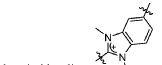
- A catalyst-coated membrane featuring a random copolymer with specific anion counterbalances and degree of methylation, combined with a catalyst coating, which enhances chemical stability, mechanical properties, and conductivity, allowing for scalable production and resistance to CO2 impurities.



Environmental Regulations for Aromatic Polymer Applications
The regulatory landscape for aromatic polymer applications has become increasingly stringent as environmental concerns regarding benzene-containing compounds continue to escalate. Current environmental regulations primarily focus on controlling the release of volatile organic compounds (VOCs) and potential carcinogenic substances during polymer production, processing, and end-of-life disposal. The European Union's REACH regulation and the United States Environmental Protection Agency's Toxic Substances Control Act represent the most comprehensive frameworks governing aromatic polymer usage, establishing strict limits on benzene emissions and requiring extensive safety documentation for new polymer formulations.
Occupational safety standards have emerged as a critical regulatory component, particularly addressing worker exposure to benzene vapors during polymer manufacturing processes. The Occupational Safety and Health Administration has established permissible exposure limits of 1 ppm for benzene in workplace environments, directly impacting how aromatic polymers are synthesized and processed. These regulations necessitate advanced ventilation systems, personal protective equipment, and continuous monitoring protocols, significantly influencing production costs and facility design requirements.
Waste management regulations present substantial challenges for aromatic polymer applications, as benzene-containing polymer waste requires specialized treatment and disposal methods. The Resource Conservation and Recovery Act classifies certain aromatic polymer wastes as hazardous materials, mandating specific handling, transportation, and disposal procedures. This regulatory framework has accelerated the development of polymer recycling technologies and biodegradable aromatic polymer alternatives to minimize environmental impact.
Emerging regulations are increasingly focusing on product lifecycle assessments and extended producer responsibility for aromatic polymer applications. Several jurisdictions are implementing cradle-to-grave tracking requirements, compelling manufacturers to demonstrate environmental compliance throughout the entire product lifecycle. These evolving regulatory trends are driving innovation toward more sustainable aromatic polymer formulations and processing technologies.
The regulatory compliance burden has created significant market barriers for smaller manufacturers while incentivizing larger corporations to invest in cleaner production technologies. Future regulatory developments are expected to further tighten emission standards and expand the scope of controlled substances, potentially reshaping the competitive landscape for aromatic polymer applications across multiple industries.
Occupational safety standards have emerged as a critical regulatory component, particularly addressing worker exposure to benzene vapors during polymer manufacturing processes. The Occupational Safety and Health Administration has established permissible exposure limits of 1 ppm for benzene in workplace environments, directly impacting how aromatic polymers are synthesized and processed. These regulations necessitate advanced ventilation systems, personal protective equipment, and continuous monitoring protocols, significantly influencing production costs and facility design requirements.
Waste management regulations present substantial challenges for aromatic polymer applications, as benzene-containing polymer waste requires specialized treatment and disposal methods. The Resource Conservation and Recovery Act classifies certain aromatic polymer wastes as hazardous materials, mandating specific handling, transportation, and disposal procedures. This regulatory framework has accelerated the development of polymer recycling technologies and biodegradable aromatic polymer alternatives to minimize environmental impact.
Emerging regulations are increasingly focusing on product lifecycle assessments and extended producer responsibility for aromatic polymer applications. Several jurisdictions are implementing cradle-to-grave tracking requirements, compelling manufacturers to demonstrate environmental compliance throughout the entire product lifecycle. These evolving regulatory trends are driving innovation toward more sustainable aromatic polymer formulations and processing technologies.
The regulatory compliance burden has created significant market barriers for smaller manufacturers while incentivizing larger corporations to invest in cleaner production technologies. Future regulatory developments are expected to further tighten emission standards and expand the scope of controlled substances, potentially reshaping the competitive landscape for aromatic polymer applications across multiple industries.
Sustainability Considerations in Aromatic Polymer Design
The integration of sustainability principles into aromatic polymer design has become increasingly critical as environmental regulations tighten and consumer demand for eco-friendly materials grows. Traditional benzene-based polymers, while offering excellent stability and performance characteristics, often present significant environmental challenges throughout their lifecycle. The optimization of benzene ring stability must therefore be balanced against sustainability imperatives, creating a complex design paradigm that requires innovative approaches to material development.
Life cycle assessment considerations play a pivotal role in sustainable aromatic polymer design. The environmental impact begins with raw material extraction and synthesis, where benzene derivatives typically require energy-intensive petrochemical processes. Optimizing benzene ring stability through sustainable pathways involves exploring bio-based aromatic precursors derived from lignin, plant phenolics, or engineered biological systems. These alternative feedstocks can maintain the desired aromatic character while reducing carbon footprint and dependence on fossil fuel resources.
End-of-life management represents another crucial sustainability dimension in aromatic polymer optimization. Enhanced benzene ring stability, while beneficial for performance, can impede biodegradation and recycling processes. Advanced design strategies now focus on incorporating reversible crosslinking mechanisms, degradable spacer units, or stimuli-responsive functionalities that maintain stability during use but enable controlled breakdown under specific conditions. Chemical recycling approaches, including depolymerization and monomer recovery, are being developed specifically for stable aromatic systems.
Circular economy principles are driving innovation in aromatic polymer architecture. Design for recyclability involves creating polymers with optimized benzene ring stability that can undergo multiple use cycles without significant property degradation. This includes developing compatibilization strategies for mixed aromatic waste streams and establishing closed-loop recycling systems. Additionally, the concept of chemical upcycling is gaining traction, where stable aromatic polymers are converted into higher-value products rather than simply being disposed of or downcycled.
Green chemistry principles are increasingly influencing the optimization strategies for benzene ring stability. Solvent-free synthesis routes, catalytic processes with reduced environmental impact, and atom-economical reactions are being prioritized in polymer design. The development of renewable aromatic building blocks that can achieve comparable stability to traditional benzene derivatives represents a significant advancement in sustainable polymer chemistry, offering pathways to maintain performance while minimizing environmental impact.
Life cycle assessment considerations play a pivotal role in sustainable aromatic polymer design. The environmental impact begins with raw material extraction and synthesis, where benzene derivatives typically require energy-intensive petrochemical processes. Optimizing benzene ring stability through sustainable pathways involves exploring bio-based aromatic precursors derived from lignin, plant phenolics, or engineered biological systems. These alternative feedstocks can maintain the desired aromatic character while reducing carbon footprint and dependence on fossil fuel resources.
End-of-life management represents another crucial sustainability dimension in aromatic polymer optimization. Enhanced benzene ring stability, while beneficial for performance, can impede biodegradation and recycling processes. Advanced design strategies now focus on incorporating reversible crosslinking mechanisms, degradable spacer units, or stimuli-responsive functionalities that maintain stability during use but enable controlled breakdown under specific conditions. Chemical recycling approaches, including depolymerization and monomer recovery, are being developed specifically for stable aromatic systems.
Circular economy principles are driving innovation in aromatic polymer architecture. Design for recyclability involves creating polymers with optimized benzene ring stability that can undergo multiple use cycles without significant property degradation. This includes developing compatibilization strategies for mixed aromatic waste streams and establishing closed-loop recycling systems. Additionally, the concept of chemical upcycling is gaining traction, where stable aromatic polymers are converted into higher-value products rather than simply being disposed of or downcycled.
Green chemistry principles are increasingly influencing the optimization strategies for benzene ring stability. Solvent-free synthesis routes, catalytic processes with reduced environmental impact, and atom-economical reactions are being prioritized in polymer design. The development of renewable aromatic building blocks that can achieve comparable stability to traditional benzene derivatives represents a significant advancement in sustainable polymer chemistry, offering pathways to maintain performance while minimizing environmental impact.
Unlock deeper insights with Patsnap Eureka Quick Research — get a full tech report to explore trends and direct your research. Try now!
Generate Your Research Report Instantly with AI Agent
Supercharge your innovation with Patsnap Eureka AI Agent Platform!