
Bio-based vs Petroleum-based Materials: Lifecycle Analysis
MAR 30, 20269 MIN READ
Generate Your Research Report Instantly with AI Agent
Patsnap Eureka helps you evaluate technical feasibility & market potential.
Bio-based Materials Development Background and Objectives
The development of bio-based materials has emerged as a critical response to mounting environmental concerns and the urgent need for sustainable alternatives to petroleum-derived products. This technological evolution represents a fundamental shift from fossil fuel dependency toward renewable resource utilization, driven by climate change imperatives and circular economy principles.
The historical trajectory of bio-based materials spans several decades, beginning with early cellulose-based plastics in the mid-20th century and evolving through successive generations of biopolymers, bio-composites, and advanced biomaterials. Recent breakthroughs in biotechnology, synthetic biology, and green chemistry have accelerated development timelines and expanded application possibilities across multiple industries.
Current market dynamics reflect increasing regulatory pressure for sustainable materials, with governments worldwide implementing plastic waste reduction policies and carbon emission targets. Consumer awareness regarding environmental impact has simultaneously created demand-side pull for eco-friendly alternatives, establishing favorable conditions for bio-based material adoption.
The technology evolution demonstrates clear progression from first-generation bio-based materials derived from food crops to advanced third-generation materials utilizing algae, agricultural waste, and engineered microorganisms. This progression addresses sustainability concerns while improving performance characteristics and cost competitiveness against petroleum-based counterparts.
Primary development objectives center on achieving performance parity with conventional materials while maintaining environmental advantages throughout complete product lifecycles. Key targets include enhancing mechanical properties, thermal stability, and processing characteristics to enable broader industrial applications without compromising sustainability benefits.
Economic viability represents another fundamental objective, requiring cost reduction through improved production efficiency, scaled manufacturing processes, and optimized supply chain integration. The technology aims to achieve price competitiveness within five to ten years across major application segments including packaging, automotive components, and consumer goods.
Environmental impact minimization extends beyond simple renewable feedstock utilization to encompass comprehensive lifecycle optimization. This includes reducing energy consumption during production, minimizing water usage, eliminating toxic processing chemicals, and ensuring end-of-life biodegradability or recyclability.
The strategic importance of bio-based materials development lies in establishing technological independence from volatile petroleum markets while creating new value chains based on renewable resources. This transition supports rural economic development through agricultural integration and positions adopting regions as leaders in the emerging bioeconomy.
The historical trajectory of bio-based materials spans several decades, beginning with early cellulose-based plastics in the mid-20th century and evolving through successive generations of biopolymers, bio-composites, and advanced biomaterials. Recent breakthroughs in biotechnology, synthetic biology, and green chemistry have accelerated development timelines and expanded application possibilities across multiple industries.
Current market dynamics reflect increasing regulatory pressure for sustainable materials, with governments worldwide implementing plastic waste reduction policies and carbon emission targets. Consumer awareness regarding environmental impact has simultaneously created demand-side pull for eco-friendly alternatives, establishing favorable conditions for bio-based material adoption.
The technology evolution demonstrates clear progression from first-generation bio-based materials derived from food crops to advanced third-generation materials utilizing algae, agricultural waste, and engineered microorganisms. This progression addresses sustainability concerns while improving performance characteristics and cost competitiveness against petroleum-based counterparts.
Primary development objectives center on achieving performance parity with conventional materials while maintaining environmental advantages throughout complete product lifecycles. Key targets include enhancing mechanical properties, thermal stability, and processing characteristics to enable broader industrial applications without compromising sustainability benefits.
Economic viability represents another fundamental objective, requiring cost reduction through improved production efficiency, scaled manufacturing processes, and optimized supply chain integration. The technology aims to achieve price competitiveness within five to ten years across major application segments including packaging, automotive components, and consumer goods.
Environmental impact minimization extends beyond simple renewable feedstock utilization to encompass comprehensive lifecycle optimization. This includes reducing energy consumption during production, minimizing water usage, eliminating toxic processing chemicals, and ensuring end-of-life biodegradability or recyclability.
The strategic importance of bio-based materials development lies in establishing technological independence from volatile petroleum markets while creating new value chains based on renewable resources. This transition supports rural economic development through agricultural integration and positions adopting regions as leaders in the emerging bioeconomy.
Market Demand for Sustainable Material Alternatives
The global shift toward sustainable materials is fundamentally reshaping market dynamics across multiple industries, driven by increasingly stringent environmental regulations and evolving consumer preferences. Traditional petroleum-based materials face mounting pressure as governments worldwide implement carbon reduction mandates and circular economy policies. The European Union's Green Deal and similar initiatives in North America and Asia-Pacific regions are establishing regulatory frameworks that favor bio-based alternatives, creating substantial market opportunities for companies investing in sustainable material technologies.
Consumer awareness regarding environmental impact has reached unprecedented levels, particularly among younger demographics who prioritize sustainability in purchasing decisions. This behavioral shift extends beyond individual consumers to corporate procurement strategies, where companies are actively seeking bio-based alternatives to meet their own sustainability commitments and ESG reporting requirements. Major brands across packaging, automotive, textiles, and construction sectors are establishing ambitious targets for renewable material adoption, creating sustained demand for bio-based solutions.
The packaging industry represents the largest and most immediate market opportunity for bio-based materials, driven by single-use plastic regulations and consumer demand for compostable alternatives. Food and beverage companies are increasingly adopting bio-based packaging solutions despite higher initial costs, recognizing the long-term value proposition in brand differentiation and regulatory compliance. Similarly, the automotive sector is experiencing growing demand for bio-based composites and interior materials as manufacturers pursue lightweighting goals while reducing carbon footprints.
Market penetration barriers remain significant, primarily centered on cost competitiveness and performance parity with petroleum-based incumbents. However, scaling production capabilities and technological improvements are gradually narrowing these gaps. Investment flows into bio-based material startups and established chemical companies' sustainability divisions indicate strong market confidence in long-term demand growth.
Supply chain considerations are becoming increasingly critical as companies evaluate total lifecycle impacts rather than focusing solely on end-product sustainability. This comprehensive approach is driving demand for materials that demonstrate superior environmental performance across extraction, processing, use, and end-of-life phases, positioning bio-based alternatives favorably when lifecycle analysis methodologies are properly applied.
Consumer awareness regarding environmental impact has reached unprecedented levels, particularly among younger demographics who prioritize sustainability in purchasing decisions. This behavioral shift extends beyond individual consumers to corporate procurement strategies, where companies are actively seeking bio-based alternatives to meet their own sustainability commitments and ESG reporting requirements. Major brands across packaging, automotive, textiles, and construction sectors are establishing ambitious targets for renewable material adoption, creating sustained demand for bio-based solutions.
The packaging industry represents the largest and most immediate market opportunity for bio-based materials, driven by single-use plastic regulations and consumer demand for compostable alternatives. Food and beverage companies are increasingly adopting bio-based packaging solutions despite higher initial costs, recognizing the long-term value proposition in brand differentiation and regulatory compliance. Similarly, the automotive sector is experiencing growing demand for bio-based composites and interior materials as manufacturers pursue lightweighting goals while reducing carbon footprints.
Market penetration barriers remain significant, primarily centered on cost competitiveness and performance parity with petroleum-based incumbents. However, scaling production capabilities and technological improvements are gradually narrowing these gaps. Investment flows into bio-based material startups and established chemical companies' sustainability divisions indicate strong market confidence in long-term demand growth.
Supply chain considerations are becoming increasingly critical as companies evaluate total lifecycle impacts rather than focusing solely on end-product sustainability. This comprehensive approach is driving demand for materials that demonstrate superior environmental performance across extraction, processing, use, and end-of-life phases, positioning bio-based alternatives favorably when lifecycle analysis methodologies are properly applied.
Current Status of Bio-based vs Petroleum-based Materials
The global materials landscape is experiencing a significant transformation as bio-based materials gain momentum against traditional petroleum-based alternatives. Currently, petroleum-based materials dominate the market with an estimated 95% share of the global plastics production, totaling approximately 370 million tons annually. However, bio-based materials are experiencing rapid growth, with the market expanding at a compound annual growth rate of 8-12% over the past five years.
Bio-based materials have achieved commercial viability in several key sectors. Bioplastics such as polylactic acid (PLA), polyhydroxyalkanoates (PHA), and bio-based polyethylene have established strong footholds in packaging, automotive components, and consumer goods. The production capacity for bio-based materials has reached approximately 2.4 million tons globally, with Europe leading at 45% of total capacity, followed by Asia-Pacific at 35% and North America at 20%.
Petroleum-based materials continue to benefit from mature manufacturing infrastructure, established supply chains, and cost advantages derived from decades of optimization. The average production cost for conventional plastics ranges from $1,000-2,500 per ton, while bio-based alternatives typically cost 20-50% more due to smaller production scales and developing technologies.
Performance characteristics present a mixed landscape. Petroleum-based materials excel in durability, chemical resistance, and mechanical properties, making them irreplaceable in demanding applications such as aerospace and medical devices. Bio-based materials have made substantial progress in matching these properties, with some variants achieving comparable tensile strength and thermal stability.
The regulatory environment increasingly favors bio-based materials through carbon pricing mechanisms, plastic waste regulations, and sustainability mandates. The European Union's Single-Use Plastics Directive and similar legislation in over 60 countries are accelerating adoption of bio-based alternatives.
Investment flows reflect this shifting paradigm, with venture capital funding for bio-based material startups reaching $2.8 billion in 2023, representing a 40% increase from the previous year. Major chemical companies are establishing dedicated bio-based divisions and forming strategic partnerships with biotechnology firms to accelerate development timelines.
Despite progress, bio-based materials face constraints including limited feedstock availability, competition with food production, and scalability challenges. Current global production capacity utilizes less than 0.02% of available agricultural residues, indicating substantial room for expansion without impacting food security.
Bio-based materials have achieved commercial viability in several key sectors. Bioplastics such as polylactic acid (PLA), polyhydroxyalkanoates (PHA), and bio-based polyethylene have established strong footholds in packaging, automotive components, and consumer goods. The production capacity for bio-based materials has reached approximately 2.4 million tons globally, with Europe leading at 45% of total capacity, followed by Asia-Pacific at 35% and North America at 20%.
Petroleum-based materials continue to benefit from mature manufacturing infrastructure, established supply chains, and cost advantages derived from decades of optimization. The average production cost for conventional plastics ranges from $1,000-2,500 per ton, while bio-based alternatives typically cost 20-50% more due to smaller production scales and developing technologies.
Performance characteristics present a mixed landscape. Petroleum-based materials excel in durability, chemical resistance, and mechanical properties, making them irreplaceable in demanding applications such as aerospace and medical devices. Bio-based materials have made substantial progress in matching these properties, with some variants achieving comparable tensile strength and thermal stability.
The regulatory environment increasingly favors bio-based materials through carbon pricing mechanisms, plastic waste regulations, and sustainability mandates. The European Union's Single-Use Plastics Directive and similar legislation in over 60 countries are accelerating adoption of bio-based alternatives.
Investment flows reflect this shifting paradigm, with venture capital funding for bio-based material startups reaching $2.8 billion in 2023, representing a 40% increase from the previous year. Major chemical companies are establishing dedicated bio-based divisions and forming strategic partnerships with biotechnology firms to accelerate development timelines.
Despite progress, bio-based materials face constraints including limited feedstock availability, competition with food production, and scalability challenges. Current global production capacity utilizes less than 0.02% of available agricultural residues, indicating substantial room for expansion without impacting food security.
Current Lifecycle Assessment Methodologies
01 Bio-based polymer production and characterization methods
Methods for producing bio-based polymers from renewable resources and characterizing their properties throughout the lifecycle. This includes processes for converting biomass feedstocks into polymer materials and evaluating their physical, chemical, and mechanical properties. The characterization encompasses assessment of degradation behavior, environmental impact, and performance metrics compared to conventional materials.- Bio-based polymer production and characterization methods: Methods for producing bio-based polymers from renewable resources and characterizing their properties throughout the lifecycle. This includes processes for converting biomass feedstocks into polymer materials and evaluating their physical, chemical, and mechanical properties. The characterization encompasses assessment of biodegradability, carbon footprint, and environmental impact compared to conventional petroleum-based alternatives.
- Lifecycle assessment frameworks and methodologies: Comprehensive frameworks and methodologies for conducting lifecycle analysis comparing bio-based and petroleum-based materials. These approaches evaluate environmental impacts across all stages including raw material extraction, processing, manufacturing, use phase, and end-of-life disposal. The assessment methods incorporate metrics for carbon emissions, energy consumption, water usage, and ecological footprint to provide quantitative comparisons between material types.
- Carbon footprint and greenhouse gas emission analysis: Analytical methods and systems for quantifying and comparing carbon footprints and greenhouse gas emissions between bio-based and petroleum-based materials throughout their lifecycles. This includes measurement techniques for assessing carbon sequestration in bio-based materials, emissions during production processes, and net carbon balance calculations. The analysis provides data-driven insights into climate impact differences between material sources.
- Biodegradability and end-of-life impact assessment: Methods for evaluating biodegradability characteristics and end-of-life environmental impacts of bio-based versus petroleum-based materials. This encompasses testing protocols for measuring decomposition rates, compostability, and environmental persistence. The assessment includes analysis of degradation products, soil and water contamination potential, and circular economy considerations for material recovery and recycling.
- Resource efficiency and sustainability metrics: Comprehensive sustainability metrics and resource efficiency evaluation methods for comparing bio-based and petroleum-based materials. This includes assessment of renewable resource utilization, land use requirements, water consumption, and energy efficiency ratios. The metrics provide quantitative measures for evaluating overall sustainability performance and identifying optimization opportunities in material selection and production processes.
02 Lifecycle assessment methodologies for material comparison
Systematic approaches for conducting comprehensive lifecycle assessments that compare environmental impacts of different material sources. These methodologies include frameworks for evaluating carbon footprint, energy consumption, resource depletion, and emissions across all stages from raw material extraction through end-of-life disposal. The assessment tools enable quantitative comparison of sustainability metrics between alternative material options.Expand Specific Solutions03 Bio-based material processing and manufacturing optimization
Techniques for optimizing the processing and manufacturing of bio-based materials to improve their lifecycle performance. This includes methods for enhancing production efficiency, reducing waste generation, and minimizing energy requirements during conversion processes. The optimization strategies focus on improving the overall environmental profile while maintaining or enhancing material properties and cost-effectiveness.Expand Specific Solutions04 End-of-life management and biodegradability assessment
Systems and methods for evaluating end-of-life scenarios including biodegradation, composting, recycling, and disposal options for both bio-based and petroleum-based materials. This encompasses testing protocols for measuring biodegradation rates, assessing environmental persistence, and determining optimal disposal pathways. The assessment includes comparison of decomposition products and their environmental impacts.Expand Specific Solutions05 Carbon footprint and greenhouse gas emission analysis
Analytical frameworks for quantifying and comparing carbon footprints and greenhouse gas emissions associated with bio-based versus petroleum-based material lifecycles. This includes methods for measuring emissions during feedstock cultivation or extraction, processing, transportation, use phase, and disposal. The analysis incorporates carbon sequestration benefits of bio-based materials and fossil carbon release from petroleum-based alternatives.Expand Specific Solutions
Major Players in Bio-based Materials Industry
The bio-based versus petroleum-based materials lifecycle analysis represents a rapidly evolving competitive landscape driven by sustainability imperatives and regulatory pressures. The industry is transitioning from early-stage development to commercial viability, with market growth accelerated by environmental concerns and corporate sustainability commitments. Technology maturity varies significantly across players: established petroleum giants like China Petroleum & Chemical Corp. and Sinopec are investing in bio-based alternatives, while specialized companies like SixRing Inc. and Gevo Inc. demonstrate advanced bio-conversion technologies. Traditional manufacturers such as Kingfa Sci. & Tech. and Toray Plastics are integrating bio-based solutions into existing portfolios. Research institutions including Beijing University of Chemical Technology and Fraunhofer-Gesellschaft are advancing fundamental technologies. Consumer brands like Coca-Cola are driving demand through sustainable packaging initiatives. The competitive dynamics show convergence between traditional petrochemical expertise and emerging biotechnology capabilities, with success increasingly dependent on scalable, cost-competitive bio-based production processes.
Archer-Daniels-Midland Co.
Technical Solution: ADM has developed comprehensive lifecycle assessment methodologies for bio-based materials production from agricultural feedstocks. Their approach integrates carbon footprint analysis across the entire value chain, from crop cultivation through processing to end-of-life disposal. The company utilizes advanced biorefinery technologies to convert corn, soybeans, and other renewable resources into bio-based chemicals and materials, with documented reductions in greenhouse gas emissions of 20-80% compared to petroleum-based alternatives. Their LCA framework incorporates land use change impacts, water consumption metrics, and energy efficiency optimization throughout the production process.
Strengths: Extensive agricultural supply chain integration and proven biorefinery infrastructure. Weaknesses: Dependence on food crop feedstocks may raise sustainability concerns regarding food security.
China Petroleum & Chemical Corp.
Technical Solution: SINOPEC has established comparative lifecycle assessment protocols for evaluating petroleum-based materials against emerging bio-based alternatives. Their methodology encompasses cradle-to-grave analysis including crude oil extraction, refining processes, petrochemical production, and waste management. The company has developed proprietary LCA software tools that quantify environmental impacts across multiple categories including carbon emissions, water usage, and ecosystem effects. Their research demonstrates the energy density advantages of petroleum-based materials while identifying optimization opportunities for reducing environmental footprint through process improvements and circular economy principles.
Strengths: Comprehensive petroleum industry expertise and established infrastructure for traditional materials. Weaknesses: Limited diversification into bio-based alternatives and higher carbon intensity in production processes.
Core LCA Technologies for Material Comparison
Biaxially oriented bio-based polyester window films and laminates
PatentInactiveUS20130344345A1
Innovation
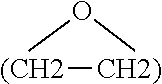
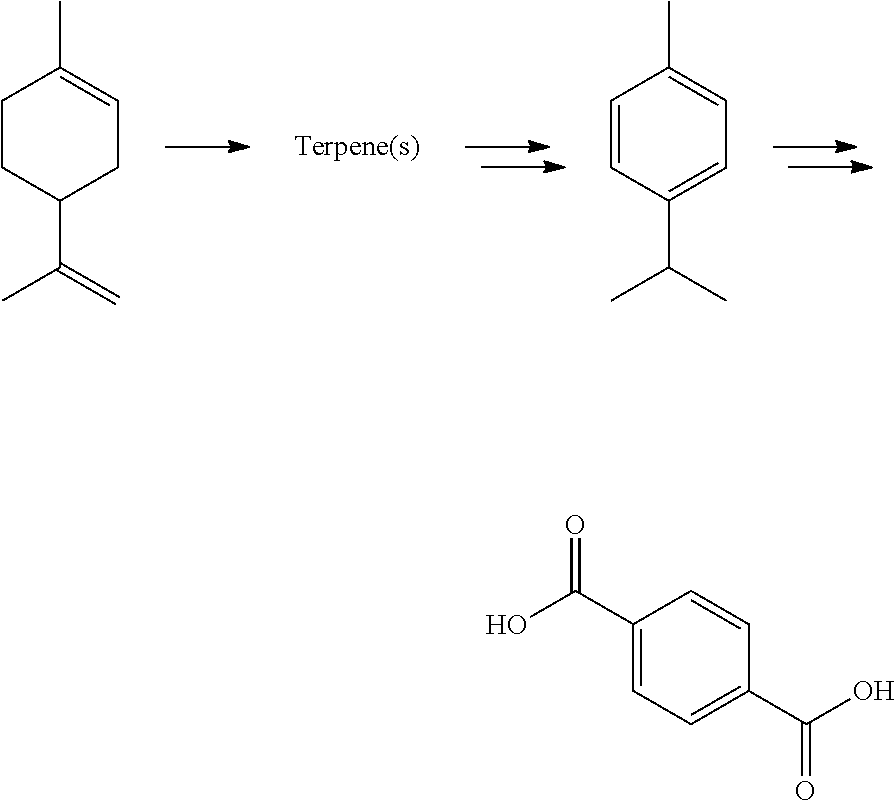
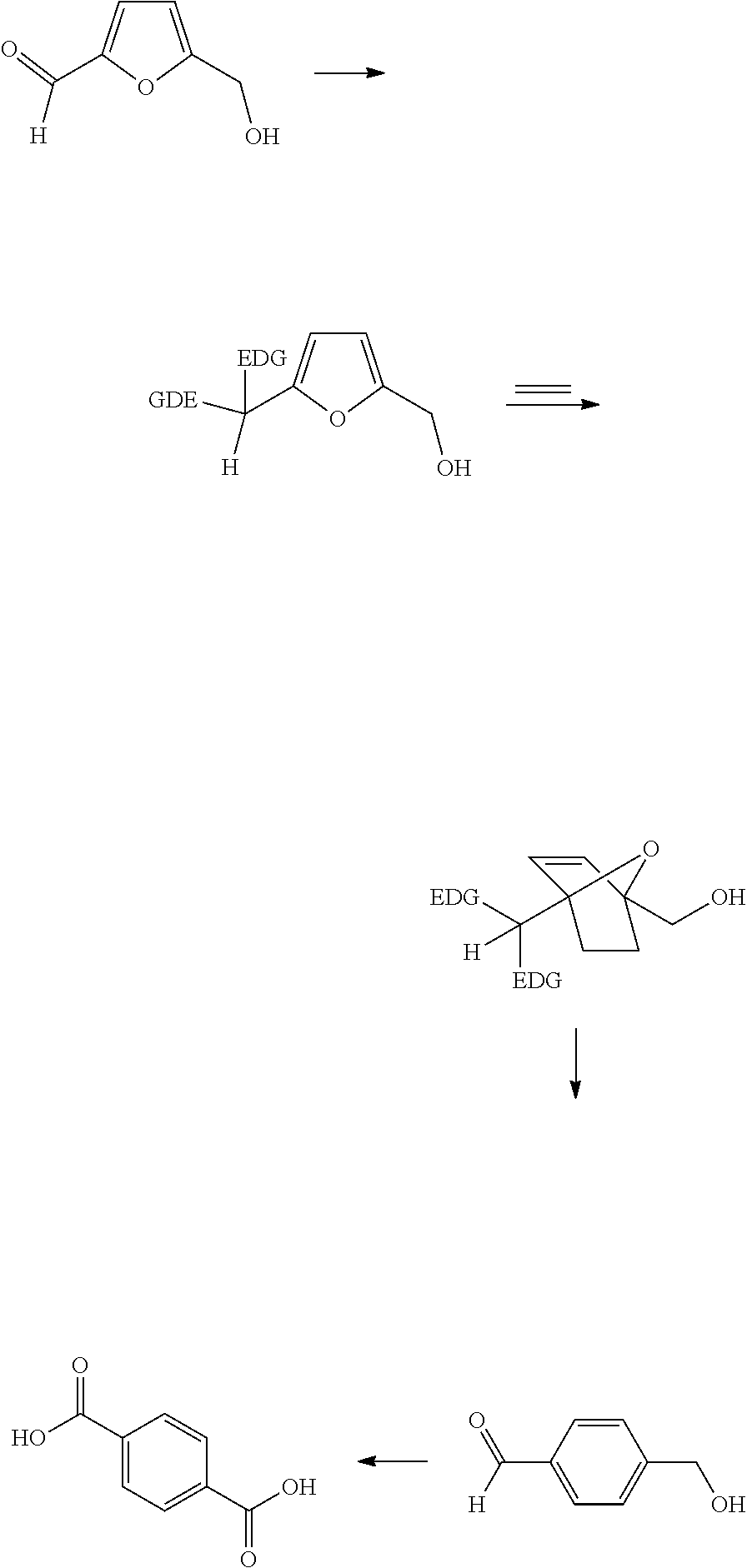
- The development of bio-based polyethylene terephthalate (PET) films and laminates derived from non-petroleum sources, which maintain quality and processability while reducing carbon emissions, incorporating bio-based monomers from plant-based intermediates like alcohols and sugars, and using additives for anti-block and UV protection.

Bio-based composites, composite materials, and adhesives
PatentActiveUS10844224B2
Innovation
- Development of engineered wood materials using bio-based matrix and filler materials, such as dried distillers grains and solubles, soybean flour, and seed press cakes, combined with wood particles, and processed at elevated temperatures and pressures to create a sustainable and non-toxic alternative.


Environmental Policy Impact on Material Selection
Environmental policies worldwide are fundamentally reshaping material selection criteria across industries, creating a regulatory landscape that increasingly favors bio-based materials over petroleum-based alternatives. The European Union's Circular Economy Action Plan and the United States' Sustainable Chemistry Research and Development Act exemplify how legislative frameworks are establishing mandatory sustainability assessments for material procurement in public sectors and incentivizing private sector adoption through tax benefits and grants.
Carbon pricing mechanisms, including carbon taxes and cap-and-trade systems, are directly influencing the economic viability of material choices. Countries like Sweden and Canada have implemented carbon tax structures that significantly increase the cost burden of petroleum-based materials throughout their lifecycle, from extraction to disposal. These policies create economic advantages for bio-based alternatives that typically demonstrate lower carbon footprints during production and end-of-life phases.
Extended Producer Responsibility regulations are compelling manufacturers to internalize the environmental costs of their material choices. The EU's Single-Use Plastics Directive and similar legislation in countries like France and Germany mandate the use of renewable content in packaging materials, effectively driving demand for bio-based polymers and composites. These regulations establish minimum bio-content thresholds and impose penalties for non-compliance, creating clear market incentives for sustainable material adoption.
Green public procurement policies are leveraging government purchasing power to accelerate market transformation. The US Federal Acquisition Regulation now requires federal agencies to prioritize bio-based products when they meet performance requirements and cost competitiveness criteria. Similar initiatives in Japan and South Korea are establishing procurement preferences for materials with verified lifecycle environmental benefits, creating stable demand channels for bio-based alternatives.
Emerging policy frameworks are also addressing end-of-life considerations through waste management regulations and biodegradability standards. The implementation of plastic waste import bans and landfill diversion targets is increasing the total cost of ownership for petroleum-based materials, while policies promoting industrial composting infrastructure are enhancing the value proposition of biodegradable bio-based materials in lifecycle cost analyses.
Carbon pricing mechanisms, including carbon taxes and cap-and-trade systems, are directly influencing the economic viability of material choices. Countries like Sweden and Canada have implemented carbon tax structures that significantly increase the cost burden of petroleum-based materials throughout their lifecycle, from extraction to disposal. These policies create economic advantages for bio-based alternatives that typically demonstrate lower carbon footprints during production and end-of-life phases.
Extended Producer Responsibility regulations are compelling manufacturers to internalize the environmental costs of their material choices. The EU's Single-Use Plastics Directive and similar legislation in countries like France and Germany mandate the use of renewable content in packaging materials, effectively driving demand for bio-based polymers and composites. These regulations establish minimum bio-content thresholds and impose penalties for non-compliance, creating clear market incentives for sustainable material adoption.
Green public procurement policies are leveraging government purchasing power to accelerate market transformation. The US Federal Acquisition Regulation now requires federal agencies to prioritize bio-based products when they meet performance requirements and cost competitiveness criteria. Similar initiatives in Japan and South Korea are establishing procurement preferences for materials with verified lifecycle environmental benefits, creating stable demand channels for bio-based alternatives.
Emerging policy frameworks are also addressing end-of-life considerations through waste management regulations and biodegradability standards. The implementation of plastic waste import bans and landfill diversion targets is increasing the total cost of ownership for petroleum-based materials, while policies promoting industrial composting infrastructure are enhancing the value proposition of biodegradable bio-based materials in lifecycle cost analyses.
Carbon Footprint Standards for Material Assessment
The establishment of standardized carbon footprint assessment frameworks has become critical for evaluating the environmental performance of bio-based versus petroleum-based materials. Current international standards, including ISO 14067 and PAS 2050, provide foundational methodologies for quantifying greenhouse gas emissions throughout material lifecycles. These standards define system boundaries, allocation procedures, and impact categories essential for comparative assessments between renewable and fossil-derived materials.
The Greenhouse Gas Protocol Corporate Standard serves as a primary framework for organizational carbon accounting, establishing three scope categories that encompass direct emissions, purchased energy, and value chain activities. For material assessment, Scope 3 emissions often represent the largest component, particularly for bio-based materials where agricultural production, land use change, and processing contribute significantly to overall carbon footprints.
Regional variations in carbon footprint standards reflect different policy priorities and methodological approaches. The European Union's Product Environmental Footprint methodology emphasizes multi-criteria assessment beyond carbon metrics, while the Carbon Trust Standard focuses specifically on carbon reduction verification. These frameworks increasingly incorporate biogenic carbon accounting rules that distinguish between fossil and renewable carbon sources, crucial for accurate bio-based material evaluation.
Emerging standards address specific challenges in bio-based material assessment, including temporal carbon storage, land use change impacts, and end-of-life scenarios. The ISO 14855 series provides standardized methods for measuring biodegradability and compostability, while ASTM D6400 establishes criteria for compostable plastics. These complementary standards enable comprehensive environmental performance evaluation beyond carbon footprint alone.
Industry-specific carbon footprint standards are evolving to address sector-particular requirements. The Sustainable Packaging Coalition's How2Recycle program integrates carbon considerations with circularity metrics, while the Ellen MacArthur Foundation's guidelines emphasize system-level impacts. These specialized frameworks recognize that material selection decisions must balance carbon performance with functionality, cost, and end-of-life management considerations.
Future standardization efforts focus on harmonizing methodologies across jurisdictions and incorporating dynamic factors such as grid decarbonization and technological improvements. Digital product passports and blockchain-based tracking systems are being integrated with carbon footprint standards to enable real-time environmental performance monitoring throughout material supply chains.
The Greenhouse Gas Protocol Corporate Standard serves as a primary framework for organizational carbon accounting, establishing three scope categories that encompass direct emissions, purchased energy, and value chain activities. For material assessment, Scope 3 emissions often represent the largest component, particularly for bio-based materials where agricultural production, land use change, and processing contribute significantly to overall carbon footprints.
Regional variations in carbon footprint standards reflect different policy priorities and methodological approaches. The European Union's Product Environmental Footprint methodology emphasizes multi-criteria assessment beyond carbon metrics, while the Carbon Trust Standard focuses specifically on carbon reduction verification. These frameworks increasingly incorporate biogenic carbon accounting rules that distinguish between fossil and renewable carbon sources, crucial for accurate bio-based material evaluation.
Emerging standards address specific challenges in bio-based material assessment, including temporal carbon storage, land use change impacts, and end-of-life scenarios. The ISO 14855 series provides standardized methods for measuring biodegradability and compostability, while ASTM D6400 establishes criteria for compostable plastics. These complementary standards enable comprehensive environmental performance evaluation beyond carbon footprint alone.
Industry-specific carbon footprint standards are evolving to address sector-particular requirements. The Sustainable Packaging Coalition's How2Recycle program integrates carbon considerations with circularity metrics, while the Ellen MacArthur Foundation's guidelines emphasize system-level impacts. These specialized frameworks recognize that material selection decisions must balance carbon performance with functionality, cost, and end-of-life management considerations.
Future standardization efforts focus on harmonizing methodologies across jurisdictions and incorporating dynamic factors such as grid decarbonization and technological improvements. Digital product passports and blockchain-based tracking systems are being integrated with carbon footprint standards to enable real-time environmental performance monitoring throughout material supply chains.
Unlock deeper insights with Patsnap Eureka Quick Research — get a full tech report to explore trends and direct your research. Try now!
Generate Your Research Report Instantly with AI Agent
Supercharge your innovation with Patsnap Eureka AI Agent Platform!