
Optimizing Conductivity in Sustainable Electronic Materials
MAR 30, 20269 MIN READ
Generate Your Research Report Instantly with AI Agent
Patsnap Eureka helps you evaluate technical feasibility & market potential.
Sustainable Electronic Materials Background and Conductivity Goals
The evolution of sustainable electronic materials represents a paradigm shift in the electronics industry, driven by mounting environmental concerns and resource scarcity. Traditional electronic materials, particularly those containing rare earth elements and toxic compounds, have created significant ecological challenges throughout their lifecycle. The transition toward sustainable alternatives has emerged as a critical technological imperative, fundamentally reshaping material science approaches in electronics manufacturing.
Historical development in this field began with early investigations into organic semiconductors in the 1960s, followed by breakthrough discoveries in conductive polymers during the 1970s. The Nobel Prize-winning work on conducting polymers by Heeger, MacDiarmid, and Shirakawa marked a pivotal moment, establishing the foundation for sustainable electronic materials research. Subsequent decades witnessed accelerated development of bio-based materials, recyclable composites, and environmentally benign processing techniques.
Contemporary market drivers include stringent environmental regulations, corporate sustainability mandates, and growing consumer awareness of ecological impact. The European Union's RoHS directive and WEEE regulations have catalyzed industry-wide adoption of sustainable material alternatives. Additionally, supply chain vulnerabilities exposed by geopolitical tensions have intensified the search for abundant, locally sourced materials with comparable electronic properties.
The primary technical challenge lies in achieving optimal electrical conductivity while maintaining environmental sustainability. Conventional high-performance electronic materials often rely on scarce or toxic elements that deliver superior conductivity through well-established mechanisms. Sustainable alternatives must overcome inherent limitations in charge carrier mobility, material stability, and processing compatibility without compromising performance standards required for commercial applications.
Current conductivity optimization goals encompass multiple dimensions: achieving conductivity levels comparable to traditional materials, maintaining performance stability under operational conditions, ensuring scalable manufacturing processes, and minimizing environmental impact throughout the material lifecycle. These objectives require innovative approaches to molecular design, nanostructure engineering, and interface optimization.
The technological roadmap toward these goals involves developing novel synthesis methods, exploring biomimetic design principles, and implementing advanced characterization techniques to understand structure-property relationships. Success in this domain will enable widespread adoption of sustainable electronic materials across diverse applications, from consumer electronics to renewable energy systems, ultimately supporting the transition toward a circular economy in the electronics sector.
Historical development in this field began with early investigations into organic semiconductors in the 1960s, followed by breakthrough discoveries in conductive polymers during the 1970s. The Nobel Prize-winning work on conducting polymers by Heeger, MacDiarmid, and Shirakawa marked a pivotal moment, establishing the foundation for sustainable electronic materials research. Subsequent decades witnessed accelerated development of bio-based materials, recyclable composites, and environmentally benign processing techniques.
Contemporary market drivers include stringent environmental regulations, corporate sustainability mandates, and growing consumer awareness of ecological impact. The European Union's RoHS directive and WEEE regulations have catalyzed industry-wide adoption of sustainable material alternatives. Additionally, supply chain vulnerabilities exposed by geopolitical tensions have intensified the search for abundant, locally sourced materials with comparable electronic properties.
The primary technical challenge lies in achieving optimal electrical conductivity while maintaining environmental sustainability. Conventional high-performance electronic materials often rely on scarce or toxic elements that deliver superior conductivity through well-established mechanisms. Sustainable alternatives must overcome inherent limitations in charge carrier mobility, material stability, and processing compatibility without compromising performance standards required for commercial applications.
Current conductivity optimization goals encompass multiple dimensions: achieving conductivity levels comparable to traditional materials, maintaining performance stability under operational conditions, ensuring scalable manufacturing processes, and minimizing environmental impact throughout the material lifecycle. These objectives require innovative approaches to molecular design, nanostructure engineering, and interface optimization.
The technological roadmap toward these goals involves developing novel synthesis methods, exploring biomimetic design principles, and implementing advanced characterization techniques to understand structure-property relationships. Success in this domain will enable widespread adoption of sustainable electronic materials across diverse applications, from consumer electronics to renewable energy systems, ultimately supporting the transition toward a circular economy in the electronics sector.
Market Demand for Eco-Friendly Conductive Materials
The global electronics industry is experiencing a fundamental shift toward sustainable materials, driven by increasingly stringent environmental regulations and growing corporate sustainability commitments. Traditional conductive materials, particularly those containing rare earth elements and toxic substances, face mounting pressure from regulatory frameworks such as the EU's RoHS directive and REACH regulation. This regulatory landscape creates substantial market opportunities for eco-friendly conductive alternatives that maintain performance standards while reducing environmental impact.
Consumer electronics manufacturers are actively seeking sustainable conductive materials to meet both regulatory compliance and brand positioning objectives. The smartphone, tablet, and laptop sectors represent particularly significant demand drivers, as these high-volume products require extensive use of conductive materials in circuit boards, connectors, and electromagnetic shielding applications. Major electronics brands are establishing supplier sustainability requirements that explicitly favor materials with reduced carbon footprints and improved recyclability profiles.
The automotive electronics segment presents another substantial growth opportunity, especially within the electric vehicle market. EV manufacturers require large quantities of conductive materials for battery management systems, power electronics, and charging infrastructure. The automotive industry's long product lifecycles and safety requirements create demand for sustainable conductive materials that demonstrate both environmental benefits and proven reliability over extended operational periods.
Renewable energy infrastructure development significantly amplifies market demand for eco-friendly conductive materials. Solar panel manufacturing, wind turbine electronics, and energy storage systems all require substantial quantities of conductive components. The renewable energy sector's inherent focus on environmental sustainability creates natural alignment with eco-friendly material adoption, often justifying premium pricing for materials that support overall system sustainability goals.
Industrial electronics applications, including automation systems, IoT devices, and smart manufacturing equipment, represent an expanding market segment with growing sustainability awareness. Industrial customers increasingly evaluate total cost of ownership including end-of-life disposal costs, creating economic incentives for materials that offer improved recyclability and reduced environmental compliance burdens.
The market demand trajectory indicates accelerating adoption rates as material performance gaps narrow and production scales increase. Early market penetration focuses on applications where sustainability premiums are acceptable, gradually expanding to price-sensitive segments as manufacturing efficiencies improve and regulatory pressures intensify across broader market categories.
Consumer electronics manufacturers are actively seeking sustainable conductive materials to meet both regulatory compliance and brand positioning objectives. The smartphone, tablet, and laptop sectors represent particularly significant demand drivers, as these high-volume products require extensive use of conductive materials in circuit boards, connectors, and electromagnetic shielding applications. Major electronics brands are establishing supplier sustainability requirements that explicitly favor materials with reduced carbon footprints and improved recyclability profiles.
The automotive electronics segment presents another substantial growth opportunity, especially within the electric vehicle market. EV manufacturers require large quantities of conductive materials for battery management systems, power electronics, and charging infrastructure. The automotive industry's long product lifecycles and safety requirements create demand for sustainable conductive materials that demonstrate both environmental benefits and proven reliability over extended operational periods.
Renewable energy infrastructure development significantly amplifies market demand for eco-friendly conductive materials. Solar panel manufacturing, wind turbine electronics, and energy storage systems all require substantial quantities of conductive components. The renewable energy sector's inherent focus on environmental sustainability creates natural alignment with eco-friendly material adoption, often justifying premium pricing for materials that support overall system sustainability goals.
Industrial electronics applications, including automation systems, IoT devices, and smart manufacturing equipment, represent an expanding market segment with growing sustainability awareness. Industrial customers increasingly evaluate total cost of ownership including end-of-life disposal costs, creating economic incentives for materials that offer improved recyclability and reduced environmental compliance burdens.
The market demand trajectory indicates accelerating adoption rates as material performance gaps narrow and production scales increase. Early market penetration focuses on applications where sustainability premiums are acceptable, gradually expanding to price-sensitive segments as manufacturing efficiencies improve and regulatory pressures intensify across broader market categories.
Current Conductivity Challenges in Green Electronics
The pursuit of sustainable electronic materials faces significant conductivity challenges that fundamentally limit the widespread adoption of green electronics. Traditional high-performance conductive materials, such as indium tin oxide (ITO) and various metal-based conductors, rely heavily on rare earth elements and toxic processing methods that contradict sustainability principles. These materials, while offering excellent electrical properties, present supply chain vulnerabilities and environmental concerns that drive the urgent need for alternative solutions.
Organic conductive polymers, despite their environmental advantages, suffer from inherently lower conductivity compared to their inorganic counterparts. Materials like PEDOT:PSS and polyaniline typically exhibit conductivities several orders of magnitude lower than conventional metals, creating performance gaps in applications requiring high current densities or minimal resistive losses. The trade-off between sustainability and electrical performance remains a critical bottleneck in green electronics development.
Carbon-based nanomaterials, including graphene and carbon nanotubes, show promise but face scalability and processing challenges. While these materials can achieve impressive conductivity values in laboratory settings, translating these properties to large-scale manufacturing processes proves difficult. Issues such as dispersion uniformity, interfacial resistance, and maintaining structural integrity during processing significantly impact their practical conductivity performance.
Bio-derived conductive materials encounter stability and consistency challenges that affect their electrical properties over time. Natural variations in source materials, sensitivity to environmental conditions, and degradation under operational stress create reliability concerns. These materials often require protective coatings or stabilizing additives that may compromise their sustainable credentials.
Interface engineering presents another significant challenge in sustainable electronics. The contact resistance between different sustainable materials, or between sustainable and conventional materials in hybrid systems, often exceeds acceptable levels for high-performance applications. Poor interfacial adhesion and chemical incompatibilities further exacerbate conductivity losses at material boundaries.
Temperature-dependent conductivity variations in sustainable materials pose additional operational challenges. Many green alternatives exhibit greater sensitivity to thermal fluctuations compared to traditional materials, leading to performance instability across different operating conditions. This thermal sensitivity particularly affects applications in automotive, aerospace, and outdoor electronics where temperature ranges are extensive.
Manufacturing process limitations also constrain the conductivity optimization of sustainable materials. Solution-based processing methods, while environmentally friendly, often result in lower packing densities and increased defect concentrations compared to high-temperature vacuum-based techniques. These processing constraints directly impact the achievable conductivity levels and reproducibility of sustainable electronic materials.
Organic conductive polymers, despite their environmental advantages, suffer from inherently lower conductivity compared to their inorganic counterparts. Materials like PEDOT:PSS and polyaniline typically exhibit conductivities several orders of magnitude lower than conventional metals, creating performance gaps in applications requiring high current densities or minimal resistive losses. The trade-off between sustainability and electrical performance remains a critical bottleneck in green electronics development.
Carbon-based nanomaterials, including graphene and carbon nanotubes, show promise but face scalability and processing challenges. While these materials can achieve impressive conductivity values in laboratory settings, translating these properties to large-scale manufacturing processes proves difficult. Issues such as dispersion uniformity, interfacial resistance, and maintaining structural integrity during processing significantly impact their practical conductivity performance.
Bio-derived conductive materials encounter stability and consistency challenges that affect their electrical properties over time. Natural variations in source materials, sensitivity to environmental conditions, and degradation under operational stress create reliability concerns. These materials often require protective coatings or stabilizing additives that may compromise their sustainable credentials.
Interface engineering presents another significant challenge in sustainable electronics. The contact resistance between different sustainable materials, or between sustainable and conventional materials in hybrid systems, often exceeds acceptable levels for high-performance applications. Poor interfacial adhesion and chemical incompatibilities further exacerbate conductivity losses at material boundaries.
Temperature-dependent conductivity variations in sustainable materials pose additional operational challenges. Many green alternatives exhibit greater sensitivity to thermal fluctuations compared to traditional materials, leading to performance instability across different operating conditions. This thermal sensitivity particularly affects applications in automotive, aerospace, and outdoor electronics where temperature ranges are extensive.
Manufacturing process limitations also constrain the conductivity optimization of sustainable materials. Solution-based processing methods, while environmentally friendly, often result in lower packing densities and increased defect concentrations compared to high-temperature vacuum-based techniques. These processing constraints directly impact the achievable conductivity levels and reproducibility of sustainable electronic materials.
Existing Conductivity Enhancement Solutions for Sustainable Materials
01 Conductive polymers and organic materials for sustainable electronics
Development of conductive polymers and organic materials that offer sustainable alternatives to traditional electronic materials. These materials can be derived from renewable sources or designed for biodegradability while maintaining adequate electrical conductivity. The focus is on creating environmentally friendly conductive materials that reduce the ecological footprint of electronic devices through the use of bio-based polymers and organic semiconductors.- Bio-based and biodegradable conductive polymers: Development of conductive materials derived from renewable biological sources that maintain electrical conductivity while offering biodegradability. These materials utilize natural polymers or bio-derived monomers that can be processed into conductive composites, reducing environmental impact while providing necessary electronic functionality. The approach focuses on creating sustainable alternatives to traditional petroleum-based conductive polymers.
- Nanostructured carbon materials for enhanced conductivity: Implementation of carbon-based nanomaterials such as graphene, carbon nanotubes, and nanofibers to achieve high electrical conductivity in sustainable electronic applications. These nanostructures provide excellent electron transport properties while being derived from abundant carbon sources. The technology enables the creation of lightweight, flexible, and highly conductive materials suitable for various electronic devices.
- Recyclable conductive composites and hybrid materials: Formulation of conductive materials designed for easy recycling and reprocessing without significant loss of electrical properties. These composites combine conductive fillers with recyclable matrix materials, enabling circular economy approaches in electronics manufacturing. The materials can be separated, recovered, and reused multiple times while maintaining their conductive performance.
- Water-based and solvent-free conductive formulations: Development of environmentally friendly conductive inks, coatings, and pastes that eliminate or minimize the use of harmful organic solvents. These formulations utilize aqueous dispersions or solvent-free processing methods to achieve desired conductivity levels while reducing volatile organic compound emissions. The technology supports sustainable manufacturing processes in printed electronics and coating applications.
- Conductive materials from waste and recycled sources: Utilization of industrial waste, electronic waste, or recycled materials as feedstock for producing conductive electronic materials. This approach transforms waste streams into valuable conductive components, reducing raw material consumption and waste disposal challenges. The technology includes methods for extracting, purifying, and processing conductive elements from discarded electronics and industrial byproducts.
02 Carbon-based nanomaterials for enhanced conductivity
Utilization of carbon-based nanomaterials such as graphene, carbon nanotubes, and carbon black to improve electrical conductivity in sustainable electronic applications. These materials provide excellent electrical properties while being potentially more sustainable than traditional metal conductors. The incorporation of these nanomaterials into composites and coatings enables the development of high-performance conductive materials with reduced environmental impact.Expand Specific Solutions03 Recyclable and biodegradable conductive composites
Formulation of conductive composites that combine sustainability with functionality through the use of recyclable or biodegradable matrix materials filled with conductive additives. These composites are designed to maintain electrical conductivity while allowing for end-of-life recycling or natural degradation. The approach focuses on creating circular economy solutions for electronic materials by incorporating sustainable binders and fillers.Expand Specific Solutions04 Metal-free and reduced-metal conductive materials
Development of conductive materials that minimize or eliminate the use of rare or toxic metals, focusing instead on abundant and sustainable alternatives. This includes the use of conductive metal oxides, metal-organic frameworks, and hybrid materials that achieve conductivity through alternative mechanisms. The goal is to reduce dependence on scarce resources while maintaining the electrical performance required for electronic applications.Expand Specific Solutions05 Surface treatment and doping methods for conductivity enhancement
Application of surface modification techniques and doping strategies to enhance the electrical conductivity of sustainable materials. These methods include plasma treatment, chemical functionalization, and the introduction of dopants to improve charge carrier mobility and overall conductivity. The techniques enable the optimization of sustainable materials to meet the conductivity requirements of various electronic applications without compromising environmental benefits.Expand Specific Solutions
Key Players in Green Electronics and Material Innovation
The sustainable electronic materials industry is experiencing rapid growth driven by increasing environmental regulations and demand for eco-friendly electronics. The market demonstrates significant expansion potential as companies transition from traditional materials to sustainable alternatives. Technology maturity varies considerably across the competitive landscape. Established chemical giants like BASF Corp., Henkel AG, and Shin-Etsu Chemical leverage extensive R&D capabilities and manufacturing scale to develop advanced sustainable materials. Semiconductor leaders including Samsung SDI, Micron Technology, and Toshiba Corp. are integrating these materials into next-generation devices. Emerging players like Atomera Inc. and TactoTek Oy focus on specialized innovations, while research institutions such as University of Michigan and Max Planck Society drive fundamental breakthroughs in conductivity optimization and material science.
BASF Corp.
Technical Solution: BASF has developed advanced conductive polymer solutions including PEDOT:PSS (poly(3,4-ethylenedioxythiophene):polystyrene sulfonate) formulations that achieve conductivity levels exceeding 1000 S/cm while maintaining environmental sustainability through water-based processing and reduced heavy metal content. Their Clevios series offers tunable conductivity from 10^-3 to 10^3 S/cm for various electronic applications including flexible displays, solar cells, and printed electronics. The company focuses on bio-based raw materials and circular economy principles in their conductive material development.
Strengths: Market-leading conductive polymer technology with excellent processability and scalability. Weaknesses: Higher material costs compared to traditional conductive materials and limited high-temperature stability.
Samsung SDI Co., Ltd.
Technical Solution: Samsung SDI has pioneered solid-state electrolyte materials with ionic conductivity reaching 10^-3 S/cm at room temperature, incorporating sustainable lithium extraction processes and recycling technologies. Their approach combines ceramic-polymer composite electrolytes with reduced cobalt content cathode materials, achieving 90% material recyclability. The company's sustainable electronic materials portfolio includes bio-derived separator materials and water-based electrode processing that eliminates toxic NMP solvents while maintaining conductivity performance equivalent to conventional materials.
Strengths: Strong integration capabilities and large-scale manufacturing expertise with proven sustainability metrics. Weaknesses: Focus primarily on battery applications limits broader electronic material applications.
Core Patents in Sustainable High-Conductivity Materials
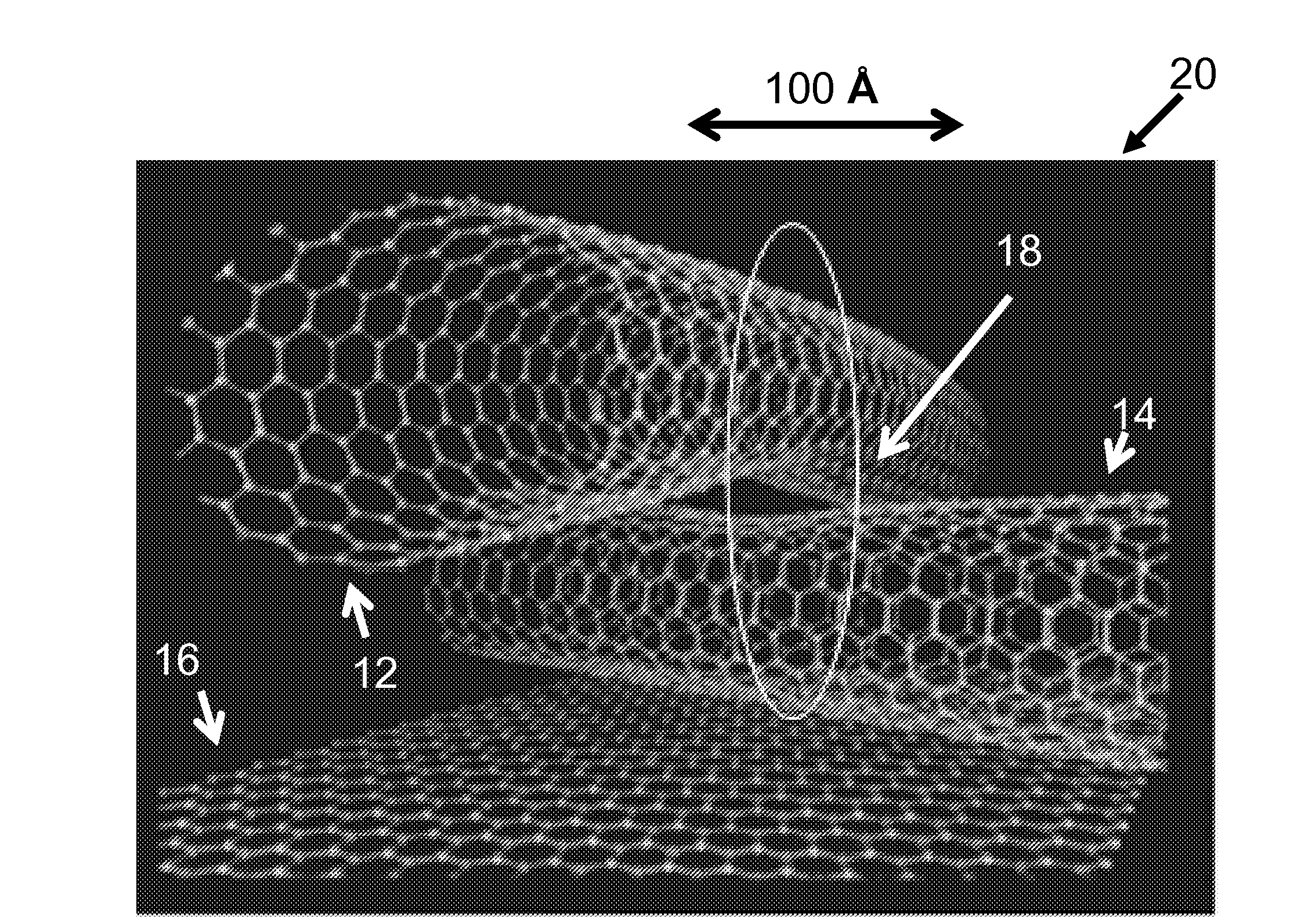
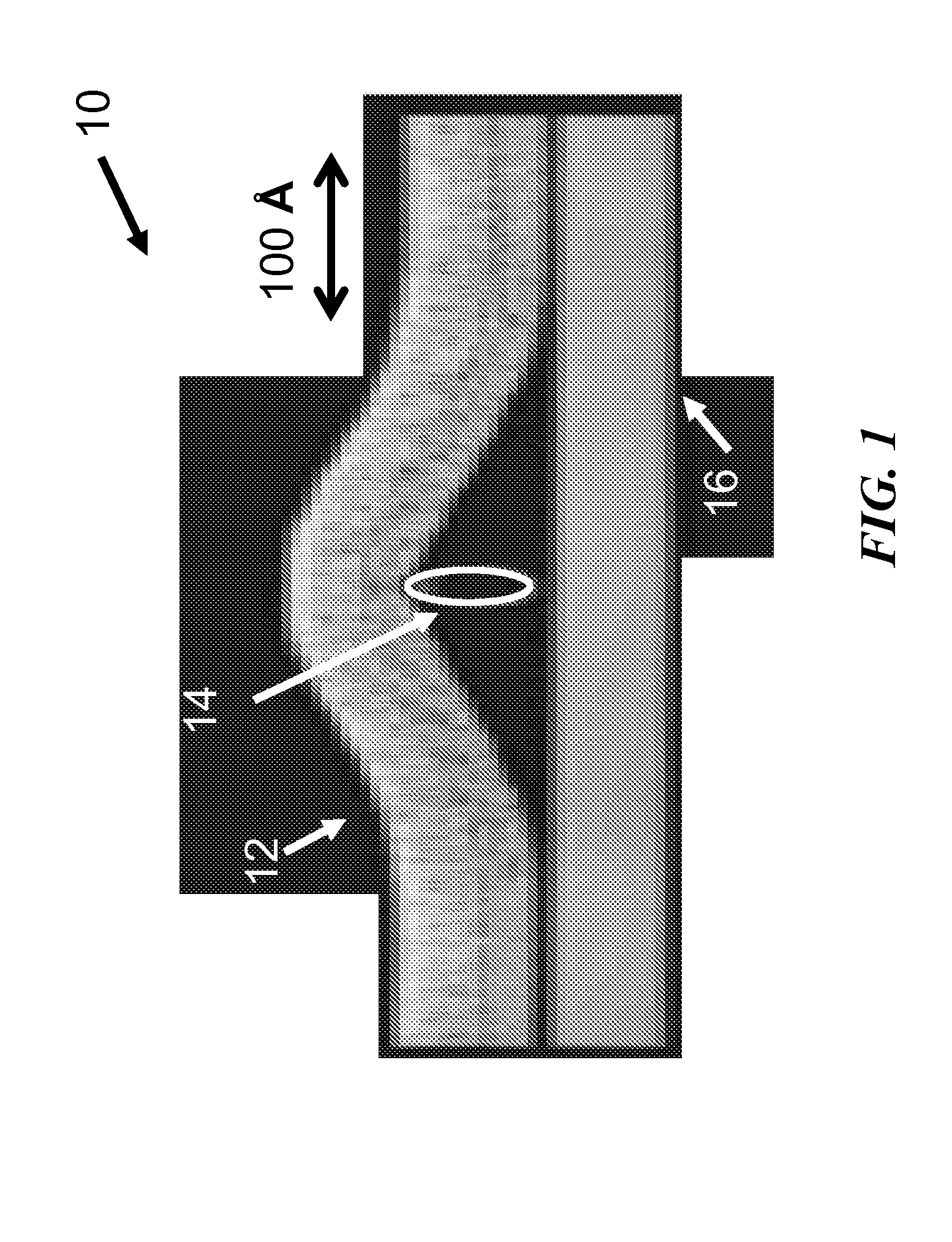
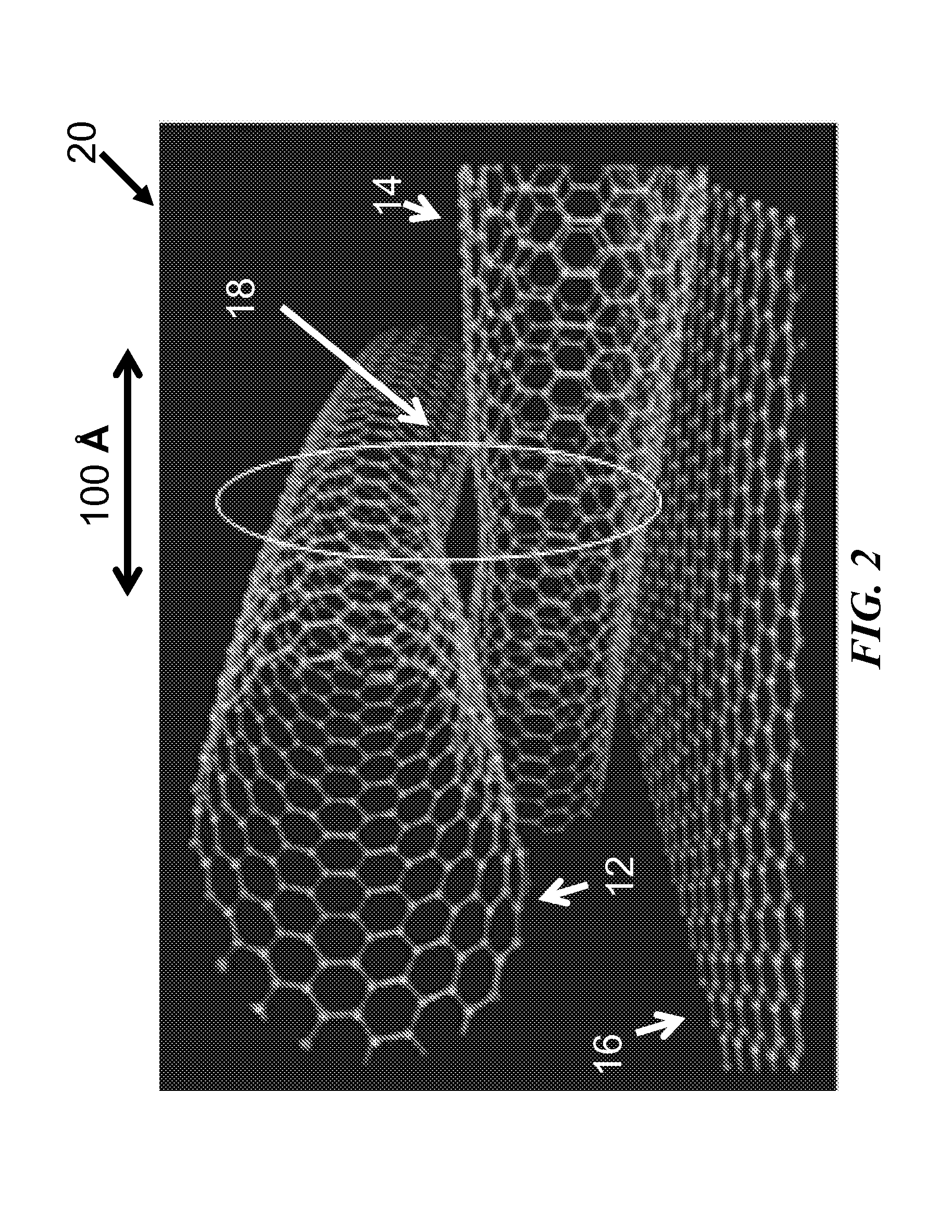
Method and system for improving conductivity of nanotube nets and related materials
PatentInactiveUS20090320911A1
Innovation
- Depositing conductive material at the nodes of carbon nanotube nets to enhance electrical conductivity, thermal conductivity, and mechanical performance by creating more robust bonding and alternative conductive pathways, while maintaining optical transparency.

Stretchable composite conductors for flexible electronics, stretchable plasmonic devices, optical filters, and implantable devices and methods for manufacture thereof
PatentInactiveUS20180174699A1
Innovation
- Development of stretchable electrically conductive composite materials comprising an elastic polymer with a plurality of conductive nanoparticles, such as gold nanoparticles, that maintain high conductivity even at high tensile strains through layer-by-layer assembly or vacuum-assisted flocculation processes, enabling self-assembly and reconfigurable conducting pathways.


Environmental Regulations for Electronic Material Manufacturing
The regulatory landscape for electronic material manufacturing has undergone significant transformation in recent decades, driven by growing environmental awareness and the need to address the ecological impact of electronic waste. The European Union's Restriction of Hazardous Substances (RoHS) directive, first implemented in 2006 and subsequently updated, serves as a cornerstone regulation that restricts the use of specific hazardous materials in electrical and electronic equipment. This directive has fundamentally reshaped manufacturing processes by limiting lead, mercury, cadmium, hexavalent chromium, and certain flame retardants.
The Waste Electrical and Electronic Equipment (WEEE) directive complements RoHS by establishing collection, recycling, and recovery targets for electronic products. These regulations have created a framework that encourages manufacturers to design products with end-of-life considerations, promoting the development of sustainable electronic materials with enhanced recyclability and reduced environmental impact.
In the United States, the Environmental Protection Agency (EPA) enforces regulations through the Toxic Substances Control Act (TSCA), which governs the introduction of new chemical substances in electronic manufacturing. State-level regulations, such as California's Electronic Waste Recycling Act, further strengthen environmental protection measures by establishing comprehensive e-waste management systems.
China's Management Methods for the Restriction of Hazardous Substances in Electrical and Electronic Products, often referred to as China RoHS, mirrors European standards while addressing specific regional manufacturing practices. The regulation requires manufacturers to mark products with environmental protection use periods and provide detailed substance disclosure information.
Emerging regulations focus increasingly on circular economy principles and carbon footprint reduction. The EU's proposed Ecodesign for Sustainable Products Regulation aims to establish sustainability requirements throughout product lifecycles, including material selection, energy efficiency, and repairability standards. These evolving frameworks are pushing manufacturers toward innovative sustainable materials that maintain optimal conductivity while meeting stringent environmental compliance requirements.
The regulatory trend indicates a shift toward more comprehensive lifecycle assessments, extended producer responsibility, and mandatory sustainability reporting, creating both challenges and opportunities for sustainable electronic material development.
The Waste Electrical and Electronic Equipment (WEEE) directive complements RoHS by establishing collection, recycling, and recovery targets for electronic products. These regulations have created a framework that encourages manufacturers to design products with end-of-life considerations, promoting the development of sustainable electronic materials with enhanced recyclability and reduced environmental impact.
In the United States, the Environmental Protection Agency (EPA) enforces regulations through the Toxic Substances Control Act (TSCA), which governs the introduction of new chemical substances in electronic manufacturing. State-level regulations, such as California's Electronic Waste Recycling Act, further strengthen environmental protection measures by establishing comprehensive e-waste management systems.
China's Management Methods for the Restriction of Hazardous Substances in Electrical and Electronic Products, often referred to as China RoHS, mirrors European standards while addressing specific regional manufacturing practices. The regulation requires manufacturers to mark products with environmental protection use periods and provide detailed substance disclosure information.
Emerging regulations focus increasingly on circular economy principles and carbon footprint reduction. The EU's proposed Ecodesign for Sustainable Products Regulation aims to establish sustainability requirements throughout product lifecycles, including material selection, energy efficiency, and repairability standards. These evolving frameworks are pushing manufacturers toward innovative sustainable materials that maintain optimal conductivity while meeting stringent environmental compliance requirements.
The regulatory trend indicates a shift toward more comprehensive lifecycle assessments, extended producer responsibility, and mandatory sustainability reporting, creating both challenges and opportunities for sustainable electronic material development.
Lifecycle Assessment and Circular Economy in Electronics
The integration of lifecycle assessment (LCA) methodologies into sustainable electronic materials development represents a paradigm shift toward comprehensive environmental accountability. LCA provides a systematic framework for evaluating the environmental impacts of conductive materials throughout their entire lifespan, from raw material extraction through manufacturing, use phase, and end-of-life management. This holistic approach enables researchers and manufacturers to identify environmental hotspots and optimize material selection for enhanced conductivity while minimizing ecological footprint.
Traditional conductive materials like copper and silver, while offering excellent electrical properties, present significant environmental challenges in terms of resource depletion and energy-intensive extraction processes. LCA studies reveal that the production phase often accounts for 60-80% of the total environmental impact for conventional electronic materials. This analysis drives the development of alternative conductive materials derived from renewable sources or recycled content, such as bio-based conductive polymers and recovered metal nanoparticles.
The circular economy framework fundamentally transforms how conductive materials are designed, utilized, and recovered in electronic applications. Design for circularity principles emphasize material selection that facilitates disassembly, component reuse, and material recovery. Conductive materials optimized for circular economy applications incorporate features such as reversible bonding mechanisms, material compatibility for recycling processes, and maintained electrical performance through multiple use cycles.
Advanced recycling technologies are emerging to recover high-purity conductive materials from electronic waste streams. Hydrometallurgical processes, selective dissolution techniques, and electrochemical recovery methods enable the extraction of valuable conductive elements while preserving their electrical properties. These recovered materials often demonstrate conductivity levels comparable to virgin materials, supporting closed-loop manufacturing systems.
Digital product passports and material tracking systems enhance transparency in the circular electronics ecosystem. These technologies enable precise monitoring of conductive material composition, performance history, and recycling potential throughout the supply chain. Blockchain-based tracking systems ensure material provenance and facilitate optimal end-of-life processing decisions.
Economic models supporting circular electronics demonstrate significant cost advantages through material recovery and reuse. Studies indicate that implementing circular economy principles in electronic materials can reduce raw material costs by 30-50% while maintaining or improving conductivity performance. This economic incentive accelerates industry adoption of sustainable conductive materials and circular design practices.
Traditional conductive materials like copper and silver, while offering excellent electrical properties, present significant environmental challenges in terms of resource depletion and energy-intensive extraction processes. LCA studies reveal that the production phase often accounts for 60-80% of the total environmental impact for conventional electronic materials. This analysis drives the development of alternative conductive materials derived from renewable sources or recycled content, such as bio-based conductive polymers and recovered metal nanoparticles.
The circular economy framework fundamentally transforms how conductive materials are designed, utilized, and recovered in electronic applications. Design for circularity principles emphasize material selection that facilitates disassembly, component reuse, and material recovery. Conductive materials optimized for circular economy applications incorporate features such as reversible bonding mechanisms, material compatibility for recycling processes, and maintained electrical performance through multiple use cycles.
Advanced recycling technologies are emerging to recover high-purity conductive materials from electronic waste streams. Hydrometallurgical processes, selective dissolution techniques, and electrochemical recovery methods enable the extraction of valuable conductive elements while preserving their electrical properties. These recovered materials often demonstrate conductivity levels comparable to virgin materials, supporting closed-loop manufacturing systems.
Digital product passports and material tracking systems enhance transparency in the circular electronics ecosystem. These technologies enable precise monitoring of conductive material composition, performance history, and recycling potential throughout the supply chain. Blockchain-based tracking systems ensure material provenance and facilitate optimal end-of-life processing decisions.
Economic models supporting circular electronics demonstrate significant cost advantages through material recovery and reuse. Studies indicate that implementing circular economy principles in electronic materials can reduce raw material costs by 30-50% while maintaining or improving conductivity performance. This economic incentive accelerates industry adoption of sustainable conductive materials and circular design practices.
Unlock deeper insights with Patsnap Eureka Quick Research — get a full tech report to explore trends and direct your research. Try now!
Generate Your Research Report Instantly with AI Agent
Supercharge your innovation with Patsnap Eureka AI Agent Platform!