
Optimizing Load-Bearing Capacity in Sustainable Structures
MAR 30, 20269 MIN READ
Generate Your Research Report Instantly with AI Agent
Patsnap Eureka helps you evaluate technical feasibility & market potential.
Sustainable Structure Load-Bearing Evolution and Objectives
The evolution of sustainable structures has undergone significant transformation over the past several decades, driven by increasing environmental consciousness and the urgent need to address climate change. Initially, sustainable construction focused primarily on energy efficiency and material selection, with limited consideration for optimizing load-bearing capacity within ecological constraints. Early green building initiatives in the 1970s and 1980s emphasized passive solar design and natural ventilation, but structural optimization remained largely separate from sustainability considerations.
The integration of load-bearing optimization with sustainable design principles emerged prominently in the 1990s, coinciding with the development of comprehensive green building standards such as LEED and BREEAM. This period marked a paradigm shift where structural engineers began recognizing that maximizing load-bearing efficiency could simultaneously reduce material consumption and environmental impact. Advanced computational tools enabled more sophisticated analysis of structural behavior, allowing designers to achieve optimal strength-to-weight ratios while incorporating sustainable materials.
Contemporary sustainable structure development has embraced biomimetic design principles, drawing inspiration from natural load-bearing systems found in trees, bones, and cellular structures. This approach has led to innovative solutions such as topology optimization algorithms that create organic-shaped structural elements with minimal material usage while maintaining superior load-bearing performance. The integration of artificial intelligence and machine learning has further accelerated this evolution, enabling real-time optimization of structural designs based on multiple sustainability criteria.
The primary objective of optimizing load-bearing capacity in sustainable structures centers on achieving maximum structural efficiency while minimizing environmental footprint throughout the entire building lifecycle. This encompasses reducing embodied carbon through intelligent material selection, optimizing structural geometry to minimize waste, and ensuring long-term durability to extend service life. Advanced objectives include developing adaptive structures that can respond to changing loads and environmental conditions, thereby maintaining optimal performance over time.
Future objectives focus on creating regenerative structures that not only minimize negative environmental impact but actively contribute to ecological restoration. This includes integrating living systems into load-bearing elements, developing self-healing materials that extend structural lifespan, and implementing circular economy principles where structural components can be fully recycled or repurposed at end-of-life. The ultimate goal is achieving net-positive environmental impact while maintaining superior structural performance and safety standards.
The integration of load-bearing optimization with sustainable design principles emerged prominently in the 1990s, coinciding with the development of comprehensive green building standards such as LEED and BREEAM. This period marked a paradigm shift where structural engineers began recognizing that maximizing load-bearing efficiency could simultaneously reduce material consumption and environmental impact. Advanced computational tools enabled more sophisticated analysis of structural behavior, allowing designers to achieve optimal strength-to-weight ratios while incorporating sustainable materials.
Contemporary sustainable structure development has embraced biomimetic design principles, drawing inspiration from natural load-bearing systems found in trees, bones, and cellular structures. This approach has led to innovative solutions such as topology optimization algorithms that create organic-shaped structural elements with minimal material usage while maintaining superior load-bearing performance. The integration of artificial intelligence and machine learning has further accelerated this evolution, enabling real-time optimization of structural designs based on multiple sustainability criteria.
The primary objective of optimizing load-bearing capacity in sustainable structures centers on achieving maximum structural efficiency while minimizing environmental footprint throughout the entire building lifecycle. This encompasses reducing embodied carbon through intelligent material selection, optimizing structural geometry to minimize waste, and ensuring long-term durability to extend service life. Advanced objectives include developing adaptive structures that can respond to changing loads and environmental conditions, thereby maintaining optimal performance over time.
Future objectives focus on creating regenerative structures that not only minimize negative environmental impact but actively contribute to ecological restoration. This includes integrating living systems into load-bearing elements, developing self-healing materials that extend structural lifespan, and implementing circular economy principles where structural components can be fully recycled or repurposed at end-of-life. The ultimate goal is achieving net-positive environmental impact while maintaining superior structural performance and safety standards.
Market Demand for High-Performance Green Building Solutions
The global construction industry is experiencing unprecedented demand for high-performance green building solutions, driven by stringent environmental regulations and corporate sustainability commitments. This surge reflects a fundamental shift from traditional construction practices toward environmentally conscious approaches that prioritize both structural integrity and ecological responsibility.
Climate change mitigation policies across major economies have established mandatory carbon reduction targets for the construction sector. The European Union's Green Deal and similar initiatives in North America and Asia-Pacific regions are compelling developers to adopt sustainable building technologies. These regulatory frameworks create substantial market opportunities for innovative load-bearing solutions that minimize environmental impact while maintaining superior structural performance.
Corporate real estate portfolios increasingly prioritize buildings with enhanced sustainability credentials, recognizing their positive impact on operational costs and brand reputation. Fortune 500 companies are establishing internal mandates requiring new facilities to meet advanced green building standards, creating consistent demand for high-performance sustainable structural systems. This corporate commitment extends beyond compliance, encompassing strategic positioning in environmentally conscious markets.
The residential sector demonstrates growing consumer preference for sustainable housing options, particularly among millennials and Generation Z demographics. These market segments actively seek properties featuring advanced green technologies, including optimized load-bearing systems that reduce material consumption and energy requirements. This demographic shift is reshaping residential development priorities and investment patterns.
Infrastructure modernization programs worldwide present significant opportunities for sustainable structural solutions. Aging transportation networks, utilities, and public facilities require replacement with systems that meet contemporary environmental standards while supporting increased capacity demands. Government infrastructure spending increasingly favors projects incorporating advanced sustainable technologies.
Emerging markets in developing economies show accelerating adoption of green building practices, driven by rapid urbanization and environmental awareness. These regions present substantial growth potential for sustainable structural technologies, as new construction projects can integrate advanced solutions from initial design phases rather than requiring costly retrofits.
The integration of digital technologies with sustainable construction practices is creating new market segments focused on smart, environmentally optimized buildings. Internet of Things sensors, artificial intelligence, and advanced materials science are converging to enable structural systems that adapt dynamically to environmental conditions while maintaining optimal load-bearing performance.
Climate change mitigation policies across major economies have established mandatory carbon reduction targets for the construction sector. The European Union's Green Deal and similar initiatives in North America and Asia-Pacific regions are compelling developers to adopt sustainable building technologies. These regulatory frameworks create substantial market opportunities for innovative load-bearing solutions that minimize environmental impact while maintaining superior structural performance.
Corporate real estate portfolios increasingly prioritize buildings with enhanced sustainability credentials, recognizing their positive impact on operational costs and brand reputation. Fortune 500 companies are establishing internal mandates requiring new facilities to meet advanced green building standards, creating consistent demand for high-performance sustainable structural systems. This corporate commitment extends beyond compliance, encompassing strategic positioning in environmentally conscious markets.
The residential sector demonstrates growing consumer preference for sustainable housing options, particularly among millennials and Generation Z demographics. These market segments actively seek properties featuring advanced green technologies, including optimized load-bearing systems that reduce material consumption and energy requirements. This demographic shift is reshaping residential development priorities and investment patterns.
Infrastructure modernization programs worldwide present significant opportunities for sustainable structural solutions. Aging transportation networks, utilities, and public facilities require replacement with systems that meet contemporary environmental standards while supporting increased capacity demands. Government infrastructure spending increasingly favors projects incorporating advanced sustainable technologies.
Emerging markets in developing economies show accelerating adoption of green building practices, driven by rapid urbanization and environmental awareness. These regions present substantial growth potential for sustainable structural technologies, as new construction projects can integrate advanced solutions from initial design phases rather than requiring costly retrofits.
The integration of digital technologies with sustainable construction practices is creating new market segments focused on smart, environmentally optimized buildings. Internet of Things sensors, artificial intelligence, and advanced materials science are converging to enable structural systems that adapt dynamically to environmental conditions while maintaining optimal load-bearing performance.
Current Load-Bearing Limitations in Sustainable Construction
Sustainable construction materials face significant structural limitations that constrain their widespread adoption in load-bearing applications. Traditional sustainable materials such as bamboo, timber, and recycled composites typically exhibit lower compressive and tensile strengths compared to conventional steel and concrete. Bamboo structures, while demonstrating excellent strength-to-weight ratios, are limited by joint connections and standardization issues that affect overall structural integrity under heavy loads.
Bio-based materials including hemp-crete, straw bales, and mycelium-based composites present durability concerns when subjected to prolonged stress conditions. These materials often experience creep deformation over time, leading to gradual structural weakening that limits their application in high-rise construction or critical infrastructure projects. Moisture sensitivity further compounds these limitations, as many sustainable materials lose structural capacity when exposed to varying humidity levels.
Recycled steel and concrete face quality inconsistencies that impact load-bearing performance. Recycled steel may contain impurities that reduce its yield strength, while recycled concrete aggregates often result in lower compressive strengths compared to virgin materials. The heterogeneous nature of recycled content makes it challenging to predict long-term structural behavior accurately.
Connection systems in sustainable structures present another critical limitation. Traditional mechanical fasteners may not be compatible with bio-based materials, requiring specialized joining techniques that often compromise structural efficiency. Adhesive bonding systems, while promising, face long-term durability questions under cyclic loading conditions.
Fire resistance represents a fundamental constraint for many sustainable materials. Timber and other organic materials require extensive treatment or protective systems to meet building code requirements, adding complexity and cost to sustainable construction projects. These treatments may also compromise the environmental benefits that make these materials attractive initially.
Scale limitations further restrict sustainable material applications. Many bio-based materials cannot be produced in the large dimensions required for major structural elements, necessitating complex assembly systems that may introduce additional failure points. Manufacturing consistency remains challenging for emerging sustainable materials, leading to conservative design approaches that underutilize their potential load-bearing capacity.
Bio-based materials including hemp-crete, straw bales, and mycelium-based composites present durability concerns when subjected to prolonged stress conditions. These materials often experience creep deformation over time, leading to gradual structural weakening that limits their application in high-rise construction or critical infrastructure projects. Moisture sensitivity further compounds these limitations, as many sustainable materials lose structural capacity when exposed to varying humidity levels.
Recycled steel and concrete face quality inconsistencies that impact load-bearing performance. Recycled steel may contain impurities that reduce its yield strength, while recycled concrete aggregates often result in lower compressive strengths compared to virgin materials. The heterogeneous nature of recycled content makes it challenging to predict long-term structural behavior accurately.
Connection systems in sustainable structures present another critical limitation. Traditional mechanical fasteners may not be compatible with bio-based materials, requiring specialized joining techniques that often compromise structural efficiency. Adhesive bonding systems, while promising, face long-term durability questions under cyclic loading conditions.
Fire resistance represents a fundamental constraint for many sustainable materials. Timber and other organic materials require extensive treatment or protective systems to meet building code requirements, adding complexity and cost to sustainable construction projects. These treatments may also compromise the environmental benefits that make these materials attractive initially.
Scale limitations further restrict sustainable material applications. Many bio-based materials cannot be produced in the large dimensions required for major structural elements, necessitating complex assembly systems that may introduce additional failure points. Manufacturing consistency remains challenging for emerging sustainable materials, leading to conservative design approaches that underutilize their potential load-bearing capacity.
Current Load Optimization Methods for Green Structures
01 Use of composite materials for enhanced load-bearing capacity
Composite materials combining different structural elements can significantly improve the load-bearing capacity of sustainable structures. These materials integrate various components such as fiber-reinforced polymers, recycled materials, or hybrid composites to achieve superior strength-to-weight ratios while maintaining sustainability goals. The composite approach allows for optimized distribution of loads and enhanced structural performance under various stress conditions.- Use of composite materials for enhanced load-bearing capacity: Composite materials combining different structural elements can significantly improve the load-bearing capacity of sustainable structures. These materials integrate various components such as fiber-reinforced polymers, recycled materials, or hybrid composites to achieve superior strength-to-weight ratios while maintaining sustainability goals. The composite approach allows for optimized distribution of loads and enhanced structural performance under various stress conditions.
- Structural design optimization for load distribution: Advanced structural design methodologies focus on optimizing load distribution throughout the structure to maximize load-bearing capacity. This includes innovative geometric configurations, strategic placement of support elements, and computational modeling to predict and enhance structural behavior. These design approaches ensure efficient material usage while achieving required load-bearing performance in sustainable construction applications.
- Integration of reinforcement systems: Reinforcement systems incorporating various strengthening elements can be integrated into sustainable structures to improve load-bearing capacity. These systems may include internal reinforcement networks, external strengthening components, or hybrid reinforcement configurations that work synergistically with the primary structural elements. The reinforcement approach provides additional load-carrying capability while maintaining structural integrity and sustainability requirements.
- Application of high-performance sustainable materials: High-performance sustainable materials with enhanced mechanical properties can be utilized to increase load-bearing capacity in structural applications. These materials demonstrate superior strength characteristics, durability, and environmental benefits compared to conventional construction materials. The selection and application of such materials enable structures to support greater loads while meeting sustainability criteria and reducing environmental impact.
- Modular and prefabricated load-bearing systems: Modular and prefabricated systems designed for load-bearing applications offer advantages in sustainable construction through standardized components and efficient assembly methods. These systems feature pre-engineered load-bearing elements that can be rapidly deployed and configured to meet specific structural requirements. The modular approach facilitates quality control, reduces construction waste, and allows for flexible adaptation to varying load conditions while supporting sustainability objectives.
02 Structural design optimization through geometric configuration
Advanced geometric configurations and structural designs can maximize load-bearing capacity while minimizing material usage. This includes innovative arrangements of structural members, optimized cross-sectional shapes, and strategic placement of reinforcement elements. These design approaches enhance the overall structural efficiency and sustainability by reducing material consumption while maintaining or improving load-bearing performance.Expand Specific Solutions03 Integration of recycled and sustainable materials
Incorporation of recycled materials and sustainable resources into load-bearing structures provides environmental benefits while maintaining structural integrity. These materials can include recycled aggregates, reclaimed wood products, or bio-based composites that meet structural requirements. The use of such materials reduces environmental impact while achieving necessary load-bearing capacities for various applications.Expand Specific Solutions04 Reinforcement systems for improved structural capacity
Advanced reinforcement systems enhance the load-bearing capacity of sustainable structures through strategic placement and integration of reinforcing elements. These systems may include internal reinforcement networks, external strengthening methods, or hybrid reinforcement approaches that distribute loads effectively. The reinforcement techniques improve structural performance while supporting sustainability objectives through efficient material utilization.Expand Specific Solutions05 Modular and prefabricated construction systems
Modular and prefabricated construction approaches improve load-bearing capacity through controlled manufacturing processes and standardized components. These systems enable precise quality control, efficient assembly, and optimized structural performance. The modular approach supports sustainability by reducing construction waste, improving material efficiency, and allowing for easier disassembly and reuse of structural components.Expand Specific Solutions
Leading Companies in Sustainable Construction Materials
The sustainable load-bearing structures sector represents an emerging market at the intersection of construction technology and environmental sustainability, currently in its early growth phase with significant expansion potential driven by global green building initiatives and regulatory mandates. The market demonstrates substantial scale opportunities as construction industries worldwide increasingly prioritize carbon-neutral and resource-efficient building solutions. Technology maturity varies considerably across different approaches, with established players like Siemens AG and Mitsubishi Heavy Industries leveraging advanced automation and materials science, while specialized firms such as Produktif Norway focus on innovative modular systems achieving LEED Platinum certification. Research institutions including Tongji University, Tianjin University, and University of Michigan contribute foundational research in structural optimization algorithms and sustainable materials. The competitive landscape spans from technology giants like IBM applying AI-driven optimization solutions to aerospace companies like Airbus adapting lightweight structural technologies for construction applications, indicating a convergent evolution of multiple technological domains toward sustainable structural engineering solutions.
Airbus Group Ltd.
Technical Solution: Airbus has developed advanced composite material technologies for aircraft structures, utilizing carbon fiber reinforced polymers (CFRP) and bio-based materials to optimize load-bearing capacity while reducing environmental impact. Their A350 XWB aircraft incorporates 53% composite materials by weight, demonstrating significant weight reduction while maintaining structural integrity. The company employs topology optimization algorithms and advanced finite element analysis to design lightweight yet robust structures. Their sustainable approach includes recyclable thermoplastic composites and natural fiber reinforcements, achieving up to 25% weight reduction compared to traditional aluminum structures while meeting stringent aviation safety standards.
Strengths: Proven track record in aerospace applications with rigorous safety standards, advanced composite expertise. Weaknesses: High material costs and complex manufacturing processes limit broader applications.
Fraunhofer-Gesellschaft eV
Technical Solution: Fraunhofer institutes have pioneered bio-based composite materials and smart structural systems for sustainable load-bearing applications. Their research focuses on natural fiber composites using flax, hemp, and wood fibers combined with bio-based resins, achieving comparable strength-to-weight ratios to synthetic materials. They have developed self-healing concrete technologies incorporating microcapsules and bacteria-based healing agents that can restore structural integrity autonomously. Additionally, their digital twin technologies enable real-time structural health monitoring and predictive maintenance, optimizing load distribution and extending structure lifespan. Recent innovations include 3D-printed bio-concrete structures with integrated sensors for continuous performance assessment.
Strengths: Comprehensive research capabilities across multiple sustainable technologies, strong industry partnerships. Weaknesses: Technology transfer from laboratory to commercial scale can be time-intensive and costly.
Key Innovations in Sustainable Load-Bearing Systems
Method for construction of a supporting wall and blocks for carrying out said method
PatentInactiveEP1725717A1
Innovation
- A method involving alternating rows of solid and hollow bricks with overlapping cavities filled with high-load-bearing materials, such as concrete, and using form-fitting profiles and insulating inserts to enhance load-bearing capacity, while allowing for varying thermal conductivity and mechanical properties through the use of renewable raw materials and binders.
Tunable impedance load-bearing structures
PatentInactiveUS20080302024A1
Innovation
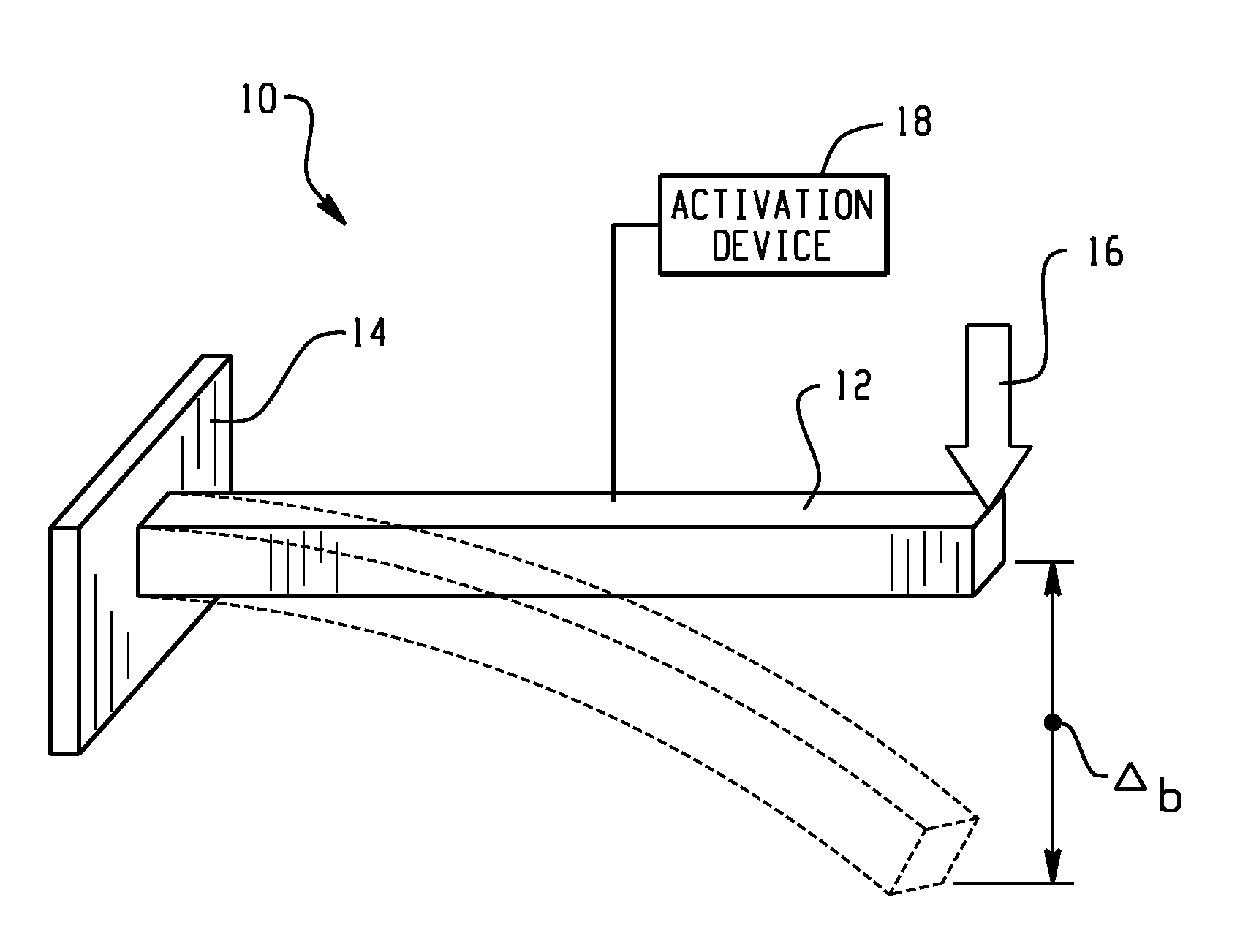
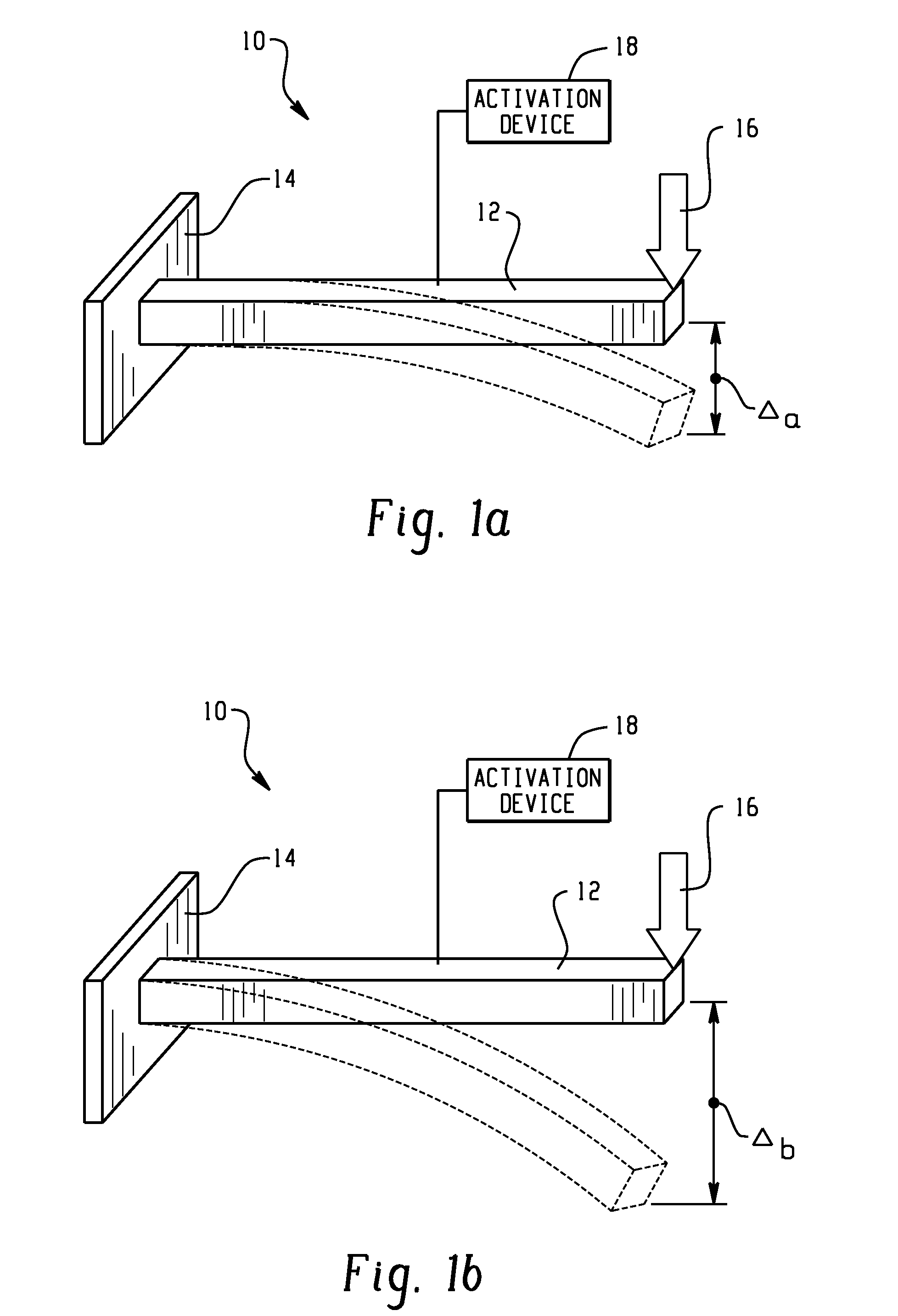
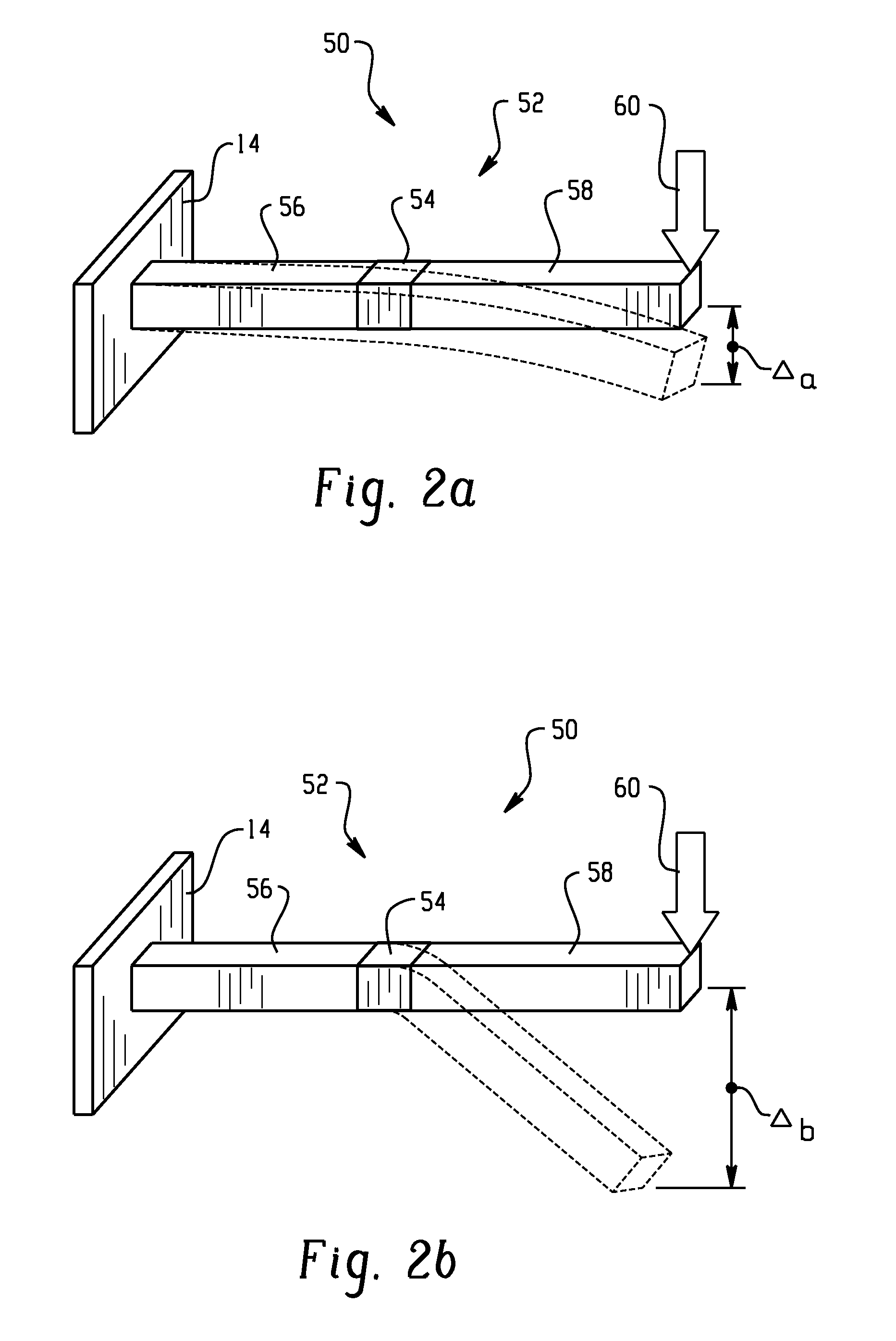
- The use of active materials in load bearing structures that change properties upon exposure to activating conditions, such as temperature or magnetic fields, allowing for adjustable impedance characteristics, including compliance and damping properties.

Environmental Regulations for Sustainable Construction
The regulatory landscape for sustainable construction has evolved significantly over the past decade, driven by increasing awareness of climate change and environmental degradation. Governments worldwide have implemented comprehensive frameworks that directly impact load-bearing capacity optimization in sustainable structures. These regulations establish mandatory standards for material selection, energy efficiency, and structural performance while promoting environmentally responsible construction practices.
Building codes now incorporate stringent requirements for sustainable materials with verified load-bearing capabilities. The International Building Code (IBC) and European Structural Eurocodes have integrated provisions that mandate the use of recycled content materials, bio-based composites, and low-carbon concrete alternatives. These regulations require structural engineers to demonstrate that sustainable materials meet or exceed traditional performance standards while maintaining adequate safety factors for load-bearing applications.
Environmental impact assessments have become mandatory for major construction projects, particularly those involving innovative load-bearing systems. Regulations such as the EU's Construction Products Regulation (CPR) and various national green building standards require comprehensive lifecycle assessments that evaluate both structural performance and environmental footprint. These assessments must demonstrate that optimized load-bearing designs contribute to overall sustainability goals without compromising structural integrity.
Carbon emission limits represent another critical regulatory dimension affecting load-bearing capacity optimization. Many jurisdictions have established maximum embodied carbon thresholds for structural systems, forcing engineers to balance material efficiency with load-bearing requirements. The UK's Building Regulations Part L and California's Title 24 exemplify how carbon reduction mandates influence structural design decisions and material selection processes.
Certification requirements under programs like LEED, BREEAM, and Green Star have created additional compliance layers for sustainable structures. These frameworks establish point-based systems that reward innovative load-bearing solutions using sustainable materials and construction methods. Projects must demonstrate measurable improvements in structural efficiency while meeting rigorous environmental performance criteria to achieve certification levels that are increasingly required by public and private sector clients.
Building codes now incorporate stringent requirements for sustainable materials with verified load-bearing capabilities. The International Building Code (IBC) and European Structural Eurocodes have integrated provisions that mandate the use of recycled content materials, bio-based composites, and low-carbon concrete alternatives. These regulations require structural engineers to demonstrate that sustainable materials meet or exceed traditional performance standards while maintaining adequate safety factors for load-bearing applications.
Environmental impact assessments have become mandatory for major construction projects, particularly those involving innovative load-bearing systems. Regulations such as the EU's Construction Products Regulation (CPR) and various national green building standards require comprehensive lifecycle assessments that evaluate both structural performance and environmental footprint. These assessments must demonstrate that optimized load-bearing designs contribute to overall sustainability goals without compromising structural integrity.
Carbon emission limits represent another critical regulatory dimension affecting load-bearing capacity optimization. Many jurisdictions have established maximum embodied carbon thresholds for structural systems, forcing engineers to balance material efficiency with load-bearing requirements. The UK's Building Regulations Part L and California's Title 24 exemplify how carbon reduction mandates influence structural design decisions and material selection processes.
Certification requirements under programs like LEED, BREEAM, and Green Star have created additional compliance layers for sustainable structures. These frameworks establish point-based systems that reward innovative load-bearing solutions using sustainable materials and construction methods. Projects must demonstrate measurable improvements in structural efficiency while meeting rigorous environmental performance criteria to achieve certification levels that are increasingly required by public and private sector clients.
Life Cycle Assessment in Load-Bearing Structure Design
Life Cycle Assessment (LCA) has emerged as a fundamental methodology for evaluating the environmental performance of load-bearing structures throughout their entire lifespan, from raw material extraction to end-of-life disposal. This comprehensive approach enables engineers and designers to quantify environmental impacts while simultaneously optimizing structural performance, creating a balanced framework for sustainable construction practices.
The integration of LCA principles into load-bearing structure design begins during the conceptual phase, where material selection decisions significantly influence both structural capacity and environmental footprint. Advanced LCA software tools now incorporate structural analysis capabilities, allowing designers to evaluate multiple design scenarios simultaneously. These tools assess carbon emissions, energy consumption, water usage, and waste generation associated with different structural configurations, providing quantitative data to support decision-making processes.
Material-specific LCA databases have become increasingly sophisticated, offering detailed environmental profiles for traditional materials like steel and concrete, as well as emerging sustainable alternatives such as cross-laminated timber, recycled composites, and bio-based materials. These databases enable precise calculations of embodied carbon and energy, facilitating informed comparisons between structural options that meet identical load-bearing requirements.
The temporal dimension of LCA in structural design extends beyond initial construction impacts to encompass operational performance and maintenance requirements. Load-bearing structures with higher initial environmental costs may demonstrate superior long-term sustainability through enhanced durability, reduced maintenance needs, and extended service life. This perspective encourages designers to optimize structures for longevity rather than merely minimizing upfront environmental impacts.
Recent developments in dynamic LCA methodologies account for changing environmental conditions and evolving energy grids over a structure's operational lifetime. These approaches recognize that the environmental performance of load-bearing structures varies significantly based on geographic location, local climate conditions, and regional energy sources, enabling more accurate assessments of long-term sustainability performance.
The circular economy principles are increasingly integrated into LCA frameworks for load-bearing structures, emphasizing design for disassembly, material recovery, and reuse potential. This approach evaluates structures based on their ability to contribute to closed-loop material cycles, where structural components can be efficiently recovered and repurposed at the end of their initial service life, thereby minimizing waste generation and resource consumption.
The integration of LCA principles into load-bearing structure design begins during the conceptual phase, where material selection decisions significantly influence both structural capacity and environmental footprint. Advanced LCA software tools now incorporate structural analysis capabilities, allowing designers to evaluate multiple design scenarios simultaneously. These tools assess carbon emissions, energy consumption, water usage, and waste generation associated with different structural configurations, providing quantitative data to support decision-making processes.
Material-specific LCA databases have become increasingly sophisticated, offering detailed environmental profiles for traditional materials like steel and concrete, as well as emerging sustainable alternatives such as cross-laminated timber, recycled composites, and bio-based materials. These databases enable precise calculations of embodied carbon and energy, facilitating informed comparisons between structural options that meet identical load-bearing requirements.
The temporal dimension of LCA in structural design extends beyond initial construction impacts to encompass operational performance and maintenance requirements. Load-bearing structures with higher initial environmental costs may demonstrate superior long-term sustainability through enhanced durability, reduced maintenance needs, and extended service life. This perspective encourages designers to optimize structures for longevity rather than merely minimizing upfront environmental impacts.
Recent developments in dynamic LCA methodologies account for changing environmental conditions and evolving energy grids over a structure's operational lifetime. These approaches recognize that the environmental performance of load-bearing structures varies significantly based on geographic location, local climate conditions, and regional energy sources, enabling more accurate assessments of long-term sustainability performance.
The circular economy principles are increasingly integrated into LCA frameworks for load-bearing structures, emphasizing design for disassembly, material recovery, and reuse potential. This approach evaluates structures based on their ability to contribute to closed-loop material cycles, where structural components can be efficiently recovered and repurposed at the end of their initial service life, thereby minimizing waste generation and resource consumption.
Unlock deeper insights with Patsnap Eureka Quick Research — get a full tech report to explore trends and direct your research. Try now!
Generate Your Research Report Instantly with AI Agent
Supercharge your innovation with Patsnap Eureka AI Agent Platform!