

CNC vs Ceramic Machining: Tool Wear and Efficiency
MAR 20, 20268 MIN READ
Generate Your Research Report Instantly with AI Agent
Patsnap Eureka helps you evaluate technical feasibility & market potential.
CNC Ceramic Machining Background and Objectives
Ceramic materials have emerged as critical components in modern manufacturing due to their exceptional properties including high hardness, chemical inertness, thermal stability, and wear resistance. These characteristics make ceramics indispensable in aerospace, automotive, electronics, and medical device industries. However, the same properties that make ceramics valuable also present significant challenges in machining operations.
Traditional ceramic processing methods such as grinding, electrical discharge machining (EDM), and laser machining have dominated the field for decades. While effective, these approaches often suffer from limitations including slow material removal rates, high energy consumption, and restricted geometric capabilities. The introduction of Computer Numerical Control (CNC) machining to ceramic processing represents a paradigm shift toward achieving higher precision, improved surface quality, and enhanced manufacturing flexibility.
The evolution of CNC ceramic machining has been driven by advances in cutting tool materials, machine tool rigidity, and process optimization strategies. Diamond-coated tools, polycrystalline diamond (PCD) inserts, and specialized carbide grades have enabled more aggressive cutting parameters while maintaining acceptable tool life. Simultaneously, improvements in machine tool design, including enhanced spindle systems and advanced vibration damping, have facilitated the precise machining of brittle ceramic materials.
Current industry demands focus on achieving optimal balance between machining efficiency and tool longevity. Manufacturing environments require predictable tool wear patterns to maintain consistent part quality and minimize production interruptions. The challenge lies in understanding the complex interactions between cutting parameters, tool geometry, workpiece material properties, and machining environment conditions.
The primary objective of advancing CNC ceramic machining technology centers on developing comprehensive understanding of tool wear mechanisms specific to ceramic materials. This includes identifying dominant wear modes such as abrasive wear, adhesive wear, and thermal degradation, and their relationship to cutting conditions. Additionally, establishing predictive models for tool life estimation enables proactive tool management strategies and optimized production scheduling.
Efficiency optimization represents another critical objective, encompassing material removal rate maximization while maintaining dimensional accuracy and surface integrity requirements. This involves developing adaptive machining strategies that can respond to real-time process conditions and automatically adjust cutting parameters to maintain optimal performance throughout the tool life cycle.
Traditional ceramic processing methods such as grinding, electrical discharge machining (EDM), and laser machining have dominated the field for decades. While effective, these approaches often suffer from limitations including slow material removal rates, high energy consumption, and restricted geometric capabilities. The introduction of Computer Numerical Control (CNC) machining to ceramic processing represents a paradigm shift toward achieving higher precision, improved surface quality, and enhanced manufacturing flexibility.
The evolution of CNC ceramic machining has been driven by advances in cutting tool materials, machine tool rigidity, and process optimization strategies. Diamond-coated tools, polycrystalline diamond (PCD) inserts, and specialized carbide grades have enabled more aggressive cutting parameters while maintaining acceptable tool life. Simultaneously, improvements in machine tool design, including enhanced spindle systems and advanced vibration damping, have facilitated the precise machining of brittle ceramic materials.
Current industry demands focus on achieving optimal balance between machining efficiency and tool longevity. Manufacturing environments require predictable tool wear patterns to maintain consistent part quality and minimize production interruptions. The challenge lies in understanding the complex interactions between cutting parameters, tool geometry, workpiece material properties, and machining environment conditions.
The primary objective of advancing CNC ceramic machining technology centers on developing comprehensive understanding of tool wear mechanisms specific to ceramic materials. This includes identifying dominant wear modes such as abrasive wear, adhesive wear, and thermal degradation, and their relationship to cutting conditions. Additionally, establishing predictive models for tool life estimation enables proactive tool management strategies and optimized production scheduling.
Efficiency optimization represents another critical objective, encompassing material removal rate maximization while maintaining dimensional accuracy and surface integrity requirements. This involves developing adaptive machining strategies that can respond to real-time process conditions and automatically adjust cutting parameters to maintain optimal performance throughout the tool life cycle.
Market Demand for Advanced Ceramic Components
The global advanced ceramics market has experienced substantial growth driven by increasing demand across multiple high-performance applications. Aerospace and defense sectors represent the largest consumption segments, where advanced ceramic components are essential for turbine engines, armor systems, and thermal protection applications. The superior properties of advanced ceramics, including exceptional hardness, thermal stability, and corrosion resistance, make them indispensable for these critical applications.
Electronics and semiconductor industries constitute another major demand driver, particularly for substrates, insulators, and cutting-edge packaging solutions. The miniaturization trend in electronic devices has intensified requirements for materials that can withstand extreme operating conditions while maintaining dimensional precision. Advanced ceramic components enable the production of smaller, more efficient electronic systems that operate reliably under harsh environmental conditions.
Medical device manufacturing has emerged as a rapidly expanding market segment for advanced ceramics. Biocompatible ceramic materials are increasingly utilized in orthopedic implants, dental applications, and surgical instruments. The aging global population and rising healthcare standards have accelerated demand for durable, biocompatible materials that can provide long-term performance in medical applications.
Automotive industry transformation toward electric vehicles has created new opportunities for advanced ceramic components. Battery systems, power electronics, and thermal management applications require materials capable of operating efficiently under high temperatures and electrical stress. Advanced ceramics offer solutions for improving vehicle performance while reducing weight and enhancing energy efficiency.
Industrial machinery and tooling applications continue to drive steady demand for advanced ceramic components. Manufacturing processes requiring extreme precision and durability benefit from ceramic cutting tools, wear-resistant components, and high-temperature applications. The push toward automation and Industry 4.0 initiatives has further increased requirements for reliable, long-lasting ceramic components.
Energy sector applications, including renewable energy systems and traditional power generation, represent growing market opportunities. Solar panel manufacturing, wind turbine components, and nuclear applications utilize advanced ceramics for their exceptional performance characteristics under demanding operational conditions.
Electronics and semiconductor industries constitute another major demand driver, particularly for substrates, insulators, and cutting-edge packaging solutions. The miniaturization trend in electronic devices has intensified requirements for materials that can withstand extreme operating conditions while maintaining dimensional precision. Advanced ceramic components enable the production of smaller, more efficient electronic systems that operate reliably under harsh environmental conditions.
Medical device manufacturing has emerged as a rapidly expanding market segment for advanced ceramics. Biocompatible ceramic materials are increasingly utilized in orthopedic implants, dental applications, and surgical instruments. The aging global population and rising healthcare standards have accelerated demand for durable, biocompatible materials that can provide long-term performance in medical applications.
Automotive industry transformation toward electric vehicles has created new opportunities for advanced ceramic components. Battery systems, power electronics, and thermal management applications require materials capable of operating efficiently under high temperatures and electrical stress. Advanced ceramics offer solutions for improving vehicle performance while reducing weight and enhancing energy efficiency.
Industrial machinery and tooling applications continue to drive steady demand for advanced ceramic components. Manufacturing processes requiring extreme precision and durability benefit from ceramic cutting tools, wear-resistant components, and high-temperature applications. The push toward automation and Industry 4.0 initiatives has further increased requirements for reliable, long-lasting ceramic components.
Energy sector applications, including renewable energy systems and traditional power generation, represent growing market opportunities. Solar panel manufacturing, wind turbine components, and nuclear applications utilize advanced ceramics for their exceptional performance characteristics under demanding operational conditions.
Current Tool Wear Challenges in Ceramic Machining
Ceramic machining presents unique tool wear challenges that significantly impact manufacturing efficiency and cost-effectiveness. The inherent hardness of ceramic materials, typically ranging from 1200 to 2000 HV, creates severe abrasive conditions that accelerate cutting tool degradation. This hardness, combined with the brittle nature of ceramics, generates high cutting forces and thermal stresses that contribute to rapid tool failure through multiple wear mechanisms.
Abrasive wear represents the most prevalent challenge in ceramic machining operations. The microscopic ceramic particles act as abrasives against cutting tool surfaces, causing gradual material removal from tool edges and faces. This phenomenon is particularly pronounced when machining technical ceramics such as alumina, zirconia, and silicon carbide, where the abrasive particles can exceed the hardness of conventional cutting tool materials.
Thermal-induced tool wear poses another critical challenge due to the poor thermal conductivity of most ceramic materials. Heat generated during cutting operations becomes concentrated at the tool-workpiece interface, leading to elevated temperatures that can exceed 800°C in some applications. These extreme temperatures cause thermal softening of cutting tools, accelerated diffusion wear, and potential thermal shock damage, particularly when using carbide or high-speed steel tooling.
Edge chipping and catastrophic tool failure occur frequently due to the brittle fracture characteristics of ceramic workpieces. The intermittent cutting forces generated during machining create dynamic loading conditions that can exceed the fracture toughness of cutting tools. This results in micro-chipping along cutting edges, which progressively worsens until complete tool failure occurs.
Chemical wear mechanisms also contribute to tool degradation, particularly when machining oxide ceramics. Chemical reactions between tool materials and ceramic workpieces at elevated temperatures can form brittle intermetallic compounds or cause selective dissolution of tool binder phases. This is especially problematic with tungsten carbide tools when machining alumina-based ceramics.
The combination of these wear mechanisms creates a complex degradation pattern that varies significantly based on ceramic composition, cutting parameters, and tool geometry. Current industry data indicates that tool life in ceramic machining can be 50-80% shorter compared to conventional metal machining operations, directly impacting production costs and manufacturing throughput.
Abrasive wear represents the most prevalent challenge in ceramic machining operations. The microscopic ceramic particles act as abrasives against cutting tool surfaces, causing gradual material removal from tool edges and faces. This phenomenon is particularly pronounced when machining technical ceramics such as alumina, zirconia, and silicon carbide, where the abrasive particles can exceed the hardness of conventional cutting tool materials.
Thermal-induced tool wear poses another critical challenge due to the poor thermal conductivity of most ceramic materials. Heat generated during cutting operations becomes concentrated at the tool-workpiece interface, leading to elevated temperatures that can exceed 800°C in some applications. These extreme temperatures cause thermal softening of cutting tools, accelerated diffusion wear, and potential thermal shock damage, particularly when using carbide or high-speed steel tooling.
Edge chipping and catastrophic tool failure occur frequently due to the brittle fracture characteristics of ceramic workpieces. The intermittent cutting forces generated during machining create dynamic loading conditions that can exceed the fracture toughness of cutting tools. This results in micro-chipping along cutting edges, which progressively worsens until complete tool failure occurs.
Chemical wear mechanisms also contribute to tool degradation, particularly when machining oxide ceramics. Chemical reactions between tool materials and ceramic workpieces at elevated temperatures can form brittle intermetallic compounds or cause selective dissolution of tool binder phases. This is especially problematic with tungsten carbide tools when machining alumina-based ceramics.
The combination of these wear mechanisms creates a complex degradation pattern that varies significantly based on ceramic composition, cutting parameters, and tool geometry. Current industry data indicates that tool life in ceramic machining can be 50-80% shorter compared to conventional metal machining operations, directly impacting production costs and manufacturing throughput.
Existing Tool Solutions for Ceramic Machining
01 Advanced tool coating materials and surface treatments
Specialized coating materials and surface treatment technologies can be applied to CNC and ceramic machining tools to significantly reduce tool wear. These coatings provide enhanced hardness, reduced friction, and improved thermal resistance, which help extend tool life and maintain cutting efficiency. The application of multi-layer coatings and advanced deposition techniques creates protective barriers that resist abrasion and chemical degradation during the machining process.- Advanced tool coating materials and surface treatments: The application of specialized coating materials and surface treatment technologies on CNC and ceramic machining tools can significantly reduce tool wear. These coatings provide enhanced hardness, reduced friction, and improved thermal resistance, thereby extending tool life and maintaining cutting efficiency. Various coating compositions and deposition methods are employed to optimize the wear resistance characteristics of cutting tools used in ceramic and hard material machining.
- Tool geometry optimization and edge preparation: Optimizing the geometric design of cutting tools, including rake angles, clearance angles, and edge preparations, plays a crucial role in reducing tool wear and improving machining efficiency. Specific tool geometries are designed to minimize cutting forces, reduce heat generation, and prevent premature tool failure during ceramic machining operations. Edge preparation techniques such as honing and chamfering further enhance tool performance and longevity.
- Cutting parameter optimization and adaptive control: The selection and optimization of cutting parameters such as cutting speed, feed rate, and depth of cut are essential for balancing tool wear and machining efficiency. Adaptive control systems that monitor tool condition in real-time and adjust parameters accordingly can significantly improve overall machining performance. These systems utilize sensors and algorithms to detect tool wear patterns and optimize the machining process dynamically.
- Coolant and lubrication strategies: Effective coolant delivery systems and lubrication strategies are critical for managing heat generation and reducing friction during ceramic machining operations. Advanced cooling techniques, including high-pressure coolant delivery, minimum quantity lubrication, and cryogenic cooling, help maintain optimal cutting temperatures and minimize tool wear. These methods also contribute to improved surface finish quality and dimensional accuracy of machined ceramic components.
- Tool wear monitoring and predictive maintenance: Implementation of tool wear monitoring systems enables real-time assessment of tool condition and prediction of remaining tool life. Various sensing technologies, including force sensors, vibration analysis, and acoustic emission monitoring, are employed to detect wear progression. Predictive maintenance strategies based on these monitoring systems help optimize tool replacement schedules, reduce downtime, and improve overall machining efficiency in CNC ceramic machining operations.
02 Tool geometry optimization and cutting edge design
The geometric configuration and cutting edge design of machining tools play a crucial role in minimizing wear and maximizing efficiency. Optimized rake angles, clearance angles, and edge preparations can reduce cutting forces and heat generation during ceramic machining operations. Advanced tool geometries distribute stress more evenly across the cutting edge, preventing premature failure and maintaining consistent performance throughout the tool's service life.Expand Specific Solutions03 Real-time tool wear monitoring and predictive maintenance systems
Implementation of sensor-based monitoring systems enables real-time detection of tool wear conditions during CNC machining operations. These systems utilize various sensing technologies to track parameters such as cutting forces, vibration, temperature, and acoustic emissions. By analyzing these data streams, predictive algorithms can forecast tool failure and optimize tool replacement schedules, thereby improving overall machining efficiency and reducing unexpected downtime.Expand Specific Solutions04 Optimized cutting parameters and adaptive machining strategies
The selection and adjustment of cutting parameters such as spindle speed, feed rate, and depth of cut significantly impact tool wear rates and machining efficiency. Adaptive control systems can dynamically modify these parameters based on real-time feedback to maintain optimal cutting conditions. This approach balances material removal rates with tool preservation, ensuring consistent quality while maximizing productivity in ceramic machining applications.Expand Specific Solutions05 Coolant and lubrication systems for ceramic machining
Effective cooling and lubrication strategies are essential for managing heat generation and reducing friction during ceramic machining with CNC tools. Advanced coolant delivery systems, including high-pressure and minimum quantity lubrication techniques, help maintain optimal cutting temperatures and remove debris from the cutting zone. Proper thermal management prevents thermal damage to both the workpiece and the tool, thereby extending tool life and improving surface finish quality.Expand Specific Solutions
Key Players in CNC and Ceramic Tooling Industry
The CNC versus ceramic machining technology landscape is currently in a mature development stage, with the market experiencing steady growth driven by aerospace, automotive, and precision manufacturing demands. The global market size has reached several billion dollars, reflecting widespread industrial adoption across multiple sectors. Technology maturity varies significantly among key players, with established manufacturers like DMG MORI, Sandvik, and Mitsubishi demonstrating advanced capabilities in both CNC systems and ceramic cutting tools. Academic institutions including Shanghai Jiao Tong University, Northwestern Polytechnical University, and Nanjing University of Aeronautics & Astronautics are driving fundamental research in tool wear mechanisms and efficiency optimization. Industrial leaders such as Boeing, Honda, and Hitachi are implementing these technologies for high-precision applications, while specialized companies like Hwacheon Machine Tool and Traub Drehmaschinen focus on advanced CNC solutions, creating a competitive ecosystem balancing innovation with practical manufacturing requirements.
The Boeing Co.
Technical Solution: Boeing has developed proprietary ceramic machining processes for manufacturing lightweight ceramic components used in aircraft structures and engine systems. Their technology focuses on machining advanced ceramic matrix composites (CMCs) and ceramic thermal protection systems using specialized diamond-coated tools and optimized cutting parameters. The company's research includes development of hybrid machining processes that combine conventional CNC operations with ultrasonic-assisted machining to reduce tool wear and improve surface quality. Their solutions incorporate real-time process monitoring and adaptive control systems to maintain consistent quality while processing challenging ceramic materials in aerospace manufacturing environments.
Strengths: Extensive aerospace manufacturing experience and advanced process control capabilities, high-quality standards. Weaknesses: Technology primarily focused on aerospace applications, limited technology transfer to commercial markets.
DMG MORI Manufacturing USA, Inc.
Technical Solution: DMG MORI provides integrated CNC machining solutions specifically engineered for ceramic component manufacturing, featuring high-precision spindles with ceramic bearings and advanced vibration dampening systems. Their machines incorporate specialized coolant delivery systems and dust collection capabilities essential for ceramic machining environments. The company's technology includes adaptive feed rate control and real-time tool wear monitoring systems that optimize cutting parameters to extend tool life and maintain part quality. Their solutions integrate CAM software with ceramic-specific machining strategies and tool libraries optimized for various ceramic materials including alumina, zirconia, and silicon carbide.
Strengths: Comprehensive machining solutions with integrated monitoring systems, excellent precision and reliability. Weaknesses: High capital investment requirements, complex setup and programming for ceramic applications.
Core Innovations in Ceramic Cutting Tool Design
Method to measure tool wear from process model parameters
PatentInactiveUS20080161959A1
Innovation
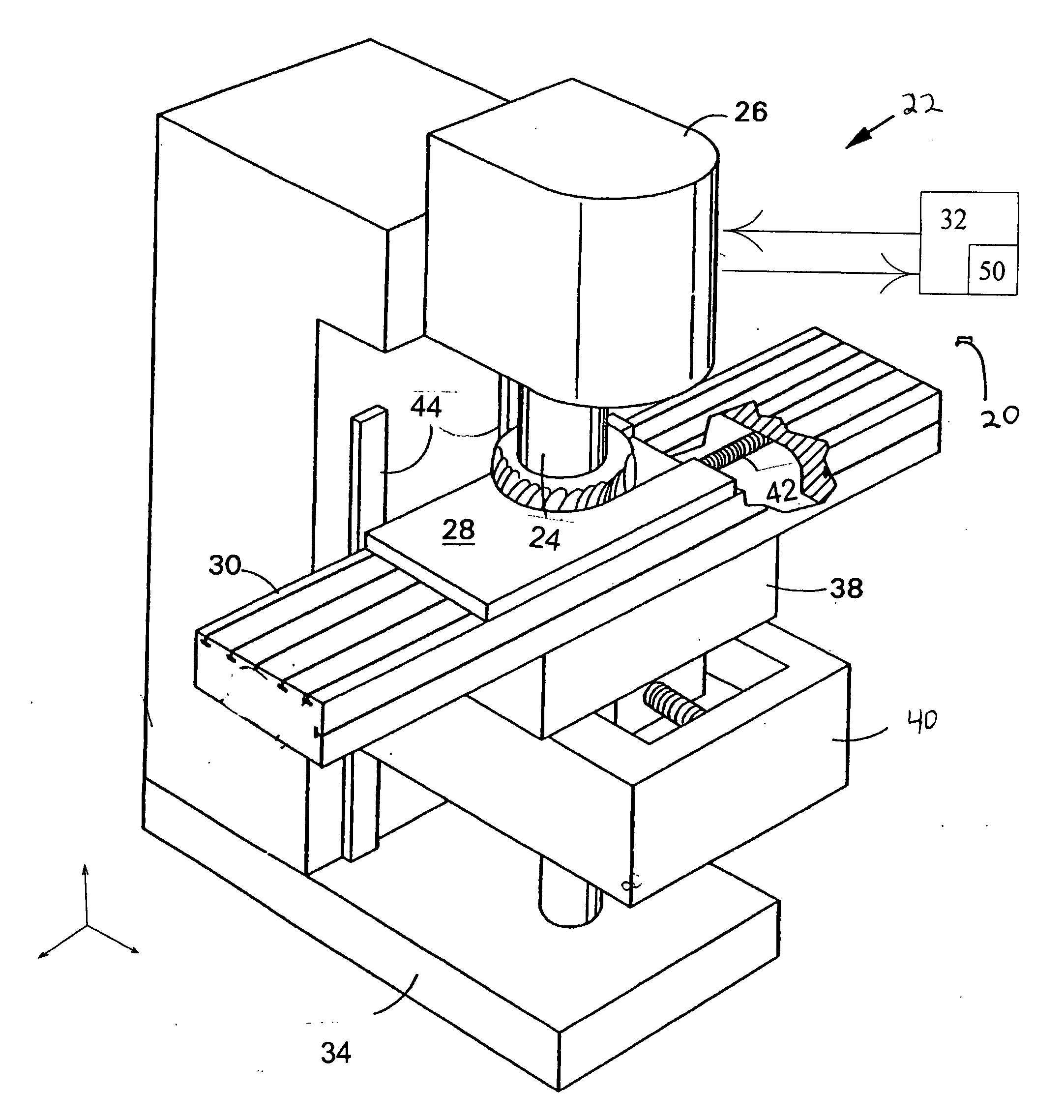
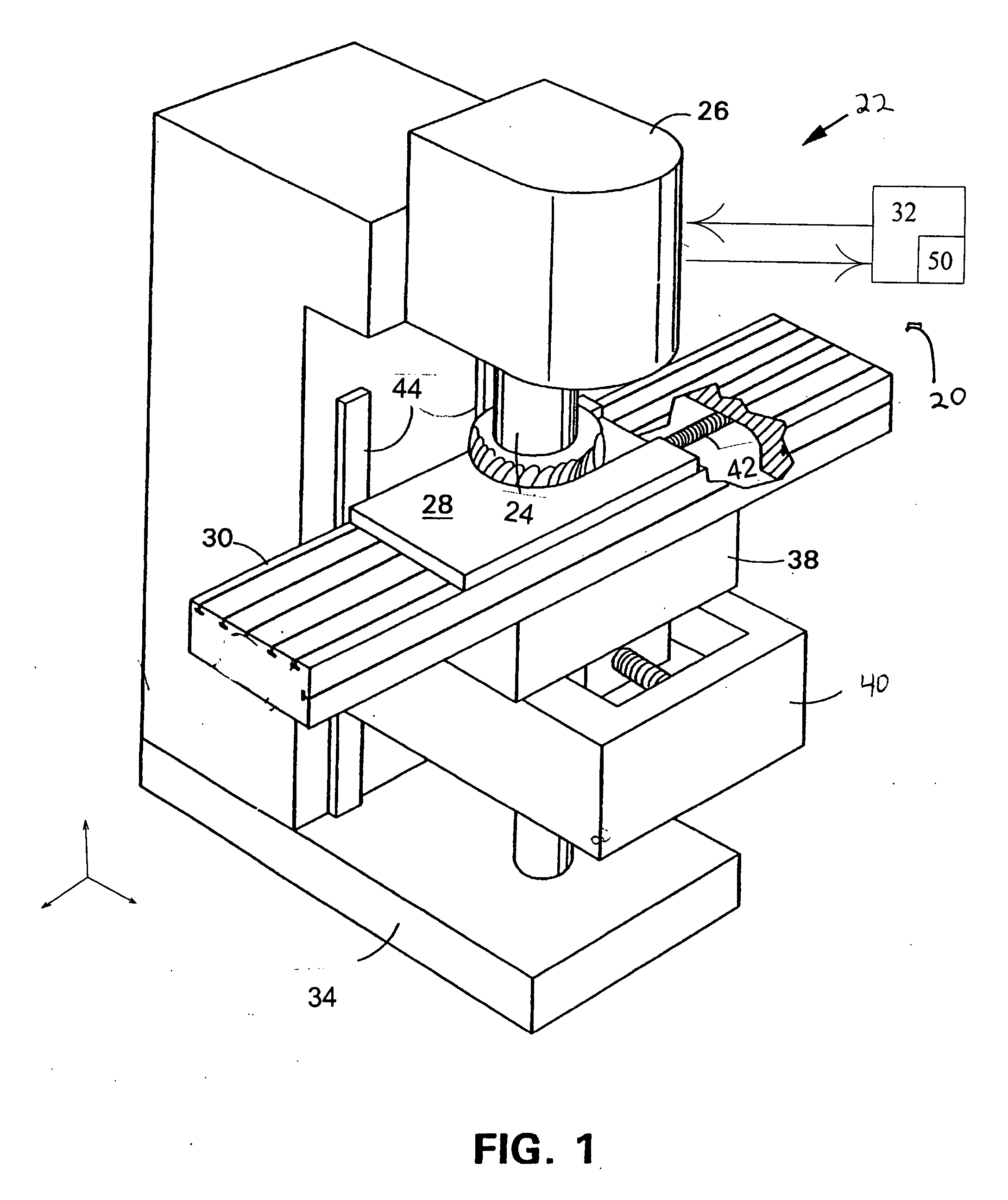
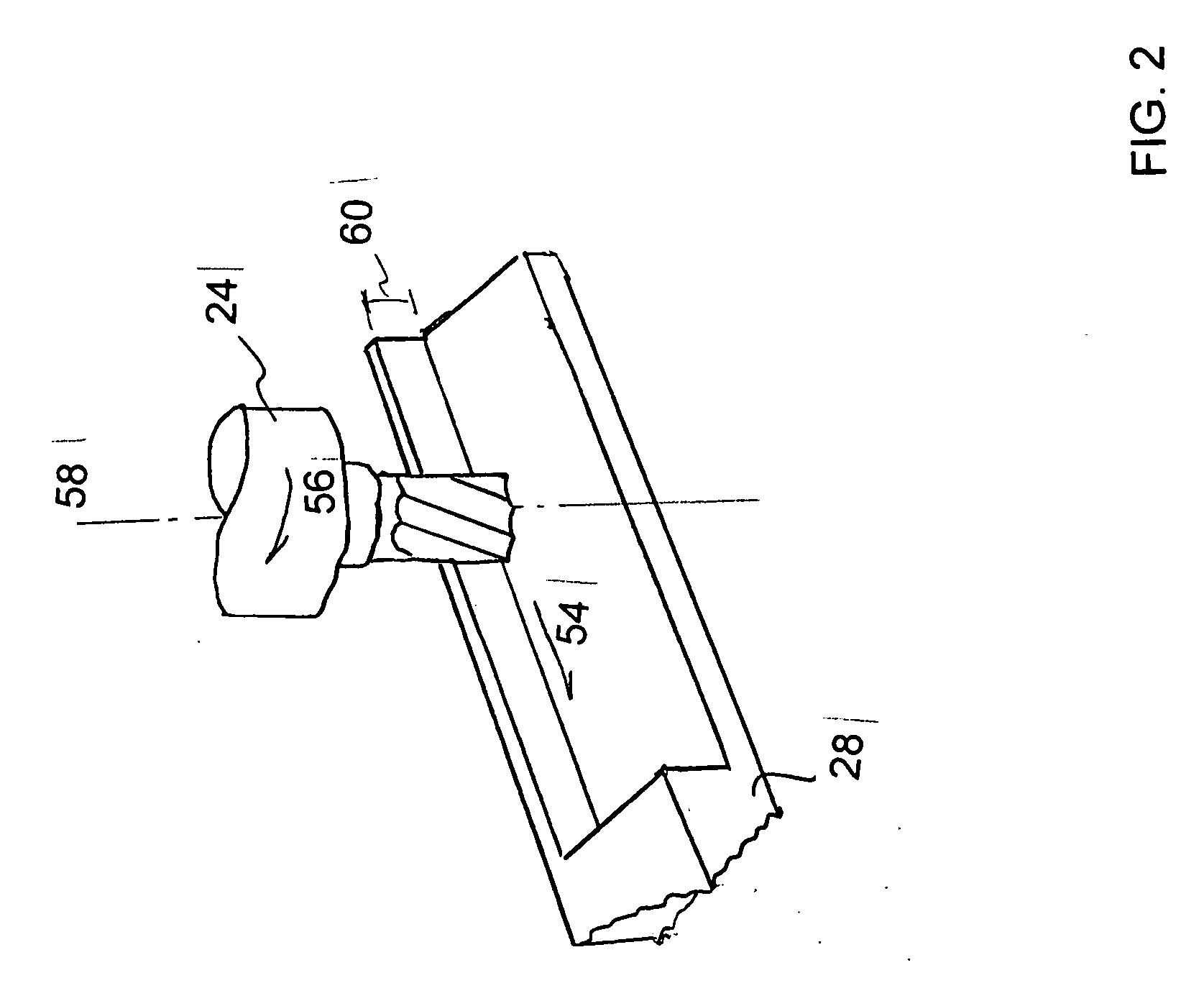
- A system and method using a physics-based two-parameter process model that monitors spindle power and cutting geometry data to calculate tangent cutting and edge coefficients, providing a direct and independent measure of tool wear, capable of distinguishing between different wear mechanisms without the need for extensive learning processes.

Method for reducing ceramic tool wear and friction in machining/cutting applications
PatentInactiveUS5651648A
Innovation
- A method using cutting fluid compositions with monomers that form protective polymeric films in situ at the tool-workpiece interface under tribological conditions, reducing wear and friction through tribopolymerization, without causing thermal shock or corrosion.


Manufacturing Standards for Ceramic Machining
Manufacturing standards for ceramic machining have evolved significantly to address the unique challenges posed by advanced ceramic materials in precision manufacturing applications. These standards encompass dimensional tolerances, surface finish requirements, and quality control protocols specifically tailored to ceramic components used in aerospace, medical, and electronics industries.
International standards organizations, including ISO and ASTM, have established comprehensive guidelines for ceramic machining processes. ISO 13385 series provides fundamental requirements for ceramic cutting tools and machining parameters, while ASTM C1161 defines flexural strength testing methods for advanced ceramics. These standards establish baseline performance metrics that manufacturers must achieve to ensure component reliability and consistency across different production facilities.
Surface roughness specifications for machined ceramics typically range from Ra 0.1 to 1.6 micrometers, depending on application requirements. Aerospace components often demand Ra values below 0.4 micrometers, necessitating specialized finishing processes and measurement techniques. Standards also define acceptable surface defect levels, including microcrack density and subsurface damage depth, which directly impact component fatigue life and performance.
Dimensional tolerance standards for ceramic machining are generally more stringent than those for metallic components due to ceramics' brittleness and limited post-machining correction options. Typical tolerance grades range from IT6 to IT9, with critical dimensions often requiring IT7 or better. Standards specify measurement protocols using coordinate measuring machines and optical inspection systems to ensure compliance with geometric dimensioning and tolerancing requirements.
Quality assurance standards mandate comprehensive inspection procedures throughout the machining process. These include in-process monitoring of cutting forces, vibration levels, and thermal conditions to prevent catastrophic tool failure or workpiece damage. Statistical process control methods are employed to track key performance indicators and maintain consistent output quality.
Emerging standards address advanced ceramic materials such as silicon nitride, alumina-toughened zirconia, and ceramic matrix composites. These materials require specialized machining parameters and quality metrics that traditional standards do not adequately cover, driving continuous evolution of manufacturing standards in the ceramic machining industry.
International standards organizations, including ISO and ASTM, have established comprehensive guidelines for ceramic machining processes. ISO 13385 series provides fundamental requirements for ceramic cutting tools and machining parameters, while ASTM C1161 defines flexural strength testing methods for advanced ceramics. These standards establish baseline performance metrics that manufacturers must achieve to ensure component reliability and consistency across different production facilities.
Surface roughness specifications for machined ceramics typically range from Ra 0.1 to 1.6 micrometers, depending on application requirements. Aerospace components often demand Ra values below 0.4 micrometers, necessitating specialized finishing processes and measurement techniques. Standards also define acceptable surface defect levels, including microcrack density and subsurface damage depth, which directly impact component fatigue life and performance.
Dimensional tolerance standards for ceramic machining are generally more stringent than those for metallic components due to ceramics' brittleness and limited post-machining correction options. Typical tolerance grades range from IT6 to IT9, with critical dimensions often requiring IT7 or better. Standards specify measurement protocols using coordinate measuring machines and optical inspection systems to ensure compliance with geometric dimensioning and tolerancing requirements.
Quality assurance standards mandate comprehensive inspection procedures throughout the machining process. These include in-process monitoring of cutting forces, vibration levels, and thermal conditions to prevent catastrophic tool failure or workpiece damage. Statistical process control methods are employed to track key performance indicators and maintain consistent output quality.
Emerging standards address advanced ceramic materials such as silicon nitride, alumina-toughened zirconia, and ceramic matrix composites. These materials require specialized machining parameters and quality metrics that traditional standards do not adequately cover, driving continuous evolution of manufacturing standards in the ceramic machining industry.
Cost-Benefit Analysis of Ceramic Machining Solutions
The economic evaluation of ceramic machining solutions reveals a complex investment landscape where initial capital expenditure significantly exceeds traditional CNC operations. Advanced ceramic cutting tools typically cost 3-5 times more than conventional carbide tools, while specialized equipment modifications can require investments ranging from $50,000 to $200,000 per machine setup. However, this upfront investment must be weighed against substantial long-term operational benefits.
Tool life extension represents the most significant cost advantage in ceramic machining applications. High-performance ceramic tools demonstrate 5-10 times longer operational life compared to traditional cutting tools when machining hardened materials. This extended durability translates to reduced tool replacement frequency, minimizing production downtime and inventory costs. Manufacturing facilities processing high-volume ceramic components report tool cost reductions of 40-60% annually despite higher initial procurement expenses.
Operational efficiency gains contribute substantially to the overall value proposition. Ceramic machining enables higher cutting speeds and feed rates, resulting in 30-50% reduction in cycle times for complex geometries. Energy consumption analysis indicates 15-25% lower power requirements per unit produced, primarily due to reduced machining time and improved cutting efficiency. These operational improvements directly impact production capacity and throughput optimization.
Labor cost considerations favor ceramic machining solutions in high-precision applications. Reduced tool changes and extended maintenance intervals decrease operator intervention requirements, enabling more efficient workforce allocation. Quality consistency improvements reduce inspection time and rework costs, with defect rates typically decreasing by 20-35% compared to conventional machining processes.
Return on investment calculations demonstrate break-even points typically occurring within 18-24 months for high-volume production environments. Facilities processing premium ceramic components or operating in aerospace and medical device sectors often achieve faster payback periods due to higher part values and stringent quality requirements. The total cost of ownership analysis consistently favors ceramic machining solutions for applications exceeding 10,000 annual production units, where operational efficiency gains offset initial capital investments.
Tool life extension represents the most significant cost advantage in ceramic machining applications. High-performance ceramic tools demonstrate 5-10 times longer operational life compared to traditional cutting tools when machining hardened materials. This extended durability translates to reduced tool replacement frequency, minimizing production downtime and inventory costs. Manufacturing facilities processing high-volume ceramic components report tool cost reductions of 40-60% annually despite higher initial procurement expenses.
Operational efficiency gains contribute substantially to the overall value proposition. Ceramic machining enables higher cutting speeds and feed rates, resulting in 30-50% reduction in cycle times for complex geometries. Energy consumption analysis indicates 15-25% lower power requirements per unit produced, primarily due to reduced machining time and improved cutting efficiency. These operational improvements directly impact production capacity and throughput optimization.
Labor cost considerations favor ceramic machining solutions in high-precision applications. Reduced tool changes and extended maintenance intervals decrease operator intervention requirements, enabling more efficient workforce allocation. Quality consistency improvements reduce inspection time and rework costs, with defect rates typically decreasing by 20-35% compared to conventional machining processes.
Return on investment calculations demonstrate break-even points typically occurring within 18-24 months for high-volume production environments. Facilities processing premium ceramic components or operating in aerospace and medical device sectors often achieve faster payback periods due to higher part values and stringent quality requirements. The total cost of ownership analysis consistently favors ceramic machining solutions for applications exceeding 10,000 annual production units, where operational efficiency gains offset initial capital investments.
Unlock deeper insights with Patsnap Eureka Quick Research — get a full tech report to explore trends and direct your research. Try now!
Generate Your Research Report Instantly with AI Agent
Supercharge your innovation with Patsnap Eureka AI Agent Platform!