
Optimize CNC Ergonomics for Improved User Performance
MAR 20, 20269 MIN READ
Generate Your Research Report Instantly with AI Agent
Patsnap Eureka helps you evaluate technical feasibility & market potential.
CNC Ergonomics Background and Performance Goals
Computer Numerical Control (CNC) technology has undergone significant evolution since its inception in the 1940s, transforming from basic automated machining systems to sophisticated manufacturing platforms. The integration of ergonomic principles into CNC system design represents a critical advancement in addressing the complex human-machine interface challenges that have emerged as these systems became more prevalent in industrial settings.
The historical development of CNC ergonomics can be traced through several distinct phases. Early CNC systems prioritized mechanical precision and automation capabilities, with limited consideration for operator comfort and usability. As manufacturing environments became increasingly dependent on CNC technology, the recognition of human factors as a determinant of overall system performance gained prominence. This shift was driven by mounting evidence linking poor ergonomic design to operator fatigue, reduced productivity, and increased error rates.
Contemporary CNC operations present unique ergonomic challenges that distinguish them from traditional manufacturing processes. Operators frequently engage in prolonged periods of standing, repetitive motion patterns, and sustained visual attention to monitor complex machining operations. The cognitive demands of programming, setup, and quality control activities require sustained mental focus, while physical tasks such as workpiece handling and tool changes impose varying degrees of musculoskeletal stress.
The primary performance goals for optimizing CNC ergonomics encompass multiple interconnected objectives. Enhancing operator comfort and reducing physical strain represents a fundamental goal, directly impacting long-term workforce health and retention. Improved ergonomic design seeks to minimize the risk of work-related musculoskeletal disorders, which have been identified as significant contributors to workplace injuries in manufacturing environments.
Productivity enhancement constitutes another critical performance target, as ergonomically optimized workstations enable operators to maintain higher levels of efficiency throughout extended work periods. This includes reducing setup times, minimizing operator fatigue-related errors, and facilitating smoother workflow transitions between different machining operations.
Quality improvement objectives focus on creating conditions that support consistent, accurate performance. Ergonomic optimization aims to reduce human error rates by designing interfaces and workstation layouts that align with natural human capabilities and limitations. This includes optimizing visual displays, control accessibility, and workspace organization to support precise decision-making and execution.
The integration of advanced technologies such as adaptive interfaces, intelligent automation, and real-time performance monitoring systems represents an emerging frontier in CNC ergonomics optimization. These technological capabilities offer unprecedented opportunities to create responsive, personalized work environments that adapt to individual operator characteristics and preferences while maintaining optimal performance standards across diverse manufacturing scenarios.
The historical development of CNC ergonomics can be traced through several distinct phases. Early CNC systems prioritized mechanical precision and automation capabilities, with limited consideration for operator comfort and usability. As manufacturing environments became increasingly dependent on CNC technology, the recognition of human factors as a determinant of overall system performance gained prominence. This shift was driven by mounting evidence linking poor ergonomic design to operator fatigue, reduced productivity, and increased error rates.
Contemporary CNC operations present unique ergonomic challenges that distinguish them from traditional manufacturing processes. Operators frequently engage in prolonged periods of standing, repetitive motion patterns, and sustained visual attention to monitor complex machining operations. The cognitive demands of programming, setup, and quality control activities require sustained mental focus, while physical tasks such as workpiece handling and tool changes impose varying degrees of musculoskeletal stress.
The primary performance goals for optimizing CNC ergonomics encompass multiple interconnected objectives. Enhancing operator comfort and reducing physical strain represents a fundamental goal, directly impacting long-term workforce health and retention. Improved ergonomic design seeks to minimize the risk of work-related musculoskeletal disorders, which have been identified as significant contributors to workplace injuries in manufacturing environments.
Productivity enhancement constitutes another critical performance target, as ergonomically optimized workstations enable operators to maintain higher levels of efficiency throughout extended work periods. This includes reducing setup times, minimizing operator fatigue-related errors, and facilitating smoother workflow transitions between different machining operations.
Quality improvement objectives focus on creating conditions that support consistent, accurate performance. Ergonomic optimization aims to reduce human error rates by designing interfaces and workstation layouts that align with natural human capabilities and limitations. This includes optimizing visual displays, control accessibility, and workspace organization to support precise decision-making and execution.
The integration of advanced technologies such as adaptive interfaces, intelligent automation, and real-time performance monitoring systems represents an emerging frontier in CNC ergonomics optimization. These technological capabilities offer unprecedented opportunities to create responsive, personalized work environments that adapt to individual operator characteristics and preferences while maintaining optimal performance standards across diverse manufacturing scenarios.
Market Demand for Ergonomic CNC Solutions
The global CNC machine market is experiencing unprecedented growth driven by increasing automation demands across manufacturing sectors. Traditional CNC operations have long been associated with operator fatigue, repetitive strain injuries, and reduced productivity due to poor ergonomic design. Manufacturing facilities worldwide are recognizing that operator comfort and efficiency directly correlate with production quality and throughput rates.
Industrial surveys consistently reveal that CNC operators experience significant physical discomfort during extended work periods. Common complaints include neck strain from monitor positioning, back pain from prolonged standing, and wrist fatigue from repetitive control panel interactions. These ergonomic challenges translate into measurable business impacts including increased sick leave, higher turnover rates, and reduced operational efficiency.
The automotive industry represents the largest segment driving demand for ergonomic CNC solutions. Major automotive manufacturers are implementing comprehensive ergonomic standards across their production facilities to meet both regulatory requirements and corporate wellness initiatives. Aerospace manufacturers follow closely, where precision requirements demand sustained operator attention and comfort over extended machining cycles.
Small to medium-sized manufacturing enterprises are increasingly recognizing ergonomic improvements as competitive advantages. These facilities often operate with limited staffing, making operator efficiency and retention critical business factors. The growing skilled labor shortage in manufacturing amplifies the importance of creating attractive, comfortable work environments to attract and retain qualified CNC operators.
Regulatory pressure is intensifying across major manufacturing regions. Occupational safety organizations are establishing stricter guidelines for workplace ergonomics, particularly in industries with high repetitive motion exposure. Compliance requirements are driving systematic ergonomic assessments and improvements in CNC workstation design.
The integration of Industry 4.0 technologies creates new opportunities for ergonomic enhancement. Smart manufacturing environments enable real-time monitoring of operator behavior and fatigue levels, supporting data-driven ergonomic interventions. Advanced human-machine interfaces are evolving beyond traditional control panels toward more intuitive, physically comfortable interaction methods.
Market research indicates strong correlation between ergonomic workplace design and measurable performance metrics including reduced cycle times, improved part quality, and decreased setup errors. Forward-thinking manufacturers are investing in ergonomic CNC solutions as strategic initiatives rather than mere compliance measures, recognizing the substantial return on investment through enhanced productivity and reduced operational costs.
Industrial surveys consistently reveal that CNC operators experience significant physical discomfort during extended work periods. Common complaints include neck strain from monitor positioning, back pain from prolonged standing, and wrist fatigue from repetitive control panel interactions. These ergonomic challenges translate into measurable business impacts including increased sick leave, higher turnover rates, and reduced operational efficiency.
The automotive industry represents the largest segment driving demand for ergonomic CNC solutions. Major automotive manufacturers are implementing comprehensive ergonomic standards across their production facilities to meet both regulatory requirements and corporate wellness initiatives. Aerospace manufacturers follow closely, where precision requirements demand sustained operator attention and comfort over extended machining cycles.
Small to medium-sized manufacturing enterprises are increasingly recognizing ergonomic improvements as competitive advantages. These facilities often operate with limited staffing, making operator efficiency and retention critical business factors. The growing skilled labor shortage in manufacturing amplifies the importance of creating attractive, comfortable work environments to attract and retain qualified CNC operators.
Regulatory pressure is intensifying across major manufacturing regions. Occupational safety organizations are establishing stricter guidelines for workplace ergonomics, particularly in industries with high repetitive motion exposure. Compliance requirements are driving systematic ergonomic assessments and improvements in CNC workstation design.
The integration of Industry 4.0 technologies creates new opportunities for ergonomic enhancement. Smart manufacturing environments enable real-time monitoring of operator behavior and fatigue levels, supporting data-driven ergonomic interventions. Advanced human-machine interfaces are evolving beyond traditional control panels toward more intuitive, physically comfortable interaction methods.
Market research indicates strong correlation between ergonomic workplace design and measurable performance metrics including reduced cycle times, improved part quality, and decreased setup errors. Forward-thinking manufacturers are investing in ergonomic CNC solutions as strategic initiatives rather than mere compliance measures, recognizing the substantial return on investment through enhanced productivity and reduced operational costs.
Current CNC Ergonomic Issues and Design Challenges
CNC machine operators face significant ergonomic challenges that directly impact their performance, safety, and long-term health. The traditional design of CNC workstations often prioritizes machine functionality over human factors, resulting in suboptimal working conditions that can lead to musculoskeletal disorders and reduced operational efficiency.
One of the primary ergonomic issues stems from inadequate control panel positioning and design. Many CNC machines feature control interfaces that require operators to adopt awkward postures, such as excessive reaching, prolonged standing in fixed positions, or uncomfortable neck angles when viewing displays. The height and angle of control panels are frequently non-adjustable, forcing operators of different statures to work in biomechanically disadvantageous positions.
Workspace layout presents another critical challenge, particularly in the arrangement of tools, workpieces, and auxiliary equipment. Operators often experience repetitive strain from frequent lifting, carrying, and positioning of heavy components without proper mechanical assistance. The lack of adequate clearance around machines can force workers into cramped positions, while poor lighting conditions strain visual acuity during precision operations.
Display technology and interface design contribute significantly to operator fatigue and errors. Many existing CNC systems utilize small, low-contrast screens that require operators to lean forward or squint to read critical information. The complexity of menu structures and non-intuitive control layouts increase cognitive load and extend task completion times, particularly during setup and programming phases.
Physical accessibility remains a persistent challenge, especially for maintenance and setup operations. Operators frequently need to access machine components in confined spaces, leading to awkward body positions and increased injury risk. The design of machine guards and enclosures, while essential for safety, often creates additional ergonomic barriers that complicate routine operations.
Environmental factors within CNC work areas compound these ergonomic issues. Inadequate ventilation systems can create uncomfortable temperature conditions, while excessive noise levels from machinery operation contribute to operator stress and fatigue. Vibration transmission through machine structures and flooring can cause discomfort during extended operational periods.
The integration of modern automation technologies has introduced new ergonomic considerations. While automated systems can reduce some physical demands, they often create new challenges related to monitoring multiple machines simultaneously and responding to automated alerts and alarms. The cognitive demands of supervising complex automated processes require careful consideration of information presentation and decision-making support systems.
One of the primary ergonomic issues stems from inadequate control panel positioning and design. Many CNC machines feature control interfaces that require operators to adopt awkward postures, such as excessive reaching, prolonged standing in fixed positions, or uncomfortable neck angles when viewing displays. The height and angle of control panels are frequently non-adjustable, forcing operators of different statures to work in biomechanically disadvantageous positions.
Workspace layout presents another critical challenge, particularly in the arrangement of tools, workpieces, and auxiliary equipment. Operators often experience repetitive strain from frequent lifting, carrying, and positioning of heavy components without proper mechanical assistance. The lack of adequate clearance around machines can force workers into cramped positions, while poor lighting conditions strain visual acuity during precision operations.
Display technology and interface design contribute significantly to operator fatigue and errors. Many existing CNC systems utilize small, low-contrast screens that require operators to lean forward or squint to read critical information. The complexity of menu structures and non-intuitive control layouts increase cognitive load and extend task completion times, particularly during setup and programming phases.
Physical accessibility remains a persistent challenge, especially for maintenance and setup operations. Operators frequently need to access machine components in confined spaces, leading to awkward body positions and increased injury risk. The design of machine guards and enclosures, while essential for safety, often creates additional ergonomic barriers that complicate routine operations.
Environmental factors within CNC work areas compound these ergonomic issues. Inadequate ventilation systems can create uncomfortable temperature conditions, while excessive noise levels from machinery operation contribute to operator stress and fatigue. Vibration transmission through machine structures and flooring can cause discomfort during extended operational periods.
The integration of modern automation technologies has introduced new ergonomic considerations. While automated systems can reduce some physical demands, they often create new challenges related to monitoring multiple machines simultaneously and responding to automated alerts and alarms. The cognitive demands of supervising complex automated processes require careful consideration of information presentation and decision-making support systems.
Existing CNC Ergonomic Optimization Solutions
01 Adaptive control interfaces for CNC machines based on user interaction
CNC systems can incorporate adaptive control interfaces that adjust machine parameters based on real-time monitoring of user interaction patterns and operational feedback. These systems utilize sensors and algorithms to detect user behavior, fatigue levels, and interaction efficiency, automatically optimizing control settings to enhance user performance. The adaptive interfaces can modify display configurations, control sensitivity, and operational modes to match individual user capabilities and preferences, thereby reducing cognitive load and improving overall machining accuracy.- Adaptive control interfaces for CNC machines based on user interaction: CNC systems can incorporate adaptive control interfaces that adjust machine parameters based on real-time monitoring of user interaction patterns and operational feedback. These systems utilize sensors and algorithms to detect user behavior, fatigue levels, and interaction efficiency, automatically optimizing control settings to enhance user performance. The adaptive interfaces can modify display configurations, control sensitivity, and operational modes to match individual user capabilities and preferences, thereby reducing cognitive load and improving overall machining accuracy.
- Ergonomic workstation design and adjustable positioning systems: Ergonomic enhancements for CNC workstations include adjustable positioning systems that allow operators to customize the height, angle, and distance of control panels, displays, and input devices. These systems incorporate motorized or manual adjustment mechanisms that accommodate different body types and working postures. The workstation designs consider anthropometric data and biomechanical principles to minimize physical strain during extended operation periods. Features may include articulating monitor arms, height-adjustable control consoles, and configurable seating arrangements that promote proper posture and reduce musculoskeletal disorders.
- Haptic feedback and tactile guidance systems for CNC operation: Advanced CNC interfaces incorporate haptic feedback mechanisms that provide tactile sensations to operators during machine control and programming activities. These systems use vibration actuators, force feedback devices, and tactile displays to communicate machine status, alert conditions, and operational boundaries through the sense of touch. The haptic guidance helps users maintain awareness of machine operations without constant visual monitoring, reducing eye strain and improving multitasking capabilities. The tactile feedback can indicate tool engagement, material resistance, and proximity warnings, enhancing operator confidence and precision.
- Cognitive load reduction through intelligent user interface design: CNC systems employ intelligent user interface designs that minimize cognitive load by organizing information hierarchically, providing context-sensitive help, and implementing intuitive navigation structures. These interfaces utilize principles of human-computer interaction to present complex machining data in easily digestible formats, including visual representations, simplified control schemes, and progressive disclosure of advanced features. The systems may incorporate artificial intelligence to predict user needs, automate routine tasks, and provide decision support, allowing operators to focus on critical aspects of machining operations while reducing mental fatigue and error rates.
- Performance monitoring and training systems for CNC operators: Integrated performance monitoring systems track operator efficiency, error rates, and skill development during CNC machine operation. These systems collect data on user interactions, task completion times, and quality outcomes to provide feedback and identify areas for improvement. Training modules can be incorporated that use simulation environments, augmented reality guidance, and adaptive learning algorithms to enhance operator skills progressively. The monitoring systems may generate performance reports, suggest optimization strategies, and facilitate competency assessment, contributing to continuous improvement in user performance and overall manufacturing productivity.
02 Ergonomic workstation design and adjustable positioning systems
Ergonomic enhancements for CNC workstations include adjustable positioning systems that allow operators to customize the height, angle, and distance of control panels, displays, and input devices. These systems incorporate motorized or manual adjustment mechanisms that accommodate different body types and working postures. The workstation designs consider anthropometric data and biomechanical principles to minimize physical strain during extended operation periods. Features may include articulating monitor arms, height-adjustable control consoles, and strategically positioned emergency stops to reduce reach distances and improve operator comfort.Expand Specific Solutions03 Haptic feedback and tactile guidance systems for CNC operation
Advanced CNC interfaces incorporate haptic feedback mechanisms that provide tactile cues to operators during machine control and programming tasks. These systems use vibration patterns, force feedback, and resistance variations to communicate machine status, alert operators to potential errors, and guide precise input actions. The haptic technology enhances user awareness of machine operations without requiring constant visual attention, reducing eye strain and improving multitasking capabilities. The tactile feedback can indicate tool engagement, material resistance, and operational boundaries, contributing to safer and more efficient machine operation.Expand Specific Solutions04 Cognitive load reduction through intelligent user interface design
CNC systems employ intelligent user interface designs that minimize cognitive load by presenting information hierarchically, using intuitive visual representations, and implementing context-aware assistance features. These interfaces utilize color coding, graphical representations of machining operations, and simplified navigation structures to reduce the mental effort required for operation. The systems may incorporate augmented reality overlays, predictive text input, and automated error detection to streamline programming and operation tasks. Machine learning algorithms can analyze user patterns to anticipate needs and proactively present relevant information, reducing decision-making time and improving operational efficiency.Expand Specific Solutions05 Performance monitoring and user training optimization systems
Integrated performance monitoring systems track operator interactions, machining outcomes, and efficiency metrics to identify areas for improvement in both user skills and system design. These systems collect data on operation times, error rates, and task completion patterns to generate personalized training recommendations and interface optimizations. The monitoring capabilities can assess user proficiency levels and adapt the complexity of available functions accordingly, implementing progressive disclosure of advanced features as operator competency increases. Analytics dashboards provide feedback on performance trends, enabling continuous improvement in both individual operator capabilities and overall system ergonomics.Expand Specific Solutions
Key Players in CNC and Ergonomic Design Industry
The CNC ergonomics optimization market is experiencing significant growth as the industry transitions from traditional manufacturing to smart, user-centric production environments. The market demonstrates substantial scale driven by increasing automation demands and workforce efficiency requirements. Technology maturity varies considerably across market participants, with established industrial giants like Siemens AG, DMG MORI, and Okuma Corp leading in advanced ergonomic solutions integration. Companies such as INDEX-Werke and Maschinenfabrik Berthold Hermle AG contribute specialized expertise in precision machinery design, while technology leaders like IBM and Apple bring human-machine interface innovations. Academic institutions including Shanghai Jiao Tong University and Huazhong University of Science & Technology provide crucial research foundations. The competitive landscape shows mature hardware capabilities but emerging software-driven ergonomic solutions, indicating a market in transition toward intelligent, adaptive user interfaces that optimize operator performance and safety.
Siemens AG
Technical Solution: Siemens has developed comprehensive ergonomic solutions for CNC systems through their SINUMERIK control platform, which features adaptive user interfaces that automatically adjust based on operator preferences and usage patterns. Their ergonomic approach includes customizable touchscreen layouts, voice control integration, and intelligent workspace organization that reduces physical strain during operation. The system incorporates machine learning algorithms to optimize button placement and menu structures based on individual user behavior, significantly reducing repetitive motions and cognitive load. Additionally, Siemens implements advanced visualization techniques with 3D simulation capabilities that allow operators to preview machining processes, reducing the need for physical adjustments and minimizing ergonomic risks associated with frequent machine setup changes.
Strengths: Comprehensive integration with existing industrial systems, advanced AI-driven personalization, proven track record in industrial automation. Weaknesses: High implementation costs, complex system integration requirements, potential over-reliance on digital interfaces.
DMG MORI Pfronten GmbH
Technical Solution: DMG MORI has pioneered ergonomic CNC design through their CELOS operating system, which emphasizes intuitive human-machine interaction and workspace optimization. Their approach focuses on reducing operator fatigue through strategically positioned control panels, adjustable viewing angles, and streamlined workflow processes. The company integrates biometric feedback systems to monitor operator stress levels and automatically suggests optimal break intervals and posture adjustments. Their machines feature ergonomically designed tool loading systems that minimize heavy lifting and awkward positioning, while smart lighting systems automatically adjust based on ambient conditions and task requirements. The CELOS interface uses predictive analytics to anticipate operator needs and pre-configure commonly used functions, reducing manual input and improving overall efficiency.
Strengths: Industry-leading machine design expertise, comprehensive ergonomic research foundation, strong focus on operator wellness. Weaknesses: Limited compatibility with non-DMG MORI systems, higher initial investment costs, requires specialized training for optimal utilization.
Core Innovations in Human-Machine Interface Design
Computerized numerical control system with human interface using low cost shared memory
PatentInactiveUS20080065837A1
Innovation
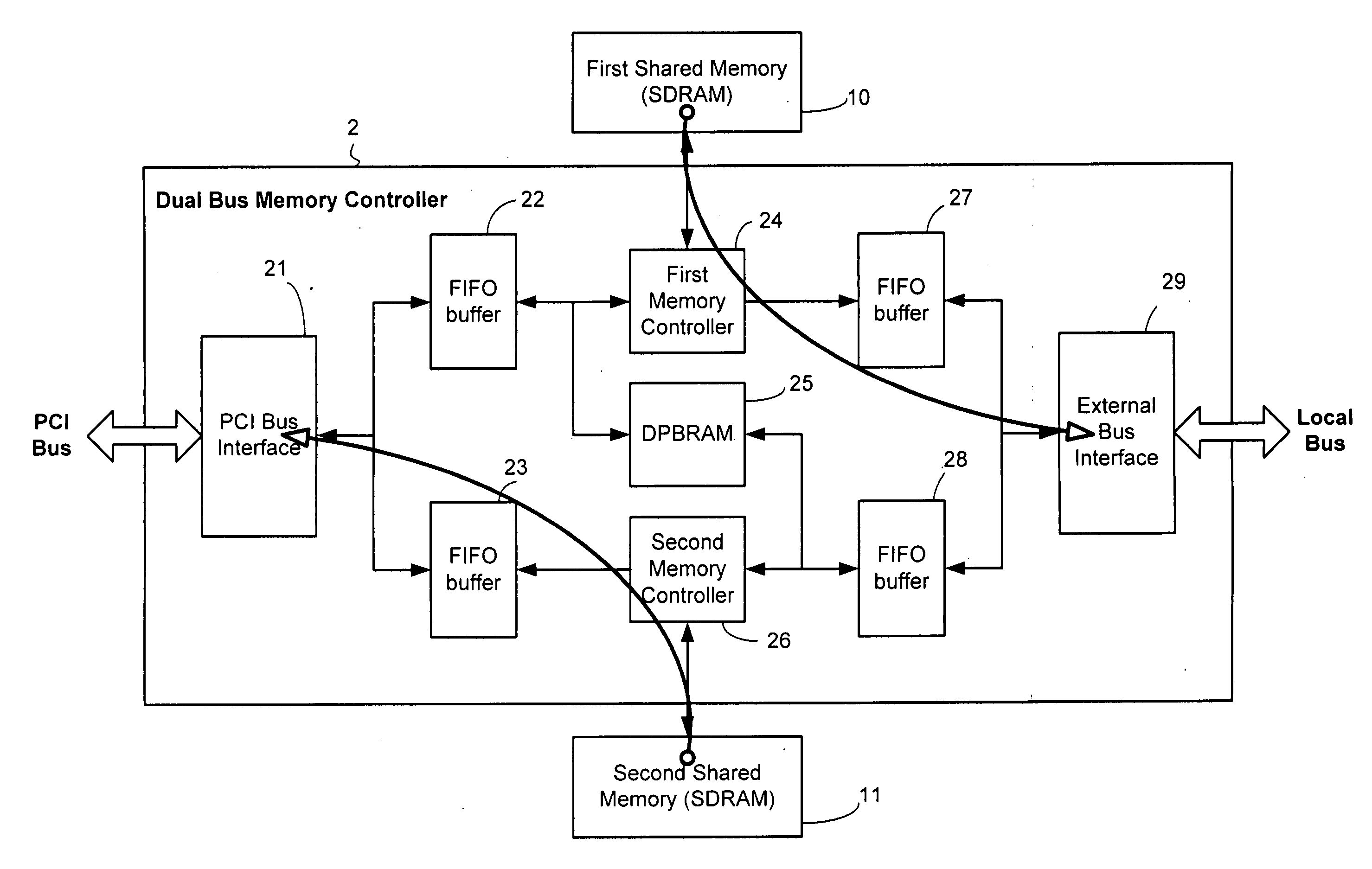
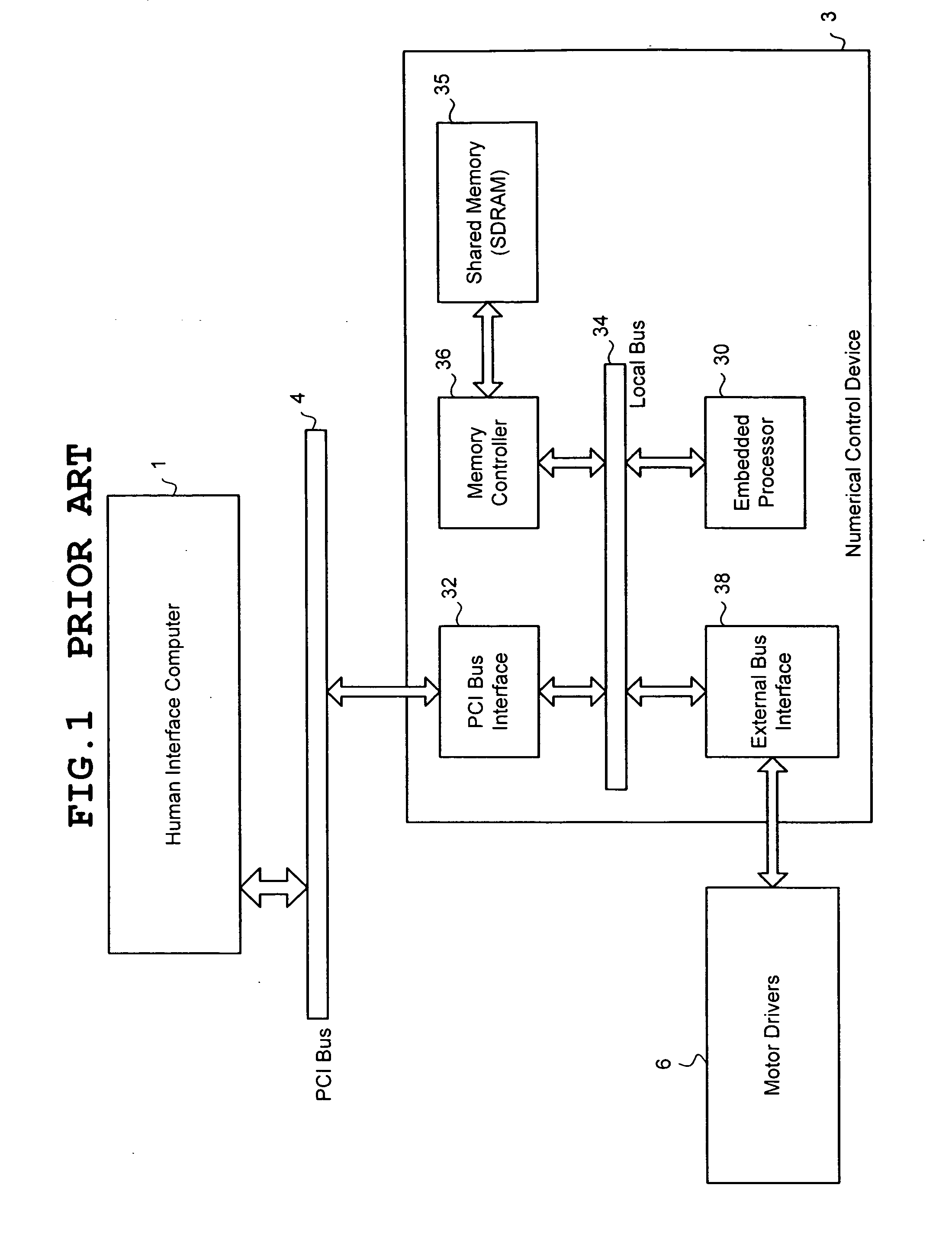
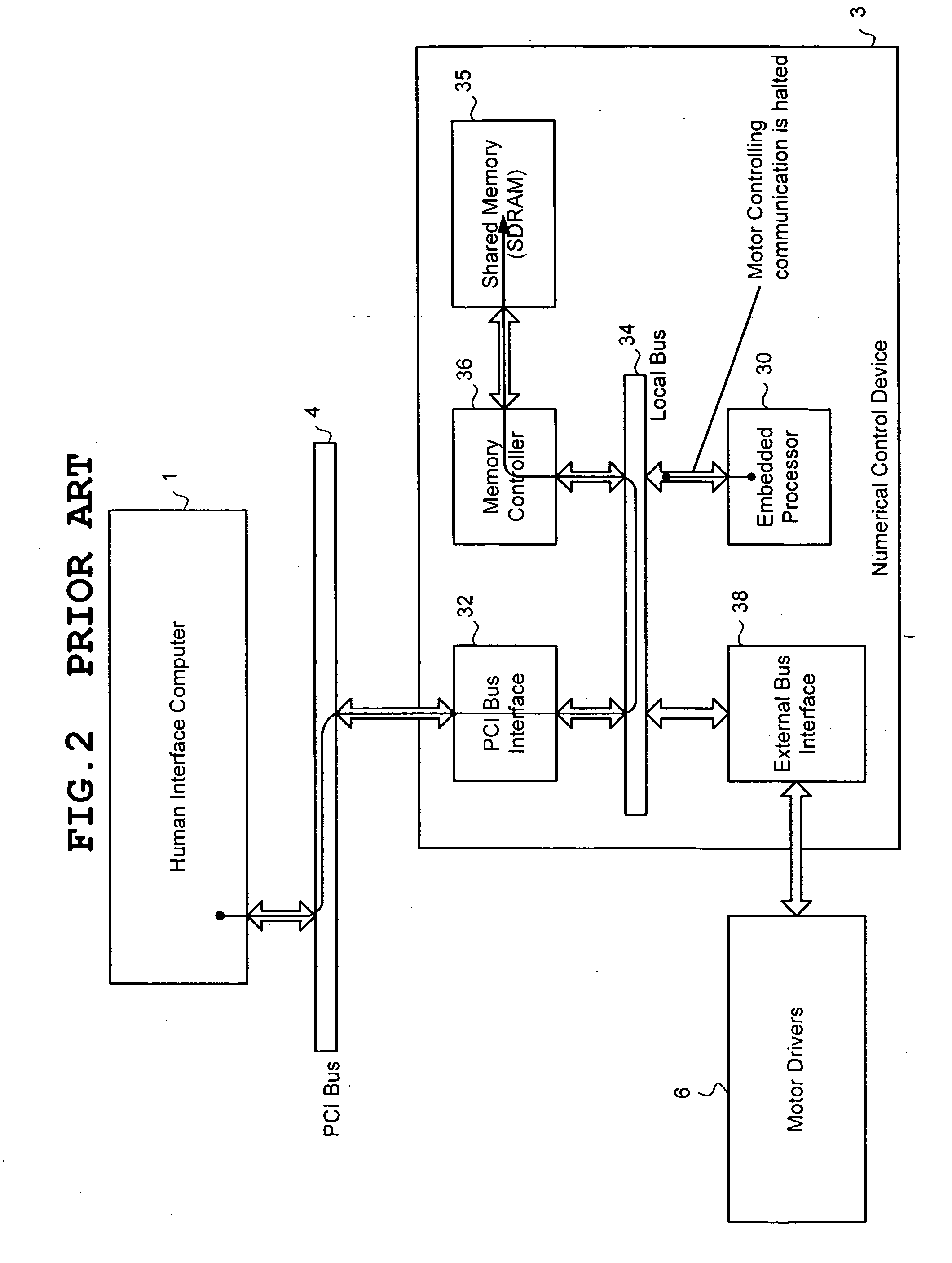
- A dual bus memory controller is implemented, using low-cost SDR or DDR SDRAM shared memories and FPGA technology to enable concurrent communication between the PCI bus and local bus, allowing the human interface computer and embedded processor to access separate shared memories without stalling motor driver communication, and utilizing FIFO buffers to manage data transactions.

Computer numerical control (CNC) machine and method for using
PatentActiveUS20230176543A1
Innovation
- A CNC apparatus with a first user interface for sending operating instructions and a second user interface comprising a barcode scanner, connected to a control board, allowing for the acceptance of instructions from either interface, enabling accurate and easy input through barcode scanning, and supporting remote monitoring and control via a networked system.


Safety Standards for CNC Workplace Ergonomics
The establishment of comprehensive safety standards for CNC workplace ergonomics represents a critical foundation for optimizing user performance while ensuring operator wellbeing. Current regulatory frameworks primarily draw from OSHA guidelines, ISO 14738 standards for anthropometric requirements, and ANSI B11 series specifications for machine tool safety. These standards collectively address fundamental aspects including workspace dimensions, lighting requirements, noise limitations, and repetitive motion protocols.
International safety standards mandate specific clearance zones around CNC equipment, typically requiring minimum 24-inch walkways and 36-inch clearances for emergency egress. Workstation height specifications follow anthropometric data, with control panel positioning between 28-48 inches from floor level to accommodate the 5th to 95th percentile operator range. These dimensional requirements directly impact user comfort and operational efficiency during extended machining cycles.
Ergonomic safety protocols emphasize the prevention of musculoskeletal disorders through proper posture maintenance and movement patterns. Standards specify maximum reach distances of 20 inches for frequently accessed controls, with critical emergency stops positioned within immediate grasp range. Load handling guidelines restrict manual material handling to 50 pounds maximum, promoting the integration of mechanical assistance systems for heavier workpieces.
Environmental safety standards address ambient conditions affecting operator performance and health. Illumination requirements specify minimum 500 lux at work surfaces, with uniform distribution to minimize eye strain during precision operations. Noise exposure limits follow OSHA standards of 85 dBA for 8-hour exposure periods, necessitating acoustic treatments or hearing protection protocols in high-decibel machining environments.
Compliance frameworks increasingly incorporate real-time monitoring systems to ensure adherence to established ergonomic parameters. Modern safety standards advocate for continuous assessment of operator posture, fatigue levels, and environmental conditions through integrated sensor networks. These monitoring capabilities enable proactive adjustments to maintain optimal working conditions and prevent safety violations before they impact operator health or performance outcomes.
International safety standards mandate specific clearance zones around CNC equipment, typically requiring minimum 24-inch walkways and 36-inch clearances for emergency egress. Workstation height specifications follow anthropometric data, with control panel positioning between 28-48 inches from floor level to accommodate the 5th to 95th percentile operator range. These dimensional requirements directly impact user comfort and operational efficiency during extended machining cycles.
Ergonomic safety protocols emphasize the prevention of musculoskeletal disorders through proper posture maintenance and movement patterns. Standards specify maximum reach distances of 20 inches for frequently accessed controls, with critical emergency stops positioned within immediate grasp range. Load handling guidelines restrict manual material handling to 50 pounds maximum, promoting the integration of mechanical assistance systems for heavier workpieces.
Environmental safety standards address ambient conditions affecting operator performance and health. Illumination requirements specify minimum 500 lux at work surfaces, with uniform distribution to minimize eye strain during precision operations. Noise exposure limits follow OSHA standards of 85 dBA for 8-hour exposure periods, necessitating acoustic treatments or hearing protection protocols in high-decibel machining environments.
Compliance frameworks increasingly incorporate real-time monitoring systems to ensure adherence to established ergonomic parameters. Modern safety standards advocate for continuous assessment of operator posture, fatigue levels, and environmental conditions through integrated sensor networks. These monitoring capabilities enable proactive adjustments to maintain optimal working conditions and prevent safety violations before they impact operator health or performance outcomes.
User Training Impact on CNC Performance Optimization
User training represents a critical determinant in maximizing CNC performance optimization outcomes, serving as the bridge between ergonomic design improvements and actual operational efficiency gains. The effectiveness of ergonomic enhancements is fundamentally dependent on operators' ability to recognize, understand, and properly utilize these improvements in their daily workflows.
Comprehensive training programs focusing on ergonomic principles demonstrate measurable impacts on performance metrics. Studies indicate that operators who receive structured ergonomic training show 15-25% improvement in task completion times and 30-40% reduction in error rates compared to untrained counterparts. This training encompasses proper posture maintenance, optimal control panel interaction techniques, and efficient movement patterns that align with ergonomic workstation designs.
The training methodology significantly influences adoption rates of ergonomic practices. Hands-on simulation-based training proves more effective than traditional classroom instruction, with retention rates improving by approximately 60%. Interactive training modules that incorporate real-time feedback on operator positioning and movement patterns accelerate the learning curve and ensure consistent application of ergonomic principles.
Skill level differentiation requires tailored training approaches to maximize performance optimization. Novice operators benefit from foundational ergonomic awareness programs that establish proper habits from the outset, while experienced operators require focused retraining to modify established but potentially inefficient practices. Advanced operators often serve as ergonomic champions, facilitating peer-to-peer knowledge transfer and reinforcing training outcomes.
Continuous reinforcement mechanisms prove essential for sustaining training benefits. Regular refresher sessions, ergonomic assessment checkpoints, and performance monitoring systems help maintain optimal practices over time. Organizations implementing structured follow-up programs report 45% better long-term adherence to ergonomic protocols compared to one-time training initiatives.
The integration of digital training tools and augmented reality systems enhances training effectiveness by providing real-time guidance and immediate feedback. These technologies enable personalized learning experiences that adapt to individual operator needs and learning speeds, ultimately accelerating the realization of CNC ergonomic optimization benefits across diverse operational environments.
Comprehensive training programs focusing on ergonomic principles demonstrate measurable impacts on performance metrics. Studies indicate that operators who receive structured ergonomic training show 15-25% improvement in task completion times and 30-40% reduction in error rates compared to untrained counterparts. This training encompasses proper posture maintenance, optimal control panel interaction techniques, and efficient movement patterns that align with ergonomic workstation designs.
The training methodology significantly influences adoption rates of ergonomic practices. Hands-on simulation-based training proves more effective than traditional classroom instruction, with retention rates improving by approximately 60%. Interactive training modules that incorporate real-time feedback on operator positioning and movement patterns accelerate the learning curve and ensure consistent application of ergonomic principles.
Skill level differentiation requires tailored training approaches to maximize performance optimization. Novice operators benefit from foundational ergonomic awareness programs that establish proper habits from the outset, while experienced operators require focused retraining to modify established but potentially inefficient practices. Advanced operators often serve as ergonomic champions, facilitating peer-to-peer knowledge transfer and reinforcing training outcomes.
Continuous reinforcement mechanisms prove essential for sustaining training benefits. Regular refresher sessions, ergonomic assessment checkpoints, and performance monitoring systems help maintain optimal practices over time. Organizations implementing structured follow-up programs report 45% better long-term adherence to ergonomic protocols compared to one-time training initiatives.
The integration of digital training tools and augmented reality systems enhances training effectiveness by providing real-time guidance and immediate feedback. These technologies enable personalized learning experiences that adapt to individual operator needs and learning speeds, ultimately accelerating the realization of CNC ergonomic optimization benefits across diverse operational environments.
Unlock deeper insights with Patsnap Eureka Quick Research — get a full tech report to explore trends and direct your research. Try now!
Generate Your Research Report Instantly with AI Agent
Supercharge your innovation with Patsnap Eureka AI Agent Platform!