Optimize CNC Human-Machine Interaction for Efficiency
MAR 20, 20269 MIN READ
Generate Your Research Report Instantly with AI Agent
PatSnap Eureka helps you evaluate technical feasibility & market potential.
CNC HMI Technology Background and Efficiency Goals
Computer Numerical Control (CNC) technology has undergone significant evolution since its inception in the 1940s, transforming from basic punch-card systems to sophisticated digital manufacturing platforms. The human-machine interface represents a critical component that directly impacts operational efficiency, production quality, and manufacturing throughput. Traditional CNC systems relied heavily on G-code programming and basic display panels, requiring extensive operator expertise and resulting in prolonged setup times and increased potential for human error.
The evolution of CNC HMI technology has progressed through several distinct phases, beginning with simple LED displays and mechanical controls, advancing to graphical user interfaces with touchscreen capabilities, and now incorporating advanced visualization, predictive analytics, and intelligent automation features. Modern CNC systems integrate multi-modal interaction methods including voice commands, gesture recognition, and augmented reality overlays to enhance operator engagement and reduce cognitive load.
Current efficiency challenges in CNC human-machine interaction stem from complex programming requirements, lengthy machine setup procedures, inadequate real-time feedback mechanisms, and insufficient integration between planning and execution phases. Operators frequently encounter difficulties in parameter optimization, tool path visualization, and error diagnosis, leading to increased downtime and reduced overall equipment effectiveness. The learning curve for new operators remains steep, while experienced machinists often struggle with rapidly evolving interface technologies.
The primary efficiency goals for optimized CNC HMI systems focus on reducing programming time through intuitive graphical interfaces and automated code generation, minimizing setup duration via intelligent parameter suggestion and automated tool recognition, and enhancing real-time monitoring capabilities through advanced sensor integration and predictive maintenance alerts. Additional objectives include improving operator training efficiency through immersive simulation environments, reducing error rates via intelligent validation systems, and maximizing machine utilization through optimized workflow management and automated scheduling algorithms.
Emerging efficiency targets emphasize seamless integration with Industry 4.0 ecosystems, enabling remote monitoring and control capabilities, implementing adaptive interfaces that learn from operator behavior patterns, and developing context-aware assistance systems that provide real-time guidance and optimization recommendations. These goals collectively aim to transform CNC operations from reactive manual processes to proactive, intelligent manufacturing systems that maximize productivity while minimizing operator workload and training requirements.
The evolution of CNC HMI technology has progressed through several distinct phases, beginning with simple LED displays and mechanical controls, advancing to graphical user interfaces with touchscreen capabilities, and now incorporating advanced visualization, predictive analytics, and intelligent automation features. Modern CNC systems integrate multi-modal interaction methods including voice commands, gesture recognition, and augmented reality overlays to enhance operator engagement and reduce cognitive load.
Current efficiency challenges in CNC human-machine interaction stem from complex programming requirements, lengthy machine setup procedures, inadequate real-time feedback mechanisms, and insufficient integration between planning and execution phases. Operators frequently encounter difficulties in parameter optimization, tool path visualization, and error diagnosis, leading to increased downtime and reduced overall equipment effectiveness. The learning curve for new operators remains steep, while experienced machinists often struggle with rapidly evolving interface technologies.
The primary efficiency goals for optimized CNC HMI systems focus on reducing programming time through intuitive graphical interfaces and automated code generation, minimizing setup duration via intelligent parameter suggestion and automated tool recognition, and enhancing real-time monitoring capabilities through advanced sensor integration and predictive maintenance alerts. Additional objectives include improving operator training efficiency through immersive simulation environments, reducing error rates via intelligent validation systems, and maximizing machine utilization through optimized workflow management and automated scheduling algorithms.
Emerging efficiency targets emphasize seamless integration with Industry 4.0 ecosystems, enabling remote monitoring and control capabilities, implementing adaptive interfaces that learn from operator behavior patterns, and developing context-aware assistance systems that provide real-time guidance and optimization recommendations. These goals collectively aim to transform CNC operations from reactive manual processes to proactive, intelligent manufacturing systems that maximize productivity while minimizing operator workload and training requirements.
Market Demand for Advanced CNC Interface Solutions
The global CNC machine tool market is experiencing unprecedented growth driven by increasing automation demands across manufacturing sectors. Traditional CNC interfaces, characterized by complex button arrays and text-based programming environments, are becoming significant bottlenecks in production efficiency. Manufacturing facilities report substantial productivity losses due to operator training time, programming errors, and inefficient human-machine interactions.
Modern manufacturing environments demand intuitive, responsive interfaces that can accommodate operators with varying skill levels. The shift toward Industry 4.0 has intensified requirements for seamless integration between human operators and automated systems. Companies are actively seeking solutions that reduce setup times, minimize programming errors, and enable faster adaptation to changing production requirements.
The automotive industry represents the largest market segment for advanced CNC interface solutions, driven by complex part geometries and frequent model changes requiring rapid machine reconfiguration. Aerospace manufacturers similarly demand sophisticated interfaces capable of handling intricate toolpath programming while maintaining strict quality standards. Medical device manufacturing has emerged as a high-growth segment, requiring precise control interfaces for producing complex implants and surgical instruments.
Small and medium-sized enterprises constitute a rapidly expanding market segment, seeking cost-effective interface solutions that democratize advanced CNC capabilities. These companies require interfaces that enable skilled machinists to operate sophisticated equipment without extensive programming expertise. The growing maker movement and distributed manufacturing trends further amplify demand for user-friendly CNC interfaces.
Emerging markets in Asia-Pacific and Latin America show strong growth potential as manufacturing capabilities expand. These regions particularly value interface solutions that can bridge skill gaps and accelerate workforce development. Government initiatives promoting advanced manufacturing adoption create additional market opportunities for innovative interface technologies.
The market increasingly favors solutions offering multi-modal interaction capabilities, including touchscreen interfaces, gesture control, and voice commands. Real-time visualization features, predictive maintenance integration, and cloud connectivity have become essential requirements rather than premium features. Companies demonstrate willingness to invest in interface upgrades that deliver measurable improvements in operational efficiency and reduced training costs.
Modern manufacturing environments demand intuitive, responsive interfaces that can accommodate operators with varying skill levels. The shift toward Industry 4.0 has intensified requirements for seamless integration between human operators and automated systems. Companies are actively seeking solutions that reduce setup times, minimize programming errors, and enable faster adaptation to changing production requirements.
The automotive industry represents the largest market segment for advanced CNC interface solutions, driven by complex part geometries and frequent model changes requiring rapid machine reconfiguration. Aerospace manufacturers similarly demand sophisticated interfaces capable of handling intricate toolpath programming while maintaining strict quality standards. Medical device manufacturing has emerged as a high-growth segment, requiring precise control interfaces for producing complex implants and surgical instruments.
Small and medium-sized enterprises constitute a rapidly expanding market segment, seeking cost-effective interface solutions that democratize advanced CNC capabilities. These companies require interfaces that enable skilled machinists to operate sophisticated equipment without extensive programming expertise. The growing maker movement and distributed manufacturing trends further amplify demand for user-friendly CNC interfaces.
Emerging markets in Asia-Pacific and Latin America show strong growth potential as manufacturing capabilities expand. These regions particularly value interface solutions that can bridge skill gaps and accelerate workforce development. Government initiatives promoting advanced manufacturing adoption create additional market opportunities for innovative interface technologies.
The market increasingly favors solutions offering multi-modal interaction capabilities, including touchscreen interfaces, gesture control, and voice commands. Real-time visualization features, predictive maintenance integration, and cloud connectivity have become essential requirements rather than premium features. Companies demonstrate willingness to invest in interface upgrades that deliver measurable improvements in operational efficiency and reduced training costs.
Current CNC HMI Limitations and Technical Challenges
Current CNC human-machine interfaces suffer from significant usability constraints that impede operational efficiency and productivity. Traditional CNC systems predominantly rely on text-based programming interfaces and basic graphical displays that require extensive operator training and expertise. These legacy interfaces often feature complex menu structures, cryptic G-code programming languages, and limited visual feedback mechanisms that create substantial barriers for operators attempting to execute machining operations efficiently.
The complexity of modern CNC operations has outpaced the evolution of interface design, resulting in a growing disconnect between system capabilities and operator accessibility. Many existing HMI systems lack intuitive navigation pathways, forcing operators to memorize numerous command sequences and parameter settings. This cognitive burden significantly increases the likelihood of programming errors and extends setup times, particularly for complex multi-axis machining operations.
Visualization limitations represent another critical challenge in current CNC HMI implementations. Most systems provide inadequate real-time feedback regarding tool positioning, workpiece status, and machining progress. The absence of comprehensive 3D visualization tools makes it difficult for operators to verify program accuracy before execution, leading to increased material waste and potential equipment damage from collision incidents.
Integration challenges between different software components further complicate the user experience. Many CNC systems operate with disparate software modules for programming, simulation, and machine control, requiring operators to switch between multiple interfaces with inconsistent design paradigms. This fragmentation creates workflow inefficiencies and increases the potential for data transfer errors between system components.
Response time limitations in current HMI systems create additional operational bottlenecks. Many interfaces exhibit sluggish performance when processing complex geometries or executing real-time monitoring functions. These delays are particularly problematic during critical machining phases where immediate operator intervention may be required to prevent quality issues or equipment damage.
The lack of customization capabilities in existing CNC interfaces prevents optimization for specific operational requirements or operator preferences. Most systems offer limited options for interface personalization, forcing all users to adapt to standardized layouts that may not align with their workflow patterns or experience levels. This inflexibility reduces overall system efficiency and operator satisfaction.
The complexity of modern CNC operations has outpaced the evolution of interface design, resulting in a growing disconnect between system capabilities and operator accessibility. Many existing HMI systems lack intuitive navigation pathways, forcing operators to memorize numerous command sequences and parameter settings. This cognitive burden significantly increases the likelihood of programming errors and extends setup times, particularly for complex multi-axis machining operations.
Visualization limitations represent another critical challenge in current CNC HMI implementations. Most systems provide inadequate real-time feedback regarding tool positioning, workpiece status, and machining progress. The absence of comprehensive 3D visualization tools makes it difficult for operators to verify program accuracy before execution, leading to increased material waste and potential equipment damage from collision incidents.
Integration challenges between different software components further complicate the user experience. Many CNC systems operate with disparate software modules for programming, simulation, and machine control, requiring operators to switch between multiple interfaces with inconsistent design paradigms. This fragmentation creates workflow inefficiencies and increases the potential for data transfer errors between system components.
Response time limitations in current HMI systems create additional operational bottlenecks. Many interfaces exhibit sluggish performance when processing complex geometries or executing real-time monitoring functions. These delays are particularly problematic during critical machining phases where immediate operator intervention may be required to prevent quality issues or equipment damage.
The lack of customization capabilities in existing CNC interfaces prevents optimization for specific operational requirements or operator preferences. Most systems offer limited options for interface personalization, forcing all users to adapt to standardized layouts that may not align with their workflow patterns or experience levels. This inflexibility reduces overall system efficiency and operator satisfaction.
Existing CNC Interface Optimization Solutions
01 Intelligent user interface and adaptive control systems
Advanced CNC systems incorporate intelligent user interfaces that adapt to operator behavior and skill levels. These systems utilize machine learning algorithms to optimize the presentation of information and control options based on user patterns. The adaptive interfaces can automatically adjust complexity levels, provide context-sensitive guidance, and streamline workflows to reduce cognitive load on operators. Such systems enhance interaction efficiency by minimizing unnecessary steps and presenting relevant information at appropriate times.- Intelligent control systems and automation interfaces: Advanced control systems integrate intelligent algorithms and automated interfaces to streamline CNC operations. These systems utilize adaptive control mechanisms that automatically adjust machining parameters based on real-time feedback, reducing the need for manual intervention. The automation of routine tasks and decision-making processes significantly enhances operational efficiency and reduces operator workload, allowing for more intuitive machine management.
- Enhanced user interface design and visualization: Modern CNC systems employ sophisticated graphical user interfaces with improved visualization capabilities to facilitate operator interaction. These interfaces feature intuitive touchscreen controls, real-time 3D visualization of machining processes, and simplified navigation structures. The enhanced visual feedback and streamlined menu systems enable operators to quickly access functions, monitor operations, and make adjustments with minimal training requirements.
- Gesture recognition and natural interaction methods: Implementation of gesture recognition technology and natural user interaction methods allows operators to control CNC machines through intuitive physical movements and voice commands. These systems recognize hand gestures, body movements, and spoken instructions to execute machine functions without traditional input devices. This approach reduces the learning curve and enables hands-free operation in certain scenarios, improving both efficiency and safety.
- Remote monitoring and mobile connectivity: Remote access capabilities and mobile connectivity solutions enable operators to monitor and control CNC machines from distant locations using smartphones, tablets, or computers. These systems provide real-time status updates, alert notifications, and the ability to adjust parameters remotely. The integration of cloud-based platforms and wireless communication protocols facilitates multi-machine management and enables quick response to operational issues without physical presence at the machine.
- Augmented reality and training assistance systems: Augmented reality technologies and interactive training systems provide real-time guidance and educational support to CNC operators. These solutions overlay digital information onto the physical workspace, offering step-by-step instructions, safety warnings, and troubleshooting assistance. The integration of virtual training modules and simulation environments allows operators to practice procedures and familiarize themselves with machine operations in a risk-free setting, accelerating skill development and reducing errors.
02 Gesture recognition and touchless control technologies
Modern CNC machines integrate gesture recognition and touchless control mechanisms to enable more intuitive human-machine interaction. These technologies allow operators to control machine functions through hand movements, voice commands, or other non-contact methods, reducing the need for physical button pressing and improving operational speed. The systems can recognize predefined gestures and translate them into machine commands, enabling operators to maintain focus on the workpiece while controlling the machine.Expand Specific Solutions03 Augmented reality and virtual reality integration
Integration of augmented reality and virtual reality technologies provides operators with enhanced visualization capabilities and interactive training environments. These systems overlay digital information onto the physical workspace or create immersive simulation environments for training and programming. Operators can visualize tool paths, inspect virtual workpieces, and receive real-time guidance through AR displays, significantly reducing setup time and programming errors while improving overall interaction efficiency.Expand Specific Solutions04 Multi-modal feedback and sensory enhancement systems
Enhanced feedback mechanisms incorporating visual, auditory, and haptic elements improve operator awareness and response times. These systems provide real-time status information through multiple sensory channels, allowing operators to quickly understand machine states and process conditions. The multi-modal approach ensures critical information is communicated effectively even in noisy or visually cluttered manufacturing environments, reducing errors and improving decision-making speed.Expand Specific Solutions05 Collaborative programming and remote operation capabilities
Modern CNC systems support collaborative programming interfaces and remote operation functionalities that enable multiple users to interact with machines simultaneously or from distant locations. These capabilities include cloud-based programming environments, remote monitoring dashboards, and collaborative editing tools that allow experts to assist operators in real-time. Such systems improve efficiency by enabling faster problem resolution, knowledge sharing, and the ability to manage multiple machines from centralized control stations.Expand Specific Solutions
Major CNC and HMI Technology Providers Analysis
The CNC human-machine interaction optimization market is experiencing rapid growth driven by Industry 4.0 initiatives and increasing demand for manufacturing efficiency. The industry is in a mature development stage with significant technological advancement opportunities. Market leaders like Siemens AG, FANUC Corp., and DMG MORI Manufacturing USA demonstrate high technical maturity through comprehensive automation solutions and advanced control systems. Traditional machine tool manufacturers including Okuma Corp., JTEKT Corp., and INDEX-Werke are integrating sophisticated HMI technologies into their CNC platforms. Emerging players like Toolpath Labs are introducing AI-powered solutions for automated machining processes. The competitive landscape shows convergence between established industrial automation giants and specialized CNC technology providers, indicating strong market consolidation potential and continued innovation in user interface design and operational efficiency optimization.
Siemens AG
Technical Solution: Siemens offers the SINUMERIK CNC system with advanced HMI solutions featuring high-resolution touchscreen interfaces and augmented reality integration. Their ShopMill and ShopTurn programming interfaces provide graphical programming capabilities that reduce programming time by 60% compared to traditional G-code methods. The system includes intelligent assistance functions with automatic collision detection, optimized toolpath generation, and real-time process monitoring. Siemens integrates machine learning algorithms to adapt interface behavior based on operator preferences and usage patterns. The MindSphere connectivity enables cloud-based analytics and remote diagnostics, enhancing overall operational efficiency through predictive maintenance and performance optimization.
Strengths: Excellent integration with Industry 4.0 ecosystems, powerful simulation capabilities, flexible customization options. Weaknesses: Steep learning curve for advanced features, requires significant IT infrastructure investment.
DMG MORI Manufacturing USA, Inc.
Technical Solution: DMG MORI has developed the CELOS operating system that revolutionizes CNC human-machine interaction through app-based functionality and intuitive touch operation. The system features a tablet-like interface with drag-and-drop programming capabilities, real-time 3D simulation, and integrated CAM functionality. CELOS provides seamless data exchange between machines and enterprise systems, enabling operators to access job information, tool data, and quality reports directly from the machine interface. The system includes voice control features and gesture recognition technology that allows hands-free operation in certain scenarios. Advanced analytics and machine learning algorithms optimize cutting parameters automatically based on material properties and tool conditions.
Strengths: User-friendly app-based interface, excellent integration of CAD/CAM functions, comprehensive digital manufacturing ecosystem. Weaknesses: Limited compatibility with non-DMG MORI machines, requires continuous software updates for optimal performance.
Core HMI Technologies for CNC Efficiency Enhancement
Computerized numerical control system with human interface using low cost shared memory
PatentInactiveUS20080065837A1
Innovation
- A dual bus memory controller is implemented, using low-cost SDR or DDR SDRAM shared memories and FPGA technology to enable concurrent communication between the PCI bus and local bus, allowing the human interface computer and embedded processor to access separate shared memories without stalling motor driver communication, and utilizing FIFO buffers to manage data transactions.
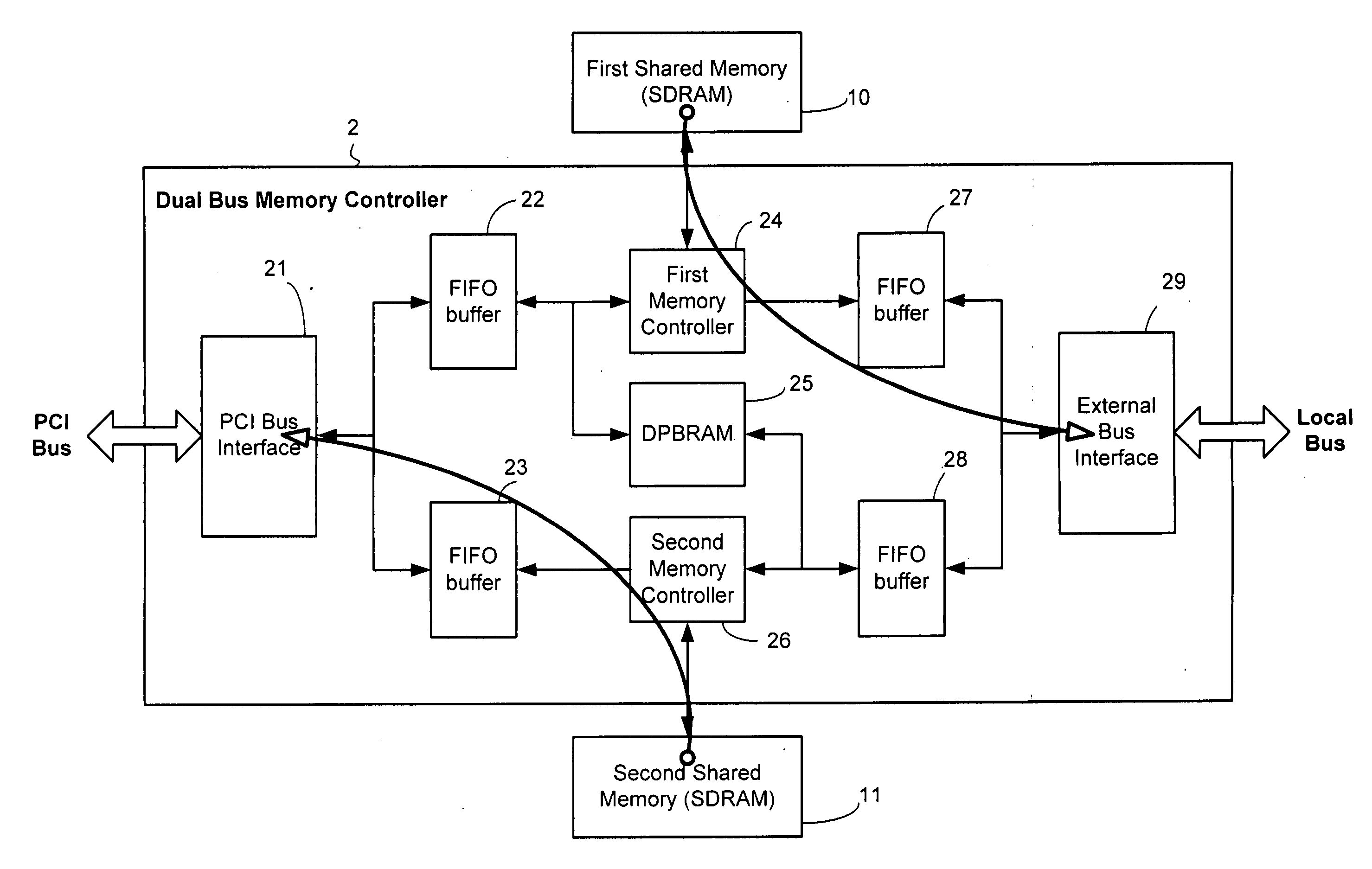
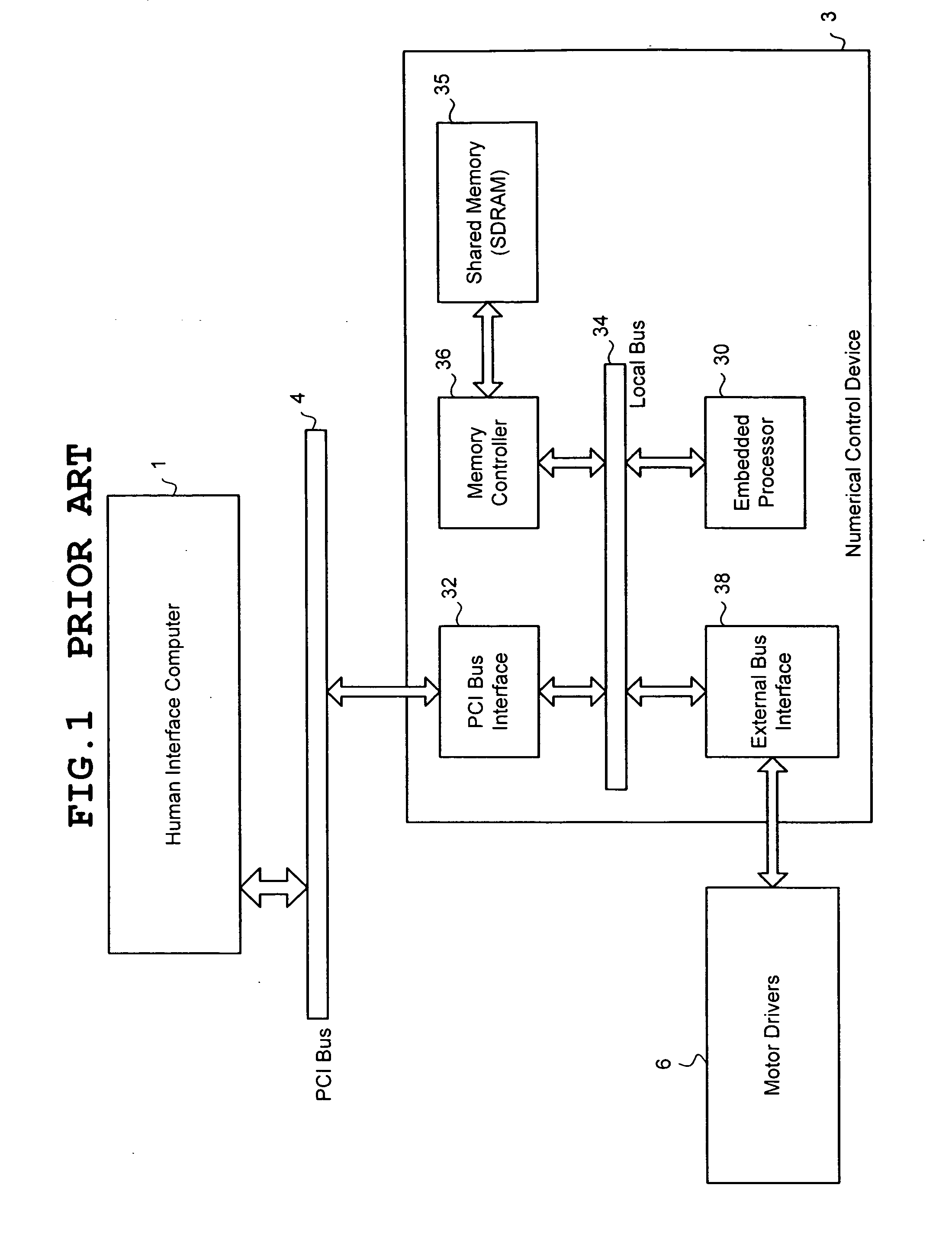
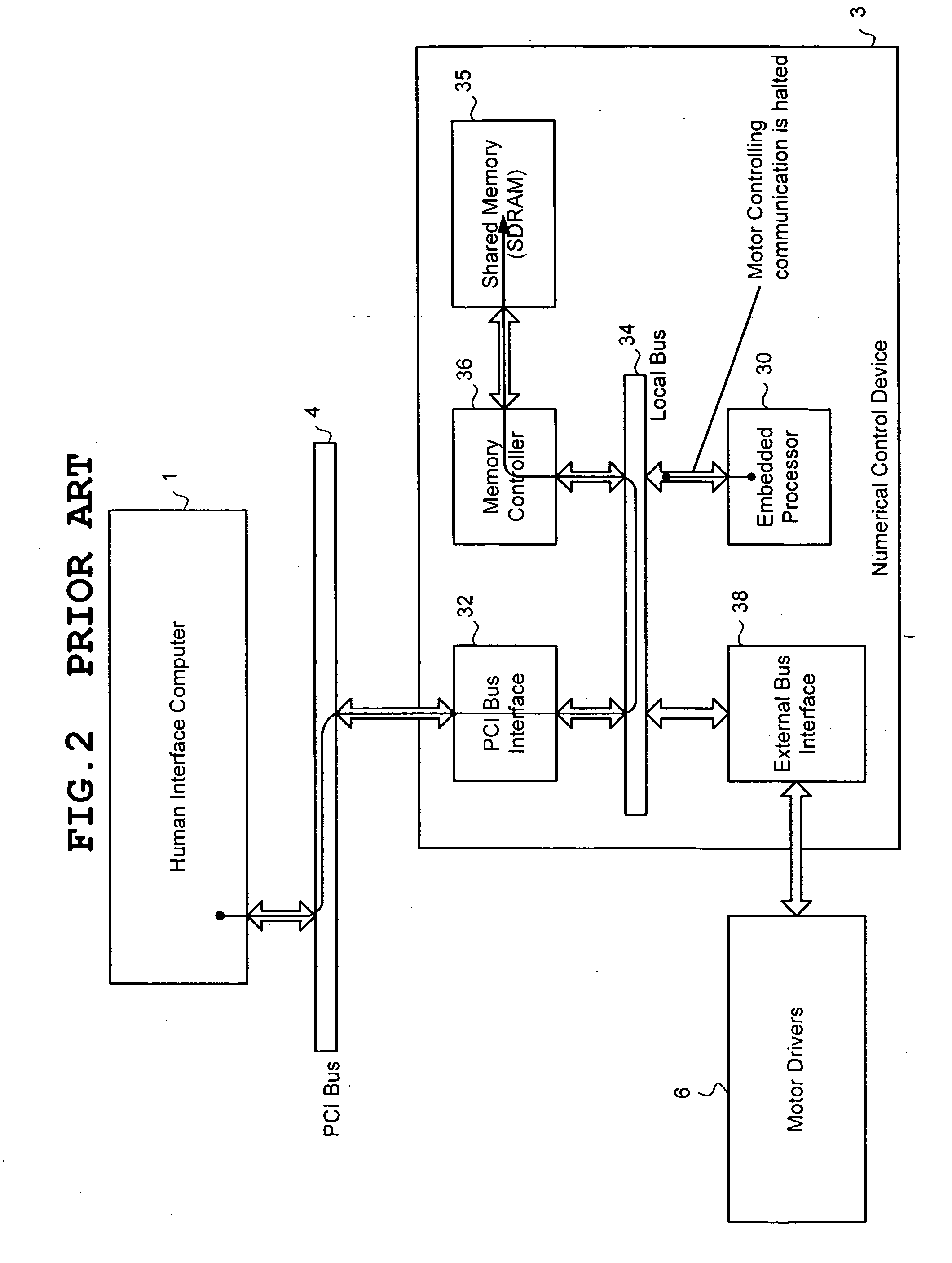

Development of a customized PC based CNC controller system for 3-axis simultaneous interpolation for sculptured surface machining.
PatentActiveIN3509DEL2014A
Innovation
- A low-cost, open architecture CNC system controlled by a personal computer, using pre-calculated cutter positions in a logical sequence, with a hybrid CNC machining system featuring a customized HMI and microcontroller-based CNC controller, capable of 3-axis simultaneous interpolation, reducing reliance on ISO G and M codes and incorporating stepper drive motors and a router spindle drive motor.


Industrial Safety Standards for CNC HMI Systems
Industrial safety standards for CNC Human-Machine Interface systems represent a critical framework governing the design, implementation, and operation of interactive control systems in manufacturing environments. These standards encompass comprehensive guidelines that ensure operator protection while maintaining operational efficiency and system reliability.
The International Organization for Standardization (ISO) provides foundational safety requirements through ISO 12100 for machinery safety and ISO 13849 for safety-related control systems. These standards establish risk assessment methodologies and safety integrity levels that directly impact HMI design specifications. Additionally, the International Electrotechnical Commission (IEC) 61508 standard defines functional safety requirements for electrical and electronic systems, which forms the backbone of modern CNC safety architectures.
Regional regulatory frameworks further refine these international standards. The European Union's Machinery Directive 2006/42/EC mandates specific safety requirements for CNC equipment, including emergency stop functionality, safety interlocks, and operator protection systems. Similarly, OSHA regulations in the United States establish workplace safety requirements that influence HMI design considerations, particularly regarding lockout/tagout procedures and operator training protocols.
Safety-critical HMI components must incorporate multiple layers of protection, including hardware-based emergency stops, software-implemented safety functions, and fail-safe operational modes. These systems require redundant safety circuits, diagnostic capabilities, and predictable failure behaviors to meet Safety Integrity Level requirements. Modern standards emphasize the integration of safety functions directly into the HMI architecture rather than treating them as separate systems.
Compliance verification involves rigorous testing protocols, including functional safety assessments, electromagnetic compatibility testing, and environmental stress evaluations. Certification bodies such as TÜV and UL provide third-party validation services to ensure adherence to applicable safety standards. Documentation requirements include safety manuals, risk assessments, and maintenance procedures that support ongoing compliance throughout the equipment lifecycle.
Emerging standards address cybersecurity concerns in connected CNC systems, with IEC 62443 providing guidelines for industrial automation security. These evolving requirements recognize that modern HMI systems face both traditional safety hazards and contemporary cyber threats that could compromise operator safety and production integrity.
The International Organization for Standardization (ISO) provides foundational safety requirements through ISO 12100 for machinery safety and ISO 13849 for safety-related control systems. These standards establish risk assessment methodologies and safety integrity levels that directly impact HMI design specifications. Additionally, the International Electrotechnical Commission (IEC) 61508 standard defines functional safety requirements for electrical and electronic systems, which forms the backbone of modern CNC safety architectures.
Regional regulatory frameworks further refine these international standards. The European Union's Machinery Directive 2006/42/EC mandates specific safety requirements for CNC equipment, including emergency stop functionality, safety interlocks, and operator protection systems. Similarly, OSHA regulations in the United States establish workplace safety requirements that influence HMI design considerations, particularly regarding lockout/tagout procedures and operator training protocols.
Safety-critical HMI components must incorporate multiple layers of protection, including hardware-based emergency stops, software-implemented safety functions, and fail-safe operational modes. These systems require redundant safety circuits, diagnostic capabilities, and predictable failure behaviors to meet Safety Integrity Level requirements. Modern standards emphasize the integration of safety functions directly into the HMI architecture rather than treating them as separate systems.
Compliance verification involves rigorous testing protocols, including functional safety assessments, electromagnetic compatibility testing, and environmental stress evaluations. Certification bodies such as TÜV and UL provide third-party validation services to ensure adherence to applicable safety standards. Documentation requirements include safety manuals, risk assessments, and maintenance procedures that support ongoing compliance throughout the equipment lifecycle.
Emerging standards address cybersecurity concerns in connected CNC systems, with IEC 62443 providing guidelines for industrial automation security. These evolving requirements recognize that modern HMI systems face both traditional safety hazards and contemporary cyber threats that could compromise operator safety and production integrity.
Operator Training Requirements for Advanced CNC Interfaces
The evolution of CNC technology toward advanced human-machine interfaces necessitates a fundamental transformation in operator training methodologies. Traditional training approaches, which primarily focused on basic machine operation and G-code programming, are insufficient for modern CNC systems that incorporate touchscreen interfaces, predictive analytics, and real-time monitoring capabilities. Operators must now develop competencies in interpreting complex data visualizations, managing multi-axis operations through intuitive graphical interfaces, and responding to intelligent system recommendations.
Contemporary training requirements emphasize the development of cognitive skills alongside technical proficiency. Operators need to understand how to interact with adaptive interfaces that learn from user behavior and adjust their presentation accordingly. This includes mastering gesture-based controls, voice command systems, and augmented reality overlays that provide contextual information during machining operations. The training curriculum must address the psychological aspects of human-computer interaction, helping operators build confidence in relying on automated decision-support systems while maintaining critical thinking skills for override situations.
Simulation-based training environments have become essential for preparing operators to work with advanced CNC interfaces. These virtual training platforms replicate the complexity of modern machine interfaces without the risks and costs associated with actual production equipment. Operators can practice navigating multi-layered menu systems, interpreting real-time sensor data, and responding to various alarm conditions in a controlled environment. The training must also cover the integration of mobile devices and remote monitoring capabilities that allow operators to manage multiple machines simultaneously.
Competency assessment for advanced CNC interfaces requires new evaluation frameworks that go beyond traditional skill demonstrations. Training programs must validate operators' ability to efficiently navigate complex interface hierarchies, interpret predictive maintenance alerts, and utilize collaborative robot integration features. Additionally, operators need training in cybersecurity awareness, as modern CNC systems are increasingly connected to enterprise networks and cloud-based manufacturing execution systems.
The training infrastructure must support continuous learning approaches, as CNC interface technologies continue to evolve rapidly. Microlearning modules, just-in-time training resources, and peer-to-peer knowledge sharing platforms become critical components of comprehensive training programs. Organizations must also consider the diverse learning preferences and technological comfort levels of their workforce, implementing adaptive training pathways that accommodate varying experience levels and learning speeds.
Contemporary training requirements emphasize the development of cognitive skills alongside technical proficiency. Operators need to understand how to interact with adaptive interfaces that learn from user behavior and adjust their presentation accordingly. This includes mastering gesture-based controls, voice command systems, and augmented reality overlays that provide contextual information during machining operations. The training curriculum must address the psychological aspects of human-computer interaction, helping operators build confidence in relying on automated decision-support systems while maintaining critical thinking skills for override situations.
Simulation-based training environments have become essential for preparing operators to work with advanced CNC interfaces. These virtual training platforms replicate the complexity of modern machine interfaces without the risks and costs associated with actual production equipment. Operators can practice navigating multi-layered menu systems, interpreting real-time sensor data, and responding to various alarm conditions in a controlled environment. The training must also cover the integration of mobile devices and remote monitoring capabilities that allow operators to manage multiple machines simultaneously.
Competency assessment for advanced CNC interfaces requires new evaluation frameworks that go beyond traditional skill demonstrations. Training programs must validate operators' ability to efficiently navigate complex interface hierarchies, interpret predictive maintenance alerts, and utilize collaborative robot integration features. Additionally, operators need training in cybersecurity awareness, as modern CNC systems are increasingly connected to enterprise networks and cloud-based manufacturing execution systems.
The training infrastructure must support continuous learning approaches, as CNC interface technologies continue to evolve rapidly. Microlearning modules, just-in-time training resources, and peer-to-peer knowledge sharing platforms become critical components of comprehensive training programs. Organizations must also consider the diverse learning preferences and technological comfort levels of their workforce, implementing adaptive training pathways that accommodate varying experience levels and learning speeds.
Unlock deeper insights with PatSnap Eureka Quick Research — get a full tech report to explore trends and direct your research. Try now!
Generate Your Research Report Instantly with AI Agent
Supercharge your innovation with PatSnap Eureka AI Agent Platform!