How to Revolutionize CNC Design with Advanced Algorithms
MAR 20, 20269 MIN READ
Generate Your Research Report Instantly with AI Agent
PatSnap Eureka helps you evaluate technical feasibility & market potential.
CNC Algorithm Innovation Background and Objectives
Computer Numerical Control (CNC) technology has undergone significant transformation since its inception in the 1940s, evolving from basic punch-card systems to sophisticated digital manufacturing platforms. The integration of advanced algorithms represents the next evolutionary leap, promising to address longstanding challenges in precision manufacturing, efficiency optimization, and adaptive control systems.
The historical trajectory of CNC development reveals distinct phases of algorithmic advancement. Early systems relied on linear interpolation and basic geometric calculations, while modern implementations incorporate complex mathematical models for multi-axis coordination, real-time error correction, and predictive maintenance. This progression demonstrates the critical role algorithms play in enhancing manufacturing capabilities and operational reliability.
Current market demands are driving unprecedented requirements for CNC systems to achieve higher precision, faster processing speeds, and greater flexibility in handling diverse materials and geometries. Manufacturing industries face increasing pressure to reduce production costs while maintaining quality standards, creating a compelling need for algorithmic innovations that can optimize tool paths, minimize material waste, and enhance surface finish quality.
The convergence of artificial intelligence, machine learning, and traditional CNC control systems presents transformative opportunities. Advanced algorithms can enable real-time adaptive machining, where systems automatically adjust parameters based on material properties, tool wear conditions, and environmental factors. This capability represents a fundamental shift from static programming to dynamic, intelligent manufacturing processes.
Key technological trends indicate growing emphasis on predictive analytics, cloud-based processing, and edge computing integration within CNC systems. These developments enable sophisticated data analysis capabilities that were previously impossible with traditional control architectures. The implementation of neural networks and deep learning algorithms allows for pattern recognition in machining processes, leading to improved quality control and reduced defect rates.
The primary objective of revolutionizing CNC design through advanced algorithms encompasses multiple dimensions of improvement. Enhanced computational efficiency enables real-time processing of complex geometric calculations, while improved accuracy algorithms reduce positioning errors and enhance repeatability. Additionally, intelligent scheduling algorithms optimize production workflows and resource allocation across manufacturing facilities.
Future algorithmic innovations aim to establish fully autonomous manufacturing systems capable of self-optimization and continuous learning. These systems will integrate sensor data, historical performance metrics, and real-time feedback to make intelligent decisions about machining parameters, tool selection, and quality control measures. The ultimate goal involves creating CNC systems that can adapt to new materials, geometries, and manufacturing requirements without extensive reprogramming or manual intervention.
The historical trajectory of CNC development reveals distinct phases of algorithmic advancement. Early systems relied on linear interpolation and basic geometric calculations, while modern implementations incorporate complex mathematical models for multi-axis coordination, real-time error correction, and predictive maintenance. This progression demonstrates the critical role algorithms play in enhancing manufacturing capabilities and operational reliability.
Current market demands are driving unprecedented requirements for CNC systems to achieve higher precision, faster processing speeds, and greater flexibility in handling diverse materials and geometries. Manufacturing industries face increasing pressure to reduce production costs while maintaining quality standards, creating a compelling need for algorithmic innovations that can optimize tool paths, minimize material waste, and enhance surface finish quality.
The convergence of artificial intelligence, machine learning, and traditional CNC control systems presents transformative opportunities. Advanced algorithms can enable real-time adaptive machining, where systems automatically adjust parameters based on material properties, tool wear conditions, and environmental factors. This capability represents a fundamental shift from static programming to dynamic, intelligent manufacturing processes.
Key technological trends indicate growing emphasis on predictive analytics, cloud-based processing, and edge computing integration within CNC systems. These developments enable sophisticated data analysis capabilities that were previously impossible with traditional control architectures. The implementation of neural networks and deep learning algorithms allows for pattern recognition in machining processes, leading to improved quality control and reduced defect rates.
The primary objective of revolutionizing CNC design through advanced algorithms encompasses multiple dimensions of improvement. Enhanced computational efficiency enables real-time processing of complex geometric calculations, while improved accuracy algorithms reduce positioning errors and enhance repeatability. Additionally, intelligent scheduling algorithms optimize production workflows and resource allocation across manufacturing facilities.
Future algorithmic innovations aim to establish fully autonomous manufacturing systems capable of self-optimization and continuous learning. These systems will integrate sensor data, historical performance metrics, and real-time feedback to make intelligent decisions about machining parameters, tool selection, and quality control measures. The ultimate goal involves creating CNC systems that can adapt to new materials, geometries, and manufacturing requirements without extensive reprogramming or manual intervention.
Market Demand for Advanced CNC Manufacturing Solutions
The global CNC manufacturing market is experiencing unprecedented growth driven by increasing automation demands across multiple industrial sectors. Manufacturing industries are actively seeking advanced CNC solutions that can deliver higher precision, improved efficiency, and reduced operational costs. Traditional CNC systems face limitations in handling complex geometries, optimizing tool paths, and adapting to varying material properties, creating substantial market opportunities for algorithm-enhanced solutions.
Aerospace and automotive industries represent the largest demand segments for advanced CNC manufacturing solutions. These sectors require ultra-precise components with complex geometries that challenge conventional machining approaches. The growing trend toward lightweight materials, including advanced composites and titanium alloys, necessitates sophisticated algorithmic control systems capable of real-time parameter optimization and adaptive machining strategies.
The semiconductor and electronics manufacturing sectors are driving demand for micro-machining capabilities with nanometer-level precision. Advanced algorithms enable predictive maintenance, real-time quality control, and intelligent process optimization that traditional CNC systems cannot achieve. Medical device manufacturing also presents significant growth potential, requiring customized, high-precision components that benefit from algorithm-driven adaptive manufacturing processes.
Industry adoption patterns reveal strong preference for CNC systems incorporating artificial intelligence and machine learning capabilities. Manufacturers increasingly demand solutions that can automatically optimize cutting parameters, predict tool wear, and minimize material waste through intelligent path planning. The integration of IoT connectivity and cloud-based analytics further amplifies market demand for algorithmically advanced CNC platforms.
Regional market dynamics show particularly strong demand growth in Asia-Pacific manufacturing hubs, where rapid industrialization and technology adoption drive investment in next-generation CNC solutions. European markets emphasize precision engineering applications, while North American demand focuses on high-volume production efficiency and Industry 4.0 integration capabilities.
The market trend toward mass customization and flexible manufacturing systems creates additional demand for CNC solutions capable of rapid reconfiguration and adaptive processing. Advanced algorithms enable seamless transitions between different product specifications without extensive manual reprogramming, addressing critical market needs for agile manufacturing capabilities.
Aerospace and automotive industries represent the largest demand segments for advanced CNC manufacturing solutions. These sectors require ultra-precise components with complex geometries that challenge conventional machining approaches. The growing trend toward lightweight materials, including advanced composites and titanium alloys, necessitates sophisticated algorithmic control systems capable of real-time parameter optimization and adaptive machining strategies.
The semiconductor and electronics manufacturing sectors are driving demand for micro-machining capabilities with nanometer-level precision. Advanced algorithms enable predictive maintenance, real-time quality control, and intelligent process optimization that traditional CNC systems cannot achieve. Medical device manufacturing also presents significant growth potential, requiring customized, high-precision components that benefit from algorithm-driven adaptive manufacturing processes.
Industry adoption patterns reveal strong preference for CNC systems incorporating artificial intelligence and machine learning capabilities. Manufacturers increasingly demand solutions that can automatically optimize cutting parameters, predict tool wear, and minimize material waste through intelligent path planning. The integration of IoT connectivity and cloud-based analytics further amplifies market demand for algorithmically advanced CNC platforms.
Regional market dynamics show particularly strong demand growth in Asia-Pacific manufacturing hubs, where rapid industrialization and technology adoption drive investment in next-generation CNC solutions. European markets emphasize precision engineering applications, while North American demand focuses on high-volume production efficiency and Industry 4.0 integration capabilities.
The market trend toward mass customization and flexible manufacturing systems creates additional demand for CNC solutions capable of rapid reconfiguration and adaptive processing. Advanced algorithms enable seamless transitions between different product specifications without extensive manual reprogramming, addressing critical market needs for agile manufacturing capabilities.
Current CNC Design Limitations and Algorithm Challenges
Current CNC machining systems face significant computational bottlenecks that limit their ability to achieve optimal performance in complex manufacturing scenarios. Traditional control algorithms rely heavily on linear interpolation methods and simplified geometric calculations, which struggle to handle the intricate toolpath optimization required for modern precision manufacturing. These legacy systems often operate with fixed parameter sets that cannot adapt dynamically to varying material properties, cutting conditions, or geometric complexities encountered during machining operations.
The fundamental challenge lies in the real-time processing limitations of conventional CNC controllers. Most existing systems utilize deterministic algorithms that prioritize computational simplicity over optimization accuracy, resulting in suboptimal feed rates, inefficient toolpath planning, and compromised surface finish quality. The inability to perform complex mathematical operations within the tight timing constraints of CNC control loops creates a persistent trade-off between machining speed and precision.
Toolpath generation represents another critical limitation area where current algorithms fail to leverage advanced computational techniques. Traditional CAM software generates toolpaths using rule-based approaches that cannot account for dynamic factors such as tool wear, thermal effects, or material heterogeneity. This static approach leads to conservative machining parameters and underutilized machine capabilities, particularly in high-value applications requiring maximum material removal rates while maintaining dimensional accuracy.
Vibration control and chatter suppression present ongoing algorithmic challenges that current CNC systems address through reactive rather than predictive approaches. Existing stability monitoring relies on post-process analysis and manual parameter adjustment, lacking the sophisticated predictive modeling capabilities needed for proactive chatter avoidance. The absence of machine learning integration prevents these systems from developing adaptive responses based on historical machining data and pattern recognition.
Multi-axis coordination algorithms in current CNC systems struggle with the computational complexity required for simultaneous control of multiple degrees of freedom. The mathematical challenges associated with inverse kinematics, collision avoidance, and smooth trajectory generation become exponentially more complex as the number of controlled axes increases. Current solutions often resort to simplified approximations that compromise the full potential of advanced multi-axis machining centers.
The integration of sensor feedback into real-time control algorithms remains limited by processing power constraints and inadequate data fusion techniques. While modern CNC machines incorporate various sensors for monitoring cutting forces, temperatures, and vibrations, the algorithms for interpreting and acting upon this data in real-time are rudimentary. This limitation prevents the implementation of truly adaptive machining strategies that could revolutionize manufacturing efficiency and quality outcomes.
The fundamental challenge lies in the real-time processing limitations of conventional CNC controllers. Most existing systems utilize deterministic algorithms that prioritize computational simplicity over optimization accuracy, resulting in suboptimal feed rates, inefficient toolpath planning, and compromised surface finish quality. The inability to perform complex mathematical operations within the tight timing constraints of CNC control loops creates a persistent trade-off between machining speed and precision.
Toolpath generation represents another critical limitation area where current algorithms fail to leverage advanced computational techniques. Traditional CAM software generates toolpaths using rule-based approaches that cannot account for dynamic factors such as tool wear, thermal effects, or material heterogeneity. This static approach leads to conservative machining parameters and underutilized machine capabilities, particularly in high-value applications requiring maximum material removal rates while maintaining dimensional accuracy.
Vibration control and chatter suppression present ongoing algorithmic challenges that current CNC systems address through reactive rather than predictive approaches. Existing stability monitoring relies on post-process analysis and manual parameter adjustment, lacking the sophisticated predictive modeling capabilities needed for proactive chatter avoidance. The absence of machine learning integration prevents these systems from developing adaptive responses based on historical machining data and pattern recognition.
Multi-axis coordination algorithms in current CNC systems struggle with the computational complexity required for simultaneous control of multiple degrees of freedom. The mathematical challenges associated with inverse kinematics, collision avoidance, and smooth trajectory generation become exponentially more complex as the number of controlled axes increases. Current solutions often resort to simplified approximations that compromise the full potential of advanced multi-axis machining centers.
The integration of sensor feedback into real-time control algorithms remains limited by processing power constraints and inadequate data fusion techniques. While modern CNC machines incorporate various sensors for monitoring cutting forces, temperatures, and vibrations, the algorithms for interpreting and acting upon this data in real-time are rudimentary. This limitation prevents the implementation of truly adaptive machining strategies that could revolutionize manufacturing efficiency and quality outcomes.
Current Advanced Algorithm Solutions for CNC Systems
01 CNC machine tool structure and mechanical design
This category focuses on the structural design and mechanical components of CNC machines, including frame construction, spindle systems, tool holders, and mechanical transmission mechanisms. The designs aim to improve rigidity, precision, and stability of the machine tool structure while optimizing the arrangement of mechanical components for better performance and durability.- CNC machine tool structure and mechanical design: This category focuses on the structural design and mechanical components of CNC machines, including frame construction, spindle systems, tool holders, and mechanical transmission mechanisms. The designs aim to improve rigidity, precision, and stability of the machine tool structure while optimizing the arrangement of mechanical components for better performance and durability.
- CNC control systems and programming methods: This category covers control system architectures, programming interfaces, and software solutions for CNC machines. It includes methods for generating tool paths, optimizing machining parameters, and implementing advanced control algorithms. The focus is on improving ease of programming, enhancing automation capabilities, and enabling more sophisticated machining operations through intelligent control systems.
- Multi-axis and complex motion control: This category addresses the design and control of multi-axis CNC systems capable of performing complex machining operations. It includes coordination of multiple axes, simultaneous motion control, and techniques for achieving precise positioning in three-dimensional space. The innovations enable machining of complex geometries and improve the versatility of CNC equipment.
- CNC machine monitoring and diagnostic systems: This category encompasses systems for real-time monitoring of CNC machine operations, including sensors, data acquisition methods, and diagnostic tools. The technologies enable detection of abnormal conditions, prediction of maintenance needs, and optimization of machining processes through continuous monitoring and analysis of machine performance parameters.
- Specialized CNC applications and customized designs: This category includes CNC designs tailored for specific applications or industries, such as specialized machining operations, custom workpiece handling systems, or application-specific tool configurations. The designs address unique requirements of particular manufacturing processes and provide optimized solutions for specialized machining tasks.
02 CNC control systems and programming methods
This category covers control system architectures, programming interfaces, and software solutions for CNC machines. It includes methods for generating tool paths, optimizing machining parameters, and implementing advanced control algorithms. The focus is on improving ease of programming, enhancing automation capabilities, and enabling more sophisticated machining operations through intelligent control systems.Expand Specific Solutions03 CNC machining process optimization and monitoring
This category addresses techniques for optimizing CNC machining processes and monitoring machine performance in real-time. It includes methods for adaptive control, process parameter adjustment, tool wear detection, and quality assurance during machining operations. The goal is to enhance machining efficiency, reduce defects, and extend tool life through intelligent monitoring and feedback systems.Expand Specific Solutions04 Multi-axis and complex geometry CNC machining
This category focuses on advanced CNC machining capabilities for complex geometries using multi-axis systems. It includes designs and methods for simultaneous multi-axis control, collision avoidance, and tool path generation for intricate three-dimensional shapes. The emphasis is on enabling the machining of complex parts with improved accuracy and reduced setup time.Expand Specific Solutions05 CNC machine integration and automation systems
This category encompasses the integration of CNC machines with automated material handling systems, robotic loading/unloading mechanisms, and manufacturing execution systems. It includes designs for flexible manufacturing cells, automated tool changers, and networked CNC systems that enable lights-out manufacturing and improved production efficiency through seamless integration with other manufacturing equipment.Expand Specific Solutions
Leading CNC Manufacturers and Algorithm Developers
The CNC design revolution through advanced algorithms represents a mature industry undergoing significant technological transformation. The market demonstrates substantial scale with established global leaders like FANUC Corp., Mitsubishi Electric Corp., and DMG MORI leading technological advancement alongside emerging players such as Shenyang Casnc Technology and specialized automation companies like Guangdong Hongyuan Xinke. Technology maturity varies significantly across the competitive landscape, with Japanese manufacturers like Okuma Corp., Kitamura Machinery, and Yamazaki Co. showcasing high-precision capabilities, while German companies including GROB-WERKE and LIEBHERR VERZAHNTECHNIK demonstrate advanced automation integration. Research institutions like Beihang University and Tongji University contribute to algorithmic innovation, indicating strong academic-industry collaboration. The sector shows convergence between traditional CNC manufacturers and technology companies like Fujitsu, suggesting algorithm-driven transformation is reshaping competitive dynamics toward intelligent manufacturing solutions.
FANUC Corp.
Technical Solution: FANUC has developed AI-driven CNC systems that integrate machine learning algorithms for predictive maintenance and adaptive machining. Their FIELD system (FANUC Intelligent Edge Link & Drive) utilizes IoT connectivity and advanced algorithms to optimize cutting parameters in real-time, reducing cycle times by up to 30% while maintaining precision. The company's AI Servo Tuning automatically adjusts servo parameters based on machine conditions, and their AI Thermal Displacement Compensation predicts and corrects thermal deformation using neural networks. These algorithms continuously learn from machining data to improve performance and reduce defects.
Strengths: Market leader with extensive R&D capabilities, proven AI integration in industrial applications. Weaknesses: High cost of implementation, complex system integration requirements.
Mitsubishi Electric Corp.
Technical Solution: Mitsubishi Electric has revolutionized CNC design through their MELSEC-iQ-R series controllers that incorporate advanced motion control algorithms and AI-based optimization. Their CNC systems feature adaptive feed rate control algorithms that automatically adjust cutting speeds based on real-time spindle load and vibration analysis. The company's proprietary algorithms include collision avoidance systems using 3D simulation, tool life prediction models, and energy optimization routines that can reduce power consumption by 25%. Their AI-enhanced interpolation algorithms ensure smooth tool paths while minimizing machining time and surface roughness.
Strengths: Strong automation expertise, comprehensive system integration capabilities. Weaknesses: Limited market presence compared to specialized CNC manufacturers, higher complexity in programming.
Core Algorithm Innovations in Modern CNC Design
Continuous roll-to-roll fabrication of cellulose nanocrystal (CNC) coatings
PatentWO2019050819A1
Innovation
- A continuous roll-to-roll manufacturing process is developed, involving a homogeneous aqueous suspension of CNCs, surface treatment of the flexible substrate to match the surface energy of the suspension, and controlled drying conditions to achieve a CNC-coated flexible substrate with anisotropic properties.


Reinforced Epoxy Nanocomposites and Methods for Preparation Thereof
PatentInactiveUS20160152820A1
Innovation
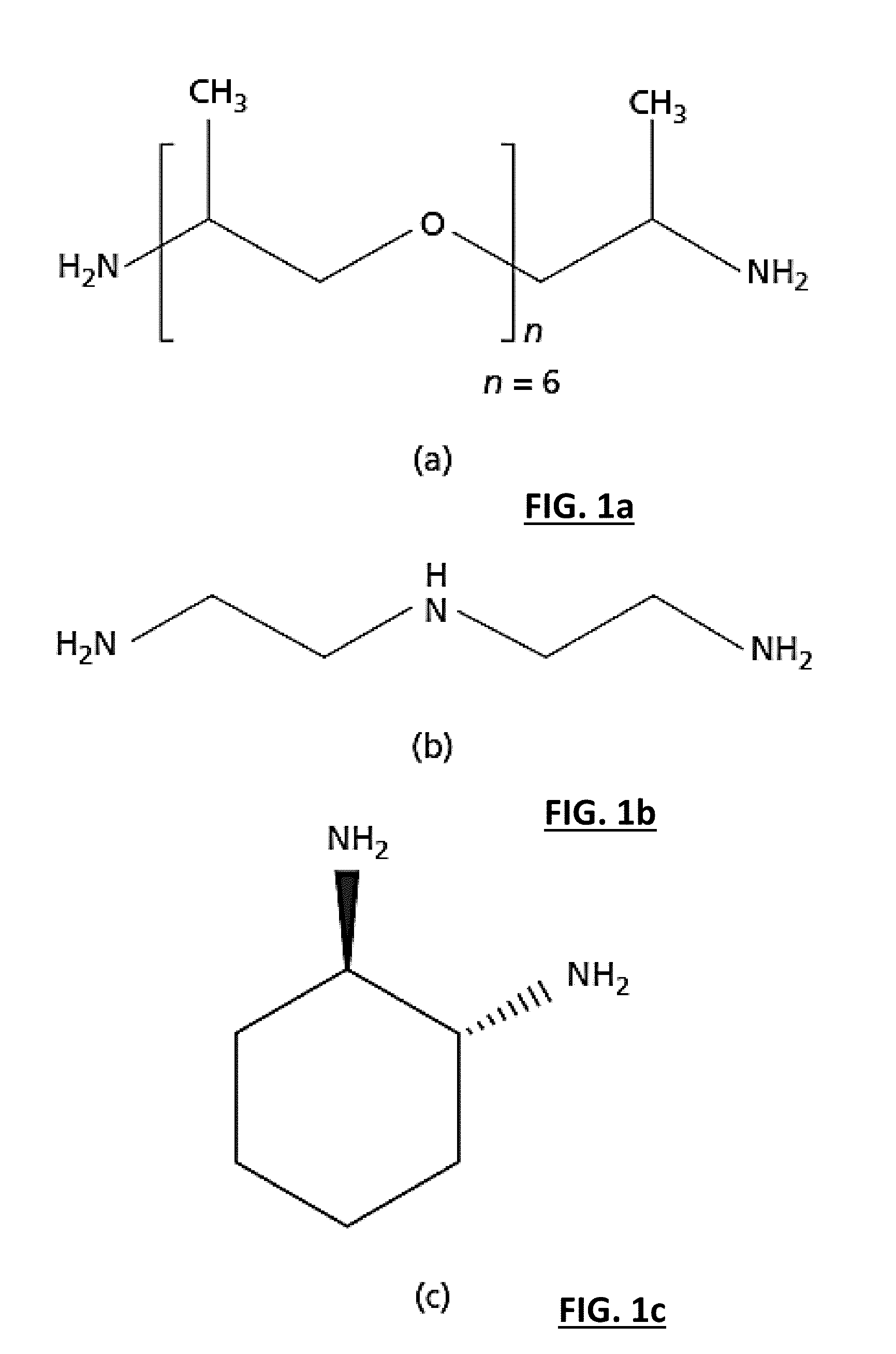
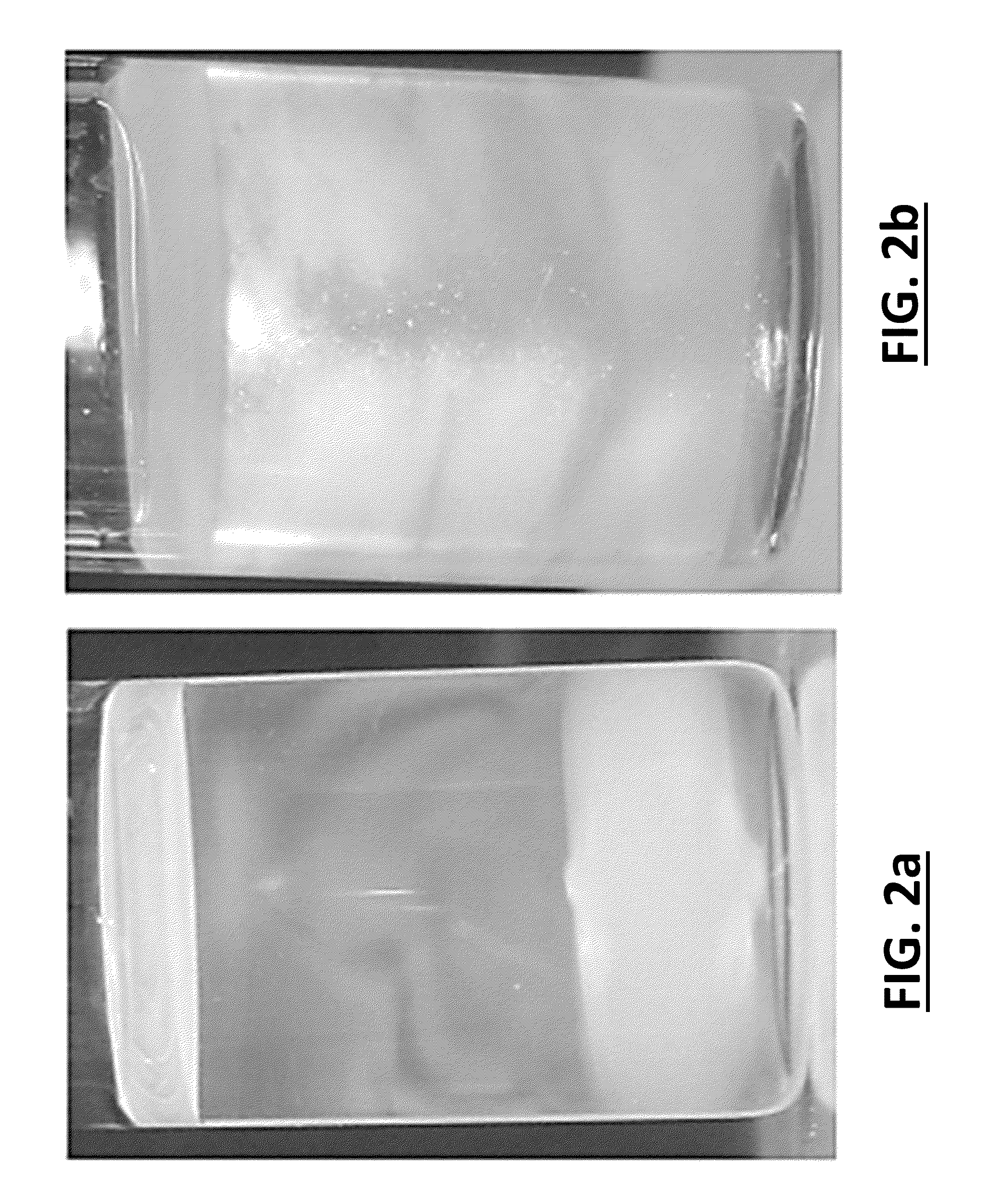
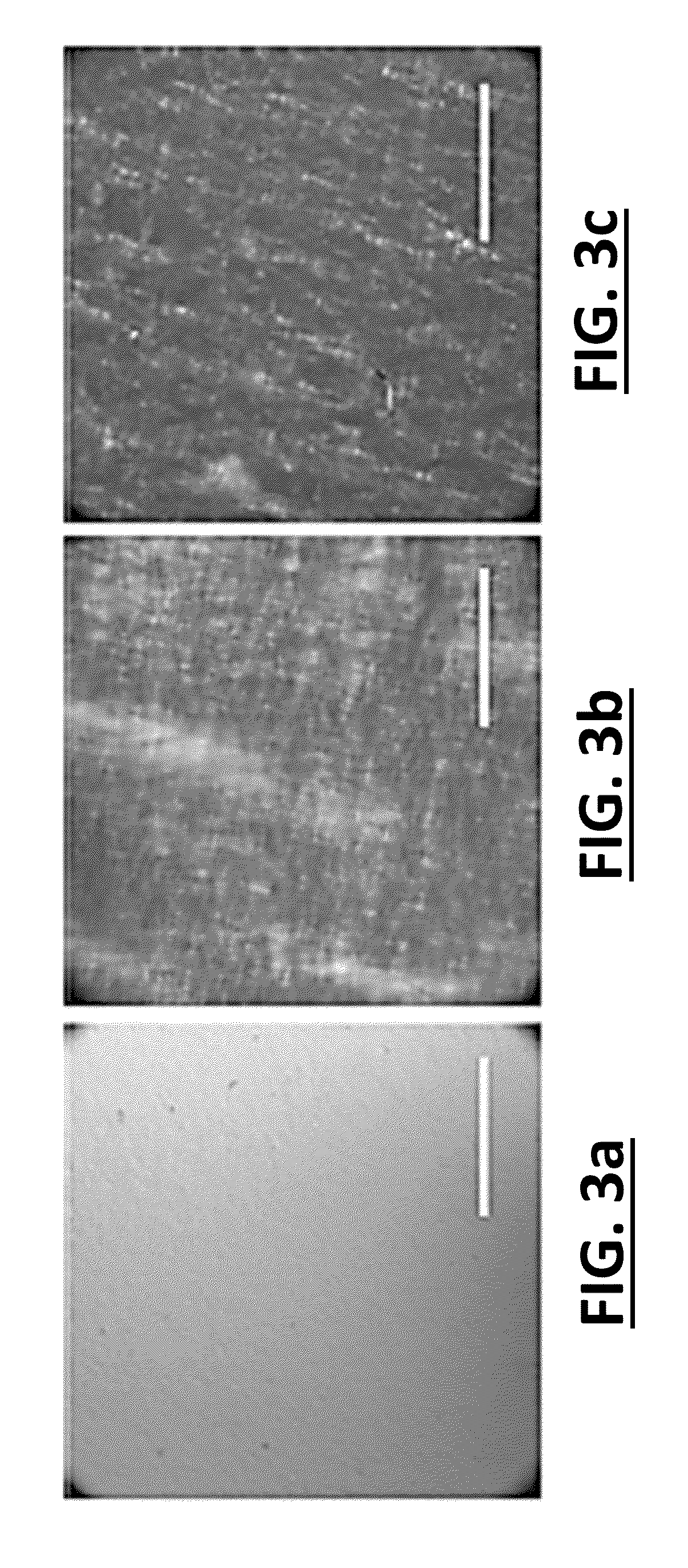
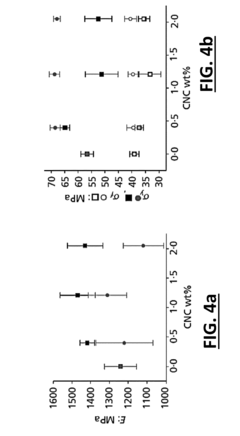
- A method involving a CNC/hardener/solvent suspension is created, where CNCs are dispersed in water to form an organogel, solvent is removed, and then a hardener is added, followed by mixing with epoxy and curing to form a CNC/epoxy nanocomposite, improving CNC dispersion and mechanical properties.
Industry Standards and Safety Regulations for CNC
The integration of advanced algorithms in CNC design must operate within a comprehensive framework of industry standards and safety regulations that govern manufacturing operations worldwide. These regulatory requirements serve as fundamental constraints that shape algorithmic development and implementation strategies, ensuring that technological innovations maintain the highest levels of operational safety and quality assurance.
ISO 23125 and ISO 14649 represent cornerstone standards for CNC programming and data exchange, establishing protocols that advanced algorithms must adhere to when generating toolpaths and machine instructions. These standards define data structures, communication protocols, and programming languages that ensure interoperability across different CNC systems and manufacturers. Algorithm developers must incorporate these standardized formats to maintain compatibility with existing manufacturing infrastructure while introducing innovative computational approaches.
Safety regulations under OSHA 29 CFR 1910.212 and European Machinery Directive 2006/42/EC impose strict requirements on machine guarding, emergency stop systems, and operator protection mechanisms. Advanced algorithms controlling CNC operations must integrate real-time safety monitoring capabilities, including collision detection, force limiting, and automatic shutdown procedures. These regulatory frameworks mandate that algorithmic control systems maintain continuous awareness of safety boundaries and implement fail-safe mechanisms that prevent equipment damage or operator injury.
The NIST Cybersecurity Framework has become increasingly relevant as CNC systems incorporate IoT connectivity and cloud-based algorithmic processing. Advanced algorithms handling sensitive manufacturing data must comply with cybersecurity standards that protect intellectual property and prevent unauthorized access to production systems. This includes implementing encrypted data transmission, secure authentication protocols, and audit trail capabilities that meet regulatory requirements for data integrity and traceability.
Quality management standards such as ISO 9001 and AS9100 establish documentation and validation requirements that affect algorithmic development processes. Advanced CNC algorithms must demonstrate repeatability, traceability, and statistical process control capabilities that satisfy quality assurance protocols. This necessitates incorporating measurement and verification systems that can validate algorithmic performance against established quality metrics and maintain comprehensive records of manufacturing processes for regulatory compliance and continuous improvement initiatives.
ISO 23125 and ISO 14649 represent cornerstone standards for CNC programming and data exchange, establishing protocols that advanced algorithms must adhere to when generating toolpaths and machine instructions. These standards define data structures, communication protocols, and programming languages that ensure interoperability across different CNC systems and manufacturers. Algorithm developers must incorporate these standardized formats to maintain compatibility with existing manufacturing infrastructure while introducing innovative computational approaches.
Safety regulations under OSHA 29 CFR 1910.212 and European Machinery Directive 2006/42/EC impose strict requirements on machine guarding, emergency stop systems, and operator protection mechanisms. Advanced algorithms controlling CNC operations must integrate real-time safety monitoring capabilities, including collision detection, force limiting, and automatic shutdown procedures. These regulatory frameworks mandate that algorithmic control systems maintain continuous awareness of safety boundaries and implement fail-safe mechanisms that prevent equipment damage or operator injury.
The NIST Cybersecurity Framework has become increasingly relevant as CNC systems incorporate IoT connectivity and cloud-based algorithmic processing. Advanced algorithms handling sensitive manufacturing data must comply with cybersecurity standards that protect intellectual property and prevent unauthorized access to production systems. This includes implementing encrypted data transmission, secure authentication protocols, and audit trail capabilities that meet regulatory requirements for data integrity and traceability.
Quality management standards such as ISO 9001 and AS9100 establish documentation and validation requirements that affect algorithmic development processes. Advanced CNC algorithms must demonstrate repeatability, traceability, and statistical process control capabilities that satisfy quality assurance protocols. This necessitates incorporating measurement and verification systems that can validate algorithmic performance against established quality metrics and maintain comprehensive records of manufacturing processes for regulatory compliance and continuous improvement initiatives.
Sustainability Impact of Algorithm-Driven CNC Design
The integration of advanced algorithms into CNC design represents a paradigm shift toward sustainable manufacturing practices, fundamentally altering the environmental footprint of precision machining operations. Algorithm-driven optimization techniques enable significant reductions in material waste through intelligent toolpath planning and adaptive machining strategies that minimize excess material removal while maintaining dimensional accuracy.
Energy consumption optimization emerges as a critical sustainability benefit of algorithmic CNC design. Machine learning algorithms can analyze historical machining data to predict optimal cutting parameters, spindle speeds, and feed rates that minimize power consumption without compromising part quality. These intelligent systems continuously adapt to varying material properties and geometric complexities, achieving energy savings of 15-30% compared to traditional programming methods.
Material utilization efficiency reaches unprecedented levels through advanced nesting algorithms and predictive waste reduction models. These systems analyze part geometries and stock material dimensions to optimize cutting sequences and minimize scrap generation. Real-time material property sensing combined with adaptive algorithms enables precise material removal, reducing over-machining and extending tool life significantly.
Carbon footprint reduction extends beyond direct machining operations to encompass the entire production lifecycle. Algorithm-driven predictive maintenance systems prevent unexpected machine failures, reducing downtime and associated energy waste. Smart scheduling algorithms optimize production sequences to minimize setup changes and idle time, further contributing to environmental sustainability goals.
The circular economy benefits substantially from algorithmic CNC design through enhanced recyclability and material recovery. Advanced algorithms can optimize part designs for disassembly and material separation, facilitating end-of-life recycling processes. Predictive models assess material degradation patterns, enabling informed decisions about material reuse and recycling strategies.
Long-term sustainability impacts include reduced manufacturing infrastructure requirements through improved process efficiency and extended equipment lifespan. Algorithm-driven systems enable smaller, more efficient production facilities while maintaining output quality and quantity, contributing to reduced industrial land use and associated environmental impacts.
Energy consumption optimization emerges as a critical sustainability benefit of algorithmic CNC design. Machine learning algorithms can analyze historical machining data to predict optimal cutting parameters, spindle speeds, and feed rates that minimize power consumption without compromising part quality. These intelligent systems continuously adapt to varying material properties and geometric complexities, achieving energy savings of 15-30% compared to traditional programming methods.
Material utilization efficiency reaches unprecedented levels through advanced nesting algorithms and predictive waste reduction models. These systems analyze part geometries and stock material dimensions to optimize cutting sequences and minimize scrap generation. Real-time material property sensing combined with adaptive algorithms enables precise material removal, reducing over-machining and extending tool life significantly.
Carbon footprint reduction extends beyond direct machining operations to encompass the entire production lifecycle. Algorithm-driven predictive maintenance systems prevent unexpected machine failures, reducing downtime and associated energy waste. Smart scheduling algorithms optimize production sequences to minimize setup changes and idle time, further contributing to environmental sustainability goals.
The circular economy benefits substantially from algorithmic CNC design through enhanced recyclability and material recovery. Advanced algorithms can optimize part designs for disassembly and material separation, facilitating end-of-life recycling processes. Predictive models assess material degradation patterns, enabling informed decisions about material reuse and recycling strategies.
Long-term sustainability impacts include reduced manufacturing infrastructure requirements through improved process efficiency and extended equipment lifespan. Algorithm-driven systems enable smaller, more efficient production facilities while maintaining output quality and quantity, contributing to reduced industrial land use and associated environmental impacts.
Unlock deeper insights with PatSnap Eureka Quick Research — get a full tech report to explore trends and direct your research. Try now!
Generate Your Research Report Instantly with AI Agent
Supercharge your innovation with PatSnap Eureka AI Agent Platform!