Combatting Multi-path Effects for Improved Receive Signal
MAR 19, 20269 MIN READ
Generate Your Research Report Instantly with AI Agent
Patsnap Eureka helps you evaluate technical feasibility & market potential.
Multi-path Signal Processing Background and Objectives
Multi-path propagation represents one of the most persistent challenges in wireless communication systems, where transmitted signals reach the receiver through multiple paths due to reflections, diffractions, and scattering from various environmental obstacles. This phenomenon has plagued communication engineers since the early days of radio transmission, becoming increasingly critical as wireless systems evolved from simple voice communications to complex high-data-rate applications requiring exceptional signal fidelity.
The historical development of multi-path mitigation techniques can be traced back to the 1960s when researchers first recognized the detrimental effects of signal dispersion in mobile communications. Early solutions focused on simple diversity techniques and basic equalization methods. The evolution accelerated through the 1980s and 1990s with the advent of digital signal processing, enabling more sophisticated approaches such as adaptive filtering and advanced modulation schemes.
Contemporary wireless systems face unprecedented challenges from multi-path effects due to the proliferation of dense urban environments, increased frequency bands, and higher data rate requirements. The problem manifests as inter-symbol interference, signal fading, and reduced signal-to-noise ratios, directly impacting system performance metrics including bit error rates, throughput, and coverage reliability.
The primary technical objectives in combating multi-path effects center on developing robust signal processing algorithms that can effectively separate and combine multi-path components to reconstruct the original transmitted signal. This involves implementing advanced channel estimation techniques, sophisticated equalization methods, and intelligent diversity combining strategies that can adapt to rapidly changing propagation conditions.
Modern research directions emphasize the development of machine learning-based approaches, massive MIMO technologies, and beamforming techniques that can intelligently exploit multi-path propagation rather than merely mitigating its adverse effects. The ultimate goal is to transform multi-path from a limiting factor into a beneficial characteristic that enhances system capacity and reliability through spatial diversity and improved spectral efficiency in next-generation wireless communication systems.
The historical development of multi-path mitigation techniques can be traced back to the 1960s when researchers first recognized the detrimental effects of signal dispersion in mobile communications. Early solutions focused on simple diversity techniques and basic equalization methods. The evolution accelerated through the 1980s and 1990s with the advent of digital signal processing, enabling more sophisticated approaches such as adaptive filtering and advanced modulation schemes.
Contemporary wireless systems face unprecedented challenges from multi-path effects due to the proliferation of dense urban environments, increased frequency bands, and higher data rate requirements. The problem manifests as inter-symbol interference, signal fading, and reduced signal-to-noise ratios, directly impacting system performance metrics including bit error rates, throughput, and coverage reliability.
The primary technical objectives in combating multi-path effects center on developing robust signal processing algorithms that can effectively separate and combine multi-path components to reconstruct the original transmitted signal. This involves implementing advanced channel estimation techniques, sophisticated equalization methods, and intelligent diversity combining strategies that can adapt to rapidly changing propagation conditions.
Modern research directions emphasize the development of machine learning-based approaches, massive MIMO technologies, and beamforming techniques that can intelligently exploit multi-path propagation rather than merely mitigating its adverse effects. The ultimate goal is to transform multi-path from a limiting factor into a beneficial characteristic that enhances system capacity and reliability through spatial diversity and improved spectral efficiency in next-generation wireless communication systems.
Market Demand for Enhanced Signal Reception Solutions
The telecommunications industry faces unprecedented demand for enhanced signal reception solutions as wireless communication systems become increasingly complex and ubiquitous. Multi-path interference represents one of the most significant challenges affecting signal quality across various applications, from cellular networks to satellite communications and IoT deployments. This interference occurs when radio signals reach receivers through multiple paths due to reflections, diffractions, and scattering from buildings, terrain, and atmospheric conditions, resulting in signal degradation, data errors, and reduced system performance.
Mobile network operators are experiencing growing pressure to deliver consistent, high-quality services as consumer expectations for seamless connectivity continue to rise. The proliferation of bandwidth-intensive applications, including video streaming, augmented reality, and real-time gaming, demands robust signal reception capabilities that can maintain performance even in challenging propagation environments. Urban densification and the increasing complexity of RF environments have amplified multi-path effects, making traditional signal processing techniques insufficient for meeting modern performance standards.
The automotive sector represents a rapidly expanding market segment driving demand for advanced signal reception technologies. Connected vehicles, autonomous driving systems, and vehicle-to-everything communication protocols require extremely reliable signal reception to ensure safety-critical operations. Multi-path effects in vehicular environments are particularly severe due to rapidly changing propagation conditions, metallic surfaces, and high mobility scenarios that traditional reception systems struggle to handle effectively.
Satellite communication markets are experiencing renewed growth driven by low Earth orbit constellation deployments and increasing demand for global broadband coverage. These systems face unique multi-path challenges, particularly in urban and indoor environments where satellite signals must penetrate through various obstacles and compete with terrestrial interference sources. Enhanced signal reception solutions are essential for enabling reliable satellite services in these challenging deployment scenarios.
Industrial IoT applications across manufacturing, logistics, and smart city implementations require robust wireless connectivity in environments characterized by significant multi-path propagation. Metal structures, machinery, and dense infrastructure create complex RF environments where conventional reception techniques often fail to maintain adequate link reliability. The growing adoption of Industry 4.0 technologies and automated systems has created substantial market demand for signal reception solutions capable of operating reliably in these harsh propagation conditions.
Emergency services and public safety communications represent critical market segments where signal reliability can directly impact life safety outcomes. These applications often operate in challenging environments where multi-path effects are severe, including urban canyons, underground facilities, and disaster-affected areas with damaged infrastructure. The need for guaranteed communication reliability in these scenarios drives continuous demand for advanced signal reception technologies that can overcome multi-path limitations.
Mobile network operators are experiencing growing pressure to deliver consistent, high-quality services as consumer expectations for seamless connectivity continue to rise. The proliferation of bandwidth-intensive applications, including video streaming, augmented reality, and real-time gaming, demands robust signal reception capabilities that can maintain performance even in challenging propagation environments. Urban densification and the increasing complexity of RF environments have amplified multi-path effects, making traditional signal processing techniques insufficient for meeting modern performance standards.
The automotive sector represents a rapidly expanding market segment driving demand for advanced signal reception technologies. Connected vehicles, autonomous driving systems, and vehicle-to-everything communication protocols require extremely reliable signal reception to ensure safety-critical operations. Multi-path effects in vehicular environments are particularly severe due to rapidly changing propagation conditions, metallic surfaces, and high mobility scenarios that traditional reception systems struggle to handle effectively.
Satellite communication markets are experiencing renewed growth driven by low Earth orbit constellation deployments and increasing demand for global broadband coverage. These systems face unique multi-path challenges, particularly in urban and indoor environments where satellite signals must penetrate through various obstacles and compete with terrestrial interference sources. Enhanced signal reception solutions are essential for enabling reliable satellite services in these challenging deployment scenarios.
Industrial IoT applications across manufacturing, logistics, and smart city implementations require robust wireless connectivity in environments characterized by significant multi-path propagation. Metal structures, machinery, and dense infrastructure create complex RF environments where conventional reception techniques often fail to maintain adequate link reliability. The growing adoption of Industry 4.0 technologies and automated systems has created substantial market demand for signal reception solutions capable of operating reliably in these harsh propagation conditions.
Emergency services and public safety communications represent critical market segments where signal reliability can directly impact life safety outcomes. These applications often operate in challenging environments where multi-path effects are severe, including urban canyons, underground facilities, and disaster-affected areas with damaged infrastructure. The need for guaranteed communication reliability in these scenarios drives continuous demand for advanced signal reception technologies that can overcome multi-path limitations.
Current Multi-path Mitigation Challenges and Status
Multi-path propagation remains one of the most persistent challenges in modern wireless communication systems, significantly degrading signal quality and system performance across various applications. The phenomenon occurs when transmitted signals reach receivers through multiple paths due to reflections, diffractions, and scattering from environmental obstacles such as buildings, terrain features, and atmospheric layers. This results in signal distortion, inter-symbol interference, and reduced signal-to-noise ratios that compromise communication reliability.
Current mitigation approaches face substantial technical limitations despite decades of research and development. Traditional equalization techniques, while effective in controlled environments, struggle with rapidly changing channel conditions and high-mobility scenarios. Adaptive algorithms often suffer from convergence issues and computational complexity constraints, particularly in real-time applications where processing delays must be minimized. The trade-off between mitigation effectiveness and system complexity continues to challenge engineers across telecommunications, radar, and satellite communication domains.
Frequency-selective fading presents another critical challenge, where different frequency components of the signal experience varying degrees of attenuation and phase shifts. Existing diversity techniques, including spatial, temporal, and frequency diversity, provide partial solutions but require significant hardware overhead and increased system complexity. MIMO systems, while promising, face practical implementation challenges related to antenna correlation, channel estimation accuracy, and computational requirements for optimal beamforming algorithms.
The integration of machine learning approaches has shown potential but introduces new challenges related to training data requirements, model generalization, and real-time inference capabilities. Deep learning-based solutions often lack interpretability and require extensive computational resources, limiting their deployment in resource-constrained environments such as mobile devices and IoT applications.
Geographic and environmental factors significantly influence multi-path characteristics, creating location-specific challenges that generic solutions cannot adequately address. Urban environments with dense building structures, mountainous terrain, and maritime conditions each present unique propagation characteristics requiring tailored mitigation strategies. Current standardized approaches often fail to adapt effectively to these diverse operational environments.
The emergence of higher frequency bands, including millimeter-wave communications for 5G and beyond, has intensified multi-path challenges due to increased susceptibility to atmospheric absorption and blockage effects. Existing mitigation techniques developed for lower frequencies require fundamental modifications to address these new propagation characteristics, creating gaps in current technological capabilities that demand innovative solutions.
Current mitigation approaches face substantial technical limitations despite decades of research and development. Traditional equalization techniques, while effective in controlled environments, struggle with rapidly changing channel conditions and high-mobility scenarios. Adaptive algorithms often suffer from convergence issues and computational complexity constraints, particularly in real-time applications where processing delays must be minimized. The trade-off between mitigation effectiveness and system complexity continues to challenge engineers across telecommunications, radar, and satellite communication domains.
Frequency-selective fading presents another critical challenge, where different frequency components of the signal experience varying degrees of attenuation and phase shifts. Existing diversity techniques, including spatial, temporal, and frequency diversity, provide partial solutions but require significant hardware overhead and increased system complexity. MIMO systems, while promising, face practical implementation challenges related to antenna correlation, channel estimation accuracy, and computational requirements for optimal beamforming algorithms.
The integration of machine learning approaches has shown potential but introduces new challenges related to training data requirements, model generalization, and real-time inference capabilities. Deep learning-based solutions often lack interpretability and require extensive computational resources, limiting their deployment in resource-constrained environments such as mobile devices and IoT applications.
Geographic and environmental factors significantly influence multi-path characteristics, creating location-specific challenges that generic solutions cannot adequately address. Urban environments with dense building structures, mountainous terrain, and maritime conditions each present unique propagation characteristics requiring tailored mitigation strategies. Current standardized approaches often fail to adapt effectively to these diverse operational environments.
The emergence of higher frequency bands, including millimeter-wave communications for 5G and beyond, has intensified multi-path challenges due to increased susceptibility to atmospheric absorption and blockage effects. Existing mitigation techniques developed for lower frequencies require fundamental modifications to address these new propagation characteristics, creating gaps in current technological capabilities that demand innovative solutions.
Existing Multi-path Cancellation Solutions
01 Multi-path mitigation using antenna array processing
Antenna array processing techniques can be employed to mitigate multi-path effects in received signals. By utilizing multiple antenna elements and applying advanced signal processing algorithms, the system can distinguish between direct path signals and multi-path reflections. Beamforming and spatial filtering techniques enable the receiver to focus on the desired signal direction while suppressing multi-path components arriving from different angles. This approach significantly improves signal quality and reduces positioning errors in navigation systems.- Equalization and adaptive filtering techniques: Multi-path effects in received signals can be mitigated through the use of equalization techniques and adaptive filtering algorithms. These methods compensate for signal distortion caused by multiple propagation paths by analyzing the channel characteristics and adjusting the receiver parameters accordingly. Adaptive equalizers can dynamically update their coefficients to track time-varying channel conditions, effectively reducing inter-symbol interference and improving signal quality in environments with significant multi-path propagation.
- Diversity reception and combining methods: Diversity techniques utilize multiple antennas or reception paths to combat multi-path fading effects. By receiving the same signal through different spatial locations or polarizations, the receiver can combine these signals to achieve better overall signal quality. Maximum ratio combining, selection diversity, and equal gain combining are common methods that leverage the statistical independence of multi-path components to improve reception reliability and reduce the impact of fading.
- RAKE receiver architecture: RAKE receivers are specifically designed to exploit multi-path propagation in spread spectrum systems. This architecture uses multiple correlators, called fingers, to separately detect and combine different multi-path components of the received signal. Each finger is aligned with a distinct propagation path, and the outputs are coherently combined to maximize the signal-to-noise ratio. This approach transforms the multi-path environment from a source of interference into a diversity advantage.
- Channel estimation and tracking: Accurate channel estimation is essential for mitigating multi-path effects in wireless communication systems. By using pilot signals, training sequences, or blind estimation techniques, receivers can characterize the multi-path channel profile including the number of paths, their delays, and attenuation factors. Continuous tracking of channel variations allows the receiver to adapt its processing algorithms in real-time, maintaining optimal performance despite changing propagation conditions and mobility scenarios.
- OFDM and multi-carrier modulation: Orthogonal Frequency Division Multiplexing and other multi-carrier modulation schemes provide inherent robustness against multi-path effects by dividing the wideband channel into multiple narrowband subcarriers. Each subcarrier experiences relatively flat fading, simplifying equalization requirements. The use of cyclic prefixes or guard intervals prevents inter-symbol interference between consecutive symbols, effectively converting the frequency-selective multi-path channel into multiple parallel flat-fading channels that are easier to manage.
02 Correlation-based multi-path detection and correction
Correlation techniques can be used to detect and correct multi-path effects by analyzing the correlation properties of received signals. The receiver processes the incoming signal using multiple correlators with different delay settings to identify multi-path components. By examining the correlation peaks and their timing relationships, the system can distinguish between line-of-sight signals and delayed multi-path reflections. Advanced algorithms then apply corrections to minimize the impact of multi-path interference on signal measurements and improve overall receiver performance.Expand Specific Solutions03 Adaptive filtering for multi-path suppression
Adaptive filtering methods provide dynamic suppression of multi-path effects by continuously adjusting filter parameters based on the received signal characteristics. These filters monitor the signal environment and adapt their response to changing multi-path conditions. The adaptive algorithms can track and cancel multi-path components in real-time, improving signal-to-noise ratio and reducing measurement errors. This approach is particularly effective in environments where multi-path conditions vary over time, such as urban canyons or indoor spaces.Expand Specific Solutions04 Code tracking loop optimization for multi-path resistance
Optimized code tracking loop designs enhance resistance to multi-path interference by implementing specialized discriminator functions and loop architectures. These designs modify the traditional delay-locked loop structure to reduce sensitivity to multi-path signals. Techniques include narrow correlator spacing, double-delta correlators, and advanced discriminator algorithms that minimize the pull-off effect caused by multi-path reflections. The optimized tracking loops maintain accurate code phase measurements even in challenging multi-path environments.Expand Specific Solutions05 Multi-frequency and multi-constellation signal processing
Utilizing signals from multiple frequencies and satellite constellations provides enhanced multi-path mitigation capabilities. By processing signals across different frequency bands, the receiver can exploit the frequency-dependent nature of multi-path effects to identify and reduce their impact. Combining measurements from multiple satellite systems increases the number of available signals and geometric diversity, allowing for better detection and correction of multi-path errors. This approach improves positioning accuracy and reliability in complex signal environments.Expand Specific Solutions
Key Players in Signal Processing and RF Industry
The competitive landscape for combatting multi-path effects in receive signal processing reflects a mature technology domain within the rapidly expanding wireless communications market, valued at over $1.7 trillion globally. The industry is in an advanced development stage, driven by 5G deployment and IoT proliferation. Technology maturity varies significantly among key players: established telecommunications giants like Ericsson, Huawei, and Qualcomm demonstrate high technical sophistication with comprehensive multi-path mitigation solutions, while semiconductor leaders Intel, NEC, and Skyworks focus on specialized hardware implementations. Japanese corporations including NTT Docomo, Fujitsu, Sony, and Mitsubishi Electric contribute advanced signal processing algorithms. Academic institutions like Xidian University provide foundational research. The competitive dynamics show convergence between traditional telecom equipment manufacturers and semiconductor companies, with emerging players like xFusion challenging established market positions through innovative approaches to signal integrity enhancement.
Telefonaktiebolaget LM Ericsson
Technical Solution: Ericsson's multipath mitigation approach centers on their proprietary Interference Rejection Combining (IRC) technology integrated with advanced channel estimation algorithms. Their solution employs adaptive filtering techniques using Minimum Mean Square Error (MMSE) criteria, effectively suppressing multipath-induced intersymbol interference. The system features real-time channel impulse response estimation with sub-microsecond accuracy, enabling precise timing recovery and equalization. Their Radio System baseband units implement parallel processing architectures capable of handling up to 12 simultaneous multipath components, with dynamic allocation based on signal strength thresholds. The solution achieves up to 20% improvement in signal-to-interference ratio compared to conventional receivers.
Strengths: Robust infrastructure solutions, proven reliability in harsh environments, strong telecom operator relationships. Weaknesses: Higher cost compared to competitors, complex integration requirements for legacy systems.
Intel Corp.
Technical Solution: Intel addresses multipath effects through their advanced digital signal processing solutions integrated into their wireless chipsets and FPGA platforms. Their approach utilizes sophisticated adaptive equalization algorithms implemented on their Arria and Stratix FPGA families, providing real-time multipath compensation with configurable tap lengths up to 32 coefficients. The solution incorporates Intel's proprietary channel estimation techniques using pilot-assisted algorithms, achieving channel tracking accuracy within 2% even in rapidly changing multipath environments. Their processors support parallel implementation of multiple diversity combining techniques including Selection Combining, Equal Gain Combining, and Maximum Ratio Combining, optimizing performance based on instantaneous channel conditions.
Strengths: Flexible FPGA-based solutions, strong processing power, extensive software ecosystem. Weaknesses: Higher power consumption, requires specialized programming expertise for optimal performance.
Core Innovations in Multi-path Interference Suppression
Received communication signal processing methods and components for wireless communication equipment
PatentInactiveEP1604469A2
Innovation
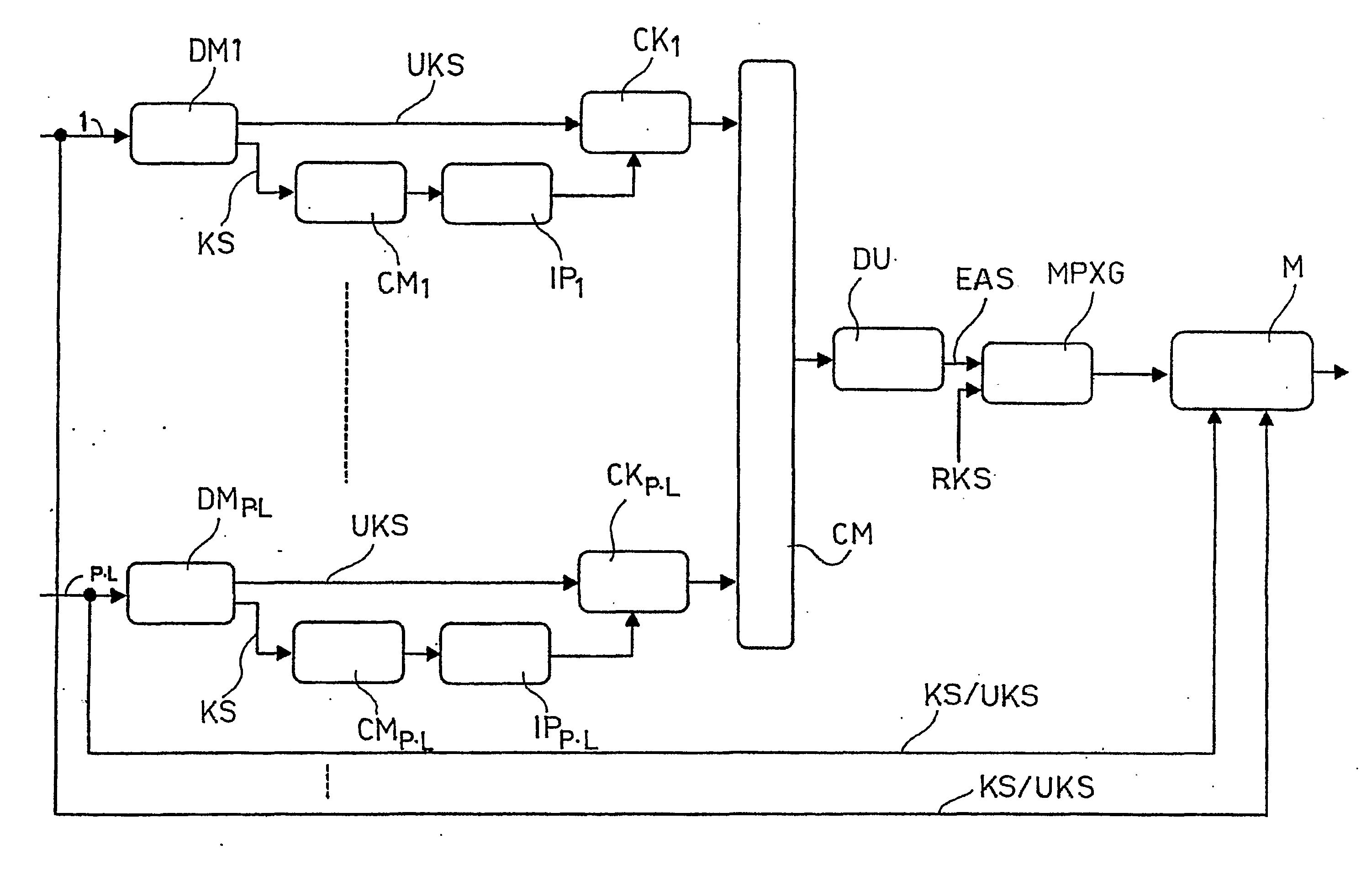
- A wireless transmit receive unit (WTRU) employs a selectively controllable coherent accumulation unit and post-processing unit to produce power delay profiles (PDPs) using a sequential array of vector correlators, which coherently accumulate sampled signal samples and generate known sequences, enabling efficient detection of signal paths with reduced processing complexity and improved signal-to-noise ratio.
Method and system for channel estimation, related receiver and computer program product
PatentInactiveUS20070189362A1
Innovation
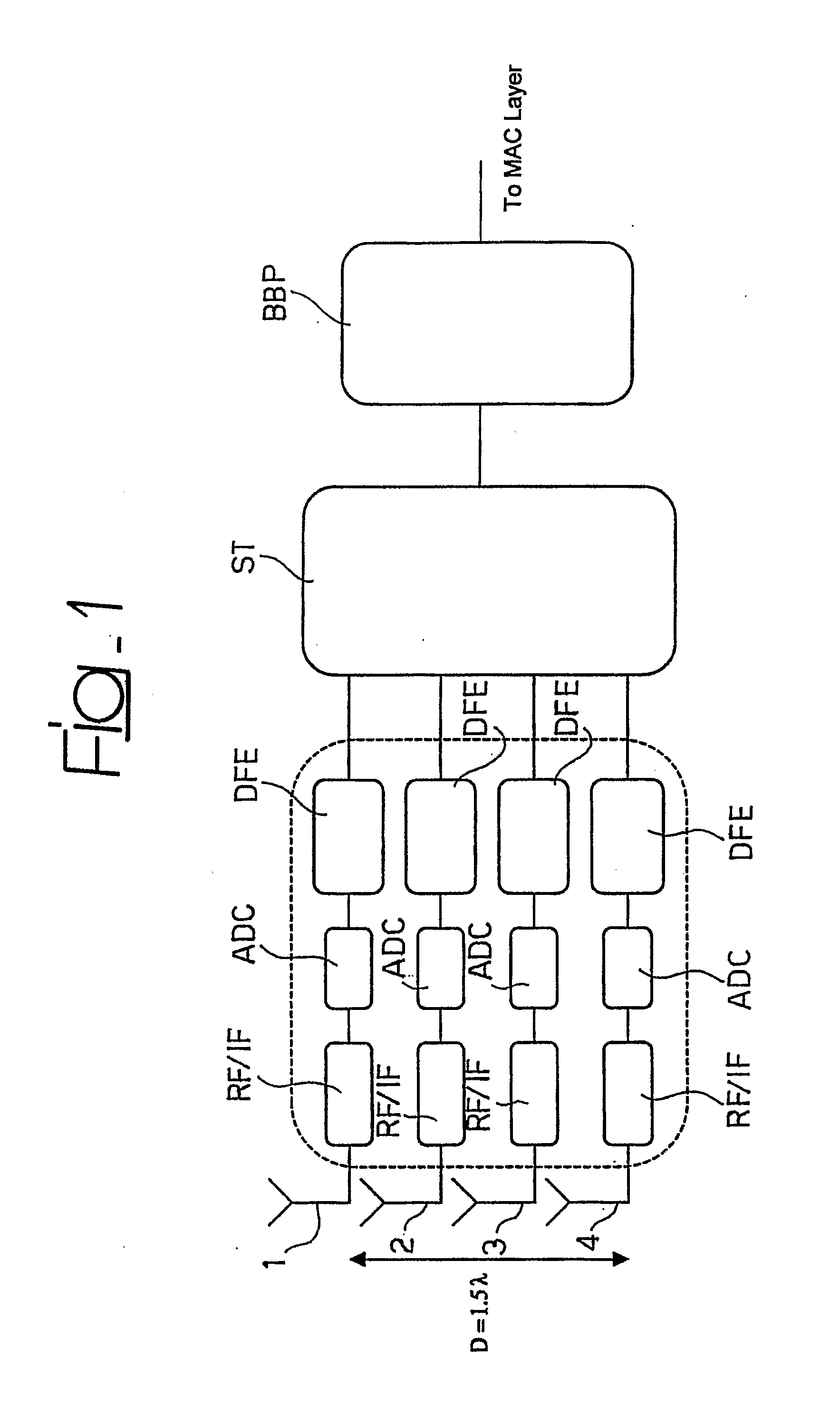
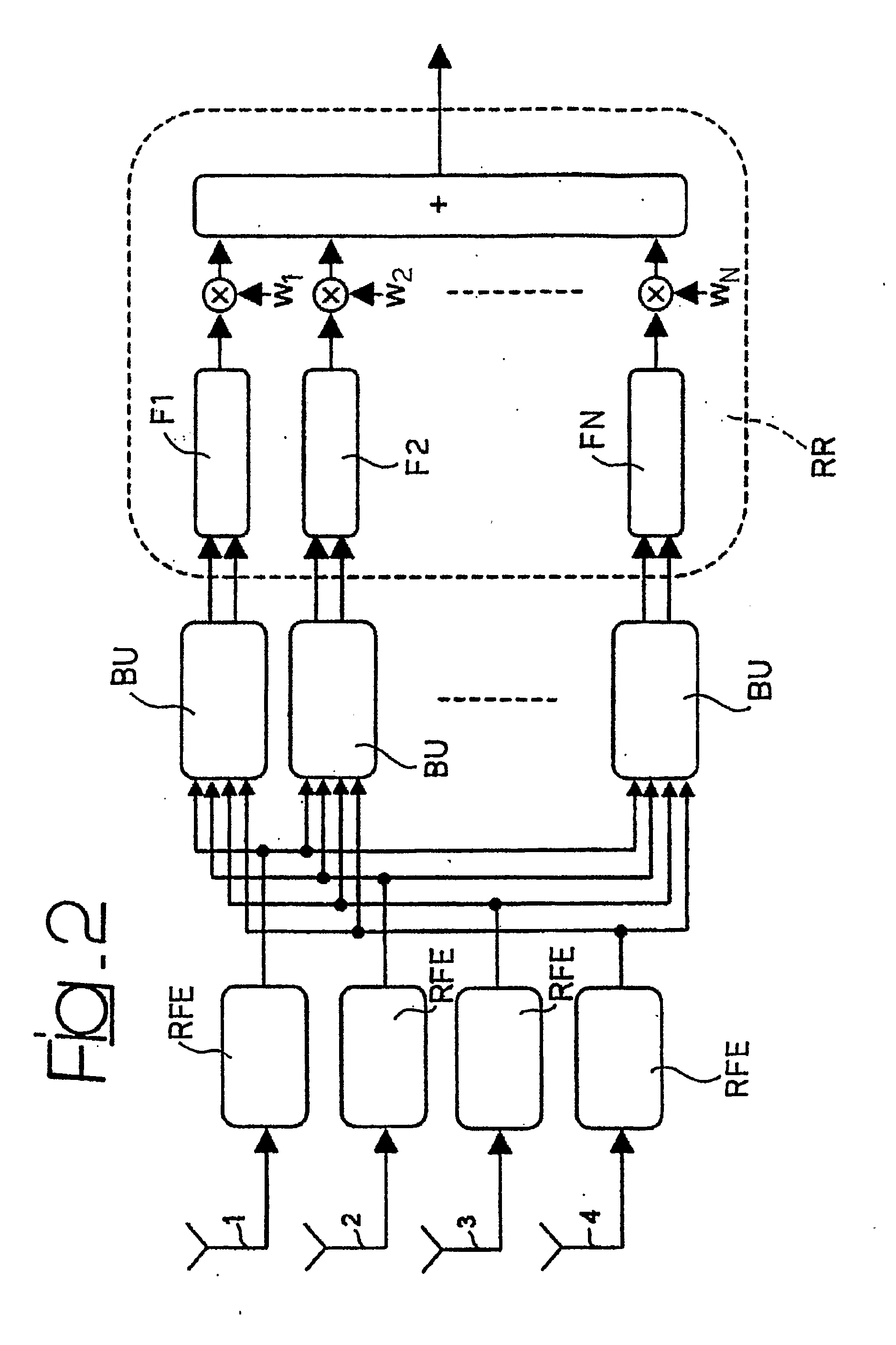
- The method involves detecting and utilizing additional symbols, such as TPC, TFCI, and FBI bits, for channel estimation and computing weighting coefficients, alongside known pilot symbols, to enhance beamforming algorithms in receivers with multiple antennas.

Spectrum Regulation and RF Compliance Standards
The regulatory landscape for combating multi-path effects in wireless communications is governed by a complex framework of spectrum allocation policies and RF compliance standards established by national and international regulatory bodies. The International Telecommunication Union (ITU) serves as the primary global coordinator, defining fundamental principles for spectrum management that directly impact multi-path mitigation technologies. Regional authorities such as the Federal Communications Commission (FCC) in the United States, the European Telecommunications Standards Institute (ETSI) in Europe, and similar organizations worldwide implement these guidelines through specific technical standards and certification requirements.
Spectrum allocation regulations significantly influence the design and deployment of multi-path mitigation solutions. Licensed spectrum bands typically impose stricter power spectral density limits and out-of-band emission requirements, necessitating sophisticated filtering and signal processing techniques. Unlicensed bands, while offering greater deployment flexibility, present unique challenges due to interference from multiple users and varying signal propagation characteristics that can exacerbate multi-path effects.
RF compliance standards specifically address multi-path-related performance through several key metrics. Spurious emission limits defined in standards such as FCC Part 15 and ETSI EN 300 328 directly impact the effectiveness of diversity reception and spatial filtering techniques. Adjacent channel power ratio (ACPR) requirements influence the design of beamforming algorithms and antenna array configurations used in multi-path mitigation systems.
Electromagnetic compatibility (EMC) regulations play a crucial role in multi-path effect management, particularly in dense deployment scenarios. Standards like CISPR 32 and FCC Part 15 Subpart B establish limits on conducted and radiated emissions that can create artificial multi-path environments through reflections and scattering from nearby electronic devices.
Emerging regulatory frameworks are adapting to accommodate advanced multi-path mitigation technologies. Dynamic spectrum access regulations are being developed to support cognitive radio systems that can adaptively combat multi-path effects across multiple frequency bands. Additionally, new standards for massive MIMO and beamforming technologies are being established to ensure compliance while maximizing multi-path diversity benefits.
The regulatory approval process for multi-path mitigation technologies typically requires comprehensive testing under various propagation conditions, including standardized multi-path channel models defined by organizations such as 3GPP and IEEE. These requirements ensure that deployed systems maintain compliance across diverse operating environments while effectively managing multi-path propagation challenges.
Spectrum allocation regulations significantly influence the design and deployment of multi-path mitigation solutions. Licensed spectrum bands typically impose stricter power spectral density limits and out-of-band emission requirements, necessitating sophisticated filtering and signal processing techniques. Unlicensed bands, while offering greater deployment flexibility, present unique challenges due to interference from multiple users and varying signal propagation characteristics that can exacerbate multi-path effects.
RF compliance standards specifically address multi-path-related performance through several key metrics. Spurious emission limits defined in standards such as FCC Part 15 and ETSI EN 300 328 directly impact the effectiveness of diversity reception and spatial filtering techniques. Adjacent channel power ratio (ACPR) requirements influence the design of beamforming algorithms and antenna array configurations used in multi-path mitigation systems.
Electromagnetic compatibility (EMC) regulations play a crucial role in multi-path effect management, particularly in dense deployment scenarios. Standards like CISPR 32 and FCC Part 15 Subpart B establish limits on conducted and radiated emissions that can create artificial multi-path environments through reflections and scattering from nearby electronic devices.
Emerging regulatory frameworks are adapting to accommodate advanced multi-path mitigation technologies. Dynamic spectrum access regulations are being developed to support cognitive radio systems that can adaptively combat multi-path effects across multiple frequency bands. Additionally, new standards for massive MIMO and beamforming technologies are being established to ensure compliance while maximizing multi-path diversity benefits.
The regulatory approval process for multi-path mitigation technologies typically requires comprehensive testing under various propagation conditions, including standardized multi-path channel models defined by organizations such as 3GPP and IEEE. These requirements ensure that deployed systems maintain compliance across diverse operating environments while effectively managing multi-path propagation challenges.
Signal Quality Standards and Performance Metrics
Signal quality standards for multi-path mitigation systems are primarily governed by international telecommunications standards including ITU-R recommendations, IEEE 802.11 specifications, and 3GPP standards for cellular communications. These frameworks establish baseline requirements for signal-to-noise ratio (SNR), bit error rate (BER), and packet error rate (PER) that systems must achieve while operating in multi-path environments. The standards typically mandate minimum SNR thresholds ranging from 10-25 dB depending on modulation schemes and application requirements.
Performance metrics for evaluating multi-path mitigation effectiveness encompass both traditional and advanced measurement parameters. Primary metrics include received signal strength indicator (RSSI), which measures the power level of received signals, and signal-to-interference-plus-noise ratio (SINR), which accounts for both thermal noise and interference from delayed signal copies. These fundamental measurements provide baseline assessments of system performance under multi-path conditions.
Advanced performance indicators focus on multi-path-specific characteristics such as delay spread, coherence bandwidth, and Doppler spread. Delay spread measurements quantify the time difference between the earliest and latest significant signal arrivals, typically expressed in nanoseconds or microseconds. Coherence bandwidth indicates the frequency range over which the channel response remains relatively constant, directly impacting system design parameters for effective multi-path compensation.
Quality assessment frameworks incorporate dynamic performance metrics including channel state information (CSI) accuracy, equalization convergence time, and adaptive algorithm tracking capabilities. These metrics evaluate how effectively systems can adapt to changing multi-path conditions in real-time scenarios. Modern standards also emphasize throughput efficiency metrics, measuring the ratio of successfully transmitted data to theoretical maximum capacity under multi-path impairment conditions.
Emerging performance standards address next-generation requirements including ultra-low latency applications and massive MIMO systems. These specifications define stringent timing accuracy requirements, often in sub-millisecond ranges, and establish new metrics for spatial diversity effectiveness. The evolution toward 5G and beyond necessitates enhanced measurement frameworks that can accurately assess performance across diverse frequency bands and deployment scenarios while maintaining compatibility with legacy evaluation methods.
Performance metrics for evaluating multi-path mitigation effectiveness encompass both traditional and advanced measurement parameters. Primary metrics include received signal strength indicator (RSSI), which measures the power level of received signals, and signal-to-interference-plus-noise ratio (SINR), which accounts for both thermal noise and interference from delayed signal copies. These fundamental measurements provide baseline assessments of system performance under multi-path conditions.
Advanced performance indicators focus on multi-path-specific characteristics such as delay spread, coherence bandwidth, and Doppler spread. Delay spread measurements quantify the time difference between the earliest and latest significant signal arrivals, typically expressed in nanoseconds or microseconds. Coherence bandwidth indicates the frequency range over which the channel response remains relatively constant, directly impacting system design parameters for effective multi-path compensation.
Quality assessment frameworks incorporate dynamic performance metrics including channel state information (CSI) accuracy, equalization convergence time, and adaptive algorithm tracking capabilities. These metrics evaluate how effectively systems can adapt to changing multi-path conditions in real-time scenarios. Modern standards also emphasize throughput efficiency metrics, measuring the ratio of successfully transmitted data to theoretical maximum capacity under multi-path impairment conditions.
Emerging performance standards address next-generation requirements including ultra-low latency applications and massive MIMO systems. These specifications define stringent timing accuracy requirements, often in sub-millisecond ranges, and establish new metrics for spatial diversity effectiveness. The evolution toward 5G and beyond necessitates enhanced measurement frameworks that can accurately assess performance across diverse frequency bands and deployment scenarios while maintaining compatibility with legacy evaluation methods.
Unlock deeper insights with Patsnap Eureka Quick Research — get a full tech report to explore trends and direct your research. Try now!
Generate Your Research Report Instantly with AI Agent
Supercharge your innovation with Patsnap Eureka AI Agent Platform!