
Starch vs PHA: Compostability and Packaging Performance
OCT 9, 20269 MIN READ
Generate Your Research Report Instantly with AI Agent
Patsnap Eureka helps you evaluate technical feasibility & market potential.
Starch and PHA Packaging Technology Background and Objectives
The global packaging industry faces mounting pressure to transition from conventional petroleum-based plastics to sustainable alternatives that can effectively decompose in natural environments. This imperative stems from escalating environmental concerns regarding plastic waste accumulation, marine pollution, and the depletion of fossil resources. Among biodegradable materials, starch-based polymers and polyhydroxyalkanoates (PHA) have emerged as two prominent candidates for eco-friendly packaging solutions, each offering distinct advantages and limitations.
Starch, derived from renewable agricultural sources such as corn, potato, and tapioca, represents one of the most abundant and cost-effective biopolymers available. Its natural biodegradability and widespread availability have positioned it as an attractive option for packaging applications. However, native starch exhibits inherent weaknesses including moisture sensitivity, poor mechanical strength, and limited processing flexibility, necessitating chemical modifications and blending strategies to enhance its performance characteristics.
PHA, a family of polyesters synthesized by microorganisms through bacterial fermentation, offers superior material properties more closely resembling conventional plastics. These biopolymers demonstrate excellent biodegradability in diverse environments including soil, marine, and composting conditions, while maintaining robust mechanical performance and moisture resistance. Despite these advantages, PHA production remains constrained by high manufacturing costs and limited commercial-scale production capacity.
The comparative evaluation of these two materials addresses critical knowledge gaps in sustainable packaging development. Understanding their respective compostability profiles under standardized conditions provides essential data for end-of-life management strategies and certification compliance. Simultaneously, assessing packaging performance parameters including barrier properties, mechanical strength, thermal stability, and processability determines their practical applicability across different product categories.
The primary objective of this research is to establish a comprehensive comparative framework evaluating both environmental performance and functional capabilities of starch and PHA-based packaging materials. This investigation aims to identify optimal application scenarios for each material, guide formulation improvements, and inform strategic decisions for enterprises seeking to implement sustainable packaging solutions that balance ecological responsibility with commercial viability.
Starch, derived from renewable agricultural sources such as corn, potato, and tapioca, represents one of the most abundant and cost-effective biopolymers available. Its natural biodegradability and widespread availability have positioned it as an attractive option for packaging applications. However, native starch exhibits inherent weaknesses including moisture sensitivity, poor mechanical strength, and limited processing flexibility, necessitating chemical modifications and blending strategies to enhance its performance characteristics.
PHA, a family of polyesters synthesized by microorganisms through bacterial fermentation, offers superior material properties more closely resembling conventional plastics. These biopolymers demonstrate excellent biodegradability in diverse environments including soil, marine, and composting conditions, while maintaining robust mechanical performance and moisture resistance. Despite these advantages, PHA production remains constrained by high manufacturing costs and limited commercial-scale production capacity.
The comparative evaluation of these two materials addresses critical knowledge gaps in sustainable packaging development. Understanding their respective compostability profiles under standardized conditions provides essential data for end-of-life management strategies and certification compliance. Simultaneously, assessing packaging performance parameters including barrier properties, mechanical strength, thermal stability, and processability determines their practical applicability across different product categories.
The primary objective of this research is to establish a comprehensive comparative framework evaluating both environmental performance and functional capabilities of starch and PHA-based packaging materials. This investigation aims to identify optimal application scenarios for each material, guide formulation improvements, and inform strategic decisions for enterprises seeking to implement sustainable packaging solutions that balance ecological responsibility with commercial viability.
Market Demand for Compostable Packaging Materials
The global packaging industry is undergoing a fundamental transformation driven by escalating environmental concerns and regulatory pressures targeting single-use plastics. Consumer awareness regarding plastic pollution has reached unprecedented levels, catalyzing demand for sustainable alternatives across food service, retail, and industrial packaging sectors. This shift is particularly pronounced in developed markets where legislative frameworks increasingly mandate the adoption of biodegradable and compostable materials.
Compostable packaging materials have emerged as a strategic solution to address the mounting waste management crisis. Traditional petroleum-based plastics persist in ecosystems for centuries, whereas compostable alternatives promise complete biodegradation within controlled composting environments. This fundamental advantage aligns with circular economy principles and zero-waste initiatives gaining traction among corporations and municipalities worldwide. The food packaging segment represents the largest application area, driven by direct consumer interaction and stringent food safety regulations that favor certified compostable materials.
Regulatory frameworks are accelerating market adoption at varying rates across regions. European Union directives restricting single-use plastics have created substantial demand for compostable alternatives, with similar legislation emerging in North America and Asia-Pacific markets. Extended Producer Responsibility schemes further incentivize manufacturers to transition toward materials that minimize environmental impact throughout their lifecycle. These policy instruments are reshaping procurement strategies across retail chains, food service operators, and e-commerce platforms.
Market dynamics reveal distinct requirements across application segments. Fresh produce packaging demands moisture resistance and breathability, while hot beverage containers require thermal stability and barrier properties. Flexible packaging applications prioritize mechanical strength and seal integrity, whereas rigid containers emphasize structural performance and stackability. This diversity necessitates material solutions that balance compostability with functional performance characteristics traditionally associated with conventional plastics.
The competitive landscape is intensifying as material suppliers, converters, and brand owners collaborate to develop commercially viable solutions. Investment in composting infrastructure remains a critical enabler, as material compostability requires appropriate end-of-life processing facilities. Consumer education initiatives are equally essential to ensure proper disposal and prevent contamination of recycling streams. These interconnected factors collectively shape the market trajectory for compostable packaging materials, positioning starch-based and PHA polymers as leading candidates for widespread adoption.
Compostable packaging materials have emerged as a strategic solution to address the mounting waste management crisis. Traditional petroleum-based plastics persist in ecosystems for centuries, whereas compostable alternatives promise complete biodegradation within controlled composting environments. This fundamental advantage aligns with circular economy principles and zero-waste initiatives gaining traction among corporations and municipalities worldwide. The food packaging segment represents the largest application area, driven by direct consumer interaction and stringent food safety regulations that favor certified compostable materials.
Regulatory frameworks are accelerating market adoption at varying rates across regions. European Union directives restricting single-use plastics have created substantial demand for compostable alternatives, with similar legislation emerging in North America and Asia-Pacific markets. Extended Producer Responsibility schemes further incentivize manufacturers to transition toward materials that minimize environmental impact throughout their lifecycle. These policy instruments are reshaping procurement strategies across retail chains, food service operators, and e-commerce platforms.
Market dynamics reveal distinct requirements across application segments. Fresh produce packaging demands moisture resistance and breathability, while hot beverage containers require thermal stability and barrier properties. Flexible packaging applications prioritize mechanical strength and seal integrity, whereas rigid containers emphasize structural performance and stackability. This diversity necessitates material solutions that balance compostability with functional performance characteristics traditionally associated with conventional plastics.
The competitive landscape is intensifying as material suppliers, converters, and brand owners collaborate to develop commercially viable solutions. Investment in composting infrastructure remains a critical enabler, as material compostability requires appropriate end-of-life processing facilities. Consumer education initiatives are equally essential to ensure proper disposal and prevent contamination of recycling streams. These interconnected factors collectively shape the market trajectory for compostable packaging materials, positioning starch-based and PHA polymers as leading candidates for widespread adoption.
Current Status and Challenges of Starch vs PHA Packaging
Starch-based and polyhydroxyalkanoate (PHA) materials represent two distinct pathways in the development of compostable packaging solutions, each demonstrating unique advantages and facing specific technical barriers. Starch-based packaging has achieved widespread commercial adoption due to its abundant availability, low cost, and established processing infrastructure. However, its inherent hydrophilicity results in poor moisture resistance and mechanical weakness under humid conditions, significantly limiting shelf-life performance for food packaging applications. The material's rapid degradation in moist environments, while beneficial for compostability, poses challenges for maintaining structural integrity during storage and transportation.
PHA-based packaging exhibits superior barrier properties and mechanical strength comparable to conventional petroleum-based plastics, making it particularly suitable for applications requiring extended shelf life and robust protection. The material demonstrates excellent water resistance and maintains structural stability across varying environmental conditions. Nevertheless, PHA production remains constrained by high manufacturing costs, limited production capacity, and complex fermentation processes that require precise control parameters. Current global PHA production capacity stands at approximately 50,000 tons annually, representing less than 0.02% of total plastic production, which significantly restricts market penetration.
Both materials face critical challenges in achieving consistent compostability performance across different composting environments. Starch-based materials often require specific moisture and temperature conditions to achieve complete biodegradation within industrial composting timeframes, while PHA degradation rates vary substantially depending on polymer composition and crystallinity levels. The lack of standardized testing protocols and certification frameworks across different regions creates additional complexity for manufacturers seeking global market access.
Technical limitations in processing technologies further constrain material performance optimization. Starch-based formulations struggle with thermal stability during extrusion and thermoforming processes, often requiring extensive modification with plasticizers and compatibilizers that may compromise biodegradability. PHA materials exhibit narrow processing windows and sensitivity to thermal degradation, necessitating specialized equipment and precise temperature control. The geographical distribution of production facilities remains concentrated in Europe and Asia, with limited manufacturing presence in emerging markets, creating supply chain vulnerabilities and regional availability disparities that impede widespread adoption of both material platforms.
PHA-based packaging exhibits superior barrier properties and mechanical strength comparable to conventional petroleum-based plastics, making it particularly suitable for applications requiring extended shelf life and robust protection. The material demonstrates excellent water resistance and maintains structural stability across varying environmental conditions. Nevertheless, PHA production remains constrained by high manufacturing costs, limited production capacity, and complex fermentation processes that require precise control parameters. Current global PHA production capacity stands at approximately 50,000 tons annually, representing less than 0.02% of total plastic production, which significantly restricts market penetration.
Both materials face critical challenges in achieving consistent compostability performance across different composting environments. Starch-based materials often require specific moisture and temperature conditions to achieve complete biodegradation within industrial composting timeframes, while PHA degradation rates vary substantially depending on polymer composition and crystallinity levels. The lack of standardized testing protocols and certification frameworks across different regions creates additional complexity for manufacturers seeking global market access.
Technical limitations in processing technologies further constrain material performance optimization. Starch-based formulations struggle with thermal stability during extrusion and thermoforming processes, often requiring extensive modification with plasticizers and compatibilizers that may compromise biodegradability. PHA materials exhibit narrow processing windows and sensitivity to thermal degradation, necessitating specialized equipment and precise temperature control. The geographical distribution of production facilities remains concentrated in Europe and Asia, with limited manufacturing presence in emerging markets, creating supply chain vulnerabilities and regional availability disparities that impede widespread adoption of both material platforms.
Current Technical Solutions for Compostable Packaging
01 Formulation of starch-based biodegradable packaging films
Biodegradable packaging films can be produced using various starch sources such as corn, potato, banana, and arrowroot starch. These films are often combined with biopolymers or natural additives to create sustainable alternatives to traditional plastic packaging for food and industrial applications.- Formulation of starch-based biodegradable films and compositions for packaging: Starch-based biopolymers, compositions, and films are formulated using various starch sources such as corn, banana, arrowroot, or potato. These formulations focus on improving biodegradability and processability for sustainable food packaging, loose-fill cushioning, and packaging bags.
- Development of compostable materials and high-degradation packaging: Compostable packaging materials and high-degradation thermoplastic starches are designed to achieve high environmental degradation rates. These technical solutions provide compostable films and molded articles suitable for food service and single-use packaging.
- Enhancement of mechanical strength, barrier properties, and physical performance: Additives, plasticizers, oriented starch processing, and structural modifications are incorporated into starch formulations to overcome inherent performance limitations. These enhancements improve barrier properties such as water blocking, reduce brittleness, increase tensile strength, and enhance thermal or freeze-thaw stability.
- Integration of biopolymer blends and bio-nanofillers for active packaging: Starch is blended with complementary biopolymers like chitosan, cellulose, or PVA, and reinforced with nanofillers, active plant extracts, or biosensors. These composite materials provide functional packaging capabilities, including antimicrobial activity, shelf-life extension, and improved structural integrity.
- Manufacturing processes, foam extrusion, and industrial packaging systems: Specialized processing methods, dry starch handling techniques, extrusion technologies, and automated packaging systems are utilized to manufacture starch-based products. These advances resolve issues related to low foaming ratios, surface roughness, material drying, and automated equipment operation.
02 Incorporation of additives to enhance starch material performance
The physical and mechanical properties of starch packaging materials can be significantly improved by incorporating specific additives such as plasticizers, nanofillers, and ionic liquids. These additives help reduce brittleness, enhance flexibility, improve water-blocking capabilities, and overall processing performance.Expand Specific Solutions03 Development of compostable and fully biodegradable materials
Compostable packaging materials and films are designed using thermoplastic starch compositions and biological matrices to ensure high degradation rates. These compositions address environmental concerns by providing fully compostable options for moldings, fast food packaging, and agricultural applications.Expand Specific Solutions04 Functional and smart packaging with active properties
Starch-based materials can be modified with active compounds, nanoparticles, and natural extracts to impart specific functional benefits. Technologies include antimicrobial properties, shelf-life extension for food items, active release mechanisms, and integration with pH-sensitive biosensors for smart packaging.Expand Specific Solutions05 Structural compositions and methods for specialized packaging items
Advanced processing methods and structural compositions enable the creation of specialized starch products, such as bio-composite foams, cushioning materials, high-strength oriented starch, and rigid containers. These structures provide essential mechanical protection, freeze-thaw resistance, and durability.Expand Specific Solutions
Key Players in Starch and PHA Packaging Industry
The biodegradable packaging sector comparing starch and PHA materials is experiencing rapid evolution, transitioning from early commercialization to mainstream adoption as sustainability pressures intensify across consumer goods industries. Market growth is driven by regulatory mandates and corporate commitments to reduce plastic waste, with the global biodegradable packaging market projected to reach significant scale. Technology maturity varies considerably among key players: established manufacturers like Procter & Gamble, Mars, and Frito-Lay are integrating these materials into existing packaging lines, while specialized producers such as Meredian and Danimer IPCo focus on PHA polymer development. Material suppliers including Roquette Frères and Solvay advance starch-based formulations, and research institutions like The University of Queensland and FPInnovations drive innovation in compostability performance. Chinese companies like Du Bai Cheng and Botan Biomaterials represent emerging regional capacity, while packaging specialists such as Westrock MWV translate materials into commercial applications, creating a competitive landscape spanning the entire value chain.
Procter & Gamble Co.
Technical Solution: Procter & Gamble has conducted extensive comparative research on biodegradable packaging materials, evaluating both starch-based and PHA polymers for consumer product applications. Their research focuses on performance metrics including tensile strength, water vapor transmission rates, and degradation kinetics under various composting conditions. P&G's studies demonstrate that PHA materials maintain structural integrity better than starch-based alternatives in high-humidity environments, showing 40-60% higher tensile strength retention after moisture exposure. The company has developed hybrid formulations combining modified starches with PHA to optimize cost-performance ratios. Their packaging performance testing protocols assess seal strength, drop impact resistance, and shelf-life protection, revealing that pure starch materials require significant additives to match PHA's inherent barrier properties. P&G's compostability assessments indicate both materials achieve biodegradation under industrial composting, but PHA demonstrates broader environmental degradation capability.
Strengths: Comprehensive testing methodologies, extensive application experience in consumer goods, hybrid material innovation, strong quality control standards. Weaknesses: Primary focus on consumer applications may limit industrial packaging insights, proprietary formulations not widely available, research primarily supports internal product development rather than material supply.
Danimer IPCo LLC
Technical Solution: Danimer specializes in PHA-based biodegradable polymers, particularly Nodax PHA, which demonstrates superior compostability in both industrial and home composting environments. Their PHA materials achieve complete biodegradation within 6-12 months in marine and soil environments, meeting ASTM D6400 and EN 13432 standards for compostable packaging. The company has developed PHA formulations specifically optimized for flexible film applications, offering mechanical properties comparable to conventional polyethylene while maintaining full biodegradability. Their technology enables processing on standard plastic manufacturing equipment, facilitating commercial-scale production. Danimer's PHA exhibits excellent barrier properties against moisture and oxygen, making it suitable for food packaging applications where shelf-life preservation is critical.
Strengths: Complete biodegradability in diverse environments, excellent mechanical and barrier properties, scalable manufacturing. Weaknesses: Higher production costs compared to starch-based alternatives, thermal processing window limitations, relatively lower market penetration than established materials.
Core Technologies in Starch and PHA Material Innovation
Polyhydroxyalkanoate copolymer/starch compositions for laminates and films
PatentInactiveUS7077994B2
Innovation
- Development of films and laminates comprising a polyhydroxyalkanoate copolymer blended with destructured starch, which are aerobically and anaerobically biodegradable, providing improved properties such as flexibility, breathability, and stability, without requiring starch plasticizers, and can be processed using conventional methods.
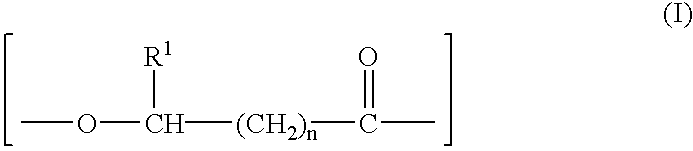
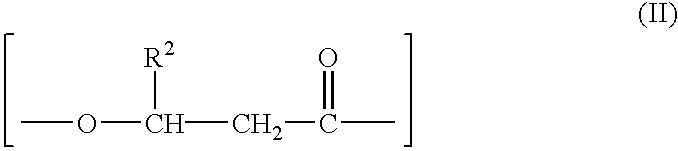
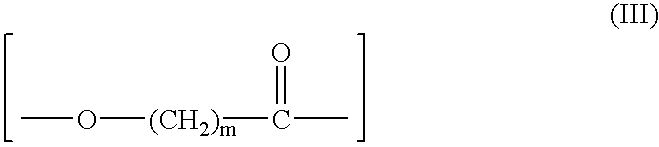

Compostable high barrier packaging material
PatentPendingUS20260054899A1
Innovation
- A compostable packaging material comprising a film layer of polyhydroxyalkanoate (PHA) with a primer and barrier sublayer, a bonding layer, and a substrate layer, which includes cellulose acetate or paper, providing a high barrier to oxygen and water vapor transmission, and is recyclable.


Environmental Regulations for Biodegradable Packaging
The regulatory landscape for biodegradable packaging has evolved significantly in recent years, driven by mounting concerns over plastic pollution and the urgent need for sustainable alternatives. Governments and international organizations worldwide have implemented stringent frameworks to govern the production, labeling, and disposal of biodegradable materials, including starch-based and PHA polymers. These regulations aim to ensure that materials marketed as biodegradable genuinely meet compostability standards and do not contribute to environmental harm through misleading claims or inadequate degradation.
In the European Union, the EN 13432 standard serves as the cornerstone for compostable packaging certification, requiring materials to demonstrate at least 90% biodegradation within six months under industrial composting conditions, alongside meeting ecotoxicity and heavy metal content thresholds. Similarly, the United States relies on ASTM D6400 and D6868 standards, which establish comparable criteria for compostability verification. These frameworks directly impact starch and PHA materials, as manufacturers must provide rigorous testing data to obtain certification and market access.
Beyond industrial composting standards, emerging regulations increasingly address home compostability and marine biodegradability. The French norm NF T51-800 and the Australian AS 5810 standard specifically target home composting scenarios, where lower temperatures and variable conditions pose greater degradation challenges. PHA polymers, with their broader degradation capabilities across diverse environments, may gain regulatory advantages over starch-based materials in these contexts. Additionally, the EU Single-Use Plastics Directive and similar legislation in countries like Canada and India impose restrictions on conventional plastics while creating preferential pathways for certified biodegradable alternatives.
Labeling requirements constitute another critical regulatory dimension, with authorities mandating clear communication about proper disposal methods and composting conditions. Misleading claims about biodegradability have prompted enforcement actions in multiple jurisdictions, emphasizing the importance of transparent, scientifically validated product information. As regulatory frameworks continue to tighten and expand geographically, manufacturers of both starch and PHA packaging must navigate an increasingly complex compliance landscape while demonstrating genuine environmental benefits through standardized testing protocols.
In the European Union, the EN 13432 standard serves as the cornerstone for compostable packaging certification, requiring materials to demonstrate at least 90% biodegradation within six months under industrial composting conditions, alongside meeting ecotoxicity and heavy metal content thresholds. Similarly, the United States relies on ASTM D6400 and D6868 standards, which establish comparable criteria for compostability verification. These frameworks directly impact starch and PHA materials, as manufacturers must provide rigorous testing data to obtain certification and market access.
Beyond industrial composting standards, emerging regulations increasingly address home compostability and marine biodegradability. The French norm NF T51-800 and the Australian AS 5810 standard specifically target home composting scenarios, where lower temperatures and variable conditions pose greater degradation challenges. PHA polymers, with their broader degradation capabilities across diverse environments, may gain regulatory advantages over starch-based materials in these contexts. Additionally, the EU Single-Use Plastics Directive and similar legislation in countries like Canada and India impose restrictions on conventional plastics while creating preferential pathways for certified biodegradable alternatives.
Labeling requirements constitute another critical regulatory dimension, with authorities mandating clear communication about proper disposal methods and composting conditions. Misleading claims about biodegradability have prompted enforcement actions in multiple jurisdictions, emphasizing the importance of transparent, scientifically validated product information. As regulatory frameworks continue to tighten and expand geographically, manufacturers of both starch and PHA packaging must navigate an increasingly complex compliance landscape while demonstrating genuine environmental benefits through standardized testing protocols.
Comparative Performance Metrics and Testing Standards
Evaluating the performance of starch-based and PHA materials in packaging applications requires standardized metrics and rigorous testing protocols. The comparative assessment framework encompasses multiple dimensions including mechanical properties, barrier characteristics, degradation behavior, and processing compatibility. International standards such as ISO 17088, ASTM D6400, and EN 13432 provide the foundational criteria for compostability certification, mandating specific thresholds for disintegration rates, biodegradation levels, and ecotoxicity limits. These standards typically require materials to achieve 90% biodegradation within 180 days under controlled composting conditions, with no adverse effects on plant growth or soil quality.
Mechanical performance metrics constitute critical evaluation parameters for both materials. Tensile strength, elongation at break, and Young's modulus are measured according to ASTM D882 or ISO 527 standards, revealing distinct behavioral patterns. Starch-based materials generally exhibit tensile strengths ranging from 5 to 40 MPa depending on formulation and plasticizer content, while PHA demonstrates values between 15 to 40 MPa with superior elongation properties. Tear resistance and puncture strength testing following ASTM D1922 and ASTM D1709 protocols further differentiate material suitability for specific packaging applications.
Barrier property assessment employs standardized methodologies including oxygen transmission rate testing per ASTM D3985 and water vapor permeability measurement via ASTM E96. These metrics directly impact shelf-life performance and product protection capabilities. PHA typically demonstrates lower oxygen permeability compared to native starch formulations, though modified starch blends can achieve competitive barrier performance through strategic compounding approaches.
Compostability verification follows multi-phase testing protocols encompassing chemical characterization, biodegradation assessment in industrial and home composting environments, and disintegration evaluation. The respirometric method outlined in ISO 14855 quantifies carbon dioxide evolution to determine biodegradation percentages, while visual disintegration tests per ISO 20200 assess physical breakdown rates. Additional ecotoxicity screening using standardized plant germination assays ensures environmental safety of degradation byproducts, completing the comprehensive performance validation framework essential for comparative material evaluation.
Mechanical performance metrics constitute critical evaluation parameters for both materials. Tensile strength, elongation at break, and Young's modulus are measured according to ASTM D882 or ISO 527 standards, revealing distinct behavioral patterns. Starch-based materials generally exhibit tensile strengths ranging from 5 to 40 MPa depending on formulation and plasticizer content, while PHA demonstrates values between 15 to 40 MPa with superior elongation properties. Tear resistance and puncture strength testing following ASTM D1922 and ASTM D1709 protocols further differentiate material suitability for specific packaging applications.
Barrier property assessment employs standardized methodologies including oxygen transmission rate testing per ASTM D3985 and water vapor permeability measurement via ASTM E96. These metrics directly impact shelf-life performance and product protection capabilities. PHA typically demonstrates lower oxygen permeability compared to native starch formulations, though modified starch blends can achieve competitive barrier performance through strategic compounding approaches.
Compostability verification follows multi-phase testing protocols encompassing chemical characterization, biodegradation assessment in industrial and home composting environments, and disintegration evaluation. The respirometric method outlined in ISO 14855 quantifies carbon dioxide evolution to determine biodegradation percentages, while visual disintegration tests per ISO 20200 assess physical breakdown rates. Additional ecotoxicity screening using standardized plant germination assays ensures environmental safety of degradation byproducts, completing the comprehensive performance validation framework essential for comparative material evaluation.
Unlock deeper insights with Patsnap Eureka Quick Research — get a full tech report to explore trends and direct your research. Try now!
Generate Your Research Report Instantly with AI Agent
Supercharge your innovation with Patsnap Eureka AI Agent Platform!