
How to Improve PHA Processing for Industrial Scale-Up
OCT 9, 20269 MIN READ
Generate Your Research Report Instantly with AI Agent
Patsnap Eureka helps you evaluate technical feasibility & market potential.
PHA Industrial Scale-Up Background and Objectives
Polyhydroxyalkanoates (PHAs) represent a promising class of biodegradable biopolymers that have garnered significant attention as sustainable alternatives to conventional petroleum-based plastics. Since their discovery in the 1920s, PHAs have evolved from laboratory curiosities to commercially viable materials with applications spanning packaging, medical devices, agriculture, and consumer goods. The inherent biodegradability and biocompatibility of PHAs position them as critical materials in addressing global plastic pollution challenges while meeting increasingly stringent environmental regulations.
The transition from laboratory-scale production to industrial-scale manufacturing of PHAs presents substantial technical and economic challenges that must be systematically addressed. Current industrial production costs remain significantly higher than conventional plastics, primarily due to inefficiencies in downstream processing, which can account for up to 50-60% of total production costs. The complexity of PHA extraction, purification, and formulation processes directly impacts product quality, yield recovery, and overall economic viability.
The primary objective of improving PHA processing for industrial scale-up centers on developing cost-effective, scalable methodologies that maintain product quality while reducing environmental impact. This encompasses optimizing solvent-based and solvent-free extraction techniques, enhancing cell disruption efficiency, improving polymer recovery rates, and minimizing waste generation. Additionally, achieving consistent material properties across large production batches remains critical for market acceptance and regulatory compliance.
Strategic goals include reducing processing costs by at least 30-40% through technological innovation, increasing polymer recovery efficiency beyond 90%, and developing continuous processing systems that replace traditional batch operations. Furthermore, establishing robust quality control frameworks and standardized processing protocols will facilitate broader industrial adoption. The ultimate aim is to achieve price parity with conventional plastics while maintaining superior environmental credentials, thereby enabling PHAs to capture significant market share in multiple application sectors and contribute meaningfully to the circular economy transition.
The transition from laboratory-scale production to industrial-scale manufacturing of PHAs presents substantial technical and economic challenges that must be systematically addressed. Current industrial production costs remain significantly higher than conventional plastics, primarily due to inefficiencies in downstream processing, which can account for up to 50-60% of total production costs. The complexity of PHA extraction, purification, and formulation processes directly impacts product quality, yield recovery, and overall economic viability.
The primary objective of improving PHA processing for industrial scale-up centers on developing cost-effective, scalable methodologies that maintain product quality while reducing environmental impact. This encompasses optimizing solvent-based and solvent-free extraction techniques, enhancing cell disruption efficiency, improving polymer recovery rates, and minimizing waste generation. Additionally, achieving consistent material properties across large production batches remains critical for market acceptance and regulatory compliance.
Strategic goals include reducing processing costs by at least 30-40% through technological innovation, increasing polymer recovery efficiency beyond 90%, and developing continuous processing systems that replace traditional batch operations. Furthermore, establishing robust quality control frameworks and standardized processing protocols will facilitate broader industrial adoption. The ultimate aim is to achieve price parity with conventional plastics while maintaining superior environmental credentials, thereby enabling PHAs to capture significant market share in multiple application sectors and contribute meaningfully to the circular economy transition.
Market Demand for Bio-Based PHA Polymers
The global shift toward sustainable materials has positioned bio-based polyhydroxyalkanoates (PHAs) as a strategic alternative to conventional petroleum-derived plastics. Market demand for PHA polymers is experiencing accelerating growth driven by stringent environmental regulations, corporate sustainability commitments, and evolving consumer preferences for biodegradable products. The European Union's Single-Use Plastics Directive and similar legislative frameworks in Asia-Pacific regions have created regulatory tailwinds that favor biodegradable polymer adoption across packaging, agriculture, and consumer goods sectors.
Packaging applications represent the largest demand segment for PHA polymers, particularly in food service items, flexible films, and rigid containers where end-of-life biodegradability offers distinct advantages. The agricultural sector demonstrates growing interest in PHA-based mulch films and controlled-release fertilizer coatings that eliminate plastic residue concerns. Medical device manufacturers are exploring PHA materials for sutures, tissue engineering scaffolds, and drug delivery systems, leveraging their biocompatibility and tunable degradation profiles.
Current market penetration remains constrained by production costs that exceed conventional plastics by significant margins, limiting adoption primarily to premium applications and environmentally conscious brands. However, major consumer goods companies have announced commitments to integrate bio-based content into product portfolios, creating pull-through demand that incentivizes production capacity expansion. The cosmetics and personal care industries are incorporating PHA-derived microbeads and packaging components to address microplastic pollution concerns.
Regional demand patterns show concentration in North America and Europe where regulatory frameworks and consumer awareness are most developed. Asia-Pacific markets exhibit rapid growth potential driven by government initiatives supporting bio-economy development and increasing environmental awareness among middle-class consumers. Emerging applications in 3D printing filaments, textile fibers, and electronics casings represent nascent but potentially significant demand channels as material properties improve and costs decline through processing optimization and industrial scale-up achievements.
Packaging applications represent the largest demand segment for PHA polymers, particularly in food service items, flexible films, and rigid containers where end-of-life biodegradability offers distinct advantages. The agricultural sector demonstrates growing interest in PHA-based mulch films and controlled-release fertilizer coatings that eliminate plastic residue concerns. Medical device manufacturers are exploring PHA materials for sutures, tissue engineering scaffolds, and drug delivery systems, leveraging their biocompatibility and tunable degradation profiles.
Current market penetration remains constrained by production costs that exceed conventional plastics by significant margins, limiting adoption primarily to premium applications and environmentally conscious brands. However, major consumer goods companies have announced commitments to integrate bio-based content into product portfolios, creating pull-through demand that incentivizes production capacity expansion. The cosmetics and personal care industries are incorporating PHA-derived microbeads and packaging components to address microplastic pollution concerns.
Regional demand patterns show concentration in North America and Europe where regulatory frameworks and consumer awareness are most developed. Asia-Pacific markets exhibit rapid growth potential driven by government initiatives supporting bio-economy development and increasing environmental awareness among middle-class consumers. Emerging applications in 3D printing filaments, textile fibers, and electronics casings represent nascent but potentially significant demand channels as material properties improve and costs decline through processing optimization and industrial scale-up achievements.
Current PHA Processing Challenges and Bottlenecks
Polyhydroxyalkanoates (PHAs) face significant processing challenges that hinder their transition from laboratory-scale production to industrial manufacturing. The primary bottleneck lies in the extraction and purification stages, where conventional solvent-based methods prove economically prohibitive at large scales. These processes typically require substantial quantities of chlorinated solvents such as chloroform or dichloromethane, raising both cost and environmental concerns. The energy-intensive nature of solvent recovery systems further compounds operational expenses, making the overall production economics unfavorable compared to conventional plastics.
Downstream processing efficiency remains critically constrained by the inherent properties of PHA-producing microorganisms. The robust cell walls of bacterial hosts like Cupriavidus necator necessitate aggressive cell disruption methods, which often compromise polymer quality through molecular weight degradation. Mechanical disruption techniques, while effective, generate excessive heat that can degrade the polymer chains, while enzymatic lysis approaches significantly extend processing time and increase production costs. This trade-off between processing efficiency and product quality represents a fundamental challenge in scaling operations.
Material handling and processing consistency present additional obstacles during industrial scale-up. PHA polymers exhibit high melt viscosity and narrow processing windows, complicating extrusion and molding operations. The thermal instability of PHAs during melt processing leads to degradation at temperatures only slightly above their melting points, limiting the available processing parameter range. This sensitivity demands precise temperature control systems and specialized equipment, increasing capital investment requirements for manufacturing facilities.
Batch-to-batch variability in polymer composition and molecular weight distribution creates quality control challenges that become magnified at industrial scales. Fluctuations in fermentation conditions, substrate quality, and microbial strain performance result in inconsistent polymer properties, affecting downstream processing parameters and final product specifications. The lack of robust real-time monitoring systems for fermentation and extraction processes makes it difficult to implement corrective measures promptly, leading to material waste and reduced overall yield.
Storage stability and material degradation during processing represent ongoing technical barriers. PHA polymers are susceptible to hydrolytic and thermal degradation during extended storage or processing, particularly in the presence of moisture. The hygroscopic nature of certain PHA types necessitates careful moisture control throughout the production chain, adding complexity to material handling systems and storage infrastructure requirements for industrial-scale operations.
Downstream processing efficiency remains critically constrained by the inherent properties of PHA-producing microorganisms. The robust cell walls of bacterial hosts like Cupriavidus necator necessitate aggressive cell disruption methods, which often compromise polymer quality through molecular weight degradation. Mechanical disruption techniques, while effective, generate excessive heat that can degrade the polymer chains, while enzymatic lysis approaches significantly extend processing time and increase production costs. This trade-off between processing efficiency and product quality represents a fundamental challenge in scaling operations.
Material handling and processing consistency present additional obstacles during industrial scale-up. PHA polymers exhibit high melt viscosity and narrow processing windows, complicating extrusion and molding operations. The thermal instability of PHAs during melt processing leads to degradation at temperatures only slightly above their melting points, limiting the available processing parameter range. This sensitivity demands precise temperature control systems and specialized equipment, increasing capital investment requirements for manufacturing facilities.
Batch-to-batch variability in polymer composition and molecular weight distribution creates quality control challenges that become magnified at industrial scales. Fluctuations in fermentation conditions, substrate quality, and microbial strain performance result in inconsistent polymer properties, affecting downstream processing parameters and final product specifications. The lack of robust real-time monitoring systems for fermentation and extraction processes makes it difficult to implement corrective measures promptly, leading to material waste and reduced overall yield.
Storage stability and material degradation during processing represent ongoing technical barriers. PHA polymers are susceptible to hydrolytic and thermal degradation during extended storage or processing, particularly in the presence of moisture. The hygroscopic nature of certain PHA types necessitates careful moisture control throughout the production chain, adding complexity to material handling systems and storage infrastructure requirements for industrial-scale operations.
Mainstream PHA Processing Solutions
01 Biosynthesis and Fermentation Production of PHA
Processes for producing polyhydroxyalkanoate (PHA) through biological methods, such as utilizing recombinant bacteria, complex microbial inoculants, specific fermentation broths, or novel bacterial strains to increase yield and optimize culturing conditions.- Biosynthesis and fermentation methods for PHA production: Processes for producing polyhydroxyalkanoates (PHA) involve using recombinant bacteria, complex microbial inoculants, and optimized culture media or fermentation broths derived from food waste. These methods focus on constructing efficient flora, enhancing overall yield, and reducing biological production costs.
- Extraction, recovery, and purification technologies for PHA: Methods and specialized equipment are developed for separating and purifying PHA from cell masses or fermentation liquids. Techniques include non-halogenated solvent extraction, optimized stratification systems, and post-processing steps such as odor removal to achieve high purity and high product recovery without thermal or chemical degradation.
- Formulation of PHA compositions and modified composite materials: PHA can be blended with other polymers, reinforced with fibers, or processed with additives to enhance toughness, flexibility, and physical barriers. Methods include supercritical fluid processing, basalt fiber reinforcement, and forming aqueous suspensions or microspheres for specialized chemical and cosmetic applications.
- PHA dispersion and functional surface coating processes: Stable PHA aqueous dispersions, water-resistant functional coatings, and hot-press coating technologies are utilized to coat fiber-based substrates, paper products, and packaging films. These processes provide barrier properties such as oil resistance, water resistance, and moisture permeability for eco-friendly packaging.
- Manufacturing processes for PHA articles, films, and containers: PHA materials are converted into finished consumer and industrial products through molding, extrusion, and shaping techniques. Applications include high-barrier composite films, injection-molded products, biocompatible sealing membranes, and rigid or flexible containers.
02 Extraction, Recovery, and Purification of PHA
Methods and specialized equipment for separating, extracting, and recovering PHA from bacterial biomass or fermentation broths, focusing on using non-halogenated solvents, reducing environmental pollution, and improving product purity and recovery rates.Expand Specific Solutions03 PHA Formulations, Blends, and Material Modifications
Techniques for formulating PHA-based polymer compositions, water-borne suspensions, and modified composite materials, including reinforcing with fibers or modifying toughness to enhance physical and mechanical properties.Expand Specific Solutions04 Coating Technologies and Dispersions
Methods for preparing and applying PHA coatings and stable dispersions onto substrates, such as fiber-based materials, films, and paper, providing functional properties like water and oil resistance as well as high barrier capabilities.Expand Specific Solutions05 Processing and Manufacturing of PHA Articles
Manufacturing methods and processing techniques for forming finished PHA products, including containers, films, bags, injection-molded articles, and porous particles, as well as downstream post-processing such as deodorization.Expand Specific Solutions
Major Players in PHA Manufacturing Industry
The industrial scale-up of PHA (polyhydroxyalkanoate) processing represents an emerging yet rapidly evolving sector at the intersection of biotechnology and sustainable materials manufacturing. The market demonstrates significant growth potential driven by increasing demand for biodegradable alternatives to conventional plastics. Key players span diverse backgrounds: specialized biotech innovators like Beijing Weigou Workshop Biotechnology (PhaBuilder) and Medpha leverage advanced synthetic biology platforms for next-generation PHA production; established chemical and agricultural conglomerates including COFCO Biotechnology, Kaneka Corp., and China BlueChemical bring industrial-scale manufacturing expertise; while process technology providers such as Microfluidics International and IDEX MPT offer critical equipment solutions for cell disruption and particle processing. Research institutions like Harbin Institute of Technology and Institute of Process Engineering contribute fundamental innovations. The technology maturity varies considerably—while laboratory-scale production is well-established, commercial-scale operations face ongoing challenges in fermentation optimization, downstream purification efficiency, and cost competitiveness, positioning the industry in a transitional growth phase between pilot demonstrations and full commercial deployment.
COFCO Biotechnology Co., Ltd.
Technical Solution: COFCO Biotechnology has established comprehensive PHA production capabilities leveraging their expertise in large-scale fermentation and bioprocessing. Their technology platform utilizes agricultural waste streams and renewable feedstocks as carbon sources, achieving cost-effective PHA production with yields exceeding 70% of theoretical maximum. The company employs fed-batch and continuous fermentation strategies in bioreactors ranging from 50 to 200 cubic meters, with sophisticated process control systems monitoring over 20 critical parameters in real-time. COFCO's downstream processing integrates enzymatic cell lysis with mechanical disruption methods, followed by multi-stage purification achieving pharmaceutical-grade PHA. Their industrial facilities incorporate heat integration and wastewater treatment systems, reducing energy consumption by approximately 30% compared to conventional processes. The company has developed standardized operating procedures and quality control protocols suitable for GMP-compliant production environments.
Strengths: Utilization of low-cost renewable feedstocks improves economics; extensive experience in large-scale bioprocessing ensures reliable operations. Weaknesses: Dependence on agricultural feedstock availability may affect supply chain stability; enzymatic processes add complexity to operations.
Harbin Institute of Technology
Technical Solution: Harbin Institute of Technology has developed advanced metabolic engineering approaches and process optimization strategies for enhanced PHA production at industrial scale. Their research focuses on constructing high-performance bacterial strains through synthetic biology techniques, achieving PHA accumulation rates of 80-85% of cell dry weight. The technology includes novel bioreactor design configurations with improved mass transfer characteristics, increasing volumetric productivity by 50-60% compared to standard stirred-tank reactors. HIT's downstream processing innovations include non-solvent extraction methods using surfactants and chelating agents, significantly reducing environmental impact while maintaining high recovery rates above 90%. Their process analytical technology (PAT) framework enables real-time monitoring of PHA content using near-infrared spectroscopy and soft sensors, facilitating adaptive process control. The institute has collaborated with industrial partners on pilot-scale demonstrations validating technical and economic feasibility.
Strengths: Cutting-edge metabolic engineering produces high-yield strains; non-solvent extraction methods are environmentally superior. Weaknesses: Technology transfer from academic research to industrial practice may face challenges; long-term strain stability in industrial conditions requires validation.
Core Technologies in PHA Extraction and Purification
Process for recovering and purifying polyhydroxyalkanoates from a cell culture
PatentActiveEP3027761B1
Innovation
- A continuous process involving acidification of the cell culture to pH ≤ 6, followed by high-pressure homogenization, basification, tangential filtration, bleaching, and drying, which eliminates the need for organic solvents and reduces molecular weight degradation, allowing for high-purity PHA production.
Process for the extraction of polyhydroxyalkanoates from biomass
PatentInactiveCN105121503A
Innovation
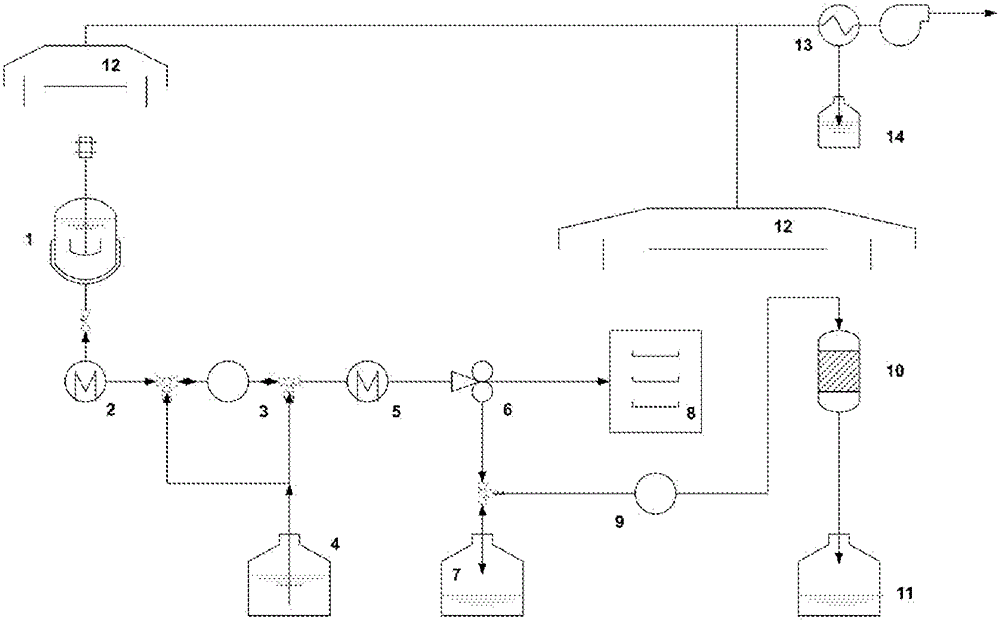
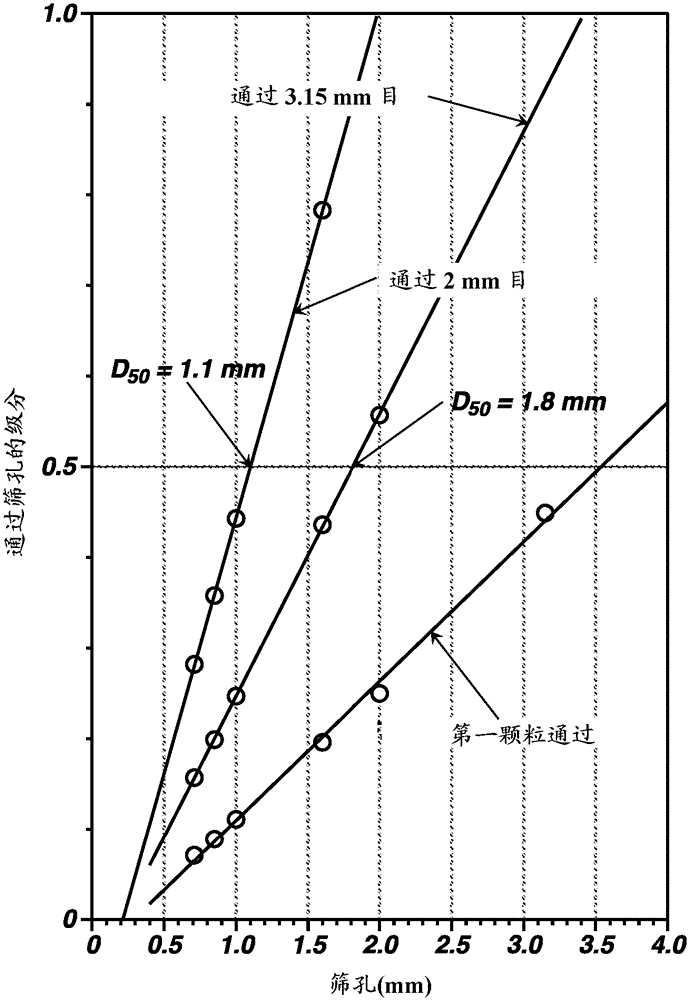
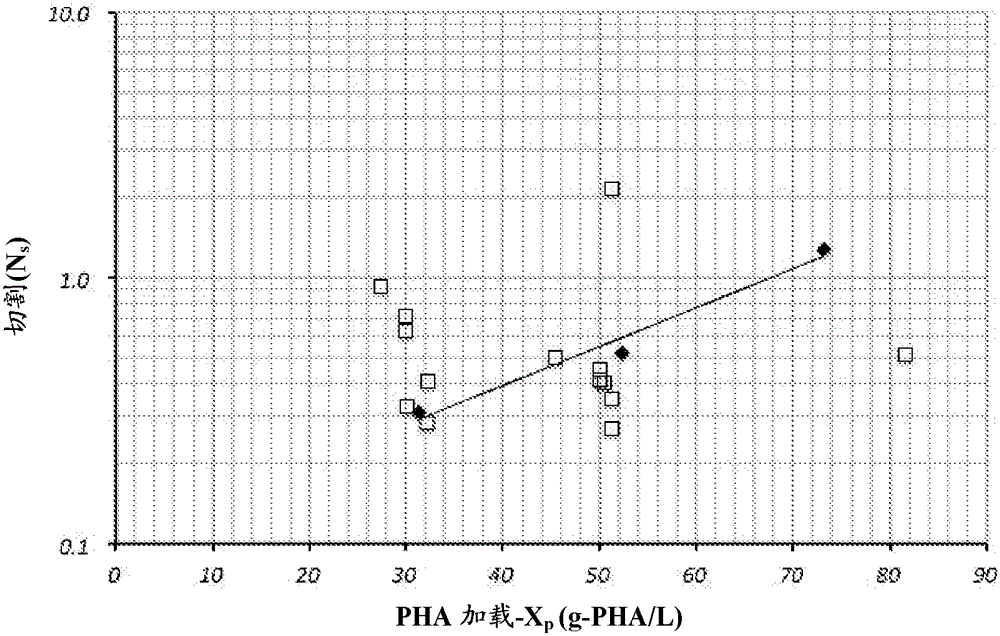
- By preparing granular PHA-enriched biomass and mixing it with PHA-poor solvent, the extraction temperature is controlled between TL15 and TU15 to prevent gelation, while mechanical extrusion and cooling methods are used to separate the solvent, and the biomass particle size and additive use are optimized to Improve extraction efficiency and product purity.

Environmental Regulations for Biopolymer Production
The industrial scale-up of polyhydroxyalkanoate (PHA) processing operates within an increasingly stringent environmental regulatory framework that significantly influences production strategies and operational costs. Global regulatory bodies have established comprehensive guidelines governing biopolymer manufacturing, focusing on emissions control, waste management, and sustainability metrics. The European Union's REACH regulation and similar frameworks in North America and Asia mandate detailed documentation of chemical substances used in PHA extraction and purification processes, requiring manufacturers to demonstrate environmental safety throughout the production lifecycle.
Water discharge standards represent a critical regulatory consideration for PHA facilities, as downstream processing generates substantial volumes of wastewater containing residual solvents, biomass, and chemical additives. Regulatory limits on biochemical oxygen demand (BOD), chemical oxygen demand (COD), and specific pollutant concentrations necessitate investment in advanced wastewater treatment systems. Many jurisdictions now require zero-liquid discharge or near-zero discharge systems for biopolymer facilities, substantially increasing capital expenditure but aligning with circular economy principles.
Air quality regulations impose strict controls on volatile organic compound (VOC) emissions during solvent-based extraction processes. The transition toward greener solvents and solvent-free extraction methods is partly driven by regulatory pressure to minimize atmospheric pollution. Carbon footprint reporting requirements are becoming mandatory in several regions, compelling PHA producers to implement comprehensive lifecycle assessment protocols and pursue carbon-neutral production pathways through renewable energy integration.
Waste management regulations specifically address the disposal of bacterial biomass residues and spent fermentation media. Classification of these materials as industrial waste or potential bio-resources varies across jurisdictions, affecting disposal costs and creating opportunities for valorization strategies. Emerging regulations increasingly favor closed-loop systems where waste streams are converted into value-added products, incentivizing technological innovation in residue utilization.
Certification schemes such as ISO 14001 environmental management standards and specific bioplastic certifications (EN 13432, ASTM D6400) have become de facto requirements for market access. Compliance with these standards necessitates rigorous documentation, regular auditing, and continuous improvement programs. Furthermore, extended producer responsibility (EPR) regulations in various markets require PHA manufacturers to participate in end-of-life management programs, influencing product design and processing decisions from the outset of industrial scale-up planning.
Water discharge standards represent a critical regulatory consideration for PHA facilities, as downstream processing generates substantial volumes of wastewater containing residual solvents, biomass, and chemical additives. Regulatory limits on biochemical oxygen demand (BOD), chemical oxygen demand (COD), and specific pollutant concentrations necessitate investment in advanced wastewater treatment systems. Many jurisdictions now require zero-liquid discharge or near-zero discharge systems for biopolymer facilities, substantially increasing capital expenditure but aligning with circular economy principles.
Air quality regulations impose strict controls on volatile organic compound (VOC) emissions during solvent-based extraction processes. The transition toward greener solvents and solvent-free extraction methods is partly driven by regulatory pressure to minimize atmospheric pollution. Carbon footprint reporting requirements are becoming mandatory in several regions, compelling PHA producers to implement comprehensive lifecycle assessment protocols and pursue carbon-neutral production pathways through renewable energy integration.
Waste management regulations specifically address the disposal of bacterial biomass residues and spent fermentation media. Classification of these materials as industrial waste or potential bio-resources varies across jurisdictions, affecting disposal costs and creating opportunities for valorization strategies. Emerging regulations increasingly favor closed-loop systems where waste streams are converted into value-added products, incentivizing technological innovation in residue utilization.
Certification schemes such as ISO 14001 environmental management standards and specific bioplastic certifications (EN 13432, ASTM D6400) have become de facto requirements for market access. Compliance with these standards necessitates rigorous documentation, regular auditing, and continuous improvement programs. Furthermore, extended producer responsibility (EPR) regulations in various markets require PHA manufacturers to participate in end-of-life management programs, influencing product design and processing decisions from the outset of industrial scale-up planning.
Cost-Efficiency Analysis for PHA Commercialization
The economic viability of polyhydroxyalkanoate (PHA) commercialization hinges on achieving cost parity with conventional petroleum-based plastics, which currently retail between $1-2 per kilogram compared to PHA's $3-5 per kilogram production cost. This price differential represents the primary barrier to widespread market adoption, necessitating comprehensive cost-efficiency analysis across the entire value chain from feedstock selection through downstream processing and final product formulation.
Feedstock costs constitute approximately 40-50% of total PHA production expenses, making raw material selection critical for economic optimization. Utilizing waste streams such as crude glycerol from biodiesel production, food processing residues, or lignocellulosic hydrolysates can reduce substrate costs by 30-60% compared to pure sugars. However, these alternative feedstocks often require additional pretreatment steps and may result in lower bacterial productivity, creating trade-offs between material costs and processing efficiency that must be carefully evaluated.
Fermentation optimization presents significant opportunities for cost reduction through enhanced volumetric productivity and product concentration. Achieving cell densities exceeding 150 g/L with PHA content above 70% can substantially reduce bioreactor capital costs and downstream processing volumes. Fed-batch and continuous cultivation strategies, combined with advanced process control systems, enable higher space-time yields that directly translate to improved capital utilization and reduced per-unit production costs.
Downstream processing accounts for 25-35% of total manufacturing costs, with solvent-based extraction methods being particularly expensive due to chemical consumption and recovery requirements. Emerging non-solvent extraction technologies, including enzymatic digestion, mechanical disruption, and supercritical fluid extraction, demonstrate potential cost savings of 40-50% while improving environmental sustainability. The selection of extraction methodology must balance recovery efficiency, product purity requirements, and operational expenditure to optimize overall economics.
Energy consumption throughout the production cycle represents another critical cost factor, with sterilization, aeration, temperature control, and solvent recovery being major contributors. Implementing heat integration schemes, utilizing renewable energy sources, and optimizing aeration strategies can reduce energy costs by 20-30%. Process intensification through integrated biorefinery concepts, where multiple value streams are generated simultaneously, further enhances economic attractiveness by distributing fixed costs across diversified product portfolios and creating additional revenue opportunities from co-products.
Feedstock costs constitute approximately 40-50% of total PHA production expenses, making raw material selection critical for economic optimization. Utilizing waste streams such as crude glycerol from biodiesel production, food processing residues, or lignocellulosic hydrolysates can reduce substrate costs by 30-60% compared to pure sugars. However, these alternative feedstocks often require additional pretreatment steps and may result in lower bacterial productivity, creating trade-offs between material costs and processing efficiency that must be carefully evaluated.
Fermentation optimization presents significant opportunities for cost reduction through enhanced volumetric productivity and product concentration. Achieving cell densities exceeding 150 g/L with PHA content above 70% can substantially reduce bioreactor capital costs and downstream processing volumes. Fed-batch and continuous cultivation strategies, combined with advanced process control systems, enable higher space-time yields that directly translate to improved capital utilization and reduced per-unit production costs.
Downstream processing accounts for 25-35% of total manufacturing costs, with solvent-based extraction methods being particularly expensive due to chemical consumption and recovery requirements. Emerging non-solvent extraction technologies, including enzymatic digestion, mechanical disruption, and supercritical fluid extraction, demonstrate potential cost savings of 40-50% while improving environmental sustainability. The selection of extraction methodology must balance recovery efficiency, product purity requirements, and operational expenditure to optimize overall economics.
Energy consumption throughout the production cycle represents another critical cost factor, with sterilization, aeration, temperature control, and solvent recovery being major contributors. Implementing heat integration schemes, utilizing renewable energy sources, and optimizing aeration strategies can reduce energy costs by 20-30%. Process intensification through integrated biorefinery concepts, where multiple value streams are generated simultaneously, further enhances economic attractiveness by distributing fixed costs across diversified product portfolios and creating additional revenue opportunities from co-products.
Unlock deeper insights with Patsnap Eureka Quick Research — get a full tech report to explore trends and direct your research. Try now!
Generate Your Research Report Instantly with AI Agent
Supercharge your innovation with Patsnap Eureka AI Agent Platform!