
How to Reduce Additive Migration in Biodegradable Packaging
OCT 9, 20269 MIN READ
Generate Your Research Report Instantly with AI Agent
Patsnap Eureka helps you evaluate technical feasibility & market potential.
Biodegradable Packaging Additive Migration Background and Objectives
Biodegradable packaging has emerged as a critical solution to address the global plastic waste crisis, offering environmentally friendly alternatives that can decompose naturally without leaving persistent residues. However, the development of biodegradable packaging materials faces a significant technical challenge: additive migration. Additives such as plasticizers, stabilizers, antioxidants, and antimicrobial agents are essential components that enhance the mechanical properties, processability, and shelf-life performance of biodegradable polymers. Yet these substances can migrate from packaging materials into food products or surrounding environments, potentially causing safety concerns and compromising material integrity.
The migration phenomenon occurs through diffusion mechanisms driven by concentration gradients, temperature variations, and interactions between additives and contact media. In biodegradable materials like polylactic acid (PLA), polyhydroxyalkanoates (PHA), and starch-based polymers, the relatively loose molecular structure and hydrophilic nature can accelerate migration rates compared to conventional plastics. This issue becomes particularly acute in food packaging applications where regulatory compliance with migration limits is mandatory, and in agricultural films where uncontrolled additive release may impact soil ecosystems.
The primary objective of addressing additive migration in biodegradable packaging is to develop materials that maintain functional performance while ensuring safety and environmental compatibility. This requires achieving a delicate balance between additive effectiveness and retention within the polymer matrix. Key technical goals include reducing migration rates to levels below regulatory thresholds, extending the functional lifespan of packaging materials, and ensuring that any migrated substances are non-toxic and biodegradable themselves.
Furthermore, the objective extends to establishing predictive models for migration behavior under various storage and usage conditions, enabling manufacturers to design packaging systems with controlled release characteristics. Achieving these goals will facilitate wider adoption of biodegradable packaging across food, pharmaceutical, and consumer goods sectors while maintaining consumer safety and environmental sustainability standards.
The migration phenomenon occurs through diffusion mechanisms driven by concentration gradients, temperature variations, and interactions between additives and contact media. In biodegradable materials like polylactic acid (PLA), polyhydroxyalkanoates (PHA), and starch-based polymers, the relatively loose molecular structure and hydrophilic nature can accelerate migration rates compared to conventional plastics. This issue becomes particularly acute in food packaging applications where regulatory compliance with migration limits is mandatory, and in agricultural films where uncontrolled additive release may impact soil ecosystems.
The primary objective of addressing additive migration in biodegradable packaging is to develop materials that maintain functional performance while ensuring safety and environmental compatibility. This requires achieving a delicate balance between additive effectiveness and retention within the polymer matrix. Key technical goals include reducing migration rates to levels below regulatory thresholds, extending the functional lifespan of packaging materials, and ensuring that any migrated substances are non-toxic and biodegradable themselves.
Furthermore, the objective extends to establishing predictive models for migration behavior under various storage and usage conditions, enabling manufacturers to design packaging systems with controlled release characteristics. Achieving these goals will facilitate wider adoption of biodegradable packaging across food, pharmaceutical, and consumer goods sectors while maintaining consumer safety and environmental sustainability standards.
Market Demand for Safe Biodegradable Packaging Solutions
The global shift toward sustainable packaging has created substantial market demand for biodegradable alternatives that maintain safety standards comparable to conventional materials. Consumer awareness regarding environmental pollution from plastic waste has intensified pressure on food and pharmaceutical industries to adopt eco-friendly packaging solutions. However, this transition faces a critical challenge: ensuring that biodegradable materials do not compromise product safety through uncontrolled additive migration.
Regulatory frameworks worldwide are tightening requirements for packaging materials in direct contact with food and pharmaceuticals. The European Union's Framework Regulation and the U.S. FDA guidelines mandate strict migration limits for substances transferring from packaging to contents. These regulations apply equally to biodegradable materials, creating a dual requirement for environmental sustainability and chemical safety. Manufacturers must demonstrate that their biodegradable packaging solutions meet migration thresholds while maintaining functional performance throughout the product lifecycle.
The food packaging sector represents the largest market segment driving demand for safe biodegradable solutions. Fresh produce, dairy products, and ready-to-eat meals require packaging that prevents microbial contamination while avoiding chemical transfer that could affect taste, odor, or safety. Pharmaceutical and medical device packaging presents even stricter requirements, as additive migration could compromise drug efficacy or patient safety. These industries are actively seeking biodegradable alternatives that can pass rigorous migration testing protocols.
Market growth is particularly pronounced in regions with advanced environmental legislation and high consumer environmental consciousness. Retail chains and brand owners are establishing supplier requirements that mandate both biodegradability certifications and migration compliance documentation. This creates commercial opportunities for packaging manufacturers who can demonstrate technical solutions to the additive migration challenge. The competitive advantage increasingly belongs to companies offering validated low-migration biodegradable materials with transparent supply chain documentation.
Emerging market segments include e-commerce packaging, where biodegradable materials must withstand logistics stress without releasing additives, and cosmetics packaging, where direct skin contact raises additional safety concerns. These applications expand the addressable market while emphasizing the urgency of solving migration control challenges in biodegradable material systems.
Regulatory frameworks worldwide are tightening requirements for packaging materials in direct contact with food and pharmaceuticals. The European Union's Framework Regulation and the U.S. FDA guidelines mandate strict migration limits for substances transferring from packaging to contents. These regulations apply equally to biodegradable materials, creating a dual requirement for environmental sustainability and chemical safety. Manufacturers must demonstrate that their biodegradable packaging solutions meet migration thresholds while maintaining functional performance throughout the product lifecycle.
The food packaging sector represents the largest market segment driving demand for safe biodegradable solutions. Fresh produce, dairy products, and ready-to-eat meals require packaging that prevents microbial contamination while avoiding chemical transfer that could affect taste, odor, or safety. Pharmaceutical and medical device packaging presents even stricter requirements, as additive migration could compromise drug efficacy or patient safety. These industries are actively seeking biodegradable alternatives that can pass rigorous migration testing protocols.
Market growth is particularly pronounced in regions with advanced environmental legislation and high consumer environmental consciousness. Retail chains and brand owners are establishing supplier requirements that mandate both biodegradability certifications and migration compliance documentation. This creates commercial opportunities for packaging manufacturers who can demonstrate technical solutions to the additive migration challenge. The competitive advantage increasingly belongs to companies offering validated low-migration biodegradable materials with transparent supply chain documentation.
Emerging market segments include e-commerce packaging, where biodegradable materials must withstand logistics stress without releasing additives, and cosmetics packaging, where direct skin contact raises additional safety concerns. These applications expand the addressable market while emphasizing the urgency of solving migration control challenges in biodegradable material systems.
Current Additive Migration Challenges in Biodegradable Materials
Biodegradable packaging materials face significant additive migration challenges that compromise both food safety and material performance. Unlike conventional petroleum-based plastics with well-established additive systems, biodegradable polymers such as polylactic acid (PLA), polyhydroxyalkanoates (PHA), and starch-based composites exhibit inherently different physical and chemical properties that exacerbate migration issues. The primary challenge stems from the higher polarity and hydrophilicity of most biodegradable polymers, which creates stronger affinity between polar additives and food simulants, particularly aqueous and acidic media. This results in accelerated migration rates compared to traditional packaging materials.
The structural characteristics of biodegradable materials present additional complications. Many biodegradable polymers possess higher free volume and lower crystallinity than conventional plastics, creating more pathways for additive diffusion. The relatively weak intermolecular forces in these materials fail to effectively retain plasticizers, antioxidants, and antimicrobial agents within the polymer matrix. Furthermore, the presence of residual monomers, oligomers, and processing aids in biodegradable materials can act as co-migrants, accelerating the release of intentionally added substances.
Temperature and humidity sensitivity represents another critical challenge. Biodegradable packaging materials demonstrate pronounced susceptibility to environmental conditions, with elevated temperatures and moisture levels significantly increasing migration rates. This sensitivity is particularly problematic for hot-fill applications, microwave heating, and storage in humid environments. The glass transition temperatures of many biodegradable polymers fall within or near typical food storage ranges, leading to dramatic changes in diffusion coefficients under normal use conditions.
Compatibility issues between additives and biodegradable polymer matrices further complicate migration control. Many conventional additives designed for polyolefins show poor solubility and distribution in polar biodegradable polymers, leading to phase separation, surface blooming, and uncontrolled release. The limited availability of food-contact approved additives specifically designed for biodegradable materials constrains formulation options. Additionally, the degradation behavior of biodegradable polymers introduces time-dependent migration patterns, as hydrolytic and enzymatic breakdown progressively alters the material structure, potentially releasing both additives and degradation products simultaneously.
Regulatory uncertainty compounds these technical challenges, as existing migration testing protocols and limits were developed primarily for conventional plastics and may not adequately address the unique behavior of biodegradable materials in various food contact scenarios.
The structural characteristics of biodegradable materials present additional complications. Many biodegradable polymers possess higher free volume and lower crystallinity than conventional plastics, creating more pathways for additive diffusion. The relatively weak intermolecular forces in these materials fail to effectively retain plasticizers, antioxidants, and antimicrobial agents within the polymer matrix. Furthermore, the presence of residual monomers, oligomers, and processing aids in biodegradable materials can act as co-migrants, accelerating the release of intentionally added substances.
Temperature and humidity sensitivity represents another critical challenge. Biodegradable packaging materials demonstrate pronounced susceptibility to environmental conditions, with elevated temperatures and moisture levels significantly increasing migration rates. This sensitivity is particularly problematic for hot-fill applications, microwave heating, and storage in humid environments. The glass transition temperatures of many biodegradable polymers fall within or near typical food storage ranges, leading to dramatic changes in diffusion coefficients under normal use conditions.
Compatibility issues between additives and biodegradable polymer matrices further complicate migration control. Many conventional additives designed for polyolefins show poor solubility and distribution in polar biodegradable polymers, leading to phase separation, surface blooming, and uncontrolled release. The limited availability of food-contact approved additives specifically designed for biodegradable materials constrains formulation options. Additionally, the degradation behavior of biodegradable polymers introduces time-dependent migration patterns, as hydrolytic and enzymatic breakdown progressively alters the material structure, potentially releasing both additives and degradation products simultaneously.
Regulatory uncertainty compounds these technical challenges, as existing migration testing protocols and limits were developed primarily for conventional plastics and may not adequately address the unique behavior of biodegradable materials in various food contact scenarios.
Existing Additive Migration Reduction Solutions
01 Formulation of biodegradable packaging with biobased and functional additives
Dispersible biobased and natural additives can be incorporated into biodegradable packaging formulations to enhance functional properties and control additive interaction. Utilizing specific natural additives or composite blends allows for controlled release and migration characteristics suitable for packaging applications.- Formulation of dispersible and active additives for biodegradable packaging: Specific biobased additives, nanocomposites, and active compounds like onion leaves powder or metal oxides are incorporated into polymer matrices. These additives improve the overall performance, functional stability, and controlled behavior of biodegradable packaging materials.
- Development of natural polymer and biomass-based biodegradable films: Biodegradable packaging films are produced using renewable natural resources such as sugarcane bagasse, rice straw, guar gum, agar, beeswax, starch, and plant biomass waste. These compositions provide natural barrier properties and environmental sustainability.
- Additive manufacturing and nanotechnology for biodegradable materials: Advanced techniques such as additive manufacturing (3D printing) and nanotechnology integration are used to design and fabricate biodegradable polymer blends and composites, enhancing physical properties and manufacturing efficiency for packaging applications.
- Smart and active biodegradable packaging systems for food shelf-life extension: Biodegradable films are formulated with active components, sensors, or pH-sensitive indicators to monitor food freshness, extend shelf life, and protect food products against spoilage through controlled release or intelligent monitoring systems.
- High-barrier and polymer-additive blend packaging films: Engineered polymer-additive blends and high-barrier biodegradable packaging films are developed to restrict mass transfer and gas permeation, improving structural integrity and mechanical properties for food and pharmaceutical protection.
02 Active biodegradable packaging films incorporating natural antimicrobial and antioxidant additives
Active packaging films utilize natural additives such as plant powders, chitosan, and essential oils to provide antimicrobial and preservative functions. These active ingredients interact with packaged goods to extend shelf life while maintaining safety against undesired chemical migration.Expand Specific Solutions03 Nanocomposite and starch-modified additives for barrier improvement and migration control
Incorporating metal-metal oxide nanocomposites and modified nanocrystalline starch into biodegradable polymers creates high-barrier packaging films. These nanostructured additives improve mechanical strength and reduce the migration of volatile components or unwanted agents.Expand Specific Solutions04 Additive manufacturing and 3D printing of biodegradable polymer composites
Advanced additive manufacturing techniques are used to fabricate biodegradable polymer implants and natural fiber composites. AI-guided and rapid prototyping processes optimize the dispersion of reinforcement additives within the polymer matrix.Expand Specific Solutions05 Natural biomass and edible polymer blends for food preservation packaging
Packaging materials derived from agricultural waste and natural biopolymers, such as bagasse, rice straw, guar gum, and beeswax, offer biodegradable food contact solutions. These natural formulations minimize toxic additive migration into food products during storage.Expand Specific Solutions
Key Players in Biodegradable Packaging Industry
The biodegradable packaging additive migration field exhibits a dynamic competitive landscape characterized by early-to-mid stage technological maturity and growing market momentum driven by sustainability imperatives. Key players span diverse sectors: chemical manufacturers like Wanhua Chemical and Kemira Oyj provide material innovation, while research institutions including Sichuan University, Korea Advanced Institute of Science & Technology, and Research Center For Eco-Environmental Sciences advance fundamental science. Equipment specialists such as Ishida Co., Ltd. and packaging material developers like Hainan Yixin Environmental Protection Material Co., Ltd. focus on application solutions. Government entities like National Institute of Environmental Research contribute regulatory frameworks, and bio-based innovators including Zymergen drive next-generation alternatives. This multidisciplinary ecosystem reflects intensifying efforts to balance functional performance with environmental compliance, though standardized migration control technologies remain under development, indicating significant commercialization opportunities ahead.
CJ CheilJedang Corp.
Technical Solution: CJ CheilJedang has developed advanced polyhydroxyalkanoate (PHA)-based biodegradable packaging materials with controlled additive migration through molecular structure optimization. Their technology employs covalent bonding of functional additives to the polymer backbone, reducing free additive content by over 85%. The company utilizes supercritical CO2 processing to uniformly distribute essential additives within the biopolymer matrix, creating a stable three-dimensional network structure. This approach significantly minimizes additive leaching during food contact applications while maintaining material flexibility and barrier properties. Their PHA formulations incorporate bio-based plasticizers with higher molecular weights (>1000 Da) that exhibit substantially lower migration rates compared to conventional additives.
Strengths: Excellent migration control through chemical bonding approach; bio-based and fully biodegradable system; strong industrial production capability. Weaknesses: Higher production costs compared to conventional packaging; limited temperature resistance range may restrict certain applications.
Kemira Oyj
Technical Solution: Kemira has developed specialized barrier coating technologies for biodegradable packaging that effectively reduce additive migration through multi-layer encapsulation strategies. Their proprietary water-based coating systems create impermeable layers that trap additives within the packaging structure while maintaining biodegradability. The technology utilizes cross-linked biopolymer networks combined with nano-clay reinforcements to achieve migration reduction exceeding 70% in standard food simulant tests. Kemira's approach focuses on surface modification techniques that seal the packaging material's porous structure, preventing additive diffusion pathways. Their formulations are designed to be compatible with PLA, PHA, and starch-based materials, offering versatile solutions across different biodegradable packaging platforms. The coating technology maintains compostability certifications while providing enhanced functional performance.
Strengths: Versatile compatibility with multiple biodegradable substrates; maintains compostability standards; proven industrial scalability. Weaknesses: Additional processing step increases manufacturing complexity; coating durability under mechanical stress requires optimization.
Core Technologies for Migration Barrier Enhancement
Completely-biodegrading low-mobility-plasticizer polylactic acid material and preparation method thereof
PatentInactiveCN104212137A
Innovation
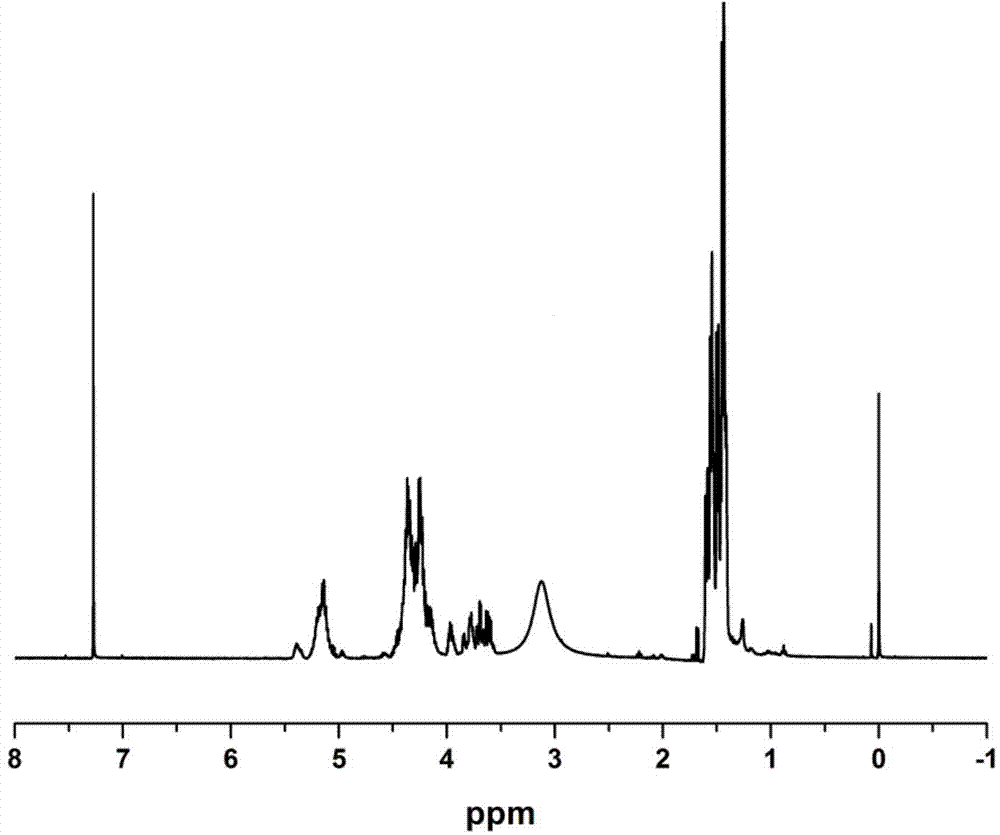
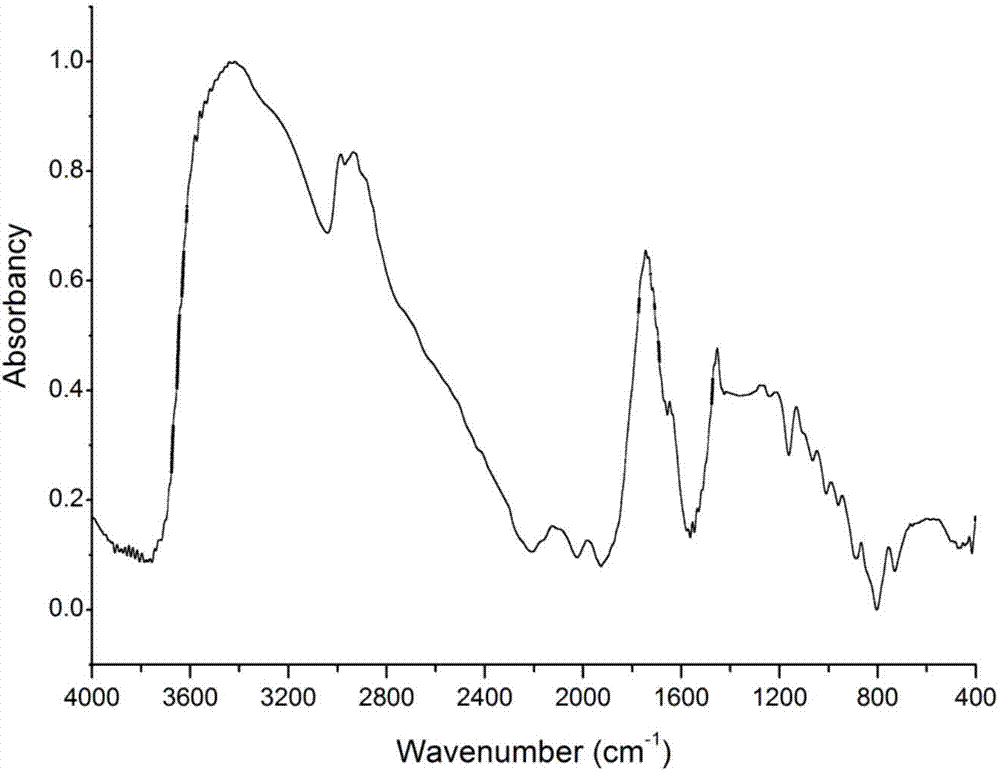
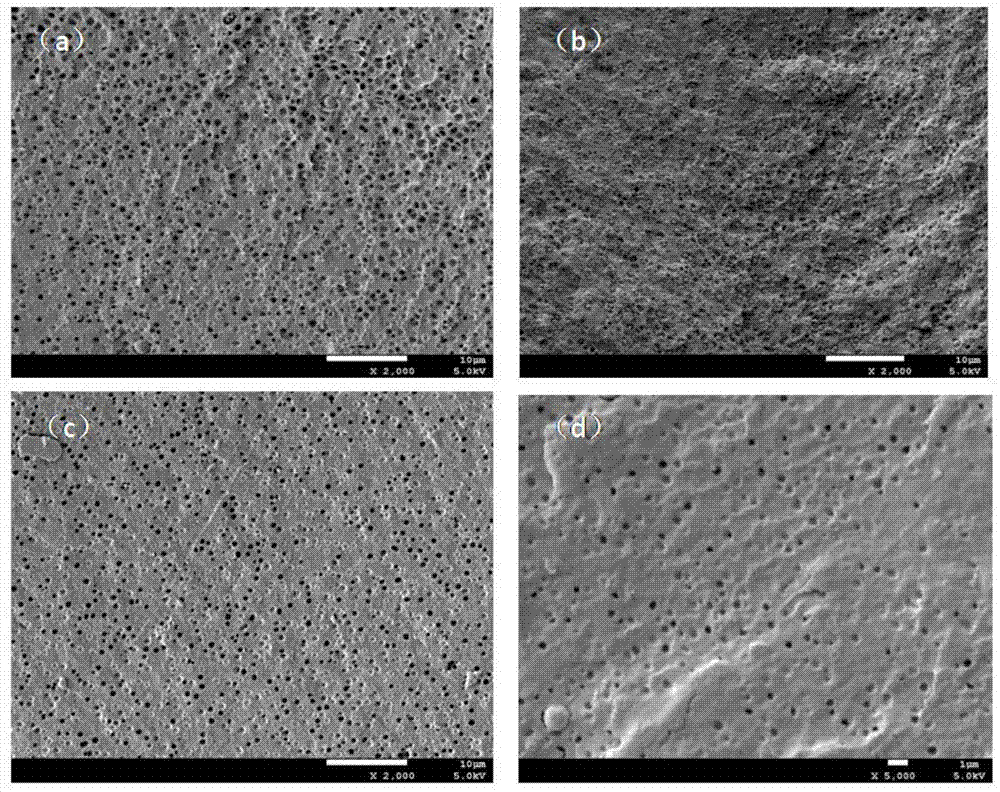
- By blending glycerin and lactic acid at a specific molar ratio, adding a water-carrying agent and a catalyst, performing a thermal stirring reaction to prepare a low-migration plasticizer, and blending it with polylactic acid to improve the material's elongation at break and impact strength. .

Biodegradable films and process for preparation thereof
PatentPendingIN202311042182A
Innovation
- A biodegradable film comprising 80-95% plastic and 5-20% modified starch, specifically Low Density Polyethylene (LDPE) blended with modified corn starch or cassava starch, processed by mixing at high speed and blown extrusion to create a film with enhanced storage stability and limited migration.


Food Safety Regulations for Packaging Migration
Food safety regulations governing packaging migration have become increasingly stringent worldwide as concerns about chemical transfer from packaging materials to food products intensify. The regulatory landscape is primarily shaped by major authorities including the European Food Safety Authority (EFSA), the U.S. Food and Drug Administration (FDA), and corresponding agencies in Asia-Pacific regions. These bodies establish specific migration limits (SML) and overall migration limits (OML) to ensure consumer safety, with particular attention to biodegradable packaging materials that may exhibit different migration behaviors compared to conventional plastics.
The European Union's Framework Regulation (EC) No 1935/2004 serves as the cornerstone legislation, stipulating that materials in contact with food must not transfer constituents in quantities that could endanger human health or alter food composition unacceptably. Complementary regulations such as EU 10/2011 specifically address plastic materials, establishing a positive list of authorized substances and their migration limits. For biodegradable packaging, these regulations require comprehensive migration testing under various food simulants and contact conditions, reflecting real-world usage scenarios.
In the United States, the FDA regulates food contact substances through Title 21 of the Code of Federal Regulations, employing a pre-market notification system for new materials. The agency evaluates migration potential based on intended use conditions, requiring manufacturers to demonstrate that additives used in biodegradable packaging meet safety thresholds. Recent FDA guidance documents have emphasized the need for migration data specific to bio-based and compostable materials, recognizing their unique degradation characteristics.
Asian markets, particularly China, Japan, and South Korea, have developed parallel regulatory frameworks that often align with international standards while incorporating region-specific requirements. China's GB standards series addresses food contact materials comprehensively, with GB 9685 listing permitted additives and their maximum usage levels. These regulations increasingly recognize biodegradable packaging as a distinct category requiring specialized migration assessment protocols.
Compliance with these regulations necessitates rigorous testing methodologies, including accelerated migration studies, multi-temperature exposure tests, and long-term stability assessments. Manufacturers must maintain detailed documentation demonstrating that additive migration remains below established thresholds throughout the packaging's intended shelf life, presenting significant challenges for biodegradable materials with time-dependent properties.
The European Union's Framework Regulation (EC) No 1935/2004 serves as the cornerstone legislation, stipulating that materials in contact with food must not transfer constituents in quantities that could endanger human health or alter food composition unacceptably. Complementary regulations such as EU 10/2011 specifically address plastic materials, establishing a positive list of authorized substances and their migration limits. For biodegradable packaging, these regulations require comprehensive migration testing under various food simulants and contact conditions, reflecting real-world usage scenarios.
In the United States, the FDA regulates food contact substances through Title 21 of the Code of Federal Regulations, employing a pre-market notification system for new materials. The agency evaluates migration potential based on intended use conditions, requiring manufacturers to demonstrate that additives used in biodegradable packaging meet safety thresholds. Recent FDA guidance documents have emphasized the need for migration data specific to bio-based and compostable materials, recognizing their unique degradation characteristics.
Asian markets, particularly China, Japan, and South Korea, have developed parallel regulatory frameworks that often align with international standards while incorporating region-specific requirements. China's GB standards series addresses food contact materials comprehensively, with GB 9685 listing permitted additives and their maximum usage levels. These regulations increasingly recognize biodegradable packaging as a distinct category requiring specialized migration assessment protocols.
Compliance with these regulations necessitates rigorous testing methodologies, including accelerated migration studies, multi-temperature exposure tests, and long-term stability assessments. Manufacturers must maintain detailed documentation demonstrating that additive migration remains below established thresholds throughout the packaging's intended shelf life, presenting significant challenges for biodegradable materials with time-dependent properties.
Environmental Impact of Migration Control Methods
The environmental implications of migration control methods in biodegradable packaging represent a critical consideration that extends beyond the immediate functionality of containment solutions. While conventional migration barriers often rely on synthetic polymers or chemical treatments that persist in ecosystems, biodegradable packaging systems demand approaches that maintain environmental integrity throughout their lifecycle. The selection of migration control strategies must therefore balance effectiveness with ecological compatibility, ensuring that solutions do not compromise the fundamental sustainability advantages that biodegradable materials offer.
Physical barrier approaches, such as multilayer structures incorporating natural polymers like chitosan or cellulose derivatives, generally present favorable environmental profiles. These methods avoid introducing persistent chemicals into waste streams and typically decompose alongside the base packaging material. However, the energy intensity of certain coating processes and the potential use of organic solvents in application procedures warrant careful assessment. Water-based coating technologies and solvent-free lamination techniques have emerged as preferable alternatives, significantly reducing volatile organic compound emissions during manufacturing while maintaining barrier performance.
Chemical modification strategies, including crosslinking and surface functionalization, introduce more complex environmental considerations. While these approaches can effectively reduce migration without adding separate barrier layers, the reagents employed and potential residual compounds require thorough evaluation. Green chemistry principles increasingly guide the development of bio-based crosslinking agents and enzymatic modification processes that minimize hazardous substance use and generate fewer toxic byproducts.
The end-of-life phase presents perhaps the most significant environmental differentiation among migration control methods. Strategies that maintain the compostability and biodegradability of packaging materials align with circular economy principles, allowing complete biological assimilation without microplastic generation. Conversely, certain high-performance barriers may impede biodegradation rates or introduce substances that affect compost quality, potentially limiting the material's acceptance in industrial composting facilities. Life cycle assessment studies increasingly demonstrate that migration control methods preserving rapid biodegradation and non-toxicity in degradation products offer superior overall environmental performance, even when requiring slightly higher initial material or processing investments.
Physical barrier approaches, such as multilayer structures incorporating natural polymers like chitosan or cellulose derivatives, generally present favorable environmental profiles. These methods avoid introducing persistent chemicals into waste streams and typically decompose alongside the base packaging material. However, the energy intensity of certain coating processes and the potential use of organic solvents in application procedures warrant careful assessment. Water-based coating technologies and solvent-free lamination techniques have emerged as preferable alternatives, significantly reducing volatile organic compound emissions during manufacturing while maintaining barrier performance.
Chemical modification strategies, including crosslinking and surface functionalization, introduce more complex environmental considerations. While these approaches can effectively reduce migration without adding separate barrier layers, the reagents employed and potential residual compounds require thorough evaluation. Green chemistry principles increasingly guide the development of bio-based crosslinking agents and enzymatic modification processes that minimize hazardous substance use and generate fewer toxic byproducts.
The end-of-life phase presents perhaps the most significant environmental differentiation among migration control methods. Strategies that maintain the compostability and biodegradability of packaging materials align with circular economy principles, allowing complete biological assimilation without microplastic generation. Conversely, certain high-performance barriers may impede biodegradation rates or introduce substances that affect compost quality, potentially limiting the material's acceptance in industrial composting facilities. Life cycle assessment studies increasingly demonstrate that migration control methods preserving rapid biodegradation and non-toxicity in degradation products offer superior overall environmental performance, even when requiring slightly higher initial material or processing investments.
Unlock deeper insights with Patsnap Eureka Quick Research — get a full tech report to explore trends and direct your research. Try now!
Generate Your Research Report Instantly with AI Agent
Supercharge your innovation with Patsnap Eureka AI Agent Platform!