

Compare Digital vs Analog Signal Processing Efficiency
FEB 25, 20269 MIN READ
Generate Your Research Report Instantly with AI Agent
Patsnap Eureka helps you evaluate technical feasibility & market potential.
Digital vs Analog Signal Processing Background and Objectives
Signal processing has undergone a fundamental transformation since the mid-20th century, evolving from purely analog systems to sophisticated digital implementations. The historical development began with analog signal processing in the 1940s, where continuous-time signals were manipulated using operational amplifiers, filters, and other analog components. This approach dominated telecommunications, audio processing, and control systems for decades due to its real-time processing capabilities and direct signal manipulation characteristics.
The digital revolution emerged in the 1960s with the advent of digital computers and the development of the Fast Fourier Transform algorithm. Digital Signal Processing gained momentum through the 1970s and 1980s as microprocessors became more powerful and cost-effective. The transition accelerated with the introduction of dedicated Digital Signal Processors in the 1980s, enabling complex mathematical operations on sampled and quantized signals.
Current technological trends indicate a convergence toward hybrid approaches, where analog preprocessing is combined with digital processing to leverage the strengths of both domains. Modern applications increasingly demand higher precision, programmability, and integration with digital systems, driving the evolution toward predominantly digital solutions while maintaining analog components for specific functions like signal conditioning and high-frequency operations.
The primary objective of comparing digital versus analog signal processing efficiency centers on establishing comprehensive performance metrics across multiple dimensions. Processing speed represents a critical factor, as analog systems offer inherent real-time processing without computational delays, while digital systems introduce latency through sampling, processing, and reconstruction stages. Power consumption analysis becomes essential, particularly for battery-powered and embedded applications where energy efficiency directly impacts system viability.
Accuracy and precision comparison forms another fundamental objective, examining how each approach handles signal fidelity, noise immunity, and dynamic range preservation. Digital systems excel in maintaining signal integrity through error correction and precise mathematical operations, while analog systems may suffer from component tolerances and environmental variations but avoid quantization errors.
Cost-effectiveness evaluation encompasses both initial implementation costs and long-term maintenance considerations. Digital solutions typically require higher upfront investment in processing hardware but offer advantages in scalability, reconfigurability, and reduced component count for complex operations. Analog implementations may present lower initial costs for simple operations but become increasingly expensive as complexity grows.
The ultimate goal involves developing decision frameworks that enable engineers to select optimal signal processing approaches based on specific application requirements, performance constraints, and economic considerations.
The digital revolution emerged in the 1960s with the advent of digital computers and the development of the Fast Fourier Transform algorithm. Digital Signal Processing gained momentum through the 1970s and 1980s as microprocessors became more powerful and cost-effective. The transition accelerated with the introduction of dedicated Digital Signal Processors in the 1980s, enabling complex mathematical operations on sampled and quantized signals.
Current technological trends indicate a convergence toward hybrid approaches, where analog preprocessing is combined with digital processing to leverage the strengths of both domains. Modern applications increasingly demand higher precision, programmability, and integration with digital systems, driving the evolution toward predominantly digital solutions while maintaining analog components for specific functions like signal conditioning and high-frequency operations.
The primary objective of comparing digital versus analog signal processing efficiency centers on establishing comprehensive performance metrics across multiple dimensions. Processing speed represents a critical factor, as analog systems offer inherent real-time processing without computational delays, while digital systems introduce latency through sampling, processing, and reconstruction stages. Power consumption analysis becomes essential, particularly for battery-powered and embedded applications where energy efficiency directly impacts system viability.
Accuracy and precision comparison forms another fundamental objective, examining how each approach handles signal fidelity, noise immunity, and dynamic range preservation. Digital systems excel in maintaining signal integrity through error correction and precise mathematical operations, while analog systems may suffer from component tolerances and environmental variations but avoid quantization errors.
Cost-effectiveness evaluation encompasses both initial implementation costs and long-term maintenance considerations. Digital solutions typically require higher upfront investment in processing hardware but offer advantages in scalability, reconfigurability, and reduced component count for complex operations. Analog implementations may present lower initial costs for simple operations but become increasingly expensive as complexity grows.
The ultimate goal involves developing decision frameworks that enable engineers to select optimal signal processing approaches based on specific application requirements, performance constraints, and economic considerations.
Market Demand for Signal Processing Solutions
The global signal processing market demonstrates robust growth driven by increasing digitization across industries and the proliferation of connected devices. Traditional analog signal processing solutions continue to serve critical applications in telecommunications, audio equipment, and industrial control systems, while digital signal processing technologies capture expanding market share in emerging sectors such as artificial intelligence, machine learning, and Internet of Things applications.
Telecommunications infrastructure represents the largest market segment for signal processing solutions, with network operators requiring both analog and digital processing capabilities to handle diverse signal types and maintain backward compatibility. The ongoing deployment of 5G networks creates substantial demand for advanced digital signal processors capable of handling higher frequencies and complex modulation schemes, while legacy analog components remain essential for radio frequency front-end operations.
Consumer electronics markets drive significant demand for integrated signal processing solutions that combine analog and digital capabilities. Smartphones, tablets, and wearable devices require sophisticated audio and video processing, sensor fusion, and wireless communication functions. Manufacturers increasingly favor system-on-chip solutions that integrate both analog front-ends and digital processing cores to optimize power consumption and reduce form factors.
Industrial automation and automotive sectors present rapidly growing markets for signal processing technologies. Modern vehicles incorporate numerous sensors requiring real-time signal conditioning and processing, from engine management systems utilizing analog sensors to advanced driver assistance systems employing digital image and radar processing. Industrial IoT applications demand edge computing capabilities with efficient signal processing for predictive maintenance and process optimization.
Healthcare and medical device markets exhibit strong growth potential for specialized signal processing solutions. Medical imaging equipment, patient monitoring systems, and diagnostic instruments require high-precision analog signal conditioning combined with sophisticated digital processing algorithms. Regulatory requirements and safety standards influence technology selection, often favoring proven analog solutions for critical signal paths while embracing digital processing for advanced analysis and connectivity features.
The aerospace and defense sectors maintain steady demand for both analog and digital signal processing technologies, with emphasis on reliability, radiation hardness, and performance under extreme conditions. Software-defined radio applications increasingly rely on digital signal processing, while analog solutions remain crucial for high-frequency and low-latency applications.
Telecommunications infrastructure represents the largest market segment for signal processing solutions, with network operators requiring both analog and digital processing capabilities to handle diverse signal types and maintain backward compatibility. The ongoing deployment of 5G networks creates substantial demand for advanced digital signal processors capable of handling higher frequencies and complex modulation schemes, while legacy analog components remain essential for radio frequency front-end operations.
Consumer electronics markets drive significant demand for integrated signal processing solutions that combine analog and digital capabilities. Smartphones, tablets, and wearable devices require sophisticated audio and video processing, sensor fusion, and wireless communication functions. Manufacturers increasingly favor system-on-chip solutions that integrate both analog front-ends and digital processing cores to optimize power consumption and reduce form factors.
Industrial automation and automotive sectors present rapidly growing markets for signal processing technologies. Modern vehicles incorporate numerous sensors requiring real-time signal conditioning and processing, from engine management systems utilizing analog sensors to advanced driver assistance systems employing digital image and radar processing. Industrial IoT applications demand edge computing capabilities with efficient signal processing for predictive maintenance and process optimization.
Healthcare and medical device markets exhibit strong growth potential for specialized signal processing solutions. Medical imaging equipment, patient monitoring systems, and diagnostic instruments require high-precision analog signal conditioning combined with sophisticated digital processing algorithms. Regulatory requirements and safety standards influence technology selection, often favoring proven analog solutions for critical signal paths while embracing digital processing for advanced analysis and connectivity features.
The aerospace and defense sectors maintain steady demand for both analog and digital signal processing technologies, with emphasis on reliability, radiation hardness, and performance under extreme conditions. Software-defined radio applications increasingly rely on digital signal processing, while analog solutions remain crucial for high-frequency and low-latency applications.
Current State of Digital and Analog Processing Technologies
Digital signal processing has achieved remarkable maturity across multiple domains, with advanced algorithms and architectures enabling real-time processing of complex signals. Modern DSP systems leverage high-performance processors, field-programmable gate arrays (FPGAs), and application-specific integrated circuits (ASICs) to deliver sophisticated functionality. Current implementations support multi-channel processing, adaptive filtering, and machine learning integration, with sampling rates reaching several gigahertz in specialized applications.
Contemporary digital processors incorporate advanced features such as parallel processing architectures, optimized instruction sets, and dedicated signal processing units. Leading DSP platforms from Texas Instruments, Analog Devices, and Xilinx offer comprehensive development ecosystems with optimized libraries, debugging tools, and simulation environments. These systems demonstrate exceptional flexibility in algorithm implementation and modification capabilities.
Analog signal processing maintains its dominance in specific high-frequency and ultra-low-power applications where direct signal manipulation provides inherent advantages. Current analog technologies excel in radio frequency processing, sensor interfaces, and precision measurement systems. Modern analog processors utilize advanced semiconductor processes to achieve improved linearity, reduced noise figures, and enhanced bandwidth capabilities.
State-of-the-art analog processing solutions incorporate sophisticated circuit topologies including operational transconductance amplifiers, current-mode circuits, and switched-capacitor networks. Companies like Analog Devices, Linear Technology, and Maxim Integrated continue advancing analog processing through innovative circuit designs and process optimizations. These systems offer immediate signal response without conversion delays or quantization effects.
Hybrid processing architectures represent an emerging trend, combining digital flexibility with analog efficiency. These systems strategically partition signal processing tasks between analog front-ends and digital back-ends, optimizing overall system performance. Mixed-signal processors integrate both domains on single chips, enabling seamless signal flow and reduced system complexity.
Current technological limitations include digital processing latency and power consumption in high-speed applications, while analog systems face challenges in programmability and precision control. The industry continues developing solutions addressing these constraints through architectural innovations and process technology advancements.
Contemporary digital processors incorporate advanced features such as parallel processing architectures, optimized instruction sets, and dedicated signal processing units. Leading DSP platforms from Texas Instruments, Analog Devices, and Xilinx offer comprehensive development ecosystems with optimized libraries, debugging tools, and simulation environments. These systems demonstrate exceptional flexibility in algorithm implementation and modification capabilities.
Analog signal processing maintains its dominance in specific high-frequency and ultra-low-power applications where direct signal manipulation provides inherent advantages. Current analog technologies excel in radio frequency processing, sensor interfaces, and precision measurement systems. Modern analog processors utilize advanced semiconductor processes to achieve improved linearity, reduced noise figures, and enhanced bandwidth capabilities.
State-of-the-art analog processing solutions incorporate sophisticated circuit topologies including operational transconductance amplifiers, current-mode circuits, and switched-capacitor networks. Companies like Analog Devices, Linear Technology, and Maxim Integrated continue advancing analog processing through innovative circuit designs and process optimizations. These systems offer immediate signal response without conversion delays or quantization effects.
Hybrid processing architectures represent an emerging trend, combining digital flexibility with analog efficiency. These systems strategically partition signal processing tasks between analog front-ends and digital back-ends, optimizing overall system performance. Mixed-signal processors integrate both domains on single chips, enabling seamless signal flow and reduced system complexity.
Current technological limitations include digital processing latency and power consumption in high-speed applications, while analog systems face challenges in programmability and precision control. The industry continues developing solutions addressing these constraints through architectural innovations and process technology advancements.
Existing Digital and Analog Processing Solutions
01 Parallel processing architectures for enhanced signal processing
Implementation of parallel processing techniques and multi-core architectures to improve signal processing throughput. These approaches utilize multiple processing units working simultaneously to handle complex signal processing tasks, reducing latency and increasing overall system performance. The architectures may include specialized hardware configurations and optimized data flow management to maximize processing efficiency.- Parallel processing architectures for enhanced signal processing: Implementation of parallel processing techniques and multi-core architectures to improve signal processing throughput. These approaches utilize multiple processing units working simultaneously to handle complex signal processing tasks, reducing latency and increasing overall system performance. The architectures may include specialized hardware configurations and optimized data flow paths to maximize computational efficiency.
- Adaptive filtering and optimization algorithms: Advanced filtering techniques and adaptive algorithms that dynamically adjust processing parameters based on signal characteristics. These methods optimize resource utilization by adapting to varying signal conditions, reducing computational overhead while maintaining signal quality. The algorithms can automatically tune filter coefficients and processing parameters to achieve optimal performance under different operating conditions.
- Hardware acceleration and specialized processing units: Dedicated hardware components and accelerators designed specifically for signal processing operations. These specialized units offload computationally intensive tasks from general-purpose processors, significantly improving processing speed and energy efficiency. The implementations may include digital signal processors, field-programmable gate arrays, and application-specific integrated circuits optimized for particular signal processing functions.
- Pipeline processing and data streaming techniques: Pipelined architectures that enable continuous data flow and overlapped execution of signal processing stages. These techniques minimize idle time and maximize throughput by allowing multiple operations to proceed concurrently at different pipeline stages. The approach includes buffering strategies and scheduling mechanisms to ensure smooth data flow and prevent bottlenecks in the processing chain.
- Power-efficient signal processing methods: Energy-optimized processing techniques that reduce power consumption while maintaining signal processing performance. These methods employ dynamic voltage and frequency scaling, clock gating, and selective activation of processing resources based on workload requirements. The approaches balance processing efficiency with energy consumption to extend battery life in portable devices and reduce operational costs in large-scale systems.
02 Adaptive filtering and optimization algorithms
Advanced filtering techniques and adaptive algorithms that dynamically adjust processing parameters based on signal characteristics. These methods optimize resource utilization by adapting to varying signal conditions, reducing computational complexity while maintaining signal quality. The algorithms can automatically tune filter coefficients and processing parameters to achieve optimal performance under different operating conditions.Expand Specific Solutions03 Hardware acceleration and specialized processing units
Utilization of dedicated hardware accelerators and specialized processing units designed specifically for signal processing operations. These implementations include custom integrated circuits, digital signal processors, and field-programmable gate arrays that provide significant performance improvements over general-purpose processors. The hardware designs focus on optimizing specific signal processing functions to achieve higher throughput and lower power consumption.Expand Specific Solutions04 Memory management and data buffering techniques
Efficient memory architectures and buffering strategies that minimize data access latency and optimize bandwidth utilization. These techniques include intelligent caching mechanisms, prefetching algorithms, and optimized memory hierarchies that reduce bottlenecks in signal processing pipelines. The approaches ensure smooth data flow between processing stages and minimize idle time in processing units.Expand Specific Solutions05 Pipeline optimization and scheduling methods
Advanced pipeline architectures and scheduling algorithms that maximize throughput by optimizing the sequence and timing of signal processing operations. These methods include intelligent task scheduling, load balancing across processing resources, and minimization of pipeline stalls. The techniques ensure continuous data flow through processing stages and reduce overall processing time by eliminating inefficiencies in the execution pipeline.Expand Specific Solutions
Key Players in Signal Processing Industry
The digital versus analog signal processing efficiency landscape represents a mature yet evolving market driven by diverse application requirements across consumer electronics, automotive, and industrial sectors. Major players like Texas Instruments, Analog Devices International, and Qualcomm dominate the analog processing space with established product portfolios, while companies such as MediaTek, Samsung Electronics, and Sony Group lead digital signal processing innovations. The technology demonstrates high maturity in traditional applications, with ongoing advancement in hybrid approaches combining both methodologies. Market leaders including Infineon Technologies, Renesas Electronics, and SK Hynix continue investing in specialized solutions, while emerging players like Himax Technologies focus on niche applications, indicating a competitive environment where technological differentiation drives market positioning.
MediaTek, Inc.
Technical Solution: MediaTek's signal processing solutions span multimedia, connectivity, and AI applications, providing insights into digital versus analog processing efficiency trade-offs. Their system-on-chip designs integrate dedicated DSP units for digital signal processing tasks such as audio/video codec processing, image signal processing, and wireless baseband functions. MediaTek demonstrates that digital processing offers superior flexibility for complex algorithms and software updates, while consuming more power for simple operations. Their analog processing components handle power management, sensor interfaces, and RF functions where analog approaches provide better power efficiency and lower latency. The company's multi-core architectures optimize processing efficiency by distributing tasks between specialized digital and analog processing units based on application requirements.
Strengths: Strong multimedia signal processing capabilities, cost-effective solutions, good power optimization strategies. Weaknesses: Less focus on high-end industrial applications, limited advanced analog processing expertise compared to specialized vendors.
Texas Instruments Incorporated
Technical Solution: TI provides comprehensive signal processing solutions comparing digital and analog approaches. Their DSP processors like C6000 series offer high-performance digital signal processing with optimized architectures for real-time applications. TI's analog signal processing portfolio includes operational amplifiers, data converters, and mixed-signal processors that excel in power efficiency and noise performance. The company demonstrates that digital processing provides superior flexibility, programmability, and immunity to noise, while analog processing offers lower latency, reduced power consumption for simple operations, and better performance in high-frequency applications. TI's mixed-signal approach combines both methodologies to optimize overall system efficiency.
Strengths: Comprehensive portfolio spanning both digital and analog domains, extensive application expertise, strong mixed-signal integration capabilities. Weaknesses: Higher complexity in system design, potential cost premium for advanced mixed-signal solutions.
Core Efficiency Metrics in Signal Processing
System and method for energy efficient time domain signal processing
PatentActiveUS20170194982A1
Innovation
- The implementation of time domain signal processing (TDSP) using double encoding non-complementary logic and energy-efficient time encoding circuits, which encodes information into time rather than voltage, enabling efficient area and energy usage, and includes designs for time encoders, logic, decoders, and multipliers that reduce energy and area consumption by up to 50% compared to conventional designs.


Signal processing device
PatentActiveUS20100188275A1
Innovation
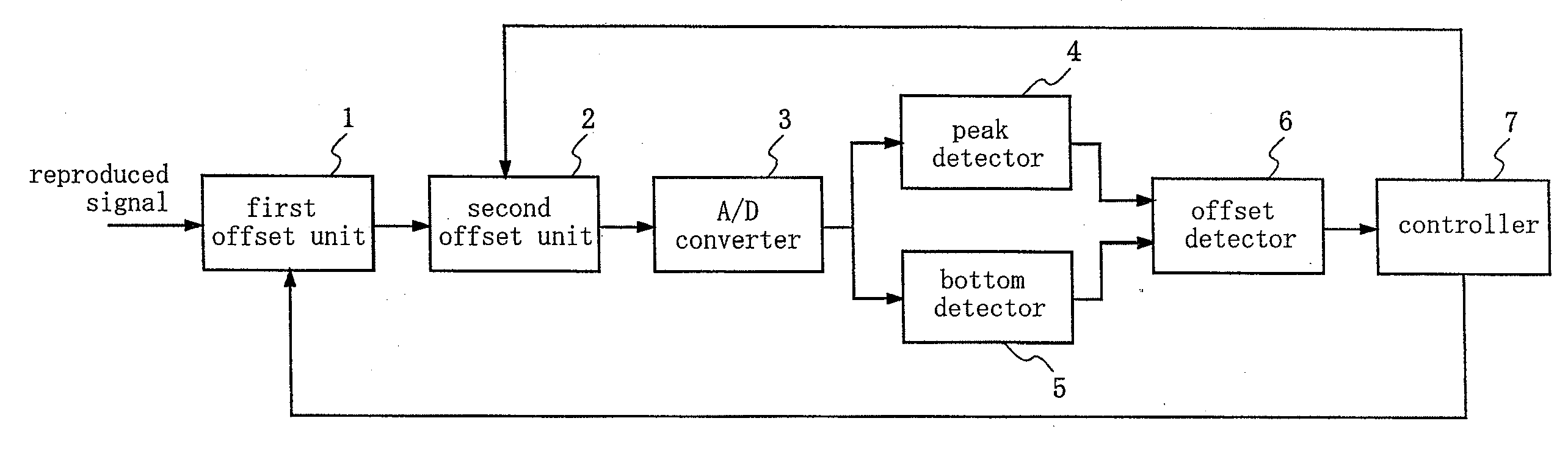
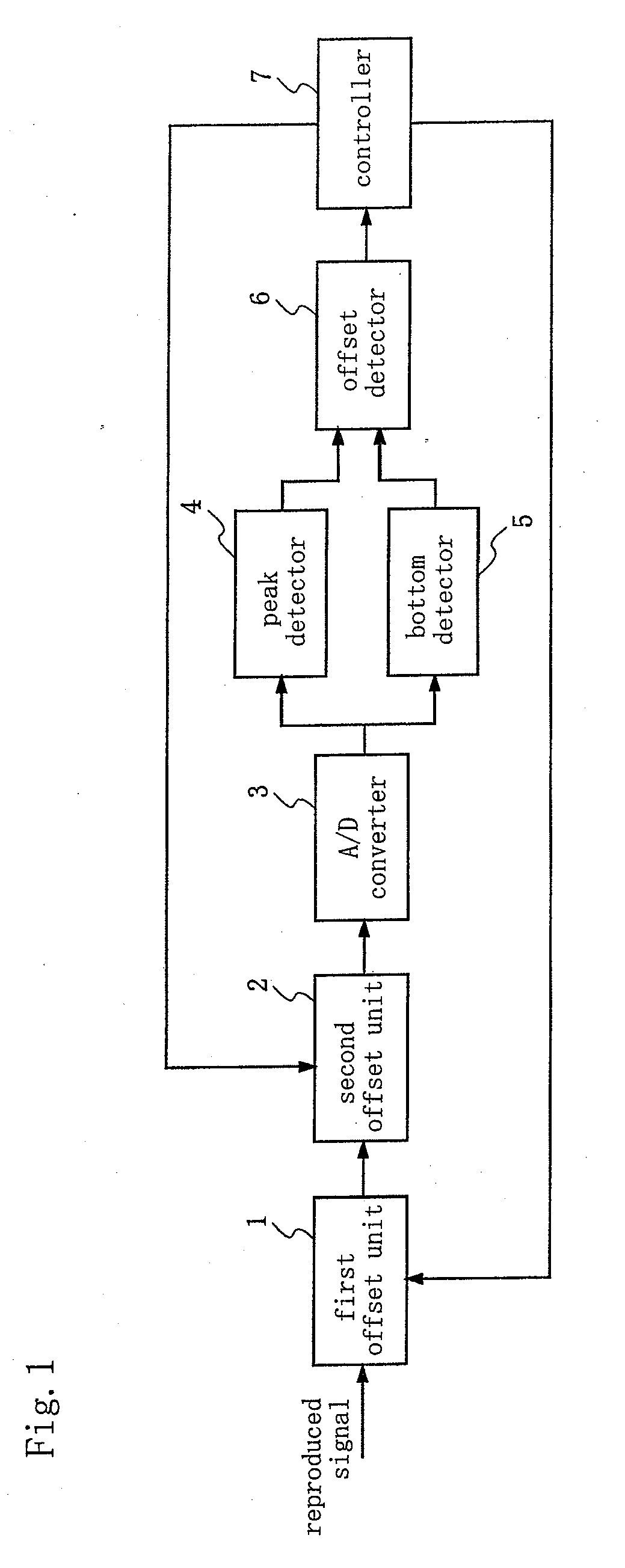
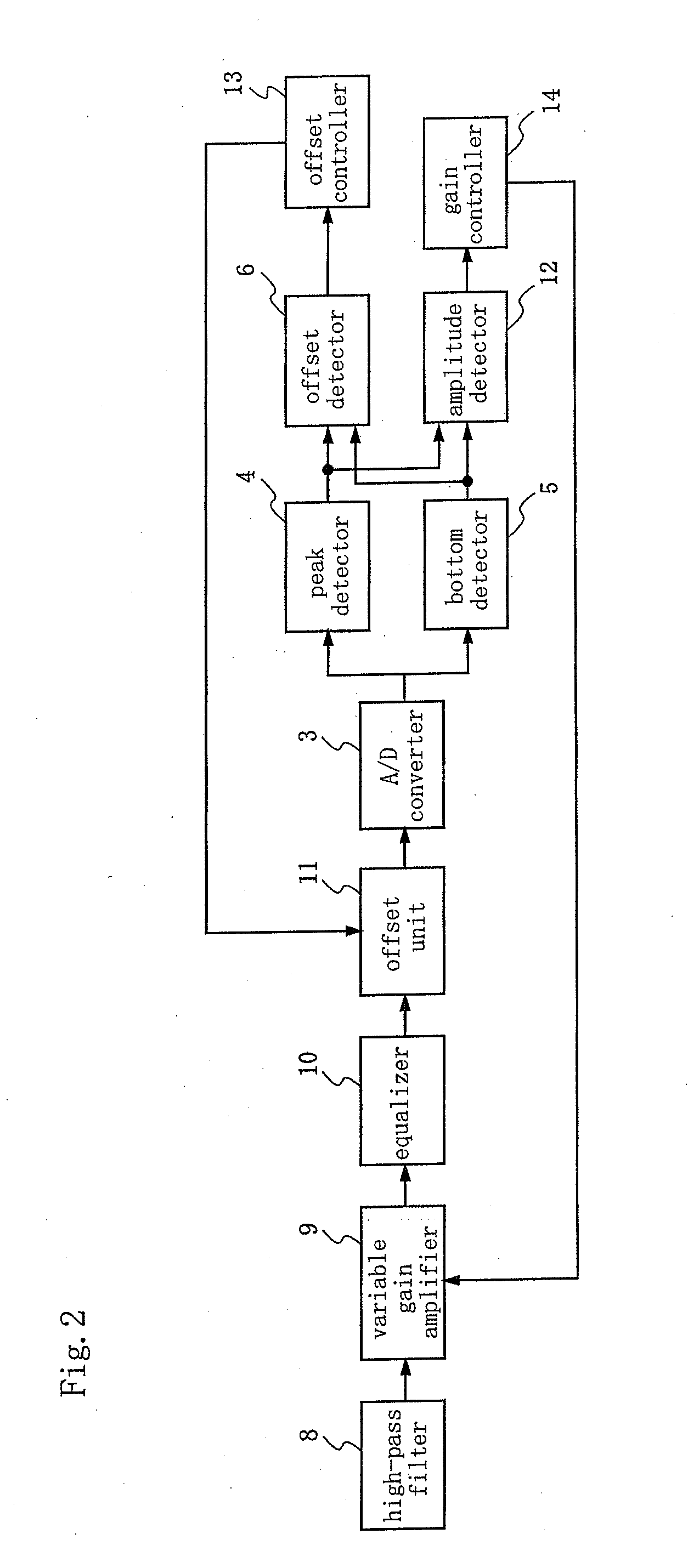
- A signal processing device comprising first and second offset units, an A/D converter, peak and bottom detectors, and a controller that perform offset control based on detected offset information to maintain a constant offset in the input signal, using a clock with a predetermined period and adjusting control operations with a gate signal to absorb DC differences without increasing terminal count.

Power Consumption Standards for Signal Processors
Power consumption standards for signal processors have become increasingly critical as the industry demands more efficient processing solutions across diverse applications. The establishment of these standards directly impacts the comparative efficiency analysis between digital and analog signal processing systems, as power consumption serves as a fundamental metric for evaluating overall system performance.
The IEEE 802.11 standard family provides comprehensive power consumption guidelines for wireless signal processors, establishing baseline requirements that range from 100mW for low-power applications to several watts for high-performance systems. These standards define specific power states including active processing, idle, and sleep modes, with transition times and consumption thresholds clearly specified. Digital signal processors typically demonstrate better compliance with these standardized power states due to their inherent ability to implement sophisticated power management algorithms.
International standards such as IEC 62430 and JEDEC JESD79 establish measurement methodologies for signal processor power consumption, ensuring consistent evaluation across different architectures. These standards mandate specific test conditions, including temperature ranges, supply voltage variations, and workload patterns that reflect real-world operating scenarios. The standardized testing protocols enable accurate comparison between digital and analog processing solutions under identical conditions.
Energy efficiency standards like ENERGY STAR for computing devices and the European Union's ErP Directive have introduced mandatory power consumption limits for signal processing equipment. These regulations typically favor digital implementations due to their scalability and ability to optimize power consumption through software-based techniques such as dynamic voltage and frequency scaling, clock gating, and power islands.
Emerging standards for Internet of Things applications, including IEEE 802.15.4 and Bluetooth Low Energy specifications, establish ultra-low power consumption requirements often below 10mW for continuous operation. These stringent requirements have accelerated the development of specialized low-power digital signal processors that can achieve power efficiencies previously exclusive to analog solutions.
The automotive industry has developed specific power consumption standards through ISO 26262 and AUTOSAR specifications, addressing the unique requirements of in-vehicle signal processing systems. These standards consider factors such as thermal management, electromagnetic compatibility, and functional safety, creating a framework where both digital and analog solutions must demonstrate compliance with increasingly stringent power efficiency requirements.
The IEEE 802.11 standard family provides comprehensive power consumption guidelines for wireless signal processors, establishing baseline requirements that range from 100mW for low-power applications to several watts for high-performance systems. These standards define specific power states including active processing, idle, and sleep modes, with transition times and consumption thresholds clearly specified. Digital signal processors typically demonstrate better compliance with these standardized power states due to their inherent ability to implement sophisticated power management algorithms.
International standards such as IEC 62430 and JEDEC JESD79 establish measurement methodologies for signal processor power consumption, ensuring consistent evaluation across different architectures. These standards mandate specific test conditions, including temperature ranges, supply voltage variations, and workload patterns that reflect real-world operating scenarios. The standardized testing protocols enable accurate comparison between digital and analog processing solutions under identical conditions.
Energy efficiency standards like ENERGY STAR for computing devices and the European Union's ErP Directive have introduced mandatory power consumption limits for signal processing equipment. These regulations typically favor digital implementations due to their scalability and ability to optimize power consumption through software-based techniques such as dynamic voltage and frequency scaling, clock gating, and power islands.
Emerging standards for Internet of Things applications, including IEEE 802.15.4 and Bluetooth Low Energy specifications, establish ultra-low power consumption requirements often below 10mW for continuous operation. These stringent requirements have accelerated the development of specialized low-power digital signal processors that can achieve power efficiencies previously exclusive to analog solutions.
The automotive industry has developed specific power consumption standards through ISO 26262 and AUTOSAR specifications, addressing the unique requirements of in-vehicle signal processing systems. These standards consider factors such as thermal management, electromagnetic compatibility, and functional safety, creating a framework where both digital and analog solutions must demonstrate compliance with increasingly stringent power efficiency requirements.
Real-time Processing Requirements Analysis
Real-time processing requirements represent one of the most critical factors in determining the optimal choice between digital and analog signal processing approaches. The fundamental distinction lies in how each technology handles temporal constraints and latency requirements across different application domains.
Analog signal processing inherently operates in continuous time, providing instantaneous response to input signals without the computational delays associated with sampling, quantization, and algorithmic processing. This characteristic makes analog systems particularly advantageous for applications requiring ultra-low latency, such as high-frequency trading systems, radar applications, and certain audio processing scenarios where even microsecond delays can significantly impact performance.
Digital signal processing, while introducing inherent latency through analog-to-digital conversion, processing algorithms, and digital-to-analog conversion, offers superior flexibility in meeting complex real-time requirements. Modern digital systems can achieve deterministic timing through dedicated real-time operating systems, hardware acceleration, and optimized processing architectures. The ability to implement sophisticated algorithms, adaptive filtering, and multi-channel processing often compensates for the initial latency disadvantage.
Critical timing parameters vary significantly across application domains. Telecommunications systems typically require processing delays under 150 milliseconds for voice applications, while industrial control systems may demand response times in the microsecond range. Audio processing applications present diverse requirements, from professional recording environments needing sub-millisecond latency to consumer applications where 10-20 millisecond delays remain acceptable.
The emergence of specialized hardware architectures, including field-programmable gate arrays and dedicated digital signal processors, has substantially reduced digital processing latency. These platforms enable parallel processing capabilities and hardware-accelerated algorithms that can approach analog processing speeds while maintaining digital flexibility. Additionally, edge computing and distributed processing architectures allow for localized real-time processing, reducing network-induced delays in distributed systems.
Power consumption considerations also impact real-time processing capabilities, particularly in battery-powered and embedded applications. Analog circuits typically consume less power for simple operations but lack the energy efficiency optimizations available in modern digital processors, including dynamic voltage scaling and sleep modes during idle periods.
Analog signal processing inherently operates in continuous time, providing instantaneous response to input signals without the computational delays associated with sampling, quantization, and algorithmic processing. This characteristic makes analog systems particularly advantageous for applications requiring ultra-low latency, such as high-frequency trading systems, radar applications, and certain audio processing scenarios where even microsecond delays can significantly impact performance.
Digital signal processing, while introducing inherent latency through analog-to-digital conversion, processing algorithms, and digital-to-analog conversion, offers superior flexibility in meeting complex real-time requirements. Modern digital systems can achieve deterministic timing through dedicated real-time operating systems, hardware acceleration, and optimized processing architectures. The ability to implement sophisticated algorithms, adaptive filtering, and multi-channel processing often compensates for the initial latency disadvantage.
Critical timing parameters vary significantly across application domains. Telecommunications systems typically require processing delays under 150 milliseconds for voice applications, while industrial control systems may demand response times in the microsecond range. Audio processing applications present diverse requirements, from professional recording environments needing sub-millisecond latency to consumer applications where 10-20 millisecond delays remain acceptable.
The emergence of specialized hardware architectures, including field-programmable gate arrays and dedicated digital signal processors, has substantially reduced digital processing latency. These platforms enable parallel processing capabilities and hardware-accelerated algorithms that can approach analog processing speeds while maintaining digital flexibility. Additionally, edge computing and distributed processing architectures allow for localized real-time processing, reducing network-induced delays in distributed systems.
Power consumption considerations also impact real-time processing capabilities, particularly in battery-powered and embedded applications. Analog circuits typically consume less power for simple operations but lack the energy efficiency optimizations available in modern digital processors, including dynamic voltage scaling and sleep modes during idle periods.
Unlock deeper insights with Patsnap Eureka Quick Research — get a full tech report to explore trends and direct your research. Try now!
Generate Your Research Report Instantly with AI Agent
Supercharge your innovation with Patsnap Eureka AI Agent Platform!