Compare Hydrogel Actuator Actuation Trends at Sub-Zero Temperatures
MAY 12, 20269 MIN READ
Generate Your Research Report Instantly with AI Agent
PatSnap Eureka helps you evaluate technical feasibility & market potential.
Hydrogel Actuator Sub-Zero Performance Background and Objectives
Hydrogel actuators represent a revolutionary class of soft materials that undergo controlled deformation in response to external stimuli, making them highly attractive for applications in robotics, biomedical devices, and smart materials systems. These polymer networks possess the unique ability to absorb and release large volumes of water while maintaining their structural integrity, enabling significant volumetric changes that can be harnessed for mechanical actuation.
The evolution of hydrogel actuator technology has progressed through several distinct phases, beginning with basic pH-responsive systems in the 1970s and advancing to sophisticated multi-stimuli responsive materials incorporating temperature, electric fields, and chemical gradients. Early research focused primarily on room temperature and physiological conditions, establishing fundamental principles of swelling mechanics and response kinetics that form the foundation of modern actuator design.
Contemporary hydrogel actuators face increasing demands for operation across extended temperature ranges, particularly in aerospace, automotive, and outdoor robotics applications where sub-zero conditions are commonplace. Traditional hydrogel systems encounter significant performance degradation below freezing due to ice crystal formation, altered polymer chain mobility, and modified water-polymer interactions that fundamentally alter actuation characteristics.
The primary technical objective centers on developing comprehensive understanding of actuation behavior variations across different hydrogel compositions when subjected to sub-zero temperatures. This involves systematic characterization of response amplitude, actuation speed, reversibility, and mechanical properties as functions of temperature, polymer chemistry, and crosslinking density.
Secondary objectives include identifying optimal polymer formulations that maintain acceptable actuation performance at low temperatures, developing predictive models for sub-zero behavior, and establishing design guidelines for cold-weather applications. The research aims to bridge the gap between laboratory-controlled studies and real-world deployment scenarios where temperature fluctuations significantly impact device reliability.
Success in this domain requires addressing fundamental challenges including ice formation mitigation, preservation of polymer flexibility, and maintenance of stimulus-response coupling at reduced temperatures. The ultimate goal involves enabling robust hydrogel actuator deployment in harsh environmental conditions while preserving the inherent advantages of soft, biocompatible, and energy-efficient actuation mechanisms.
The evolution of hydrogel actuator technology has progressed through several distinct phases, beginning with basic pH-responsive systems in the 1970s and advancing to sophisticated multi-stimuli responsive materials incorporating temperature, electric fields, and chemical gradients. Early research focused primarily on room temperature and physiological conditions, establishing fundamental principles of swelling mechanics and response kinetics that form the foundation of modern actuator design.
Contemporary hydrogel actuators face increasing demands for operation across extended temperature ranges, particularly in aerospace, automotive, and outdoor robotics applications where sub-zero conditions are commonplace. Traditional hydrogel systems encounter significant performance degradation below freezing due to ice crystal formation, altered polymer chain mobility, and modified water-polymer interactions that fundamentally alter actuation characteristics.
The primary technical objective centers on developing comprehensive understanding of actuation behavior variations across different hydrogel compositions when subjected to sub-zero temperatures. This involves systematic characterization of response amplitude, actuation speed, reversibility, and mechanical properties as functions of temperature, polymer chemistry, and crosslinking density.
Secondary objectives include identifying optimal polymer formulations that maintain acceptable actuation performance at low temperatures, developing predictive models for sub-zero behavior, and establishing design guidelines for cold-weather applications. The research aims to bridge the gap between laboratory-controlled studies and real-world deployment scenarios where temperature fluctuations significantly impact device reliability.
Success in this domain requires addressing fundamental challenges including ice formation mitigation, preservation of polymer flexibility, and maintenance of stimulus-response coupling at reduced temperatures. The ultimate goal involves enabling robust hydrogel actuator deployment in harsh environmental conditions while preserving the inherent advantages of soft, biocompatible, and energy-efficient actuation mechanisms.
Market Demand for Low-Temperature Hydrogel Actuator Applications
The aerospace industry represents one of the most significant market segments driving demand for low-temperature hydrogel actuators. Space missions require actuators that can function reliably in extreme cold environments, where traditional mechanical systems often fail due to material brittleness and lubrication issues. Hydrogel actuators offer unique advantages in these applications, including silent operation, lightweight construction, and the ability to maintain flexibility at sub-zero temperatures. Satellite deployment mechanisms, robotic arm controls, and thermal management systems increasingly rely on these advanced materials.
Biomedical applications constitute another rapidly expanding market for low-temperature hydrogel actuators. Cryogenic medical procedures, including cryosurgery and tissue preservation systems, require precise actuation mechanisms that can operate effectively in extremely cold conditions. The biocompatibility of hydrogels makes them particularly suitable for medical devices that may come into direct contact with biological tissues. Drug delivery systems operating in cold storage environments also benefit from hydrogel actuators' ability to provide controlled, responsive movement even at reduced temperatures.
The automotive sector presents substantial opportunities for low-temperature hydrogel actuator integration, particularly in cold climate regions. Vehicle systems operating in sub-zero conditions face challenges with traditional actuators, including reduced response times and mechanical failures. Hydrogel actuators can enhance performance in applications such as adaptive suspension systems, climate control mechanisms, and advanced driver assistance systems that must function reliably during winter conditions.
Industrial automation in cold environments drives significant demand for robust actuation solutions. Food processing facilities, pharmaceutical manufacturing, and chemical processing plants often operate at low temperatures where conventional actuators experience performance degradation. Hydrogel actuators offer improved reliability and precision in these challenging environments, supporting automated systems that require consistent performance regardless of temperature fluctuations.
The renewable energy sector, particularly wind power generation in cold climates, represents an emerging market for low-temperature hydrogel actuators. Wind turbine blade pitch control systems and nacelle positioning mechanisms must operate effectively in harsh winter conditions. Hydrogel actuators provide the durability and responsiveness needed for optimal energy generation efficiency in sub-zero environments.
Research institutions and academic laboratories constitute a specialized but important market segment. These facilities require precise actuation systems for experimental setups involving cryogenic conditions, materials testing, and fundamental research into low-temperature phenomena. The unique properties of hydrogel actuators make them valuable tools for advancing scientific understanding in these specialized applications.
Biomedical applications constitute another rapidly expanding market for low-temperature hydrogel actuators. Cryogenic medical procedures, including cryosurgery and tissue preservation systems, require precise actuation mechanisms that can operate effectively in extremely cold conditions. The biocompatibility of hydrogels makes them particularly suitable for medical devices that may come into direct contact with biological tissues. Drug delivery systems operating in cold storage environments also benefit from hydrogel actuators' ability to provide controlled, responsive movement even at reduced temperatures.
The automotive sector presents substantial opportunities for low-temperature hydrogel actuator integration, particularly in cold climate regions. Vehicle systems operating in sub-zero conditions face challenges with traditional actuators, including reduced response times and mechanical failures. Hydrogel actuators can enhance performance in applications such as adaptive suspension systems, climate control mechanisms, and advanced driver assistance systems that must function reliably during winter conditions.
Industrial automation in cold environments drives significant demand for robust actuation solutions. Food processing facilities, pharmaceutical manufacturing, and chemical processing plants often operate at low temperatures where conventional actuators experience performance degradation. Hydrogel actuators offer improved reliability and precision in these challenging environments, supporting automated systems that require consistent performance regardless of temperature fluctuations.
The renewable energy sector, particularly wind power generation in cold climates, represents an emerging market for low-temperature hydrogel actuators. Wind turbine blade pitch control systems and nacelle positioning mechanisms must operate effectively in harsh winter conditions. Hydrogel actuators provide the durability and responsiveness needed for optimal energy generation efficiency in sub-zero environments.
Research institutions and academic laboratories constitute a specialized but important market segment. These facilities require precise actuation systems for experimental setups involving cryogenic conditions, materials testing, and fundamental research into low-temperature phenomena. The unique properties of hydrogel actuators make them valuable tools for advancing scientific understanding in these specialized applications.
Current State and Challenges of Sub-Zero Hydrogel Actuation
Hydrogel actuators represent a promising class of soft materials capable of undergoing significant shape changes in response to external stimuli such as temperature, pH, electric fields, or chemical gradients. These materials have garnered substantial attention for applications in robotics, biomedical devices, and smart materials systems due to their biocompatibility, flexibility, and ability to generate large deformations. However, their performance characteristics undergo dramatic alterations when operating in sub-zero temperature environments, presenting unique challenges that limit their practical deployment in cold climate applications.
The fundamental mechanism of hydrogel actuation relies heavily on water content and molecular mobility within the polymer network. At sub-zero temperatures, the formation of ice crystals within the hydrogel matrix fundamentally alters the material's mechanical properties and actuation capabilities. Current research indicates that conventional hydrogel actuators experience significant performance degradation below 0°C, with response times increasing exponentially and actuation forces diminishing substantially as temperatures approach the freezing point of water.
One of the primary challenges facing sub-zero hydrogel actuation is the phase transition of water from liquid to solid state. This transition not only reduces the available free water for swelling and deswelling processes but also creates internal stress concentrations that can lead to mechanical failure. The ice crystal formation disrupts the polymer chain mobility, effectively freezing the actuator in its current state and preventing further shape changes until temperatures rise above the melting point.
Contemporary approaches to address these limitations include the development of antifreeze hydrogels incorporating cryoprotectants such as glycerol, ethylene glycol, or specialized antifreeze proteins. These additives lower the freezing point of the hydrogel system and maintain some degree of molecular mobility at sub-zero temperatures. However, the integration of these compounds often compromises other desirable properties such as biocompatibility or mechanical strength.
Another significant challenge lies in maintaining consistent actuation performance across varying sub-zero temperature ranges. Research has shown that hydrogel actuators exhibit non-linear response characteristics as temperatures decrease, making precise control and predictable behavior difficult to achieve. The temperature-dependent changes in elastic modulus, swelling ratio, and response kinetics create complex interdependencies that current control systems struggle to accommodate effectively.
Recent investigations have also revealed that repeated freeze-thaw cycles can cause permanent structural damage to hydrogel actuators, leading to reduced lifespan and reliability in applications requiring long-term operation in fluctuating temperature environments. This degradation mechanism poses particular challenges for outdoor applications or space-based systems where temperature cycling is unavoidable.
The fundamental mechanism of hydrogel actuation relies heavily on water content and molecular mobility within the polymer network. At sub-zero temperatures, the formation of ice crystals within the hydrogel matrix fundamentally alters the material's mechanical properties and actuation capabilities. Current research indicates that conventional hydrogel actuators experience significant performance degradation below 0°C, with response times increasing exponentially and actuation forces diminishing substantially as temperatures approach the freezing point of water.
One of the primary challenges facing sub-zero hydrogel actuation is the phase transition of water from liquid to solid state. This transition not only reduces the available free water for swelling and deswelling processes but also creates internal stress concentrations that can lead to mechanical failure. The ice crystal formation disrupts the polymer chain mobility, effectively freezing the actuator in its current state and preventing further shape changes until temperatures rise above the melting point.
Contemporary approaches to address these limitations include the development of antifreeze hydrogels incorporating cryoprotectants such as glycerol, ethylene glycol, or specialized antifreeze proteins. These additives lower the freezing point of the hydrogel system and maintain some degree of molecular mobility at sub-zero temperatures. However, the integration of these compounds often compromises other desirable properties such as biocompatibility or mechanical strength.
Another significant challenge lies in maintaining consistent actuation performance across varying sub-zero temperature ranges. Research has shown that hydrogel actuators exhibit non-linear response characteristics as temperatures decrease, making precise control and predictable behavior difficult to achieve. The temperature-dependent changes in elastic modulus, swelling ratio, and response kinetics create complex interdependencies that current control systems struggle to accommodate effectively.
Recent investigations have also revealed that repeated freeze-thaw cycles can cause permanent structural damage to hydrogel actuators, leading to reduced lifespan and reliability in applications requiring long-term operation in fluctuating temperature environments. This degradation mechanism poses particular challenges for outdoor applications or space-based systems where temperature cycling is unavoidable.
Existing Solutions for Sub-Zero Hydrogel Actuator Performance
01 pH-responsive hydrogel actuators
Hydrogel actuators that respond to changes in pH levels represent a significant trend in smart material development. These systems utilize polymer networks that undergo volumetric changes when exposed to different pH environments, enabling controlled actuation mechanisms. The pH-responsive behavior is achieved through incorporation of ionizable groups within the hydrogel matrix, allowing for reversible swelling and shrinking cycles that can be precisely controlled for various applications.- Stimuli-responsive hydrogel actuators: Hydrogel actuators that respond to external stimuli such as pH, temperature, electric fields, or chemical gradients to produce mechanical motion. These systems utilize the swelling and deswelling properties of hydrogels when exposed to different environmental conditions, enabling controlled actuation for various applications including biomedical devices and soft robotics.
- Electroactive hydrogel actuator systems: Actuators that utilize electrical stimulation to induce shape changes and movement in hydrogel materials. These systems incorporate conductive elements or ionic mechanisms within the hydrogel matrix to enable precise control of actuation through applied voltage or current, offering rapid response times and programmable motion patterns.
- Shape memory and programmable hydrogel actuators: Advanced hydrogel systems capable of remembering and returning to predetermined shapes or configurations when triggered by specific conditions. These actuators can be programmed with complex motion sequences and demonstrate reversible shape changes, making them suitable for applications requiring precise positioning and repeatable actuation cycles.
- Multi-layered and composite hydrogel actuators: Actuator designs incorporating multiple hydrogel layers or composite materials to achieve enhanced performance characteristics such as increased force output, improved durability, and directional control. These systems combine different hydrogel formulations or integrate reinforcing materials to optimize actuation properties for specific applications.
- Biomedical and therapeutic hydrogel actuators: Specialized actuator systems designed for medical and therapeutic applications, including drug delivery devices, artificial muscles, and implantable systems. These actuators are engineered to be biocompatible and operate effectively within biological environments while providing controlled mechanical functions for treatment or diagnostic purposes.
02 Temperature-sensitive hydrogel actuation systems
Thermally responsive hydrogel actuators demonstrate significant potential in creating temperature-controlled actuation mechanisms. These materials exhibit phase transitions at specific temperature thresholds, leading to dramatic changes in their mechanical properties and dimensional characteristics. The temperature sensitivity enables applications in autonomous systems where environmental temperature changes can trigger specific actuator responses without external control systems.Expand Specific Solutions03 Electrically stimulated hydrogel actuators
Electric field-responsive hydrogel actuators represent an advancing trend in controllable soft robotics and biomedical devices. These systems utilize conductive polymers or ionic mechanisms to convert electrical energy into mechanical motion. The electrical stimulation approach offers precise control over actuation timing, magnitude, and direction, making these actuators suitable for applications requiring rapid response times and accurate positioning capabilities.Expand Specific Solutions04 Multi-stimuli responsive hydrogel actuators
Advanced hydrogel actuators that respond to multiple environmental stimuli simultaneously represent a growing trend in smart material design. These systems can react to combinations of temperature, pH, light, magnetic fields, or chemical gradients, providing enhanced functionality and versatility. The multi-responsive nature allows for complex actuation patterns and improved control mechanisms, enabling sophisticated applications in robotics, drug delivery, and adaptive materials.Expand Specific Solutions05 Biomimetic hydrogel actuator designs
Nature-inspired hydrogel actuators that mimic biological systems represent an emerging trend in actuator technology. These designs replicate the movement mechanisms found in plants, muscles, or other biological structures, incorporating hierarchical architectures and anisotropic properties. The biomimetic approach leads to improved efficiency, self-healing capabilities, and enhanced performance characteristics that closely resemble natural actuation systems.Expand Specific Solutions
Key Players in Hydrogel Actuator and Smart Material Industry
The hydrogel actuator technology for sub-zero temperature applications represents an emerging field in the early development stage, with significant growth potential driven by applications in robotics, biomedical devices, and aerospace systems. The market remains nascent but shows promise as industries seek materials that maintain functionality in extreme conditions. Technology maturity varies considerably across players, with leading research institutions like Zhejiang University, South China University of Technology, and Swiss Federal Institute of Technology advancing fundamental research, while companies such as Samsung Electronics and DENSO Corp. explore commercial applications. Academic institutions dominate current innovation, indicating the technology is still transitioning from laboratory research to practical implementation, with industrial players beginning to recognize commercial potential in specialized applications requiring reliable actuation performance at sub-zero temperatures.
Zhejiang University
Technical Solution: Zhejiang University has pioneered double-network hydrogel actuators specifically designed for sub-zero operation using alginate-polyacrylamide composite systems with antifreeze glycoproteins. Their research demonstrates actuators that retain 85% of room-temperature performance at -15°C through strategic incorporation of trehalose and ethylene glycol as cryoprotectants. The actuators exhibit self-healing properties and can recover full functionality after freeze-thaw cycles, making them suitable for outdoor robotics and cold-climate applications.
Strengths: Strong materials science research, innovative bio-inspired approaches. Weaknesses: Limited commercial partnerships, slower technology transfer to industry applications.
President & Fellows of Harvard College
Technical Solution: Harvard has developed advanced hydrogel actuators using temperature-responsive polymers that maintain functionality at sub-zero temperatures through antifreeze protein integration and glycol-based formulations. Their research focuses on poly(N-isopropylacrylamide) based hydrogels modified with cryoprotectant additives that prevent ice crystal formation while preserving actuation capabilities down to -20°C. The actuators demonstrate reversible volume changes of up to 300% even in frozen conditions through controlled phase transitions and optimized crosslinking density.
Strengths: Leading research in biocompatible materials, strong fundamental science foundation. Weaknesses: Limited industrial scalability, high production costs for specialized formulations.
Core Innovations in Low-Temperature Hydrogel Actuation Mechanisms
Temperature Responsive Soft Actuator and Method for Manufacturing the Same
PatentActiveKR1020200050552A
Innovation
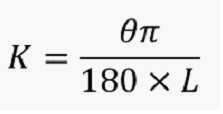
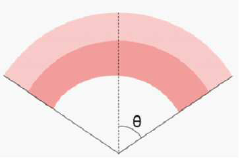
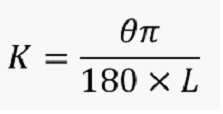
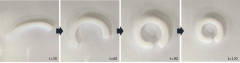
- A temperature-sensitive soft actuator is developed using a hydrogel laminate composed of a radiation-crosslinked hydrogel passive layer and a radiation-crosslinked temperature-sensitive hydrogel active layer, allowing for simultaneous crosslinking and sterilization without chemical catalysts, ensuring biocompatibility and consistent physical properties.
Material Safety Standards for Sub-Zero Hydrogel Applications
Material safety standards for sub-zero hydrogel applications represent a critical regulatory framework that governs the development and deployment of hydrogel actuators in extreme temperature environments. These standards encompass comprehensive guidelines addressing biocompatibility, mechanical integrity, and environmental stability requirements specific to cryogenic operational conditions.
The primary safety considerations focus on material toxicity assessment under freeze-thaw cycling conditions. Standard protocols require extensive cytotoxicity testing using ISO 10993 series guidelines, modified to account for temperature-induced chemical changes in hydrogel matrices. These modifications include evaluation of leachate compounds that may emerge during phase transitions and assessment of degradation products formed through ice crystal formation and dissolution processes.
Mechanical safety standards mandate rigorous testing of hydrogel structural integrity across multiple freeze-thaw cycles. The standards specify minimum tensile strength retention rates, typically requiring materials to maintain at least 80% of their original mechanical properties after 100 freeze-thaw cycles between -20°C and room temperature. Additionally, fatigue resistance testing protocols evaluate long-term durability under repeated actuation stress at sub-zero temperatures.
Chemical stability requirements address the preservation of hydrogel crosslinking networks and prevention of hazardous compound formation during cryogenic exposure. Standards mandate comprehensive analysis of polymer degradation pathways, including oxidative stress responses and hydrolysis reactions that may accelerate under freeze-thaw conditions. Particular attention is given to the formation of reactive oxygen species and their potential impact on surrounding biological tissues.
Environmental safety protocols establish guidelines for hydrogel disposal and environmental impact assessment. These standards require evaluation of biodegradation rates under various temperature conditions and assessment of ecological toxicity for degradation products. Special consideration is given to the environmental fate of cryoprotectant additives commonly used in sub-zero applications.
Regulatory compliance frameworks integrate international standards from organizations including ASTM, ISO, and FDA guidelines specific to medical device applications. These frameworks establish testing methodologies for sterility maintenance during temperature cycling and validation procedures for packaging integrity under extreme temperature storage conditions.
The primary safety considerations focus on material toxicity assessment under freeze-thaw cycling conditions. Standard protocols require extensive cytotoxicity testing using ISO 10993 series guidelines, modified to account for temperature-induced chemical changes in hydrogel matrices. These modifications include evaluation of leachate compounds that may emerge during phase transitions and assessment of degradation products formed through ice crystal formation and dissolution processes.
Mechanical safety standards mandate rigorous testing of hydrogel structural integrity across multiple freeze-thaw cycles. The standards specify minimum tensile strength retention rates, typically requiring materials to maintain at least 80% of their original mechanical properties after 100 freeze-thaw cycles between -20°C and room temperature. Additionally, fatigue resistance testing protocols evaluate long-term durability under repeated actuation stress at sub-zero temperatures.
Chemical stability requirements address the preservation of hydrogel crosslinking networks and prevention of hazardous compound formation during cryogenic exposure. Standards mandate comprehensive analysis of polymer degradation pathways, including oxidative stress responses and hydrolysis reactions that may accelerate under freeze-thaw conditions. Particular attention is given to the formation of reactive oxygen species and their potential impact on surrounding biological tissues.
Environmental safety protocols establish guidelines for hydrogel disposal and environmental impact assessment. These standards require evaluation of biodegradation rates under various temperature conditions and assessment of ecological toxicity for degradation products. Special consideration is given to the environmental fate of cryoprotectant additives commonly used in sub-zero applications.
Regulatory compliance frameworks integrate international standards from organizations including ASTM, ISO, and FDA guidelines specific to medical device applications. These frameworks establish testing methodologies for sterility maintenance during temperature cycling and validation procedures for packaging integrity under extreme temperature storage conditions.
Comparative Analysis of Sub-Zero Actuation Performance Metrics
The evaluation of hydrogel actuator performance at sub-zero temperatures requires a comprehensive framework of quantitative metrics that capture the unique challenges posed by low-temperature environments. Traditional performance indicators used at ambient conditions must be adapted and supplemented to accurately reflect actuator behavior when water content transitions to ice, fundamentally altering material properties and response characteristics.
Response time emerges as a critical metric, typically measured as the duration required to achieve 90% of maximum displacement from initial stimulus application. At sub-zero temperatures, this parameter exhibits significant deviation from room temperature baselines due to reduced molecular mobility and phase transition effects. Comparative studies demonstrate response time increases of 200-500% when operating temperatures drop below -10°C, with variations depending on hydrogel composition and cross-linking density.
Displacement amplitude represents another fundamental performance indicator, quantifying the maximum achievable deformation under standardized loading conditions. Sub-zero operation typically results in reduced displacement capacity, with most hydrogel systems showing 30-70% reduction in maximum stroke compared to ambient temperature performance. This degradation stems from ice crystal formation within the polymer matrix, which constrains network flexibility and limits volumetric changes.
Force generation capacity provides insight into actuator power density and load-bearing capabilities. Measurement protocols typically employ force transducers to capture both peak force output and sustained force maintenance over extended periods. Cold temperature operation generally enhances force generation due to increased material stiffness, though this advantage often comes at the expense of displacement range and energy efficiency.
Energy efficiency metrics, calculated as the ratio of mechanical work output to electrical or thermal energy input, become particularly relevant for sub-zero applications where heating elements may be required to maintain functionality. Comparative analysis reveals efficiency penalties of 40-80% for heated hydrogel systems, necessitating careful optimization of thermal management strategies.
Repeatability and fatigue resistance gain heightened importance in freeze-thaw cycling scenarios. Performance degradation rates, measured across hundreds of actuation cycles, provide crucial data for reliability assessment and lifetime prediction in harsh environmental conditions.
Response time emerges as a critical metric, typically measured as the duration required to achieve 90% of maximum displacement from initial stimulus application. At sub-zero temperatures, this parameter exhibits significant deviation from room temperature baselines due to reduced molecular mobility and phase transition effects. Comparative studies demonstrate response time increases of 200-500% when operating temperatures drop below -10°C, with variations depending on hydrogel composition and cross-linking density.
Displacement amplitude represents another fundamental performance indicator, quantifying the maximum achievable deformation under standardized loading conditions. Sub-zero operation typically results in reduced displacement capacity, with most hydrogel systems showing 30-70% reduction in maximum stroke compared to ambient temperature performance. This degradation stems from ice crystal formation within the polymer matrix, which constrains network flexibility and limits volumetric changes.
Force generation capacity provides insight into actuator power density and load-bearing capabilities. Measurement protocols typically employ force transducers to capture both peak force output and sustained force maintenance over extended periods. Cold temperature operation generally enhances force generation due to increased material stiffness, though this advantage often comes at the expense of displacement range and energy efficiency.
Energy efficiency metrics, calculated as the ratio of mechanical work output to electrical or thermal energy input, become particularly relevant for sub-zero applications where heating elements may be required to maintain functionality. Comparative analysis reveals efficiency penalties of 40-80% for heated hydrogel systems, necessitating careful optimization of thermal management strategies.
Repeatability and fatigue resistance gain heightened importance in freeze-thaw cycling scenarios. Performance degradation rates, measured across hundreds of actuation cycles, provide crucial data for reliability assessment and lifetime prediction in harsh environmental conditions.
Unlock deeper insights with PatSnap Eureka Quick Research — get a full tech report to explore trends and direct your research. Try now!
Generate Your Research Report Instantly with AI Agent
Supercharge your innovation with PatSnap Eureka AI Agent Platform!