Optimize Shape Memory Effects in Dual-Stimuli Hydrogel Actuators
MAY 12, 20269 MIN READ
Generate Your Research Report Instantly with AI Agent
PatSnap Eureka helps you evaluate technical feasibility & market potential.
Shape Memory Hydrogel Actuator Background and Objectives
Shape memory hydrogels represent a revolutionary class of smart materials that combine the unique properties of hydrogels with programmable shape memory capabilities. These materials can undergo reversible deformation and return to their original shape when exposed to specific environmental stimuli, making them highly attractive for advanced actuator applications. The integration of dual-stimuli responsiveness further enhances their functionality by enabling more precise control and broader application scenarios.
The development of shape memory hydrogels has emerged from the convergence of polymer science, materials engineering, and biomimetics. Traditional hydrogels, while possessing excellent biocompatibility and tunable mechanical properties, lacked the ability to maintain temporary shapes and recover programmed configurations. The incorporation of shape memory mechanisms has addressed this limitation, creating materials that can store mechanical energy and release it upon activation.
Dual-stimuli hydrogel actuators represent the next evolutionary step in this technology, responding to combinations of environmental triggers such as temperature and pH, light and electric fields, or ionic strength and magnetic fields. This multi-responsive behavior enables more sophisticated actuation patterns and improved reliability in complex operating environments. The synergistic effects of dual stimuli often result in enhanced response rates, greater deformation amplitudes, and more precise control over actuation timing.
Current research focuses on optimizing the shape memory effects to achieve faster response times, higher shape fixity ratios, and improved shape recovery rates. The primary technical objectives include developing novel crosslinking strategies that enable reversible network restructuring, incorporating responsive molecular switches that can be activated by multiple stimuli, and engineering hierarchical structures that amplify small molecular-level changes into macroscopic shape transformations.
The ultimate goal is to create hydrogel actuators with programmable, predictable, and repeatable shape memory behavior that can operate reliably across multiple stimulation cycles. These optimized materials are expected to find applications in soft robotics, biomedical devices, adaptive structures, and autonomous systems where traditional rigid actuators are inadequate.
The development of shape memory hydrogels has emerged from the convergence of polymer science, materials engineering, and biomimetics. Traditional hydrogels, while possessing excellent biocompatibility and tunable mechanical properties, lacked the ability to maintain temporary shapes and recover programmed configurations. The incorporation of shape memory mechanisms has addressed this limitation, creating materials that can store mechanical energy and release it upon activation.
Dual-stimuli hydrogel actuators represent the next evolutionary step in this technology, responding to combinations of environmental triggers such as temperature and pH, light and electric fields, or ionic strength and magnetic fields. This multi-responsive behavior enables more sophisticated actuation patterns and improved reliability in complex operating environments. The synergistic effects of dual stimuli often result in enhanced response rates, greater deformation amplitudes, and more precise control over actuation timing.
Current research focuses on optimizing the shape memory effects to achieve faster response times, higher shape fixity ratios, and improved shape recovery rates. The primary technical objectives include developing novel crosslinking strategies that enable reversible network restructuring, incorporating responsive molecular switches that can be activated by multiple stimuli, and engineering hierarchical structures that amplify small molecular-level changes into macroscopic shape transformations.
The ultimate goal is to create hydrogel actuators with programmable, predictable, and repeatable shape memory behavior that can operate reliably across multiple stimulation cycles. These optimized materials are expected to find applications in soft robotics, biomedical devices, adaptive structures, and autonomous systems where traditional rigid actuators are inadequate.
Market Demand for Smart Hydrogel Actuator Applications
The global smart materials market is experiencing unprecedented growth, with hydrogel actuators emerging as a critical component across multiple high-value sectors. Healthcare applications represent the largest demand driver, where dual-stimuli responsive hydrogels are revolutionizing minimally invasive surgical procedures, drug delivery systems, and implantable medical devices. The ability to precisely control shape memory effects through temperature and pH stimuli enables sophisticated biomedical applications that require predictable, reversible actuation in physiological environments.
Robotics and automation industries are increasingly adopting smart hydrogel actuators for soft robotics applications, particularly in scenarios requiring delicate manipulation and bio-compatible interfaces. The demand stems from the need for actuators that can operate safely alongside humans while providing precise, programmable motion control. Manufacturing sectors are exploring these materials for self-assembling components and adaptive manufacturing processes that respond to environmental changes.
The aerospace and automotive industries are driving demand for lightweight, energy-efficient actuators that can function reliably across extreme temperature ranges. Dual-stimuli hydrogel actuators offer significant advantages over traditional mechanical systems by providing silent operation, reduced maintenance requirements, and enhanced durability under harsh operating conditions.
Consumer electronics markets are witnessing growing interest in flexible displays, wearable devices, and smart textiles that incorporate shape memory hydrogel actuators. The miniaturization trend in electronics creates substantial opportunities for micro-scale actuators that can deliver precise mechanical responses while maintaining low power consumption profiles.
Environmental monitoring and smart infrastructure applications represent emerging market segments where hydrogel actuators serve as autonomous sensors and response systems. These applications leverage the materials' ability to react predictably to environmental stimuli without external power sources, making them ideal for remote monitoring systems and self-regulating infrastructure components.
The convergence of Internet of Things technologies with smart materials is creating new market opportunities in home automation, agricultural systems, and industrial process control, where responsive hydrogel actuators can provide distributed sensing and actuation capabilities with minimal energy requirements.
Robotics and automation industries are increasingly adopting smart hydrogel actuators for soft robotics applications, particularly in scenarios requiring delicate manipulation and bio-compatible interfaces. The demand stems from the need for actuators that can operate safely alongside humans while providing precise, programmable motion control. Manufacturing sectors are exploring these materials for self-assembling components and adaptive manufacturing processes that respond to environmental changes.
The aerospace and automotive industries are driving demand for lightweight, energy-efficient actuators that can function reliably across extreme temperature ranges. Dual-stimuli hydrogel actuators offer significant advantages over traditional mechanical systems by providing silent operation, reduced maintenance requirements, and enhanced durability under harsh operating conditions.
Consumer electronics markets are witnessing growing interest in flexible displays, wearable devices, and smart textiles that incorporate shape memory hydrogel actuators. The miniaturization trend in electronics creates substantial opportunities for micro-scale actuators that can deliver precise mechanical responses while maintaining low power consumption profiles.
Environmental monitoring and smart infrastructure applications represent emerging market segments where hydrogel actuators serve as autonomous sensors and response systems. These applications leverage the materials' ability to react predictably to environmental stimuli without external power sources, making them ideal for remote monitoring systems and self-regulating infrastructure components.
The convergence of Internet of Things technologies with smart materials is creating new market opportunities in home automation, agricultural systems, and industrial process control, where responsive hydrogel actuators can provide distributed sensing and actuation capabilities with minimal energy requirements.
Current State and Challenges in Dual-Stimuli Hydrogels
Dual-stimuli hydrogels represent a significant advancement in smart material technology, combining the responsiveness of traditional single-stimulus hydrogels with enhanced controllability through multiple activation mechanisms. These materials typically respond to combinations of stimuli such as temperature-pH, light-temperature, electric field-pH, or magnetic field-temperature pairs. Current research has demonstrated successful synthesis of various dual-stimuli systems, with temperature-pH responsive hydrogels being the most mature, achieving response times ranging from seconds to minutes depending on gel thickness and crosslinking density.
The integration of shape memory effects into dual-stimuli hydrogels has emerged as a promising frontier, yet significant technical barriers persist. One primary challenge lies in achieving precise control over the temporal sequence of stimuli application. Current systems often exhibit interference between different stimulus pathways, leading to unpredictable shape recovery behaviors and reduced repeatability. The molecular mechanisms governing dual-stimuli interactions remain incompletely understood, particularly regarding how competing conformational changes affect overall actuator performance.
Material design challenges center on balancing mechanical properties with stimulus responsiveness. Increasing crosslinking density to improve shape retention often compromises swelling capacity and response speed. Conversely, enhancing stimulus sensitivity frequently results in mechanical weakness and poor shape memory stability. Current hydrogel formulations struggle to maintain consistent performance across multiple actuation cycles, with degradation typically occurring after 50-100 cycles due to network fatigue and chemical decomposition.
Manufacturing scalability presents another significant obstacle. Laboratory-scale synthesis methods often rely on precise environmental controls and specialized equipment that are difficult to replicate in industrial settings. Batch-to-batch variability in gel properties remains problematic, with coefficient of variation often exceeding 15% for key performance metrics such as response time and recovery ratio.
Characterization and standardization challenges further complicate development efforts. The field lacks universally accepted testing protocols for dual-stimuli systems, making comparative analysis between different research groups difficult. Existing measurement techniques often cannot adequately capture the complex, time-dependent behaviors exhibited by these materials under simultaneous stimuli exposure.
Geographic distribution of research capabilities shows concentration in developed nations, with leading institutions primarily located in the United States, Germany, Japan, and South Korea. This concentration creates knowledge gaps and limits global collaborative potential, particularly affecting access to specialized characterization equipment and expertise in developing regions.
The integration of shape memory effects into dual-stimuli hydrogels has emerged as a promising frontier, yet significant technical barriers persist. One primary challenge lies in achieving precise control over the temporal sequence of stimuli application. Current systems often exhibit interference between different stimulus pathways, leading to unpredictable shape recovery behaviors and reduced repeatability. The molecular mechanisms governing dual-stimuli interactions remain incompletely understood, particularly regarding how competing conformational changes affect overall actuator performance.
Material design challenges center on balancing mechanical properties with stimulus responsiveness. Increasing crosslinking density to improve shape retention often compromises swelling capacity and response speed. Conversely, enhancing stimulus sensitivity frequently results in mechanical weakness and poor shape memory stability. Current hydrogel formulations struggle to maintain consistent performance across multiple actuation cycles, with degradation typically occurring after 50-100 cycles due to network fatigue and chemical decomposition.
Manufacturing scalability presents another significant obstacle. Laboratory-scale synthesis methods often rely on precise environmental controls and specialized equipment that are difficult to replicate in industrial settings. Batch-to-batch variability in gel properties remains problematic, with coefficient of variation often exceeding 15% for key performance metrics such as response time and recovery ratio.
Characterization and standardization challenges further complicate development efforts. The field lacks universally accepted testing protocols for dual-stimuli systems, making comparative analysis between different research groups difficult. Existing measurement techniques often cannot adequately capture the complex, time-dependent behaviors exhibited by these materials under simultaneous stimuli exposure.
Geographic distribution of research capabilities shows concentration in developed nations, with leading institutions primarily located in the United States, Germany, Japan, and South Korea. This concentration creates knowledge gaps and limits global collaborative potential, particularly affecting access to specialized characterization equipment and expertise in developing regions.
Existing Dual-Stimuli Shape Memory Optimization Methods
01 Temperature-responsive hydrogel actuators with shape memory properties
Hydrogel actuators that respond to temperature changes and exhibit shape memory effects through thermally-induced phase transitions. These materials can undergo reversible deformation when exposed to different temperature conditions, allowing them to return to their original shape upon heating or cooling. The shape memory behavior is achieved through polymer network structures that can store and recover mechanical deformation based on thermal stimuli.- Temperature-responsive hydrogel actuators with shape memory properties: Hydrogel actuators that respond to temperature changes and exhibit shape memory effects through thermally-induced phase transitions. These materials can undergo reversible deformation when heated or cooled, returning to their original shape upon removal of the thermal stimulus. The shape memory behavior is achieved through crosslinked polymer networks that can store mechanical stress and release it upon thermal activation.
- pH and ionic strength dual-responsive hydrogel systems: Hydrogel actuators that respond to both pH changes and ionic strength variations in their environment. These systems utilize ionizable groups within the polymer matrix that can swell or contract based on the surrounding chemical conditions. The dual responsiveness allows for precise control over actuation behavior and enables complex shape memory programming through sequential exposure to different chemical stimuli.
- Light and temperature dual-stimuli responsive actuators: Advanced hydrogel systems that combine photosensitive components with thermally responsive polymers to create actuators responsive to both light and temperature stimuli. These materials can undergo programmed shape changes when exposed to specific wavelengths of light while maintaining temperature-dependent actuation capabilities. The combination enables remote control actuation and complex multi-step shape memory sequences.
- Electric field and mechanical stress responsive hydrogels: Hydrogel actuators that respond to electrical stimulation combined with mechanical stress for shape memory applications. These systems incorporate conductive elements or ionic components that enable electrochemical actuation while maintaining mechanical shape memory properties. The dual responsiveness allows for electrically controlled shape programming and recovery cycles with enhanced precision and speed.
- Magnetic field and thermal dual-responsive shape memory hydrogels: Composite hydrogel actuators incorporating magnetic nanoparticles or components that respond to both magnetic fields and temperature changes. These systems enable remote wireless actuation through magnetic field application while maintaining thermal shape memory capabilities. The combination provides contactless control over shape memory programming and actuation, making them suitable for biomedical and robotic applications.
02 pH and ionic strength dual-responsive hydrogel systems
Hydrogel actuators that respond to both pH changes and ionic strength variations in their environment. These systems utilize polyelectrolyte networks that can swell or contract based on the ionization state of functional groups and the presence of ions in solution. The dual responsiveness enables precise control over actuation behavior and shape memory effects through manipulation of chemical environment conditions.Expand Specific Solutions03 Light and temperature dual-stimuli responsive actuators
Advanced hydrogel systems that combine photochemical and thermal responsiveness to achieve shape memory actuation. These materials incorporate photosensitive components that can trigger conformational changes upon light exposure, while also maintaining temperature-dependent behavior. The combination allows for remote control of actuation and enhanced shape memory performance through multiple activation pathways.Expand Specific Solutions04 Magnetic field and thermal responsive shape memory hydrogels
Composite hydrogel actuators incorporating magnetic particles that respond to both magnetic fields and temperature changes. These systems enable contactless actuation through magnetic field application while maintaining thermal shape memory capabilities. The magnetic components provide rapid response times and precise spatial control, while the thermal response offers programmable shape recovery mechanisms.Expand Specific Solutions05 Electric field and moisture dual-responsive actuator systems
Hydrogel actuators that exhibit shape memory effects through combined electrical stimulation and moisture content changes. These systems utilize conductive polymers or ionic networks that respond to applied electric fields while also being sensitive to humidity or water content variations. The dual responsiveness enables precise control over actuation speed and shape recovery, making them suitable for applications requiring rapid and controllable deformation.Expand Specific Solutions
Key Players in Smart Hydrogel and Actuator Industry
The dual-stimuli hydrogel actuator field represents an emerging technology sector in the early development stage, with significant growth potential driven by applications in biomedical devices, soft robotics, and smart materials. The market remains nascent but shows promise across multiple industries including healthcare, aerospace, and consumer electronics. Technology maturity varies considerably among key players, with established corporations like Toshiba Corp., Huawei Technologies, and Boston Scientific Neuromodulation Corp. leveraging their advanced R&D capabilities alongside specialized firms such as Shape Memory Medical Inc., which focuses specifically on shape memory polymer applications. Leading research institutions including Texas A&M University, Case Western Reserve University, and various Chinese universities like Harbin Institute of Technology are driving fundamental innovations. The competitive landscape features a mix of industrial giants, specialized medical device companies, and academic research centers, indicating the technology's interdisciplinary nature and broad application potential across sectors.
South China University of Technology
Technical Solution: South China University of Technology has developed advanced dual-stimuli hydrogel actuators through comprehensive research in smart polymer systems and biomimetic materials. Their approach utilizes novel interpenetrating polymer networks combining temperature-sensitive poly(N-isopropylacrylamide) with light-responsive azobenzene-containing polymers, creating actuators that respond to both thermal and photonic stimuli. The university's research demonstrates exceptional shape memory effects with recovery ratios exceeding 98% and the ability to program complex three-dimensional deformations. Their actuators can generate forces up to 15N while maintaining flexibility and biocompatibility, making them suitable for soft robotics and biomedical applications. The team has also developed innovative fabrication techniques using 3D printing and photolithography to create precisely patterned actuator structures with controlled stimulus response zones.
Strengths: Cutting-edge research capabilities, innovative material combinations, strong academic-industry collaboration, comprehensive characterization methods. Weaknesses: Limited commercial manufacturing experience, scalability challenges for industrial production, longer development timelines for market-ready products.
W. L. Gore & Associates, Inc.
Technical Solution: W. L. Gore & Associates has developed innovative dual-stimuli hydrogel actuators leveraging their expertise in advanced polymer materials and membrane technologies. Their approach utilizes fluoropolymer-based hydrogel matrices embedded with conductive pathways that respond to both electrical and thermal stimuli. The company's actuators feature proprietary expanded polytetrafluoroethylene (ePTFE) reinforcement structures that enhance mechanical stability while maintaining flexibility. Their systems demonstrate excellent shape memory effects with recovery forces up to 50N and can operate effectively across temperature ranges from -40°C to 200°C. The dual-stimuli design allows for precise control through combined electrothermal activation, achieving positioning accuracy within ±0.1mm for industrial automation applications.
Strengths: Superior material durability, wide operating temperature range, high precision control, established manufacturing capabilities. Weaknesses: Higher material costs compared to conventional polymers, complex manufacturing processes, limited biocompatibility for medical applications.
Core Patents in Shape Memory Hydrogel Enhancement
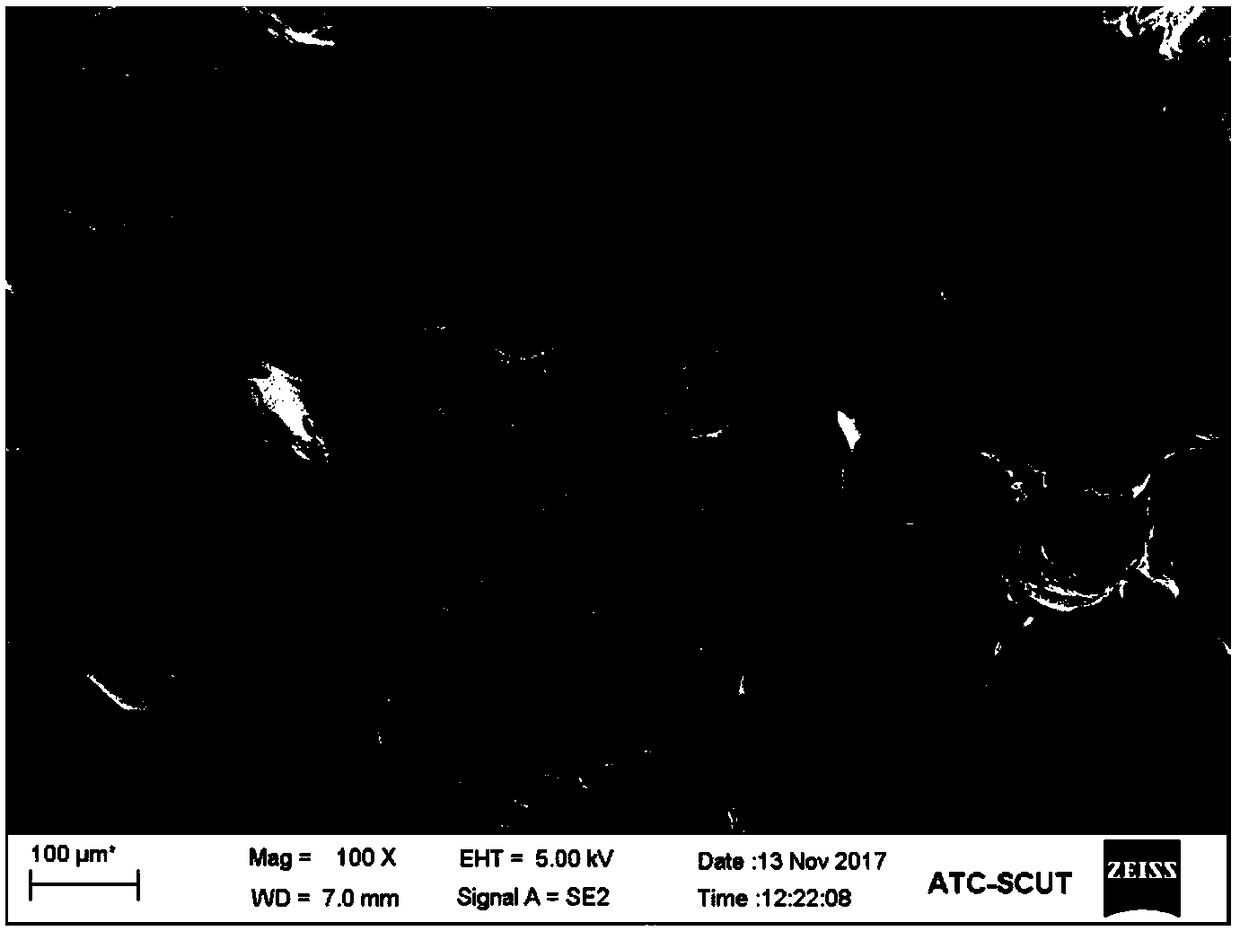
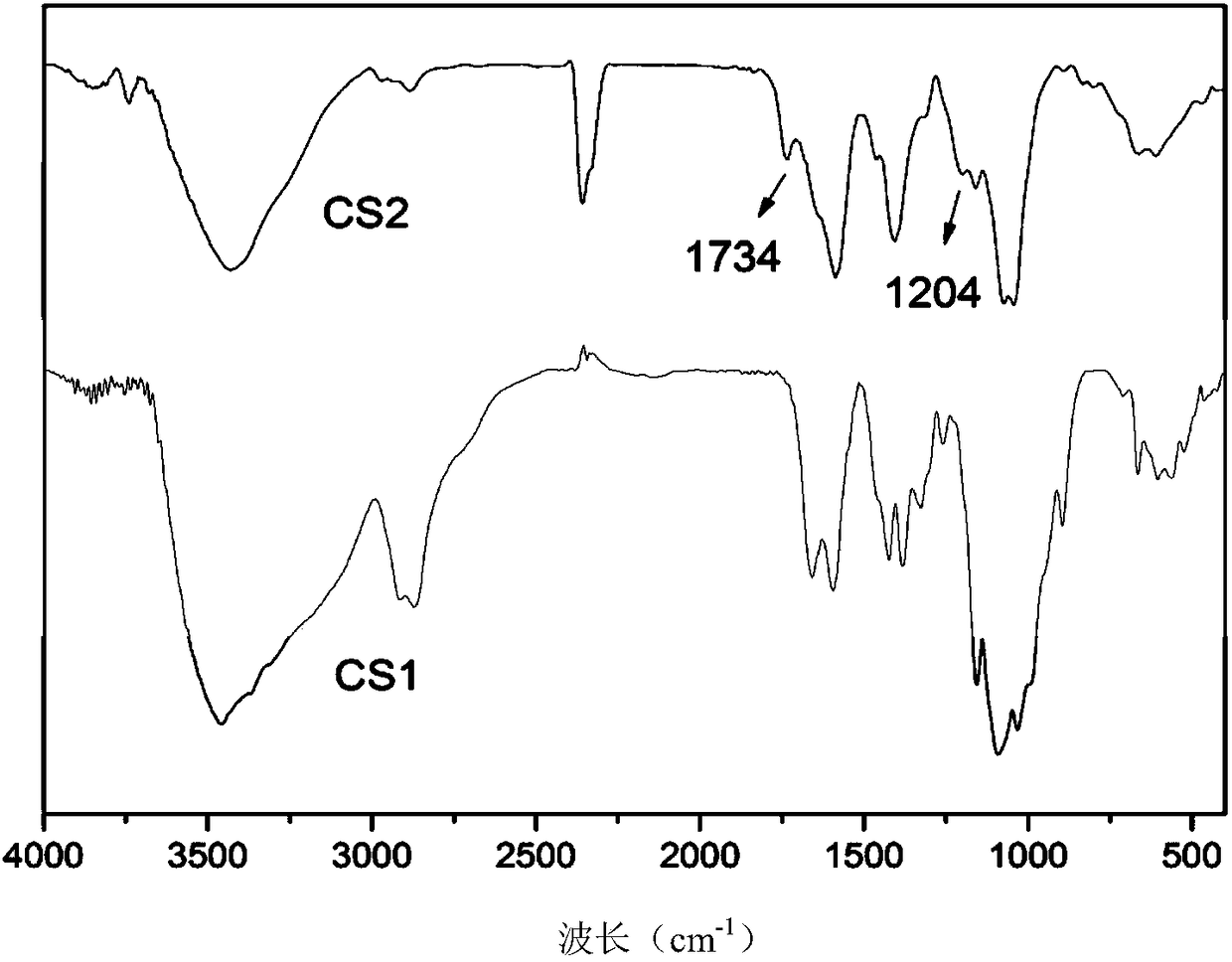
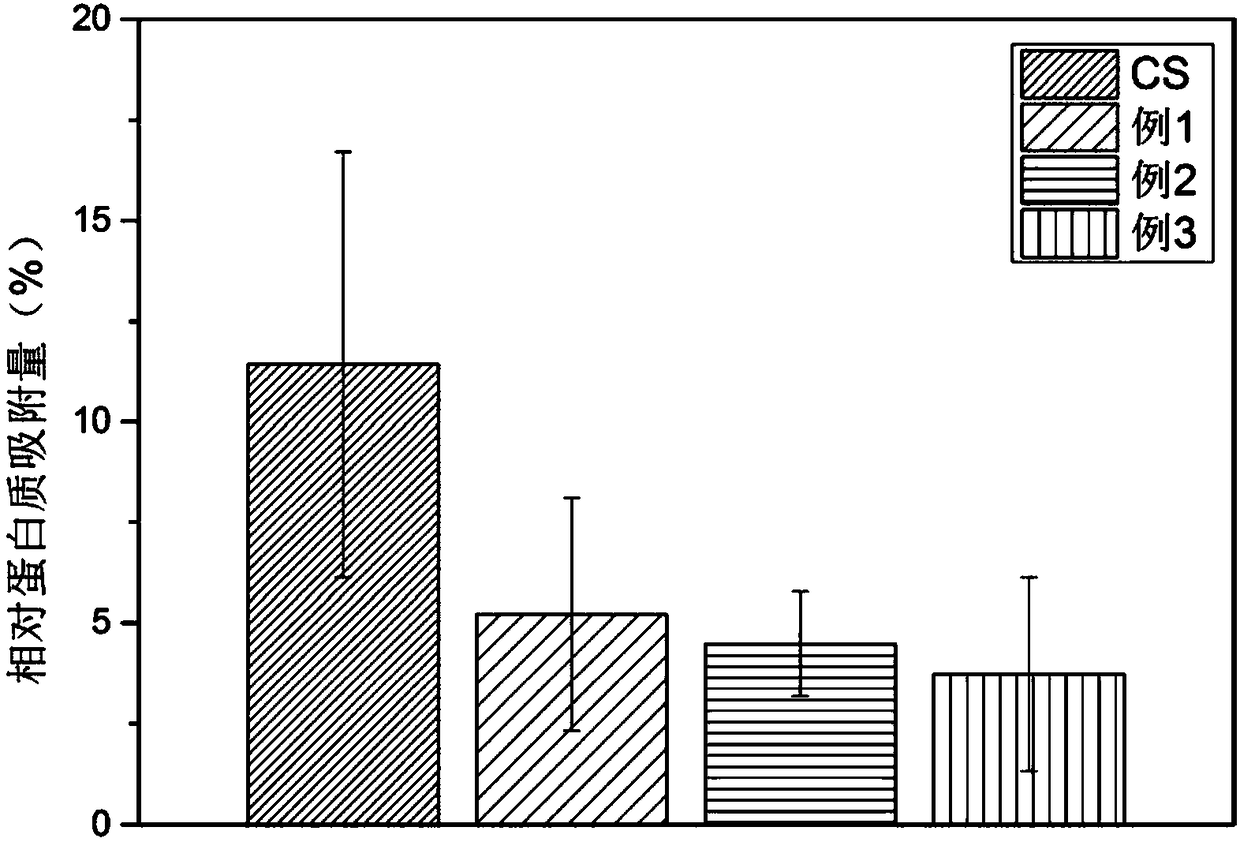
Shape memory hydrogel with calcium ion complexing and oxidation reduction dual response and preparation method of shape memory hydrogel
PatentInactiveCN108186555A
Innovation
- It uses calcium ion complexing and redox dual response shape memory hydrogel, combines chemical cross-linking and physical cross-linking, and uses materials such as acrylates, hydrophilic thermoplastic polymers and carboxyl-containing polysaccharides to achieve non-thermal conditions. Dual response shape memory function.

Shape Memory Polymers and Shape Memory Polymer Compositions Responsive Towards Two Different Stimuli
PatentInactiveUS20090309258A1
Innovation
- Development of shape memory polymers and compositions with at least two different switching segments sensitive to distinct stimuli such as temperature, light, gamma irradiation, pH, ion concentration, ultrasound, and magnetic fields, allowing independent and precise triggering of shape changes.
Biocompatibility Standards for Hydrogel Actuators
Biocompatibility standards for hydrogel actuators represent a critical regulatory framework that governs the safe integration of these advanced materials into biological systems. The primary standards include ISO 10993 series for biological evaluation of medical devices, ASTM F2900 for hydrogel characterization, and FDA guidance documents for biocompatible materials. These standards establish comprehensive testing protocols for cytotoxicity, sensitization, irritation, and systemic toxicity assessment.
The evaluation process encompasses multiple testing phases, beginning with in vitro cytotoxicity studies using standardized cell lines such as L929 fibroblasts or human dermal fibroblasts. Extract testing methods, including direct contact and elution protocols, assess the release of potentially harmful substances from hydrogel matrices. Genotoxicity testing through Ames assays and chromosomal aberration studies ensures genetic safety profiles meet regulatory requirements.
Material composition analysis forms a cornerstone of biocompatibility assessment, requiring detailed characterization of polymer networks, crosslinking agents, and residual monomers. Particular attention focuses on leachable compounds that may migrate from the hydrogel structure during actuation cycles. Advanced analytical techniques including gas chromatography-mass spectrometry and liquid chromatography enable precise quantification of extractable substances.
Mechanical biocompatibility testing evaluates the interaction between actuator movement and surrounding tissues. Dynamic mechanical analysis under physiological conditions assesses stress distribution and potential tissue damage during shape memory activation. Fatigue testing protocols simulate long-term actuation cycles to ensure maintained biocompatibility throughout device lifetime.
Sterilization compatibility represents another crucial aspect, as hydrogel actuators must maintain both biocompatibility and functional properties following sterilization procedures. Gamma irradiation, ethylene oxide, and steam sterilization methods require validation to confirm preserved shape memory characteristics and unchanged toxicological profiles.
Regulatory pathways vary significantly across global markets, with FDA 510(k) clearance, CE marking under MDR, and other regional approvals requiring specific biocompatibility documentation. Risk assessment frameworks guide the selection of appropriate testing protocols based on intended contact duration, tissue type, and clinical application scenarios.
The evaluation process encompasses multiple testing phases, beginning with in vitro cytotoxicity studies using standardized cell lines such as L929 fibroblasts or human dermal fibroblasts. Extract testing methods, including direct contact and elution protocols, assess the release of potentially harmful substances from hydrogel matrices. Genotoxicity testing through Ames assays and chromosomal aberration studies ensures genetic safety profiles meet regulatory requirements.
Material composition analysis forms a cornerstone of biocompatibility assessment, requiring detailed characterization of polymer networks, crosslinking agents, and residual monomers. Particular attention focuses on leachable compounds that may migrate from the hydrogel structure during actuation cycles. Advanced analytical techniques including gas chromatography-mass spectrometry and liquid chromatography enable precise quantification of extractable substances.
Mechanical biocompatibility testing evaluates the interaction between actuator movement and surrounding tissues. Dynamic mechanical analysis under physiological conditions assesses stress distribution and potential tissue damage during shape memory activation. Fatigue testing protocols simulate long-term actuation cycles to ensure maintained biocompatibility throughout device lifetime.
Sterilization compatibility represents another crucial aspect, as hydrogel actuators must maintain both biocompatibility and functional properties following sterilization procedures. Gamma irradiation, ethylene oxide, and steam sterilization methods require validation to confirm preserved shape memory characteristics and unchanged toxicological profiles.
Regulatory pathways vary significantly across global markets, with FDA 510(k) clearance, CE marking under MDR, and other regional approvals requiring specific biocompatibility documentation. Risk assessment frameworks guide the selection of appropriate testing protocols based on intended contact duration, tissue type, and clinical application scenarios.
Manufacturing Scalability of Smart Hydrogel Systems
The manufacturing scalability of smart hydrogel systems for dual-stimuli actuators presents significant challenges that must be addressed to enable widespread commercial adoption. Current laboratory-scale synthesis methods, while effective for research purposes, face substantial barriers when transitioning to industrial production volumes. The complex polymerization processes required to achieve optimal shape memory effects often involve precise temperature and pH control, making large-scale manufacturing both technically demanding and economically challenging.
Traditional batch processing methods limit production throughput and introduce variability in hydrogel properties across different production runs. The incorporation of dual-stimuli responsive elements, such as temperature-sensitive polymers combined with pH-responsive components, requires sophisticated mixing and crosslinking protocols that are difficult to maintain consistently at scale. Quality control becomes increasingly complex as production volumes increase, particularly when ensuring uniform distribution of responsive elements throughout the hydrogel matrix.
Continuous manufacturing approaches offer promising solutions for scalability enhancement. Flow-based synthesis systems enable better control over reaction parameters and can significantly reduce production costs through improved efficiency. These systems allow for real-time monitoring and adjustment of critical parameters, ensuring consistent product quality while maintaining the precise molecular architecture necessary for optimal shape memory performance.
The development of modular manufacturing platforms represents a key advancement in addressing scalability challenges. These systems can be configured to produce different hydrogel formulations by adjusting input parameters and processing conditions, providing flexibility for customized actuator applications while maintaining economic viability through standardized equipment and processes.
Cost considerations remain a primary barrier to large-scale implementation. Raw material costs, particularly for specialized monomers and crosslinking agents, must be optimized through strategic sourcing and potential development of alternative synthesis pathways. Energy consumption during manufacturing processes also significantly impacts overall production economics, necessitating the development of more energy-efficient synthesis methods.
Regulatory compliance adds another layer of complexity to manufacturing scalability, particularly for biomedical applications. Establishing standardized testing protocols and quality assurance measures that can be implemented across different production scales is essential for regulatory approval and market acceptance of smart hydrogel actuator systems.
Traditional batch processing methods limit production throughput and introduce variability in hydrogel properties across different production runs. The incorporation of dual-stimuli responsive elements, such as temperature-sensitive polymers combined with pH-responsive components, requires sophisticated mixing and crosslinking protocols that are difficult to maintain consistently at scale. Quality control becomes increasingly complex as production volumes increase, particularly when ensuring uniform distribution of responsive elements throughout the hydrogel matrix.
Continuous manufacturing approaches offer promising solutions for scalability enhancement. Flow-based synthesis systems enable better control over reaction parameters and can significantly reduce production costs through improved efficiency. These systems allow for real-time monitoring and adjustment of critical parameters, ensuring consistent product quality while maintaining the precise molecular architecture necessary for optimal shape memory performance.
The development of modular manufacturing platforms represents a key advancement in addressing scalability challenges. These systems can be configured to produce different hydrogel formulations by adjusting input parameters and processing conditions, providing flexibility for customized actuator applications while maintaining economic viability through standardized equipment and processes.
Cost considerations remain a primary barrier to large-scale implementation. Raw material costs, particularly for specialized monomers and crosslinking agents, must be optimized through strategic sourcing and potential development of alternative synthesis pathways. Energy consumption during manufacturing processes also significantly impacts overall production economics, necessitating the development of more energy-efficient synthesis methods.
Regulatory compliance adds another layer of complexity to manufacturing scalability, particularly for biomedical applications. Establishing standardized testing protocols and quality assurance measures that can be implemented across different production scales is essential for regulatory approval and market acceptance of smart hydrogel actuator systems.
Unlock deeper insights with PatSnap Eureka Quick Research — get a full tech report to explore trends and direct your research. Try now!
Generate Your Research Report Instantly with AI Agent
Supercharge your innovation with PatSnap Eureka AI Agent Platform!