

Comparing CF4 and CHF3 for Dry Etching: Cost Implications
MAR 20, 20268 MIN READ
Generate Your Research Report Instantly with AI Agent
PatSnap Eureka helps you evaluate technical feasibility & market potential.
CF4 vs CHF3 Dry Etching Background and Objectives
Dry etching technology has emerged as a cornerstone process in semiconductor manufacturing, enabling precise pattern transfer and material removal at nanoscale dimensions. The evolution of plasma etching processes has been driven by the continuous demand for smaller feature sizes, higher aspect ratios, and improved selectivity in integrated circuit fabrication. Among the various etching chemistries available, fluorocarbon gases have established themselves as essential components due to their unique ability to provide both etching and passivation mechanisms simultaneously.
CF4 (carbon tetrafluoride) and CHF3 (trifluoromethane) represent two fundamental fluorocarbon gases that have shaped the landscape of dry etching processes over the past several decades. CF4, as one of the earliest fluorocarbon gases adopted in semiconductor manufacturing, has demonstrated exceptional stability and predictable etching characteristics. Its molecular structure provides a high fluorine-to-carbon ratio, making it particularly effective for silicon dioxide etching applications where aggressive fluorine chemistry is required.
CHF3 has gained prominence as a more versatile alternative, offering enhanced polymer deposition capabilities due to its higher carbon content relative to fluorine. This characteristic enables superior sidewall passivation during high aspect ratio etching processes, making it invaluable for advanced device architectures where precise profile control is critical. The hydrogen content in CHF3 also introduces additional reaction pathways that can be leveraged for selective etching applications.
The primary objective of this comparative analysis centers on understanding the cost implications associated with implementing CF4 versus CHF3 in dry etching processes. This evaluation encompasses direct material costs, process efficiency considerations, equipment compatibility requirements, and long-term operational expenses. The analysis aims to provide comprehensive insights into how gas selection impacts overall manufacturing economics while maintaining process performance standards.
Secondary objectives include examining the technical trade-offs between these two chemistries in terms of etch rates, selectivity, profile control, and process window robustness. Understanding these performance differentiators is crucial for making informed decisions about gas selection strategies that balance cost optimization with technical requirements. The investigation also seeks to identify specific application scenarios where one chemistry may offer distinct advantages over the other from both technical and economic perspectives.
CF4 (carbon tetrafluoride) and CHF3 (trifluoromethane) represent two fundamental fluorocarbon gases that have shaped the landscape of dry etching processes over the past several decades. CF4, as one of the earliest fluorocarbon gases adopted in semiconductor manufacturing, has demonstrated exceptional stability and predictable etching characteristics. Its molecular structure provides a high fluorine-to-carbon ratio, making it particularly effective for silicon dioxide etching applications where aggressive fluorine chemistry is required.
CHF3 has gained prominence as a more versatile alternative, offering enhanced polymer deposition capabilities due to its higher carbon content relative to fluorine. This characteristic enables superior sidewall passivation during high aspect ratio etching processes, making it invaluable for advanced device architectures where precise profile control is critical. The hydrogen content in CHF3 also introduces additional reaction pathways that can be leveraged for selective etching applications.
The primary objective of this comparative analysis centers on understanding the cost implications associated with implementing CF4 versus CHF3 in dry etching processes. This evaluation encompasses direct material costs, process efficiency considerations, equipment compatibility requirements, and long-term operational expenses. The analysis aims to provide comprehensive insights into how gas selection impacts overall manufacturing economics while maintaining process performance standards.
Secondary objectives include examining the technical trade-offs between these two chemistries in terms of etch rates, selectivity, profile control, and process window robustness. Understanding these performance differentiators is crucial for making informed decisions about gas selection strategies that balance cost optimization with technical requirements. The investigation also seeks to identify specific application scenarios where one chemistry may offer distinct advantages over the other from both technical and economic perspectives.
Market Demand for Cost-Effective Etching Solutions
The semiconductor manufacturing industry faces mounting pressure to optimize production costs while maintaining high-quality etching performance. As device geometries continue to shrink and manufacturing volumes increase, the selection of etching gases has become a critical factor in overall production economics. The demand for cost-effective etching solutions has intensified as manufacturers seek to balance performance requirements with operational expenses.
Market drivers for economical dry etching solutions stem from several key factors. The proliferation of consumer electronics, automotive semiconductors, and IoT devices has created unprecedented demand for cost-efficient manufacturing processes. Foundries and integrated device manufacturers are increasingly scrutinizing every aspect of their production costs, with process gases representing a significant portion of operational expenses. The choice between CF4 and CHF3 directly impacts both material costs and process efficiency metrics.
The automotive semiconductor sector particularly emphasizes cost optimization due to high-volume production requirements and stringent quality standards. Power semiconductor manufacturers, memory producers, and logic device fabricators all seek etching solutions that minimize total cost of ownership while delivering consistent results. This market segment values predictable cost structures and reliable supply chains for process gases.
Regional market dynamics also influence demand patterns for cost-effective etching solutions. Asian semiconductor hubs, including Taiwan, South Korea, and mainland China, demonstrate strong preference for economically optimized processes due to competitive pricing pressures. European and North American markets balance cost considerations with environmental regulations and sustainability requirements.
The emergence of new application areas such as wide bandgap semiconductors and advanced packaging technologies creates additional demand for versatile, cost-effective etching solutions. These markets require processes that can adapt to diverse material systems while maintaining economic viability. The ability to optimize gas selection based on specific cost-performance trade-offs becomes increasingly valuable.
Supply chain considerations further drive market demand for cost-effective solutions. Manufacturers seek etching gas options that offer stable pricing, reliable availability, and reduced dependency on single suppliers. The comparative cost analysis between CF4 and CHF3 encompasses not only unit prices but also process efficiency, equipment compatibility, and waste management expenses.
Market drivers for economical dry etching solutions stem from several key factors. The proliferation of consumer electronics, automotive semiconductors, and IoT devices has created unprecedented demand for cost-efficient manufacturing processes. Foundries and integrated device manufacturers are increasingly scrutinizing every aspect of their production costs, with process gases representing a significant portion of operational expenses. The choice between CF4 and CHF3 directly impacts both material costs and process efficiency metrics.
The automotive semiconductor sector particularly emphasizes cost optimization due to high-volume production requirements and stringent quality standards. Power semiconductor manufacturers, memory producers, and logic device fabricators all seek etching solutions that minimize total cost of ownership while delivering consistent results. This market segment values predictable cost structures and reliable supply chains for process gases.
Regional market dynamics also influence demand patterns for cost-effective etching solutions. Asian semiconductor hubs, including Taiwan, South Korea, and mainland China, demonstrate strong preference for economically optimized processes due to competitive pricing pressures. European and North American markets balance cost considerations with environmental regulations and sustainability requirements.
The emergence of new application areas such as wide bandgap semiconductors and advanced packaging technologies creates additional demand for versatile, cost-effective etching solutions. These markets require processes that can adapt to diverse material systems while maintaining economic viability. The ability to optimize gas selection based on specific cost-performance trade-offs becomes increasingly valuable.
Supply chain considerations further drive market demand for cost-effective solutions. Manufacturers seek etching gas options that offer stable pricing, reliable availability, and reduced dependency on single suppliers. The comparative cost analysis between CF4 and CHF3 encompasses not only unit prices but also process efficiency, equipment compatibility, and waste management expenses.
Current Status of CF4 and CHF3 Etching Technologies
CF4 and CHF3 represent two dominant fluorocarbon chemistries in semiconductor dry etching processes, each occupying distinct positions in the current technological landscape. CF4 has established itself as the industry workhorse for silicon dioxide etching applications, particularly in memory device manufacturing and advanced logic processes. Its widespread adoption stems from proven reliability in achieving high selectivity ratios and consistent etch profiles across various substrate materials.
CHF3 has emerged as a specialized solution for applications requiring enhanced polymer deposition control and improved sidewall passivation. Current implementations show CHF3 excelling in high-aspect-ratio feature etching, where precise control of etch directionality becomes critical. The technology demonstrates superior performance in advanced node processes below 7nm, where traditional CF4-based chemistries face limitations in achieving required dimensional control.
Manufacturing infrastructure for both chemistries has reached industrial maturity, with established supply chains and standardized delivery systems. CF4 benefits from decades of process optimization and equipment compatibility across multiple generations of etching platforms. Current production volumes support cost-effective scaling, with established purification processes ensuring consistent gas quality for semiconductor applications.
CHF3 technology has experienced rapid development in recent years, driven by increasing demand for advanced packaging and 3D memory structures. Current process windows demonstrate improved etch uniformity and reduced plasma damage compared to earlier implementations. However, the technology still faces challenges in achieving the same level of process robustness as CF4 across diverse operating conditions.
Equipment manufacturers have developed specialized plasma systems optimized for each chemistry, with current-generation tools incorporating advanced endpoint detection and real-time process control capabilities. CF4 systems benefit from extensive installed base and mature process recipes, while CHF3 platforms showcase enhanced chamber design features addressing specific requirements of fluorine-rich plasma environments.
Process integration challenges remain significant for both technologies, particularly in multi-step etch sequences where chemistry transitions can impact overall yield. Current industry practices involve careful optimization of chamber conditioning protocols and cross-contamination prevention measures to maintain process stability across different fluorocarbon chemistries.
CHF3 has emerged as a specialized solution for applications requiring enhanced polymer deposition control and improved sidewall passivation. Current implementations show CHF3 excelling in high-aspect-ratio feature etching, where precise control of etch directionality becomes critical. The technology demonstrates superior performance in advanced node processes below 7nm, where traditional CF4-based chemistries face limitations in achieving required dimensional control.
Manufacturing infrastructure for both chemistries has reached industrial maturity, with established supply chains and standardized delivery systems. CF4 benefits from decades of process optimization and equipment compatibility across multiple generations of etching platforms. Current production volumes support cost-effective scaling, with established purification processes ensuring consistent gas quality for semiconductor applications.
CHF3 technology has experienced rapid development in recent years, driven by increasing demand for advanced packaging and 3D memory structures. Current process windows demonstrate improved etch uniformity and reduced plasma damage compared to earlier implementations. However, the technology still faces challenges in achieving the same level of process robustness as CF4 across diverse operating conditions.
Equipment manufacturers have developed specialized plasma systems optimized for each chemistry, with current-generation tools incorporating advanced endpoint detection and real-time process control capabilities. CF4 systems benefit from extensive installed base and mature process recipes, while CHF3 platforms showcase enhanced chamber design features addressing specific requirements of fluorine-rich plasma environments.
Process integration challenges remain significant for both technologies, particularly in multi-step etch sequences where chemistry transitions can impact overall yield. Current industry practices involve careful optimization of chamber conditioning protocols and cross-contamination prevention measures to maintain process stability across different fluorocarbon chemistries.
Existing CF4 and CHF3 Etching Process Solutions
01 Cost reduction through gas recycling and recovery systems
Methods and apparatus for recycling and recovering fluorinated gases such as CF4 and CHF3 in semiconductor manufacturing processes can significantly reduce operational costs. These systems capture unreacted or exhaust gases, purify them, and return them to the process stream, minimizing the need for fresh gas purchases. Recovery systems may include condensation, adsorption, or membrane separation technologies to efficiently reclaim these expensive gases.- Cost reduction through gas recycling and recovery systems: Methods and systems for recycling and recovering fluorinated gases such as CF4 and CHF3 can significantly reduce operational costs. These systems capture unused or exhaust gases from semiconductor manufacturing processes, purify them, and return them for reuse. By implementing gas recovery systems, manufacturers can minimize the consumption of expensive virgin gases and reduce waste disposal costs. Advanced separation and purification technologies enable efficient recovery of these gases while maintaining required purity levels for subsequent processing steps.
- Cost optimization through alternative gas mixtures and substitution: Replacing or blending CF4 and CHF3 with alternative gases or gas mixtures can reduce overall costs while maintaining process performance. Some approaches involve using less expensive fluorinated compounds or optimizing gas ratios to minimize the use of costly components. Alternative gas chemistries and mixed gas formulations can achieve similar etching or cleaning results at lower material costs. This strategy requires careful process optimization to ensure that performance specifications are met while achieving cost savings.
- Cost management through improved delivery and flow control systems: Advanced gas delivery and flow control systems help reduce costs by optimizing gas consumption and minimizing waste. Precise flow controllers, pressure regulators, and distribution systems ensure that only the required amount of gas is delivered to process chambers. These systems can include real-time monitoring and feedback mechanisms to adjust gas flow based on actual process needs. Improved delivery systems reduce overconsumption, prevent leaks, and enhance process efficiency, leading to lower overall gas costs.
- Cost reduction through process optimization and chamber design: Optimizing plasma etching and cleaning processes, along with improved chamber designs, can reduce the consumption of CF4 and CHF3. Enhanced chamber configurations, better plasma generation methods, and optimized process parameters increase gas utilization efficiency. These improvements reduce the amount of gas required per wafer or per process cycle while maintaining or improving process results. Process optimization also includes reducing chamber cleaning frequency and improving etch selectivity to minimize overall gas usage.
- Cost analysis and economic evaluation methods: Systematic approaches to analyzing and evaluating the costs associated with CF4 and CHF3 usage help manufacturers make informed decisions. These methods include lifecycle cost analysis, total cost of ownership calculations, and comparative economic assessments of different gas options or process configurations. Economic models consider factors such as gas purchase prices, consumption rates, recovery costs, environmental compliance expenses, and process efficiency impacts. Such analyses enable manufacturers to identify cost-saving opportunities and justify investments in gas management technologies.
02 Cost optimization through alternative gas mixtures and substitution
Replacing or blending CF4 and CHF3 with alternative gases or optimized gas mixtures can reduce costs while maintaining process performance. This approach involves using less expensive fluorinated compounds or adjusting gas ratios to minimize the consumption of high-cost gases. Alternative chemistries and gas combinations are developed to achieve similar etching or cleaning results at lower material costs.Expand Specific Solutions03 Cost management through process optimization and consumption reduction
Optimizing process parameters such as flow rates, pressure, temperature, and plasma conditions can reduce the consumption of CF4 and CHF3, thereby lowering costs. Advanced process control and monitoring systems enable precise delivery of gases only when needed, minimizing waste. Process recipes can be refined to achieve desired results with reduced gas usage through improved efficiency.Expand Specific Solutions04 Cost considerations in gas supply and delivery systems
The design and implementation of efficient gas supply and delivery systems can impact the overall cost of using CF4 and CHF3. This includes optimized storage solutions, pressure regulation systems, and distribution networks that minimize gas loss and ensure stable supply. Advanced delivery systems with precise flow control and leak prevention features help reduce waste and associated costs.Expand Specific Solutions05 Cost analysis in abatement and environmental compliance
The cost of CF4 and CHF3 usage must account for abatement systems required for environmental compliance, as these gases are potent greenhouse gases. Abatement technologies such as combustion, catalytic decomposition, or plasma destruction add to operational costs but are necessary for regulatory compliance. Cost-effective abatement solutions and strategies to minimize emissions can reduce the total cost of ownership for these gases.Expand Specific Solutions
Major Players in Etching Gas Supply Chain
The dry etching market comparing CF4 and CHF3 technologies represents a mature semiconductor manufacturing sector experiencing steady growth driven by advanced node requirements and increasing chip complexity. The global market demonstrates robust expansion with rising demand for precision etching in sub-10nm processes, where gas chemistry selection significantly impacts both performance and operational costs. Technology maturity varies considerably across market participants, with established leaders like Applied Materials, Tokyo Electron, and DAIKIN INDUSTRIES demonstrating advanced capabilities in fluorocarbon gas applications and etching equipment. Chemical suppliers including DuPont, Chemours, and Solvay provide mature CF4 and CHF3 solutions, while Asian manufacturers such as SMIC, Shanghai Huali Microelectronics, and Central Glass are rapidly advancing their technical competencies. The competitive landscape shows consolidation around cost-effective solutions, as CHF3's superior selectivity often justifies higher material costs compared to CF4, particularly in critical applications requiring precise etch control and minimal substrate damage.
DAIKIN INDUSTRIES Ltd.
Technical Solution: DAIKIN, as a major fluorochemical manufacturer, has conducted extensive comparative studies on CF4 and CHF3 for dry etching applications, focusing particularly on cost-performance optimization. Their technical solutions include high-purity CF4 and CHF3 production with consistent quality specifications that directly impact etching costs through improved process reliability and reduced rework rates. The company has developed cost-modeling frameworks that account for chemical pricing, consumption rates, process yield impacts, and waste treatment costs. Their research indicates that while CHF3 typically costs 2-3 times more per unit volume than CF4, its superior selectivity can reduce overall process costs in specific applications through fewer process steps and higher yields.
Strengths: Direct chemical supplier with deep chemistry expertise, comprehensive cost modeling capabilities. Weaknesses: Limited equipment integration, dependency on semiconductor market cycles.
The Chemours Co.
Technical Solution: Chemours has developed specialized fluorochemical solutions comparing CF4 and CHF3 for semiconductor dry etching with detailed cost analysis frameworks. Their approach includes optimized synthesis processes for both chemicals that reduce production costs, which are passed on to semiconductor manufacturers. The company provides comprehensive total cost of ownership models that factor in chemical consumption rates, process efficiency, waste disposal costs, and equipment compatibility. Their technical data shows that CF4 generally offers lower per-unit costs and broader process windows, while CHF3 provides enhanced selectivity that can justify higher chemical costs through improved process outcomes and reduced downstream processing requirements.
Strengths: Major chemical supplier with cost-competitive production, comprehensive TCO analysis tools. Weaknesses: Limited direct semiconductor process expertise, market volatility exposure.
Core Patents in Fluorocarbon Etching Chemistry
Dry Etching Agent and Dry Etching Method Using the Same
PatentActiveUS20140242803A1
Innovation
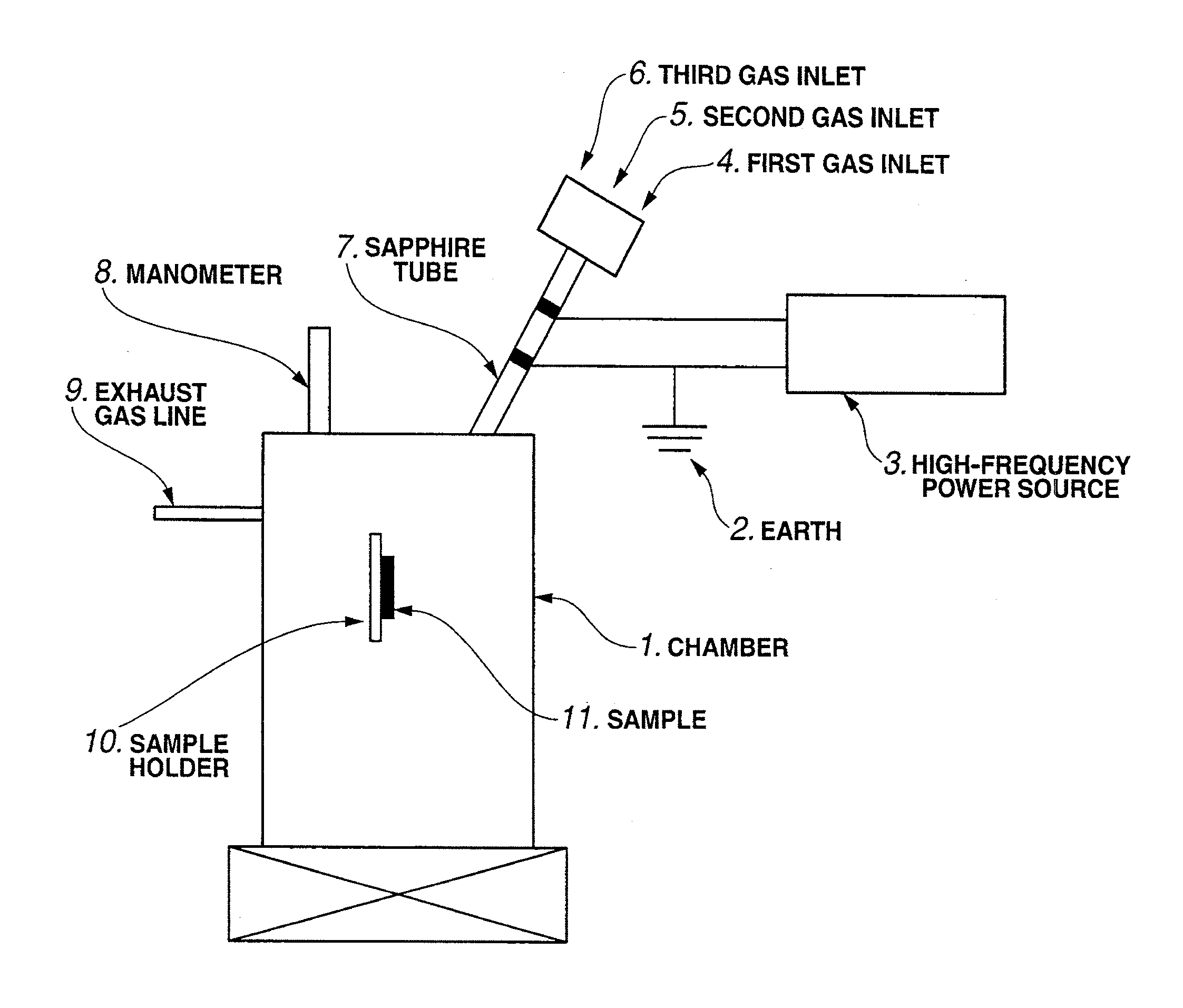
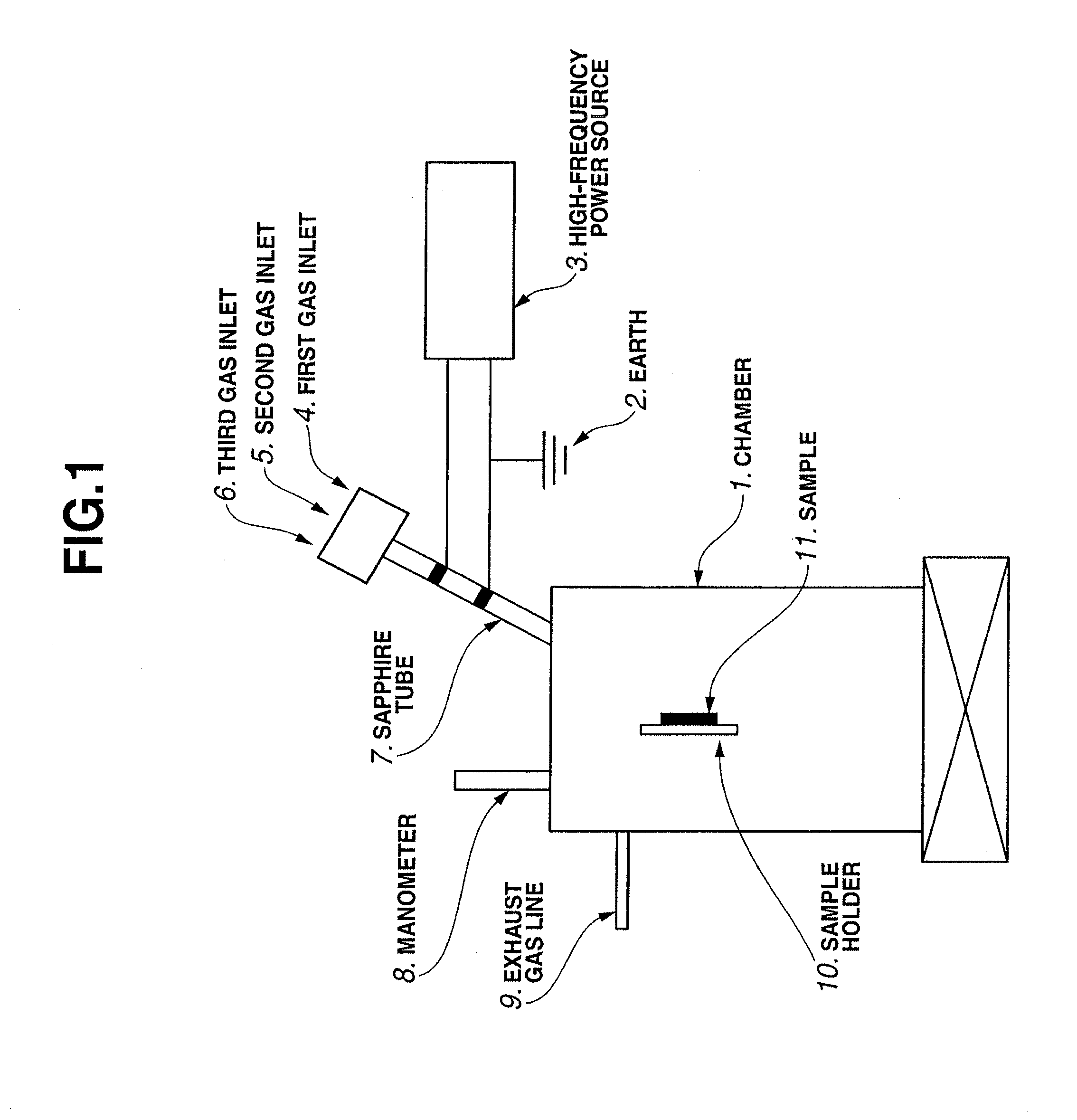
- A dry etching agent comprising a fluorinated propyne (CF3C≡CX) combined with oxygen-containing, halogen, or inert gases, which generates a plasma for selective etching of silicon materials, offering a wide process window and high etching efficiency without requiring special equipment.
Dry Etching Agent and Dry Etching Method Using the Same
PatentActiveUS20120298911A1
Innovation
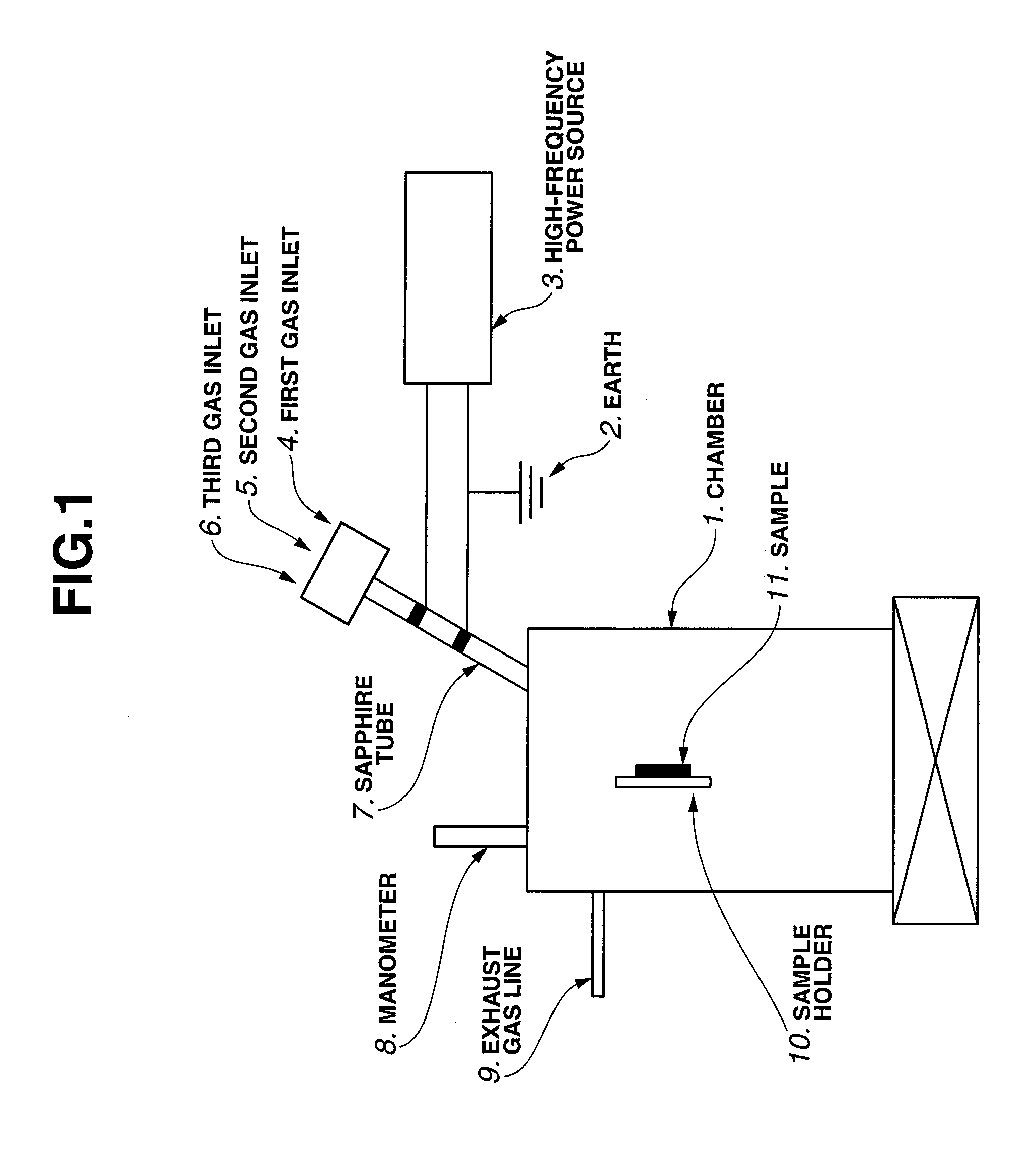
- A dry etching agent comprising a fluorinated propyne (CF3C≡CX) combined with oxygen-containing, halogen, or inert gases, which generates a plasma for selective etching of silicon materials like silicon dioxide and silicon nitride, offering a wide process window and high etching efficiency without requiring special equipment.
Environmental Regulations for Fluorocarbon Emissions
The semiconductor industry faces increasingly stringent environmental regulations governing fluorocarbon emissions, particularly affecting the use of CF4 and CHF3 in dry etching processes. These regulations stem from the high global warming potential (GWP) of fluorocarbons, with CF4 having a GWP of approximately 7,390 and CHF3 registering around 14,800 over a 100-year timeframe. The Kyoto Protocol and subsequent international agreements have classified these compounds as potent greenhouse gases requiring strict emission controls.
Regional regulatory frameworks vary significantly in their approach to fluorocarbon management. The European Union's F-Gas Regulation (EU) 517/2014 imposes phase-down quotas and reporting requirements for high-GWP substances, directly impacting semiconductor manufacturing operations. In the United States, the Environmental Protection Agency enforces reporting under the Greenhouse Gas Reporting Program, mandating detailed tracking of fluorocarbon consumption and emissions from semiconductor facilities.
Asian markets present a complex regulatory landscape, with countries like Japan implementing voluntary reduction programs while South Korea and Taiwan are developing mandatory reporting systems. China's recent inclusion of fluorocarbons in its national carbon trading scheme signals a shift toward more stringent controls, potentially affecting global supply chains and manufacturing costs.
Compliance mechanisms typically involve emission factor calculations, abatement system requirements, and regular auditing procedures. Facilities must demonstrate best available techniques for emission reduction, often requiring investment in thermal or catalytic destruction systems that can achieve 90-99% destruction efficiency. These systems represent significant capital expenditures, with installation costs ranging from $500,000 to $2 million per tool, depending on gas flow rates and destruction technology.
The regulatory trend toward lower emission limits and expanded coverage of fluorocarbon species suggests that future compliance costs will continue escalating. Emerging regulations are beginning to differentiate between various fluorocarbon compounds based on their environmental impact, potentially creating cost advantages for processes utilizing gases with lower GWP values, despite their potentially higher unit costs or reduced process efficiency.
Regional regulatory frameworks vary significantly in their approach to fluorocarbon management. The European Union's F-Gas Regulation (EU) 517/2014 imposes phase-down quotas and reporting requirements for high-GWP substances, directly impacting semiconductor manufacturing operations. In the United States, the Environmental Protection Agency enforces reporting under the Greenhouse Gas Reporting Program, mandating detailed tracking of fluorocarbon consumption and emissions from semiconductor facilities.
Asian markets present a complex regulatory landscape, with countries like Japan implementing voluntary reduction programs while South Korea and Taiwan are developing mandatory reporting systems. China's recent inclusion of fluorocarbons in its national carbon trading scheme signals a shift toward more stringent controls, potentially affecting global supply chains and manufacturing costs.
Compliance mechanisms typically involve emission factor calculations, abatement system requirements, and regular auditing procedures. Facilities must demonstrate best available techniques for emission reduction, often requiring investment in thermal or catalytic destruction systems that can achieve 90-99% destruction efficiency. These systems represent significant capital expenditures, with installation costs ranging from $500,000 to $2 million per tool, depending on gas flow rates and destruction technology.
The regulatory trend toward lower emission limits and expanded coverage of fluorocarbon species suggests that future compliance costs will continue escalating. Emerging regulations are beginning to differentiate between various fluorocarbon compounds based on their environmental impact, potentially creating cost advantages for processes utilizing gases with lower GWP values, despite their potentially higher unit costs or reduced process efficiency.
Economic Analysis of Etching Gas Selection
The economic evaluation of CF4 versus CHF3 for dry etching applications reveals significant cost differentials that directly impact manufacturing profitability. CF4 typically commands a lower unit price compared to CHF3, with market prices showing CF4 at approximately 60-70% of CHF3 costs per unit volume. This price advantage stems from CF4's simpler molecular structure and more established production infrastructure, resulting in economies of scale that benefit end users.
Gas consumption efficiency represents a critical economic factor in etching operations. CHF3 demonstrates superior etching selectivity and faster etch rates for specific materials, particularly in silicon dioxide applications, which can reduce overall process time by 15-25%. This efficiency translates to higher throughput and reduced equipment utilization costs, potentially offsetting the higher gas procurement expenses. Conversely, CF4 requires longer processing times but offers more predictable consumption patterns across diverse substrate materials.
Infrastructure and handling costs present additional economic considerations. CF4 systems typically require less sophisticated gas delivery equipment due to its chemical stability, resulting in lower capital expenditure for gas handling infrastructure. CHF3 demands more stringent storage conditions and specialized delivery systems, increasing initial setup costs by approximately 20-30%. However, CHF3's higher reactivity often enables operation at lower chamber pressures, reducing vacuum system energy consumption.
Waste treatment and environmental compliance costs significantly influence the total cost of ownership. CF4's high global warming potential necessitates expensive abatement systems, with treatment costs ranging from $0.15 to $0.25 per standard cubic foot of gas consumed. CHF3, while also requiring abatement, typically incurs lower treatment costs due to more efficient decomposition in plasma-based abatement systems.
Process yield considerations substantially impact economic outcomes. CHF3's superior selectivity often results in higher device yields, particularly in advanced semiconductor manufacturing where precision etching is critical. Yield improvements of 2-3% can justify the higher gas costs through reduced material waste and increased production output. CF4's broader process window provides more consistent results across varying operating conditions, reducing the risk of batch failures and associated economic losses.
Gas consumption efficiency represents a critical economic factor in etching operations. CHF3 demonstrates superior etching selectivity and faster etch rates for specific materials, particularly in silicon dioxide applications, which can reduce overall process time by 15-25%. This efficiency translates to higher throughput and reduced equipment utilization costs, potentially offsetting the higher gas procurement expenses. Conversely, CF4 requires longer processing times but offers more predictable consumption patterns across diverse substrate materials.
Infrastructure and handling costs present additional economic considerations. CF4 systems typically require less sophisticated gas delivery equipment due to its chemical stability, resulting in lower capital expenditure for gas handling infrastructure. CHF3 demands more stringent storage conditions and specialized delivery systems, increasing initial setup costs by approximately 20-30%. However, CHF3's higher reactivity often enables operation at lower chamber pressures, reducing vacuum system energy consumption.
Waste treatment and environmental compliance costs significantly influence the total cost of ownership. CF4's high global warming potential necessitates expensive abatement systems, with treatment costs ranging from $0.15 to $0.25 per standard cubic foot of gas consumed. CHF3, while also requiring abatement, typically incurs lower treatment costs due to more efficient decomposition in plasma-based abatement systems.
Process yield considerations substantially impact economic outcomes. CHF3's superior selectivity often results in higher device yields, particularly in advanced semiconductor manufacturing where precision etching is critical. Yield improvements of 2-3% can justify the higher gas costs through reduced material waste and increased production output. CF4's broader process window provides more consistent results across varying operating conditions, reducing the risk of batch failures and associated economic losses.
Unlock deeper insights with PatSnap Eureka Quick Research — get a full tech report to explore trends and direct your research. Try now!
Generate Your Research Report Instantly with AI Agent
Supercharge your innovation with PatSnap Eureka AI Agent Platform!