

Comparing Efficiency of Different Pump Technologies
FEB 28, 20269 MIN READ
Generate Your Research Report Instantly with AI Agent
PatSnap Eureka helps you evaluate technical feasibility & market potential.
Pump Technology Background and Efficiency Goals
Pump technology has undergone significant evolution since the early industrial revolution, transforming from simple mechanical devices to sophisticated systems that serve critical roles across numerous industries. The fundamental principle of fluid movement through mechanical energy conversion remains constant, yet the methods and efficiency levels have dramatically improved through technological advancement and engineering innovation.
The historical development of pump technologies can be traced through several distinct phases. Early centrifugal pumps emerged in the late 18th century, followed by the refinement of positive displacement pumps in the 19th century. The 20th century witnessed the introduction of specialized pump designs including axial flow pumps, mixed flow configurations, and advanced materials that enhanced durability and performance characteristics.
Contemporary pump applications span diverse sectors including water treatment facilities, chemical processing plants, oil and gas operations, power generation systems, and building services. Each application domain presents unique operational requirements that drive specific efficiency optimization needs. Industrial processes increasingly demand higher energy efficiency due to rising operational costs and environmental regulations.
Current efficiency goals in pump technology center on achieving maximum hydraulic efficiency while minimizing energy consumption and maintenance requirements. Modern pump systems target hydraulic efficiencies exceeding 85% for large-scale installations, with some specialized applications reaching 90% or higher. These targets represent significant improvements over legacy systems that typically operated at 60-75% efficiency levels.
Energy efficiency optimization has become paramount due to pumps consuming approximately 20% of global electrical energy. This substantial energy footprint drives continuous innovation in impeller design, motor integration, variable frequency drive implementation, and system-level optimization strategies. Advanced computational fluid dynamics modeling enables precise efficiency predictions and design refinements.
The integration of smart technologies and IoT capabilities represents the latest evolution in pump efficiency goals. Real-time monitoring systems enable predictive maintenance, optimal operating point maintenance, and system-wide efficiency optimization. These technological advances support the broader objective of creating sustainable, energy-efficient fluid handling solutions that meet increasingly stringent environmental and economic performance standards.
The historical development of pump technologies can be traced through several distinct phases. Early centrifugal pumps emerged in the late 18th century, followed by the refinement of positive displacement pumps in the 19th century. The 20th century witnessed the introduction of specialized pump designs including axial flow pumps, mixed flow configurations, and advanced materials that enhanced durability and performance characteristics.
Contemporary pump applications span diverse sectors including water treatment facilities, chemical processing plants, oil and gas operations, power generation systems, and building services. Each application domain presents unique operational requirements that drive specific efficiency optimization needs. Industrial processes increasingly demand higher energy efficiency due to rising operational costs and environmental regulations.
Current efficiency goals in pump technology center on achieving maximum hydraulic efficiency while minimizing energy consumption and maintenance requirements. Modern pump systems target hydraulic efficiencies exceeding 85% for large-scale installations, with some specialized applications reaching 90% or higher. These targets represent significant improvements over legacy systems that typically operated at 60-75% efficiency levels.
Energy efficiency optimization has become paramount due to pumps consuming approximately 20% of global electrical energy. This substantial energy footprint drives continuous innovation in impeller design, motor integration, variable frequency drive implementation, and system-level optimization strategies. Advanced computational fluid dynamics modeling enables precise efficiency predictions and design refinements.
The integration of smart technologies and IoT capabilities represents the latest evolution in pump efficiency goals. Real-time monitoring systems enable predictive maintenance, optimal operating point maintenance, and system-wide efficiency optimization. These technological advances support the broader objective of creating sustainable, energy-efficient fluid handling solutions that meet increasingly stringent environmental and economic performance standards.
Market Demand for High-Efficiency Pump Solutions
The global pump market is experiencing unprecedented growth driven by increasing industrialization, urbanization, and stringent energy efficiency regulations across multiple sectors. Industrial facilities worldwide are under mounting pressure to reduce operational costs and meet environmental compliance standards, creating substantial demand for high-efficiency pump solutions that can deliver superior performance while minimizing energy consumption.
Water and wastewater treatment facilities represent one of the largest market segments demanding efficient pump technologies. Municipal water systems require reliable, energy-efficient pumps to handle increasing water demand from growing urban populations while managing operational budgets constrained by public funding limitations. The need for pumps that can maintain consistent performance across varying load conditions has become critical for these applications.
The oil and gas industry continues to drive significant demand for high-efficiency pumps, particularly in upstream extraction and downstream refining operations. Enhanced oil recovery techniques and the processing of heavier crude oils require pumps capable of handling challenging fluid properties while maintaining optimal efficiency. Offshore drilling operations especially value pump technologies that combine high efficiency with exceptional reliability to minimize maintenance interventions in remote locations.
Chemical processing industries are increasingly adopting advanced pump technologies to handle corrosive and abrasive fluids while maintaining energy efficiency. The pharmaceutical and specialty chemicals sectors demand pumps that meet strict hygiene standards while delivering precise flow control and minimal energy waste. These applications often require custom solutions that balance efficiency with specialized material requirements.
Building services and HVAC applications represent a rapidly expanding market segment for efficient pump solutions. Commercial buildings and residential complexes are implementing smart building technologies that require pumps capable of variable speed operation and integration with automated control systems. Energy-efficient circulation pumps for heating and cooling systems have become essential components in achieving green building certifications.
The agricultural sector is driving demand for efficient irrigation pumps as water scarcity concerns intensify globally. Farmers require pump systems that maximize water utilization efficiency while minimizing operational costs. Solar-powered pump solutions are gaining particular traction in remote agricultural areas where grid electricity access remains limited.
Mining operations worldwide are seeking pump technologies that can handle abrasive slurries and maintain high efficiency under demanding conditions. The trend toward deeper mining operations and processing of lower-grade ores requires pumps that can sustain performance while managing increased operational challenges.
Emerging markets in Asia-Pacific and Latin America are experiencing rapid industrial development, creating substantial opportunities for high-efficiency pump manufacturers. These regions are implementing modern infrastructure projects that prioritize energy efficiency from the initial design phase, driving demand for advanced pump technologies that can deliver long-term operational benefits.
Water and wastewater treatment facilities represent one of the largest market segments demanding efficient pump technologies. Municipal water systems require reliable, energy-efficient pumps to handle increasing water demand from growing urban populations while managing operational budgets constrained by public funding limitations. The need for pumps that can maintain consistent performance across varying load conditions has become critical for these applications.
The oil and gas industry continues to drive significant demand for high-efficiency pumps, particularly in upstream extraction and downstream refining operations. Enhanced oil recovery techniques and the processing of heavier crude oils require pumps capable of handling challenging fluid properties while maintaining optimal efficiency. Offshore drilling operations especially value pump technologies that combine high efficiency with exceptional reliability to minimize maintenance interventions in remote locations.
Chemical processing industries are increasingly adopting advanced pump technologies to handle corrosive and abrasive fluids while maintaining energy efficiency. The pharmaceutical and specialty chemicals sectors demand pumps that meet strict hygiene standards while delivering precise flow control and minimal energy waste. These applications often require custom solutions that balance efficiency with specialized material requirements.
Building services and HVAC applications represent a rapidly expanding market segment for efficient pump solutions. Commercial buildings and residential complexes are implementing smart building technologies that require pumps capable of variable speed operation and integration with automated control systems. Energy-efficient circulation pumps for heating and cooling systems have become essential components in achieving green building certifications.
The agricultural sector is driving demand for efficient irrigation pumps as water scarcity concerns intensify globally. Farmers require pump systems that maximize water utilization efficiency while minimizing operational costs. Solar-powered pump solutions are gaining particular traction in remote agricultural areas where grid electricity access remains limited.
Mining operations worldwide are seeking pump technologies that can handle abrasive slurries and maintain high efficiency under demanding conditions. The trend toward deeper mining operations and processing of lower-grade ores requires pumps that can sustain performance while managing increased operational challenges.
Emerging markets in Asia-Pacific and Latin America are experiencing rapid industrial development, creating substantial opportunities for high-efficiency pump manufacturers. These regions are implementing modern infrastructure projects that prioritize energy efficiency from the initial design phase, driving demand for advanced pump technologies that can deliver long-term operational benefits.
Current State and Challenges in Pump Efficiency
The global pump industry currently faces significant efficiency challenges across multiple technology platforms, with traditional centrifugal pumps dominating approximately 80% of industrial applications despite achieving only 35-65% operational efficiency in typical installations. This widespread adoption stems from their mechanical simplicity and lower initial costs, yet creates substantial energy waste equivalent to 2-4% of global electricity consumption.
Centrifugal pump efficiency varies dramatically based on operating conditions, with peak performance occurring within narrow flow rate ranges. When operating outside optimal parameters, efficiency drops precipitously, often falling below 40% in real-world applications. Variable speed drives have emerged as partial solutions, improving efficiency by 15-25% through better flow control, but implementation costs and complexity remain barriers for widespread adoption.
Positive displacement pumps demonstrate superior efficiency characteristics, particularly in low-flow, high-pressure applications, achieving 85-95% volumetric efficiency. However, their mechanical complexity, higher maintenance requirements, and limited flow rate capabilities restrict their deployment to specialized applications. Progressive cavity pumps excel in handling viscous fluids but suffer from wear-related efficiency degradation over operational lifecycles.
Emerging magnetic drive and canned motor pump technologies address efficiency losses associated with mechanical seals, eliminating leakage-related inefficiencies entirely. These technologies achieve 5-10% efficiency improvements over conventional designs but face adoption challenges due to 40-60% higher capital costs and limited power ratings currently available in commercial markets.
The industry confronts fundamental challenges in efficiency optimization, including the mismatch between pump selection criteria and actual operating conditions. System designers frequently oversize pumps by 20-40% as safety margins, resulting in chronic off-design operation and reduced efficiency. Additionally, aging infrastructure contributes to efficiency degradation, with pumps older than 15 years typically operating 10-20% below original specifications due to wear and outdated control systems.
Regulatory pressures are intensifying efficiency requirements, with new international standards mandating minimum efficiency indexes for industrial pumps. The European Union's ErP Directive and similar regulations in North America are driving technological advancement but creating compliance challenges for manufacturers serving diverse global markets with varying efficiency standards and testing protocols.
Centrifugal pump efficiency varies dramatically based on operating conditions, with peak performance occurring within narrow flow rate ranges. When operating outside optimal parameters, efficiency drops precipitously, often falling below 40% in real-world applications. Variable speed drives have emerged as partial solutions, improving efficiency by 15-25% through better flow control, but implementation costs and complexity remain barriers for widespread adoption.
Positive displacement pumps demonstrate superior efficiency characteristics, particularly in low-flow, high-pressure applications, achieving 85-95% volumetric efficiency. However, their mechanical complexity, higher maintenance requirements, and limited flow rate capabilities restrict their deployment to specialized applications. Progressive cavity pumps excel in handling viscous fluids but suffer from wear-related efficiency degradation over operational lifecycles.
Emerging magnetic drive and canned motor pump technologies address efficiency losses associated with mechanical seals, eliminating leakage-related inefficiencies entirely. These technologies achieve 5-10% efficiency improvements over conventional designs but face adoption challenges due to 40-60% higher capital costs and limited power ratings currently available in commercial markets.
The industry confronts fundamental challenges in efficiency optimization, including the mismatch between pump selection criteria and actual operating conditions. System designers frequently oversize pumps by 20-40% as safety margins, resulting in chronic off-design operation and reduced efficiency. Additionally, aging infrastructure contributes to efficiency degradation, with pumps older than 15 years typically operating 10-20% below original specifications due to wear and outdated control systems.
Regulatory pressures are intensifying efficiency requirements, with new international standards mandating minimum efficiency indexes for industrial pumps. The European Union's ErP Directive and similar regulations in North America are driving technological advancement but creating compliance challenges for manufacturers serving diverse global markets with varying efficiency standards and testing protocols.
Existing Pump Efficiency Enhancement Solutions
01 Variable speed drive systems for pump efficiency optimization
Implementation of variable speed drive technology allows pumps to operate at optimal speeds based on demand, significantly reducing energy consumption. These systems utilize frequency converters and control algorithms to adjust motor speed dynamically, matching pump output to actual system requirements. This approach eliminates energy waste from throttling valves and improves overall system efficiency across varying load conditions.- Variable speed drive systems for pump efficiency optimization: Implementation of variable speed drive technology allows pumps to operate at optimal speeds based on demand, significantly reducing energy consumption. These systems utilize frequency converters and control algorithms to adjust motor speed dynamically, matching pump output to actual system requirements. This approach eliminates energy waste from throttling valves and improves overall system efficiency across varying load conditions.
- Advanced impeller design and hydraulic optimization: Optimized impeller geometries and hydraulic designs enhance pump efficiency by reducing internal losses and improving fluid flow characteristics. These designs incorporate computational fluid dynamics analysis to minimize turbulence, cavitation, and recirculation zones. Advanced blade profiles and flow channel configurations maximize energy transfer from the impeller to the fluid, resulting in higher hydraulic efficiency and reduced power consumption.
- Intelligent monitoring and predictive maintenance systems: Integration of sensors and monitoring systems enables real-time performance tracking and predictive maintenance capabilities. These systems collect operational data including flow rates, pressures, temperatures, and vibration patterns to identify efficiency degradation and potential failures before they occur. Advanced analytics and machine learning algorithms optimize maintenance schedules and operating parameters, ensuring pumps maintain peak efficiency throughout their lifecycle.
- Multi-stage and series pump configurations: Multi-stage pump designs and series configurations improve efficiency for high-pressure applications by distributing the total head across multiple impellers. This arrangement reduces the load on individual stages, minimizing mechanical stress and hydraulic losses. The staged approach allows for better matching of pump characteristics to system requirements, particularly in applications requiring high discharge pressures or variable operating conditions.
- Energy recovery and regenerative systems: Energy recovery mechanisms capture and reuse energy that would otherwise be lost during pump operation. These systems include regenerative turbines, pressure exchange devices, and kinetic energy recovery systems that convert excess pressure or flow energy back into usable power. Implementation of such technologies significantly reduces net energy consumption, particularly in applications with high-pressure differentials or cyclic operating patterns.
02 Advanced impeller design and hydraulic optimization
Optimized impeller geometries and hydraulic designs enhance pump efficiency by reducing internal losses and improving fluid flow characteristics. These designs incorporate computational fluid dynamics analysis to minimize turbulence, cavitation, and recirculation zones. Advanced blade profiles and flow channel configurations maximize energy transfer from the impeller to the fluid, resulting in higher hydraulic efficiency and reduced power consumption.Expand Specific Solutions03 Intelligent monitoring and predictive maintenance systems
Integration of sensors and monitoring systems enables real-time performance tracking and predictive maintenance capabilities. These systems collect operational data including flow rates, pressures, temperatures, and vibration patterns to identify efficiency degradation and potential failures before they occur. Advanced analytics and machine learning algorithms optimize maintenance schedules and operating parameters to maintain peak efficiency throughout the pump lifecycle.Expand Specific Solutions04 Multi-stage and series pump configurations
Multi-stage pump designs and series configurations improve efficiency for high-pressure applications by distributing the pressure increase across multiple impellers. This arrangement reduces the load on individual stages, minimizing mechanical stress and hydraulic losses. The staged approach allows for better matching of pump characteristics to system requirements, optimizing efficiency across a broader operating range compared to single-stage designs.Expand Specific Solutions05 Energy recovery and regenerative systems
Energy recovery mechanisms capture and reuse energy that would otherwise be lost during pump operation, particularly in systems with varying pressure requirements. These technologies include regenerative turbines, pressure exchangers, and energy recovery devices that convert excess pressure or kinetic energy back into usable power. Implementation of such systems can significantly reduce net energy consumption and improve overall system efficiency in applications with high-pressure differentials or cyclic operations.Expand Specific Solutions
Key Players in Pump Manufacturing Industry
The pump technology sector represents a mature, fragmented market experiencing steady growth driven by industrial automation and energy efficiency demands. The industry spans multiple development stages, from established mechanical pump technologies to emerging smart pump systems with IoT integration. Market size exceeds $50 billion globally, with significant opportunities in water management, oil & gas, and industrial applications. Technology maturity varies considerably across segments. Traditional manufacturers like Grundfos, KSB, and WILO demonstrate advanced mechanical pump technologies, while companies such as ABB and Rockwell Automation lead in smart pump controls and automation. Energy sector players including Halliburton, Schlumberger, and Saudi Aramco drive specialized pump innovations for harsh environments. Academic institutions like Yangzhou University and Jiangsu University contribute to fundamental research, while technology companies like Toshiba and Bosch integrate advanced materials and digital solutions, creating a competitive landscape where efficiency improvements increasingly depend on digitalization and intelligent control systems.
Grundfos Holding A/S
Technical Solution: Grundfos has developed advanced variable frequency drive (VFD) technology integrated with intelligent pump systems that automatically adjust motor speed based on real-time demand, achieving energy savings of up to 50% compared to traditional fixed-speed pumps[1]. Their iSOLUTIONS platform combines IoT sensors, cloud connectivity, and machine learning algorithms to optimize pump performance through predictive maintenance and real-time efficiency monitoring[3]. The company's IE5 synchronous reluctance motors deliver efficiency ratings exceeding 96%, while their multi-stage centrifugal pumps incorporate hydraulic optimization techniques that reduce energy consumption by 15-25% through improved impeller design and reduced internal losses[7].
Strengths: Market leader in energy-efficient pump solutions with proven 50% energy savings and comprehensive IoT integration. Weaknesses: Higher initial investment costs and complex system integration requirements.
ABB Ltd.
Technical Solution: ABB's pump efficiency solutions center on their advanced variable speed drives (VSDs) and high-efficiency motors that can reduce energy consumption by 20-50% in pump applications[2]. Their ACH580 pump-specific drives feature built-in pump control algorithms, dry-run protection, and energy optimization functions that automatically adjust pump operation to match system demand[5]. The company's synchronous reluctance motors achieve IE4 and IE5 efficiency classes, delivering up to 40% lower losses compared to standard induction motors[9]. ABB's digital solutions include condition monitoring systems that use vibration analysis and thermal imaging to predict maintenance needs and optimize pump performance throughout the operational lifecycle[12].
Strengths: Comprehensive motor and drive technology with proven 20-50% energy reduction and advanced digital monitoring capabilities. Weaknesses: Requires specialized technical expertise for optimal implementation and higher maintenance complexity.
Core Technologies in Advanced Pump Design
Pump efficiency determining system and related method for determining pump efficiency
PatentInactiveAU2013214692B2
Innovation
- A system comprising sensors and a processing unit that measures real-time parameters like flow rate, pressure, and power usage, comparing them to stored thresholds to calculate pump efficiency and alert operators to inefficiencies, which can be integrated with existing SCADA systems for proactive maintenance.


Method and apparatus for predicting maintenance needs of a pump based at least partly on pump performance analysis
PatentInactiveUS20120141301A1
Innovation
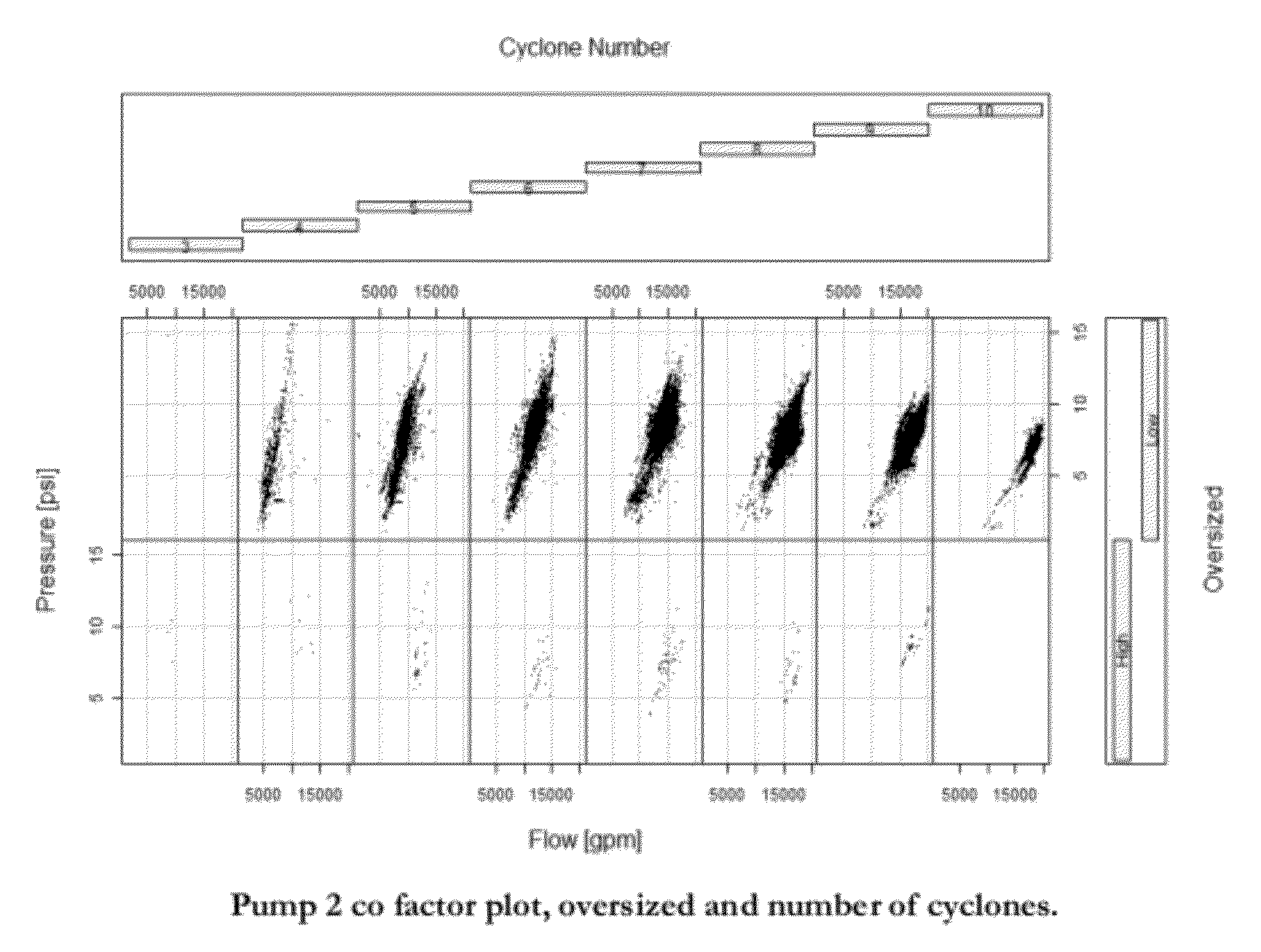
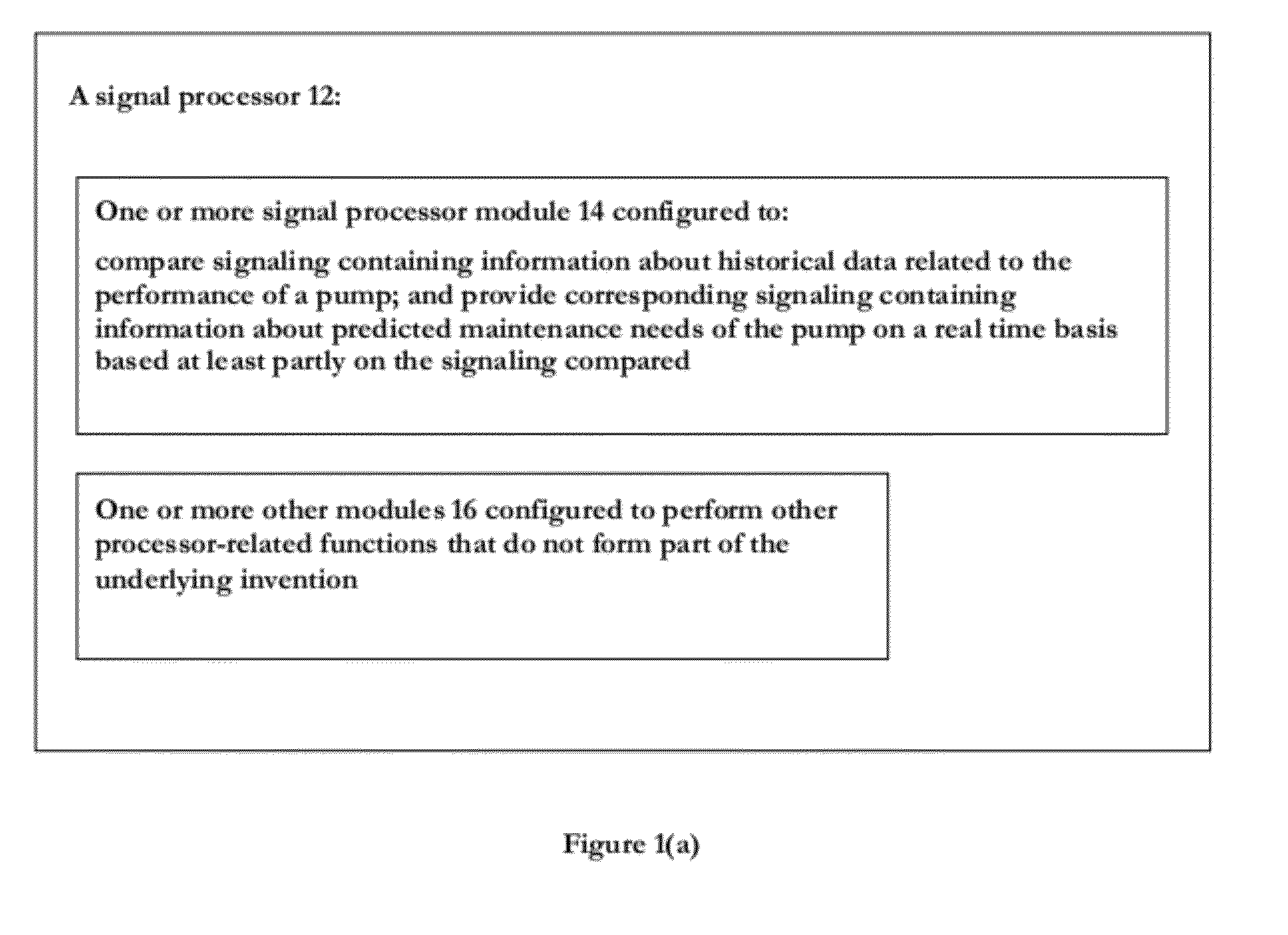
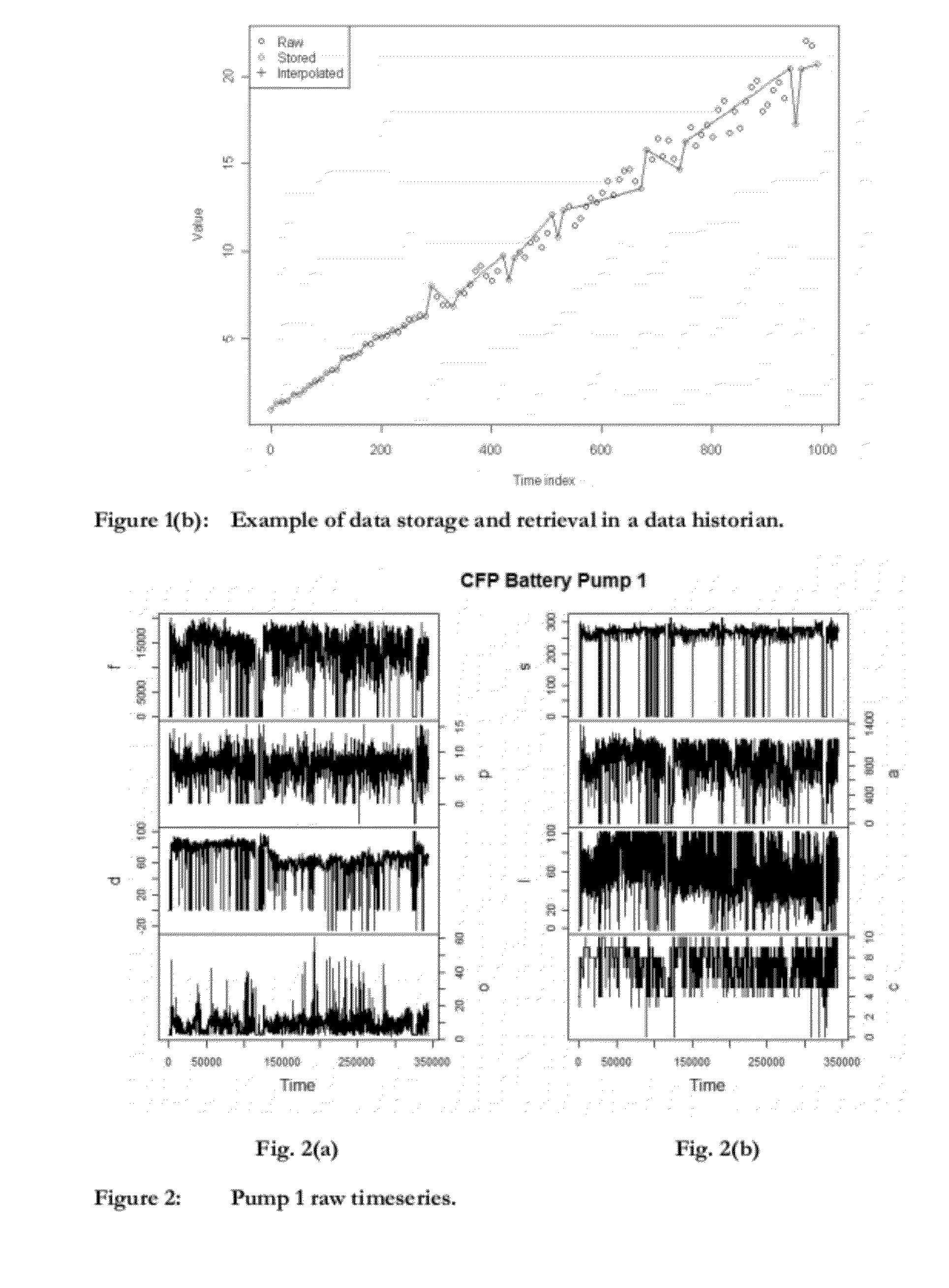
- A system using signal processor modules to track and analyze historical data on pump performance, comparing hydraulic and electric power to predict maintenance needs and adjust maintenance intervals based on wear rates, incorporating algorithms to minimize total cost of ownership by dynamically adjusting clearances and replacing worn parts.

Energy Efficiency Standards and Regulations
Energy efficiency standards and regulations for pump technologies have evolved significantly over the past two decades, driven by global climate commitments and rising energy costs. The European Union's ErP Directive 2009/125/EC established minimum efficiency requirements for water pumps, mandating compliance with specific Minimum Efficiency Index (MEI) values. Similarly, the United States Department of Energy implemented pump efficiency standards under the Energy Policy and Conservation Act, requiring manufacturers to meet prescribed energy conservation standards for commercial and industrial pumps.
International standards organizations have developed comprehensive frameworks for pump efficiency measurement and classification. The ISO 9906 standard provides guidelines for hydraulic performance acceptance tests, while IEC 60034-30-1 establishes efficiency classes for electric motors driving pump systems. These standards ensure consistent testing methodologies across different pump technologies, enabling fair comparison between centrifugal, positive displacement, and specialized pump designs.
Regulatory compliance varies significantly across pump categories and applications. Centrifugal pumps face stringent efficiency requirements under most jurisdictions, with minimum MEI values ranging from 0.1 to 0.7 depending on specific speed and flow characteristics. Positive displacement pumps, particularly those used in specialized industrial applications, often benefit from exemptions or alternative compliance pathways due to their unique operational profiles and efficiency calculation complexities.
Recent regulatory developments emphasize system-level efficiency rather than component-level performance. The European Commission's revised ErP regulations now consider variable frequency drives, motor efficiency classes, and control system integration when assessing overall pump system performance. This holistic approach recognizes that pump efficiency optimization requires consideration of the entire pumping system rather than individual components.
Emerging regulations increasingly focus on lifecycle energy consumption and carbon footprint assessments. Several jurisdictions are developing extended producer responsibility frameworks that require manufacturers to demonstrate long-term efficiency performance and provide energy consumption data throughout the product lifecycle. These evolving standards will significantly influence future pump technology development priorities and market competitiveness across different pump categories.
International standards organizations have developed comprehensive frameworks for pump efficiency measurement and classification. The ISO 9906 standard provides guidelines for hydraulic performance acceptance tests, while IEC 60034-30-1 establishes efficiency classes for electric motors driving pump systems. These standards ensure consistent testing methodologies across different pump technologies, enabling fair comparison between centrifugal, positive displacement, and specialized pump designs.
Regulatory compliance varies significantly across pump categories and applications. Centrifugal pumps face stringent efficiency requirements under most jurisdictions, with minimum MEI values ranging from 0.1 to 0.7 depending on specific speed and flow characteristics. Positive displacement pumps, particularly those used in specialized industrial applications, often benefit from exemptions or alternative compliance pathways due to their unique operational profiles and efficiency calculation complexities.
Recent regulatory developments emphasize system-level efficiency rather than component-level performance. The European Commission's revised ErP regulations now consider variable frequency drives, motor efficiency classes, and control system integration when assessing overall pump system performance. This holistic approach recognizes that pump efficiency optimization requires consideration of the entire pumping system rather than individual components.
Emerging regulations increasingly focus on lifecycle energy consumption and carbon footprint assessments. Several jurisdictions are developing extended producer responsibility frameworks that require manufacturers to demonstrate long-term efficiency performance and provide energy consumption data throughout the product lifecycle. These evolving standards will significantly influence future pump technology development priorities and market competitiveness across different pump categories.
Environmental Impact Assessment of Pump Technologies
The environmental impact of pump technologies has become increasingly critical as industries worldwide face mounting pressure to reduce their carbon footprint and comply with stringent environmental regulations. Different pump technologies exhibit varying degrees of environmental impact throughout their lifecycle, from manufacturing and operation to disposal and recycling.
Centrifugal pumps, while widely adopted for their simplicity and cost-effectiveness, present significant environmental challenges primarily through their energy consumption patterns. These pumps typically operate at fixed speeds, leading to substantial energy waste when flow requirements vary. The environmental burden is further amplified by their reliance on throttling valves for flow control, which converts excess energy into heat rather than useful work.
Positive displacement pumps demonstrate superior environmental performance in specific applications due to their consistent volumetric efficiency across varying pressure conditions. However, their manufacturing process often requires more complex materials and precision components, resulting in higher embodied carbon during production. The trade-off between operational efficiency and manufacturing impact varies significantly based on application duration and operating conditions.
Variable frequency drive systems integrated with pump technologies represent a substantial advancement in environmental impact reduction. These systems can reduce energy consumption by up to 50% in variable flow applications, directly translating to lower greenhouse gas emissions from power generation. The environmental benefits compound over the pump's operational lifetime, often offsetting the additional manufacturing impact within the first year of operation.
Magnetic drive and canned motor pumps eliminate the need for mechanical seals, preventing fluid leakage and reducing environmental contamination risks. While these technologies require rare earth materials for magnetic components, their leak-proof design significantly reduces the potential for hazardous material release into the environment.
The lifecycle assessment of pump technologies reveals that operational energy consumption typically accounts for 85-90% of total environmental impact. This emphasizes the critical importance of efficiency optimization over manufacturing considerations for long-term environmental sustainability in pump technology selection.
Centrifugal pumps, while widely adopted for their simplicity and cost-effectiveness, present significant environmental challenges primarily through their energy consumption patterns. These pumps typically operate at fixed speeds, leading to substantial energy waste when flow requirements vary. The environmental burden is further amplified by their reliance on throttling valves for flow control, which converts excess energy into heat rather than useful work.
Positive displacement pumps demonstrate superior environmental performance in specific applications due to their consistent volumetric efficiency across varying pressure conditions. However, their manufacturing process often requires more complex materials and precision components, resulting in higher embodied carbon during production. The trade-off between operational efficiency and manufacturing impact varies significantly based on application duration and operating conditions.
Variable frequency drive systems integrated with pump technologies represent a substantial advancement in environmental impact reduction. These systems can reduce energy consumption by up to 50% in variable flow applications, directly translating to lower greenhouse gas emissions from power generation. The environmental benefits compound over the pump's operational lifetime, often offsetting the additional manufacturing impact within the first year of operation.
Magnetic drive and canned motor pumps eliminate the need for mechanical seals, preventing fluid leakage and reducing environmental contamination risks. While these technologies require rare earth materials for magnetic components, their leak-proof design significantly reduces the potential for hazardous material release into the environment.
The lifecycle assessment of pump technologies reveals that operational energy consumption typically accounts for 85-90% of total environmental impact. This emphasizes the critical importance of efficiency optimization over manufacturing considerations for long-term environmental sustainability in pump technology selection.
Unlock deeper insights with PatSnap Eureka Quick Research — get a full tech report to explore trends and direct your research. Try now!
Generate Your Research Report Instantly with AI Agent
Supercharge your innovation with PatSnap Eureka AI Agent Platform!