Evaluating Drainage System Impact on Urban Ecosystems
FEB 28, 20269 MIN READ
Generate Your Research Report Instantly with AI Agent
PatSnap Eureka helps you evaluate technical feasibility & market potential.
Urban Drainage Evolution and Ecosystem Goals
Urban drainage systems have undergone significant transformation since the industrial revolution, evolving from simple surface water management to complex integrated infrastructure networks. Early drainage approaches in the 19th century focused primarily on rapid stormwater removal through combined sewer systems, with little consideration for ecological impacts. The primary objective was public health protection and flood prevention, often at the expense of natural water cycles and urban biodiversity.
The mid-20th century marked a paradigm shift toward separated sewer systems, recognizing the environmental consequences of combined system overflows. This period introduced the concept of stormwater quality management, though ecosystem preservation remained a secondary consideration. Engineering solutions emphasized efficiency and cost-effectiveness rather than ecological compatibility.
Contemporary urban drainage has embraced sustainable stormwater management principles, integrating green infrastructure and low-impact development strategies. Modern systems incorporate bioretention areas, permeable pavements, and constructed wetlands that mimic natural hydrological processes while providing essential drainage functions.
Current ecosystem-focused goals center on restoring natural water cycles within urban environments. These objectives include maintaining pre-development hydrology, protecting water quality through natural filtration processes, and creating habitat corridors that support urban biodiversity. The integration of blue-green infrastructure aims to enhance ecosystem services while meeting traditional drainage requirements.
Climate resilience has emerged as a critical objective, with drainage systems designed to adapt to changing precipitation patterns and extreme weather events. This approach recognizes the interconnectedness of urban water management and ecosystem health, promoting solutions that provide multiple environmental benefits.
Future drainage evolution targets net-positive ecological outcomes, where urban water infrastructure actively enhances rather than merely preserves ecosystem functions. This vision encompasses carbon sequestration, air quality improvement, urban heat island mitigation, and biodiversity enhancement through strategically designed drainage networks that function as ecological corridors within urban landscapes.
The mid-20th century marked a paradigm shift toward separated sewer systems, recognizing the environmental consequences of combined system overflows. This period introduced the concept of stormwater quality management, though ecosystem preservation remained a secondary consideration. Engineering solutions emphasized efficiency and cost-effectiveness rather than ecological compatibility.
Contemporary urban drainage has embraced sustainable stormwater management principles, integrating green infrastructure and low-impact development strategies. Modern systems incorporate bioretention areas, permeable pavements, and constructed wetlands that mimic natural hydrological processes while providing essential drainage functions.
Current ecosystem-focused goals center on restoring natural water cycles within urban environments. These objectives include maintaining pre-development hydrology, protecting water quality through natural filtration processes, and creating habitat corridors that support urban biodiversity. The integration of blue-green infrastructure aims to enhance ecosystem services while meeting traditional drainage requirements.
Climate resilience has emerged as a critical objective, with drainage systems designed to adapt to changing precipitation patterns and extreme weather events. This approach recognizes the interconnectedness of urban water management and ecosystem health, promoting solutions that provide multiple environmental benefits.
Future drainage evolution targets net-positive ecological outcomes, where urban water infrastructure actively enhances rather than merely preserves ecosystem functions. This vision encompasses carbon sequestration, air quality improvement, urban heat island mitigation, and biodiversity enhancement through strategically designed drainage networks that function as ecological corridors within urban landscapes.
Market Demand for Sustainable Urban Water Management
The global urban water management market has experienced unprecedented growth driven by increasing urbanization, climate change impacts, and heightened environmental awareness. Cities worldwide face mounting pressure to implement sustainable drainage systems that protect urban ecosystems while managing stormwater effectively. This demand stems from the recognition that traditional drainage infrastructure often disrupts natural water cycles and degrades urban environmental quality.
Municipal governments represent the primary demand drivers, seeking integrated solutions that address multiple challenges simultaneously. These stakeholders require drainage systems that not only prevent flooding but also enhance biodiversity, improve air quality, and create recreational spaces for residents. The growing emphasis on green infrastructure reflects a shift from purely functional approaches to holistic ecosystem-based solutions.
Private sector demand has surged as corporations embrace environmental, social, and governance principles. Real estate developers increasingly incorporate sustainable water management features to meet certification requirements and attract environmentally conscious consumers. Industrial facilities face regulatory pressure to minimize their hydrological footprint, creating substantial market opportunities for innovative drainage technologies.
Regulatory frameworks worldwide are evolving to mandate sustainable water management practices. The European Union's Water Framework Directive and similar legislation in other regions establish stringent requirements for urban water systems. These regulations create consistent demand for technologies that can demonstrate measurable ecosystem benefits while maintaining operational efficiency.
The market exhibits strong regional variations in demand patterns. Developed economies focus on retrofitting existing infrastructure with sustainable alternatives, while emerging markets prioritize integrated planning for new urban developments. Coastal cities show particularly high demand due to sea-level rise concerns and increased storm intensity.
Technology integration represents a growing market segment, with stakeholders demanding smart monitoring systems that provide real-time ecosystem impact assessments. The convergence of Internet of Things sensors, artificial intelligence, and ecological modeling creates opportunities for comprehensive drainage system evaluation platforms.
Financial mechanisms supporting sustainable infrastructure development have expanded significantly. Green bonds, environmental impact investments, and government incentive programs provide funding streams that specifically target ecosystem-friendly drainage solutions. This financial support structure reinforces market demand by reducing implementation barriers for municipalities and private developers seeking to adopt advanced water management technologies.
Municipal governments represent the primary demand drivers, seeking integrated solutions that address multiple challenges simultaneously. These stakeholders require drainage systems that not only prevent flooding but also enhance biodiversity, improve air quality, and create recreational spaces for residents. The growing emphasis on green infrastructure reflects a shift from purely functional approaches to holistic ecosystem-based solutions.
Private sector demand has surged as corporations embrace environmental, social, and governance principles. Real estate developers increasingly incorporate sustainable water management features to meet certification requirements and attract environmentally conscious consumers. Industrial facilities face regulatory pressure to minimize their hydrological footprint, creating substantial market opportunities for innovative drainage technologies.
Regulatory frameworks worldwide are evolving to mandate sustainable water management practices. The European Union's Water Framework Directive and similar legislation in other regions establish stringent requirements for urban water systems. These regulations create consistent demand for technologies that can demonstrate measurable ecosystem benefits while maintaining operational efficiency.
The market exhibits strong regional variations in demand patterns. Developed economies focus on retrofitting existing infrastructure with sustainable alternatives, while emerging markets prioritize integrated planning for new urban developments. Coastal cities show particularly high demand due to sea-level rise concerns and increased storm intensity.
Technology integration represents a growing market segment, with stakeholders demanding smart monitoring systems that provide real-time ecosystem impact assessments. The convergence of Internet of Things sensors, artificial intelligence, and ecological modeling creates opportunities for comprehensive drainage system evaluation platforms.
Financial mechanisms supporting sustainable infrastructure development have expanded significantly. Green bonds, environmental impact investments, and government incentive programs provide funding streams that specifically target ecosystem-friendly drainage solutions. This financial support structure reinforces market demand by reducing implementation barriers for municipalities and private developers seeking to adopt advanced water management technologies.
Current Drainage Challenges and Ecosystem Impacts
Urban drainage systems worldwide face unprecedented challenges as cities expand and climate patterns intensify. Traditional infrastructure, designed decades ago for smaller populations and predictable weather, now struggles with increased stormwater volumes and pollutant loads. Aging concrete pipes and centralized collection systems frequently exceed capacity during extreme precipitation events, leading to widespread flooding and system failures that cascade through urban environments.
The inadequacy of conventional drainage approaches becomes particularly evident during peak flow periods. Combined sewer systems, prevalent in older metropolitan areas, regularly discharge untreated wastewater directly into receiving water bodies when overwhelmed. This overflow introduces harmful bacteria, heavy metals, pharmaceuticals, and organic pollutants into aquatic ecosystems, disrupting natural biological processes and threatening species diversity.
Surface runoff from impervious urban surfaces carries a complex mixture of contaminants that severely impacts ecosystem health. Road surfaces contribute tire particles, petroleum residues, and de-icing chemicals, while building materials leach metals and synthetic compounds. These pollutants accumulate in soil and sediment, altering pH levels and nutrient cycling patterns that support urban vegetation and wildlife habitats.
Hydrological disruption represents another critical challenge affecting ecosystem stability. Rapid stormwater discharge through engineered channels eliminates natural infiltration processes, reducing groundwater recharge and creating artificial flood-drought cycles. Stream channels downstream from urban areas experience erosion and habitat degradation due to increased flow velocities and reduced base flows during dry periods.
Temperature elevation in urban water bodies, known as thermal pollution, occurs when heated runoff from pavement and rooftops enters drainage systems. This thermal loading reduces dissolved oxygen levels in receiving waters, creating stress conditions for aquatic organisms and promoting harmful algal blooms that further degrade water quality.
The fragmentation of natural drainage patterns by urban development isolates ecosystem components and reduces biodiversity corridors. Traditional pipe networks bypass natural wetlands and riparian zones that historically provided water treatment and habitat functions, eliminating these critical ecosystem services from urban landscapes.
Emerging contaminants, including microplastics, endocrine disruptors, and pharmaceutical compounds, present new challenges for ecosystem health assessment. Current drainage infrastructure lacks treatment capabilities for these substances, allowing their accumulation in urban water bodies and potential bioaccumulation in food webs.
The inadequacy of conventional drainage approaches becomes particularly evident during peak flow periods. Combined sewer systems, prevalent in older metropolitan areas, regularly discharge untreated wastewater directly into receiving water bodies when overwhelmed. This overflow introduces harmful bacteria, heavy metals, pharmaceuticals, and organic pollutants into aquatic ecosystems, disrupting natural biological processes and threatening species diversity.
Surface runoff from impervious urban surfaces carries a complex mixture of contaminants that severely impacts ecosystem health. Road surfaces contribute tire particles, petroleum residues, and de-icing chemicals, while building materials leach metals and synthetic compounds. These pollutants accumulate in soil and sediment, altering pH levels and nutrient cycling patterns that support urban vegetation and wildlife habitats.
Hydrological disruption represents another critical challenge affecting ecosystem stability. Rapid stormwater discharge through engineered channels eliminates natural infiltration processes, reducing groundwater recharge and creating artificial flood-drought cycles. Stream channels downstream from urban areas experience erosion and habitat degradation due to increased flow velocities and reduced base flows during dry periods.
Temperature elevation in urban water bodies, known as thermal pollution, occurs when heated runoff from pavement and rooftops enters drainage systems. This thermal loading reduces dissolved oxygen levels in receiving waters, creating stress conditions for aquatic organisms and promoting harmful algal blooms that further degrade water quality.
The fragmentation of natural drainage patterns by urban development isolates ecosystem components and reduces biodiversity corridors. Traditional pipe networks bypass natural wetlands and riparian zones that historically provided water treatment and habitat functions, eliminating these critical ecosystem services from urban landscapes.
Emerging contaminants, including microplastics, endocrine disruptors, and pharmaceutical compounds, present new challenges for ecosystem health assessment. Current drainage infrastructure lacks treatment capabilities for these substances, allowing their accumulation in urban water bodies and potential bioaccumulation in food webs.
Existing Eco-Friendly Drainage Solutions
01 Drainage system structural design and configuration
This category focuses on the structural design and configuration of drainage systems, including the arrangement of drainage pipes, channels, and collection systems. The designs aim to optimize water flow, prevent blockages, and ensure efficient drainage in various applications such as buildings, roads, and agricultural fields. Key considerations include pipe diameter, slope angles, and connection methods to maximize drainage efficiency.- Drainage system design and structure optimization: Innovations in drainage system design focus on optimizing the structural configuration to improve water flow efficiency and prevent blockages. This includes the development of specialized drainage channels, pipe arrangements, and connection methods that enhance overall system performance. Advanced structural designs incorporate features such as adjustable slopes, multi-layer drainage paths, and reinforced components to ensure long-term durability and effectiveness in various environmental conditions.
- Drainage capacity enhancement and flow control: Technologies aimed at increasing drainage capacity involve the implementation of flow control mechanisms and enlarged drainage passages. These solutions address the challenge of managing high-volume water discharge during heavy rainfall or flooding conditions. Methods include the integration of variable-diameter pipes, pressure regulation systems, and overflow prevention devices that automatically adjust to changing water levels and flow rates.
- Anti-clogging and maintenance features: Drainage systems incorporate anti-clogging mechanisms and maintenance-friendly designs to reduce blockage risks and simplify cleaning procedures. These features include self-cleaning filters, debris collection chambers, removable grates, and inspection ports that allow for easy access and maintenance. The designs focus on preventing the accumulation of sediment, leaves, and other materials that could impair drainage function.
- Environmental impact mitigation and water quality management: Modern drainage systems address environmental concerns by incorporating filtration and treatment components that improve discharged water quality. These systems include sediment traps, oil separators, and biological treatment zones that remove pollutants before water enters natural water bodies. The designs aim to minimize negative environmental impacts while maintaining effective drainage performance and complying with environmental regulations.
- Integrated drainage solutions for specific applications: Specialized drainage systems are developed for particular applications such as roads, buildings, agricultural fields, and industrial facilities. These tailored solutions consider specific requirements including load-bearing capacity, chemical resistance, temperature variations, and space constraints. The integrated approach combines multiple drainage functions with other infrastructure elements to create comprehensive water management systems suited to unique operational environments.
02 Drainage system materials and construction methods
This category addresses the materials used in drainage systems and their construction methods. It includes innovations in durable materials that resist corrosion, wear, and environmental degradation. Construction techniques focus on ease of installation, maintenance accessibility, and long-term structural integrity. The solutions aim to reduce construction costs while improving system longevity and performance.Expand Specific Solutions03 Drainage system filtration and sediment control
This category covers technologies for filtering and controlling sediment in drainage systems. It includes filter designs, sediment traps, and debris removal mechanisms that prevent clogging and maintain system efficiency. These solutions are particularly important in areas with high sediment loads or where water quality is a concern. The technologies help extend system lifespan and reduce maintenance requirements.Expand Specific Solutions04 Drainage system monitoring and control technologies
This category encompasses monitoring and control technologies for drainage systems, including sensors, automated valves, and smart management systems. These technologies enable real-time monitoring of water levels, flow rates, and system performance. They facilitate early detection of problems, automated responses to changing conditions, and optimized system operation to prevent flooding and water damage.Expand Specific Solutions05 Drainage system environmental impact mitigation
This category focuses on reducing the environmental impact of drainage systems through sustainable design and operation. It includes technologies for water recycling, pollution prevention, and ecosystem protection. Solutions address issues such as stormwater management, groundwater recharge, and the prevention of contaminated runoff. These approaches aim to balance effective drainage with environmental conservation and regulatory compliance.Expand Specific Solutions
Major Players in Urban Water Infrastructure Industry
The urban drainage system impact evaluation field represents an emerging interdisciplinary sector experiencing rapid growth, with market expansion driven by increasing urbanization and environmental regulations. The competitive landscape spans multiple technology maturity levels, from established infrastructure companies like China Three Gorges Corp. and Bentley Systems providing mature engineering solutions, to research-intensive institutions including Tongji University, Hohai University, and Delft University of Technology advancing cutting-edge assessment methodologies. Specialized environmental firms such as Chengbang Eco-Environment and Wuhan Zhongke Aquatic demonstrate intermediate technological maturity in practical applications, while design institutes like Shanghai Investigation Design & Research Institute bridge academic research with commercial implementation. This fragmented ecosystem indicates the field is transitioning from early development to consolidation phase, with significant opportunities for technological integration and standardization.
Tongji University
Technical Solution: Tongji University has developed integrated assessment frameworks combining hydrological modeling with ecological impact evaluation for urban drainage systems. Their research focuses on quantifying the effects of drainage infrastructure on urban wetlands, soil microbiomes, and vegetation communities. The university's approach utilizes machine learning algorithms to predict long-term ecosystem responses to drainage modifications, incorporating factors such as groundwater depletion, soil salinization, and habitat connectivity. Their methodology includes field monitoring protocols, remote sensing analysis, and predictive modeling tools specifically designed for Chinese urban environments. The research emphasizes nature-based solutions and green infrastructure integration.
Strengths: Strong research foundation and local environmental expertise. Weaknesses: Limited commercial application and scalability to different geographic contexts.
Bentley Systems, Inc.
Technical Solution: Bentley Systems provides comprehensive urban drainage modeling solutions through their SewerGEMS and CivilStorm software platforms. Their technology integrates hydraulic modeling with GIS-based ecosystem impact assessment tools, enabling real-time simulation of stormwater runoff effects on urban biodiversity and water quality. The platform incorporates advanced algorithms for analyzing pollutant transport, habitat fragmentation, and green infrastructure performance. Their solutions support multi-criteria decision analysis for sustainable drainage system design, considering both engineering efficiency and ecological preservation. The software enables scenario modeling for climate change impacts and urban development pressures on drainage-ecosystem interactions.
Strengths: Industry-leading software integration and comprehensive modeling capabilities. Weaknesses: High licensing costs and steep learning curve for complex ecosystem modeling features.
Key Innovations in Ecosystem-Integrated Drainage
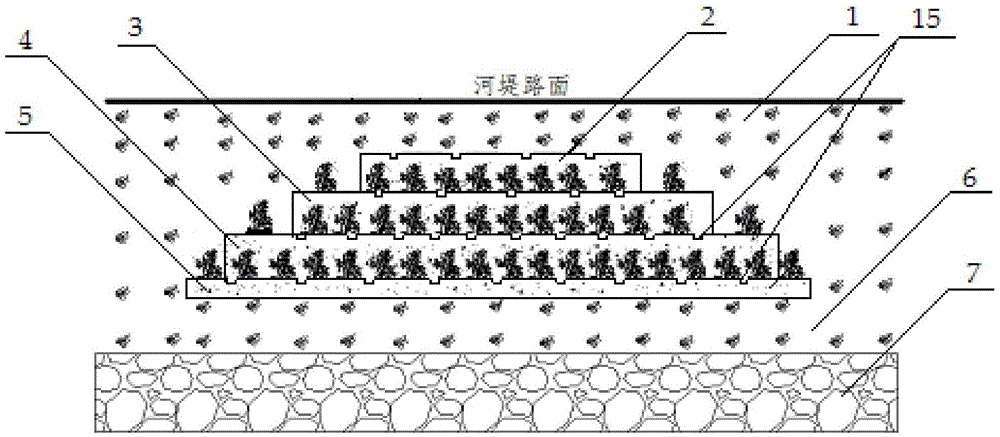
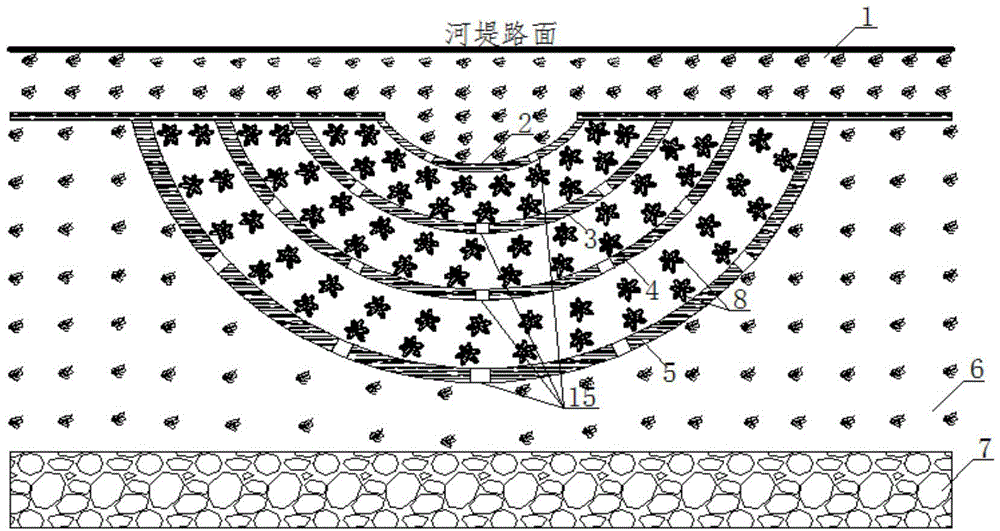
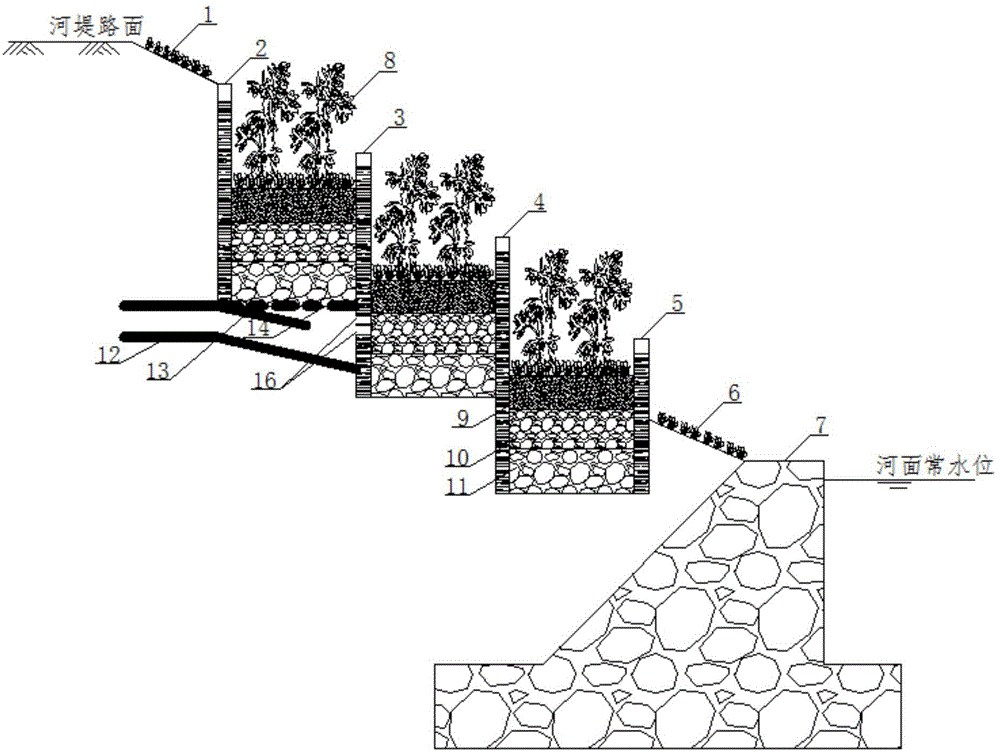
Ecological multidimensional retention system for rainwater drainage on bank side of river
PatentInactiveCN104692588A
Innovation
- Design an ecological multi-dimensional retention system, including setting up first- to third-level ecological retention systems and buffer zones along the river embankment, using a concentric semi-circular radial ditch structure, planting stress-resistant plants, fill layers and gravel layers, combined with auxiliary aids The sand sinking inclined plate and the multi-dimensional water seepage form a water inlet system to purify and retain rainwater.

Environmental Policy Framework for Urban Water
The environmental policy framework for urban water management represents a critical governance structure that addresses the complex interactions between drainage systems and urban ecosystems. This framework encompasses regulatory mechanisms, institutional arrangements, and policy instruments designed to mitigate negative environmental impacts while promoting sustainable urban water practices. Current policy approaches integrate multiple environmental protection standards, including water quality regulations, biodiversity conservation requirements, and ecosystem service preservation mandates.
Regulatory frameworks typically establish mandatory environmental impact assessments for drainage infrastructure projects, requiring comprehensive evaluation of potential ecosystem disruptions. These assessments must address impacts on local flora and fauna, soil contamination risks, groundwater quality protection, and surface water body integrity. Policy instruments often include performance-based standards that set specific thresholds for pollutant discharge, habitat preservation ratios, and ecosystem restoration requirements following infrastructure development.
Institutional coordination mechanisms play a vital role in policy implementation, establishing clear responsibilities among environmental agencies, urban planning departments, and water management authorities. Multi-stakeholder governance structures facilitate collaborative decision-making processes that balance urban development needs with ecological protection objectives. These frameworks often incorporate adaptive management principles, allowing for policy adjustments based on monitoring data and emerging scientific understanding of ecosystem responses.
Economic policy instruments within the framework include environmental impact fees, ecosystem service payments, and green infrastructure incentives. These mechanisms create financial motivations for developers and municipalities to adopt environmentally sensitive drainage solutions. Tax incentives for green infrastructure implementation and penalties for ecosystem damage help internalize environmental costs into urban development decisions.
Monitoring and enforcement components establish systematic approaches for tracking ecosystem health indicators and ensuring compliance with environmental standards. These systems typically integrate real-time water quality monitoring, biodiversity assessment protocols, and ecosystem service valuation methodologies. Regular reporting requirements and public disclosure mechanisms enhance transparency and accountability in urban water management decisions.
The framework also addresses cross-jurisdictional coordination challenges, particularly important for watershed-scale ecosystem protection. Regional policy harmonization efforts ensure consistent environmental standards across municipal boundaries, preventing regulatory fragmentation that could undermine ecosystem protection efforts. International best practice integration helps align local policies with global sustainability objectives and climate adaptation strategies.
Regulatory frameworks typically establish mandatory environmental impact assessments for drainage infrastructure projects, requiring comprehensive evaluation of potential ecosystem disruptions. These assessments must address impacts on local flora and fauna, soil contamination risks, groundwater quality protection, and surface water body integrity. Policy instruments often include performance-based standards that set specific thresholds for pollutant discharge, habitat preservation ratios, and ecosystem restoration requirements following infrastructure development.
Institutional coordination mechanisms play a vital role in policy implementation, establishing clear responsibilities among environmental agencies, urban planning departments, and water management authorities. Multi-stakeholder governance structures facilitate collaborative decision-making processes that balance urban development needs with ecological protection objectives. These frameworks often incorporate adaptive management principles, allowing for policy adjustments based on monitoring data and emerging scientific understanding of ecosystem responses.
Economic policy instruments within the framework include environmental impact fees, ecosystem service payments, and green infrastructure incentives. These mechanisms create financial motivations for developers and municipalities to adopt environmentally sensitive drainage solutions. Tax incentives for green infrastructure implementation and penalties for ecosystem damage help internalize environmental costs into urban development decisions.
Monitoring and enforcement components establish systematic approaches for tracking ecosystem health indicators and ensuring compliance with environmental standards. These systems typically integrate real-time water quality monitoring, biodiversity assessment protocols, and ecosystem service valuation methodologies. Regular reporting requirements and public disclosure mechanisms enhance transparency and accountability in urban water management decisions.
The framework also addresses cross-jurisdictional coordination challenges, particularly important for watershed-scale ecosystem protection. Regional policy harmonization efforts ensure consistent environmental standards across municipal boundaries, preventing regulatory fragmentation that could undermine ecosystem protection efforts. International best practice integration helps align local policies with global sustainability objectives and climate adaptation strategies.
Climate Resilience in Urban Drainage Design
Climate resilience in urban drainage design has emerged as a critical engineering paradigm in response to increasingly unpredictable weather patterns and extreme precipitation events. Traditional drainage systems, designed based on historical rainfall data, are proving inadequate against the intensifying storms and prolonged droughts characteristic of climate change. This necessitates a fundamental shift toward adaptive infrastructure that can accommodate variable hydrological conditions while maintaining ecosystem functionality.
The integration of climate projections into drainage system planning represents a sophisticated approach to infrastructure resilience. Advanced modeling techniques now incorporate probabilistic climate scenarios, enabling engineers to design systems capable of handling precipitation events that exceed historical norms by 20-40%. These models consider not only increased rainfall intensity but also the temporal distribution of storms, which significantly affects peak flow rates and system capacity requirements.
Green infrastructure solutions have become cornerstone elements in climate-resilient drainage design. Bioretention systems, permeable pavements, and constructed wetlands provide dual benefits of stormwater management and ecosystem support. These nature-based solutions demonstrate remarkable adaptability to varying climatic conditions, with vegetation and soil systems naturally adjusting to seasonal variations while maintaining consistent pollutant removal efficiency rates of 70-90% for common urban contaminants.
Adaptive management strategies are increasingly incorporated into drainage system design to address climate uncertainty. Modular infrastructure components allow for system expansion or modification as climate conditions evolve, while real-time monitoring systems enable dynamic operational adjustments. Smart sensors and automated control systems can redirect flows, adjust retention volumes, and optimize treatment processes based on current weather conditions and forecasted events.
The economic implications of climate-resilient drainage design extend beyond initial capital investments. Life-cycle cost analyses demonstrate that resilient systems, despite higher upfront costs, provide substantial long-term savings through reduced flood damage, lower maintenance requirements, and extended infrastructure lifespan. These systems also generate co-benefits including improved air quality, urban heat island mitigation, and enhanced biodiversity, creating additional economic value through ecosystem services that can offset 15-25% of implementation costs over the system's operational lifetime.
The integration of climate projections into drainage system planning represents a sophisticated approach to infrastructure resilience. Advanced modeling techniques now incorporate probabilistic climate scenarios, enabling engineers to design systems capable of handling precipitation events that exceed historical norms by 20-40%. These models consider not only increased rainfall intensity but also the temporal distribution of storms, which significantly affects peak flow rates and system capacity requirements.
Green infrastructure solutions have become cornerstone elements in climate-resilient drainage design. Bioretention systems, permeable pavements, and constructed wetlands provide dual benefits of stormwater management and ecosystem support. These nature-based solutions demonstrate remarkable adaptability to varying climatic conditions, with vegetation and soil systems naturally adjusting to seasonal variations while maintaining consistent pollutant removal efficiency rates of 70-90% for common urban contaminants.
Adaptive management strategies are increasingly incorporated into drainage system design to address climate uncertainty. Modular infrastructure components allow for system expansion or modification as climate conditions evolve, while real-time monitoring systems enable dynamic operational adjustments. Smart sensors and automated control systems can redirect flows, adjust retention volumes, and optimize treatment processes based on current weather conditions and forecasted events.
The economic implications of climate-resilient drainage design extend beyond initial capital investments. Life-cycle cost analyses demonstrate that resilient systems, despite higher upfront costs, provide substantial long-term savings through reduced flood damage, lower maintenance requirements, and extended infrastructure lifespan. These systems also generate co-benefits including improved air quality, urban heat island mitigation, and enhanced biodiversity, creating additional economic value through ecosystem services that can offset 15-25% of implementation costs over the system's operational lifetime.
Unlock deeper insights with PatSnap Eureka Quick Research — get a full tech report to explore trends and direct your research. Try now!
Generate Your Research Report Instantly with AI Agent
Supercharge your innovation with PatSnap Eureka AI Agent Platform!