

Comparing Force Stability Between Bipolar Vs Monopolar Chucks
MAY 14, 20269 MIN READ
Generate Your Research Report Instantly with AI Agent
PatSnap Eureka helps you evaluate technical feasibility & market potential.
Electrostatic Chuck Technology Background and Objectives
Electrostatic chuck (ESC) technology emerged in the semiconductor manufacturing industry during the 1980s as a critical solution for wafer handling and positioning during various fabrication processes. The technology utilizes electrostatic forces generated by applied voltage to securely hold semiconductor wafers without mechanical clamping mechanisms, eliminating potential contamination and damage risks associated with traditional mechanical fixtures.
The fundamental principle of electrostatic chucks relies on Coulomb force attraction between charged surfaces. When voltage is applied across dielectric materials embedded within the chuck structure, an electric field is established that induces opposite charges on the wafer surface, creating strong attractive forces. This non-contact holding mechanism has become indispensable in modern semiconductor processing equipment, including plasma etching systems, ion implantation tools, and chemical vapor deposition chambers.
Two primary ESC configurations have evolved to address different application requirements: monopolar and bipolar designs. Monopolar chucks utilize a single electrode configuration with the wafer serving as the opposite electrode, while bipolar chucks employ interdigitated electrode patterns that create localized electric fields across the chuck surface. Each configuration presents distinct advantages and limitations regarding force generation, uniformity, and operational stability.
The semiconductor industry's continuous push toward smaller feature sizes, larger wafer diameters, and more demanding process conditions has intensified the need for superior chuck performance. Modern fabrication processes require exceptional wafer flatness, thermal uniformity, and positional stability throughout extended processing cycles. These requirements have driven significant research efforts into optimizing ESC designs for enhanced force stability and reliability.
Current technological objectives focus on achieving consistent holding forces across entire wafer surfaces while maintaining rapid release capabilities and minimizing particle generation. Force stability directly impacts process uniformity, yield rates, and equipment throughput, making it a critical performance parameter for ESC evaluation. Understanding the comparative force stability characteristics between monopolar and bipolar configurations is essential for selecting appropriate chuck technologies for specific manufacturing applications.
The evolution of ESC technology continues to address emerging challenges in advanced semiconductor manufacturing, including the handling of ultra-thin wafers, accommodation of new materials, and integration with next-generation processing equipment. These developments necessitate comprehensive analysis of force stability mechanisms to ensure optimal performance in increasingly demanding production environments.
The fundamental principle of electrostatic chucks relies on Coulomb force attraction between charged surfaces. When voltage is applied across dielectric materials embedded within the chuck structure, an electric field is established that induces opposite charges on the wafer surface, creating strong attractive forces. This non-contact holding mechanism has become indispensable in modern semiconductor processing equipment, including plasma etching systems, ion implantation tools, and chemical vapor deposition chambers.
Two primary ESC configurations have evolved to address different application requirements: monopolar and bipolar designs. Monopolar chucks utilize a single electrode configuration with the wafer serving as the opposite electrode, while bipolar chucks employ interdigitated electrode patterns that create localized electric fields across the chuck surface. Each configuration presents distinct advantages and limitations regarding force generation, uniformity, and operational stability.
The semiconductor industry's continuous push toward smaller feature sizes, larger wafer diameters, and more demanding process conditions has intensified the need for superior chuck performance. Modern fabrication processes require exceptional wafer flatness, thermal uniformity, and positional stability throughout extended processing cycles. These requirements have driven significant research efforts into optimizing ESC designs for enhanced force stability and reliability.
Current technological objectives focus on achieving consistent holding forces across entire wafer surfaces while maintaining rapid release capabilities and minimizing particle generation. Force stability directly impacts process uniformity, yield rates, and equipment throughput, making it a critical performance parameter for ESC evaluation. Understanding the comparative force stability characteristics between monopolar and bipolar configurations is essential for selecting appropriate chuck technologies for specific manufacturing applications.
The evolution of ESC technology continues to address emerging challenges in advanced semiconductor manufacturing, including the handling of ultra-thin wafers, accommodation of new materials, and integration with next-generation processing equipment. These developments necessitate comprehensive analysis of force stability mechanisms to ensure optimal performance in increasingly demanding production environments.
Market Demand for Advanced Wafer Clamping Solutions
The semiconductor manufacturing industry is experiencing unprecedented demand for advanced wafer clamping solutions, driven by the continuous miniaturization of electronic devices and the increasing complexity of chip architectures. As feature sizes shrink below 5 nanometers, manufacturers require electrostatic chucks that can provide superior force stability and uniformity to ensure precise wafer positioning during critical lithography and etching processes.
Market drivers are primarily centered around the proliferation of artificial intelligence, 5G communications, and Internet of Things applications, which demand higher-performance semiconductors with tighter manufacturing tolerances. These applications require wafer processing equipment capable of maintaining consistent clamping forces across entire wafer surfaces, making the comparison between bipolar and monopolar chuck technologies increasingly relevant for equipment manufacturers and semiconductor fabs.
The automotive industry's transition toward electric vehicles and autonomous driving systems has created additional demand for power semiconductors and advanced sensors, further intensifying the need for reliable wafer clamping solutions. These applications often involve larger wafer sizes and specialized materials that challenge traditional clamping approaches, necessitating careful evaluation of force stability characteristics.
Advanced packaging technologies, including through-silicon vias and wafer-level packaging, have introduced new requirements for electrostatic chuck performance. These processes demand exceptional force uniformity to prevent wafer warpage and ensure proper alignment during multi-step fabrication sequences. The market increasingly values chuck technologies that can adapt to varying wafer thicknesses and material properties while maintaining consistent performance.
Emerging applications in quantum computing and photonics are creating niche but high-value market segments that require specialized wafer handling capabilities. These technologies often involve exotic materials and ultra-precise positioning requirements that push the boundaries of conventional electrostatic chuck design, creating opportunities for innovative force stability solutions.
The growing emphasis on manufacturing yield optimization and cost reduction is driving semiconductor manufacturers to seek chuck technologies that minimize particle generation, reduce wafer breakage, and enable faster processing cycles. This trend has elevated the importance of force stability as a key performance metric in equipment selection decisions.
Regional market dynamics show particularly strong demand growth in Asia-Pacific regions, where major semiconductor foundries are expanding production capacity to meet global chip demand. This geographic concentration of manufacturing activity is influencing the development priorities for advanced wafer clamping technologies.
Market drivers are primarily centered around the proliferation of artificial intelligence, 5G communications, and Internet of Things applications, which demand higher-performance semiconductors with tighter manufacturing tolerances. These applications require wafer processing equipment capable of maintaining consistent clamping forces across entire wafer surfaces, making the comparison between bipolar and monopolar chuck technologies increasingly relevant for equipment manufacturers and semiconductor fabs.
The automotive industry's transition toward electric vehicles and autonomous driving systems has created additional demand for power semiconductors and advanced sensors, further intensifying the need for reliable wafer clamping solutions. These applications often involve larger wafer sizes and specialized materials that challenge traditional clamping approaches, necessitating careful evaluation of force stability characteristics.
Advanced packaging technologies, including through-silicon vias and wafer-level packaging, have introduced new requirements for electrostatic chuck performance. These processes demand exceptional force uniformity to prevent wafer warpage and ensure proper alignment during multi-step fabrication sequences. The market increasingly values chuck technologies that can adapt to varying wafer thicknesses and material properties while maintaining consistent performance.
Emerging applications in quantum computing and photonics are creating niche but high-value market segments that require specialized wafer handling capabilities. These technologies often involve exotic materials and ultra-precise positioning requirements that push the boundaries of conventional electrostatic chuck design, creating opportunities for innovative force stability solutions.
The growing emphasis on manufacturing yield optimization and cost reduction is driving semiconductor manufacturers to seek chuck technologies that minimize particle generation, reduce wafer breakage, and enable faster processing cycles. This trend has elevated the importance of force stability as a key performance metric in equipment selection decisions.
Regional market dynamics show particularly strong demand growth in Asia-Pacific regions, where major semiconductor foundries are expanding production capacity to meet global chip demand. This geographic concentration of manufacturing activity is influencing the development priorities for advanced wafer clamping technologies.
Current State of Bipolar vs Monopolar Chuck Technologies
The current landscape of bipolar and monopolar chuck technologies reveals distinct evolutionary paths driven by different application requirements and performance priorities. Monopolar chucks have dominated the semiconductor manufacturing sector for decades, establishing themselves as the industry standard through proven reliability and cost-effectiveness. These systems utilize a single-point electrical connection design that has been continuously refined to meet the demanding requirements of wafer processing applications.
Bipolar chuck technology represents a more recent advancement, emerging from the need for enhanced force stability and improved process control. This technology employs dual-polarity electrical connections that create more balanced electrostatic fields, resulting in superior force distribution characteristics. The bipolar approach has gained significant traction in applications requiring precise force control and minimal wafer distortion.
Current monopolar implementations demonstrate mature technology with well-established manufacturing processes and extensive field validation. Leading manufacturers have optimized electrode designs, dielectric materials, and control systems to achieve consistent performance across various operating conditions. The technology benefits from decades of incremental improvements, resulting in highly reliable systems with predictable maintenance requirements and operational characteristics.
Bipolar chuck systems currently represent the cutting-edge of electrostatic chuck technology, incorporating advanced materials science and sophisticated control algorithms. These systems feature enhanced electrode geometries that enable more uniform force distribution and improved stability under varying process conditions. The technology addresses critical limitations of monopolar designs, particularly in applications requiring exceptional force consistency and minimal edge effects.
The technological maturity gap between these approaches is narrowing as bipolar systems undergo rapid development and commercialization. Recent advances in bipolar chuck design include improved dielectric materials, optimized electrode patterns, and enhanced power supply systems that deliver superior force stability performance. Manufacturing scalability for bipolar systems has improved significantly, though production costs remain higher than traditional monopolar alternatives.
Integration challenges persist for both technologies, with bipolar systems requiring more complex control infrastructure and specialized power management systems. However, the performance advantages in force stability applications are driving increased adoption despite higher implementation costs. Current market dynamics show growing demand for bipolar solutions in high-precision applications where force stability directly impacts product quality and yield performance.
Bipolar chuck technology represents a more recent advancement, emerging from the need for enhanced force stability and improved process control. This technology employs dual-polarity electrical connections that create more balanced electrostatic fields, resulting in superior force distribution characteristics. The bipolar approach has gained significant traction in applications requiring precise force control and minimal wafer distortion.
Current monopolar implementations demonstrate mature technology with well-established manufacturing processes and extensive field validation. Leading manufacturers have optimized electrode designs, dielectric materials, and control systems to achieve consistent performance across various operating conditions. The technology benefits from decades of incremental improvements, resulting in highly reliable systems with predictable maintenance requirements and operational characteristics.
Bipolar chuck systems currently represent the cutting-edge of electrostatic chuck technology, incorporating advanced materials science and sophisticated control algorithms. These systems feature enhanced electrode geometries that enable more uniform force distribution and improved stability under varying process conditions. The technology addresses critical limitations of monopolar designs, particularly in applications requiring exceptional force consistency and minimal edge effects.
The technological maturity gap between these approaches is narrowing as bipolar systems undergo rapid development and commercialization. Recent advances in bipolar chuck design include improved dielectric materials, optimized electrode patterns, and enhanced power supply systems that deliver superior force stability performance. Manufacturing scalability for bipolar systems has improved significantly, though production costs remain higher than traditional monopolar alternatives.
Integration challenges persist for both technologies, with bipolar systems requiring more complex control infrastructure and specialized power management systems. However, the performance advantages in force stability applications are driving increased adoption despite higher implementation costs. Current market dynamics show growing demand for bipolar solutions in high-precision applications where force stability directly impacts product quality and yield performance.
Existing Force Stability Solutions in Chuck Design
01 Chuck gripping mechanism and force distribution
Technologies focused on improving the gripping mechanism of chucks to ensure uniform force distribution across the workpiece. These innovations include specialized jaw designs, pressure distribution systems, and mechanical arrangements that optimize the clamping force to prevent workpiece deformation while maintaining secure holding capability.- Mechanical chuck gripping mechanisms and force distribution: Various mechanical designs for chuck gripping systems that distribute clamping forces evenly across the workpiece. These mechanisms include jaw configurations, spring-loaded systems, and hydraulic actuators that maintain consistent gripping pressure while minimizing workpiece deformation. The designs focus on optimizing contact surfaces and force vectors to achieve stable workholding.
- Dynamic force compensation and adaptive control systems: Advanced control systems that automatically adjust chuck forces based on operational conditions such as rotational speed, cutting loads, and material properties. These systems incorporate sensors and feedback mechanisms to maintain optimal gripping force throughout machining operations, preventing both slippage and over-clamping that could damage workpieces.
- Structural reinforcement and stability enhancement methods: Design approaches focused on improving the structural integrity of chuck assemblies through material selection, geometric optimization, and reinforcement techniques. These methods address issues such as vibration dampening, thermal stability, and resistance to centrifugal forces during high-speed operations to maintain consistent performance.
- Precision positioning and alignment systems: Technologies for maintaining accurate workpiece positioning and preventing movement during operations. These include self-centering mechanisms, precision guide systems, and alignment features that ensure repeatable positioning while maintaining stable force application. The systems address both radial and axial stability requirements.
- Force monitoring and measurement technologies: Integrated sensing and monitoring systems that provide real-time feedback on chuck force levels and stability parameters. These technologies include load cells, strain gauges, and pressure sensors that enable operators to monitor and optimize chuck performance, detect potential issues, and maintain consistent force application across different operating conditions.
02 Hydraulic and pneumatic chuck force control systems
Advanced control systems utilizing hydraulic or pneumatic mechanisms to regulate and stabilize chuck forces. These systems provide precise force modulation, automatic pressure adjustment, and feedback control to maintain consistent clamping forces during machining operations, reducing vibration and improving workpiece stability.Expand Specific Solutions03 Chuck force monitoring and feedback mechanisms
Sensor-based systems and monitoring technologies that continuously track chuck force parameters and provide real-time feedback for force stability optimization. These solutions include force measurement devices, electronic control units, and adaptive systems that automatically adjust clamping parameters based on operational conditions.Expand Specific Solutions04 Mechanical chuck stability enhancement structures
Structural improvements and mechanical designs that enhance the inherent stability of chuck systems. These include reinforced chuck bodies, vibration dampening elements, precision bearing systems, and rigid mounting configurations that minimize force variations and maintain consistent performance under varying load conditions.Expand Specific Solutions05 Adaptive chuck force compensation systems
Intelligent systems that automatically compensate for force variations and external disturbances affecting chuck stability. These technologies incorporate predictive algorithms, dynamic force adjustment capabilities, and real-time compensation mechanisms to maintain optimal clamping forces regardless of operational variables such as speed, load, or environmental conditions.Expand Specific Solutions
Key Players in Semiconductor Chuck Manufacturing Industry
The semiconductor wafer handling industry, particularly electrostatic chuck technology for comparing bipolar versus monopolar force stability, represents a mature yet rapidly evolving market driven by advanced node requirements. The industry is in a consolidation phase with established players like Applied Materials, Lam Research, and GLOBALFOUNDRIES dominating equipment supply, while specialized companies such as Beijing U-PRECISION TECH and Beijing NAURA focus on precision components. Technology maturity varies significantly across the competitive landscape, with leading firms like Applied Materials and Lam Research demonstrating advanced bipolar chuck capabilities for sub-7nm processes, while emerging players like Suzhou Dreamchasing Electronic Materials are developing next-generation materials. The market exhibits strong growth potential, estimated at $2.8 billion globally, as semiconductor manufacturers increasingly demand superior wafer handling stability for complex device architectures, creating opportunities for both established leaders and innovative newcomers.
Beijing NAURA Microelectronics Equipment Co., Ltd.
Technical Solution: Beijing NAURA develops electrostatic chuck solutions for semiconductor processing equipment, focusing on both bipolar and monopolar configurations for plasma etch and deposition systems. Their bipolar chuck technology emphasizes improved force distribution and stability through optimized electrode spacing and dielectric layer design, targeting advanced semiconductor manufacturing requirements. The monopolar chuck systems provide simplified operation with reliable clamping performance for cost-sensitive applications. NAURA's ESC development incorporates localized material sourcing and manufacturing capabilities, with emphasis on meeting domestic semiconductor industry requirements while maintaining competitive performance standards compared to international suppliers.
Strengths: Cost-competitive solutions, strong domestic market presence, integrated equipment platform approach. Weaknesses: Limited global market penetration, newer technology development compared to established competitors.
Lam Research Corp.
Technical Solution: Lam Research specializes in electrostatic chuck technology for plasma processing equipment, developing both bipolar and monopolar chuck configurations optimized for etch and deposition applications. Their bipolar ESC designs feature dual-electrode architectures that provide superior force uniformity and stability, particularly beneficial for advanced node processing where precise wafer positioning is critical. The monopolar chuck systems offer simplified control mechanisms with single-electrode designs that deliver consistent clamping performance for mainstream semiconductor manufacturing. Lam's chuck technology incorporates proprietary dielectric materials and advanced thermal management systems to maintain stable electrostatic forces across varying process conditions and substrate sizes.
Strengths: Deep expertise in plasma processing applications, integrated system solutions, strong customer relationships in semiconductor industry. Weaknesses: Limited to specific process equipment platforms, dependency on semiconductor market cycles.
Core Patents in Bipolar and Monopolar Chuck Technologies
Bipolar Electrostatic Chuck
PatentInactiveUS20070223173A1
Innovation
- The bipolar electrostatic chuck design features first and second electrodes with different polarities arranged in the depth direction within an insulating material, with an interelectrode insulating layer to enhance dielectric breakdown strength and reduce electrode overlap, allowing for a shorter distance between electrodes and improved gradient force.
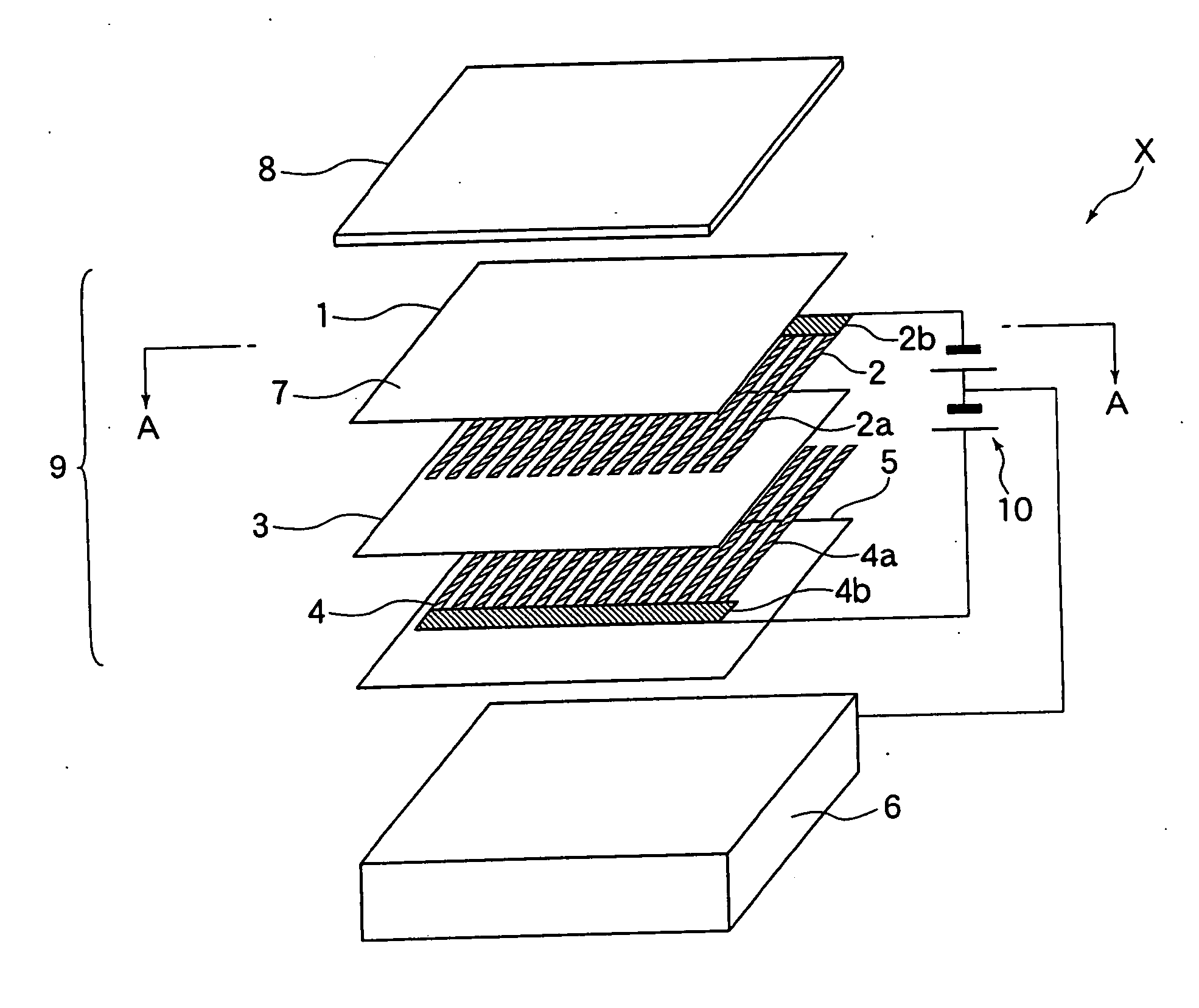
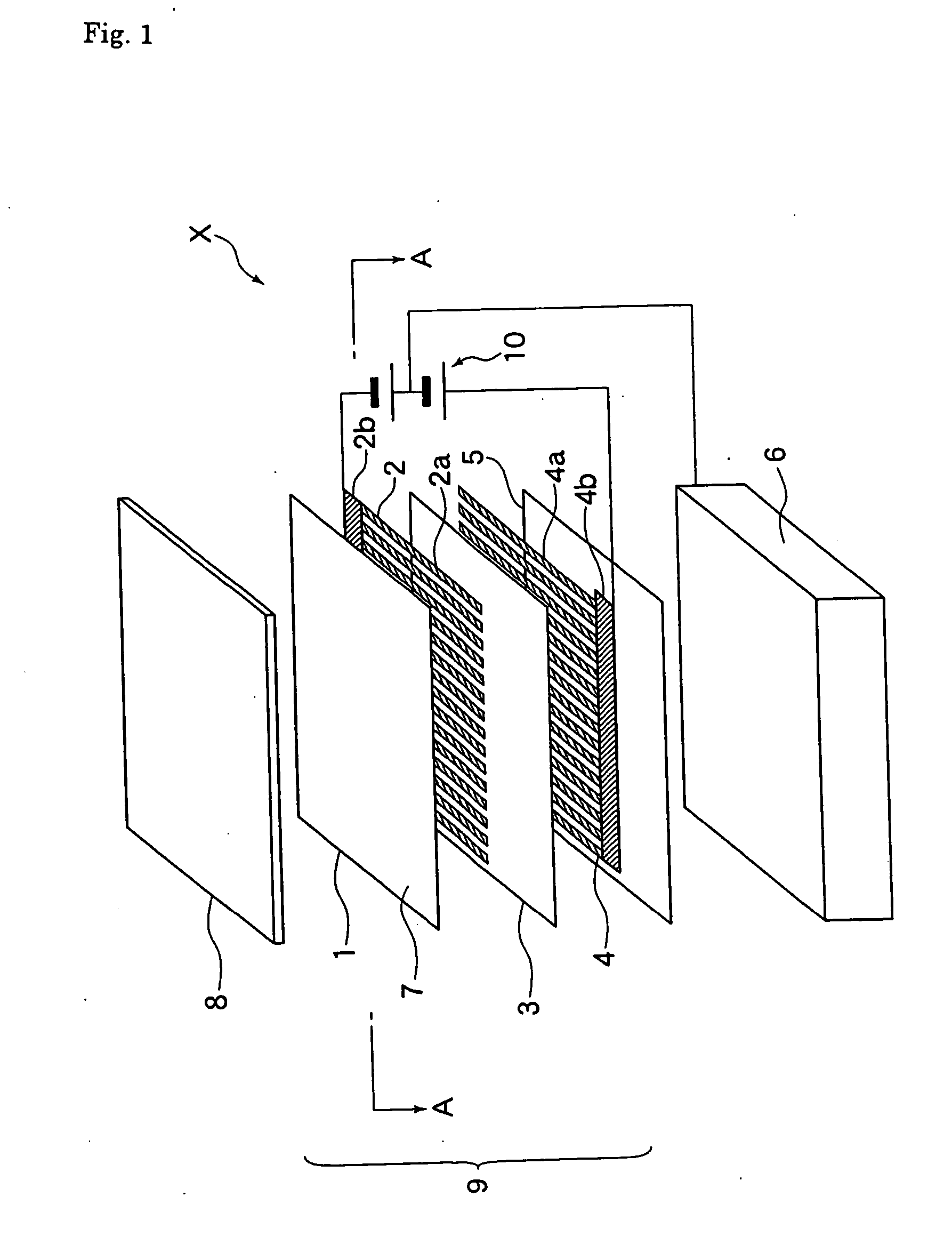
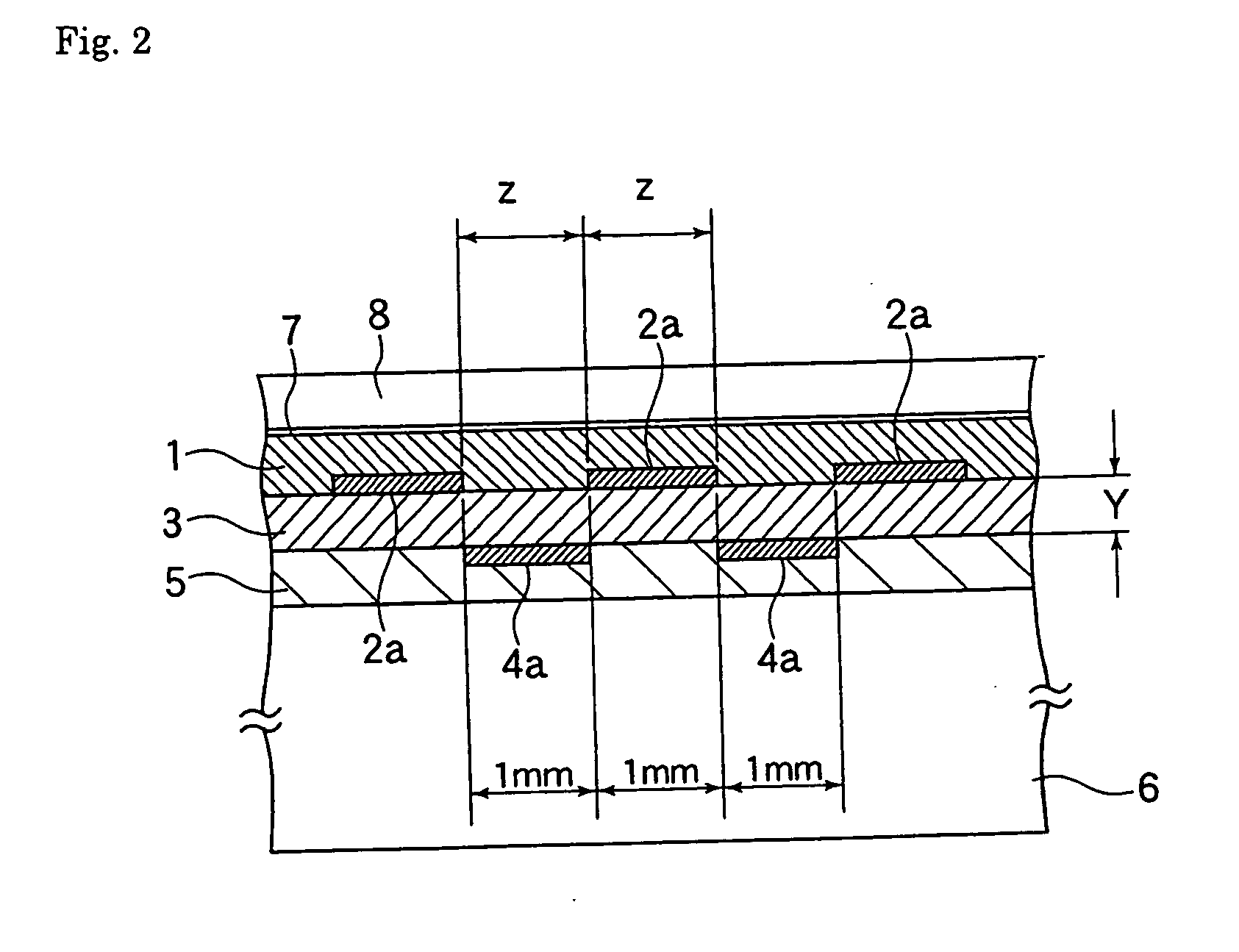

Bipolar electrostatic chuck
PatentWO2005091356A1
Innovation
- A bipolar electrostatic chuck design featuring electrodes arranged inside an insulator with an inter-electrode insulating layer, where the second electrode forms a non-overlapping region with respect to the first electrode in the normal direction of the sample adsorption surface, enhancing insulation resistance and allowing for a narrower inter-electrode distance, thus achieving a strong adsorption force and reducing electrostatic capacity.

Semiconductor Equipment Safety and Performance Standards
Semiconductor equipment safety and performance standards play a critical role in establishing operational parameters for wafer chuck systems, particularly when evaluating force stability characteristics between bipolar and monopolar configurations. International standards such as SEMI S2 (Environmental, Health, and Safety Guidelines) and SEMI S8 (Safety Guidelines for Ergonomics/Human Factors Engineering) provide comprehensive frameworks that directly impact chuck design specifications and operational requirements.
The IEEE 1686 standard for intelligent electronic device cybersecurity capabilities establishes security protocols that affect modern chuck control systems, while IEC 61010 safety requirements for electrical equipment influence the electrical design parameters of both bipolar and monopolar chuck configurations. These standards mandate specific isolation requirements, grounding protocols, and electromagnetic compatibility measures that can significantly impact force generation and stability characteristics.
Performance standards outlined in JEDEC publications, particularly those addressing mechanical stress testing and reliability assessment, establish baseline requirements for chuck force consistency and repeatability. The SEMI E10 specification for specification sheets and the SEMI E4 SECS-II message standard influence how force stability data must be collected, processed, and reported across different chuck architectures.
Safety certification requirements under UL 991 and CSA standards impose constraints on maximum allowable forces, emergency stop response times, and fail-safe mechanisms that directly affect the operational envelope of both bipolar and monopolar systems. These standards require comprehensive risk assessment protocols that evaluate potential failure modes specific to each chuck technology, including force overshoot conditions and electrical isolation failures.
Compliance with ISO 14644 cleanroom standards introduces additional performance criteria related to particle generation and contamination control, which can influence chuck material selection and surface treatment processes. The interaction between these cleanliness requirements and force stability mechanisms creates unique challenges for each chuck architecture, particularly regarding seal integrity and mechanical wear characteristics under varying force conditions.
The IEEE 1686 standard for intelligent electronic device cybersecurity capabilities establishes security protocols that affect modern chuck control systems, while IEC 61010 safety requirements for electrical equipment influence the electrical design parameters of both bipolar and monopolar chuck configurations. These standards mandate specific isolation requirements, grounding protocols, and electromagnetic compatibility measures that can significantly impact force generation and stability characteristics.
Performance standards outlined in JEDEC publications, particularly those addressing mechanical stress testing and reliability assessment, establish baseline requirements for chuck force consistency and repeatability. The SEMI E10 specification for specification sheets and the SEMI E4 SECS-II message standard influence how force stability data must be collected, processed, and reported across different chuck architectures.
Safety certification requirements under UL 991 and CSA standards impose constraints on maximum allowable forces, emergency stop response times, and fail-safe mechanisms that directly affect the operational envelope of both bipolar and monopolar systems. These standards require comprehensive risk assessment protocols that evaluate potential failure modes specific to each chuck technology, including force overshoot conditions and electrical isolation failures.
Compliance with ISO 14644 cleanroom standards introduces additional performance criteria related to particle generation and contamination control, which can influence chuck material selection and surface treatment processes. The interaction between these cleanliness requirements and force stability mechanisms creates unique challenges for each chuck architecture, particularly regarding seal integrity and mechanical wear characteristics under varying force conditions.
Chuck Performance Testing and Validation Methodologies
Establishing comprehensive testing and validation methodologies for chuck performance requires standardized protocols that accurately measure and compare force stability characteristics between bipolar and monopolar configurations. The development of robust testing frameworks ensures consistent evaluation criteria across different chuck designs and operational conditions.
Force measurement protocols form the foundation of chuck performance validation. Testing methodologies typically employ high-precision load cells and torque sensors positioned at multiple points around the chuck circumference to capture force distribution patterns. Data acquisition systems must operate at sufficient sampling rates to detect transient force variations during wafer handling operations. Standardized test fixtures ensure repeatable positioning and loading conditions across different chuck types.
Environmental testing protocols validate chuck performance under varying operational conditions. Temperature cycling tests evaluate force stability across semiconductor fabrication temperature ranges, typically from -40°C to 150°C. Humidity exposure testing assesses performance degradation under moisture conditions. Vibration testing simulates transportation and operational stresses that may affect chuck alignment and force distribution characteristics.
Accelerated aging methodologies predict long-term performance reliability through controlled stress testing. Cyclic loading protocols simulate repeated wafer clamping and release operations over extended periods. Electrical stress testing for bipolar chucks evaluates electrode degradation effects on force generation capability. Chemical compatibility testing exposes chuck materials to process chemicals and cleaning agents used in semiconductor manufacturing environments.
Statistical validation approaches ensure testing results provide meaningful performance comparisons. Design of experiments methodologies optimize test parameter selection while minimizing testing time and resources. Statistical process control techniques identify performance variations and establish acceptable tolerance ranges. Regression analysis correlates environmental factors with performance degradation patterns.
Comparative testing protocols enable direct performance evaluation between bipolar and monopolar chuck configurations. Standardized test wafers with known surface characteristics provide consistent evaluation substrates. Force mapping techniques generate spatial distribution data for comprehensive performance comparison. Dynamic testing protocols evaluate force stability during simulated process operations including wafer rotation and thermal cycling.
Validation documentation requirements establish traceability and reproducibility standards. Test procedure specifications define equipment calibration requirements, measurement uncertainties, and acceptance criteria. Performance certification protocols verify chuck compliance with industry standards and customer specifications. Quality assurance frameworks ensure testing methodology consistency across different facilities and operators.
Force measurement protocols form the foundation of chuck performance validation. Testing methodologies typically employ high-precision load cells and torque sensors positioned at multiple points around the chuck circumference to capture force distribution patterns. Data acquisition systems must operate at sufficient sampling rates to detect transient force variations during wafer handling operations. Standardized test fixtures ensure repeatable positioning and loading conditions across different chuck types.
Environmental testing protocols validate chuck performance under varying operational conditions. Temperature cycling tests evaluate force stability across semiconductor fabrication temperature ranges, typically from -40°C to 150°C. Humidity exposure testing assesses performance degradation under moisture conditions. Vibration testing simulates transportation and operational stresses that may affect chuck alignment and force distribution characteristics.
Accelerated aging methodologies predict long-term performance reliability through controlled stress testing. Cyclic loading protocols simulate repeated wafer clamping and release operations over extended periods. Electrical stress testing for bipolar chucks evaluates electrode degradation effects on force generation capability. Chemical compatibility testing exposes chuck materials to process chemicals and cleaning agents used in semiconductor manufacturing environments.
Statistical validation approaches ensure testing results provide meaningful performance comparisons. Design of experiments methodologies optimize test parameter selection while minimizing testing time and resources. Statistical process control techniques identify performance variations and establish acceptable tolerance ranges. Regression analysis correlates environmental factors with performance degradation patterns.
Comparative testing protocols enable direct performance evaluation between bipolar and monopolar chuck configurations. Standardized test wafers with known surface characteristics provide consistent evaluation substrates. Force mapping techniques generate spatial distribution data for comprehensive performance comparison. Dynamic testing protocols evaluate force stability during simulated process operations including wafer rotation and thermal cycling.
Validation documentation requirements establish traceability and reproducibility standards. Test procedure specifications define equipment calibration requirements, measurement uncertainties, and acceptance criteria. Performance certification protocols verify chuck compliance with industry standards and customer specifications. Quality assurance frameworks ensure testing methodology consistency across different facilities and operators.
Unlock deeper insights with PatSnap Eureka Quick Research — get a full tech report to explore trends and direct your research. Try now!
Generate Your Research Report Instantly with AI Agent
Supercharge your innovation with PatSnap Eureka AI Agent Platform!