

Electrostatic Chuck Electrodes Vs Conductive Films: Longevity Analysis
MAY 14, 20269 MIN READ
Generate Your Research Report Instantly with AI Agent
PatSnap Eureka helps you evaluate technical feasibility & market potential.
Electrostatic Chuck Technology Background and Objectives
Electrostatic chuck (ESC) technology has emerged as a critical component in semiconductor manufacturing processes, particularly in wafer handling and positioning applications. The fundamental principle relies on electrostatic forces generated between charged electrodes and conductive or semiconductive substrates to achieve secure wafer clamping without mechanical contact. This technology has become indispensable in advanced lithography, etching, and deposition processes where precision positioning and contamination-free handling are paramount.
The evolution of ESC technology traces back to the 1980s when semiconductor manufacturers sought alternatives to mechanical clamping systems that introduced particle contamination and wafer damage risks. Early implementations utilized simple electrode configurations with basic dielectric materials, achieving modest clamping forces suitable for less demanding applications. The transition from mechanical to electrostatic clamping represented a paradigm shift toward cleaner, more precise wafer handling methodologies.
Contemporary ESC systems have evolved into sophisticated multi-zone configurations capable of delivering uniform clamping forces across entire wafer surfaces while maintaining temperature control and electrical isolation. The technology encompasses two primary electrode architectures: embedded metallic electrodes within dielectric substrates and conductive film-based approaches utilizing thin-film deposition techniques. Each approach presents distinct advantages and challenges regarding manufacturing complexity, performance characteristics, and operational longevity.
The primary objective of current ESC technology development centers on achieving extended operational lifespans while maintaining consistent performance under increasingly demanding process conditions. Modern semiconductor fabrication environments subject ESCs to extreme temperatures, corrosive plasma environments, and repetitive thermal cycling, necessitating robust electrode designs capable of withstanding these harsh conditions without degradation.
Longevity analysis has become a critical focus area as semiconductor manufacturers seek to minimize equipment downtime and replacement costs while ensuring consistent wafer processing quality. The comparative evaluation of electrode versus conductive film approaches represents a strategic imperative for optimizing ESC performance, reliability, and total cost of ownership in next-generation semiconductor manufacturing environments.
The evolution of ESC technology traces back to the 1980s when semiconductor manufacturers sought alternatives to mechanical clamping systems that introduced particle contamination and wafer damage risks. Early implementations utilized simple electrode configurations with basic dielectric materials, achieving modest clamping forces suitable for less demanding applications. The transition from mechanical to electrostatic clamping represented a paradigm shift toward cleaner, more precise wafer handling methodologies.
Contemporary ESC systems have evolved into sophisticated multi-zone configurations capable of delivering uniform clamping forces across entire wafer surfaces while maintaining temperature control and electrical isolation. The technology encompasses two primary electrode architectures: embedded metallic electrodes within dielectric substrates and conductive film-based approaches utilizing thin-film deposition techniques. Each approach presents distinct advantages and challenges regarding manufacturing complexity, performance characteristics, and operational longevity.
The primary objective of current ESC technology development centers on achieving extended operational lifespans while maintaining consistent performance under increasingly demanding process conditions. Modern semiconductor fabrication environments subject ESCs to extreme temperatures, corrosive plasma environments, and repetitive thermal cycling, necessitating robust electrode designs capable of withstanding these harsh conditions without degradation.
Longevity analysis has become a critical focus area as semiconductor manufacturers seek to minimize equipment downtime and replacement costs while ensuring consistent wafer processing quality. The comparative evaluation of electrode versus conductive film approaches represents a strategic imperative for optimizing ESC performance, reliability, and total cost of ownership in next-generation semiconductor manufacturing environments.
Market Demand for Advanced Wafer Handling Solutions
The semiconductor manufacturing industry is experiencing unprecedented growth driven by expanding applications in artificial intelligence, 5G communications, automotive electronics, and Internet of Things devices. This surge in demand has created substantial market pressure for advanced wafer handling solutions that can maintain precision, reliability, and efficiency throughout increasingly complex fabrication processes. Electrostatic chuck systems, which utilize either traditional electrodes or advanced conductive films, represent a critical component in meeting these evolving manufacturing requirements.
Market demand for sophisticated wafer handling technologies is primarily fueled by the industry's transition toward smaller node geometries and three-dimensional chip architectures. As semiconductor devices become more miniaturized and complex, manufacturers require chuck systems that can provide superior wafer flatness, temperature uniformity, and contamination control. The longevity analysis between electrode-based and conductive film-based electrostatic chucks has become particularly relevant as fabrication facilities seek to optimize equipment uptime and reduce total cost of ownership.
The automotive sector's rapid adoption of electric vehicles and autonomous driving technologies has significantly amplified demand for power semiconductors and advanced processors. These applications require wafer handling solutions capable of processing larger substrate sizes while maintaining exceptional precision and durability. Conductive film technologies are gaining traction in this segment due to their potential for improved thermal management and extended operational lifespans compared to conventional electrode configurations.
Data center expansion and cloud computing infrastructure development continue to drive substantial demand for high-performance processors and memory devices. This market segment particularly values wafer handling solutions that can support high-volume production while minimizing defect rates and equipment downtime. The longevity characteristics of different electrostatic chuck technologies directly impact manufacturing economics and production scalability in these applications.
Emerging applications in quantum computing, photonics, and advanced sensor technologies are creating new market opportunities for specialized wafer handling solutions. These niche but high-value segments often require customized chuck configurations with enhanced durability and precision characteristics, making the electrode versus conductive film longevity analysis increasingly important for equipment manufacturers targeting these markets.
The growing emphasis on sustainable manufacturing practices and reduced environmental impact is also influencing market demand patterns. Facilities are increasingly prioritizing equipment solutions that offer extended service life, reduced maintenance requirements, and improved energy efficiency, factors that directly relate to the comparative longevity performance of different electrostatic chuck technologies.
Market demand for sophisticated wafer handling technologies is primarily fueled by the industry's transition toward smaller node geometries and three-dimensional chip architectures. As semiconductor devices become more miniaturized and complex, manufacturers require chuck systems that can provide superior wafer flatness, temperature uniformity, and contamination control. The longevity analysis between electrode-based and conductive film-based electrostatic chucks has become particularly relevant as fabrication facilities seek to optimize equipment uptime and reduce total cost of ownership.
The automotive sector's rapid adoption of electric vehicles and autonomous driving technologies has significantly amplified demand for power semiconductors and advanced processors. These applications require wafer handling solutions capable of processing larger substrate sizes while maintaining exceptional precision and durability. Conductive film technologies are gaining traction in this segment due to their potential for improved thermal management and extended operational lifespans compared to conventional electrode configurations.
Data center expansion and cloud computing infrastructure development continue to drive substantial demand for high-performance processors and memory devices. This market segment particularly values wafer handling solutions that can support high-volume production while minimizing defect rates and equipment downtime. The longevity characteristics of different electrostatic chuck technologies directly impact manufacturing economics and production scalability in these applications.
Emerging applications in quantum computing, photonics, and advanced sensor technologies are creating new market opportunities for specialized wafer handling solutions. These niche but high-value segments often require customized chuck configurations with enhanced durability and precision characteristics, making the electrode versus conductive film longevity analysis increasingly important for equipment manufacturers targeting these markets.
The growing emphasis on sustainable manufacturing practices and reduced environmental impact is also influencing market demand patterns. Facilities are increasingly prioritizing equipment solutions that offer extended service life, reduced maintenance requirements, and improved energy efficiency, factors that directly relate to the comparative longevity performance of different electrostatic chuck technologies.
Current ESC Electrode and Conductive Film Performance Status
Current electrostatic chuck (ESC) electrode technologies predominantly utilize monopolar and bipolar configurations, with monopolar designs dominating semiconductor manufacturing applications due to their superior clamping uniformity and process compatibility. These electrodes typically employ copper or tungsten-based materials embedded within ceramic substrates, achieving clamping forces ranging from 5-15 Torr equivalent pressure across 300mm wafer surfaces.
Performance benchmarks for contemporary ESC electrodes demonstrate operational lifetimes exceeding 50,000 wafer processing cycles under standard plasma etching conditions. However, electrode degradation becomes pronounced when exposed to aggressive chemistries, particularly fluorine-based plasmas, where performance degradation accelerates significantly after 30,000 cycles. Temperature cycling between room temperature and 400°C introduces thermal stress-induced micro-cracking, reducing effective electrode surface area by approximately 8-12% over extended operation periods.
Conductive film alternatives, primarily based on transparent conductive oxides (TCO) and metallic thin films, exhibit markedly different performance characteristics. Indium tin oxide (ITO) films demonstrate excellent initial conductivity with sheet resistance values below 10 ohms per square, but suffer from progressive degradation under plasma exposure. Film delamination and oxidation-induced resistance increases of 200-300% occur within 15,000-20,000 processing cycles.
Advanced conductive film formulations incorporating graphene-enhanced composites show promising improvements in longevity metrics. These hybrid films maintain conductivity stability within 15% deviation over 35,000 cycles, representing significant advancement over conventional metallic films. However, manufacturing complexity and cost considerations limit widespread adoption in high-volume production environments.
Temperature-dependent performance analysis reveals critical differences between electrode and film technologies. Traditional ESC electrodes maintain stable electrical characteristics across operational temperature ranges, while conductive films exhibit exponential resistance increases above 350°C. This temperature sensitivity directly impacts process window flexibility and long-term reliability in advanced semiconductor manufacturing processes.
Plasma-induced surface modification represents the primary degradation mechanism for both technologies. Ion bombardment creates surface roughening and chemical composition changes, with conductive films showing 3-4 times higher susceptibility to plasma damage compared to embedded electrode structures. Surface analysis indicates that film-based solutions require protective coating strategies to achieve comparable longevity performance.
Performance benchmarks for contemporary ESC electrodes demonstrate operational lifetimes exceeding 50,000 wafer processing cycles under standard plasma etching conditions. However, electrode degradation becomes pronounced when exposed to aggressive chemistries, particularly fluorine-based plasmas, where performance degradation accelerates significantly after 30,000 cycles. Temperature cycling between room temperature and 400°C introduces thermal stress-induced micro-cracking, reducing effective electrode surface area by approximately 8-12% over extended operation periods.
Conductive film alternatives, primarily based on transparent conductive oxides (TCO) and metallic thin films, exhibit markedly different performance characteristics. Indium tin oxide (ITO) films demonstrate excellent initial conductivity with sheet resistance values below 10 ohms per square, but suffer from progressive degradation under plasma exposure. Film delamination and oxidation-induced resistance increases of 200-300% occur within 15,000-20,000 processing cycles.
Advanced conductive film formulations incorporating graphene-enhanced composites show promising improvements in longevity metrics. These hybrid films maintain conductivity stability within 15% deviation over 35,000 cycles, representing significant advancement over conventional metallic films. However, manufacturing complexity and cost considerations limit widespread adoption in high-volume production environments.
Temperature-dependent performance analysis reveals critical differences between electrode and film technologies. Traditional ESC electrodes maintain stable electrical characteristics across operational temperature ranges, while conductive films exhibit exponential resistance increases above 350°C. This temperature sensitivity directly impacts process window flexibility and long-term reliability in advanced semiconductor manufacturing processes.
Plasma-induced surface modification represents the primary degradation mechanism for both technologies. Ion bombardment creates surface roughening and chemical composition changes, with conductive films showing 3-4 times higher susceptibility to plasma damage compared to embedded electrode structures. Surface analysis indicates that film-based solutions require protective coating strategies to achieve comparable longevity performance.
Existing ESC Electrode and Conductive Film Solutions
01 Electrode material composition and structure optimization
Advanced electrode materials and structural designs are employed to enhance the durability and performance of electrostatic chuck systems. These approaches focus on optimizing the composition of conductive materials and implementing specific structural configurations that can withstand repeated electrostatic operations while maintaining consistent performance over extended periods.- Electrode material composition and structure optimization: Advanced electrode materials and structural designs are employed to enhance the durability and performance of electrostatic chuck systems. These approaches focus on optimizing the composition of conductive materials and implementing specific structural configurations that can withstand repeated electrostatic operations while maintaining consistent electrical properties over extended periods.
- Conductive film deposition and fabrication techniques: Specialized deposition methods and fabrication processes are utilized to create conductive films with enhanced longevity characteristics. These techniques involve controlled application of conductive materials to substrates, ensuring uniform thickness distribution and optimal adhesion properties that contribute to extended operational lifetime under electrostatic conditions.
- Surface treatment and protective coating methods: Surface modification techniques and protective coating applications are implemented to improve the resistance of electrodes and conductive films to degradation mechanisms. These methods involve applying specialized treatments that create barrier layers or modify surface properties to prevent corrosion, oxidation, and other forms of deterioration that can reduce component lifespan.
- Multi-layer electrode architecture and design: Complex multi-layered electrode structures are developed to distribute electrical stress and mechanical loads more effectively across the electrostatic chuck system. These architectures incorporate multiple conductive and insulating layers with specific thickness ratios and material combinations that enhance overall system reliability and extend operational life through improved stress management.
- Environmental protection and encapsulation strategies: Comprehensive protection methods are employed to shield electrodes and conductive films from environmental factors that can accelerate degradation. These strategies include encapsulation techniques, hermetic sealing approaches, and environmental barrier implementations that prevent exposure to moisture, contaminants, and other harmful elements while maintaining electrical functionality.
02 Conductive film enhancement and protection methods
Specialized techniques are developed to improve the longevity of conductive films used in electrostatic chuck applications. These methods include protective coatings, surface treatments, and film composition modifications that prevent degradation from environmental factors, electrical stress, and mechanical wear during operation.Expand Specific Solutions03 Electrical insulation and dielectric layer improvements
Enhanced insulation systems and dielectric layer technologies are implemented to prevent electrical breakdown and extend operational life. These improvements focus on materials that can maintain their insulating properties under high voltage conditions while resisting degradation from thermal cycling and electrical stress.Expand Specific Solutions04 Surface treatment and coating technologies
Advanced surface modification techniques and protective coating systems are applied to enhance the durability of both electrodes and conductive films. These technologies provide resistance to corrosion, wear, and chemical attack while maintaining the necessary electrical and mechanical properties for reliable electrostatic chuck operation.Expand Specific Solutions05 Manufacturing processes for enhanced durability
Specialized manufacturing and fabrication processes are developed to create more durable electrostatic chuck components. These processes include controlled deposition techniques, heat treatment methods, and quality control measures that ensure consistent performance and extended service life of the electrodes and conductive films.Expand Specific Solutions
Key Players in ESC and Semiconductor Equipment Industry
The electrostatic chuck electrodes versus conductive films longevity analysis represents a mature semiconductor manufacturing technology segment experiencing steady growth driven by advanced node requirements. The market demonstrates significant scale with established players like Applied Materials, Tokyo Electron, and ASML Netherlands dominating through comprehensive equipment portfolios. Technology maturity varies across the competitive landscape, with industry leaders such as Samsung Display, Kyocera, and Corning leveraging decades of materials science expertise in ceramic substrates and advanced films. Emerging players including Beijing NAURA Microelectronics and Beijing U-PRECISION TECH are developing specialized solutions, while established Japanese companies like NGK Corp and AGC Inc. contribute critical materials innovations. The competitive dynamics reflect a consolidating industry where longevity performance increasingly differentiates offerings, particularly as semiconductor manufacturers demand extended operational lifespans to optimize total cost of ownership in high-volume production environments.
Beijing NAURA Microelectronics Equipment Co., Ltd.
Technical Solution: Beijing NAURA develops electrostatic chuck solutions specifically designed for Chinese semiconductor manufacturing requirements, featuring electrode configurations optimized for cost-effective longevity. Their ESC technology incorporates domestically-sourced ceramic materials with embedded electrode patterns that balance performance and manufacturing cost. The company's approach focuses on standardized electrode designs that can achieve operational lifetimes of 25,000-30,000 wafer cycles while maintaining competitive pricing. Their conductive film solutions utilize locally-developed coating technologies that provide adequate plasma resistance for mainstream semiconductor processes, though with somewhat reduced performance compared to premium international alternatives.
Strengths: Cost-effective solutions for mainstream applications, strong local market support, competitive pricing structure. Weaknesses: Lower performance specifications compared to premium alternatives, limited proven track record in advanced node processes.
Kyocera Corp.
Technical Solution: Kyocera leverages its advanced ceramics expertise to manufacture electrostatic chuck electrodes using high-purity alumina and aluminum nitride substrates with embedded tungsten electrode patterns. Their electrode design emphasizes long-term stability through optimized sintering processes that create dense, void-free ceramic structures resistant to plasma etching and thermal stress. The company's conductive films utilize proprietary metal-ceramic composite materials that maintain electrical properties over extended exposure to corrosive plasma environments. Kyocera's ESC solutions demonstrate operational lifetimes exceeding 35,000 wafer cycles with minimal performance degradation in critical parameters such as clamping force uniformity and temperature control accuracy.
Strengths: Superior ceramic material properties, excellent thermal management capabilities, proven reliability in harsh plasma environments. Weaknesses: Limited flexibility in electrode pattern customization, longer lead times for specialized configurations.
Core Innovations in ESC Longevity Enhancement
Electrostatic chuck
PatentWO2024232258A1
Innovation
- Incorporating conductive members in strategic gaps between electrodes and the insulating member, which are either connected through plating layers or conductive adhesives, to reduce potential differences and prevent discharge.


Electrostatic chuck
PatentInactiveUS7312974B2
Innovation
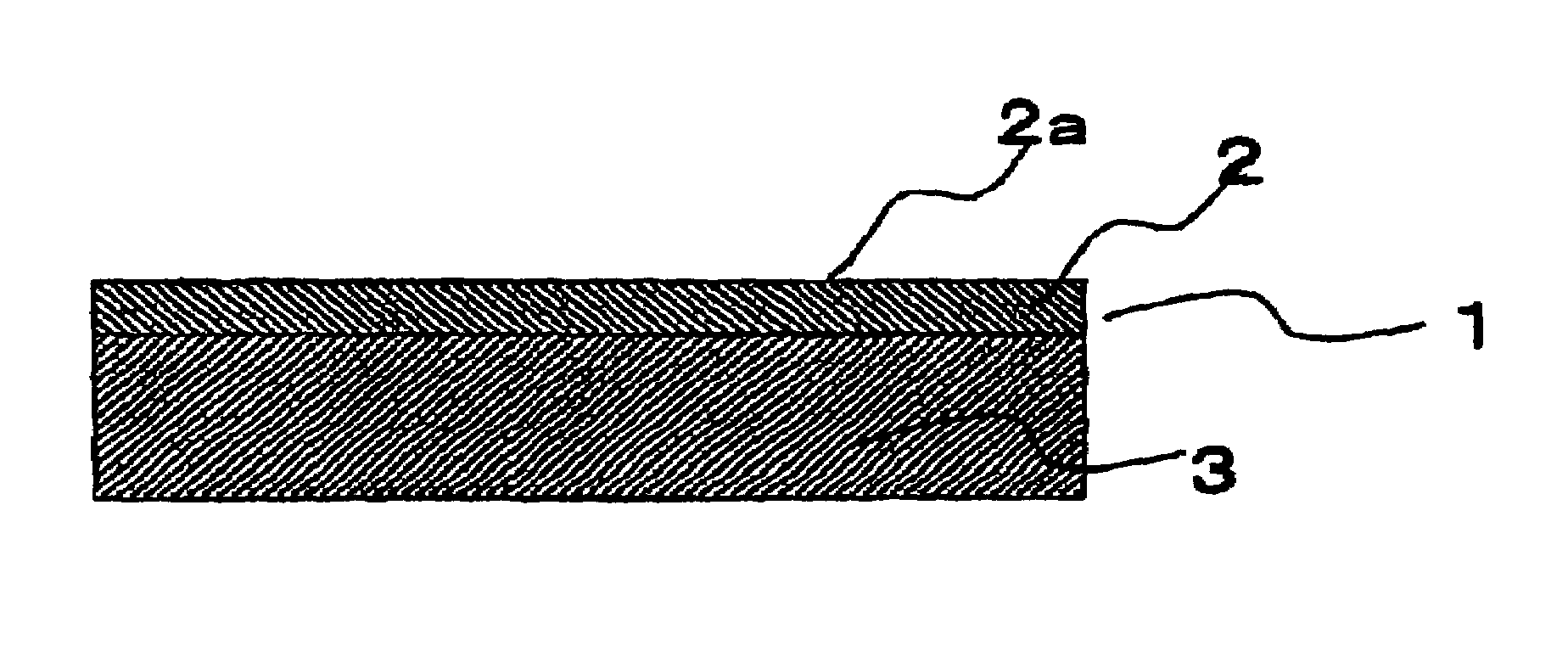
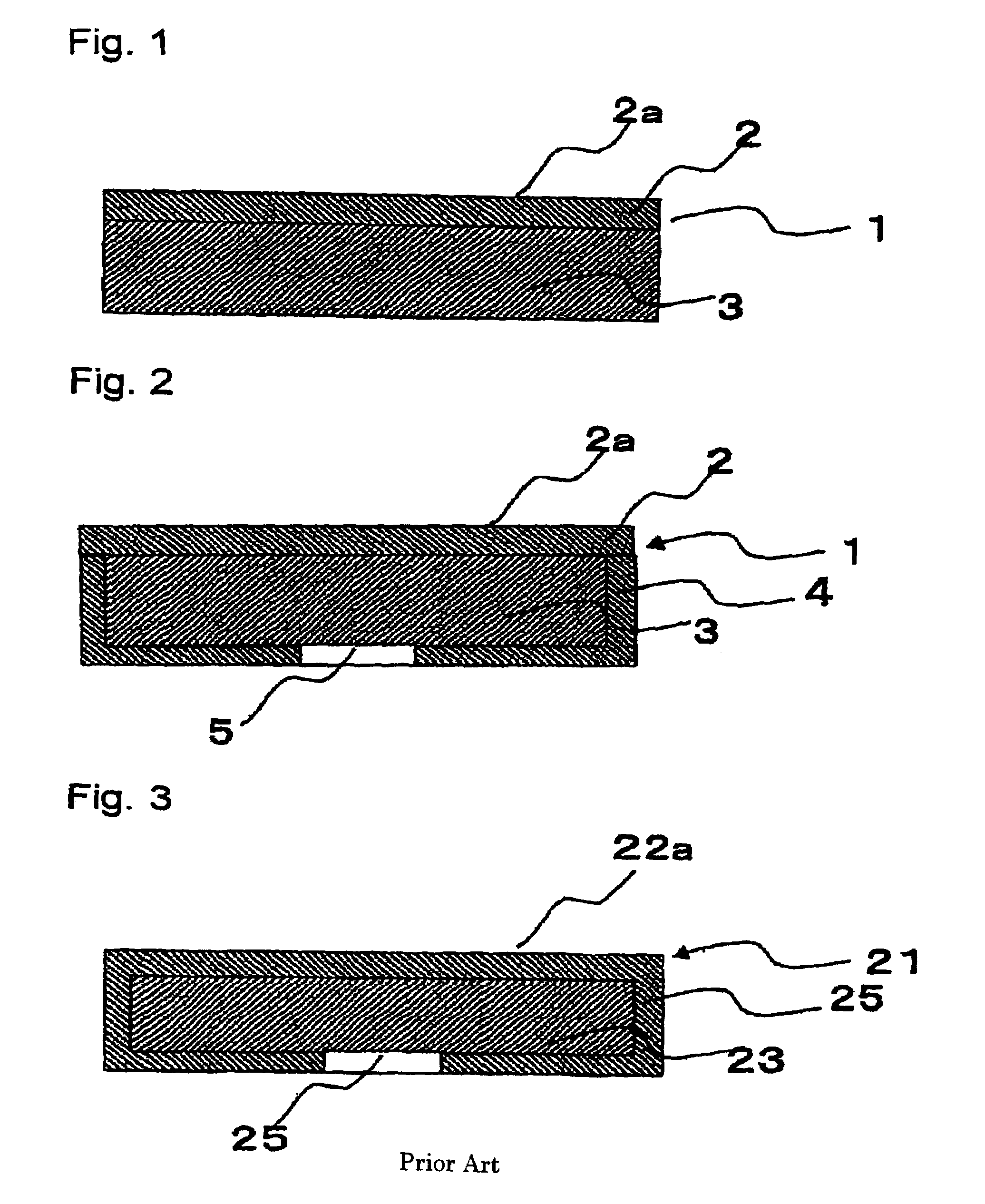
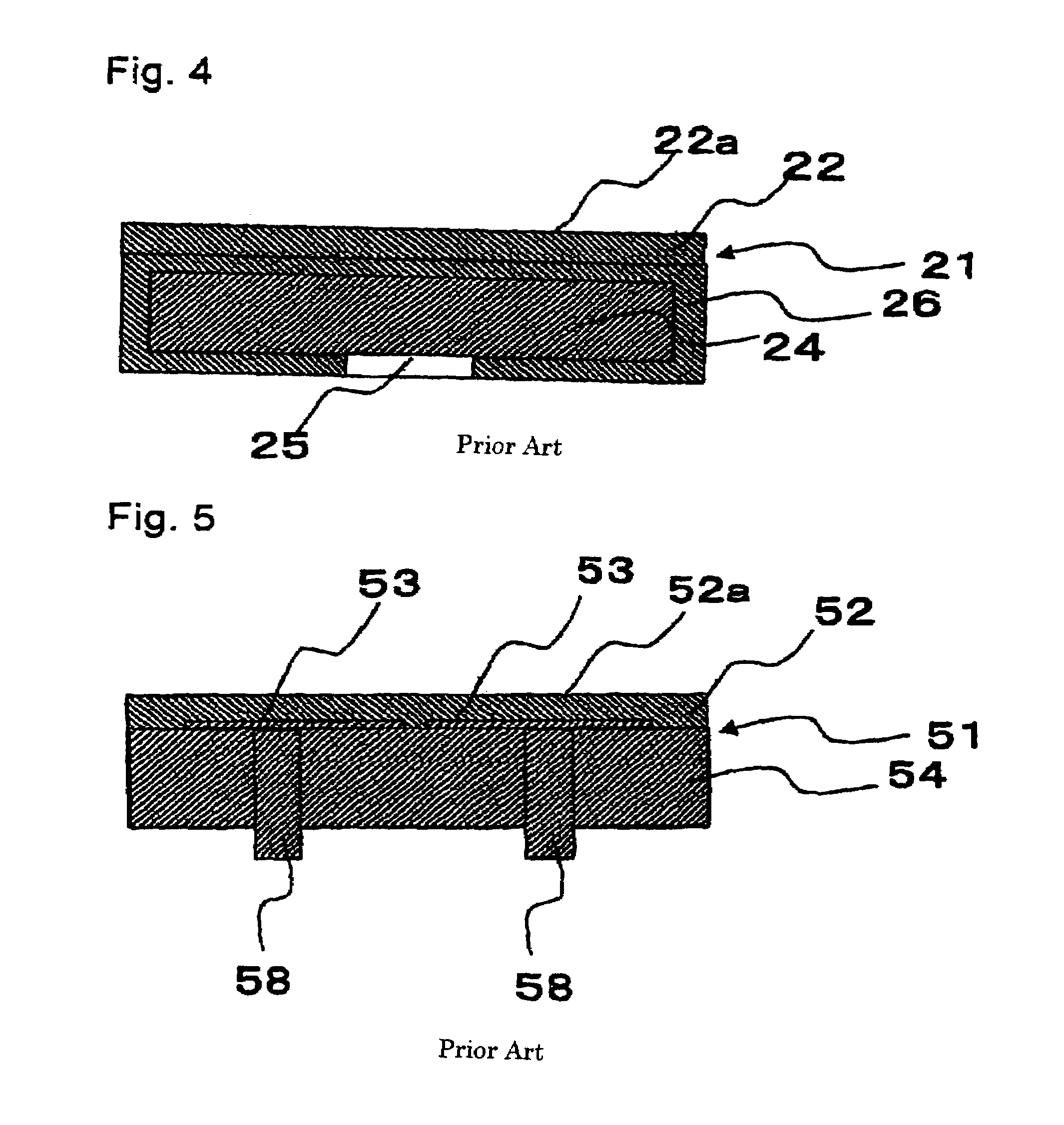
- An electrostatic chuck with a conductive base of metal or metal-ceramic composite and an insulating film of amorphous ceramics, 10-100 μm thick, containing rare gas elements, providing excellent thermal matching, plasma resistance, and uniform volume resistivity for improved chucking and release characteristics.
Material Degradation Mechanisms in ESC Systems
Material degradation in electrostatic chuck systems represents a complex interplay of physical, chemical, and electrical phenomena that directly impact the longevity comparison between traditional electrodes and conductive films. The fundamental degradation mechanisms stem from the harsh operating environment characterized by high temperatures, reactive plasma exposure, and continuous electrical stress cycles.
Thermal cycling constitutes one of the primary degradation drivers in ESC systems. Repeated heating and cooling cycles induce thermal stress that manifests differently in electrode-based and conductive film architectures. Traditional metallic electrodes experience coefficient of thermal expansion mismatches with surrounding dielectric materials, leading to interfacial delamination and micro-crack formation. Conductive films, particularly those based on transparent conductive oxides or metallic thin films, exhibit different thermal expansion characteristics that can result in film buckling or adhesion failure at elevated temperatures.
Plasma-induced degradation represents another critical mechanism affecting ESC longevity. Energetic ions and radicals from semiconductor processing plasmas can penetrate surface layers and cause chemical modification of electrode materials. Traditional tungsten or molybdenum electrodes demonstrate relatively high resistance to plasma etching due to their bulk metallic nature. However, conductive films present larger surface areas exposed to plasma environments, making them more susceptible to chemical attack and gradual erosion.
Electrical stress degradation occurs through multiple pathways including electromigration, dielectric breakdown, and charge accumulation effects. In electrode-based systems, current density concentrations at electrode edges can accelerate local degradation through Joule heating and electromigration phenomena. Conductive films distribute current more uniformly across their surface area, potentially reducing localized stress concentrations but introducing different failure modes related to film continuity and resistance drift.
Contamination-induced degradation emerges from particle deposition and chemical residue accumulation on ESC surfaces. The surface morphology differences between electrodes and conductive films influence contamination adhesion and cleaning effectiveness. Smooth conductive films may facilitate easier cleaning but can be more vulnerable to chemical attack from cleaning agents, while textured electrode surfaces may trap contaminants but offer better chemical resistance.
Mechanical wear mechanisms also contribute to long-term degradation through wafer contact cycling and handling operations. The compliance and hardness differences between electrode materials and conductive films result in distinct wear patterns and failure progression rates that significantly influence overall system longevity.
Thermal cycling constitutes one of the primary degradation drivers in ESC systems. Repeated heating and cooling cycles induce thermal stress that manifests differently in electrode-based and conductive film architectures. Traditional metallic electrodes experience coefficient of thermal expansion mismatches with surrounding dielectric materials, leading to interfacial delamination and micro-crack formation. Conductive films, particularly those based on transparent conductive oxides or metallic thin films, exhibit different thermal expansion characteristics that can result in film buckling or adhesion failure at elevated temperatures.
Plasma-induced degradation represents another critical mechanism affecting ESC longevity. Energetic ions and radicals from semiconductor processing plasmas can penetrate surface layers and cause chemical modification of electrode materials. Traditional tungsten or molybdenum electrodes demonstrate relatively high resistance to plasma etching due to their bulk metallic nature. However, conductive films present larger surface areas exposed to plasma environments, making them more susceptible to chemical attack and gradual erosion.
Electrical stress degradation occurs through multiple pathways including electromigration, dielectric breakdown, and charge accumulation effects. In electrode-based systems, current density concentrations at electrode edges can accelerate local degradation through Joule heating and electromigration phenomena. Conductive films distribute current more uniformly across their surface area, potentially reducing localized stress concentrations but introducing different failure modes related to film continuity and resistance drift.
Contamination-induced degradation emerges from particle deposition and chemical residue accumulation on ESC surfaces. The surface morphology differences between electrodes and conductive films influence contamination adhesion and cleaning effectiveness. Smooth conductive films may facilitate easier cleaning but can be more vulnerable to chemical attack from cleaning agents, while textured electrode surfaces may trap contaminants but offer better chemical resistance.
Mechanical wear mechanisms also contribute to long-term degradation through wafer contact cycling and handling operations. The compliance and hardness differences between electrode materials and conductive films result in distinct wear patterns and failure progression rates that significantly influence overall system longevity.
Cost-Performance Trade-offs in ESC Design
The cost-performance balance in electrostatic chuck design represents a critical decision matrix that directly impacts manufacturing economics and operational efficiency. Traditional electrode-based ESC systems typically require higher initial capital investment due to complex fabrication processes involving precision machining, multi-layer ceramic construction, and sophisticated electrical routing. However, these systems demonstrate superior long-term value propositions through extended operational lifespans and reduced maintenance frequencies.
Conductive film-based ESC designs offer compelling initial cost advantages, with manufacturing costs potentially 30-40% lower than conventional electrode systems. The simplified production process, utilizing thin-film deposition techniques and flexible substrate materials, enables rapid scaling and cost-effective mass production. These systems particularly excel in applications where moderate performance requirements align with budget constraints.
Performance metrics reveal nuanced trade-offs across different operational parameters. Electrode-based systems consistently deliver superior clamping force uniformity, temperature stability, and particle generation control, justifying premium pricing in high-precision semiconductor manufacturing environments. The robust construction enables operation under extreme conditions while maintaining consistent performance characteristics over extended periods.
Total cost of ownership calculations demonstrate that electrode systems often achieve better economic outcomes despite higher upfront investments. Reduced downtime, lower replacement frequencies, and enhanced process yield contribute to improved return on investment over typical 3-5 year operational cycles. Maintenance costs remain predictably low due to the inherent durability of ceramic-metal electrode constructions.
Conductive film solutions present attractive propositions for cost-sensitive applications or processes with shorter equipment lifecycles. The modular design philosophy enables selective component replacement, potentially reducing maintenance expenses. However, performance degradation patterns require careful consideration in applications demanding consistent long-term operation.
Market segmentation analysis indicates that high-volume consumer electronics manufacturing increasingly adopts film-based solutions, while advanced semiconductor fabrication facilities continue investing in electrode-based systems. This divergence reflects the fundamental cost-performance optimization strategies across different industry segments, with each approach delivering optimal value within specific operational contexts.
Conductive film-based ESC designs offer compelling initial cost advantages, with manufacturing costs potentially 30-40% lower than conventional electrode systems. The simplified production process, utilizing thin-film deposition techniques and flexible substrate materials, enables rapid scaling and cost-effective mass production. These systems particularly excel in applications where moderate performance requirements align with budget constraints.
Performance metrics reveal nuanced trade-offs across different operational parameters. Electrode-based systems consistently deliver superior clamping force uniformity, temperature stability, and particle generation control, justifying premium pricing in high-precision semiconductor manufacturing environments. The robust construction enables operation under extreme conditions while maintaining consistent performance characteristics over extended periods.
Total cost of ownership calculations demonstrate that electrode systems often achieve better economic outcomes despite higher upfront investments. Reduced downtime, lower replacement frequencies, and enhanced process yield contribute to improved return on investment over typical 3-5 year operational cycles. Maintenance costs remain predictably low due to the inherent durability of ceramic-metal electrode constructions.
Conductive film solutions present attractive propositions for cost-sensitive applications or processes with shorter equipment lifecycles. The modular design philosophy enables selective component replacement, potentially reducing maintenance expenses. However, performance degradation patterns require careful consideration in applications demanding consistent long-term operation.
Market segmentation analysis indicates that high-volume consumer electronics manufacturing increasingly adopts film-based solutions, while advanced semiconductor fabrication facilities continue investing in electrode-based systems. This divergence reflects the fundamental cost-performance optimization strategies across different industry segments, with each approach delivering optimal value within specific operational contexts.
Unlock deeper insights with PatSnap Eureka Quick Research — get a full tech report to explore trends and direct your research. Try now!
Generate Your Research Report Instantly with AI Agent
Supercharge your innovation with PatSnap Eureka AI Agent Platform!