

Comparing Optical Burst Switching vs Circuit Switching Efficiency
MAR 2, 20269 MIN READ
Generate Your Research Report Instantly with AI Agent
PatSnap Eureka helps you evaluate technical feasibility & market potential.
OBS vs Circuit Switching Background and Objectives
The evolution of optical networking technologies has been driven by the exponential growth in data traffic and the increasing demand for high-speed, reliable communication systems. Traditional circuit switching, which establishes dedicated end-to-end connections for the duration of communication sessions, has served as the backbone of telecommunications networks for decades. However, the emergence of bursty data traffic patterns and the need for more efficient bandwidth utilization has prompted the development of alternative switching paradigms.
Optical Burst Switching represents a revolutionary approach that combines the benefits of optical circuit switching and optical packet switching while addressing their respective limitations. Unlike circuit switching, which requires connection setup and teardown procedures, OBS operates by assembling data into bursts at edge nodes and transmitting them through the optical core network without requiring optical-electrical-optical conversions at intermediate nodes. This paradigm shift eliminates the need for optical buffering and reduces processing delays significantly.
The fundamental challenge in modern optical networks lies in optimizing resource utilization while maintaining quality of service requirements. Circuit switching, despite its reliability and guaranteed bandwidth allocation, suffers from inefficient resource utilization, particularly when dealing with sporadic or bursty traffic patterns. The static nature of circuit-switched connections often results in underutilized bandwidth during periods of low activity, leading to suboptimal network performance and increased operational costs.
The primary objective of comparing OBS and circuit switching efficiency centers on evaluating their respective capabilities in handling dynamic traffic demands, resource utilization optimization, and scalability requirements. This analysis aims to determine the optimal switching paradigm for next-generation optical networks, considering factors such as throughput performance, latency characteristics, blocking probability, and energy consumption patterns.
Furthermore, the comparison seeks to establish clear performance benchmarks for both technologies across various network scenarios, including metropolitan area networks, wide area networks, and data center interconnections. The evaluation framework encompasses both theoretical analysis and practical implementation considerations, providing comprehensive insights into the trade-offs between switching efficiency, network complexity, and deployment costs.
Optical Burst Switching represents a revolutionary approach that combines the benefits of optical circuit switching and optical packet switching while addressing their respective limitations. Unlike circuit switching, which requires connection setup and teardown procedures, OBS operates by assembling data into bursts at edge nodes and transmitting them through the optical core network without requiring optical-electrical-optical conversions at intermediate nodes. This paradigm shift eliminates the need for optical buffering and reduces processing delays significantly.
The fundamental challenge in modern optical networks lies in optimizing resource utilization while maintaining quality of service requirements. Circuit switching, despite its reliability and guaranteed bandwidth allocation, suffers from inefficient resource utilization, particularly when dealing with sporadic or bursty traffic patterns. The static nature of circuit-switched connections often results in underutilized bandwidth during periods of low activity, leading to suboptimal network performance and increased operational costs.
The primary objective of comparing OBS and circuit switching efficiency centers on evaluating their respective capabilities in handling dynamic traffic demands, resource utilization optimization, and scalability requirements. This analysis aims to determine the optimal switching paradigm for next-generation optical networks, considering factors such as throughput performance, latency characteristics, blocking probability, and energy consumption patterns.
Furthermore, the comparison seeks to establish clear performance benchmarks for both technologies across various network scenarios, including metropolitan area networks, wide area networks, and data center interconnections. The evaluation framework encompasses both theoretical analysis and practical implementation considerations, providing comprehensive insights into the trade-offs between switching efficiency, network complexity, and deployment costs.
Market Demand for High-Speed Optical Network Solutions
The global telecommunications landscape is experiencing unprecedented demand for high-speed optical network solutions, driven by exponential growth in data consumption, cloud computing adoption, and emerging technologies requiring ultra-low latency connectivity. Enterprise networks are increasingly migrating from traditional copper-based infrastructure to fiber-optic systems to support bandwidth-intensive applications such as video conferencing, real-time collaboration platforms, and data analytics workloads.
Data centers represent a particularly significant market segment, where the choice between optical burst switching and circuit switching technologies directly impacts operational efficiency and cost structures. Hyperscale data center operators are seeking solutions that can dynamically allocate bandwidth resources while maintaining predictable performance characteristics for mission-critical applications.
The telecommunications service provider market demonstrates strong appetite for network architectures that can efficiently handle both predictable traffic patterns and sudden burst requirements. Traditional circuit switching approaches, while offering guaranteed bandwidth allocation, often result in underutilized network resources during off-peak periods. This inefficiency translates to higher operational costs and reduced return on infrastructure investments.
Financial services, healthcare, and government sectors are driving demand for optical networking solutions that can provide deterministic performance guarantees while maintaining cost-effectiveness. These industries require networks capable of handling both steady-state operational traffic and periodic high-volume data transfers without compromising service quality or security requirements.
The emergence of 5G networks and edge computing architectures is creating new market opportunities for adaptive optical switching technologies. Network operators are evaluating solutions that can seamlessly transition between circuit-switched reliability for guaranteed services and burst-switched efficiency for variable workloads.
Market research indicates growing interest in hybrid approaches that combine the predictability of circuit switching with the resource optimization benefits of burst switching. This trend reflects the industry's recognition that different application types require distinct network behavior characteristics, creating demand for more sophisticated and flexible optical networking solutions.
Data centers represent a particularly significant market segment, where the choice between optical burst switching and circuit switching technologies directly impacts operational efficiency and cost structures. Hyperscale data center operators are seeking solutions that can dynamically allocate bandwidth resources while maintaining predictable performance characteristics for mission-critical applications.
The telecommunications service provider market demonstrates strong appetite for network architectures that can efficiently handle both predictable traffic patterns and sudden burst requirements. Traditional circuit switching approaches, while offering guaranteed bandwidth allocation, often result in underutilized network resources during off-peak periods. This inefficiency translates to higher operational costs and reduced return on infrastructure investments.
Financial services, healthcare, and government sectors are driving demand for optical networking solutions that can provide deterministic performance guarantees while maintaining cost-effectiveness. These industries require networks capable of handling both steady-state operational traffic and periodic high-volume data transfers without compromising service quality or security requirements.
The emergence of 5G networks and edge computing architectures is creating new market opportunities for adaptive optical switching technologies. Network operators are evaluating solutions that can seamlessly transition between circuit-switched reliability for guaranteed services and burst-switched efficiency for variable workloads.
Market research indicates growing interest in hybrid approaches that combine the predictability of circuit switching with the resource optimization benefits of burst switching. This trend reflects the industry's recognition that different application types require distinct network behavior characteristics, creating demand for more sophisticated and flexible optical networking solutions.
Current State and Challenges of Optical Switching Technologies
Optical switching technologies have evolved significantly over the past two decades, with optical burst switching (OBS) and optical circuit switching (OCS) representing two distinct paradigms for managing data transmission in optical networks. Currently, OCS dominates commercial deployments due to its mature infrastructure and proven reliability in wavelength division multiplexing (WDM) systems. Major telecommunications providers rely heavily on OCS for backbone networks, where dedicated wavelength channels provide guaranteed bandwidth and predictable performance characteristics.
The current state of OBS technology remains largely experimental, with limited commercial implementations despite extensive research efforts. While OBS promises improved bandwidth utilization through statistical multiplexing and reduced buffering requirements, practical deployments face significant technical hurdles. Most existing OBS testbeds operate in controlled laboratory environments or small-scale network segments, limiting real-world performance validation.
One of the primary challenges confronting optical switching technologies is the fundamental trade-off between switching granularity and network efficiency. OCS systems excel in scenarios requiring sustained, high-bandwidth connections but suffer from poor utilization when traffic patterns are bursty or unpredictable. The coarse granularity of wavelength-level switching in OCS leads to bandwidth wastage, particularly in networks with diverse traffic demands and varying connection durations.
OBS faces distinct technical challenges, particularly in burst collision resolution and quality of service provisioning. The lack of optical buffering capabilities necessitates sophisticated reservation protocols and deflection routing mechanisms, which introduce complexity and potential performance degradation. Current OBS implementations struggle with burst loss rates that exceed acceptable thresholds for many commercial applications, limiting their practical deployment.
Signaling overhead represents another critical challenge differentiating these technologies. OCS requires extensive signaling for path establishment and teardown, creating latency issues for short-duration connections. Conversely, OBS employs one-way reservation protocols that reduce signaling overhead but introduce uncertainty in resource allocation and potential service disruptions.
The geographic distribution of optical switching research and development reveals concentrated efforts in North America, Europe, and Asia-Pacific regions. Leading research institutions and telecommunications companies in these areas continue investigating hybrid approaches that combine OCS reliability with OBS flexibility, seeking to address the inherent limitations of each individual technology while maximizing their respective advantages.
The current state of OBS technology remains largely experimental, with limited commercial implementations despite extensive research efforts. While OBS promises improved bandwidth utilization through statistical multiplexing and reduced buffering requirements, practical deployments face significant technical hurdles. Most existing OBS testbeds operate in controlled laboratory environments or small-scale network segments, limiting real-world performance validation.
One of the primary challenges confronting optical switching technologies is the fundamental trade-off between switching granularity and network efficiency. OCS systems excel in scenarios requiring sustained, high-bandwidth connections but suffer from poor utilization when traffic patterns are bursty or unpredictable. The coarse granularity of wavelength-level switching in OCS leads to bandwidth wastage, particularly in networks with diverse traffic demands and varying connection durations.
OBS faces distinct technical challenges, particularly in burst collision resolution and quality of service provisioning. The lack of optical buffering capabilities necessitates sophisticated reservation protocols and deflection routing mechanisms, which introduce complexity and potential performance degradation. Current OBS implementations struggle with burst loss rates that exceed acceptable thresholds for many commercial applications, limiting their practical deployment.
Signaling overhead represents another critical challenge differentiating these technologies. OCS requires extensive signaling for path establishment and teardown, creating latency issues for short-duration connections. Conversely, OBS employs one-way reservation protocols that reduce signaling overhead but introduce uncertainty in resource allocation and potential service disruptions.
The geographic distribution of optical switching research and development reveals concentrated efforts in North America, Europe, and Asia-Pacific regions. Leading research institutions and telecommunications companies in these areas continue investigating hybrid approaches that combine OCS reliability with OBS flexibility, seeking to address the inherent limitations of each individual technology while maximizing their respective advantages.
Existing OBS and Circuit Switching Implementation Solutions
01 Hybrid switching architecture combining optical burst switching and circuit switching
A hybrid switching architecture that integrates both optical burst switching (OBS) and circuit switching technologies to optimize network resource utilization. This approach allows dynamic allocation of network resources based on traffic characteristics, where circuit switching handles long-duration, high-bandwidth connections while OBS manages bursty traffic. The hybrid system improves overall network efficiency by leveraging the advantages of both switching paradigms and reducing blocking probability.- Hybrid switching architecture combining optical burst switching and circuit switching: A hybrid switching architecture that integrates both optical burst switching (OBS) and circuit switching technologies to optimize network efficiency. This approach allows dynamic allocation of network resources based on traffic characteristics, where circuit switching handles long-duration, high-bandwidth connections while OBS manages bursty traffic. The hybrid system improves overall network utilization by leveraging the advantages of both switching paradigms, reducing blocking probability and improving quality of service.
- Resource reservation and bandwidth allocation mechanisms: Advanced resource reservation protocols and bandwidth allocation schemes designed to enhance the efficiency of optical burst switching networks. These mechanisms include predictive reservation algorithms, adaptive bandwidth allocation based on traffic patterns, and priority-based scheduling to minimize burst loss and improve channel utilization. The techniques enable better coordination between control and data planes, reducing contention and improving overall network throughput.
- Burst assembly and scheduling optimization: Techniques for optimizing burst assembly and scheduling in optical burst switching networks to improve transmission efficiency. These methods include intelligent burst aggregation algorithms that balance burst size and delay, adaptive scheduling strategies that consider network conditions, and priority-based burst assembly for differentiated services. The optimization approaches aim to reduce void filling overhead, minimize end-to-end delay, and maximize network resource utilization.
- Contention resolution and wavelength conversion: Methods for resolving contention in optical burst switching networks through wavelength conversion, deflection routing, and buffering techniques. These solutions address the challenge of burst collisions at network nodes by implementing optical or electronic buffering, wavelength converters for flexible channel assignment, and alternative path routing. The contention resolution mechanisms significantly reduce burst loss probability and improve network performance under high traffic loads.
- Quality of service provisioning and traffic differentiation: Quality of service mechanisms for optical burst switching networks that enable traffic differentiation and service guarantees. These include multi-class burst scheduling, offset-based prioritization, preemption strategies for high-priority traffic, and admission control policies. The QoS provisioning techniques ensure that different traffic types receive appropriate treatment based on their requirements, improving overall network efficiency and user satisfaction while maintaining fairness among different service classes.
02 Burst assembly and scheduling mechanisms for improved efficiency
Advanced burst assembly algorithms and scheduling mechanisms designed to optimize the formation and transmission of data bursts in optical networks. These techniques include adaptive burst assembly based on traffic patterns, priority-based scheduling, and offset time optimization to reduce contention and improve channel utilization. The mechanisms enhance switching efficiency by minimizing burst loss and maximizing throughput in optical burst switched networks.Expand Specific Solutions03 Wavelength conversion and routing techniques
Methods for wavelength conversion and intelligent routing in optical switching networks to improve resource allocation and reduce blocking. These techniques enable flexible wavelength assignment, multi-path routing, and dynamic wavelength reallocation to accommodate varying traffic demands. The implementation of wavelength conversion capabilities at network nodes significantly enhances switching efficiency and network scalability.Expand Specific Solutions04 Quality of Service (QoS) provisioning in optical switching networks
Mechanisms for providing differentiated Quality of Service in optical switching environments through traffic classification, priority management, and resource reservation. These approaches ensure that different traffic classes receive appropriate treatment based on their requirements, with circuit-switched connections providing guaranteed bandwidth and OBS offering flexible resource allocation for variable traffic. The QoS provisioning enhances overall network efficiency by optimizing resource utilization across different service levels.Expand Specific Solutions05 Contention resolution and buffering strategies
Techniques for resolving contention and managing buffering in optical switching networks to minimize packet loss and improve throughput. These strategies include fiber delay line buffering, deflection routing, wavelength conversion for contention avoidance, and burst segmentation. The implementation of effective contention resolution mechanisms is critical for enhancing the efficiency of both optical burst switching and hybrid switching architectures.Expand Specific Solutions
Key Players in Optical Networking Equipment Industry
The optical burst switching versus circuit switching efficiency landscape represents a mature telecommunications technology domain currently in the optimization phase, with established market segments seeking enhanced performance solutions. The market demonstrates moderate growth driven by increasing data traffic demands and network efficiency requirements. Technology maturity varies significantly across key players, with telecommunications giants like Huawei Technologies, ZTE Corp., Nokia Solutions & Networks, and Samsung Electronics leading commercial implementations and standardization efforts. Research institutions including University of Electronic Science & Technology of China, Beijing University of Posts & Telecommunications, and Korea Advanced Institute of Science & Technology drive fundamental research and algorithm development. Semiconductor companies such as Intel Corp., Infineon Technologies, and MediaTek focus on hardware optimization for switching architectures. The competitive landscape shows convergence toward hybrid switching solutions, with established players leveraging their network infrastructure expertise while academic institutions contribute theoretical foundations and novel approaches to switching efficiency improvements.
Huawei Technologies Co., Ltd.
Technical Solution: Huawei has developed comprehensive optical networking solutions that integrate both optical burst switching (OBS) and circuit switching technologies. Their approach focuses on intelligent optical networks that can dynamically allocate bandwidth based on traffic patterns. The company's OBS implementation utilizes advanced buffering mechanisms and sophisticated scheduling algorithms to minimize packet loss while maintaining high throughput. Their circuit switching solutions provide guaranteed bandwidth allocation for mission-critical applications. Huawei's optical transport network (OTN) technology combines the flexibility of OBS for bursty traffic with the reliability of circuit switching for constant bit rate services, enabling operators to optimize network efficiency based on specific application requirements.
Strengths: Strong integration capabilities, comprehensive portfolio covering both technologies, extensive field deployment experience. Weaknesses: Higher complexity in network management, potential vendor lock-in concerns for some customers.
Intel Corp.
Technical Solution: Intel's approach to optical switching efficiency focuses on silicon photonics technology that enables both OBS and circuit switching implementations on the same platform. Their silicon photonic transceivers and switching fabrics provide the foundation for high-speed optical networks. Intel's technology emphasizes power efficiency and scalability, with their photonic integrated circuits supporting multiple switching paradigms. The company's solutions enable network operators to implement hybrid switching architectures that can dynamically choose between burst and circuit modes based on traffic characteristics. Their silicon photonics platform supports wavelength division multiplexing (WDM) and can handle both connectionless burst traffic and connection-oriented circuit traffic with optimized power consumption and reduced latency.
Strengths: Advanced silicon photonics technology, excellent power efficiency, strong semiconductor manufacturing capabilities. Weaknesses: Limited direct networking equipment experience, dependency on ecosystem partners for complete solutions.
Core Technologies in Burst vs Circuit Switching Mechanisms
Optical burst switching node with internal speedup
PatentInactiveUS7499650B2
Innovation
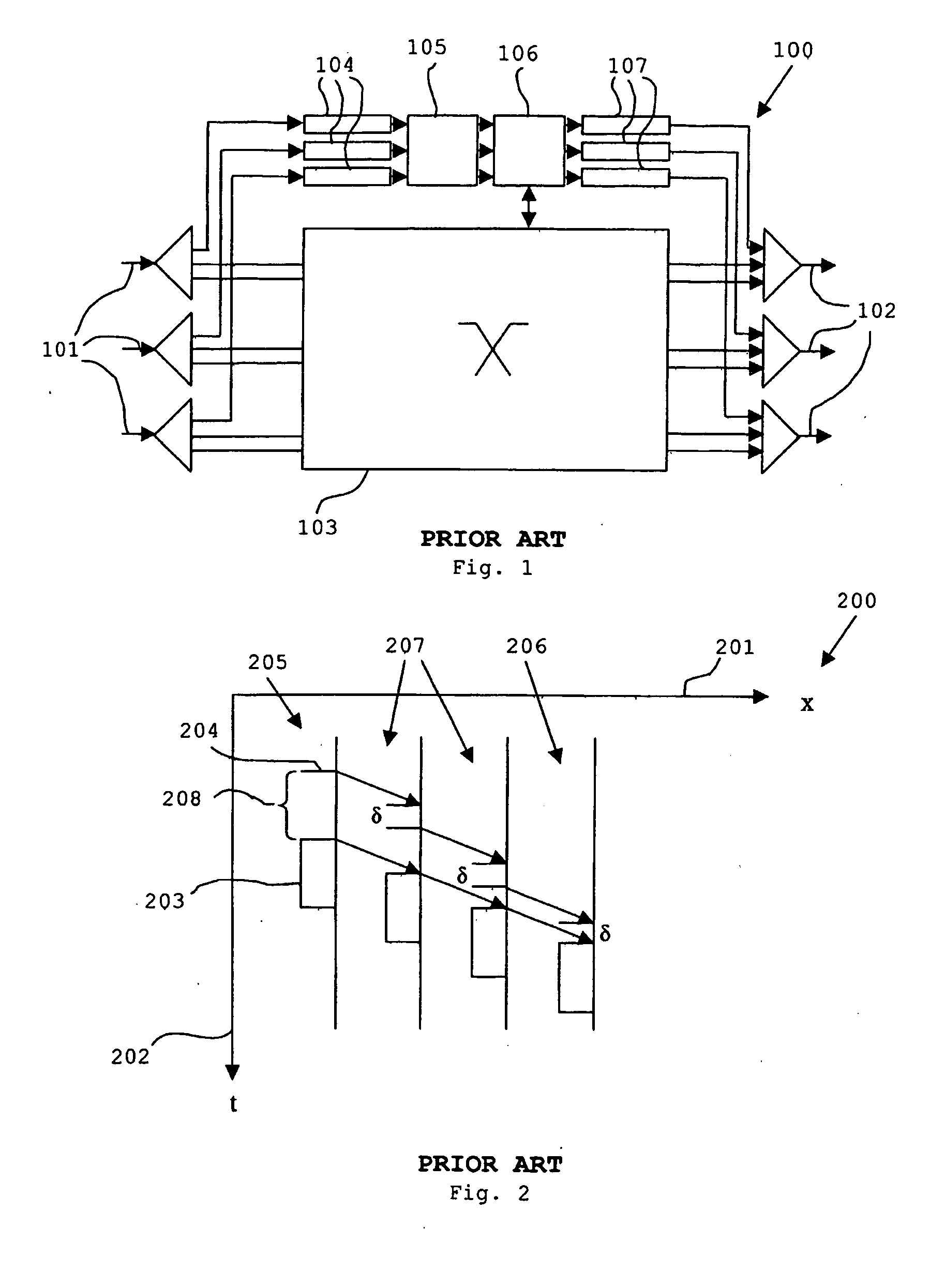
- A multi-plane OBS node architecture is introduced, featuring multiple switching planes and fiber delay lines (FDLs) that increase internal bandwidth, allowing for simultaneous switching and buffering of bursts, thereby eliminating the need for expensive TWC and improving buffering efficiency through a dynamic buffering policy.
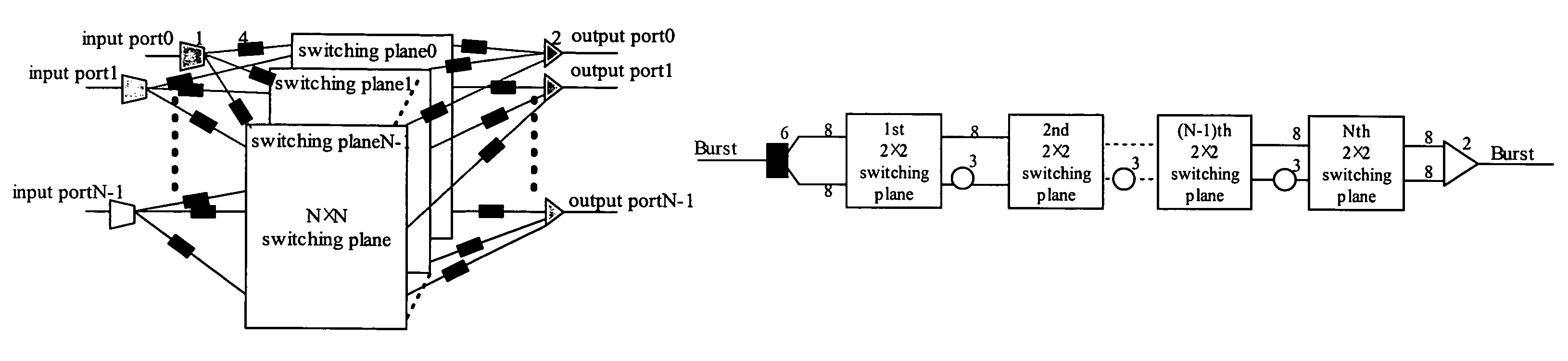
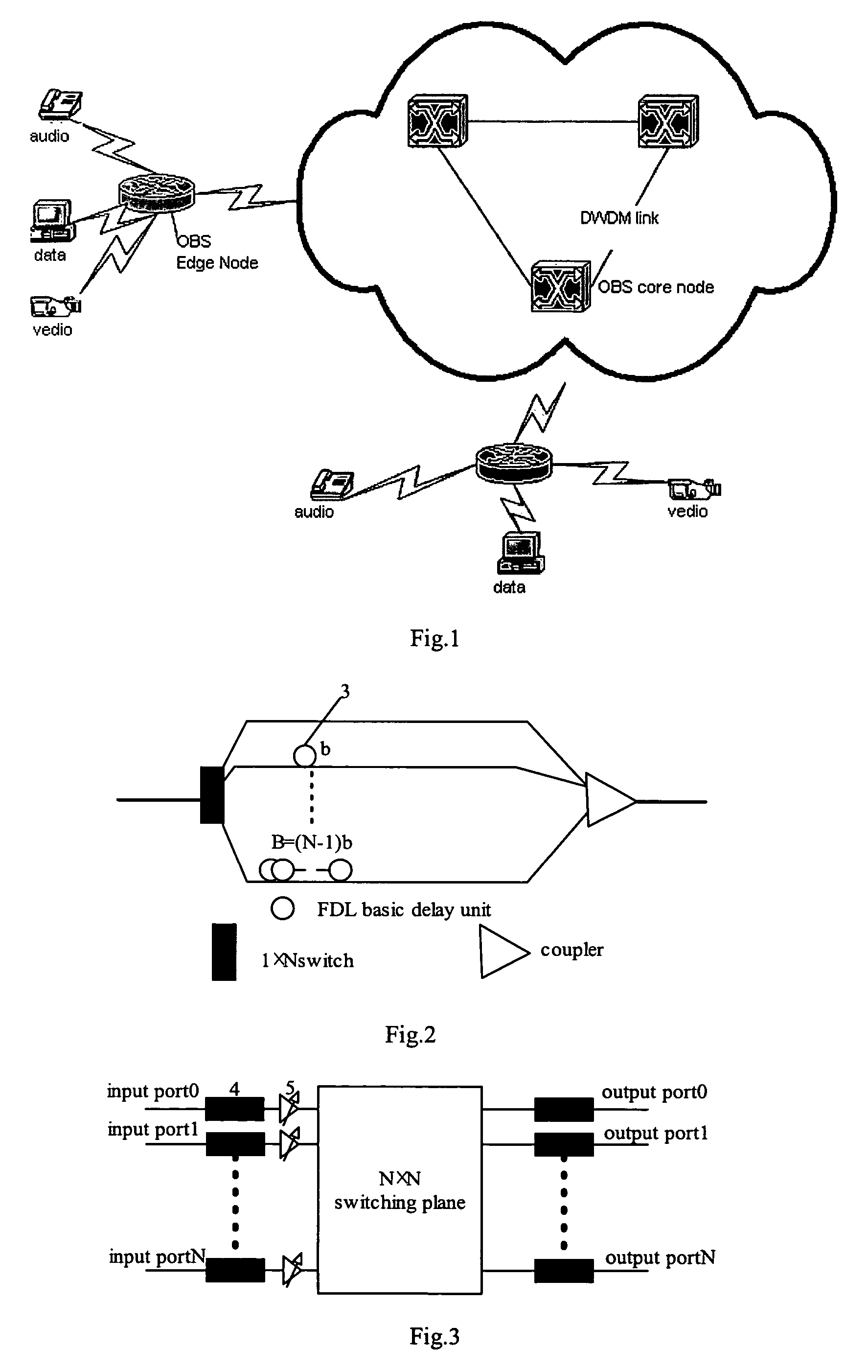
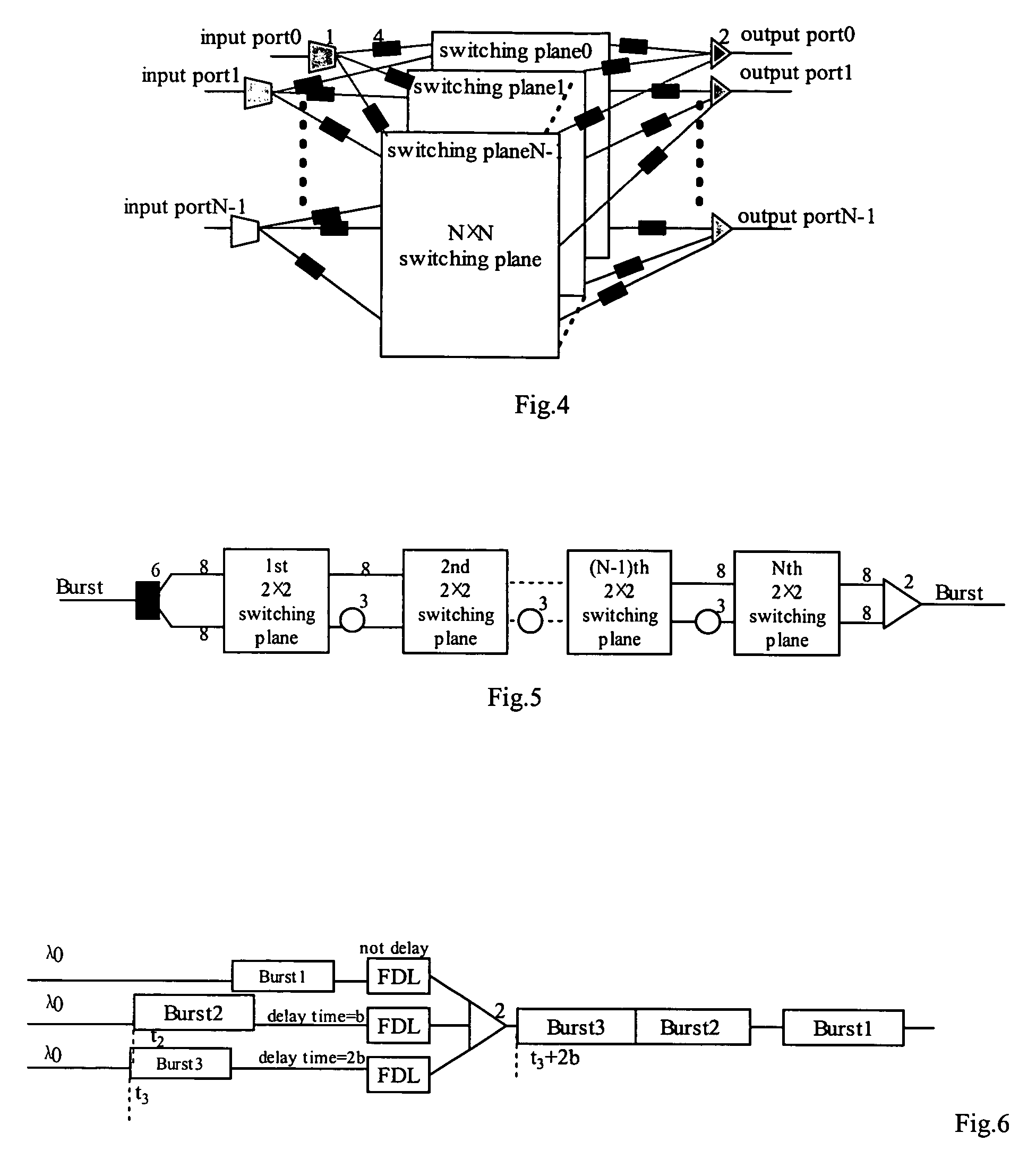

Control device and a method for controlling an optical data transmission, and a shared storage network system
PatentInactiveUS20090142055A1
Innovation
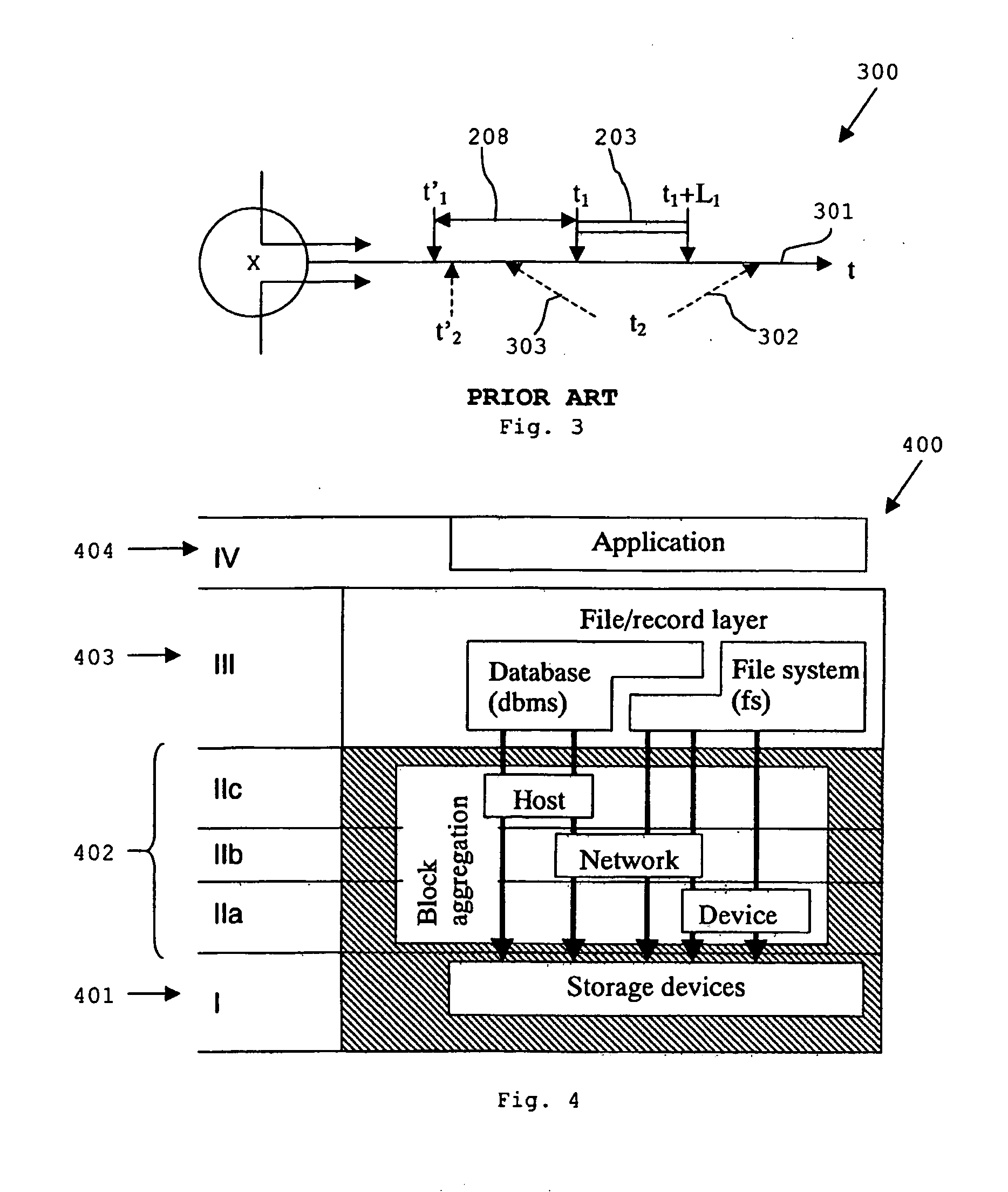
- A control device and method for controlling optical data transmission in an optical burst switching mode, where the burst length is determined based on available buffer size and a timeout value, allowing for efficient resource management and reduced transmission failures by accumulating data into proper-length bursts before transmission, utilizing parameters like initial window size, packet size, and peak service rate.
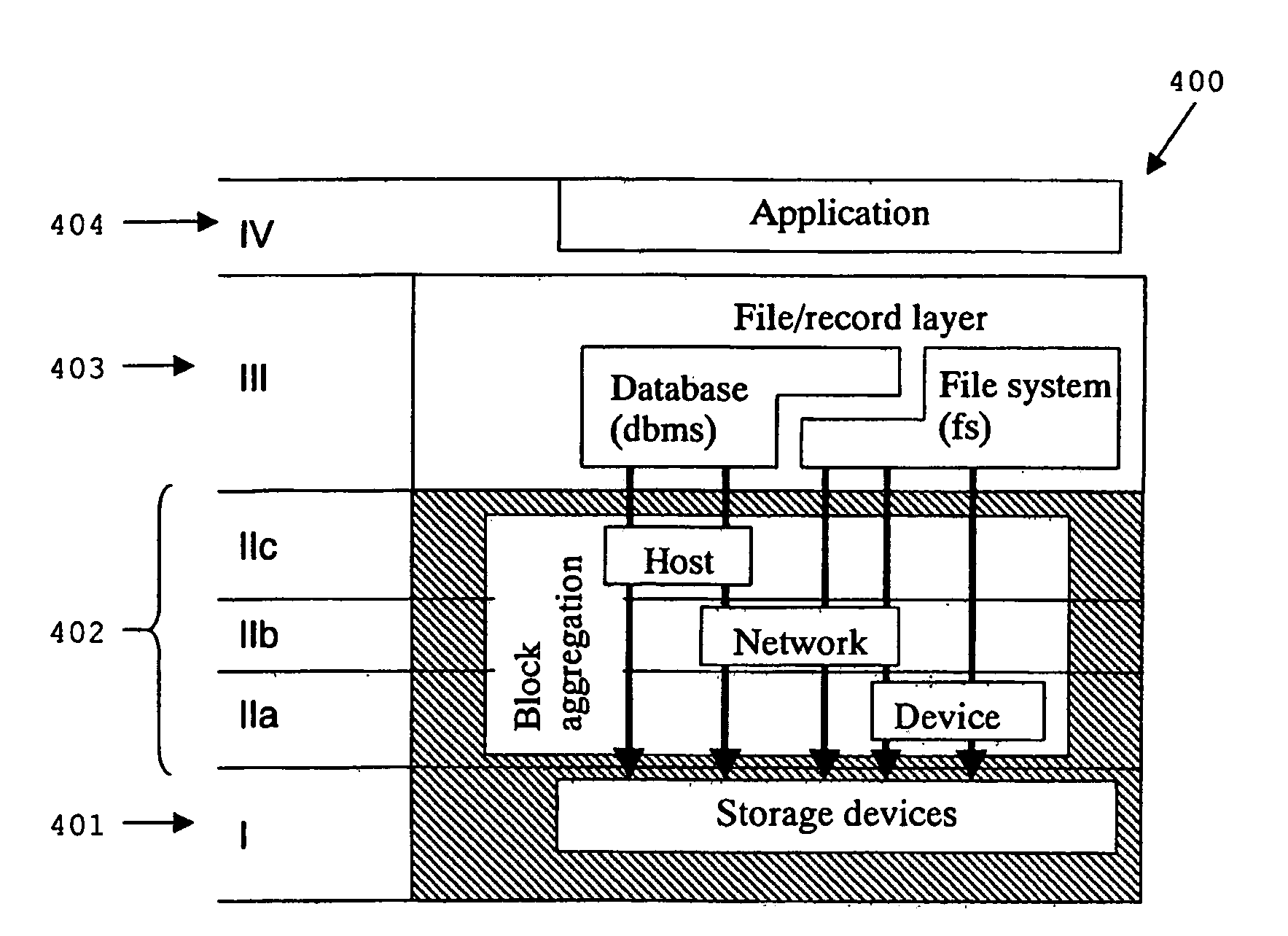

Network Performance Metrics and Efficiency Benchmarking
Network performance evaluation requires comprehensive metrics to accurately assess the efficiency differences between Optical Burst Switching (OBS) and Circuit Switching technologies. The fundamental challenge lies in establishing standardized benchmarking frameworks that can fairly compare these architectures across multiple performance dimensions.
Latency represents a critical performance metric where significant differences emerge between the two switching paradigms. Circuit switching exhibits predictable, constant latency once the circuit is established, typically ranging from microseconds to milliseconds depending on the network scale. OBS demonstrates variable latency characteristics, with burst assembly delays at ingress nodes contributing 10-100 microseconds, while the actual switching process occurs within nanoseconds at intermediate nodes.
Throughput efficiency measurements reveal distinct behavioral patterns under varying traffic conditions. Circuit switching achieves near-theoretical maximum throughput utilization when circuits are fully utilized, often reaching 95-99% efficiency for long-duration connections. However, efficiency drops significantly for short-lived connections due to setup and teardown overhead. OBS maintains more consistent throughput efficiency across different traffic patterns, typically achieving 70-85% utilization while avoiding the setup overhead penalties.
Bandwidth utilization metrics demonstrate the statistical multiplexing advantages of OBS over circuit switching. Circuit switching reserves bandwidth for the entire connection duration, leading to potential underutilization during idle periods. Studies indicate average bandwidth utilization rates of 40-60% for typical bursty traffic patterns. OBS leverages statistical multiplexing to achieve higher aggregate bandwidth utilization, often exceeding 80% through dynamic resource allocation and burst scheduling algorithms.
Packet loss and blocking probability serve as crucial reliability indicators for both technologies. Circuit switching exhibits binary behavior with connection blocking occurring when insufficient resources are available, typically measured as blocking probabilities ranging from 0.1% to 5% depending on network dimensioning. OBS experiences burst loss due to contention at intermediate nodes, with loss rates varying from 0.01% to 1% based on traffic load and buffering strategies.
Quality of Service (QoS) differentiation capabilities represent another essential benchmarking dimension. Circuit switching provides inherent QoS guarantees through dedicated resource allocation, ensuring consistent performance for established connections. OBS implements QoS through burst priority mechanisms, offset time differentiation, and wavelength assignment policies, achieving service differentiation while maintaining statistical multiplexing benefits.
Energy efficiency metrics have gained prominence in modern network evaluations. Circuit switching maintains constant power consumption regardless of actual data transmission, while OBS demonstrates more dynamic power consumption patterns correlating with traffic intensity. Benchmarking studies indicate OBS can achieve 15-30% better energy efficiency for typical Internet traffic patterns through adaptive resource utilization.
Latency represents a critical performance metric where significant differences emerge between the two switching paradigms. Circuit switching exhibits predictable, constant latency once the circuit is established, typically ranging from microseconds to milliseconds depending on the network scale. OBS demonstrates variable latency characteristics, with burst assembly delays at ingress nodes contributing 10-100 microseconds, while the actual switching process occurs within nanoseconds at intermediate nodes.
Throughput efficiency measurements reveal distinct behavioral patterns under varying traffic conditions. Circuit switching achieves near-theoretical maximum throughput utilization when circuits are fully utilized, often reaching 95-99% efficiency for long-duration connections. However, efficiency drops significantly for short-lived connections due to setup and teardown overhead. OBS maintains more consistent throughput efficiency across different traffic patterns, typically achieving 70-85% utilization while avoiding the setup overhead penalties.
Bandwidth utilization metrics demonstrate the statistical multiplexing advantages of OBS over circuit switching. Circuit switching reserves bandwidth for the entire connection duration, leading to potential underutilization during idle periods. Studies indicate average bandwidth utilization rates of 40-60% for typical bursty traffic patterns. OBS leverages statistical multiplexing to achieve higher aggregate bandwidth utilization, often exceeding 80% through dynamic resource allocation and burst scheduling algorithms.
Packet loss and blocking probability serve as crucial reliability indicators for both technologies. Circuit switching exhibits binary behavior with connection blocking occurring when insufficient resources are available, typically measured as blocking probabilities ranging from 0.1% to 5% depending on network dimensioning. OBS experiences burst loss due to contention at intermediate nodes, with loss rates varying from 0.01% to 1% based on traffic load and buffering strategies.
Quality of Service (QoS) differentiation capabilities represent another essential benchmarking dimension. Circuit switching provides inherent QoS guarantees through dedicated resource allocation, ensuring consistent performance for established connections. OBS implements QoS through burst priority mechanisms, offset time differentiation, and wavelength assignment policies, achieving service differentiation while maintaining statistical multiplexing benefits.
Energy efficiency metrics have gained prominence in modern network evaluations. Circuit switching maintains constant power consumption regardless of actual data transmission, while OBS demonstrates more dynamic power consumption patterns correlating with traffic intensity. Benchmarking studies indicate OBS can achieve 15-30% better energy efficiency for typical Internet traffic patterns through adaptive resource utilization.
Standardization Efforts in Next-Gen Optical Networks
The standardization landscape for next-generation optical networks has become increasingly critical as the industry transitions from traditional circuit switching to more dynamic switching paradigms like optical burst switching. Multiple international organizations are actively developing standards to address the efficiency challenges and interoperability requirements of these emerging technologies.
The International Telecommunication Union Telecommunication Standardization Sector (ITU-T) has established several working groups focused on optical transport networks, with particular emphasis on flexible grid technologies and software-defined optical networking. Study Group 15 has been instrumental in developing recommendations for optical transport network architectures that can accommodate both circuit and burst switching methodologies within unified frameworks.
The Internet Engineering Task Force (IETF) has contributed significantly through its Common Control and Measurement Plane working group, developing protocols that enable efficient resource allocation and management across hybrid optical networks. These efforts include standardizing control plane interfaces that can dynamically switch between circuit and burst modes based on traffic patterns and network conditions.
The Optical Internetworking Forum (OIF) has focused on implementation agreements that bridge the gap between theoretical switching efficiency models and practical deployment scenarios. Their work on dynamic optical networking has established baseline performance metrics for comparing circuit and burst switching implementations, providing vendors with clear benchmarks for efficiency evaluation.
IEEE 802.3 working groups have addressed physical layer standardization for high-speed optical interfaces that support both switching paradigms. Recent developments include standards for 400G and 800G optical interfaces with enhanced flexibility to accommodate the varying latency and bandwidth requirements of different switching approaches.
The European Telecommunications Standards Institute (ETSI) has contributed through its Network Functions Virtualization Industry Specification Group, developing standards for virtualizing optical network functions that enable seamless integration of circuit and burst switching capabilities within software-defined network architectures.
These standardization efforts collectively aim to establish interoperable frameworks that maximize the efficiency benefits of both switching technologies while minimizing deployment complexity and ensuring backward compatibility with existing optical infrastructure.
The International Telecommunication Union Telecommunication Standardization Sector (ITU-T) has established several working groups focused on optical transport networks, with particular emphasis on flexible grid technologies and software-defined optical networking. Study Group 15 has been instrumental in developing recommendations for optical transport network architectures that can accommodate both circuit and burst switching methodologies within unified frameworks.
The Internet Engineering Task Force (IETF) has contributed significantly through its Common Control and Measurement Plane working group, developing protocols that enable efficient resource allocation and management across hybrid optical networks. These efforts include standardizing control plane interfaces that can dynamically switch between circuit and burst modes based on traffic patterns and network conditions.
The Optical Internetworking Forum (OIF) has focused on implementation agreements that bridge the gap between theoretical switching efficiency models and practical deployment scenarios. Their work on dynamic optical networking has established baseline performance metrics for comparing circuit and burst switching implementations, providing vendors with clear benchmarks for efficiency evaluation.
IEEE 802.3 working groups have addressed physical layer standardization for high-speed optical interfaces that support both switching paradigms. Recent developments include standards for 400G and 800G optical interfaces with enhanced flexibility to accommodate the varying latency and bandwidth requirements of different switching approaches.
The European Telecommunications Standards Institute (ETSI) has contributed through its Network Functions Virtualization Industry Specification Group, developing standards for virtualizing optical network functions that enable seamless integration of circuit and burst switching capabilities within software-defined network architectures.
These standardization efforts collectively aim to establish interoperable frameworks that maximize the efficiency benefits of both switching technologies while minimizing deployment complexity and ensuring backward compatibility with existing optical infrastructure.
Unlock deeper insights with PatSnap Eureka Quick Research — get a full tech report to explore trends and direct your research. Try now!
Generate Your Research Report Instantly with AI Agent
Supercharge your innovation with PatSnap Eureka AI Agent Platform!