
Comparing Solid-State Circuit Breaker Materials For Thermal Conductivity
MAY 14, 202610 MIN READ
Generate Your Research Report Instantly with AI Agent
Patsnap Eureka helps you evaluate technical feasibility & market potential.
Solid-State Circuit Breaker Material Development Background
The evolution of solid-state circuit breaker (SSCB) technology represents a paradigm shift from traditional mechanical circuit protection systems toward semiconductor-based solutions. This transformation emerged from the increasing demands of modern electrical systems for faster switching speeds, enhanced reliability, and improved controllability. The development trajectory began in the 1970s with early thyristor-based designs and has progressively advanced through multiple generations of power semiconductor technologies.
The foundational motivation for SSCB development stemmed from inherent limitations of conventional mechanical circuit breakers, particularly their slow response times, mechanical wear, and maintenance requirements. Early research focused on leveraging the rapid switching capabilities of power semiconductors to achieve interruption times measured in microseconds rather than milliseconds. Initial implementations utilized silicon-controlled rectifiers (SCRs) and gate turn-off thyristors (GTOs), establishing the basic architectural principles that continue to influence contemporary designs.
The technological evolution accelerated significantly with the introduction of insulated gate bipolar transistors (IGBTs) in the 1980s, which offered superior controllability and switching characteristics. This period marked the beginning of serious commercial interest in SSCB applications, particularly for specialized industrial and aerospace applications where rapid fault clearing was critical. The development focus expanded beyond basic switching functionality to encompass comprehensive system integration challenges, including thermal management, electromagnetic compatibility, and protection coordination.
Material science considerations became increasingly prominent as power density requirements intensified throughout the 1990s and 2000s. The recognition that thermal conductivity properties of semiconductor materials and packaging substrates directly impact device performance and reliability drove extensive research into advanced material systems. Silicon carbide (SiC) and gallium nitride (GaN) wide-bandgap semiconductors emerged as transformative technologies, offering superior thermal properties alongside enhanced electrical characteristics.
Contemporary SSCB development emphasizes holistic material optimization approaches that balance electrical performance, thermal management, and manufacturing feasibility. The integration of advanced thermal interface materials, novel substrate technologies, and innovative packaging architectures reflects the maturation of the field toward commercially viable solutions. Current research trajectories focus on achieving cost-effective implementations while maintaining the performance advantages that justify SSCB adoption across diverse application domains.
The strategic importance of thermal conductivity optimization has become a defining characteristic of modern SSCB material development, driving interdisciplinary collaboration between semiconductor physics, materials engineering, and thermal management specialists to achieve next-generation circuit protection capabilities.
The foundational motivation for SSCB development stemmed from inherent limitations of conventional mechanical circuit breakers, particularly their slow response times, mechanical wear, and maintenance requirements. Early research focused on leveraging the rapid switching capabilities of power semiconductors to achieve interruption times measured in microseconds rather than milliseconds. Initial implementations utilized silicon-controlled rectifiers (SCRs) and gate turn-off thyristors (GTOs), establishing the basic architectural principles that continue to influence contemporary designs.
The technological evolution accelerated significantly with the introduction of insulated gate bipolar transistors (IGBTs) in the 1980s, which offered superior controllability and switching characteristics. This period marked the beginning of serious commercial interest in SSCB applications, particularly for specialized industrial and aerospace applications where rapid fault clearing was critical. The development focus expanded beyond basic switching functionality to encompass comprehensive system integration challenges, including thermal management, electromagnetic compatibility, and protection coordination.
Material science considerations became increasingly prominent as power density requirements intensified throughout the 1990s and 2000s. The recognition that thermal conductivity properties of semiconductor materials and packaging substrates directly impact device performance and reliability drove extensive research into advanced material systems. Silicon carbide (SiC) and gallium nitride (GaN) wide-bandgap semiconductors emerged as transformative technologies, offering superior thermal properties alongside enhanced electrical characteristics.
Contemporary SSCB development emphasizes holistic material optimization approaches that balance electrical performance, thermal management, and manufacturing feasibility. The integration of advanced thermal interface materials, novel substrate technologies, and innovative packaging architectures reflects the maturation of the field toward commercially viable solutions. Current research trajectories focus on achieving cost-effective implementations while maintaining the performance advantages that justify SSCB adoption across diverse application domains.
The strategic importance of thermal conductivity optimization has become a defining characteristic of modern SSCB material development, driving interdisciplinary collaboration between semiconductor physics, materials engineering, and thermal management specialists to achieve next-generation circuit protection capabilities.
Market Demand for High Thermal Conductivity SSCB Materials
The global power electronics market is experiencing unprecedented growth, driven by the increasing adoption of renewable energy systems, electric vehicles, and smart grid infrastructure. This expansion has created substantial demand for advanced solid-state circuit breaker technologies that can handle higher power densities while maintaining reliable thermal management. Traditional mechanical circuit breakers are increasingly inadequate for modern applications requiring rapid switching, compact form factors, and enhanced safety features.
Data centers represent one of the most significant growth segments for high thermal conductivity SSCB materials. The exponential increase in cloud computing, artificial intelligence, and cryptocurrency mining has created facilities with power densities exceeding traditional design parameters. These environments demand circuit protection devices that can dissipate heat efficiently while occupying minimal space, making thermal conductivity a critical material selection criterion.
The renewable energy sector presents another substantial market opportunity. Solar inverters, wind turbine converters, and energy storage systems require circuit breakers capable of handling variable power loads while maintaining consistent performance across wide temperature ranges. High thermal conductivity materials enable these systems to operate at higher efficiency levels and extend operational lifespans, directly impacting the total cost of ownership for renewable energy installations.
Electric vehicle charging infrastructure development is accelerating market demand for thermally efficient SSCB materials. Fast-charging stations operating at power levels exceeding several hundred kilowatts generate significant heat that must be managed effectively. The automotive industry's transition toward electrification has created urgent requirements for compact, reliable circuit protection solutions that can handle rapid thermal cycling without performance degradation.
Industrial automation and manufacturing sectors are increasingly adopting solid-state circuit breakers for motor control applications, robotics, and process control systems. These applications often involve harsh operating environments where traditional circuit breakers may fail due to thermal stress. High thermal conductivity materials enable more robust designs that can withstand industrial temperature extremes while providing precise protection characteristics.
The telecommunications industry represents an emerging market segment as network infrastructure evolves toward higher power consumption levels. Fifth-generation wireless networks and edge computing facilities require circuit protection devices that can operate reliably in temperature-controlled environments while minimizing heat generation that could affect sensitive electronic components.
Market growth is further supported by regulatory trends emphasizing energy efficiency and safety standards. International electrical codes are increasingly requiring advanced circuit protection technologies that can provide faster fault detection and interruption capabilities, characteristics that are enhanced by superior thermal management properties.
Data centers represent one of the most significant growth segments for high thermal conductivity SSCB materials. The exponential increase in cloud computing, artificial intelligence, and cryptocurrency mining has created facilities with power densities exceeding traditional design parameters. These environments demand circuit protection devices that can dissipate heat efficiently while occupying minimal space, making thermal conductivity a critical material selection criterion.
The renewable energy sector presents another substantial market opportunity. Solar inverters, wind turbine converters, and energy storage systems require circuit breakers capable of handling variable power loads while maintaining consistent performance across wide temperature ranges. High thermal conductivity materials enable these systems to operate at higher efficiency levels and extend operational lifespans, directly impacting the total cost of ownership for renewable energy installations.
Electric vehicle charging infrastructure development is accelerating market demand for thermally efficient SSCB materials. Fast-charging stations operating at power levels exceeding several hundred kilowatts generate significant heat that must be managed effectively. The automotive industry's transition toward electrification has created urgent requirements for compact, reliable circuit protection solutions that can handle rapid thermal cycling without performance degradation.
Industrial automation and manufacturing sectors are increasingly adopting solid-state circuit breakers for motor control applications, robotics, and process control systems. These applications often involve harsh operating environments where traditional circuit breakers may fail due to thermal stress. High thermal conductivity materials enable more robust designs that can withstand industrial temperature extremes while providing precise protection characteristics.
The telecommunications industry represents an emerging market segment as network infrastructure evolves toward higher power consumption levels. Fifth-generation wireless networks and edge computing facilities require circuit protection devices that can operate reliably in temperature-controlled environments while minimizing heat generation that could affect sensitive electronic components.
Market growth is further supported by regulatory trends emphasizing energy efficiency and safety standards. International electrical codes are increasingly requiring advanced circuit protection technologies that can provide faster fault detection and interruption capabilities, characteristics that are enhanced by superior thermal management properties.
Current Thermal Management Challenges in SSCB Materials
Solid-state circuit breakers face significant thermal management challenges that directly impact their performance, reliability, and operational lifespan. The primary challenge stems from the inherent heat generation during switching operations and steady-state conduction, where semiconductor devices experience substantial power losses that must be effectively dissipated to prevent thermal runaway and device failure.
The concentration of heat generation in SSCB materials creates localized hot spots that can exceed safe operating temperatures within microseconds during fault interruption events. Silicon carbide and gallium nitride devices, while offering superior electrical performance, generate intense thermal loads during high-current switching operations. These materials exhibit temperature-dependent electrical characteristics, where elevated temperatures can lead to increased leakage currents and reduced breakdown voltages, creating a cascading thermal effect.
Thermal interface resistance between different material layers presents another critical challenge in SSCB design. The junction between semiconductor dies and heat spreaders often creates thermal bottlenecks due to material property mismatches and manufacturing tolerances. Air gaps, surface roughness, and thermal interface material degradation contribute to increased thermal resistance, limiting heat transfer efficiency and creating temperature gradients across the device structure.
Package-level thermal management becomes increasingly complex as SSCB designs integrate multiple semiconductor devices in compact configurations. The thermal coupling between adjacent devices can create mutual heating effects, where the thermal output of one device influences the operating temperature of neighboring components. This thermal crosstalk complicates thermal design optimization and requires sophisticated thermal modeling to predict device behavior under various operating conditions.
Transient thermal behavior during fault conditions poses unique challenges for SSCB materials. Unlike traditional mechanical circuit breakers, solid-state devices must absorb and dissipate fault energy within their material structure during the interruption process. The rapid temperature rise during fault clearing can exceed steady-state thermal design limits, requiring materials with high thermal conductivity and thermal capacity to manage these extreme thermal transients.
Environmental operating conditions further complicate thermal management in SSCB applications. Ambient temperature variations, humidity, and thermal cycling create additional thermal stresses that can degrade material interfaces and reduce long-term thermal performance. The coefficient of thermal expansion mismatches between different materials in the SSCB assembly can lead to mechanical stress and thermal interface degradation over operational lifetime.
Current thermal management solutions often rely on oversized heat sinks and active cooling systems that increase system complexity, cost, and potential failure points. The need for more efficient thermal management drives the requirement for advanced materials with superior thermal conductivity properties that can enable more compact and reliable SSCB designs.
The concentration of heat generation in SSCB materials creates localized hot spots that can exceed safe operating temperatures within microseconds during fault interruption events. Silicon carbide and gallium nitride devices, while offering superior electrical performance, generate intense thermal loads during high-current switching operations. These materials exhibit temperature-dependent electrical characteristics, where elevated temperatures can lead to increased leakage currents and reduced breakdown voltages, creating a cascading thermal effect.
Thermal interface resistance between different material layers presents another critical challenge in SSCB design. The junction between semiconductor dies and heat spreaders often creates thermal bottlenecks due to material property mismatches and manufacturing tolerances. Air gaps, surface roughness, and thermal interface material degradation contribute to increased thermal resistance, limiting heat transfer efficiency and creating temperature gradients across the device structure.
Package-level thermal management becomes increasingly complex as SSCB designs integrate multiple semiconductor devices in compact configurations. The thermal coupling between adjacent devices can create mutual heating effects, where the thermal output of one device influences the operating temperature of neighboring components. This thermal crosstalk complicates thermal design optimization and requires sophisticated thermal modeling to predict device behavior under various operating conditions.
Transient thermal behavior during fault conditions poses unique challenges for SSCB materials. Unlike traditional mechanical circuit breakers, solid-state devices must absorb and dissipate fault energy within their material structure during the interruption process. The rapid temperature rise during fault clearing can exceed steady-state thermal design limits, requiring materials with high thermal conductivity and thermal capacity to manage these extreme thermal transients.
Environmental operating conditions further complicate thermal management in SSCB applications. Ambient temperature variations, humidity, and thermal cycling create additional thermal stresses that can degrade material interfaces and reduce long-term thermal performance. The coefficient of thermal expansion mismatches between different materials in the SSCB assembly can lead to mechanical stress and thermal interface degradation over operational lifetime.
Current thermal management solutions often rely on oversized heat sinks and active cooling systems that increase system complexity, cost, and potential failure points. The need for more efficient thermal management drives the requirement for advanced materials with superior thermal conductivity properties that can enable more compact and reliable SSCB designs.
Existing SSCB Material Solutions
01 High thermal conductivity materials for solid-state circuit breakers
Advanced materials with enhanced thermal conductivity properties are utilized in solid-state circuit breakers to improve heat dissipation and thermal management. These materials help maintain optimal operating temperatures and prevent thermal damage during high current interruption operations. The incorporation of thermally conductive compounds and composites enables better heat transfer from critical components to heat sinks or cooling systems.- High thermal conductivity materials for solid-state circuit breakers: Advanced materials with enhanced thermal conductivity properties are utilized in solid-state circuit breakers to improve heat dissipation and thermal management. These materials help maintain optimal operating temperatures and prevent thermal damage during high current interruption operations. The incorporation of thermally conductive compounds and composites enables better heat transfer from critical components to heat sinks or cooling systems.
- Thermal interface materials and heat dissipation structures: Specialized thermal interface materials and engineered heat dissipation structures are designed to optimize thermal conductivity pathways in solid-state circuit breakers. These solutions focus on minimizing thermal resistance between components and improving overall thermal performance through innovative material compositions and structural designs that facilitate efficient heat transfer.
- Semiconductor device thermal management: Thermal management solutions specifically designed for semiconductor devices in solid-state circuit breakers address the unique thermal challenges of power electronics. These approaches involve materials and designs that enhance thermal conductivity while maintaining electrical isolation and reliability under high-power switching conditions.
- Composite materials with enhanced thermal properties: Composite materials engineered with enhanced thermal conductivity characteristics are developed for solid-state circuit breaker applications. These materials combine multiple components to achieve superior thermal performance while maintaining mechanical strength and electrical properties required for circuit protection applications.
- Cooling system integration and thermal design: Integrated cooling systems and thermal design methodologies are employed to optimize thermal conductivity and heat removal in solid-state circuit breakers. These solutions encompass system-level approaches that coordinate material selection, component placement, and cooling mechanisms to achieve effective thermal management across the entire circuit breaker assembly.
02 Thermal interface materials and heat dissipation structures
Specialized thermal interface materials and engineered heat dissipation structures are designed to optimize thermal conductivity pathways in solid-state circuit breakers. These solutions focus on minimizing thermal resistance between components and improving overall thermal performance through innovative material compositions and structural designs that facilitate efficient heat transfer.Expand Specific Solutions03 Semiconductor device thermal management
Thermal management solutions specifically designed for semiconductor devices in solid-state circuit breakers address the unique thermal challenges of power electronics. These approaches involve materials and designs that enhance thermal conductivity while maintaining electrical isolation and reliability under high-power switching conditions.Expand Specific Solutions04 Composite materials with enhanced thermal properties
Composite materials engineered with enhanced thermal conductivity characteristics are developed for solid-state circuit breaker applications. These materials combine multiple components to achieve superior thermal performance while maintaining mechanical strength and electrical properties required for circuit protection applications.Expand Specific Solutions05 Thermal conductivity measurement and optimization techniques
Methods and techniques for measuring, characterizing, and optimizing thermal conductivity in solid-state circuit breaker materials are essential for performance validation and design improvement. These approaches include testing methodologies, material characterization techniques, and optimization strategies to achieve desired thermal performance specifications.Expand Specific Solutions
Key Players in SSCB Material Industry
The solid-state circuit breaker materials market for thermal conductivity applications is in a rapidly evolving growth stage, driven by increasing demand for efficient power management solutions across industrial and automotive sectors. The market demonstrates significant expansion potential, estimated in billions globally, as traditional mechanical breakers face replacement pressure. Technology maturity varies considerably among key players: established giants like Siemens AG, ABB Ltd., and Mitsubishi Electric Corp. lead with proven semiconductor solutions, while Hitachi Ltd. and Sumitomo Electric Industries advance materials innovation. Specialized companies including Atom Power Inc. focus on intelligent solid-state systems, and materials experts like VACUUMSCHMELZE and NeoGraf Solutions develop advanced thermal management components. Research institutions such as University of Science & Technology Beijing contribute fundamental materials science breakthroughs, indicating strong innovation pipeline supporting continued technological advancement.
Mitsubishi Electric Corp.
Technical Solution: Mitsubishi Electric has developed advanced solid-state circuit breaker technologies utilizing silicon carbide (SiC) and gallium nitride (GaN) semiconductor materials with enhanced thermal management systems. Their approach focuses on integrating high thermal conductivity substrates such as aluminum nitride (AlN) and silicon carbide substrates to achieve thermal conductivity values exceeding 200 W/mK. The company employs advanced packaging techniques including direct bonded copper (DBC) substrates and thermal interface materials to optimize heat dissipation in high-power switching applications.
Strengths: Extensive experience in power electronics and semiconductor packaging, strong R&D capabilities in wide bandgap semiconductors. Weaknesses: Higher manufacturing costs compared to traditional silicon-based solutions, complex thermal management requirements.
Siemens AG
Technical Solution: Siemens has pioneered solid-state circuit breaker solutions incorporating advanced thermal management materials including diamond-like carbon coatings and copper-diamond composites for superior heat dissipation. Their technology platform utilizes silicon carbide power devices mounted on high thermal conductivity substrates with thermal conductivity ranging from 150-400 W/mK depending on the application requirements. The company's approach integrates advanced thermal interface materials and heat sink designs optimized for fast switching applications in medium voltage distribution systems.
Strengths: Market leadership in electrical distribution systems, comprehensive system integration capabilities, proven reliability in industrial applications. Weaknesses: Limited flexibility in customization for specialized applications, higher initial investment costs.
Core Material Innovations for Thermal Conductivity
Modular solid-state circuit breaker including integrated switch and voltage-clamping elements
PatentPendingUS20240313522A1
Innovation
- A solid-state circuit breaker module with integrated semiconductor switches and voltage clamping elements, such as TVS diodes and MOVs, within a module housing featuring a heatsink with fins for thermal management, reducing loop inductance and overvoltage, and incorporating a snubber circuit and driver circuit for improved performance.


Solid-state DC circuit breaker
PatentInactiveUS6952335B2
Innovation
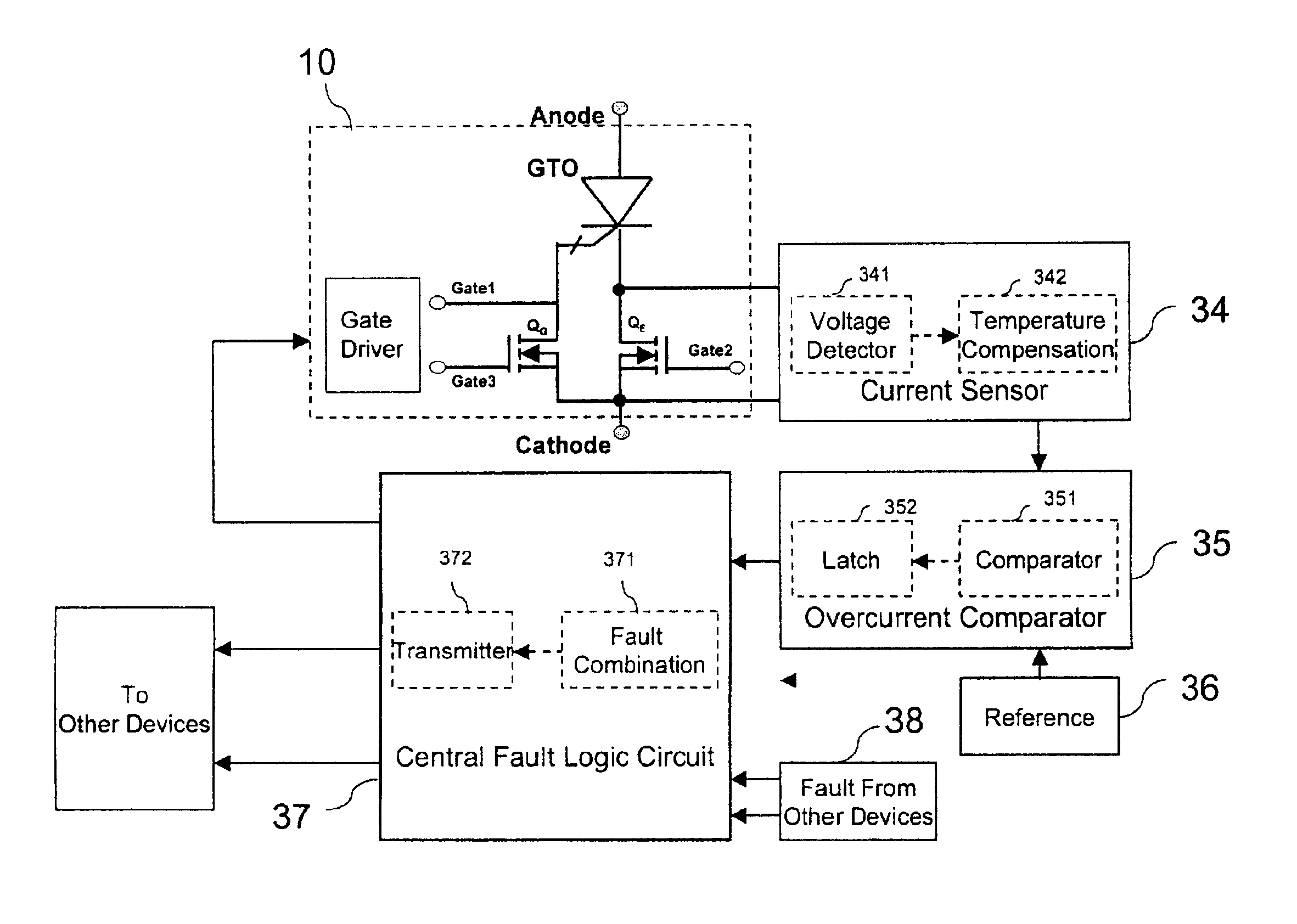
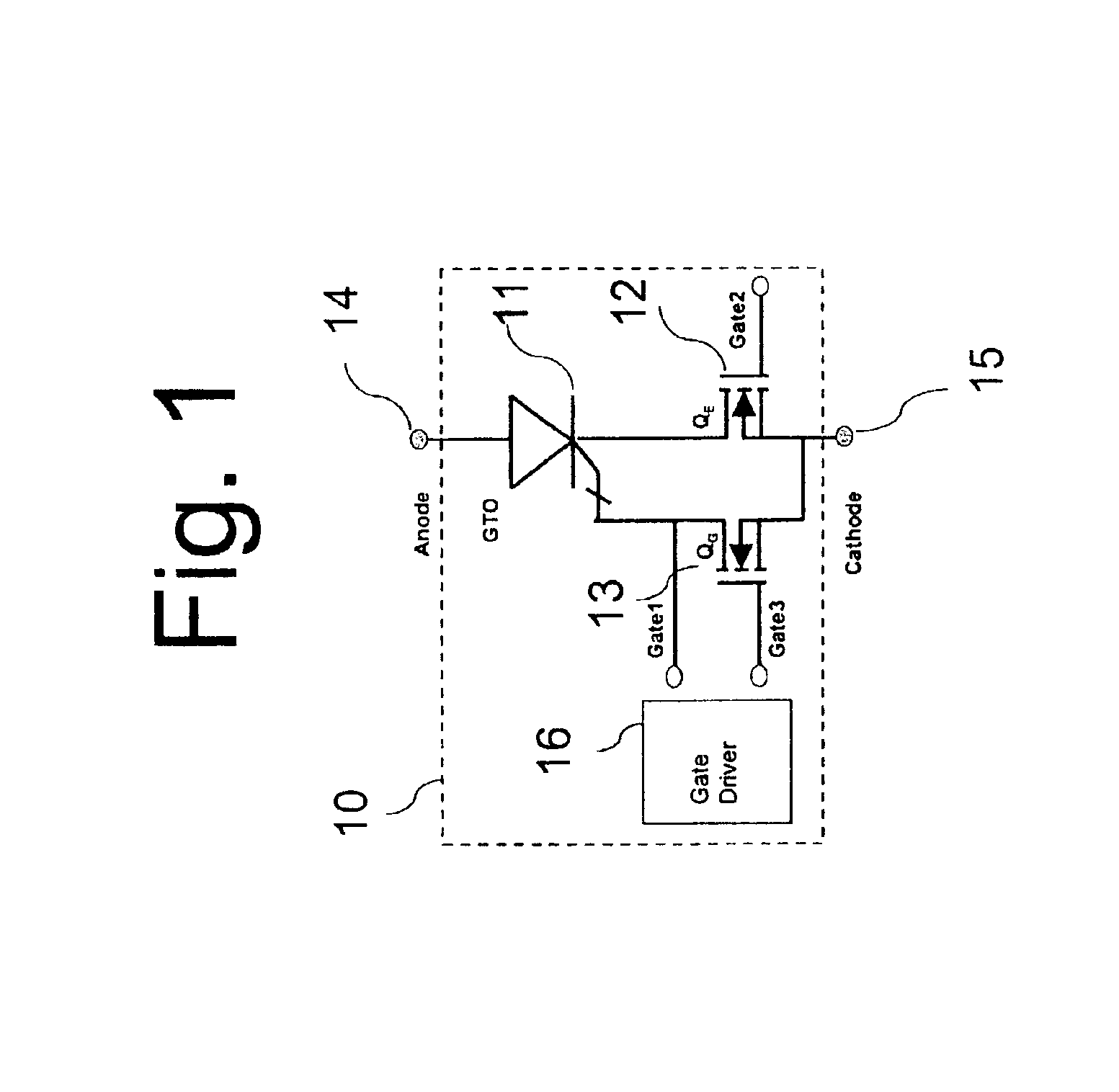
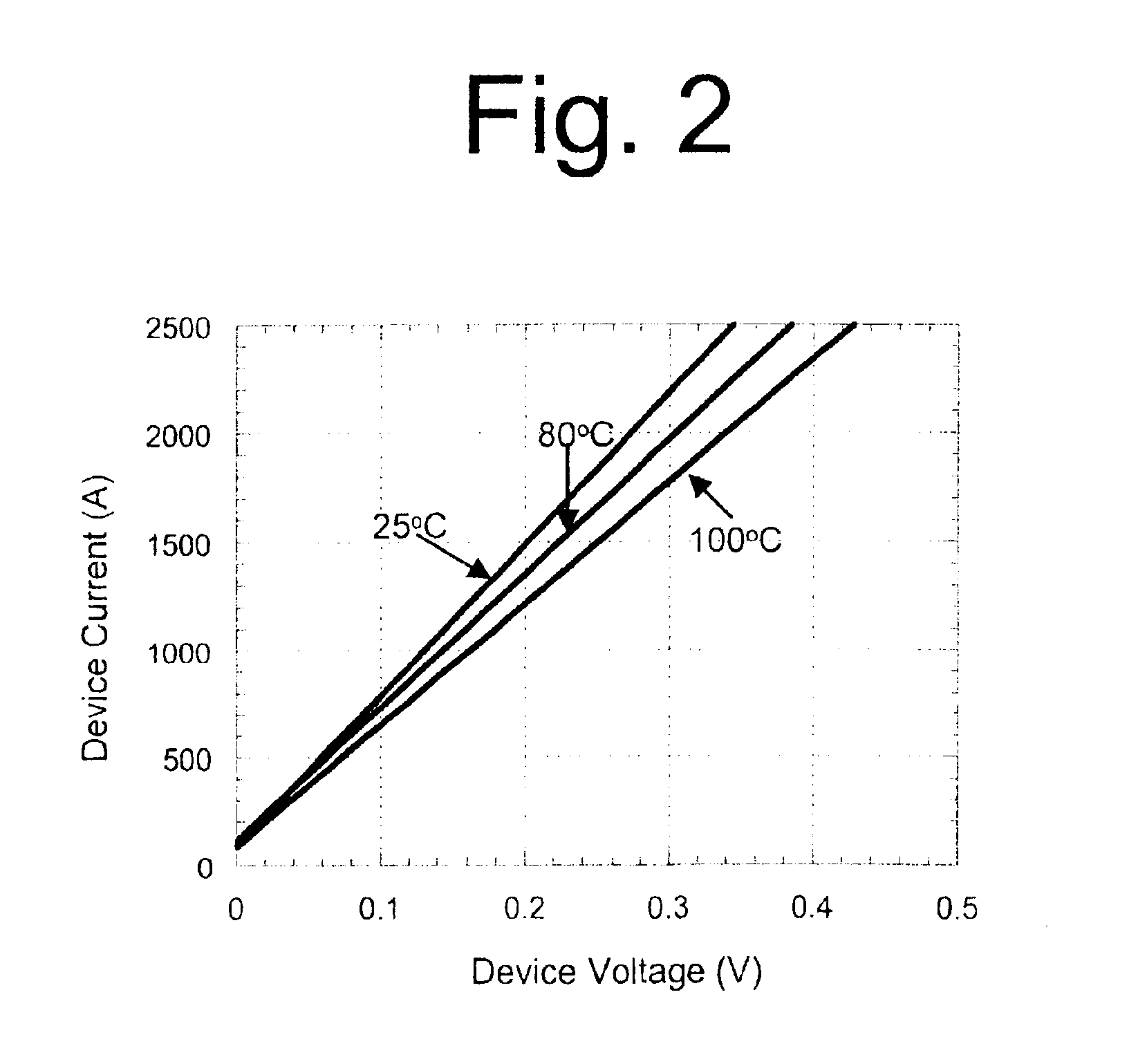
- A high-speed, solid-state DC circuit breaker utilizing emitter turn-off (ETO) thyristors with built-in current sensing and control, capable of interrupting 5 kA in 4 μs without arc generation, featuring both solid-state switch and tripping units for precise protection.

Safety Standards for SSCB Materials
Safety standards for solid-state circuit breaker materials represent a critical framework governing the development and deployment of SSCB technologies, particularly concerning thermal management properties. These standards establish mandatory requirements for material selection, testing protocols, and performance benchmarks that directly influence thermal conductivity considerations in SSCB design.
International safety standards, primarily governed by IEC 62271 series and IEEE C37 standards, define specific thermal performance criteria for SSCB materials. These regulations mandate that semiconductor materials must maintain stable electrical properties within defined temperature ranges, typically from -40°C to +85°C for industrial applications. The standards require comprehensive thermal cycling tests to validate material reliability under repeated heating and cooling cycles.
Material certification processes under these safety frameworks demand rigorous thermal characterization testing. Silicon carbide and gallium nitride materials, commonly used in SSCBs, must undergo standardized thermal impedance measurements according to JEDEC JESD51 protocols. These tests evaluate not only steady-state thermal conductivity but also transient thermal response characteristics critical for fault interruption scenarios.
Safety standards specifically address thermal runaway prevention in SSCB materials through mandatory thermal protection requirements. Materials must demonstrate predictable thermal behavior during overcurrent conditions, with clearly defined thermal shutdown mechanisms. The standards require that thermal conductivity properties remain stable across the operational temperature range, preventing catastrophic failure modes.
Compliance verification involves standardized testing methodologies for thermal interface materials, heat sink attachments, and packaging compounds used in SSCB assemblies. These standards ensure that thermal conductivity measurements are conducted using consistent methodologies, enabling reliable comparison between different material options and maintaining safety margins in thermal design calculations.
Emerging safety standards are incorporating advanced thermal modeling requirements, mandating finite element analysis validation of thermal conductivity assumptions in SSCB designs. These evolving standards recognize the critical relationship between material thermal properties and overall system safety performance.
International safety standards, primarily governed by IEC 62271 series and IEEE C37 standards, define specific thermal performance criteria for SSCB materials. These regulations mandate that semiconductor materials must maintain stable electrical properties within defined temperature ranges, typically from -40°C to +85°C for industrial applications. The standards require comprehensive thermal cycling tests to validate material reliability under repeated heating and cooling cycles.
Material certification processes under these safety frameworks demand rigorous thermal characterization testing. Silicon carbide and gallium nitride materials, commonly used in SSCBs, must undergo standardized thermal impedance measurements according to JEDEC JESD51 protocols. These tests evaluate not only steady-state thermal conductivity but also transient thermal response characteristics critical for fault interruption scenarios.
Safety standards specifically address thermal runaway prevention in SSCB materials through mandatory thermal protection requirements. Materials must demonstrate predictable thermal behavior during overcurrent conditions, with clearly defined thermal shutdown mechanisms. The standards require that thermal conductivity properties remain stable across the operational temperature range, preventing catastrophic failure modes.
Compliance verification involves standardized testing methodologies for thermal interface materials, heat sink attachments, and packaging compounds used in SSCB assemblies. These standards ensure that thermal conductivity measurements are conducted using consistent methodologies, enabling reliable comparison between different material options and maintaining safety margins in thermal design calculations.
Emerging safety standards are incorporating advanced thermal modeling requirements, mandating finite element analysis validation of thermal conductivity assumptions in SSCB designs. These evolving standards recognize the critical relationship between material thermal properties and overall system safety performance.
Environmental Impact of SSCB Material Manufacturing
The manufacturing of solid-state circuit breaker materials presents significant environmental challenges that require comprehensive assessment across the entire production lifecycle. Silicon carbide and gallium nitride, two primary semiconductor materials used in SSCBs, involve energy-intensive manufacturing processes that contribute substantially to carbon emissions. The crystal growth processes for these wide bandgap semiconductors typically require temperatures exceeding 2000°C and specialized atmospheric conditions, resulting in high energy consumption per unit of material produced.
Raw material extraction for SSCB components creates notable environmental impacts, particularly for rare earth elements and specialty metals used in substrate preparation and doping processes. Mining operations for gallium, indium, and other critical materials often involve significant land disruption and water consumption. The purification processes required to achieve semiconductor-grade material quality generate chemical waste streams that require careful management and treatment.
Chemical processing during wafer fabrication introduces additional environmental concerns through the use of hazardous substances including hydrofluoric acid, various organic solvents, and toxic gases. These processes generate both atmospheric emissions and liquid waste streams containing heavy metals and organic compounds. The semiconductor industry's reliance on ultrapure water systems also creates substantial water consumption requirements, with typical fabrication facilities consuming millions of gallons daily.
Packaging and assembly operations for SSCB devices involve additional material inputs including specialized ceramics, metal alloys, and polymer compounds. The thermal interface materials and heat sink components essential for thermal management add complexity to the environmental footprint assessment. Manufacturing these auxiliary components often requires separate industrial processes with their own associated emissions and waste generation patterns.
End-of-life considerations for SSCB materials present both challenges and opportunities for environmental impact mitigation. While the long operational lifetime of solid-state devices reduces replacement frequency compared to mechanical alternatives, the complex material composition complicates recycling efforts. Recovery of valuable semiconductor materials and rare earth elements requires specialized processing capabilities that are not widely available in current recycling infrastructure.
Emerging manufacturing approaches show promise for reducing environmental impacts through process optimization and alternative material systems. Advanced crystal growth techniques and substrate reuse strategies could significantly reduce energy requirements and material waste. The development of more environmentally benign processing chemicals and closed-loop manufacturing systems represents important areas for continued environmental improvement in SSCB material production.
Raw material extraction for SSCB components creates notable environmental impacts, particularly for rare earth elements and specialty metals used in substrate preparation and doping processes. Mining operations for gallium, indium, and other critical materials often involve significant land disruption and water consumption. The purification processes required to achieve semiconductor-grade material quality generate chemical waste streams that require careful management and treatment.
Chemical processing during wafer fabrication introduces additional environmental concerns through the use of hazardous substances including hydrofluoric acid, various organic solvents, and toxic gases. These processes generate both atmospheric emissions and liquid waste streams containing heavy metals and organic compounds. The semiconductor industry's reliance on ultrapure water systems also creates substantial water consumption requirements, with typical fabrication facilities consuming millions of gallons daily.
Packaging and assembly operations for SSCB devices involve additional material inputs including specialized ceramics, metal alloys, and polymer compounds. The thermal interface materials and heat sink components essential for thermal management add complexity to the environmental footprint assessment. Manufacturing these auxiliary components often requires separate industrial processes with their own associated emissions and waste generation patterns.
End-of-life considerations for SSCB materials present both challenges and opportunities for environmental impact mitigation. While the long operational lifetime of solid-state devices reduces replacement frequency compared to mechanical alternatives, the complex material composition complicates recycling efforts. Recovery of valuable semiconductor materials and rare earth elements requires specialized processing capabilities that are not widely available in current recycling infrastructure.
Emerging manufacturing approaches show promise for reducing environmental impacts through process optimization and alternative material systems. Advanced crystal growth techniques and substrate reuse strategies could significantly reduce energy requirements and material waste. The development of more environmentally benign processing chemicals and closed-loop manufacturing systems represents important areas for continued environmental improvement in SSCB material production.
Unlock deeper insights with Patsnap Eureka Quick Research — get a full tech report to explore trends and direct your research. Try now!
Generate Your Research Report Instantly with AI Agent
Supercharge your innovation with Patsnap Eureka AI Agent Platform!