Comparing Transient Control in Digital LDOs vs Analog Systems
MAY 9, 20269 MIN READ
Generate Your Research Report Instantly with AI Agent
PatSnap Eureka helps you evaluate technical feasibility & market potential.
Digital vs Analog LDO Transient Control Background and Objectives
Low-dropout regulators (LDOs) have evolved significantly since their introduction in the 1970s, transitioning from purely analog implementations to sophisticated digital control architectures. This evolution reflects the broader semiconductor industry's shift toward digitalization and the increasing demand for power management solutions that can adapt to dynamic operating conditions in modern electronic systems.
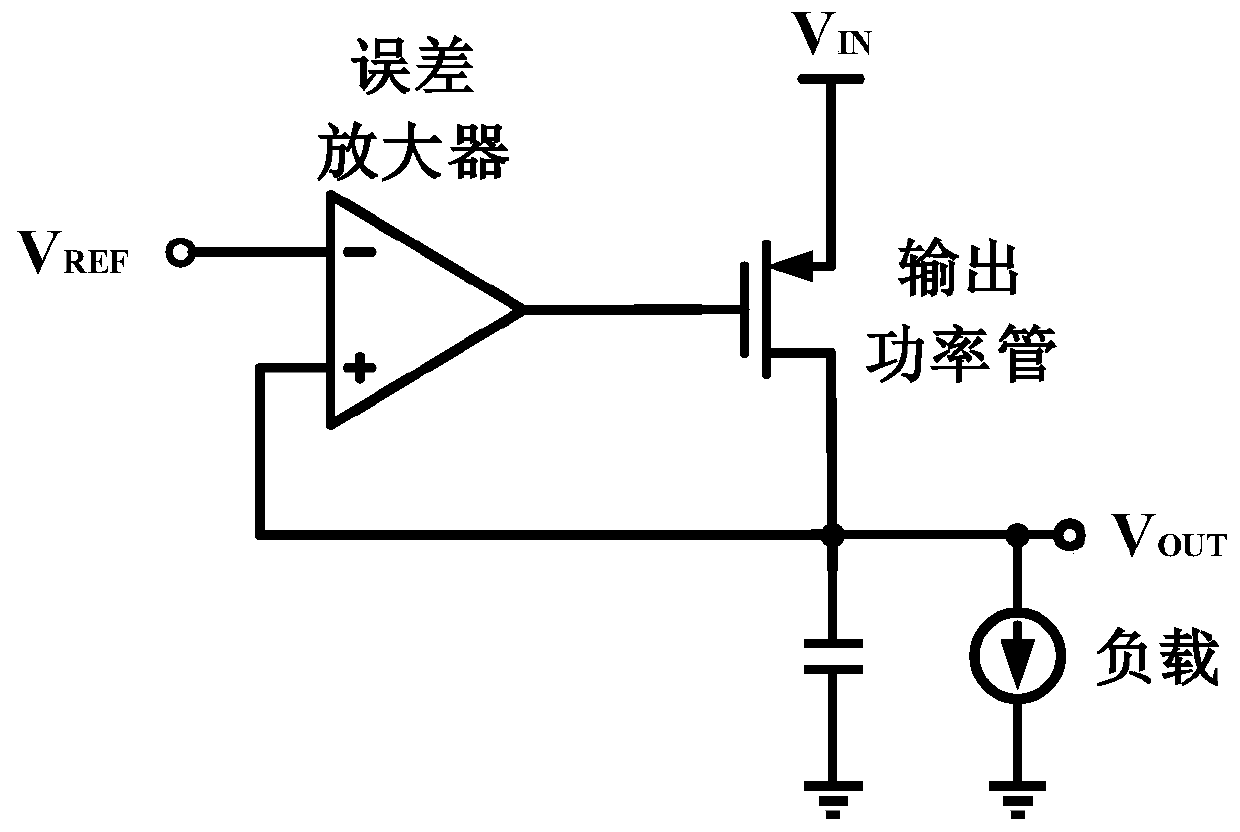
Traditional analog LDOs have dominated the power management landscape for decades, utilizing continuous-time feedback loops with operational amplifiers to maintain stable output voltages. These systems rely on analog control techniques such as proportional-integral-derivative (PID) compensation and frequency domain stability analysis to achieve desired transient performance. The analog approach offers inherent advantages in terms of response speed and simplicity, as the control loop operates in continuous time without sampling delays.
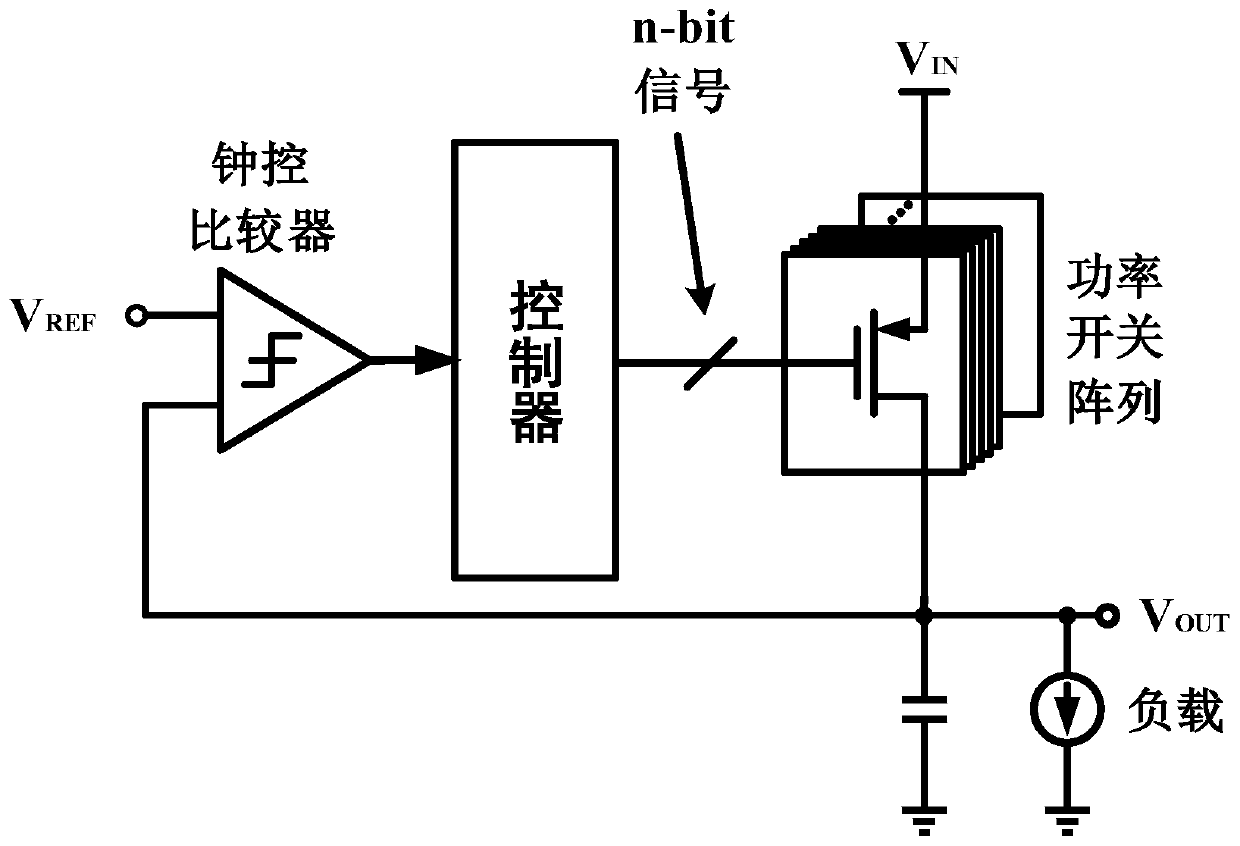
The emergence of digital LDOs represents a paradigm shift in voltage regulation methodology. Digital control systems employ analog-to-digital converters, digital signal processors, and pulse-width modulation techniques to achieve voltage regulation through discrete-time control algorithms. This approach enables programmability, adaptive control strategies, and integration with digital system management protocols, addressing the growing complexity of modern power delivery networks.
Transient control performance has become increasingly critical as electronic systems demand faster response times and tighter voltage regulation tolerances. Load transients in contemporary applications, particularly in processors and communication systems, can exhibit extremely rapid current changes exceeding several amperes per microsecond. These demanding requirements have intensified the focus on comparing transient control capabilities between digital and analog LDO architectures.
The primary objective of this comparative analysis is to establish a comprehensive understanding of transient control mechanisms in both digital and analog LDO systems. This includes evaluating response time characteristics, stability margins, power efficiency during transient events, and implementation complexity trade-offs. Additionally, the analysis aims to identify optimal application scenarios for each approach and explore hybrid solutions that leverage the strengths of both architectures.
Furthermore, this investigation seeks to address the fundamental question of whether digital control can match or exceed the transient performance of analog systems while providing additional benefits such as programmability and system integration capabilities. The analysis will also examine emerging trends in adaptive control algorithms and machine learning applications in digital LDO design.
Traditional analog LDOs have dominated the power management landscape for decades, utilizing continuous-time feedback loops with operational amplifiers to maintain stable output voltages. These systems rely on analog control techniques such as proportional-integral-derivative (PID) compensation and frequency domain stability analysis to achieve desired transient performance. The analog approach offers inherent advantages in terms of response speed and simplicity, as the control loop operates in continuous time without sampling delays.
The emergence of digital LDOs represents a paradigm shift in voltage regulation methodology. Digital control systems employ analog-to-digital converters, digital signal processors, and pulse-width modulation techniques to achieve voltage regulation through discrete-time control algorithms. This approach enables programmability, adaptive control strategies, and integration with digital system management protocols, addressing the growing complexity of modern power delivery networks.
Transient control performance has become increasingly critical as electronic systems demand faster response times and tighter voltage regulation tolerances. Load transients in contemporary applications, particularly in processors and communication systems, can exhibit extremely rapid current changes exceeding several amperes per microsecond. These demanding requirements have intensified the focus on comparing transient control capabilities between digital and analog LDO architectures.
The primary objective of this comparative analysis is to establish a comprehensive understanding of transient control mechanisms in both digital and analog LDO systems. This includes evaluating response time characteristics, stability margins, power efficiency during transient events, and implementation complexity trade-offs. Additionally, the analysis aims to identify optimal application scenarios for each approach and explore hybrid solutions that leverage the strengths of both architectures.
Furthermore, this investigation seeks to address the fundamental question of whether digital control can match or exceed the transient performance of analog systems while providing additional benefits such as programmability and system integration capabilities. The analysis will also examine emerging trends in adaptive control algorithms and machine learning applications in digital LDO design.
Market Demand for Advanced LDO Transient Response Solutions
The semiconductor industry is experiencing unprecedented demand for power management solutions that can deliver superior transient response performance across diverse applications. Modern electronic systems require increasingly sophisticated voltage regulation capabilities, particularly in scenarios where rapid load changes occur frequently. This demand stems from the proliferation of high-performance processors, advanced communication systems, and battery-powered devices that operate under dynamic loading conditions.
Mobile computing platforms represent a significant driver of this market demand, as smartphones, tablets, and laptops require power management units capable of responding instantaneously to processor state changes. The transition between sleep and active modes, along with dynamic frequency scaling operations, creates challenging transient scenarios that traditional analog LDO solutions struggle to address efficiently. Digital LDO architectures have emerged as compelling alternatives, offering programmable response characteristics and adaptive control mechanisms.
Data center infrastructure constitutes another major market segment demanding advanced transient control solutions. Server processors and memory subsystems generate rapid current transients during computational bursts, requiring voltage regulators with exceptional dynamic response capabilities. The economic implications of power delivery inefficiencies in large-scale computing environments have intensified focus on LDO solutions that can maintain tight voltage regulation while minimizing power losses during transient events.
Automotive electronics applications are driving substantial growth in demand for robust transient response solutions. Advanced driver assistance systems, infotainment platforms, and electric vehicle power management systems require voltage regulators capable of maintaining stable operation despite harsh electrical environments and rapidly changing load conditions. The automotive industry's transition toward electrification has created new requirements for power management solutions that can handle high-frequency switching transients while maintaining automotive-grade reliability standards.
Industrial automation and Internet of Things applications represent emerging market segments with unique transient response requirements. These systems often operate in power-constrained environments where efficient transient handling directly impacts battery life and system reliability. The ability to customize transient response characteristics through digital control mechanisms has become increasingly valuable in these applications, where one-size-fits-all analog solutions may not provide optimal performance across diverse operating scenarios.
The convergence of artificial intelligence and edge computing applications has created additional market pressure for advanced LDO transient response solutions. Machine learning accelerators and neural processing units exhibit highly dynamic power consumption patterns, requiring voltage regulators capable of adapting to unpredictable load transients while maintaining the tight voltage tolerances necessary for reliable operation of sensitive digital circuits.
Mobile computing platforms represent a significant driver of this market demand, as smartphones, tablets, and laptops require power management units capable of responding instantaneously to processor state changes. The transition between sleep and active modes, along with dynamic frequency scaling operations, creates challenging transient scenarios that traditional analog LDO solutions struggle to address efficiently. Digital LDO architectures have emerged as compelling alternatives, offering programmable response characteristics and adaptive control mechanisms.
Data center infrastructure constitutes another major market segment demanding advanced transient control solutions. Server processors and memory subsystems generate rapid current transients during computational bursts, requiring voltage regulators with exceptional dynamic response capabilities. The economic implications of power delivery inefficiencies in large-scale computing environments have intensified focus on LDO solutions that can maintain tight voltage regulation while minimizing power losses during transient events.
Automotive electronics applications are driving substantial growth in demand for robust transient response solutions. Advanced driver assistance systems, infotainment platforms, and electric vehicle power management systems require voltage regulators capable of maintaining stable operation despite harsh electrical environments and rapidly changing load conditions. The automotive industry's transition toward electrification has created new requirements for power management solutions that can handle high-frequency switching transients while maintaining automotive-grade reliability standards.
Industrial automation and Internet of Things applications represent emerging market segments with unique transient response requirements. These systems often operate in power-constrained environments where efficient transient handling directly impacts battery life and system reliability. The ability to customize transient response characteristics through digital control mechanisms has become increasingly valuable in these applications, where one-size-fits-all analog solutions may not provide optimal performance across diverse operating scenarios.
The convergence of artificial intelligence and edge computing applications has created additional market pressure for advanced LDO transient response solutions. Machine learning accelerators and neural processing units exhibit highly dynamic power consumption patterns, requiring voltage regulators capable of adapting to unpredictable load transients while maintaining the tight voltage tolerances necessary for reliable operation of sensitive digital circuits.
Current State and Challenges in LDO Transient Control Systems
The current landscape of LDO transient control systems presents a complex dichotomy between traditional analog approaches and emerging digital solutions, each facing distinct technical challenges that impact their practical implementation and performance optimization.
Analog LDO systems continue to dominate the market due to their inherent simplicity and proven reliability. These systems utilize continuous-time feedback loops with operational amplifiers to maintain voltage regulation. However, they face significant challenges in achieving optimal transient response across varying load conditions. The primary limitation stems from the fixed compensation network, which represents a compromise between stability and speed. Process variations, temperature fluctuations, and aging effects further degrade performance predictability, making it difficult to achieve consistent transient behavior across different operating conditions.
Digital LDO systems represent an emerging paradigm that leverages discrete-time control algorithms and digital signal processing techniques. These systems employ analog-to-digital converters, digital controllers, and pulse-width modulation or pulse-frequency modulation schemes to regulate output voltage. While offering superior flexibility and programmability, digital LDOs face substantial challenges related to quantization noise, sampling delays, and increased power consumption from the digital control circuitry.
The fundamental challenge in both architectures lies in the inherent trade-off between stability, speed, and power efficiency. Analog systems struggle with bandwidth limitations imposed by the error amplifier and output capacitor requirements, while digital systems contend with discrete-time sampling effects that can introduce aliasing and limit the effective control bandwidth. Additionally, both approaches must address the challenge of maintaining regulation accuracy while minimizing quiescent current consumption.
Manufacturing variability presents another critical challenge affecting both analog and digital implementations. Process corners, mismatch effects, and temperature dependencies create significant variations in loop dynamics, requiring robust design methodologies that can accommodate these uncertainties while maintaining performance specifications across all operating conditions.
Power supply rejection and load regulation capabilities remain areas where both architectures face ongoing challenges. The increasing demand for faster transient response in modern applications, particularly in processor power delivery and RF systems, pushes the limits of conventional design approaches and necessitates innovative solutions that can bridge the performance gap between theoretical capabilities and practical implementations.
Analog LDO systems continue to dominate the market due to their inherent simplicity and proven reliability. These systems utilize continuous-time feedback loops with operational amplifiers to maintain voltage regulation. However, they face significant challenges in achieving optimal transient response across varying load conditions. The primary limitation stems from the fixed compensation network, which represents a compromise between stability and speed. Process variations, temperature fluctuations, and aging effects further degrade performance predictability, making it difficult to achieve consistent transient behavior across different operating conditions.
Digital LDO systems represent an emerging paradigm that leverages discrete-time control algorithms and digital signal processing techniques. These systems employ analog-to-digital converters, digital controllers, and pulse-width modulation or pulse-frequency modulation schemes to regulate output voltage. While offering superior flexibility and programmability, digital LDOs face substantial challenges related to quantization noise, sampling delays, and increased power consumption from the digital control circuitry.
The fundamental challenge in both architectures lies in the inherent trade-off between stability, speed, and power efficiency. Analog systems struggle with bandwidth limitations imposed by the error amplifier and output capacitor requirements, while digital systems contend with discrete-time sampling effects that can introduce aliasing and limit the effective control bandwidth. Additionally, both approaches must address the challenge of maintaining regulation accuracy while minimizing quiescent current consumption.
Manufacturing variability presents another critical challenge affecting both analog and digital implementations. Process corners, mismatch effects, and temperature dependencies create significant variations in loop dynamics, requiring robust design methodologies that can accommodate these uncertainties while maintaining performance specifications across all operating conditions.
Power supply rejection and load regulation capabilities remain areas where both architectures face ongoing challenges. The increasing demand for faster transient response in modern applications, particularly in processor power delivery and RF systems, pushes the limits of conventional design approaches and necessitates innovative solutions that can bridge the performance gap between theoretical capabilities and practical implementations.
Existing Digital vs Analog LDO Transient Control Solutions
01 Digital LDO architecture and control mechanisms
Digital low-dropout regulators utilize digital control loops and algorithms to manage voltage regulation. These systems employ digital feedback mechanisms, pulse-width modulation, and digital signal processing techniques to achieve precise voltage control. The digital approach allows for programmable control parameters and adaptive regulation strategies that can be optimized for different operating conditions.- Digital LDO architecture and control mechanisms: Digital low-dropout regulators utilize digital control loops and algorithms to manage voltage regulation. These systems employ digital feedback mechanisms, pulse-width modulation, and digital signal processing techniques to achieve precise voltage control. The digital approach allows for programmable operation, adaptive control strategies, and integration with digital systems for enhanced performance and flexibility.
- Analog voltage regulation systems: Traditional analog voltage regulators employ continuous-time control circuits using operational amplifiers, error amplifiers, and analog feedback loops. These systems provide natural continuous regulation through analog components such as pass transistors, reference voltage sources, and compensation networks. Analog systems offer inherent stability characteristics and fast response times through their continuous operation mode.
- Transient response optimization techniques: Various methods are employed to improve transient response in voltage regulation systems, including adaptive compensation, fast feedback loops, and predictive control algorithms. These techniques focus on minimizing voltage overshoot and undershoot during load changes, reducing settling time, and maintaining stable operation across different operating conditions. Advanced control strategies incorporate load current sensing and dynamic adjustment mechanisms.
- Hybrid digital-analog control systems: Modern voltage regulation approaches combine digital control intelligence with analog power stages to leverage benefits from both domains. These hybrid systems utilize digital controllers for complex algorithms and system monitoring while maintaining analog power delivery for efficiency and speed. The integration allows for sophisticated control strategies while preserving the natural characteristics of analog power conversion.
- Power management and efficiency optimization: Advanced power management techniques focus on optimizing efficiency across different load conditions and operating modes. These approaches include dynamic voltage scaling, power mode switching, and adaptive control strategies that adjust system parameters based on real-time conditions. The methods aim to minimize power consumption while maintaining regulation accuracy and transient performance requirements.
02 Analog LDO transient response characteristics
Traditional analog linear regulators rely on continuous-time feedback control systems using operational amplifiers and analog compensation networks. These systems provide inherent stability through analog control loops but may have limitations in transient response speed and adaptability. The analog approach offers simplicity in design but with fixed compensation characteristics.Expand Specific Solutions03 Transient response optimization techniques
Various methods are employed to improve the transient response of voltage regulators, including adaptive biasing, fast feedback loops, and dynamic compensation circuits. These techniques focus on reducing settling time, minimizing overshoot and undershoot during load transients, and maintaining stability across different operating conditions.Expand Specific Solutions04 Hybrid control systems and switching techniques
Advanced regulator designs incorporate hybrid approaches that combine digital and analog control elements to optimize performance. These systems may include switching mechanisms that dynamically select between different control modes based on operating conditions, load requirements, or transient events to achieve optimal regulation performance.Expand Specific Solutions05 Load transient management and stability control
Specialized circuits and control methods are designed to handle rapid load changes and maintain system stability during transient events. These approaches include predictive control algorithms, adaptive compensation networks, and fast-response circuits that can quickly adjust to changing load conditions while maintaining voltage regulation accuracy.Expand Specific Solutions
Key Players in Digital LDO and Power Management Industry
The transient control comparison between digital LDOs and analog systems represents a rapidly evolving segment within the broader power management IC market, currently valued at approximately $50 billion globally. The industry is transitioning from mature analog solutions toward emerging digital architectures, driven by demands for enhanced programmability and system integration. Technology maturity varies significantly across market players: established semiconductor giants like Analog Devices, Intel, NXP Semiconductors, and Infineon Technologies maintain strong positions in traditional analog LDO technologies, while companies such as Apple, Samsung Electronics, and MediaTek are increasingly adopting digital power management solutions in their system-on-chip designs. Academic institutions including Xidian University, University of Electronic Science & Technology of China, and Georgia Tech Research Corp. are advancing next-generation digital control algorithms. The competitive landscape shows analog systems dominating current deployments due to proven reliability, while digital LDOs are gaining traction in applications requiring adaptive control and real-time optimization capabilities.
NXP Semiconductors (Thailand) Co., Ltd.
Technical Solution: NXP has developed innovative digital LDO architectures that address the traditional trade-offs between transient response and stability found in analog systems. Their digital control approach utilizes high-speed analog-to-digital converters and digital signal processors to implement advanced control algorithms that can respond to transients faster than conventional analog feedback loops. The system employs adaptive control techniques that continuously optimize the regulator's response based on load characteristics and operating conditions. NXP's digital LDO solutions feature programmable compensation networks that can be dynamically adjusted to maintain optimal transient performance across varying load and line conditions. Their approach enables superior load regulation and transient response while providing additional benefits like built-in monitoring, protection features, and communication interfaces for system-level power management.
Strengths: Strong automotive and IoT market presence, excellent system integration capabilities, robust design methodologies. Weaknesses: Higher design complexity and potential electromagnetic interference from digital switching.
Samsung Electronics Co., Ltd.
Technical Solution: Samsung has developed hybrid digital-analog LDO solutions that leverage the best aspects of both control methodologies for optimal transient performance in mobile and consumer applications. Their approach combines fast analog feedback loops for immediate transient response with digital control for long-term stability and advanced features. The system employs adaptive bandwidth control where the digital controller dynamically adjusts the analog loop characteristics based on operating conditions. Samsung's solution features intelligent load prediction algorithms that pre-condition the regulator for anticipated transients, significantly improving response time compared to pure analog systems. The digital control enables advanced power management features including dynamic voltage and frequency scaling coordination with superior transient handling capabilities.
Strengths: Strong mobile and consumer electronics focus, excellent power efficiency optimization, cost-effective solutions. Weaknesses: May not match pure analog performance in some high-speed applications.
Core Patents in Digital LDO Transient Response Technologies
Hybrid LDO regulator including analog LDO regulator and digital LDO regulator
PatentActiveUS20230288948A1
Innovation
- A hybrid LDO regulator combines an analog LDO to provide average current and a digital LDO to supply peak current based on information about peak current consumption, minimizing output voltage fluctuations and allowing for a smaller decoupling capacitor, thus enabling a smaller form factor.


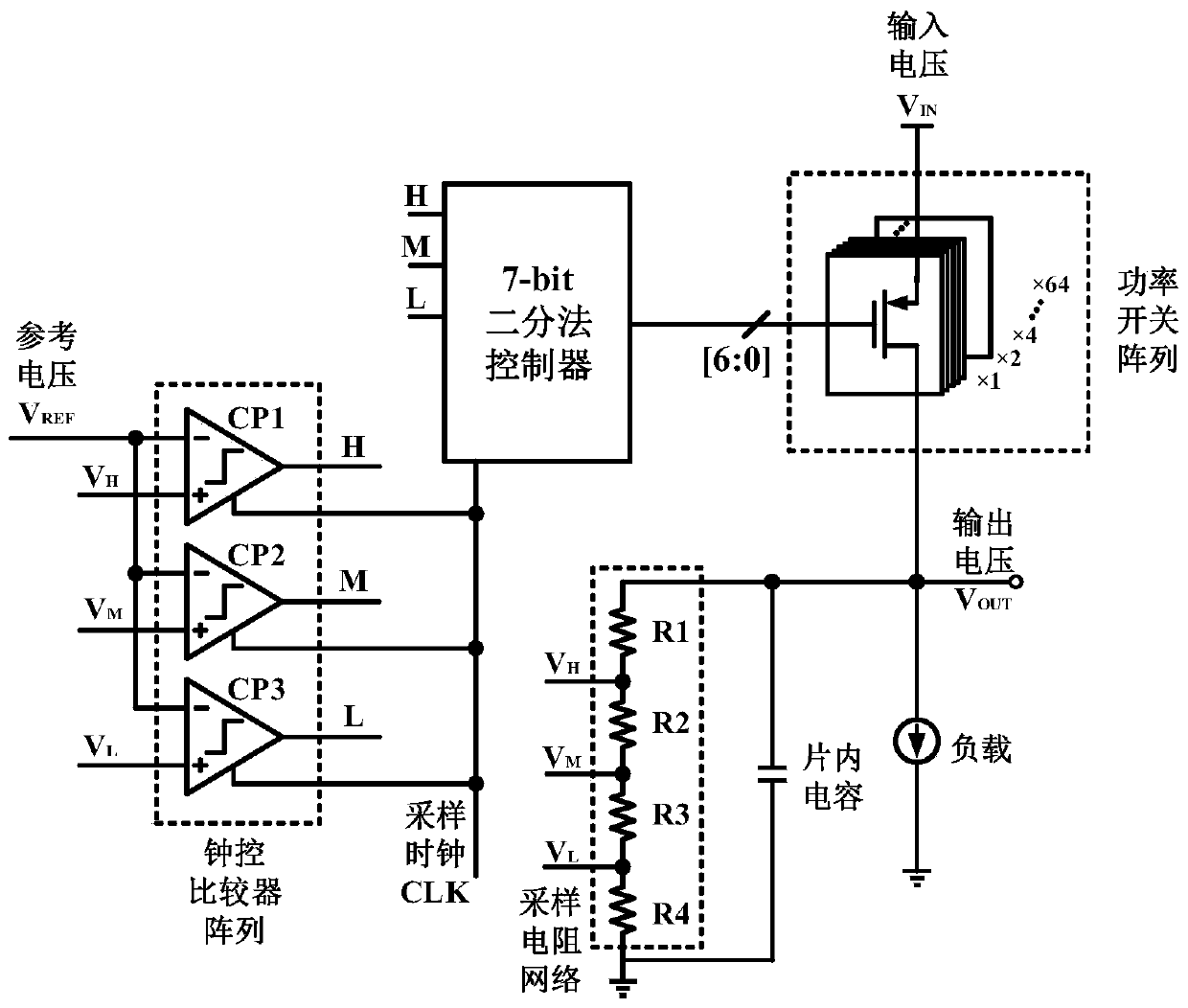
Digital LDO circuit with fast transient response
PatentActiveCN110045774A
Innovation
- The dichotomy adjustment is adopted as the core control scheme of the controller. Through the clock-controlled comparator array and power switch array, the binary distributed PMOS transistor array and sampling resistor network are used to quickly restore the output voltage to the rated value and support sub-1V low power supply. environment, with the characteristics of low static power consumption, high integration and fast transient response.

Power Efficiency Standards and Regulatory Requirements
Power efficiency standards and regulatory requirements play a crucial role in shaping the design and implementation of both digital and analog LDO systems. The increasing emphasis on energy conservation and environmental sustainability has led to stringent power efficiency mandates across various industries, particularly in consumer electronics, automotive, and industrial applications.
The Energy Star program, established by the U.S. Environmental Protection Agency, sets specific power consumption limits for electronic devices during both active and standby modes. These requirements directly impact LDO design choices, as systems must maintain high efficiency across varying load conditions. Digital LDOs often demonstrate superior compliance with these standards due to their adaptive control mechanisms that can optimize efficiency in real-time based on load demands.
European Union's ErP Directive (Energy-related Products) imposes strict efficiency requirements for power supplies and voltage regulators. The directive mandates minimum efficiency levels at different load percentages, typically requiring 85% efficiency at 20% load, 88% at 50% load, and 85% at 100% load. Digital LDOs can dynamically adjust their operating parameters to meet these requirements across the entire load spectrum, while analog systems may struggle to maintain optimal efficiency at light loads.
Automotive industry standards, particularly ISO 26262 for functional safety and CISPR 25 for electromagnetic compatibility, introduce additional complexity to power efficiency requirements. These standards necessitate robust transient response capabilities while maintaining energy efficiency. Digital LDOs offer advantages in meeting these dual requirements through programmable control algorithms that can balance efficiency optimization with safety-critical performance parameters.
The California Energy Commission's Title 20 appliance efficiency regulations and similar state-level initiatives are driving manufacturers toward more sophisticated power management solutions. These regulations often include specific requirements for power factor correction and harmonic distortion limits, areas where digital control systems can provide superior performance through advanced algorithms and real-time monitoring capabilities.
Compliance with these evolving standards requires comprehensive testing and validation procedures, including efficiency measurements across temperature ranges, load variations, and input voltage fluctuations. Digital LDO systems typically offer enhanced compliance monitoring capabilities through integrated telemetry and diagnostic features that facilitate regulatory certification processes.
The Energy Star program, established by the U.S. Environmental Protection Agency, sets specific power consumption limits for electronic devices during both active and standby modes. These requirements directly impact LDO design choices, as systems must maintain high efficiency across varying load conditions. Digital LDOs often demonstrate superior compliance with these standards due to their adaptive control mechanisms that can optimize efficiency in real-time based on load demands.
European Union's ErP Directive (Energy-related Products) imposes strict efficiency requirements for power supplies and voltage regulators. The directive mandates minimum efficiency levels at different load percentages, typically requiring 85% efficiency at 20% load, 88% at 50% load, and 85% at 100% load. Digital LDOs can dynamically adjust their operating parameters to meet these requirements across the entire load spectrum, while analog systems may struggle to maintain optimal efficiency at light loads.
Automotive industry standards, particularly ISO 26262 for functional safety and CISPR 25 for electromagnetic compatibility, introduce additional complexity to power efficiency requirements. These standards necessitate robust transient response capabilities while maintaining energy efficiency. Digital LDOs offer advantages in meeting these dual requirements through programmable control algorithms that can balance efficiency optimization with safety-critical performance parameters.
The California Energy Commission's Title 20 appliance efficiency regulations and similar state-level initiatives are driving manufacturers toward more sophisticated power management solutions. These regulations often include specific requirements for power factor correction and harmonic distortion limits, areas where digital control systems can provide superior performance through advanced algorithms and real-time monitoring capabilities.
Compliance with these evolving standards requires comprehensive testing and validation procedures, including efficiency measurements across temperature ranges, load variations, and input voltage fluctuations. Digital LDO systems typically offer enhanced compliance monitoring capabilities through integrated telemetry and diagnostic features that facilitate regulatory certification processes.
Cost-Performance Trade-offs in Digital vs Analog LDO Design
The cost-performance trade-offs between digital and analog LDO designs represent a fundamental consideration in modern power management system development. Digital LDOs typically require higher initial silicon area due to the integration of analog-to-digital converters, digital signal processors, and complex control algorithms. This increased complexity translates to higher manufacturing costs, particularly in advanced process nodes where digital circuitry can be optimized but analog components remain area-intensive.
Analog LDOs demonstrate superior cost efficiency in high-volume, standardized applications where design requirements remain relatively static. The mature fabrication processes and well-established design methodologies contribute to lower per-unit costs and shorter development cycles. However, the performance limitations become apparent in applications requiring rapid load transient response or precise voltage regulation across varying operating conditions.
Digital LDO architectures offer significant performance advantages through programmable control loops, adaptive compensation, and real-time optimization capabilities. These systems can achieve superior transient response characteristics and maintain tighter voltage regulation under dynamic loading conditions. The ability to implement advanced control algorithms enables optimization for specific application requirements without hardware modifications, providing substantial value in diverse deployment scenarios.
The economic equation shifts favorably toward digital solutions when considering system-level integration benefits. Digital LDOs facilitate reduced external component counts, simplified board layouts, and enhanced diagnostic capabilities that lower overall system costs. The programmability aspect eliminates the need for multiple analog variants, reducing inventory complexity and enabling software-based customization for different market segments.
Performance scalability represents another critical factor in the cost-performance analysis. Digital architectures can leverage process technology improvements more effectively, with enhanced computational capabilities directly translating to improved regulation performance. Conversely, analog designs face fundamental physical limitations that become increasingly challenging to overcome as performance requirements intensify.
The total cost of ownership calculation must incorporate development time, testing complexity, and long-term maintenance considerations. While digital LDOs require more sophisticated design expertise initially, their flexibility and diagnostic capabilities can significantly reduce validation time and field support costs, ultimately providing superior economic value in complex, high-performance applications.
Analog LDOs demonstrate superior cost efficiency in high-volume, standardized applications where design requirements remain relatively static. The mature fabrication processes and well-established design methodologies contribute to lower per-unit costs and shorter development cycles. However, the performance limitations become apparent in applications requiring rapid load transient response or precise voltage regulation across varying operating conditions.
Digital LDO architectures offer significant performance advantages through programmable control loops, adaptive compensation, and real-time optimization capabilities. These systems can achieve superior transient response characteristics and maintain tighter voltage regulation under dynamic loading conditions. The ability to implement advanced control algorithms enables optimization for specific application requirements without hardware modifications, providing substantial value in diverse deployment scenarios.
The economic equation shifts favorably toward digital solutions when considering system-level integration benefits. Digital LDOs facilitate reduced external component counts, simplified board layouts, and enhanced diagnostic capabilities that lower overall system costs. The programmability aspect eliminates the need for multiple analog variants, reducing inventory complexity and enabling software-based customization for different market segments.
Performance scalability represents another critical factor in the cost-performance analysis. Digital architectures can leverage process technology improvements more effectively, with enhanced computational capabilities directly translating to improved regulation performance. Conversely, analog designs face fundamental physical limitations that become increasingly challenging to overcome as performance requirements intensify.
The total cost of ownership calculation must incorporate development time, testing complexity, and long-term maintenance considerations. While digital LDOs require more sophisticated design expertise initially, their flexibility and diagnostic capabilities can significantly reduce validation time and field support costs, ultimately providing superior economic value in complex, high-performance applications.
Unlock deeper insights with PatSnap Eureka Quick Research — get a full tech report to explore trends and direct your research. Try now!
Generate Your Research Report Instantly with AI Agent
Supercharge your innovation with PatSnap Eureka AI Agent Platform!