

Comparing Undervoltage Lockout in Digital LDOs for Sensitive Loads
MAY 9, 20269 MIN READ
Generate Your Research Report Instantly with AI Agent
Patsnap Eureka helps you evaluate technical feasibility & market potential.
Digital LDO UVLO Technology Background and Objectives
Digital Low-Dropout (LDO) regulators have evolved significantly from their analog predecessors, representing a paradigm shift in power management solutions for modern electronic systems. Traditional analog LDOs, while effective for basic voltage regulation, face limitations in precision, programmability, and adaptive control capabilities that are increasingly demanded by contemporary sensitive electronic loads such as high-performance processors, RF circuits, and precision analog components.
The emergence of digital LDO technology addresses these limitations by incorporating digital control loops, programmable reference voltages, and sophisticated monitoring capabilities. Digital LDOs leverage advanced semiconductor processes and digital signal processing techniques to achieve superior transient response, enhanced stability, and real-time adaptability to varying load conditions. This technological evolution has been driven by the exponential growth in portable electronics, IoT devices, and automotive applications where power efficiency and reliability are paramount.
Undervoltage Lockout (UVLO) functionality represents a critical protection mechanism within digital LDO architectures, serving as the first line of defense against potentially damaging undervoltage conditions. Unlike conventional analog UVLO circuits that rely on simple comparator-based thresholds, digital UVLO implementations offer programmable thresholds, hysteresis control, and intelligent sequencing capabilities. This enhanced functionality becomes particularly crucial when serving sensitive loads that require precise voltage levels and controlled startup sequences.
The primary objective of advancing digital LDO UVLO technology centers on achieving optimal protection for sensitive electronic loads while maintaining system efficiency and reliability. Key technical goals include developing adaptive threshold mechanisms that can dynamically adjust based on load characteristics, implementing predictive algorithms that anticipate voltage droops before they occur, and creating intelligent power sequencing protocols that ensure proper system initialization.
Furthermore, the technology aims to address the growing complexity of multi-rail power systems where multiple voltage domains must be coordinated and protected simultaneously. Advanced digital UVLO systems target sub-microsecond response times, programmable hysteresis windows as narrow as 10mV, and integration with system-level power management protocols. These objectives align with industry demands for higher integration density, improved power efficiency exceeding 95%, and enhanced fault tolerance in mission-critical applications.
The evolution toward fully programmable and adaptive UVLO mechanisms represents a fundamental shift from reactive protection schemes to proactive power management strategies, enabling next-generation electronic systems to achieve unprecedented levels of reliability and performance optimization.
The emergence of digital LDO technology addresses these limitations by incorporating digital control loops, programmable reference voltages, and sophisticated monitoring capabilities. Digital LDOs leverage advanced semiconductor processes and digital signal processing techniques to achieve superior transient response, enhanced stability, and real-time adaptability to varying load conditions. This technological evolution has been driven by the exponential growth in portable electronics, IoT devices, and automotive applications where power efficiency and reliability are paramount.
Undervoltage Lockout (UVLO) functionality represents a critical protection mechanism within digital LDO architectures, serving as the first line of defense against potentially damaging undervoltage conditions. Unlike conventional analog UVLO circuits that rely on simple comparator-based thresholds, digital UVLO implementations offer programmable thresholds, hysteresis control, and intelligent sequencing capabilities. This enhanced functionality becomes particularly crucial when serving sensitive loads that require precise voltage levels and controlled startup sequences.
The primary objective of advancing digital LDO UVLO technology centers on achieving optimal protection for sensitive electronic loads while maintaining system efficiency and reliability. Key technical goals include developing adaptive threshold mechanisms that can dynamically adjust based on load characteristics, implementing predictive algorithms that anticipate voltage droops before they occur, and creating intelligent power sequencing protocols that ensure proper system initialization.
Furthermore, the technology aims to address the growing complexity of multi-rail power systems where multiple voltage domains must be coordinated and protected simultaneously. Advanced digital UVLO systems target sub-microsecond response times, programmable hysteresis windows as narrow as 10mV, and integration with system-level power management protocols. These objectives align with industry demands for higher integration density, improved power efficiency exceeding 95%, and enhanced fault tolerance in mission-critical applications.
The evolution toward fully programmable and adaptive UVLO mechanisms represents a fundamental shift from reactive protection schemes to proactive power management strategies, enabling next-generation electronic systems to achieve unprecedented levels of reliability and performance optimization.
Market Demand for Sensitive Load Power Management
The market demand for sensitive load power management has experienced substantial growth driven by the proliferation of advanced electronic systems across multiple industries. Sensitive loads, including precision analog circuits, RF components, microprocessors, and sensor arrays, require exceptionally stable and clean power supplies to maintain optimal performance. These applications are particularly vulnerable to voltage fluctuations, noise, and power supply interruptions, making robust power management solutions essential.
Healthcare and medical device sectors represent a significant portion of this market demand. Critical medical equipment such as patient monitoring systems, diagnostic imaging devices, and implantable medical devices require uninterrupted power delivery with minimal voltage variations. Any power supply instability can compromise measurement accuracy or device functionality, potentially affecting patient safety. The increasing adoption of portable medical devices and wearable health monitors has further amplified the need for sophisticated power management solutions.
The automotive industry has emerged as another major driver of market demand, particularly with the advancement of autonomous driving technologies and electric vehicles. Modern vehicles incorporate numerous sensitive electronic systems including advanced driver assistance systems, infotainment units, and engine control modules. These systems demand precise voltage regulation and protection against automotive electrical system transients, creating substantial opportunities for advanced power management solutions.
Industrial automation and Internet of Things applications continue to expand market requirements for sensitive load power management. Manufacturing facilities increasingly rely on precision control systems, sensor networks, and data acquisition equipment that operate in electrically noisy environments. These applications require power management solutions capable of maintaining stable operation despite industrial electromagnetic interference and power grid fluctuations.
The telecommunications and data center sectors contribute significantly to market demand as network infrastructure becomes more complex and power-sensitive. Base stations, servers, and networking equipment require multiple precisely regulated voltage rails to support high-performance processors and communication circuits. The growing emphasis on energy efficiency in data centers has intensified focus on power management solutions that combine precision regulation with low power consumption.
Consumer electronics markets, particularly smartphones, tablets, and wearable devices, drive demand for compact and efficient power management solutions. These applications require multiple voltage domains with strict regulation requirements while operating from battery power sources with varying voltage levels.
Healthcare and medical device sectors represent a significant portion of this market demand. Critical medical equipment such as patient monitoring systems, diagnostic imaging devices, and implantable medical devices require uninterrupted power delivery with minimal voltage variations. Any power supply instability can compromise measurement accuracy or device functionality, potentially affecting patient safety. The increasing adoption of portable medical devices and wearable health monitors has further amplified the need for sophisticated power management solutions.
The automotive industry has emerged as another major driver of market demand, particularly with the advancement of autonomous driving technologies and electric vehicles. Modern vehicles incorporate numerous sensitive electronic systems including advanced driver assistance systems, infotainment units, and engine control modules. These systems demand precise voltage regulation and protection against automotive electrical system transients, creating substantial opportunities for advanced power management solutions.
Industrial automation and Internet of Things applications continue to expand market requirements for sensitive load power management. Manufacturing facilities increasingly rely on precision control systems, sensor networks, and data acquisition equipment that operate in electrically noisy environments. These applications require power management solutions capable of maintaining stable operation despite industrial electromagnetic interference and power grid fluctuations.
The telecommunications and data center sectors contribute significantly to market demand as network infrastructure becomes more complex and power-sensitive. Base stations, servers, and networking equipment require multiple precisely regulated voltage rails to support high-performance processors and communication circuits. The growing emphasis on energy efficiency in data centers has intensified focus on power management solutions that combine precision regulation with low power consumption.
Consumer electronics markets, particularly smartphones, tablets, and wearable devices, drive demand for compact and efficient power management solutions. These applications require multiple voltage domains with strict regulation requirements while operating from battery power sources with varying voltage levels.
Current UVLO Implementation Challenges in Digital LDOs
Digital LDO regulators face significant implementation challenges when incorporating undervoltage lockout functionality for sensitive load applications. The primary challenge stems from the inherent complexity of maintaining precise voltage monitoring while ensuring minimal power consumption during normal operation. Traditional analog UVLO circuits rely on comparators with hysteresis, but digital implementations must balance sampling frequency, power efficiency, and response time requirements.
Process variation represents a critical challenge in digital UVLO implementation. Manufacturing tolerances affect both the reference voltage generation and the ADC accuracy used for voltage monitoring. These variations can cause threshold drift across different production lots, potentially compromising the reliability of sensitive loads. Temperature coefficients further exacerbate this issue, as digital circuits typically exhibit different thermal behaviors compared to their analog counterparts.
Power consumption optimization presents another significant hurdle. Digital UVLO circuits require continuous monitoring capabilities, which inherently consume more power than simple analog comparators. The challenge intensifies when designing for battery-powered applications where quiescent current must remain minimal. Implementing efficient wake-up mechanisms and optimizing sampling algorithms becomes crucial for maintaining acceptable power budgets.
Timing precision and response speed constitute major technical obstacles. Digital processing introduces inherent delays through ADC conversion time, digital filtering, and decision-making algorithms. For sensitive loads requiring rapid protection, these delays can prove problematic. The challenge lies in achieving microsecond-level response times while maintaining noise immunity and preventing false triggering from transient voltage dips.
Integration complexity with existing digital LDO architectures creates additional implementation challenges. UVLO functionality must seamlessly interface with digital control loops, feedback mechanisms, and power management protocols. Ensuring proper sequencing during startup and shutdown events while maintaining system stability requires careful consideration of state machine design and inter-module communication protocols.
Calibration and testing procedures for digital UVLO systems present unique challenges compared to analog implementations. Digital systems require sophisticated test equipment capable of verifying ADC linearity, threshold accuracy, and timing parameters across various operating conditions. The complexity increases when considering production testing requirements and field calibration capabilities for maintaining long-term accuracy.
Process variation represents a critical challenge in digital UVLO implementation. Manufacturing tolerances affect both the reference voltage generation and the ADC accuracy used for voltage monitoring. These variations can cause threshold drift across different production lots, potentially compromising the reliability of sensitive loads. Temperature coefficients further exacerbate this issue, as digital circuits typically exhibit different thermal behaviors compared to their analog counterparts.
Power consumption optimization presents another significant hurdle. Digital UVLO circuits require continuous monitoring capabilities, which inherently consume more power than simple analog comparators. The challenge intensifies when designing for battery-powered applications where quiescent current must remain minimal. Implementing efficient wake-up mechanisms and optimizing sampling algorithms becomes crucial for maintaining acceptable power budgets.
Timing precision and response speed constitute major technical obstacles. Digital processing introduces inherent delays through ADC conversion time, digital filtering, and decision-making algorithms. For sensitive loads requiring rapid protection, these delays can prove problematic. The challenge lies in achieving microsecond-level response times while maintaining noise immunity and preventing false triggering from transient voltage dips.
Integration complexity with existing digital LDO architectures creates additional implementation challenges. UVLO functionality must seamlessly interface with digital control loops, feedback mechanisms, and power management protocols. Ensuring proper sequencing during startup and shutdown events while maintaining system stability requires careful consideration of state machine design and inter-module communication protocols.
Calibration and testing procedures for digital UVLO systems present unique challenges compared to analog implementations. Digital systems require sophisticated test equipment capable of verifying ADC linearity, threshold accuracy, and timing parameters across various operating conditions. The complexity increases when considering production testing requirements and field calibration capabilities for maintaining long-term accuracy.
Existing UVLO Solutions for Sensitive Load Applications
01 Digital LDO circuit architecture and control mechanisms
Digital low-dropout regulators utilize digital control circuits and feedback mechanisms to regulate output voltage. These architectures incorporate digital processing units, analog-to-digital converters, and digital control loops to achieve precise voltage regulation with improved efficiency and reduced power consumption compared to traditional analog LDOs.- Digital LDO circuit topology and architecture: Digital low-dropout regulators utilize digital control mechanisms and feedback loops to maintain stable output voltage regulation. These circuits employ digital processing units, comparators, and switching elements to achieve precise voltage control with improved efficiency compared to traditional analog LDOs. The digital architecture allows for programmable output voltages and enhanced system integration capabilities.
- Undervoltage lockout detection circuits: Undervoltage lockout mechanisms incorporate detection circuits that monitor input voltage levels and disable the regulator operation when the input voltage falls below a predetermined threshold. These circuits typically use voltage dividers, reference voltage generators, and comparators to establish accurate detection points and prevent improper operation during low input voltage conditions.
- Digital control and feedback systems: Advanced digital control systems implement sophisticated feedback algorithms and error correction mechanisms to maintain output voltage stability. These systems utilize analog-to-digital converters, digital signal processors, and pulse-width modulation techniques to achieve fast transient response and accurate voltage regulation across varying load conditions.
- Power management and efficiency optimization: Power management techniques focus on optimizing efficiency through dynamic voltage scaling, adaptive biasing, and intelligent power switching strategies. These approaches minimize quiescent current consumption and reduce power losses while maintaining regulation performance, making them suitable for battery-powered and energy-sensitive applications.
- Protection and safety mechanisms: Comprehensive protection schemes include overcurrent protection, thermal shutdown, and fault detection capabilities integrated with the undervoltage lockout functionality. These safety mechanisms ensure reliable operation under adverse conditions and prevent damage to both the regulator and connected loads through coordinated protection strategies.
02 Undervoltage detection and threshold setting circuits
Undervoltage lockout circuits employ voltage detection mechanisms that monitor input supply voltage levels and compare them against predetermined threshold values. These detection circuits utilize comparators, reference voltage generators, and hysteresis circuits to ensure reliable detection of undervoltage conditions and prevent false triggering due to noise or transient voltage variations.Expand Specific Solutions03 Lockout control and protection mechanisms
Protection circuits implement lockout functionality by disabling the LDO output when undervoltage conditions are detected. These mechanisms include shutdown control circuits, output isolation switches, and reset generation circuits that ensure safe operation and prevent damage to downstream circuits during insufficient supply voltage conditions.Expand Specific Solutions04 Power management and startup sequence control
Power management circuits coordinate the startup and shutdown sequences of digital LDOs with undervoltage lockout functionality. These systems include soft-start circuits, power-on reset generators, and sequencing controllers that ensure proper initialization and orderly power-up/power-down operations while maintaining system stability.Expand Specific Solutions05 Digital feedback and compensation techniques
Digital compensation methods employ advanced control algorithms and feedback techniques to maintain stable operation during varying load and supply conditions. These techniques include digital PID controllers, adaptive compensation schemes, and predictive control algorithms that enhance transient response and improve overall system performance while integrating with undervoltage protection features.Expand Specific Solutions
Key Players in Digital LDO and Power Management Industry
The undervoltage lockout technology in digital LDOs for sensitive loads represents a mature yet evolving market segment within the broader power management semiconductor industry. The competitive landscape is characterized by a mix of established semiconductor giants and specialized analog IC companies, indicating a market in the growth-to-maturity transition phase. Major players include industry leaders like Texas Instruments, Intel, Qualcomm, and NXP Semiconductors, who leverage their extensive R&D capabilities and manufacturing scale. Chinese companies such as SG Micro Corp., 3peak Inc., and Hangzhou Silan Microelectronics demonstrate strong regional presence and growing technical competence. The technology maturity is evidenced by widespread adoption across automotive, industrial, and consumer applications, with companies like Raydium Semiconductor and Winbond Electronics contributing specialized solutions. Academic institutions including Xidian University and Georgia Tech Research Corp. continue advancing fundamental research, suggesting ongoing innovation potential despite the technology's relative maturity in core applications.
NXP Semiconductors (Thailand) Co., Ltd.
Technical Solution: NXP has implemented intelligent UVLO systems in their digital LDO regulators that feature adaptive threshold management for automotive and industrial sensitive loads. Their approach incorporates multi-level UVLO protection with separate thresholds for different circuit domains, allowing selective shutdown of non-critical functions while maintaining power to essential safety circuits. The digital UVLO implementation includes predictive algorithms that can anticipate voltage drops based on load transients, providing proactive protection rather than reactive responses. NXP's solution integrates seamlessly with their power management ICs, offering system-level coordination of UVLO events across multiple power domains to ensure graceful degradation during undervoltage conditions.
Strengths: Automotive-grade reliability and multi-domain protection capabilities, excellent integration with existing power management systems. Weaknesses: Limited configurability in some product lines, higher power consumption during monitoring.
Texas Instruments Incorporated
Technical Solution: Texas Instruments has developed advanced digital LDO architectures with sophisticated undervoltage lockout (UVLO) protection mechanisms specifically designed for sensitive loads. Their digital LDOs incorporate programmable UVLO thresholds that can be dynamically adjusted based on load requirements, ensuring optimal protection for sensitive analog circuits, RF components, and precision measurement systems. The UVLO circuitry features hysteresis control to prevent oscillation during voltage transitions and includes temperature compensation to maintain consistent protection across operating conditions. TI's implementation utilizes digital feedback loops that provide faster response times compared to traditional analog UVLO circuits, with typical response times under 10 microseconds for critical load protection.
Strengths: Industry-leading UVLO accuracy and fast response times, extensive product portfolio with proven reliability. Weaknesses: Higher cost compared to basic analog solutions, complex configuration requirements.
Core UVLO Innovations in Digital LDO Architectures
Undervoltage lockout circuit
PatentInactiveUS7957113B2
Innovation
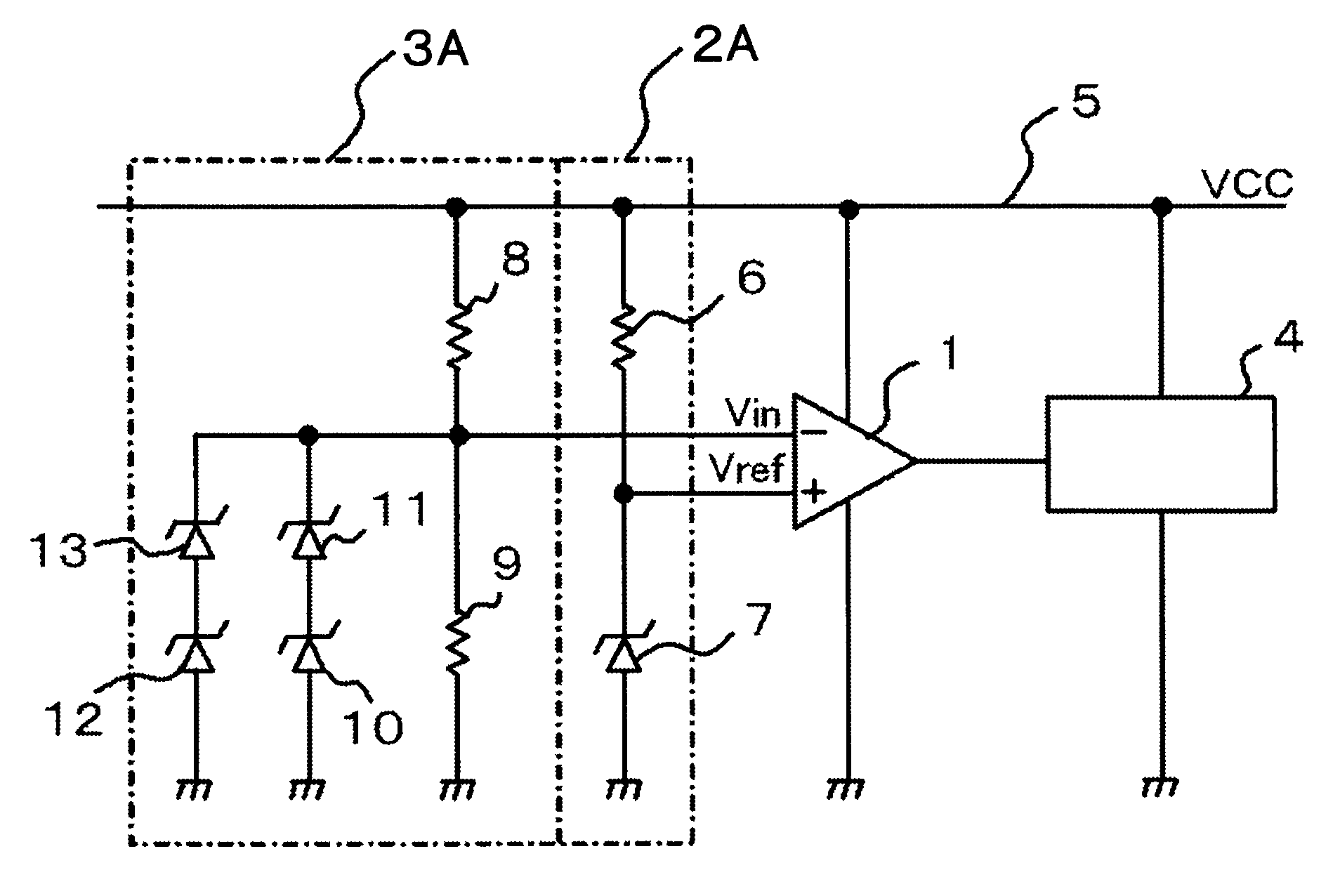
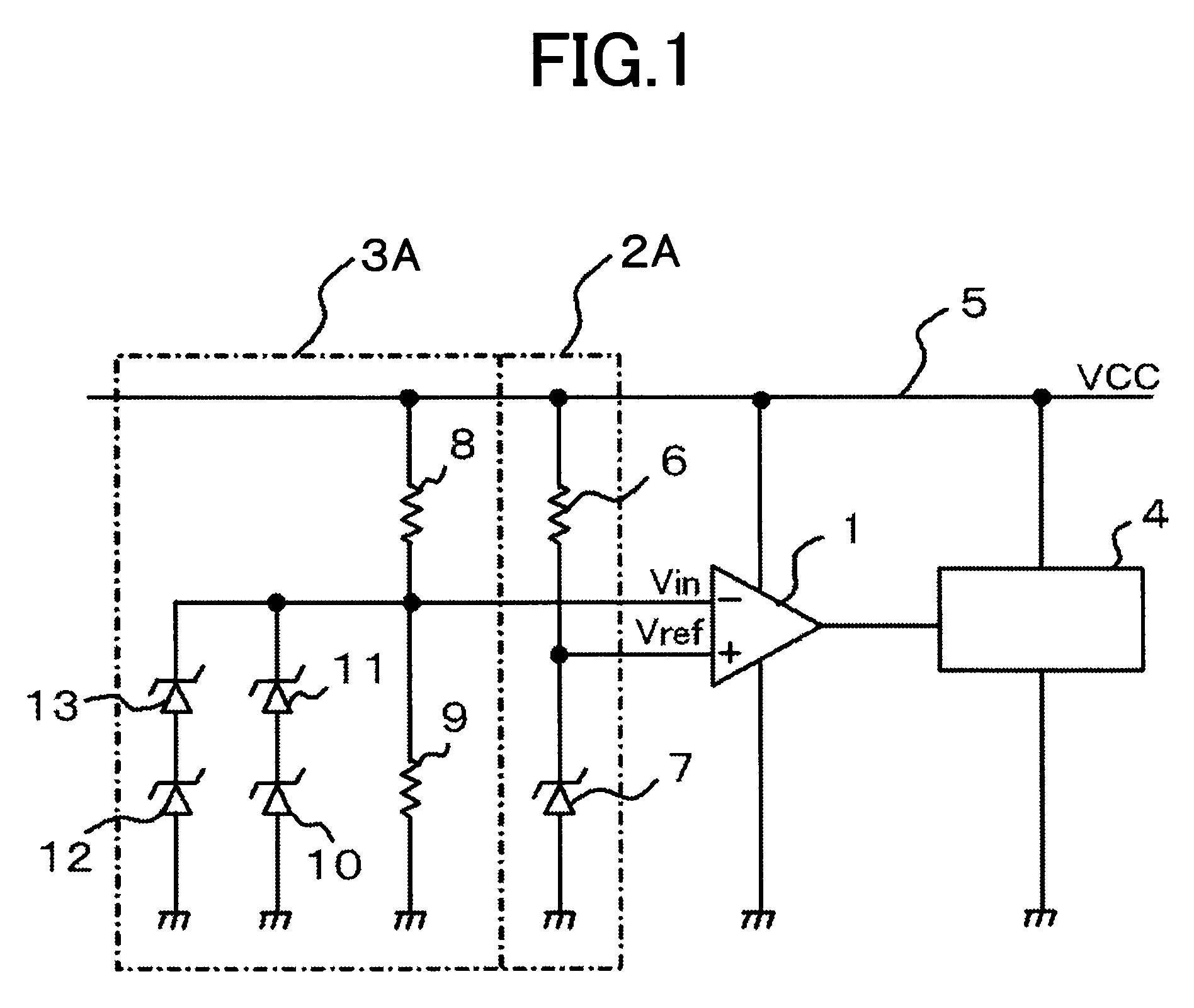
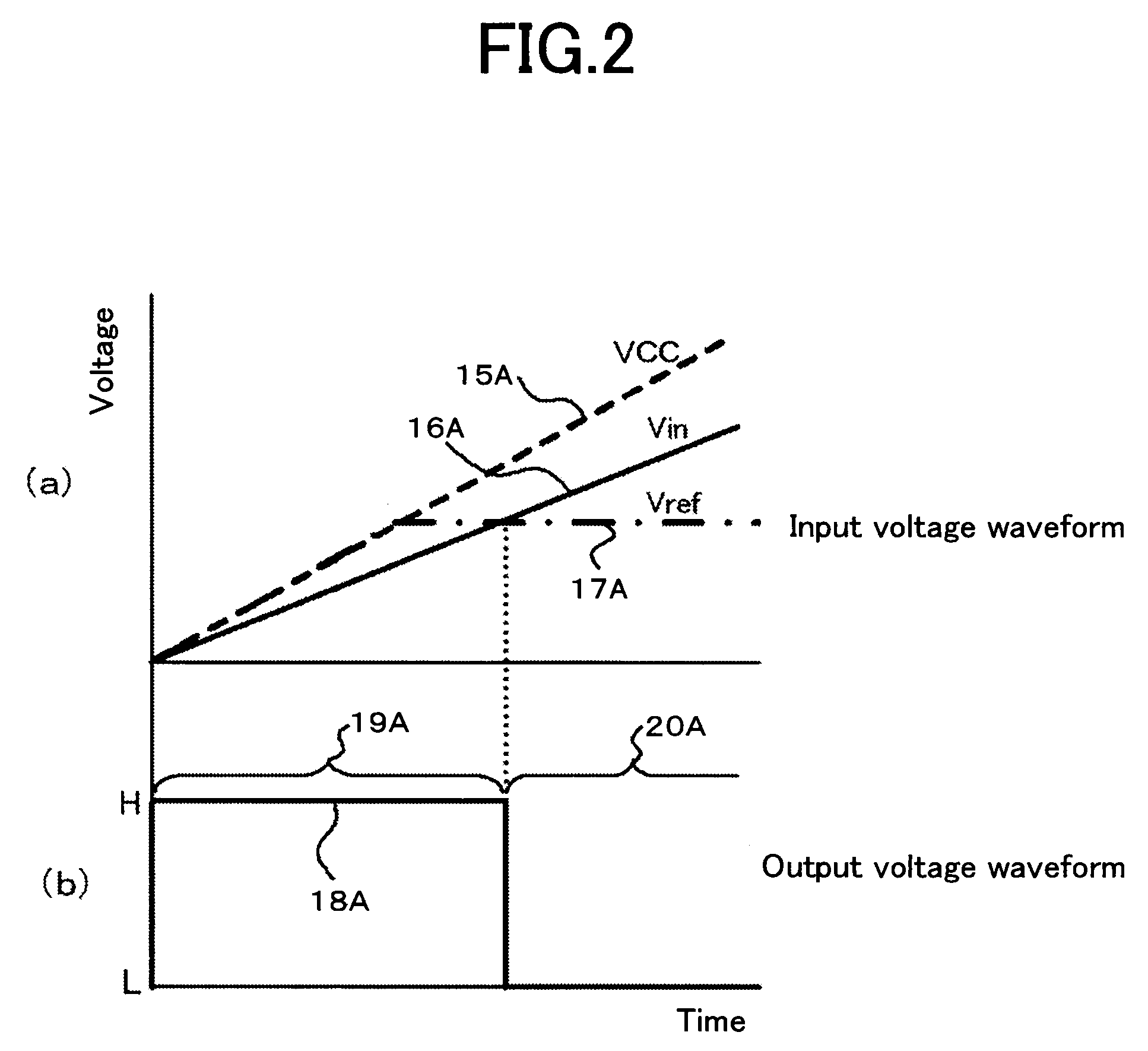
- The undervoltage lockout circuit is designed with a monitor-voltage circuit time constant set higher than the reference-voltage circuit time constant, ensuring the monitor voltage remains lower than the reference voltage during a steep supply voltage increase, thereby stabilizing the block and permission of the gate-driver output.

A UVLO protection circuit
PatentActiveCN109283963B
Innovation
- A simple UVLO protection circuit is designed, using P-channel and N-channel enhancement MOS tubes to form pull-up and pull-down current mirror modules. Through the combination of the reference circuit output and filter capacitor, a current mirror comparator is formed. NMOS tubes are used to form a current mirror comparator. The sum of the threshold voltage and the reference voltage constitutes the UVLO threshold voltage, ensuring that the circuit is in a protected state when undervoltage occurs.

Power Integrity Standards for Sensitive Electronic Systems
Power integrity standards for sensitive electronic systems have evolved significantly to address the stringent requirements of modern digital circuits, particularly those incorporating advanced power management solutions like digital LDOs with undervoltage lockout capabilities. These standards establish comprehensive frameworks for maintaining stable, clean power delivery while ensuring system reliability under various operating conditions.
The IEEE 1149.4 standard provides foundational guidelines for mixed-signal test access, which directly impacts power integrity verification in systems utilizing digital LDOs. This standard emphasizes the importance of maintaining power supply stability during test operations, particularly relevant when evaluating undervoltage lockout thresholds in sensitive load applications. Additionally, the IEC 61000 series addresses electromagnetic compatibility requirements that intersect with power integrity considerations.
Industry-specific standards such as JEDEC JESD204 for high-speed data converters and JEDEC JESD22 for stress testing establish power supply noise limits and transient response requirements. These specifications are particularly critical for digital LDO implementations serving sensitive analog and mixed-signal loads, where undervoltage conditions can cause irreversible damage or data corruption.
The CISPR 25 automotive standard defines power integrity requirements for vehicle electronic systems, establishing limits for conducted emissions and immunity that directly influence digital LDO design parameters. This standard mandates specific undervoltage lockout behavior to prevent system malfunctions during engine cranking events and other automotive-specific power disturbances.
Military and aerospace applications follow MIL-STD-461 and DO-160 standards, which impose even more stringent power integrity requirements. These standards specify precise undervoltage lockout timing and hysteresis characteristics to ensure mission-critical systems maintain operational integrity under extreme conditions.
Recent developments in power integrity standards increasingly focus on dynamic response characteristics and adaptive protection mechanisms. The emerging IEEE P2418.6 standard for IoT applications specifically addresses power management in battery-operated sensitive systems, establishing new benchmarks for undervoltage lockout precision and power consumption optimization that directly influence digital LDO design methodologies.
The IEEE 1149.4 standard provides foundational guidelines for mixed-signal test access, which directly impacts power integrity verification in systems utilizing digital LDOs. This standard emphasizes the importance of maintaining power supply stability during test operations, particularly relevant when evaluating undervoltage lockout thresholds in sensitive load applications. Additionally, the IEC 61000 series addresses electromagnetic compatibility requirements that intersect with power integrity considerations.
Industry-specific standards such as JEDEC JESD204 for high-speed data converters and JEDEC JESD22 for stress testing establish power supply noise limits and transient response requirements. These specifications are particularly critical for digital LDO implementations serving sensitive analog and mixed-signal loads, where undervoltage conditions can cause irreversible damage or data corruption.
The CISPR 25 automotive standard defines power integrity requirements for vehicle electronic systems, establishing limits for conducted emissions and immunity that directly influence digital LDO design parameters. This standard mandates specific undervoltage lockout behavior to prevent system malfunctions during engine cranking events and other automotive-specific power disturbances.
Military and aerospace applications follow MIL-STD-461 and DO-160 standards, which impose even more stringent power integrity requirements. These standards specify precise undervoltage lockout timing and hysteresis characteristics to ensure mission-critical systems maintain operational integrity under extreme conditions.
Recent developments in power integrity standards increasingly focus on dynamic response characteristics and adaptive protection mechanisms. The emerging IEEE P2418.6 standard for IoT applications specifically addresses power management in battery-operated sensitive systems, establishing new benchmarks for undervoltage lockout precision and power consumption optimization that directly influence digital LDO design methodologies.
Reliability Assessment Methods for UVLO Performance
Reliability assessment of UVLO performance in digital LDOs requires comprehensive evaluation methodologies that address both static and dynamic operational characteristics. Traditional assessment approaches focus on threshold voltage accuracy, hysteresis behavior, and temperature coefficient analysis across specified operating ranges. These fundamental metrics establish baseline performance parameters but may not fully capture the complex interactions between digital control loops and UVLO circuitry under real-world conditions.
Advanced reliability assessment incorporates accelerated life testing protocols specifically designed for UVLO functionality. These methodologies subject digital LDOs to extended periods of voltage cycling near threshold boundaries, elevated temperature stress, and electromagnetic interference conditions. Statistical analysis of threshold drift, response time degradation, and false triggering incidents provides quantitative reliability metrics. Monte Carlo simulations complement physical testing by modeling component variations and their cumulative impact on UVLO performance over extended operational periods.
Dynamic assessment techniques evaluate UVLO behavior during transient conditions that frequently occur in sensitive load applications. Voltage ramp rate testing determines minimum slew rate requirements for proper UVLO detection, while power supply rejection ratio measurements assess immunity to input voltage fluctuations. Load transient testing validates UVLO stability when output current demands change rapidly, ensuring protection circuits remain functional during critical switching events.
Failure mode analysis constitutes a critical component of UVLO reliability assessment. Common failure mechanisms include threshold voltage drift due to aging effects, increased response delays from parasitic capacitance changes, and logic state corruption in digital control circuits. Systematic evaluation of these failure modes through designed experiments enables prediction of failure rates and establishment of preventive maintenance schedules for mission-critical applications.
Statistical process control methods provide ongoing reliability monitoring for UVLO circuits in production environments. Control charts tracking threshold voltage distributions, response time variations, and temperature coefficients enable early detection of process deviations that could compromise long-term reliability. Correlation analysis between manufacturing parameters and UVLO performance metrics facilitates continuous improvement of production processes and design robustness.
Advanced reliability assessment incorporates accelerated life testing protocols specifically designed for UVLO functionality. These methodologies subject digital LDOs to extended periods of voltage cycling near threshold boundaries, elevated temperature stress, and electromagnetic interference conditions. Statistical analysis of threshold drift, response time degradation, and false triggering incidents provides quantitative reliability metrics. Monte Carlo simulations complement physical testing by modeling component variations and their cumulative impact on UVLO performance over extended operational periods.
Dynamic assessment techniques evaluate UVLO behavior during transient conditions that frequently occur in sensitive load applications. Voltage ramp rate testing determines minimum slew rate requirements for proper UVLO detection, while power supply rejection ratio measurements assess immunity to input voltage fluctuations. Load transient testing validates UVLO stability when output current demands change rapidly, ensuring protection circuits remain functional during critical switching events.
Failure mode analysis constitutes a critical component of UVLO reliability assessment. Common failure mechanisms include threshold voltage drift due to aging effects, increased response delays from parasitic capacitance changes, and logic state corruption in digital control circuits. Systematic evaluation of these failure modes through designed experiments enables prediction of failure rates and establishment of preventive maintenance schedules for mission-critical applications.
Statistical process control methods provide ongoing reliability monitoring for UVLO circuits in production environments. Control charts tracking threshold voltage distributions, response time variations, and temperature coefficients enable early detection of process deviations that could compromise long-term reliability. Correlation analysis between manufacturing parameters and UVLO performance metrics facilitates continuous improvement of production processes and design robustness.
Unlock deeper insights with Patsnap Eureka Quick Research — get a full tech report to explore trends and direct your research. Try now!
Generate Your Research Report Instantly with AI Agent
Supercharge your innovation with Patsnap Eureka AI Agent Platform!