

Digital LDOs in Edge Computing: Ensuring Stability Under Variable Loads
MAY 9, 20269 MIN READ
Generate Your Research Report Instantly with AI Agent
PatSnap Eureka helps you evaluate technical feasibility & market potential.
Digital LDO Background and Edge Computing Goals
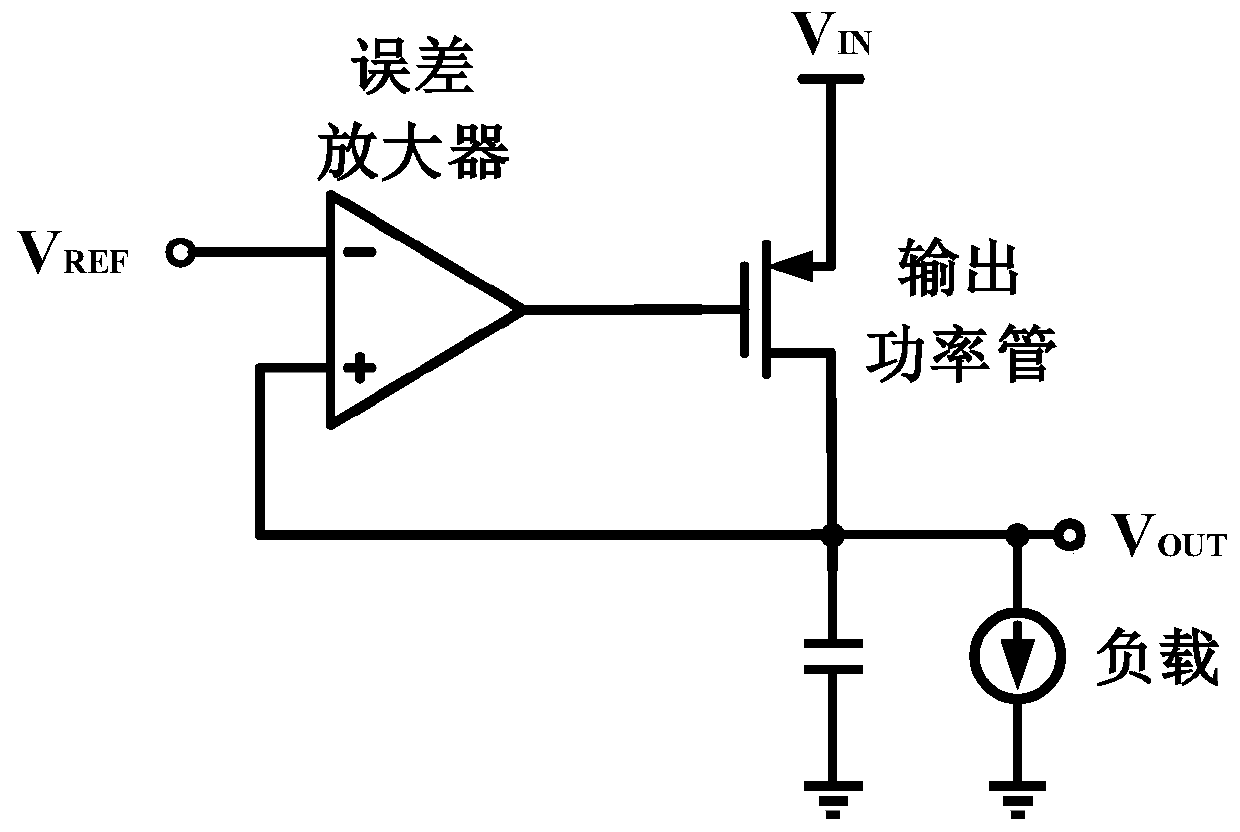
Digital Low-Dropout Regulators (LDOs) represent a significant evolution from traditional analog voltage regulation circuits, incorporating digital control mechanisms to achieve enhanced precision, programmability, and adaptive response capabilities. Unlike conventional analog LDOs that rely on continuous feedback loops through operational amplifiers, digital LDOs utilize discrete-time control algorithms, analog-to-digital converters, and digital signal processing to maintain output voltage stability. This digital approach enables real-time monitoring, dynamic adjustment of control parameters, and integration with system-level power management protocols.
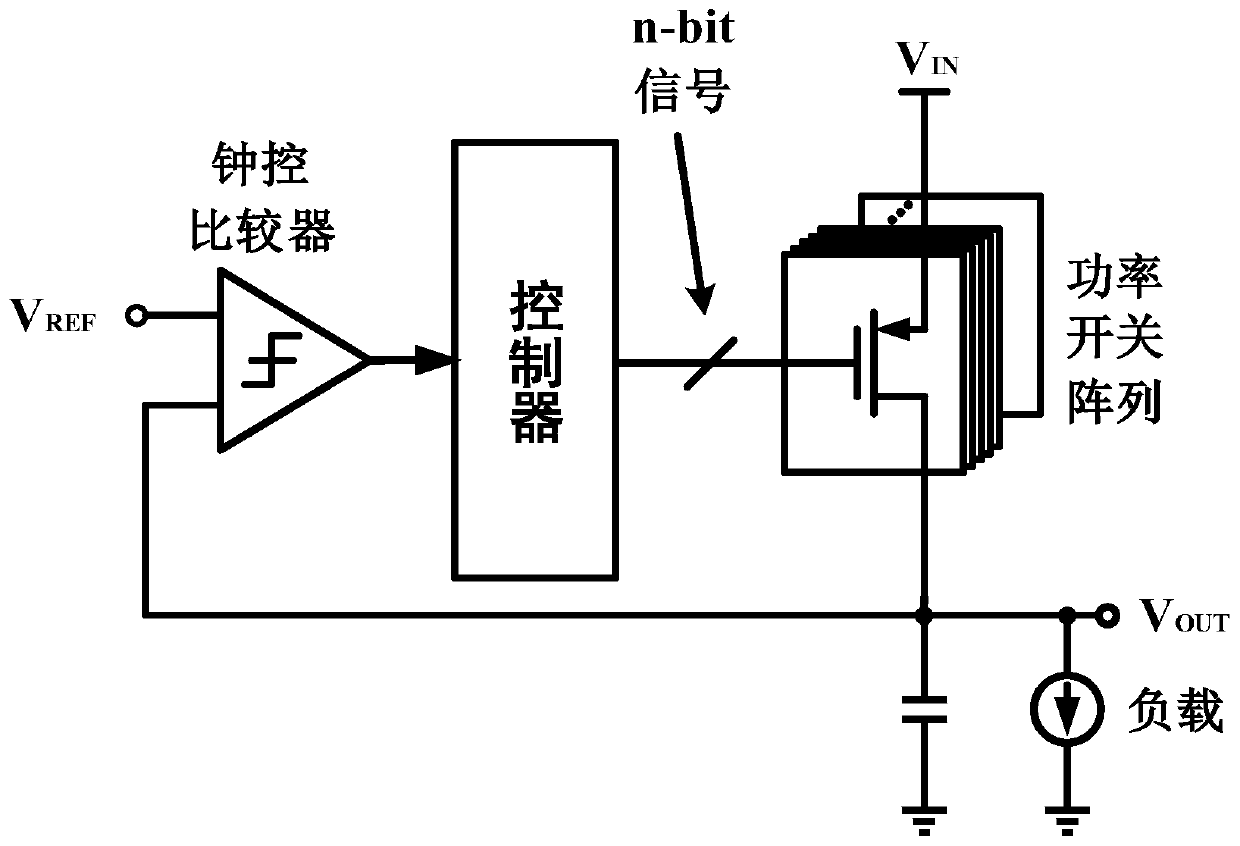
The fundamental architecture of digital LDOs consists of a power transistor stage, voltage sensing circuitry, analog-to-digital conversion units, digital control logic, and pulse-width modulation or digital-to-analog conversion for output control. The digital control loop samples the output voltage at predetermined intervals, compares it against reference values, and adjusts the gate voltage of the pass transistor accordingly. This discrete-time operation allows for sophisticated control algorithms including predictive control, adaptive compensation, and multi-mode operation strategies.
Edge computing has emerged as a critical paradigm shift in distributed computing architectures, bringing computational resources closer to data sources and end-users to minimize latency, reduce bandwidth consumption, and enhance real-time processing capabilities. Edge computing environments encompass a diverse range of deployment scenarios including Internet of Things devices, autonomous vehicles, industrial automation systems, augmented reality applications, and distributed sensor networks. These applications demand ultra-low latency responses, often requiring processing delays measured in microseconds to milliseconds.
The power management challenges in edge computing stem from the highly variable and unpredictable nature of computational workloads. Edge devices frequently experience rapid transitions between idle states and peak processing demands, creating dynamic load conditions that traditional power regulation circuits struggle to accommodate. The computational tasks may vary from lightweight sensor data processing to intensive machine learning inference, resulting in power consumption fluctuations spanning several orders of magnitude within millisecond timeframes.
Digital LDOs in edge computing environments must achieve multiple critical objectives simultaneously. Primary goals include maintaining tight voltage regulation accuracy typically within ±1-2% across load transients, ensuring fast transient response times under 10 microseconds for load step changes, and providing adaptive power efficiency optimization across varying load conditions. Additionally, these regulators must support multiple voltage domains required by heterogeneous processing units, enable dynamic voltage and frequency scaling for energy optimization, and integrate seamlessly with system-level power management frameworks.
The stability requirements extend beyond traditional voltage regulation metrics to encompass thermal management, electromagnetic interference mitigation, and fault tolerance capabilities essential for reliable edge computing operation in diverse environmental conditions.
The fundamental architecture of digital LDOs consists of a power transistor stage, voltage sensing circuitry, analog-to-digital conversion units, digital control logic, and pulse-width modulation or digital-to-analog conversion for output control. The digital control loop samples the output voltage at predetermined intervals, compares it against reference values, and adjusts the gate voltage of the pass transistor accordingly. This discrete-time operation allows for sophisticated control algorithms including predictive control, adaptive compensation, and multi-mode operation strategies.
Edge computing has emerged as a critical paradigm shift in distributed computing architectures, bringing computational resources closer to data sources and end-users to minimize latency, reduce bandwidth consumption, and enhance real-time processing capabilities. Edge computing environments encompass a diverse range of deployment scenarios including Internet of Things devices, autonomous vehicles, industrial automation systems, augmented reality applications, and distributed sensor networks. These applications demand ultra-low latency responses, often requiring processing delays measured in microseconds to milliseconds.
The power management challenges in edge computing stem from the highly variable and unpredictable nature of computational workloads. Edge devices frequently experience rapid transitions between idle states and peak processing demands, creating dynamic load conditions that traditional power regulation circuits struggle to accommodate. The computational tasks may vary from lightweight sensor data processing to intensive machine learning inference, resulting in power consumption fluctuations spanning several orders of magnitude within millisecond timeframes.
Digital LDOs in edge computing environments must achieve multiple critical objectives simultaneously. Primary goals include maintaining tight voltage regulation accuracy typically within ±1-2% across load transients, ensuring fast transient response times under 10 microseconds for load step changes, and providing adaptive power efficiency optimization across varying load conditions. Additionally, these regulators must support multiple voltage domains required by heterogeneous processing units, enable dynamic voltage and frequency scaling for energy optimization, and integrate seamlessly with system-level power management frameworks.
The stability requirements extend beyond traditional voltage regulation metrics to encompass thermal management, electromagnetic interference mitigation, and fault tolerance capabilities essential for reliable edge computing operation in diverse environmental conditions.
Market Demand for Stable Edge Computing Power Solutions
The edge computing market has experienced unprecedented growth driven by the proliferation of IoT devices, autonomous systems, and real-time applications requiring ultra-low latency processing. This expansion has created substantial demand for reliable power management solutions that can maintain consistent performance across diverse operational environments. Edge computing nodes must operate continuously in challenging conditions, from industrial automation systems to autonomous vehicles, where power stability directly impacts system reliability and safety.
Traditional power management approaches face significant limitations in edge computing scenarios due to their inability to adapt quickly to rapidly changing computational loads. Edge devices frequently experience dramatic power consumption variations as they process intermittent data streams, execute machine learning inference tasks, and communicate with cloud services. These dynamic workloads create voltage fluctuations that can compromise system stability, reduce processing accuracy, and potentially cause critical failures in time-sensitive applications.
The market demand for stable power solutions has intensified as edge computing applications become more sophisticated and mission-critical. Autonomous driving systems require unwavering power stability to ensure sensor accuracy and decision-making reliability. Industrial IoT deployments demand consistent power delivery to maintain production line efficiency and prevent costly downtime. Smart city infrastructure relies on stable edge computing nodes to process traffic data, environmental monitoring, and emergency response systems without interruption.
Digital LDOs represent a transformative solution addressing these market needs by providing adaptive voltage regulation that responds dynamically to load variations. Unlike analog counterparts, digital LDOs offer programmable control, real-time monitoring capabilities, and intelligent load prediction algorithms that anticipate power requirements before fluctuations occur. This proactive approach ensures voltage stability while optimizing power efficiency across varying operational conditions.
The growing emphasis on energy efficiency in edge computing further amplifies market demand for advanced power management solutions. Organizations seek power systems that not only maintain stability but also minimize energy consumption to reduce operational costs and extend battery life in portable edge devices. Digital LDOs address this dual requirement by providing precise voltage control that eliminates unnecessary power waste while maintaining the stability essential for reliable edge computing operations.
Traditional power management approaches face significant limitations in edge computing scenarios due to their inability to adapt quickly to rapidly changing computational loads. Edge devices frequently experience dramatic power consumption variations as they process intermittent data streams, execute machine learning inference tasks, and communicate with cloud services. These dynamic workloads create voltage fluctuations that can compromise system stability, reduce processing accuracy, and potentially cause critical failures in time-sensitive applications.
The market demand for stable power solutions has intensified as edge computing applications become more sophisticated and mission-critical. Autonomous driving systems require unwavering power stability to ensure sensor accuracy and decision-making reliability. Industrial IoT deployments demand consistent power delivery to maintain production line efficiency and prevent costly downtime. Smart city infrastructure relies on stable edge computing nodes to process traffic data, environmental monitoring, and emergency response systems without interruption.
Digital LDOs represent a transformative solution addressing these market needs by providing adaptive voltage regulation that responds dynamically to load variations. Unlike analog counterparts, digital LDOs offer programmable control, real-time monitoring capabilities, and intelligent load prediction algorithms that anticipate power requirements before fluctuations occur. This proactive approach ensures voltage stability while optimizing power efficiency across varying operational conditions.
The growing emphasis on energy efficiency in edge computing further amplifies market demand for advanced power management solutions. Organizations seek power systems that not only maintain stability but also minimize energy consumption to reduce operational costs and extend battery life in portable edge devices. Digital LDOs address this dual requirement by providing precise voltage control that eliminates unnecessary power waste while maintaining the stability essential for reliable edge computing operations.
Current Digital LDO Challenges Under Variable Loads
Digital Low-Dropout Regulators face significant stability challenges when deployed in edge computing environments characterized by highly variable load conditions. The primary challenge stems from the inherent delay in digital control loops, which creates difficulties in maintaining stable output voltage during rapid load transients. Unlike analog LDOs that provide instantaneous feedback, digital implementations introduce quantization delays and processing latencies that can lead to voltage overshoots and undershoots during sudden load changes.
Load transient response represents one of the most critical challenges in edge computing applications. Edge devices frequently experience abrupt changes in power consumption as processors switch between idle and active states, or as different computational workloads are initiated. These rapid transitions can cause digital LDOs to exhibit poor transient performance, with recovery times significantly longer than their analog counterparts. The discrete nature of digital control systems makes it difficult to achieve the fine-grained voltage regulation required for sensitive edge computing components.
Power efficiency optimization under variable loads presents another substantial challenge. Digital LDOs must maintain high efficiency across a wide range of load currents, from microampere standby levels to several amperes during peak processing. Traditional digital control algorithms often struggle to optimize efficiency dynamically, particularly when load patterns are unpredictable. The switching frequency and control parameters that work well for heavy loads may be suboptimal for light loads, leading to reduced overall system efficiency.
Thermal management complications arise from the variable power dissipation patterns inherent in edge computing applications. Digital LDOs must handle thermal cycling and hotspot formation while maintaining stable regulation. The digital control system must account for temperature-dependent variations in component characteristics, which can affect loop stability and regulation accuracy. Temperature compensation algorithms add complexity to the control system and may introduce additional delays that further compromise transient response.
Process variation sensitivity poses significant challenges for digital LDO implementations in edge computing systems. Manufacturing variations in digital components can affect timing characteristics, reference voltages, and control loop parameters. These variations become more pronounced in advanced process nodes commonly used in edge computing devices, making it difficult to ensure consistent performance across different production lots and operating conditions.
Load transient response represents one of the most critical challenges in edge computing applications. Edge devices frequently experience abrupt changes in power consumption as processors switch between idle and active states, or as different computational workloads are initiated. These rapid transitions can cause digital LDOs to exhibit poor transient performance, with recovery times significantly longer than their analog counterparts. The discrete nature of digital control systems makes it difficult to achieve the fine-grained voltage regulation required for sensitive edge computing components.
Power efficiency optimization under variable loads presents another substantial challenge. Digital LDOs must maintain high efficiency across a wide range of load currents, from microampere standby levels to several amperes during peak processing. Traditional digital control algorithms often struggle to optimize efficiency dynamically, particularly when load patterns are unpredictable. The switching frequency and control parameters that work well for heavy loads may be suboptimal for light loads, leading to reduced overall system efficiency.
Thermal management complications arise from the variable power dissipation patterns inherent in edge computing applications. Digital LDOs must handle thermal cycling and hotspot formation while maintaining stable regulation. The digital control system must account for temperature-dependent variations in component characteristics, which can affect loop stability and regulation accuracy. Temperature compensation algorithms add complexity to the control system and may introduce additional delays that further compromise transient response.
Process variation sensitivity poses significant challenges for digital LDO implementations in edge computing systems. Manufacturing variations in digital components can affect timing characteristics, reference voltages, and control loop parameters. These variations become more pronounced in advanced process nodes commonly used in edge computing devices, making it difficult to ensure consistent performance across different production lots and operating conditions.
Existing Digital LDO Solutions for Variable Load Stability
01 Digital control loop compensation techniques
Digital LDO stability can be enhanced through advanced control loop compensation methods that utilize digital signal processing algorithms. These techniques involve implementing digital compensators that can dynamically adjust the control parameters to maintain stability across varying load conditions. The digital approach allows for more precise control and better transient response compared to traditional analog methods.- Digital control loop compensation techniques: Digital LDO stability can be enhanced through advanced control loop compensation methods that utilize digital signal processing algorithms. These techniques involve implementing digital compensators that can dynamically adjust the feedback loop characteristics to maintain stability across varying load conditions. The digital approach allows for more precise control and faster response times compared to traditional analog methods.
- Adaptive voltage regulation mechanisms: Stability in digital LDOs is achieved through adaptive voltage regulation systems that can automatically adjust output voltage based on real-time feedback. These mechanisms employ sophisticated algorithms to predict and compensate for voltage variations, ensuring consistent performance under different operating conditions. The adaptive nature allows the system to maintain stability even when faced with sudden load changes or supply variations.
- Digital feedback and error correction systems: Advanced digital feedback mechanisms incorporate error detection and correction capabilities to enhance LDO stability. These systems continuously monitor output parameters and implement corrective actions through digital processing units. The feedback systems can identify potential instability conditions and proactively adjust control parameters to maintain optimal performance.
- Power management integration techniques: Digital LDO stability is improved through integrated power management approaches that coordinate multiple power domains and control circuits. These techniques involve sophisticated power sequencing and management algorithms that ensure stable operation across different power states. The integration allows for better overall system stability and improved power efficiency.
- Transient response optimization methods: Stability enhancement in digital LDOs is achieved through optimized transient response characteristics that minimize voltage overshoots and settling times. These methods involve careful design of the digital control algorithms to provide fast and stable responses to load transients. The optimization ensures that the LDO maintains stable output voltage even during rapid changes in load current demand.
02 Adaptive feedback control mechanisms
Stability in digital LDOs can be achieved through adaptive feedback control systems that continuously monitor output voltage and adjust control signals accordingly. These mechanisms employ real-time feedback analysis to detect instabilities and automatically compensate for variations in load current, temperature, and process variations. The adaptive nature ensures robust performance across different operating conditions.Expand Specific Solutions03 Digital pulse width modulation control
Digital LDO stability is improved through sophisticated pulse width modulation control schemes that provide precise voltage regulation. These methods utilize digital timing control to optimize switching behavior and minimize voltage ripple. The digital PWM approach enables fine-grained control over the output voltage while maintaining excellent stability margins.Expand Specific Solutions04 Multi-phase digital regulation architecture
Stability enhancement in digital LDOs can be achieved through multi-phase regulation architectures that distribute the control across multiple phases. This approach reduces output voltage ripple and improves transient response while maintaining overall system stability. The multi-phase design also provides better load current handling capabilities and improved efficiency.Expand Specific Solutions05 Digital error amplification and correction
Digital LDO stability relies on advanced error amplification and correction techniques that detect and compensate for voltage deviations in real-time. These systems employ digital error processing algorithms to maintain tight voltage regulation and prevent oscillations. The digital approach allows for programmable gain settings and customizable response characteristics to optimize stability for specific applications.Expand Specific Solutions
Key Players in Digital LDO and Edge Computing Industry
The digital LDO market for edge computing applications is experiencing rapid growth driven by the increasing demand for power-efficient solutions in IoT and edge devices. The competitive landscape spans from early-stage research to commercial deployment, with technology maturity varying significantly across players. Leading semiconductor companies like Intel, Samsung Electronics, and Infineon Technologies represent the mature commercial segment, offering established digital LDO solutions with proven stability under variable loads. Chinese companies including Chipsea Technologies, Dioo Microcircuits, and BCD Shanghai demonstrate emerging market capabilities in specialized applications. Academic institutions such as MIT, University of Electronic Science & Technology of China, and Southeast University contribute foundational research advancing digital LDO architectures and control algorithms. The market shows strong growth potential as edge computing adoption accelerates, with technology maturity progressing from research prototypes to production-ready solutions addressing the critical challenge of maintaining power stability in dynamic edge computing environments.
Intel Corp.
Technical Solution: Intel has developed advanced digital LDO solutions integrated into their processor architectures, featuring adaptive voltage scaling and dynamic load management capabilities. Their digital LDOs utilize sophisticated feedback control algorithms that can respond to load transients within nanoseconds, ensuring stable voltage delivery across varying computational demands. The technology incorporates predictive load sensing and multi-phase regulation to maintain voltage stability even under rapid load changes typical in edge computing scenarios. Intel's approach includes on-chip voltage monitoring and real-time adjustment mechanisms that optimize power efficiency while maintaining performance stability across different operating conditions.
Strengths: Industry-leading transient response and integration with processor architectures. Weaknesses: Higher complexity and cost compared to analog alternatives.
Massachusetts Institute of Technology
Technical Solution: MIT has conducted extensive research on digital LDO architectures for edge computing applications, developing novel control algorithms and compensation techniques for variable load scenarios. Their research focuses on adaptive digital control methods that can predict and compensate for load transients before they affect voltage stability. The developed solutions feature advanced feedback control systems with machine learning integration for real-time optimization of regulation parameters. MIT's research has demonstrated digital LDO designs capable of maintaining voltage regulation accuracy within ±0.5% across load variations spanning from standby to full computational load, with response times in the sub-microsecond range suitable for demanding edge computing applications.
Strengths: Cutting-edge research and innovative control algorithms. Weaknesses: Primarily research-focused with limited commercial implementation.
Core Innovations in Digital LDO Stability Control
A variable-adaptive integrated computational digital low dropout regulator
PatentWO2020055695A1
Innovation
- A Computational Digital Low Dropout (CDLDO) regulator that uses a digital approach for voltage regulation, autonomously tunes out process-voltage-temperature (PVT) and other non-idealities, employing a computational controller to compute exact solutions for power gate codes, enabling fast and deterministic settling times across a wide dynamic range.


Digital LDO circuit with fast transient response
PatentActiveCN110045774A
Innovation
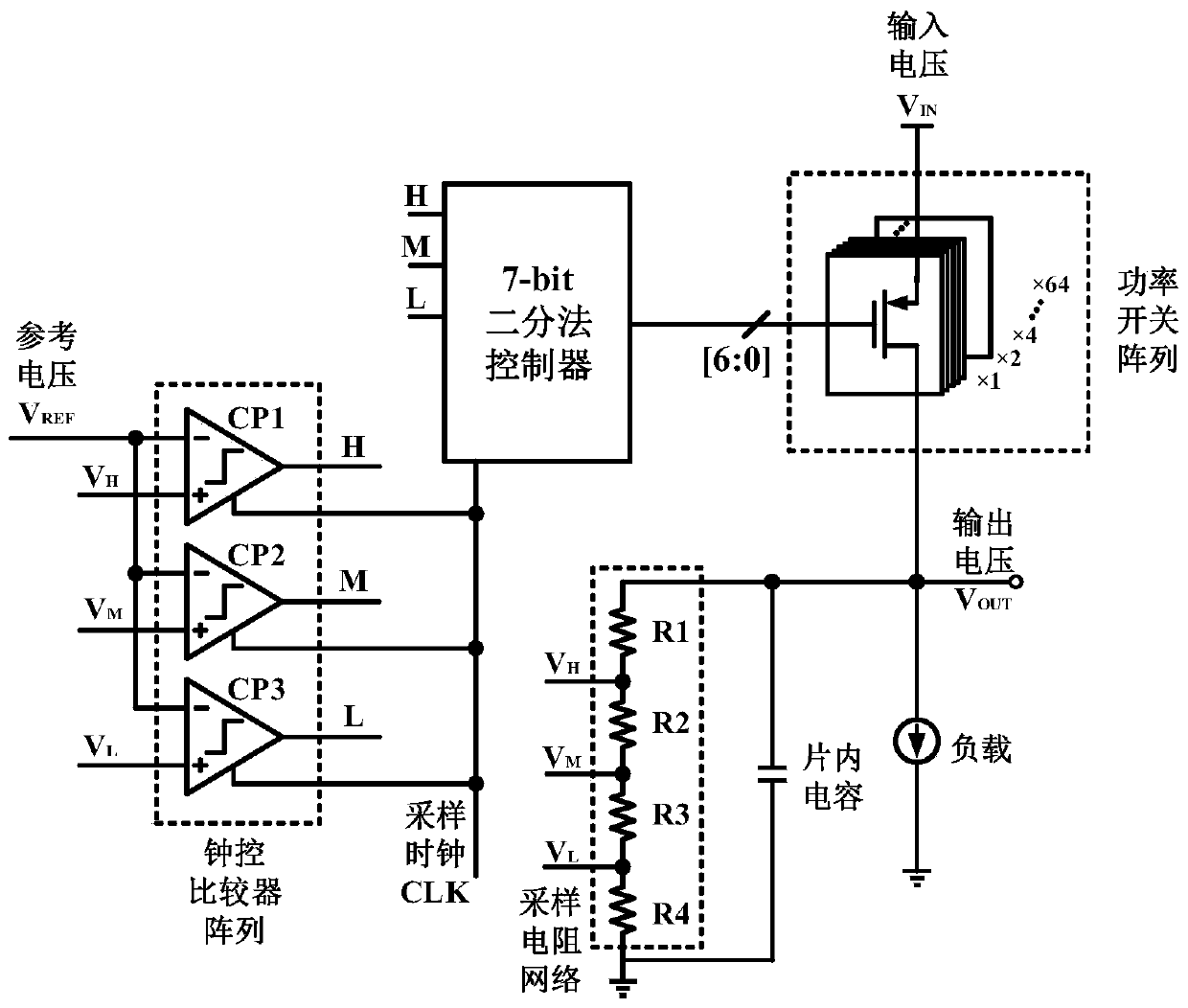
- The dichotomy adjustment is adopted as the core control scheme of the controller. Through the clock-controlled comparator array and power switch array, the binary distributed PMOS transistor array and sampling resistor network are used to quickly restore the output voltage to the rated value and support sub-1V low power supply. environment, with the characteristics of low static power consumption, high integration and fast transient response.

Power Efficiency Standards for Edge Computing Devices
Power efficiency standards for edge computing devices have become increasingly critical as the deployment of edge infrastructure expands across diverse applications and environments. These standards establish fundamental benchmarks for energy consumption, thermal management, and operational sustainability that directly impact the viability of edge computing solutions in resource-constrained scenarios.
The IEEE 802.3bt standard represents a cornerstone framework for power delivery in edge devices, defining Power over Ethernet Plus specifications that enable up to 90 watts of power delivery. This standard particularly influences digital LDO implementations by establishing baseline efficiency requirements of 85% or higher for power conversion stages. Additionally, the Energy Star program has extended its certification criteria to include edge computing equipment, mandating specific idle power consumption limits and dynamic power scaling capabilities.
International standards organizations have developed comprehensive guidelines addressing the unique power challenges of edge environments. The IEC 62368-1 standard provides safety requirements for audio/video and information technology equipment, including specific provisions for variable load conditions that digital LDOs must accommodate. Meanwhile, the ASHRAE TC 9.9 committee has established thermal guidelines that indirectly influence power efficiency requirements by defining acceptable operating temperature ranges for edge facilities.
Regulatory frameworks across different regions impose varying efficiency mandates that affect digital LDO design considerations. The European Union's Ecodesign Directive requires edge computing devices to meet minimum energy efficiency thresholds, while California's Title 20 regulations establish specific power consumption limits for small network equipment. These regulations typically mandate power factor correction above 0.9 and standby power consumption below 1 watt for qualifying devices.
Industry consortiums have developed specialized standards addressing the dynamic nature of edge computing workloads. The Open Compute Project has published power efficiency specifications that account for variable load scenarios, requiring power supplies to maintain efficiency above 80% across load ranges from 20% to 100%. The Green Grid organization has established Power Usage Effectiveness metrics specifically adapted for edge computing environments, incorporating factors such as ambient temperature variations and intermittent operation patterns.
Emerging standards focus on adaptive power management capabilities essential for digital LDO stability under variable loads. The USB Power Delivery 3.1 specification introduces programmable power supply requirements that enable dynamic voltage and current adjustments, directly supporting advanced digital LDO implementations. These evolving standards emphasize the importance of real-time power optimization and load-responsive efficiency maintenance in edge computing applications.
The IEEE 802.3bt standard represents a cornerstone framework for power delivery in edge devices, defining Power over Ethernet Plus specifications that enable up to 90 watts of power delivery. This standard particularly influences digital LDO implementations by establishing baseline efficiency requirements of 85% or higher for power conversion stages. Additionally, the Energy Star program has extended its certification criteria to include edge computing equipment, mandating specific idle power consumption limits and dynamic power scaling capabilities.
International standards organizations have developed comprehensive guidelines addressing the unique power challenges of edge environments. The IEC 62368-1 standard provides safety requirements for audio/video and information technology equipment, including specific provisions for variable load conditions that digital LDOs must accommodate. Meanwhile, the ASHRAE TC 9.9 committee has established thermal guidelines that indirectly influence power efficiency requirements by defining acceptable operating temperature ranges for edge facilities.
Regulatory frameworks across different regions impose varying efficiency mandates that affect digital LDO design considerations. The European Union's Ecodesign Directive requires edge computing devices to meet minimum energy efficiency thresholds, while California's Title 20 regulations establish specific power consumption limits for small network equipment. These regulations typically mandate power factor correction above 0.9 and standby power consumption below 1 watt for qualifying devices.
Industry consortiums have developed specialized standards addressing the dynamic nature of edge computing workloads. The Open Compute Project has published power efficiency specifications that account for variable load scenarios, requiring power supplies to maintain efficiency above 80% across load ranges from 20% to 100%. The Green Grid organization has established Power Usage Effectiveness metrics specifically adapted for edge computing environments, incorporating factors such as ambient temperature variations and intermittent operation patterns.
Emerging standards focus on adaptive power management capabilities essential for digital LDO stability under variable loads. The USB Power Delivery 3.1 specification introduces programmable power supply requirements that enable dynamic voltage and current adjustments, directly supporting advanced digital LDO implementations. These evolving standards emphasize the importance of real-time power optimization and load-responsive efficiency maintenance in edge computing applications.
Thermal Management Considerations in Digital LDO Design
Thermal management represents a critical design consideration for digital LDOs operating in edge computing environments, where variable loads create dynamic heat generation patterns that can significantly impact circuit stability and performance. Unlike traditional analog LDOs, digital LDOs present unique thermal challenges due to their switching nature and digital control mechanisms, which generate heat in discrete pulses rather than continuous dissipation patterns.
The primary thermal concern in digital LDO design stems from the power dissipation characteristics under variable load conditions. When edge computing devices experience sudden load transitions, the digital LDO must rapidly adjust its output while managing the associated thermal transients. The switching elements within the digital control loop generate localized hotspots that can exceed safe operating temperatures if not properly managed, potentially leading to thermal runaway or performance degradation.
Package selection and thermal interface design play crucial roles in managing heat dissipation. Advanced packaging technologies such as flip-chip configurations and enhanced thermal pads provide improved heat conduction paths from the die to the external environment. The thermal resistance from junction to ambient becomes particularly critical when digital LDOs operate under high-frequency load variations typical in edge computing scenarios.
On-chip thermal monitoring and protection mechanisms have become essential features in modern digital LDO designs. Temperature sensors integrated within the LDO die enable real-time thermal feedback, allowing the digital control system to implement thermal throttling or load shedding when temperatures approach critical thresholds. This proactive thermal management prevents damage while maintaining system functionality during peak thermal stress conditions.
Layout considerations significantly influence thermal performance in digital LDO implementations. Strategic placement of switching elements, proper ground plane design, and thermal via placement help distribute heat more effectively across the silicon substrate. The digital nature of these regulators allows for intelligent thermal spreading algorithms that can dynamically adjust switching patterns to minimize localized heating effects while maintaining regulation accuracy under variable load conditions.
The primary thermal concern in digital LDO design stems from the power dissipation characteristics under variable load conditions. When edge computing devices experience sudden load transitions, the digital LDO must rapidly adjust its output while managing the associated thermal transients. The switching elements within the digital control loop generate localized hotspots that can exceed safe operating temperatures if not properly managed, potentially leading to thermal runaway or performance degradation.
Package selection and thermal interface design play crucial roles in managing heat dissipation. Advanced packaging technologies such as flip-chip configurations and enhanced thermal pads provide improved heat conduction paths from the die to the external environment. The thermal resistance from junction to ambient becomes particularly critical when digital LDOs operate under high-frequency load variations typical in edge computing scenarios.
On-chip thermal monitoring and protection mechanisms have become essential features in modern digital LDO designs. Temperature sensors integrated within the LDO die enable real-time thermal feedback, allowing the digital control system to implement thermal throttling or load shedding when temperatures approach critical thresholds. This proactive thermal management prevents damage while maintaining system functionality during peak thermal stress conditions.
Layout considerations significantly influence thermal performance in digital LDO implementations. Strategic placement of switching elements, proper ground plane design, and thermal via placement help distribute heat more effectively across the silicon substrate. The digital nature of these regulators allows for intelligent thermal spreading algorithms that can dynamically adjust switching patterns to minimize localized heating effects while maintaining regulation accuracy under variable load conditions.
Unlock deeper insights with PatSnap Eureka Quick Research — get a full tech report to explore trends and direct your research. Try now!
Generate Your Research Report Instantly with AI Agent
Supercharge your innovation with PatSnap Eureka AI Agent Platform!