

Designing Smart Float Valves for Effective Water Conservation
FEB 11, 20269 MIN READ
Generate Your Research Report Instantly with AI Agent
PatSnap Eureka helps you evaluate technical feasibility & market potential.
Smart Float Valve Technology Background and Water Conservation Goals
Water scarcity has emerged as one of the most pressing global challenges of the 21st century, affecting over two billion people worldwide. Traditional water management systems, particularly those relying on conventional float valves, have demonstrated significant limitations in addressing modern conservation needs. These mechanical devices, while functional for basic water level control, lack the intelligence and adaptability required for optimizing water usage in residential, commercial, and industrial applications. The inefficiencies inherent in traditional float valve systems contribute to substantial water wastage through overflow, leakage, and imprecise control mechanisms.
The evolution toward smart float valve technology represents a paradigm shift in water conservation strategies. By integrating advanced sensing capabilities, real-time monitoring, and automated control systems, smart float valves offer unprecedented precision in water level management. These intelligent devices leverage Internet of Things connectivity, enabling remote monitoring and data-driven decision-making that extends beyond simple on-off functionality. The technological foundation encompasses microcontroller-based systems, pressure and flow sensors, wireless communication protocols, and adaptive algorithms that respond dynamically to varying water demand patterns.
The primary objectives driving smart float valve development center on achieving measurable water conservation outcomes while maintaining system reliability and user convenience. Key goals include reducing water wastage by at least thirty to fifty percent compared to conventional systems, enabling predictive maintenance through continuous performance monitoring, and providing actionable insights into consumption patterns. Additionally, these systems aim to integrate seamlessly with broader smart building and smart city infrastructures, supporting comprehensive water management strategies at scale.
Environmental sustainability imperatives further underscore the urgency of advancing smart float valve technology. As climate change intensifies water stress in numerous regions, the ability to optimize every aspect of water distribution becomes critical. Smart float valves contribute to this objective by minimizing overflow events, detecting anomalies such as leaks or unusual consumption patterns, and facilitating demand-responsive water allocation. The technology also supports regulatory compliance with increasingly stringent water efficiency standards being implemented globally, positioning it as an essential component in achieving long-term water security goals.
The evolution toward smart float valve technology represents a paradigm shift in water conservation strategies. By integrating advanced sensing capabilities, real-time monitoring, and automated control systems, smart float valves offer unprecedented precision in water level management. These intelligent devices leverage Internet of Things connectivity, enabling remote monitoring and data-driven decision-making that extends beyond simple on-off functionality. The technological foundation encompasses microcontroller-based systems, pressure and flow sensors, wireless communication protocols, and adaptive algorithms that respond dynamically to varying water demand patterns.
The primary objectives driving smart float valve development center on achieving measurable water conservation outcomes while maintaining system reliability and user convenience. Key goals include reducing water wastage by at least thirty to fifty percent compared to conventional systems, enabling predictive maintenance through continuous performance monitoring, and providing actionable insights into consumption patterns. Additionally, these systems aim to integrate seamlessly with broader smart building and smart city infrastructures, supporting comprehensive water management strategies at scale.
Environmental sustainability imperatives further underscore the urgency of advancing smart float valve technology. As climate change intensifies water stress in numerous regions, the ability to optimize every aspect of water distribution becomes critical. Smart float valves contribute to this objective by minimizing overflow events, detecting anomalies such as leaks or unusual consumption patterns, and facilitating demand-responsive water allocation. The technology also supports regulatory compliance with increasingly stringent water efficiency standards being implemented globally, positioning it as an essential component in achieving long-term water security goals.
Market Demand Analysis for Water-Saving Float Valve Solutions
The global water crisis has intensified demand for innovative water conservation technologies across residential, commercial, agricultural, and industrial sectors. Traditional float valves, while functional, suffer from significant water wastage through overflow, leakage, and inefficient shut-off mechanisms. This inefficiency has created substantial market opportunities for smart float valve solutions that integrate sensor technology, automated controls, and real-time monitoring capabilities to minimize water loss.
Residential applications represent a primary demand driver, particularly in water-stressed regions where households seek cost-effective solutions to reduce utility bills and comply with increasingly stringent water usage regulations. Smart float valves for toilet cisterns, water tanks, and rooftop storage systems address common issues such as silent leaks and overflow waste that collectively account for substantial household water consumption. Growing awareness of environmental sustainability among homeowners has accelerated adoption rates in developed markets while emerging economies show rising interest as urbanization expands.
Agricultural irrigation systems constitute another critical demand segment, where water efficiency directly impacts operational costs and crop yields. Farmers and agricultural enterprises require float valve solutions capable of precise water level management in storage tanks, livestock watering systems, and irrigation reservoirs. The integration of smart technology enables remote monitoring and automated adjustments, reducing labor requirements while optimizing water distribution across large-scale operations.
Industrial and commercial facilities including hotels, hospitals, manufacturing plants, and office complexes face mounting pressure to demonstrate water stewardship and achieve sustainability certifications. These entities demand robust float valve systems with advanced features such as leak detection alerts, usage analytics, and integration with building management systems. Regulatory frameworks in numerous jurisdictions now mandate water efficiency standards, creating compliance-driven demand for technologically advanced solutions.
The market landscape reveals significant growth potential in regions experiencing severe water scarcity, including the Middle East, North Africa, South Asia, and parts of North America and Australia. Government incentive programs, water conservation mandates, and rising water tariffs further stimulate market expansion. Additionally, the increasing adoption of Internet of Things infrastructure and smart home ecosystems creates favorable conditions for connected water management devices, positioning smart float valves as essential components of comprehensive water conservation strategies.
Residential applications represent a primary demand driver, particularly in water-stressed regions where households seek cost-effective solutions to reduce utility bills and comply with increasingly stringent water usage regulations. Smart float valves for toilet cisterns, water tanks, and rooftop storage systems address common issues such as silent leaks and overflow waste that collectively account for substantial household water consumption. Growing awareness of environmental sustainability among homeowners has accelerated adoption rates in developed markets while emerging economies show rising interest as urbanization expands.
Agricultural irrigation systems constitute another critical demand segment, where water efficiency directly impacts operational costs and crop yields. Farmers and agricultural enterprises require float valve solutions capable of precise water level management in storage tanks, livestock watering systems, and irrigation reservoirs. The integration of smart technology enables remote monitoring and automated adjustments, reducing labor requirements while optimizing water distribution across large-scale operations.
Industrial and commercial facilities including hotels, hospitals, manufacturing plants, and office complexes face mounting pressure to demonstrate water stewardship and achieve sustainability certifications. These entities demand robust float valve systems with advanced features such as leak detection alerts, usage analytics, and integration with building management systems. Regulatory frameworks in numerous jurisdictions now mandate water efficiency standards, creating compliance-driven demand for technologically advanced solutions.
The market landscape reveals significant growth potential in regions experiencing severe water scarcity, including the Middle East, North Africa, South Asia, and parts of North America and Australia. Government incentive programs, water conservation mandates, and rising water tariffs further stimulate market expansion. Additionally, the increasing adoption of Internet of Things infrastructure and smart home ecosystems creates favorable conditions for connected water management devices, positioning smart float valves as essential components of comprehensive water conservation strategies.
Current Status and Challenges in Smart Float Valve Technology
Smart float valve technology has evolved significantly from traditional mechanical systems to incorporate digital sensors, wireless connectivity, and automated control mechanisms. Current implementations primarily utilize ultrasonic sensors, capacitive level detectors, and pressure transducers to monitor water levels with enhanced precision. These systems integrate microcontrollers and IoT platforms to enable remote monitoring and real-time data transmission, allowing users to track water consumption patterns and receive alerts for abnormal conditions. Leading solutions in the market combine mechanical reliability with electronic intelligence, featuring battery-powered or solar-powered designs that ensure continuous operation even during power outages.
Despite technological advancements, several critical challenges persist in smart float valve development. Sensor accuracy remains problematic in environments with varying water quality, temperature fluctuations, and mineral deposits that can interfere with detection mechanisms. The durability of electronic components in humid and corrosive water environments poses significant reliability concerns, particularly for long-term installations. Power management represents another substantial obstacle, as many systems struggle to balance functionality with energy efficiency, especially in off-grid applications where battery replacement is impractical.
Integration complexity continues to hinder widespread adoption, as existing plumbing infrastructure often requires substantial modifications to accommodate smart valve systems. Compatibility issues between different communication protocols and IoT platforms create fragmentation in the market, limiting interoperability and scalability. Cost considerations remain a barrier for residential and small-scale agricultural applications, where the initial investment in smart technology must demonstrate clear return on investment through water savings.
Cybersecurity vulnerabilities present emerging concerns as connected devices become potential targets for unauthorized access and data breaches. The lack of standardized protocols for data security and privacy protection in water management systems requires urgent attention. Additionally, user interface design and system complexity often create adoption barriers, particularly among non-technical users who require intuitive operation without extensive training. These challenges collectively define the current landscape and establish priorities for future technological development in smart float valve systems.
Despite technological advancements, several critical challenges persist in smart float valve development. Sensor accuracy remains problematic in environments with varying water quality, temperature fluctuations, and mineral deposits that can interfere with detection mechanisms. The durability of electronic components in humid and corrosive water environments poses significant reliability concerns, particularly for long-term installations. Power management represents another substantial obstacle, as many systems struggle to balance functionality with energy efficiency, especially in off-grid applications where battery replacement is impractical.
Integration complexity continues to hinder widespread adoption, as existing plumbing infrastructure often requires substantial modifications to accommodate smart valve systems. Compatibility issues between different communication protocols and IoT platforms create fragmentation in the market, limiting interoperability and scalability. Cost considerations remain a barrier for residential and small-scale agricultural applications, where the initial investment in smart technology must demonstrate clear return on investment through water savings.
Cybersecurity vulnerabilities present emerging concerns as connected devices become potential targets for unauthorized access and data breaches. The lack of standardized protocols for data security and privacy protection in water management systems requires urgent attention. Additionally, user interface design and system complexity often create adoption barriers, particularly among non-technical users who require intuitive operation without extensive training. These challenges collectively define the current landscape and establish priorities for future technological development in smart float valve systems.
Existing Smart Float Valve Design Solutions and Mechanisms
01 Automatic water level control mechanisms
Float valves equipped with automatic water level control mechanisms can detect and maintain optimal water levels in tanks and cisterns. These mechanisms use buoyancy-based sensors that automatically shut off water flow when the desired level is reached, preventing overflow and water wastage. The automatic control systems can be adjusted for different water level requirements and provide reliable operation without manual intervention.- Automatic water level control mechanisms: Float valves equipped with automatic water level control mechanisms can detect and maintain optimal water levels in tanks and cisterns. These mechanisms utilize buoyancy principles to automatically shut off water flow when the desired level is reached, preventing overflow and water wastage. The automatic control reduces manual intervention and ensures consistent water conservation across various applications including residential, commercial, and industrial settings.
- Smart sensor integration for real-time monitoring: Integration of electronic sensors and smart monitoring systems enables real-time tracking of water usage and flow rates. These advanced float valves can communicate with central control systems to provide data on consumption patterns, detect leaks, and optimize water distribution. The sensor technology allows for remote monitoring and automated adjustments based on usage patterns, significantly improving water conservation efficiency.
- Adjustable flow rate control systems: Float valves with adjustable flow rate mechanisms allow users to customize water delivery based on specific needs and conditions. These systems incorporate variable orifice designs or pressure-regulating components that can be calibrated to reduce water consumption while maintaining adequate supply. The adjustability feature helps optimize water usage across different applications and environmental conditions, contributing to overall conservation efforts.
- Leak prevention and detection features: Advanced float valve designs incorporate leak prevention mechanisms and early detection systems to minimize water loss. These features include improved sealing technologies, pressure-sensitive components, and alert systems that notify users of potential leaks or malfunctions. The enhanced reliability and durability of these valves reduce maintenance requirements and prevent continuous water wastage from undetected leaks.
- Multi-stage valve operation for efficiency: Multi-stage float valve systems employ sequential operation modes to optimize water filling and conservation. These valves can operate at different flow rates during various stages of the filling cycle, starting with rapid filling and transitioning to slower, more controlled flow as the target level approaches. This staged approach minimizes turbulence, reduces water hammer effects, and ensures precise level control, thereby enhancing overall water conservation performance.
02 Smart sensing and monitoring systems
Advanced float valves incorporate smart sensing technologies and monitoring systems that provide real-time data on water usage and system performance. These systems can detect leaks, monitor flow rates, and send alerts when abnormal conditions are detected. The integration of sensors enables predictive maintenance and optimization of water consumption patterns, contributing to significant water conservation in residential and commercial applications.Expand Specific Solutions03 Pressure-compensating valve designs
Float valves with pressure-compensating designs maintain consistent flow control regardless of variations in water pressure. These valves incorporate specialized mechanisms that adjust the valve opening based on inlet pressure, ensuring efficient water delivery while minimizing waste. The pressure compensation feature prevents excessive flow during high-pressure conditions and maintains adequate supply during low-pressure situations.Expand Specific Solutions04 Dual-flush and variable flow control
Modern float valve systems feature dual-flush capabilities and variable flow control options that allow users to select appropriate water volumes for different applications. These systems provide multiple flow rate settings that can be adjusted based on specific needs, reducing unnecessary water consumption. The variable control mechanisms enable precise water delivery and support conservation efforts in various settings.Expand Specific Solutions05 Anti-siphon and backflow prevention
Float valves designed with anti-siphon and backflow prevention features protect water supply systems from contamination while promoting efficient water use. These safety mechanisms prevent reverse flow and maintain system integrity, reducing water loss due to system failures. The incorporation of backflow prevention devices ensures compliance with water conservation regulations and protects public health.Expand Specific Solutions
Major Players in Smart Water Management and Valve Manufacturing
The smart float valve technology for water conservation operates in a maturing market characterized by diverse player participation across industrial, residential, and commercial sectors. The competitive landscape spans from established multinational corporations like Kohler Co., Robert Bosch GmbH, and Panasonic Holdings Corp., who leverage extensive R&D capabilities and distribution networks, to specialized manufacturers such as Zhejiang Hongchang Electrical Technology and TLV Co. Ltd., focusing on fluid control components. Technology maturity varies significantly, with companies like Eva Smart Shower LLC pioneering IoT-enabled consumer solutions, while traditional players like BSH Hausgeräte GmbH and LG Electronics integrate smart valve systems into broader appliance ecosystems. The market demonstrates strong growth potential driven by increasing water scarcity concerns and regulatory pressures, attracting both pure-play water conservation specialists and diversified industrial conglomerates seeking sustainable product differentiation.
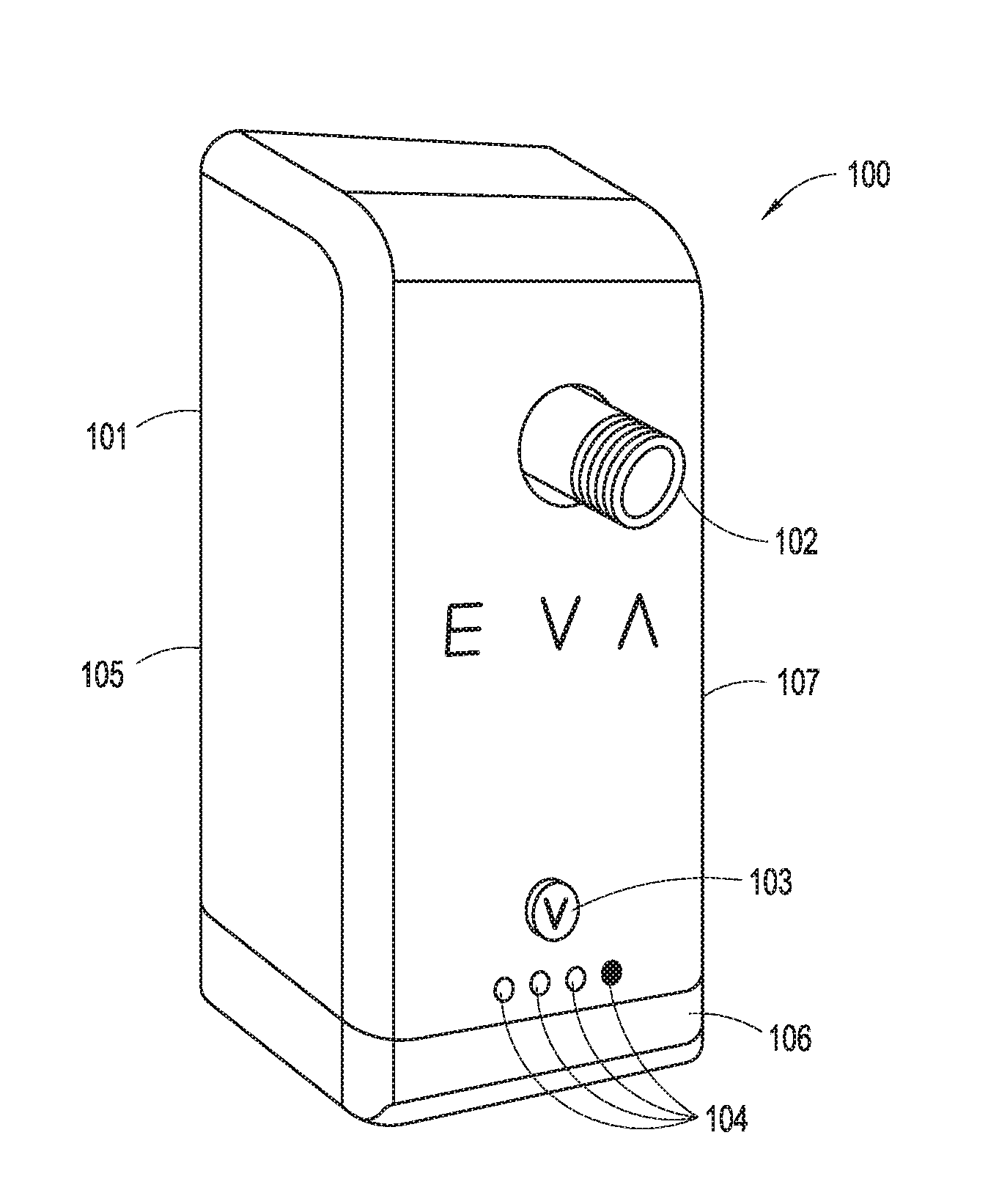
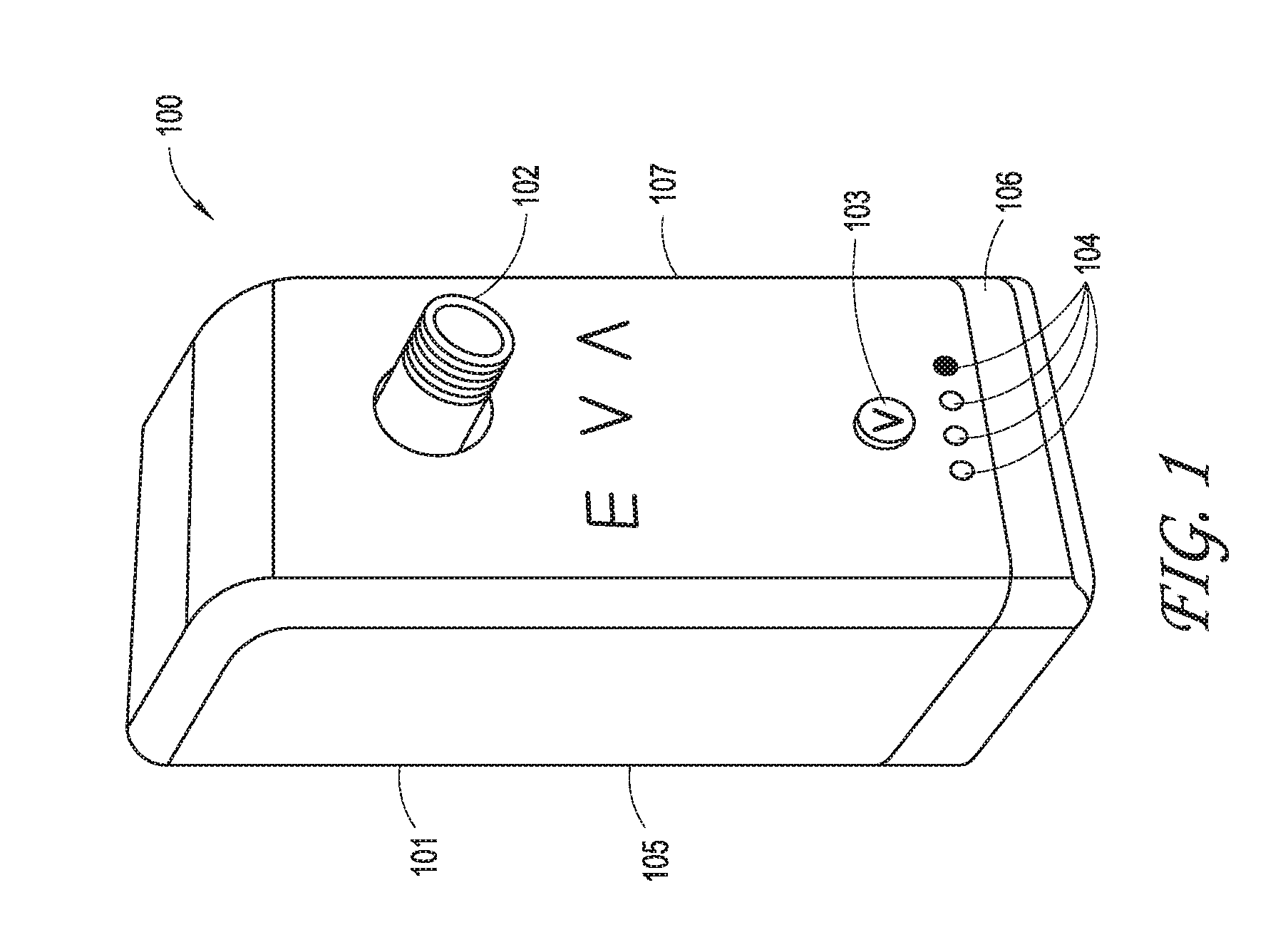
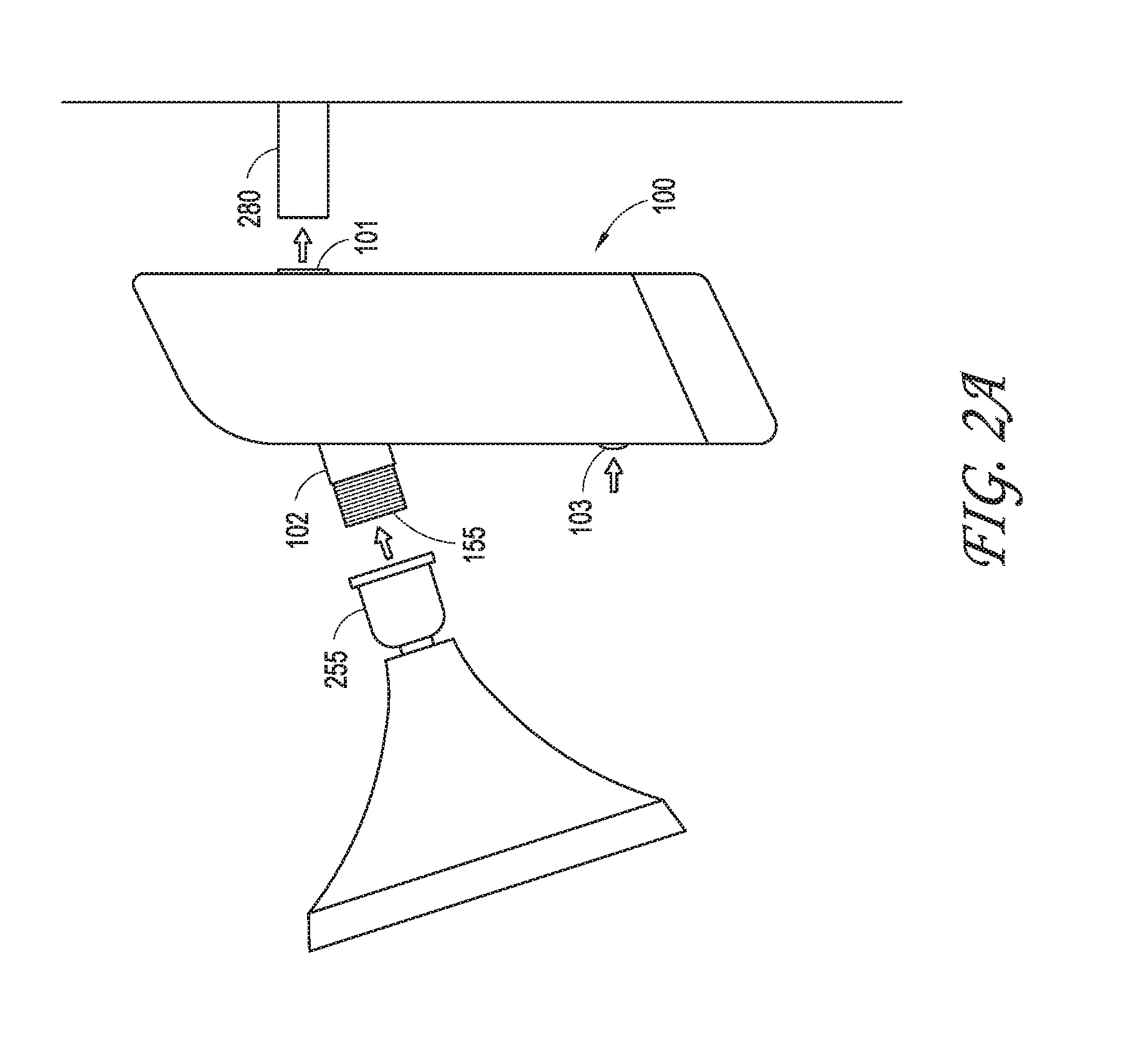
Eva Smart Shower LLC
Technical Solution: Eva Smart Shower has developed specialized smart float valve technology focused on shower and bathroom water conservation applications. Their system combines flow control valves with temperature sensors and user presence detection to minimize water waste during showering. The technology features a unique pause-and-resume functionality that automatically reduces flow to a trickle when optimal temperature is reached, preventing cold water waste while maintaining temperature. Their smart valve system includes real-time flow monitoring, shower duration tracking, and personalized water usage goals with gamification elements to encourage conservation behavior. The solution provides detailed analytics on water and energy consumption, calculating cost savings and environmental impact. Eva's technology integrates with smartphone applications for user control, household member profiles, and consumption tracking. The system employs simple retrofit installation compatible with existing shower fixtures, making it accessible for residential water conservation without major plumbing modifications.
Strengths: Specialized focus on shower water conservation with proven user engagement, easy retrofit installation, strong consumer-facing interface, and measurable conservation impact. Weaknesses: Limited to bathroom applications, smaller company with less extensive distribution, narrow product range, and dependency on user behavior modification for maximum effectiveness.
LG Electronics, Inc.
Technical Solution: LG Electronics has developed smart float valve technology as part of their ThinQ smart home ecosystem, focusing on appliance integration and water conservation. Their system utilizes advanced sensor arrays including ultrasonic level detection, pressure sensors, and flow meters to provide precise water control. The technology features machine learning algorithms that analyze usage patterns and automatically adjust water levels to minimize waste while maintaining optimal performance. LG's solution includes multi-stage filtration monitoring, automatic valve calibration, and integration with their AI-powered home management platform. The system provides real-time notifications for abnormal water consumption, potential leaks, and maintenance requirements. Their float valve technology incorporates energy-efficient actuators and low-power wireless communication protocols, enabling extended battery life in wireless installations and seamless connectivity with other smart home devices for comprehensive water management.
Strengths: Advanced AI and machine learning capabilities, seamless integration with broader smart home ecosystem, strong R&D infrastructure, and expertise in consumer electronics miniaturization. Weaknesses: Limited focus on industrial applications, dependency on proprietary ecosystem, and relatively new entrant in specialized plumbing hardware market.
Core Technologies in Intelligent Water Level Control Systems
Bi-stable float valve
PatentInactiveGB2285674A
Innovation
- The spring blade mechanism provides bi-stable snap-action operation, engaging with adjustable stops during both rising and falling float arm strokes to achieve rapid valve closing and opening, eliminating gradual throttling behavior of conventional float valves.
- Rotatably adjustable stops mounted on a quadrant fixed to the float arm enable precise determination of upper and lower water level actuation points, allowing customizable water volume control for conservation purposes.
- Integral construction design allowing the spring blade, support frame, and valve body to be formed as a single molded unit reduces assembly complexity, potential leak points, and manufacturing costs.


Systems and methods for controlling water flow
PatentActiveUS20160258144A1
Innovation
- A smart water conservation system that includes a flow assembly with adjustable valves and sensors to dynamically control water flow based on user proximity, temperature, and preferences, allowing for variable flowrates and zones to optimize water usage.

Water Resource Policies and Conservation Regulations Impact
The development and deployment of smart float valves for water conservation operate within an increasingly complex regulatory landscape that shapes both technological innovation and market adoption. Global water scarcity concerns have prompted governments and international organizations to establish comprehensive frameworks governing water usage efficiency, creating both opportunities and constraints for smart valve technologies. These regulatory environments vary significantly across regions, reflecting diverse water availability challenges, economic development levels, and governance structures.
In water-stressed regions such as California, Australia, and parts of the Middle East, stringent water conservation mandates have accelerated the adoption of intelligent water management systems. Regulatory bodies in these areas often provide incentives including tax rebates, subsidies, and expedited permitting processes for technologies demonstrating measurable water savings. Such policies directly influence the design specifications of smart float valves, requiring manufacturers to incorporate features that enable compliance reporting, real-time monitoring capabilities, and integration with municipal water management systems. Certification standards such as WaterSense in the United States and similar programs in the European Union establish performance benchmarks that smart valve designs must meet to qualify for regulatory approval and financial incentives.
Emerging regulations around data privacy and cybersecurity present additional considerations for smart float valve development. As these devices increasingly connect to IoT networks and cloud platforms, they must comply with data protection frameworks such as GDPR in Europe and various national cybersecurity standards. This regulatory dimension influences architectural decisions regarding data collection, storage, transmission protocols, and user consent mechanisms, adding complexity to product development cycles.
Furthermore, building codes and plumbing standards in different jurisdictions impose specific technical requirements on valve installation, materials, and fail-safe mechanisms. Compliance with these standards necessitates design flexibility and regional customization, impacting manufacturing strategies and cost structures. The evolving nature of water conservation policies, with many regions tightening efficiency requirements progressively, creates both market expansion opportunities and the need for adaptive product roadmaps that anticipate future regulatory shifts.
In water-stressed regions such as California, Australia, and parts of the Middle East, stringent water conservation mandates have accelerated the adoption of intelligent water management systems. Regulatory bodies in these areas often provide incentives including tax rebates, subsidies, and expedited permitting processes for technologies demonstrating measurable water savings. Such policies directly influence the design specifications of smart float valves, requiring manufacturers to incorporate features that enable compliance reporting, real-time monitoring capabilities, and integration with municipal water management systems. Certification standards such as WaterSense in the United States and similar programs in the European Union establish performance benchmarks that smart valve designs must meet to qualify for regulatory approval and financial incentives.
Emerging regulations around data privacy and cybersecurity present additional considerations for smart float valve development. As these devices increasingly connect to IoT networks and cloud platforms, they must comply with data protection frameworks such as GDPR in Europe and various national cybersecurity standards. This regulatory dimension influences architectural decisions regarding data collection, storage, transmission protocols, and user consent mechanisms, adding complexity to product development cycles.
Furthermore, building codes and plumbing standards in different jurisdictions impose specific technical requirements on valve installation, materials, and fail-safe mechanisms. Compliance with these standards necessitates design flexibility and regional customization, impacting manufacturing strategies and cost structures. The evolving nature of water conservation policies, with many regions tightening efficiency requirements progressively, creates both market expansion opportunities and the need for adaptive product roadmaps that anticipate future regulatory shifts.
IoT Integration for Remote Water Management Systems
The integration of Internet of Things (IoT) technologies into smart float valve systems represents a transformative approach to water conservation management. By embedding sensors, wireless communication modules, and cloud-based platforms into traditional float valve mechanisms, these systems enable real-time monitoring and control of water levels across distributed infrastructure. IoT-enabled float valves can transmit critical operational data including flow rates, valve position, water pressure, and system anomalies to centralized management platforms, allowing facility managers to oversee multiple sites simultaneously without physical presence.
Remote water management systems leverage IoT connectivity through various communication protocols such as LoRaWAN, NB-IoT, and cellular networks, each offering distinct advantages in terms of range, power consumption, and data transmission capabilities. These protocols enable smart float valves to operate in diverse environments, from urban water distribution networks to remote agricultural irrigation systems. The selection of appropriate communication technology depends on factors including deployment scale, power availability, data frequency requirements, and infrastructure costs.
Cloud-based analytics platforms serve as the backbone of IoT-integrated water management systems, processing vast amounts of sensor data to generate actionable insights. Machine learning algorithms can identify consumption patterns, predict maintenance needs, and detect leaks or malfunctions before they escalate into costly failures. Dashboard interfaces provide intuitive visualization of system performance metrics, enabling operators to make informed decisions regarding water allocation and conservation strategies.
The implementation of IoT integration also facilitates automated control mechanisms where smart float valves can adjust their operation based on predefined parameters or real-time conditions. For instance, valves can automatically reduce flow during off-peak hours, respond to weather forecasts in irrigation applications, or coordinate with other system components to optimize overall water distribution efficiency. This level of automation significantly reduces human intervention requirements while enhancing response times to critical events.
Security considerations remain paramount in IoT-enabled water management systems, as networked devices present potential vulnerabilities to cyber threats. Robust encryption protocols, secure authentication mechanisms, and regular firmware updates are essential to protect system integrity and prevent unauthorized access that could compromise water supply operations.
Remote water management systems leverage IoT connectivity through various communication protocols such as LoRaWAN, NB-IoT, and cellular networks, each offering distinct advantages in terms of range, power consumption, and data transmission capabilities. These protocols enable smart float valves to operate in diverse environments, from urban water distribution networks to remote agricultural irrigation systems. The selection of appropriate communication technology depends on factors including deployment scale, power availability, data frequency requirements, and infrastructure costs.
Cloud-based analytics platforms serve as the backbone of IoT-integrated water management systems, processing vast amounts of sensor data to generate actionable insights. Machine learning algorithms can identify consumption patterns, predict maintenance needs, and detect leaks or malfunctions before they escalate into costly failures. Dashboard interfaces provide intuitive visualization of system performance metrics, enabling operators to make informed decisions regarding water allocation and conservation strategies.
The implementation of IoT integration also facilitates automated control mechanisms where smart float valves can adjust their operation based on predefined parameters or real-time conditions. For instance, valves can automatically reduce flow during off-peak hours, respond to weather forecasts in irrigation applications, or coordinate with other system components to optimize overall water distribution efficiency. This level of automation significantly reduces human intervention requirements while enhancing response times to critical events.
Security considerations remain paramount in IoT-enabled water management systems, as networked devices present potential vulnerabilities to cyber threats. Robust encryption protocols, secure authentication mechanisms, and regular firmware updates are essential to protect system integrity and prevent unauthorized access that could compromise water supply operations.
Unlock deeper insights with PatSnap Eureka Quick Research — get a full tech report to explore trends and direct your research. Try now!
Generate Your Research Report Instantly with AI Agent
Supercharge your innovation with PatSnap Eureka AI Agent Platform!