

Float Valve Efficiency Improvements through Material Choices
FEB 11, 20269 MIN READ
Generate Your Research Report Instantly with AI Agent
PatSnap Eureka helps you evaluate technical feasibility & market potential.
Float Valve Technology Background and Efficiency Goals
Float valve technology has evolved significantly since its inception in the late 19th century, transitioning from simple mechanical devices to sophisticated precision-engineered components. Initially developed for basic water level control in steam engines and plumbing systems, float valves have become critical components across diverse industries including water treatment, chemical processing, automotive fuel systems, and industrial automation. The fundamental operating principle remains consistent: a buoyant element responds to liquid level changes, mechanically actuating a valve mechanism to regulate flow. However, the demands placed on modern float valves have intensified dramatically, requiring enhanced durability, precision, and efficiency under increasingly challenging operational conditions.
The efficiency of float valves is fundamentally determined by several interconnected factors, with material selection playing a pivotal role. Traditional materials such as brass, stainless steel, and conventional polymers have served adequately for decades, yet contemporary applications demand superior performance characteristics. Efficiency in float valve operation encompasses multiple dimensions: mechanical responsiveness, sealing effectiveness, wear resistance, corrosion tolerance, and operational longevity. Material degradation directly impacts these performance parameters, leading to increased friction, compromised sealing integrity, and ultimately system failure.
Current efficiency challenges stem primarily from material limitations when exposed to aggressive media, extreme temperatures, high-pressure differentials, and repetitive cycling. Conventional materials often exhibit inadequate chemical resistance, thermal stability, or mechanical properties, resulting in premature wear, leakage, and maintenance requirements. The economic implications are substantial, as inefficient float valves contribute to energy waste, product loss, and unplanned downtime across industrial operations.
The primary goal of this research initiative is to systematically investigate how advanced material choices can enhance float valve efficiency across multiple performance metrics. Specific objectives include reducing friction coefficients to improve response sensitivity, enhancing sealing capabilities to minimize leakage rates, extending operational lifespan through superior wear resistance, and expanding application ranges through improved chemical and thermal compatibility. By establishing clear correlations between material properties and operational efficiency, this research aims to provide actionable guidance for next-generation float valve design and material specification strategies.
The efficiency of float valves is fundamentally determined by several interconnected factors, with material selection playing a pivotal role. Traditional materials such as brass, stainless steel, and conventional polymers have served adequately for decades, yet contemporary applications demand superior performance characteristics. Efficiency in float valve operation encompasses multiple dimensions: mechanical responsiveness, sealing effectiveness, wear resistance, corrosion tolerance, and operational longevity. Material degradation directly impacts these performance parameters, leading to increased friction, compromised sealing integrity, and ultimately system failure.
Current efficiency challenges stem primarily from material limitations when exposed to aggressive media, extreme temperatures, high-pressure differentials, and repetitive cycling. Conventional materials often exhibit inadequate chemical resistance, thermal stability, or mechanical properties, resulting in premature wear, leakage, and maintenance requirements. The economic implications are substantial, as inefficient float valves contribute to energy waste, product loss, and unplanned downtime across industrial operations.
The primary goal of this research initiative is to systematically investigate how advanced material choices can enhance float valve efficiency across multiple performance metrics. Specific objectives include reducing friction coefficients to improve response sensitivity, enhancing sealing capabilities to minimize leakage rates, extending operational lifespan through superior wear resistance, and expanding application ranges through improved chemical and thermal compatibility. By establishing clear correlations between material properties and operational efficiency, this research aims to provide actionable guidance for next-generation float valve design and material specification strategies.
Market Demand for High-Performance Float Valves
The global market for high-performance float valves is experiencing sustained growth driven by increasing demands across multiple industrial sectors. Water management infrastructure, particularly in municipal water supply systems and wastewater treatment facilities, represents a substantial portion of this demand. As urbanization accelerates in developing regions and aging infrastructure requires replacement in developed markets, the need for reliable, efficient float valve solutions continues to expand. Industrial applications in chemical processing, petroleum refining, and power generation facilities further contribute to market expansion, where operational reliability and longevity are critical performance criteria.
Environmental regulations and sustainability initiatives are reshaping market requirements for float valve technologies. Stricter water conservation mandates and energy efficiency standards are compelling end-users to seek advanced solutions that minimize water waste and reduce maintenance frequency. This regulatory landscape creates opportunities for float valves incorporating superior materials that enhance durability and operational precision. Industries facing stringent compliance requirements increasingly prioritize components that demonstrate extended service life and consistent performance under demanding conditions.
The agricultural sector presents significant growth potential for high-performance float valves, particularly in automated irrigation systems and livestock watering applications. Modern precision agriculture practices demand components that maintain accurate water level control while withstanding exposure to fertilizers, minerals, and varying water quality conditions. Market participants in this segment show growing willingness to invest in premium materials that reduce replacement cycles and minimize system downtime during critical growing seasons.
Marine and offshore applications constitute a specialized but valuable market segment where material performance becomes paramount. Float valves operating in saltwater environments, ballast systems, and offshore platforms must resist corrosion while maintaining functional integrity under extreme conditions. This niche market demonstrates strong demand for innovative material solutions that address the unique challenges of marine environments, including biofouling resistance and compatibility with protective coatings.
Emerging markets in Asia-Pacific and Middle Eastern regions are driving demand growth as industrial development and infrastructure investment accelerate. These markets increasingly favor technologies that balance initial cost considerations with total lifecycle value, creating opportunities for material innovations that demonstrate clear performance advantages and economic benefits over conventional alternatives.
Environmental regulations and sustainability initiatives are reshaping market requirements for float valve technologies. Stricter water conservation mandates and energy efficiency standards are compelling end-users to seek advanced solutions that minimize water waste and reduce maintenance frequency. This regulatory landscape creates opportunities for float valves incorporating superior materials that enhance durability and operational precision. Industries facing stringent compliance requirements increasingly prioritize components that demonstrate extended service life and consistent performance under demanding conditions.
The agricultural sector presents significant growth potential for high-performance float valves, particularly in automated irrigation systems and livestock watering applications. Modern precision agriculture practices demand components that maintain accurate water level control while withstanding exposure to fertilizers, minerals, and varying water quality conditions. Market participants in this segment show growing willingness to invest in premium materials that reduce replacement cycles and minimize system downtime during critical growing seasons.
Marine and offshore applications constitute a specialized but valuable market segment where material performance becomes paramount. Float valves operating in saltwater environments, ballast systems, and offshore platforms must resist corrosion while maintaining functional integrity under extreme conditions. This niche market demonstrates strong demand for innovative material solutions that address the unique challenges of marine environments, including biofouling resistance and compatibility with protective coatings.
Emerging markets in Asia-Pacific and Middle Eastern regions are driving demand growth as industrial development and infrastructure investment accelerate. These markets increasingly favor technologies that balance initial cost considerations with total lifecycle value, creating opportunities for material innovations that demonstrate clear performance advantages and economic benefits over conventional alternatives.
Current Material Limitations in Float Valve Design
Float valve design has historically relied on a limited palette of materials, each presenting distinct constraints that impact overall valve efficiency and operational longevity. Traditional materials such as brass, stainless steel, and various polymers have dominated the market due to their availability and established manufacturing processes, yet these choices often represent compromises rather than optimal solutions for specific applications.
Brass components, while offering reasonable corrosion resistance and machinability, suffer from dezincification in certain water chemistries, leading to premature failure and reduced sealing effectiveness. The material's relatively high density also contributes to increased inertia in float mechanisms, slowing response times and reducing precision in liquid level control. Additionally, brass exhibits limited performance in high-temperature environments, restricting its application range.
Stainless steel variants provide enhanced corrosion resistance but introduce challenges related to cost and weight. The material's higher mass negatively affects float buoyancy ratios, requiring larger float chambers or alternative design modifications that increase overall valve dimensions. Surface finish requirements for proper sealing demand additional manufacturing steps, elevating production costs and complexity.
Polymer-based materials, including various grades of plastics and elastomers, offer lightweight alternatives but face significant durability limitations. These materials demonstrate poor resistance to chemical degradation when exposed to certain additives commonly found in industrial water systems. Temperature sensitivity remains a critical constraint, with many polymers experiencing dimensional changes, creep, or complete failure at elevated temperatures. The mechanical properties of conventional polymers also limit their application in high-pressure systems.
Elastomeric sealing components present particular challenges in maintaining consistent performance across varying operational conditions. Traditional rubber compounds exhibit aging characteristics that lead to hardening, cracking, and loss of sealing capability over time. Chemical compatibility issues further restrict material selection, as exposure to oils, solvents, or aggressive water treatments can cause swelling or deterioration.
The interface between dissimilar materials in composite float valve designs introduces additional complications, including galvanic corrosion potential and differential thermal expansion rates. These factors compromise long-term reliability and necessitate conservative design margins that ultimately limit efficiency improvements. Current material options thus constrain optimization efforts in achieving faster response times, extended service life, and broader operational parameter ranges.
Brass components, while offering reasonable corrosion resistance and machinability, suffer from dezincification in certain water chemistries, leading to premature failure and reduced sealing effectiveness. The material's relatively high density also contributes to increased inertia in float mechanisms, slowing response times and reducing precision in liquid level control. Additionally, brass exhibits limited performance in high-temperature environments, restricting its application range.
Stainless steel variants provide enhanced corrosion resistance but introduce challenges related to cost and weight. The material's higher mass negatively affects float buoyancy ratios, requiring larger float chambers or alternative design modifications that increase overall valve dimensions. Surface finish requirements for proper sealing demand additional manufacturing steps, elevating production costs and complexity.
Polymer-based materials, including various grades of plastics and elastomers, offer lightweight alternatives but face significant durability limitations. These materials demonstrate poor resistance to chemical degradation when exposed to certain additives commonly found in industrial water systems. Temperature sensitivity remains a critical constraint, with many polymers experiencing dimensional changes, creep, or complete failure at elevated temperatures. The mechanical properties of conventional polymers also limit their application in high-pressure systems.
Elastomeric sealing components present particular challenges in maintaining consistent performance across varying operational conditions. Traditional rubber compounds exhibit aging characteristics that lead to hardening, cracking, and loss of sealing capability over time. Chemical compatibility issues further restrict material selection, as exposure to oils, solvents, or aggressive water treatments can cause swelling or deterioration.
The interface between dissimilar materials in composite float valve designs introduces additional complications, including galvanic corrosion potential and differential thermal expansion rates. These factors compromise long-term reliability and necessitate conservative design margins that ultimately limit efficiency improvements. Current material options thus constrain optimization efforts in achieving faster response times, extended service life, and broader operational parameter ranges.
Existing Material Solutions for Float Valve Efficiency
01 Improved float valve sealing mechanisms
Enhanced sealing designs in float valves improve efficiency by reducing leakage and ensuring precise shut-off. These mechanisms incorporate specialized sealing materials, optimized sealing surfaces, and improved contact geometries between the float and valve seat. The designs focus on maintaining consistent sealing pressure across different operating conditions and fluid levels, thereby minimizing water waste and improving overall valve performance.- Improved float valve sealing mechanisms: Enhanced sealing designs for float valves focus on preventing leakage and improving shut-off performance. These improvements include specialized gasket materials, multi-stage sealing surfaces, and optimized valve seat geometries that ensure tight closure when the float reaches the desired water level. Advanced sealing mechanisms reduce water waste and improve overall valve reliability by minimizing wear and maintaining consistent performance over extended operational periods.
- Float valve response time optimization: Innovations in float valve design aim to reduce response time and improve sensitivity to water level changes. These advancements include lightweight float materials, optimized lever arm ratios, and reduced friction pivot mechanisms. Faster response times enable more precise water level control, preventing overflow conditions and reducing filling cycles. Enhanced sensitivity allows the valve to react quickly to small water level variations, improving efficiency in applications requiring precise liquid level management.
- Adjustable float valve configurations: Adjustable float valve systems provide flexibility in setting water levels and flow rates for different applications. These designs incorporate adjustable mounting brackets, variable float arm lengths, and modular components that allow customization without replacing the entire valve assembly. The adjustability feature enables users to optimize valve performance for specific tank sizes, pressure conditions, and flow requirements, thereby improving efficiency across diverse installation scenarios.
- Anti-vibration and noise reduction features: Float valve designs incorporating anti-vibration and noise reduction technologies improve operational efficiency by eliminating water hammer effects and reducing mechanical noise. These features include dampening chambers, flow restrictors, and specialized valve body geometries that smooth water flow transitions. Reduced vibration extends component lifespan and prevents premature wear, while quieter operation improves user comfort and indicates proper valve functioning.
- Corrosion-resistant materials and coatings: The use of corrosion-resistant materials and protective coatings in float valve construction enhances durability and maintains efficiency in harsh water conditions. Advanced materials including stainless steel alloys, brass compositions, and polymer-based components resist chemical degradation and mineral buildup. Protective coatings prevent scale formation and corrosion, ensuring smooth valve operation and consistent flow characteristics throughout the valve's service life, thereby reducing maintenance requirements and improving long-term efficiency.
02 Float valve structure optimization for reduced friction
Structural improvements in float valve design reduce friction between moving components, enhancing operational efficiency and responsiveness. These optimizations include modified pivot mechanisms, improved guide systems, and reduced contact surfaces. The designs enable smoother float movement, faster response times to water level changes, and reduced wear over extended operation periods, contributing to longer service life and more reliable performance.Expand Specific Solutions03 Advanced float design for improved buoyancy control
Innovative float configurations enhance valve efficiency through optimized buoyancy characteristics and weight distribution. These designs incorporate specific float shapes, materials with controlled density, and internal structures that provide consistent buoyancy across varying conditions. The improvements result in more accurate water level control, reduced oscillation, and better stability during operation, leading to more efficient valve actuation.Expand Specific Solutions04 Multi-stage float valve systems
Multi-stage float valve configurations improve efficiency by providing graduated control and multiple operating points. These systems utilize multiple floats or staged activation mechanisms to achieve different flow rates at various water levels. The designs enable more precise control over filling rates, reduce water hammer effects, and provide fail-safe operation modes, enhancing overall system efficiency and reliability.Expand Specific Solutions05 Flow regulation and pressure compensation features
Integrated flow regulation and pressure compensation mechanisms enhance float valve efficiency across varying supply pressures and flow conditions. These features include adjustable orifices, pressure-responsive elements, and flow-limiting devices that maintain consistent performance regardless of inlet pressure variations. The designs prevent overflow conditions, reduce noise, and optimize filling times while minimizing energy consumption and water waste.Expand Specific Solutions
Leading Float Valve Manufacturers and Material Suppliers
The float valve efficiency improvement through material choices represents a maturing technology sector experiencing steady growth, driven by demands for enhanced durability, corrosion resistance, and operational reliability across industrial applications. The market encompasses diverse industries including hydropower, chemical processing, oil and gas, and manufacturing, with significant investment from established players. Technology maturity varies considerably, with industrial giants like Siemens AG, Baker Hughes Co., and Andritz AG leveraging advanced materials and digital solutions, while specialized manufacturers such as Swagelok Co., GEMÜ, and TLV Co. Ltd. focus on precision engineering and application-specific innovations. Research institutions like MIT and Rensselaer Polytechnic Institute contribute fundamental materials science breakthroughs, while component specialists including Murata Manufacturing, NOK Corp., and DENSO Corp. advance miniaturization and smart valve technologies, indicating a competitive landscape transitioning from traditional mechanical solutions toward intelligent, material-optimized systems.
Siemens AG
Technical Solution: Siemens applies advanced materials science and digital engineering approaches to optimize float valve efficiency across industrial automation and process control applications. Their research integrates smart material technologies including shape memory alloys (SMAs) and piezoelectric ceramics for adaptive float valve systems that self-optimize based on operating conditions. The company utilizes advanced polymer blends incorporating PEEK (polyetheretherketone) and PPS (polyphenylene sulfide) for float construction, offering chemical resistance across pH ranges 1-14 while reducing weight by 60% compared to metallic alternatives. Siemens employs finite element analysis combined with material property databases to optimize float geometry and material distribution, achieving hydrodynamic efficiency improvements of 20-30%. Their surface engineering solutions include plasma-enhanced chemical vapor deposition (PECVD) of wear-resistant coatings that extend component life by 3-5 times. Integration with IoT sensors enables real-time monitoring of material degradation and predictive maintenance scheduling.
Strengths: Strong digital engineering capabilities enabling material optimization; broad industrial application experience; integration of smart materials for adaptive performance. Weaknesses: Solutions may be over-engineered for simple applications; higher complexity in material systems requires specialized maintenance.
FLSmidth A/S
Technical Solution: FLSmidth develops robust float valve solutions for mineral processing and cement production environments, emphasizing material choices that withstand abrasive slurries and chemically aggressive conditions. Their float valve technology incorporates high-chromium white iron castings and ceramic-metal composite materials that provide exceptional wear resistance, extending service intervals by 4-6 times compared to standard carbon steel constructions. The company utilizes rubber-lined float chambers with natural and synthetic elastomer formulations optimized for specific process chemistries, maintaining flexibility and sealing performance across temperature variations of 80-100°C. FLSmidth's material selection methodology includes accelerated wear testing protocols that simulate years of operational exposure, enabling data-driven material optimization. Their recent innovations include polyurethane elastomer floats with embedded wear indicators and self-lubricating bearing materials incorporating molybdenum disulfide that reduce maintenance requirements by 40-50%. The integration of corrosion-resistant duplex stainless steels in valve body construction ensures long-term dimensional stability in acidic process environments.
Strengths: Specialized expertise in abrasive and corrosive industrial environments; extensive field experience in mining and cement industries; proven material durability in harsh conditions. Weaknesses: Focus on heavy industrial applications; material solutions may be cost-prohibitive for less demanding applications.
Key Material Innovations in Float Valve Performance
Valve
PatentInactiveUS7213547B2
Innovation
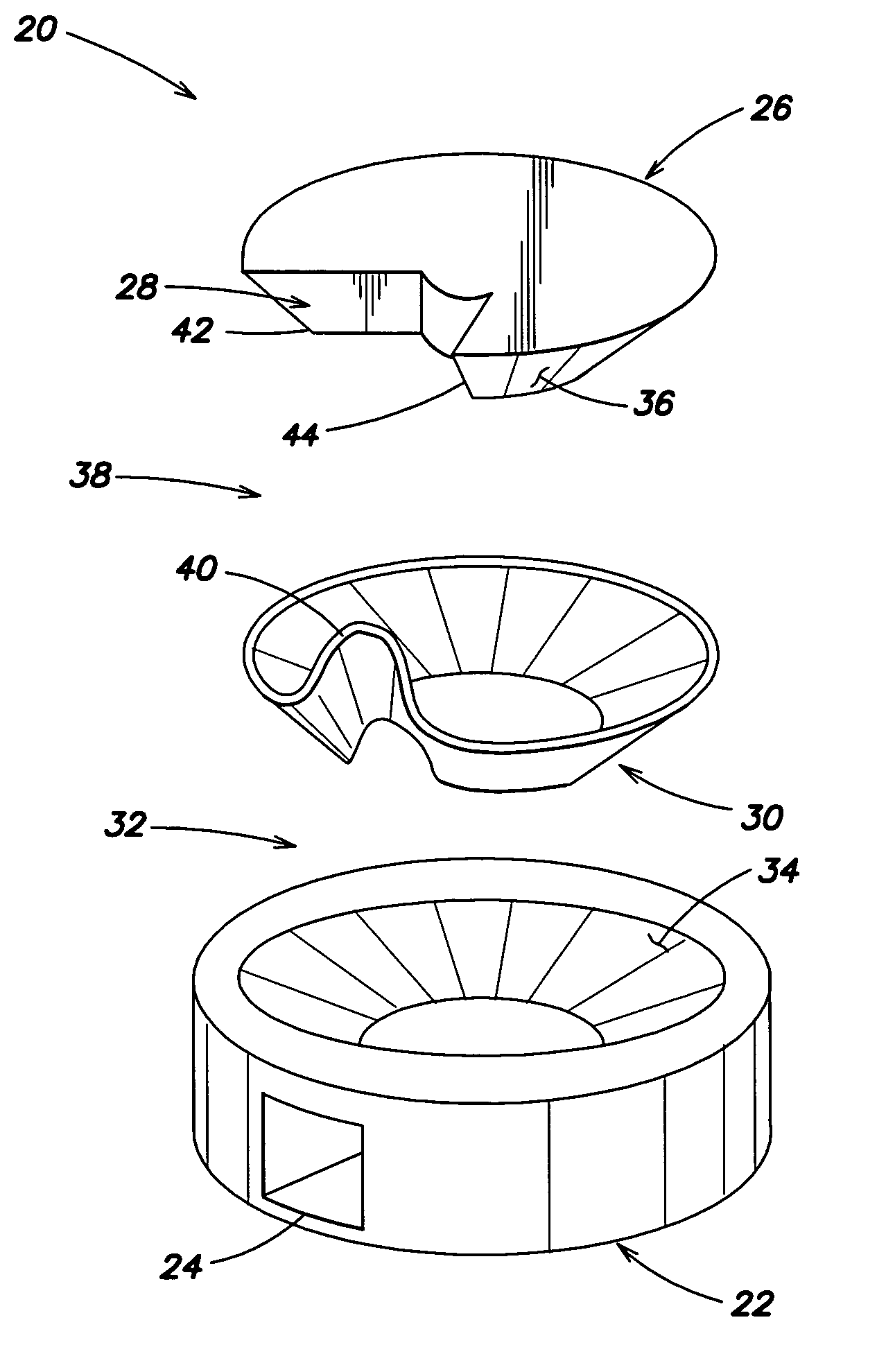
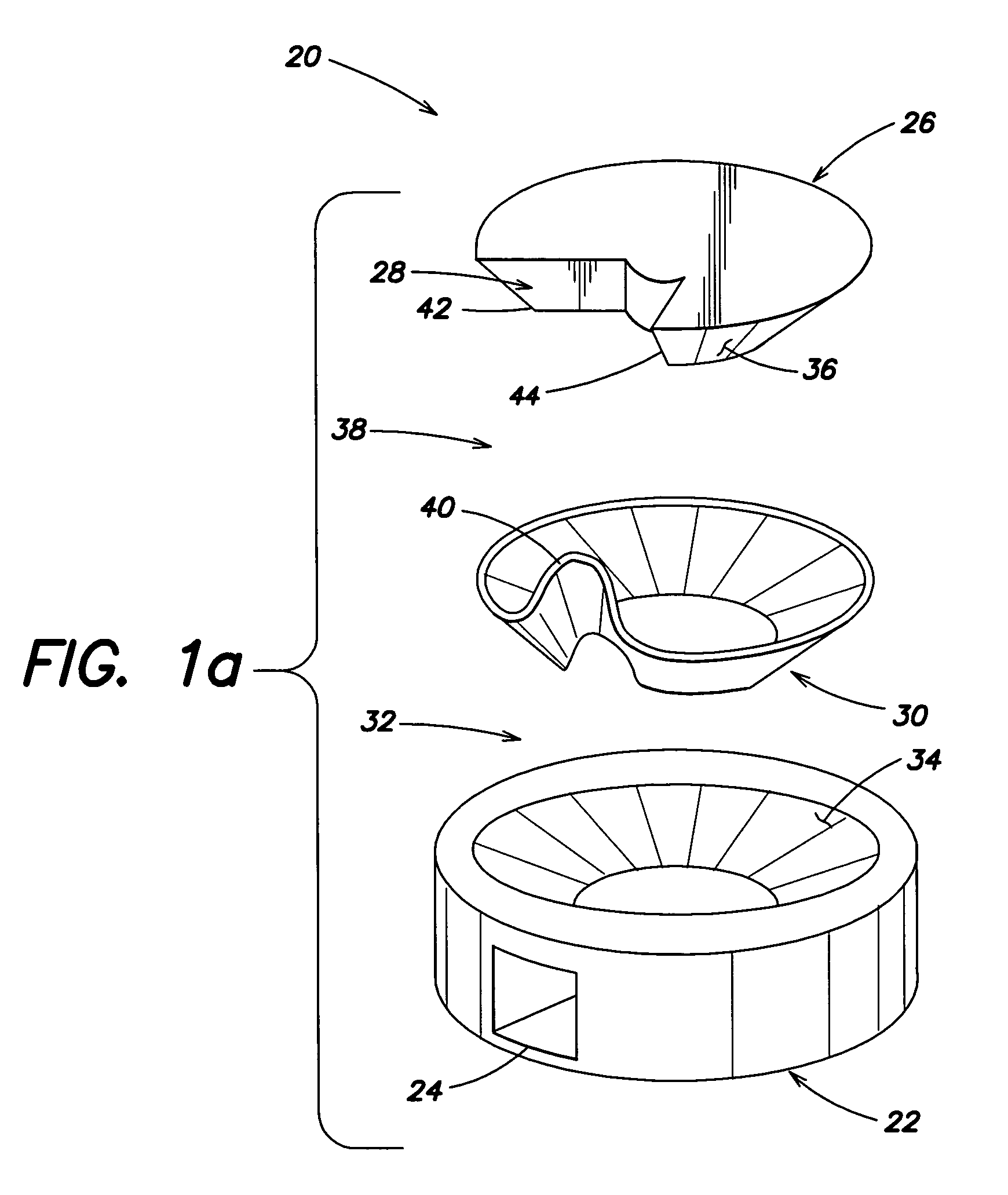
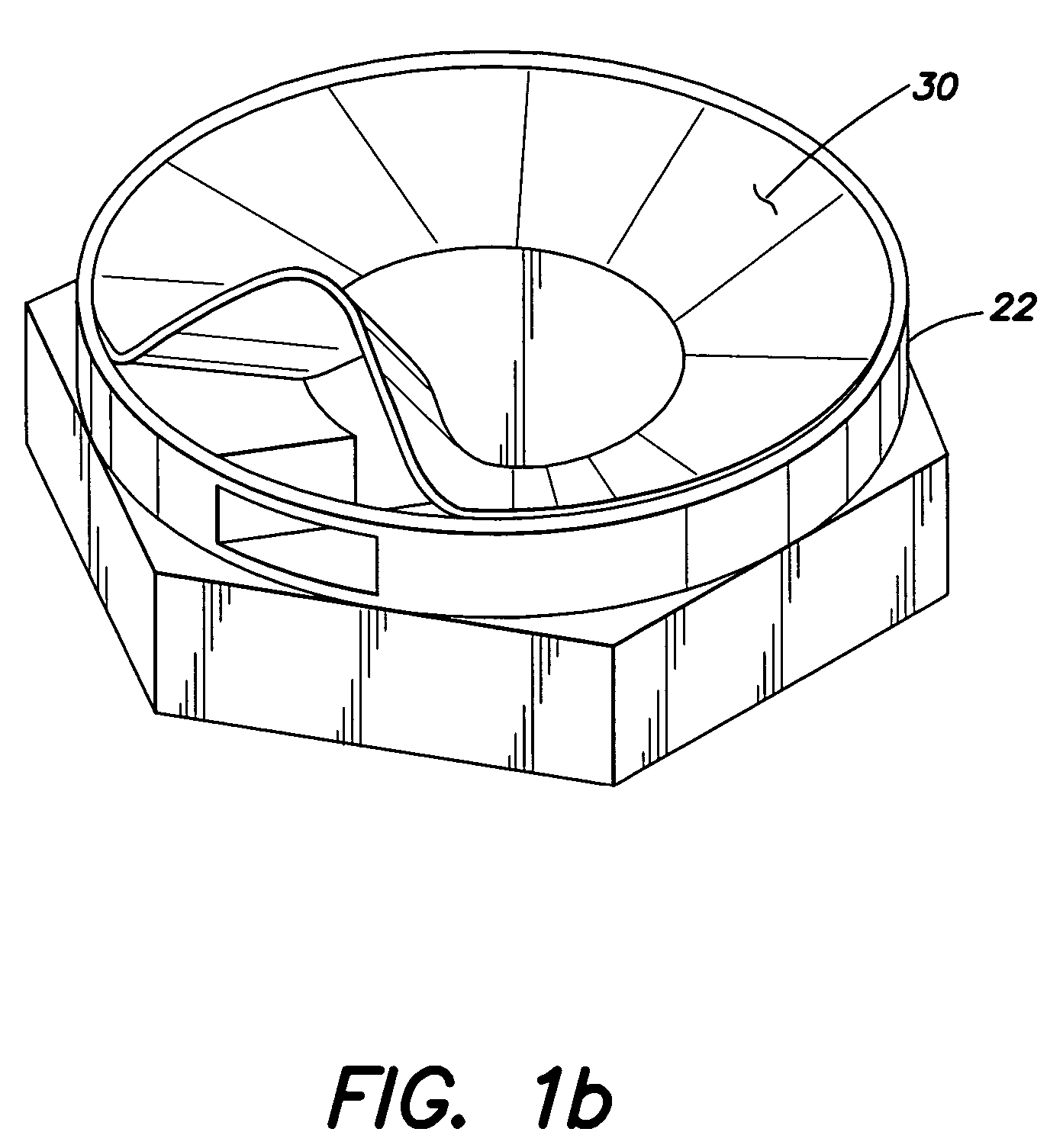
- A rotary valve design featuring a housing with a port, a rotor, and a flexible member that intermittently seals the port through a low-friction interface, allowing for rolling contact to seal and sliding contact to reduce energy consumption, enabling efficient operation and high sealing capabilities.

Improvements in, or relating to valves and methods therefor
PatentWO2024079673A1
Innovation
- A valve design featuring an endless skirt supported by a central spindle within a duct, with a valve bonnet and actuator that provides a biased closed position using pressure areas, allowing for smooth flow and easy maintenance, and includes a flow conditioner to optimize fluid flow and reduce turbulence, enabling easier cleaning and customization.


Material Durability and Lifecycle Cost Analysis
Material selection for float valves fundamentally determines both operational longevity and total cost of ownership across industrial applications. The durability of valve components directly correlates with maintenance frequency, replacement cycles, and system downtime, making material choice a critical economic factor beyond initial procurement costs. Traditional materials such as brass, stainless steel, and various polymers exhibit distinct degradation patterns when exposed to different fluid chemistries, temperature ranges, and pressure conditions. Understanding these degradation mechanisms enables accurate prediction of service life and facilitates informed material selection that balances upfront investment against long-term operational expenses.
Lifecycle cost analysis for float valve materials must incorporate multiple financial dimensions including material procurement, manufacturing complexity, installation requirements, maintenance intervals, and end-of-life disposal. High-performance materials like titanium alloys or advanced ceramics command premium prices but demonstrate exceptional resistance to corrosion and wear, potentially extending service intervals from months to years in aggressive environments. Conversely, cost-effective polymer composites may offer adequate performance in benign applications while significantly reducing initial capital expenditure. The economic optimization point varies substantially across industries, with chemical processing facilities prioritizing chemical resistance while water treatment plants may emphasize biofouling resistance.
Accelerated aging tests and field performance data reveal that material degradation rates follow predictable patterns influenced by operational parameters. Stress corrosion cracking, erosion from particulate-laden fluids, and chemical attack represent primary failure modes that dictate replacement schedules. Quantitative durability metrics such as cycles to failure, corrosion penetration rates, and dimensional stability under thermal cycling provide essential inputs for lifecycle modeling. These parameters enable calculation of total cost of ownership over typical equipment lifespans of ten to twenty years, revealing scenarios where premium materials deliver superior economic value despite higher initial costs.
The integration of durability data with maintenance cost structures and production loss valuations creates comprehensive economic models that guide material selection strategies. Industries with high downtime costs demonstrate clear preference for materials offering extended service intervals, even when unit costs increase substantially. This analysis framework supports strategic decisions that align material performance characteristics with specific operational requirements and financial constraints.
Lifecycle cost analysis for float valve materials must incorporate multiple financial dimensions including material procurement, manufacturing complexity, installation requirements, maintenance intervals, and end-of-life disposal. High-performance materials like titanium alloys or advanced ceramics command premium prices but demonstrate exceptional resistance to corrosion and wear, potentially extending service intervals from months to years in aggressive environments. Conversely, cost-effective polymer composites may offer adequate performance in benign applications while significantly reducing initial capital expenditure. The economic optimization point varies substantially across industries, with chemical processing facilities prioritizing chemical resistance while water treatment plants may emphasize biofouling resistance.
Accelerated aging tests and field performance data reveal that material degradation rates follow predictable patterns influenced by operational parameters. Stress corrosion cracking, erosion from particulate-laden fluids, and chemical attack represent primary failure modes that dictate replacement schedules. Quantitative durability metrics such as cycles to failure, corrosion penetration rates, and dimensional stability under thermal cycling provide essential inputs for lifecycle modeling. These parameters enable calculation of total cost of ownership over typical equipment lifespans of ten to twenty years, revealing scenarios where premium materials deliver superior economic value despite higher initial costs.
The integration of durability data with maintenance cost structures and production loss valuations creates comprehensive economic models that guide material selection strategies. Industries with high downtime costs demonstrate clear preference for materials offering extended service intervals, even when unit costs increase substantially. This analysis framework supports strategic decisions that align material performance characteristics with specific operational requirements and financial constraints.
Environmental Impact of Float Valve Material Selection
The environmental implications of material selection for float valves extend beyond operational efficiency to encompass the entire lifecycle of these critical components. Traditional materials such as brass, stainless steel, and various polymers each carry distinct environmental footprints that must be carefully evaluated. Manufacturing processes for metallic float valves typically involve energy-intensive extraction, refining, and machining operations that generate significant carbon emissions. Conversely, polymer-based alternatives, while requiring less energy during fabrication, raise concerns regarding petroleum dependency and end-of-life disposal challenges.
The sustainability assessment of float valve materials must consider resource depletion rates and recyclability potential. Brass components, though durable, rely on copper and zinc resources that face increasing scarcity pressures. Stainless steel offers superior recyclability with established recovery infrastructure, yet its production demands substantial energy inputs. Advanced engineering plastics like PEEK and PPS demonstrate reduced manufacturing emissions but present recycling complexities due to their thermoset characteristics and contamination sensitivity during recovery processes.
Water conservation represents another critical environmental dimension directly influenced by material choices. Materials exhibiting superior wear resistance and dimensional stability minimize leakage rates over extended service periods, thereby reducing water waste in applications ranging from residential plumbing to industrial process control. The correlation between material durability and resource conservation becomes particularly significant in regions facing water scarcity, where even marginal efficiency improvements yield substantial environmental benefits.
Emerging bio-based and composite materials introduce promising alternatives that balance performance requirements with reduced environmental impact. These innovations incorporate renewable feedstocks and demonstrate comparable mechanical properties to conventional options while offering improved biodegradability profiles. However, their long-term reliability in demanding float valve applications requires comprehensive validation to ensure they meet stringent performance standards without compromising operational integrity or necessitating premature replacement cycles that would negate their environmental advantages.
The sustainability assessment of float valve materials must consider resource depletion rates and recyclability potential. Brass components, though durable, rely on copper and zinc resources that face increasing scarcity pressures. Stainless steel offers superior recyclability with established recovery infrastructure, yet its production demands substantial energy inputs. Advanced engineering plastics like PEEK and PPS demonstrate reduced manufacturing emissions but present recycling complexities due to their thermoset characteristics and contamination sensitivity during recovery processes.
Water conservation represents another critical environmental dimension directly influenced by material choices. Materials exhibiting superior wear resistance and dimensional stability minimize leakage rates over extended service periods, thereby reducing water waste in applications ranging from residential plumbing to industrial process control. The correlation between material durability and resource conservation becomes particularly significant in regions facing water scarcity, where even marginal efficiency improvements yield substantial environmental benefits.
Emerging bio-based and composite materials introduce promising alternatives that balance performance requirements with reduced environmental impact. These innovations incorporate renewable feedstocks and demonstrate comparable mechanical properties to conventional options while offering improved biodegradability profiles. However, their long-term reliability in demanding float valve applications requires comprehensive validation to ensure they meet stringent performance standards without compromising operational integrity or necessitating premature replacement cycles that would negate their environmental advantages.
Unlock deeper insights with PatSnap Eureka Quick Research — get a full tech report to explore trends and direct your research. Try now!
Generate Your Research Report Instantly with AI Agent
Supercharge your innovation with PatSnap Eureka AI Agent Platform!