

Developing High-performance Underfill Through Additive Blending
APR 7, 20269 MIN READ
Generate Your Research Report Instantly with AI Agent
PatSnap Eureka helps you evaluate technical feasibility & market potential.
Underfill Technology Background and Performance Goals
Underfill materials have emerged as critical components in advanced semiconductor packaging, serving as protective barriers that enhance the mechanical reliability and thermal performance of flip-chip assemblies. These materials fill the gap between semiconductor dies and substrates, providing structural support to fragile solder joints while mitigating stress concentrations that arise from coefficient of thermal expansion mismatches during thermal cycling operations.
The evolution of underfill technology traces back to the early 1990s when flip-chip packaging gained prominence in high-performance computing applications. Initial formulations relied on simple epoxy resins with basic silica fillers, primarily addressing mechanical reinforcement needs. As semiconductor devices became increasingly miniaturized and performance demands intensified, underfill materials evolved to incorporate sophisticated filler systems, advanced resin chemistries, and specialized additives to meet stringent reliability requirements.
Contemporary underfill applications span diverse sectors including mobile electronics, automotive systems, aerospace components, and high-frequency communication devices. Each application domain presents unique challenges regarding flow characteristics, curing profiles, thermal conductivity, and long-term stability under varying environmental conditions.
The primary performance objectives for high-performance underfill materials encompass several critical parameters. Flow properties must enable complete void-free filling of increasingly narrow gap geometries, often requiring viscosities below 50 Pa·s at application temperatures while maintaining adequate pot life for manufacturing processes. Thermal management capabilities demand thermal conductivity values exceeding 1.0 W/mK to facilitate efficient heat dissipation from high-power semiconductor devices.
Mechanical performance targets include glass transition temperatures above 150°C to maintain structural integrity during high-temperature operations, while achieving coefficient of thermal expansion values below 30 ppm/°C to minimize stress generation. Adhesion strength requirements typically exceed 20 MPa for die shear testing and 5 MPa for substrate pull testing to ensure robust mechanical coupling.
Reliability objectives focus on maintaining performance stability through 1000+ thermal cycles between -40°C and 125°C, demonstrating minimal degradation in electrical insulation properties, and exhibiting resistance to moisture absorption below 2% by weight. These stringent requirements drive continuous innovation in additive blending strategies to optimize multiple performance characteristics simultaneously while maintaining cost-effective manufacturing processes.
The evolution of underfill technology traces back to the early 1990s when flip-chip packaging gained prominence in high-performance computing applications. Initial formulations relied on simple epoxy resins with basic silica fillers, primarily addressing mechanical reinforcement needs. As semiconductor devices became increasingly miniaturized and performance demands intensified, underfill materials evolved to incorporate sophisticated filler systems, advanced resin chemistries, and specialized additives to meet stringent reliability requirements.
Contemporary underfill applications span diverse sectors including mobile electronics, automotive systems, aerospace components, and high-frequency communication devices. Each application domain presents unique challenges regarding flow characteristics, curing profiles, thermal conductivity, and long-term stability under varying environmental conditions.
The primary performance objectives for high-performance underfill materials encompass several critical parameters. Flow properties must enable complete void-free filling of increasingly narrow gap geometries, often requiring viscosities below 50 Pa·s at application temperatures while maintaining adequate pot life for manufacturing processes. Thermal management capabilities demand thermal conductivity values exceeding 1.0 W/mK to facilitate efficient heat dissipation from high-power semiconductor devices.
Mechanical performance targets include glass transition temperatures above 150°C to maintain structural integrity during high-temperature operations, while achieving coefficient of thermal expansion values below 30 ppm/°C to minimize stress generation. Adhesion strength requirements typically exceed 20 MPa for die shear testing and 5 MPa for substrate pull testing to ensure robust mechanical coupling.
Reliability objectives focus on maintaining performance stability through 1000+ thermal cycles between -40°C and 125°C, demonstrating minimal degradation in electrical insulation properties, and exhibiting resistance to moisture absorption below 2% by weight. These stringent requirements drive continuous innovation in additive blending strategies to optimize multiple performance characteristics simultaneously while maintaining cost-effective manufacturing processes.
Market Demand for Advanced Electronic Packaging Solutions
The global electronics industry is experiencing unprecedented growth driven by the proliferation of advanced technologies including 5G communications, artificial intelligence, Internet of Things devices, and autonomous vehicles. This technological evolution demands increasingly sophisticated electronic packaging solutions that can support higher performance requirements while maintaining reliability under extreme operating conditions.
Modern electronic devices require packaging materials that can withstand elevated temperatures, provide superior thermal management, and maintain structural integrity under mechanical stress. The miniaturization trend in electronics has intensified the need for advanced underfill materials that can protect delicate solder joints in flip-chip assemblies and ball grid array packages. These materials must demonstrate exceptional flow characteristics during application while curing to form robust protective barriers.
The automotive electronics sector represents a particularly demanding application environment where electronic components must function reliably across temperature ranges from sub-zero conditions to elevated engine compartment temperatures. Advanced driver assistance systems, electric vehicle power electronics, and autonomous driving sensors require packaging solutions that can maintain performance over extended operational lifespans while resisting vibration, thermal cycling, and environmental exposure.
Consumer electronics manufacturers face mounting pressure to deliver thinner, lighter devices with enhanced functionality, creating demand for packaging materials that can provide maximum protection with minimal thickness. The rapid product development cycles in this sector necessitate underfill solutions that can be quickly integrated into manufacturing processes without compromising quality or reliability.
Data center and telecommunications infrastructure applications present unique challenges requiring packaging materials that can support high-speed signal transmission while managing substantial heat generation. The increasing deployment of edge computing and 5G base stations has created substantial demand for advanced packaging solutions capable of supporting next-generation semiconductor technologies.
The aerospace and defense sectors require packaging materials that can withstand extreme environmental conditions including radiation exposure, wide temperature variations, and mechanical shock. These applications demand the highest levels of reliability and performance consistency, driving innovation in advanced underfill formulations.
Market dynamics indicate strong growth potential for high-performance underfill materials, with demand driven by the continuous advancement of semiconductor packaging technologies and the expanding application scope of electronic systems across industries.
Modern electronic devices require packaging materials that can withstand elevated temperatures, provide superior thermal management, and maintain structural integrity under mechanical stress. The miniaturization trend in electronics has intensified the need for advanced underfill materials that can protect delicate solder joints in flip-chip assemblies and ball grid array packages. These materials must demonstrate exceptional flow characteristics during application while curing to form robust protective barriers.
The automotive electronics sector represents a particularly demanding application environment where electronic components must function reliably across temperature ranges from sub-zero conditions to elevated engine compartment temperatures. Advanced driver assistance systems, electric vehicle power electronics, and autonomous driving sensors require packaging solutions that can maintain performance over extended operational lifespans while resisting vibration, thermal cycling, and environmental exposure.
Consumer electronics manufacturers face mounting pressure to deliver thinner, lighter devices with enhanced functionality, creating demand for packaging materials that can provide maximum protection with minimal thickness. The rapid product development cycles in this sector necessitate underfill solutions that can be quickly integrated into manufacturing processes without compromising quality or reliability.
Data center and telecommunications infrastructure applications present unique challenges requiring packaging materials that can support high-speed signal transmission while managing substantial heat generation. The increasing deployment of edge computing and 5G base stations has created substantial demand for advanced packaging solutions capable of supporting next-generation semiconductor technologies.
The aerospace and defense sectors require packaging materials that can withstand extreme environmental conditions including radiation exposure, wide temperature variations, and mechanical shock. These applications demand the highest levels of reliability and performance consistency, driving innovation in advanced underfill formulations.
Market dynamics indicate strong growth potential for high-performance underfill materials, with demand driven by the continuous advancement of semiconductor packaging technologies and the expanding application scope of electronic systems across industries.
Current Underfill Challenges and Additive Limitations
Traditional underfill materials face significant performance limitations in advanced semiconductor packaging applications. Conventional epoxy-based underfills exhibit inadequate thermal conductivity, typically ranging from 0.6 to 1.2 W/mK, which creates thermal bottlenecks in high-power electronic devices. The coefficient of thermal expansion (CTE) mismatch between underfill materials and silicon substrates often exceeds 40 ppm/°C, leading to thermomechanical stress concentration and potential solder joint failures during thermal cycling.
Flow characteristics present another critical challenge in current underfill formulations. Many existing materials demonstrate insufficient capillary flow properties, resulting in incomplete filling under low-profile components and creating voids that compromise mechanical integrity. The viscosity profiles of standard underfills often fail to balance the competing requirements of rapid flow during dispensing and controlled spread to prevent overflow onto adjacent components.
Adhesion performance remains problematic across diverse substrate materials commonly used in modern packaging. Current underfills frequently exhibit poor interfacial bonding with organic substrates, metal leadframes, and various surface finishes, leading to delamination issues under environmental stress conditions. The glass transition temperature of conventional formulations typically falls below 150°C, limiting their effectiveness in high-temperature applications.
Additive integration presents substantial technical barriers that constrain performance enhancement efforts. Thermal conductive fillers such as aluminum oxide, boron nitride, and silver particles often suffer from poor dispersion within the polymer matrix, creating agglomeration that reduces both thermal and mechanical properties. The high aspect ratio of many conductive additives leads to increased viscosity that impairs flow characteristics and processing windows.
Particle loading limitations further restrict performance optimization potential. Achieving thermal conductivity improvements requires filler concentrations exceeding 60% by volume, but such high loading levels dramatically increase material viscosity and compromise manufacturability. The percolation threshold for electrical conductivity often conflicts with the need to maintain insulating properties in most underfill applications.
Surface treatment compatibility issues plague many additive systems. Silane coupling agents and other surface modifications designed to improve filler-matrix adhesion frequently interfere with the curing chemistry of epoxy systems, leading to incomplete crosslinking and reduced mechanical properties. The thermal stability of surface treatments often proves inadequate for the processing temperatures required in semiconductor assembly operations.
Chemical compatibility between additives and base resin systems creates additional formulation constraints. Many promising nanofillers exhibit catalytic effects that accelerate cure kinetics beyond acceptable processing windows, while others introduce moisture sensitivity that compromises long-term reliability in humid environments.
Flow characteristics present another critical challenge in current underfill formulations. Many existing materials demonstrate insufficient capillary flow properties, resulting in incomplete filling under low-profile components and creating voids that compromise mechanical integrity. The viscosity profiles of standard underfills often fail to balance the competing requirements of rapid flow during dispensing and controlled spread to prevent overflow onto adjacent components.
Adhesion performance remains problematic across diverse substrate materials commonly used in modern packaging. Current underfills frequently exhibit poor interfacial bonding with organic substrates, metal leadframes, and various surface finishes, leading to delamination issues under environmental stress conditions. The glass transition temperature of conventional formulations typically falls below 150°C, limiting their effectiveness in high-temperature applications.
Additive integration presents substantial technical barriers that constrain performance enhancement efforts. Thermal conductive fillers such as aluminum oxide, boron nitride, and silver particles often suffer from poor dispersion within the polymer matrix, creating agglomeration that reduces both thermal and mechanical properties. The high aspect ratio of many conductive additives leads to increased viscosity that impairs flow characteristics and processing windows.
Particle loading limitations further restrict performance optimization potential. Achieving thermal conductivity improvements requires filler concentrations exceeding 60% by volume, but such high loading levels dramatically increase material viscosity and compromise manufacturability. The percolation threshold for electrical conductivity often conflicts with the need to maintain insulating properties in most underfill applications.
Surface treatment compatibility issues plague many additive systems. Silane coupling agents and other surface modifications designed to improve filler-matrix adhesion frequently interfere with the curing chemistry of epoxy systems, leading to incomplete crosslinking and reduced mechanical properties. The thermal stability of surface treatments often proves inadequate for the processing temperatures required in semiconductor assembly operations.
Chemical compatibility between additives and base resin systems creates additional formulation constraints. Many promising nanofillers exhibit catalytic effects that accelerate cure kinetics beyond acceptable processing windows, while others introduce moisture sensitivity that compromises long-term reliability in humid environments.
Existing Additive Blending Solutions for Underfill
01 Underfill material composition and formulation
The performance of underfill materials can be enhanced through specific compositions including epoxy resins, curing agents, fillers, and additives. The formulation focuses on optimizing viscosity, flow characteristics, and curing properties to ensure proper dispensing and complete filling of gaps between semiconductor chips and substrates. Key considerations include particle size distribution of fillers, resin molecular weight, and the ratio of components to achieve desired mechanical and thermal properties.- Underfill material composition and formulation: The performance of underfill materials can be enhanced through specific compositions including epoxy resins, fillers, and additives. The formulation focuses on optimizing viscosity, flow characteristics, and curing properties to ensure proper filling of gaps between semiconductor chips and substrates. Key considerations include particle size distribution of fillers, resin selection, and the incorporation of coupling agents to improve adhesion and mechanical properties.
- Thermal and mechanical reliability enhancement: Improving the thermal cycling performance and mechanical strength of underfill materials is critical for long-term reliability. This involves controlling the coefficient of thermal expansion, glass transition temperature, and modulus of the cured underfill to minimize stress at interfaces during temperature fluctuations. Enhanced formulations provide better resistance to delamination and cracking under thermal stress conditions.
- Flow and dispensing process optimization: The underfill dispensing process and flow behavior significantly impact the final performance. Optimized flow properties ensure complete filling without voids or air entrapment. This includes controlling the capillary flow rate, wetting characteristics, and working time before gelation. Process parameters such as dispensing patterns, temperature control, and pressure application are adjusted to achieve uniform coverage.
- No-flow and snap-cure underfill technologies: Advanced underfill technologies include no-flow underfills that are pre-applied before chip placement and snap-cure formulations that enable rapid curing. These approaches reduce processing time and improve manufacturing throughput. The materials are designed to remain stable during chip bonding and then cure quickly under specific conditions such as heat or UV exposure, while maintaining excellent adhesion and reliability properties.
- Adhesion and interfacial bonding improvement: Enhanced adhesion between underfill materials and various substrate surfaces is achieved through surface treatment methods and adhesion promoters. This includes the use of silane coupling agents, surface plasma treatment, and primer layers to improve wetting and chemical bonding. Strong interfacial adhesion prevents moisture ingress and improves resistance to environmental stresses, thereby extending device lifetime and reliability.
02 Thermal and mechanical properties enhancement
Improving underfill performance involves optimizing thermal expansion coefficient, glass transition temperature, and mechanical strength. This includes selecting appropriate filler materials such as silica particles, controlling filler loading levels, and incorporating stress-relief mechanisms. The enhancement of these properties ensures reliability under thermal cycling conditions and prevents delamination or cracking at interfaces between different materials in the package assembly.Expand Specific Solutions03 Dispensing and flow control methods
Advanced dispensing techniques and flow control mechanisms are critical for underfill performance. This includes capillary flow underfill processes, no-flow underfill methods, and controlled dispensing patterns. The optimization of dispensing parameters such as pressure, temperature, and time ensures uniform distribution, eliminates voids, and reduces processing time while maintaining consistent quality across production volumes.Expand Specific Solutions04 Adhesion and interfacial bonding improvement
Enhanced adhesion between underfill materials and substrate or chip surfaces is achieved through surface treatment methods, coupling agents, and adhesion promoters. The interfacial bonding strength is critical for stress transfer and overall package reliability. Techniques include plasma treatment, silane coupling agents, and formulation modifications to improve wetting characteristics and chemical bonding at interfaces.Expand Specific Solutions05 Reliability testing and performance evaluation
Comprehensive testing methodologies are employed to evaluate underfill performance under various stress conditions. This includes thermal cycling tests, moisture resistance testing, drop impact tests, and accelerated aging studies. Performance metrics such as delamination resistance, crack propagation, electrical reliability, and long-term stability are assessed to ensure the underfill meets industry standards and application-specific requirements.Expand Specific Solutions
Key Players in Underfill and Electronic Materials Industry
The high-performance underfill development through additive blending represents a mature technology sector within the rapidly expanding semiconductor packaging market, valued at approximately $25 billion globally. The industry has progressed beyond early-stage innovation into commercial optimization phases, with established players like Henkel AG & Co. KGaA, Namics Corp., and Sumitomo Bakelite Co., Ltd. leading through decades of materials expertise. Technology maturity varies significantly across market segments, with companies such as Darbond Technology Co., Ltd. and Alpha Assembly Solutions focusing on specialized formulations, while semiconductor giants Intel Corp. and Texas Instruments drive demand-side innovation. Emerging Chinese players including Dongguan Colltech Bonding Technology and Weldtone Technology are accelerating competitive dynamics through cost-effective solutions and regional market penetration, indicating a transitioning landscape from Western dominance toward more distributed global competition.
Alpha Assembly Solutions, Inc.
Technical Solution: Alpha Assembly Solutions has developed high-performance underfill materials through innovative additive blending techniques focusing on thermally conductive and electrically insulating properties. Their approach involves the incorporation of hybrid filler systems combining alumina, silica, and boron nitride particles with optimized size distributions. The company's technology emphasizes low-stress formulations that minimize warpage during thermal cycling while maintaining excellent adhesion to various substrate materials. Their additive blending process includes advanced dispersion techniques and surface treatment methodologies to achieve uniform filler distribution and enhanced interfacial bonding. The formulations are designed for flip-chip applications requiring fast cure times and superior reliability performance under harsh environmental conditions.
Strengths: Strong focus on electronics assembly applications with proven reliability data. Weaknesses: Limited product portfolio compared to larger chemical companies and higher dependency on electronics market cycles.
Henkel AG & Co. KGaA
Technical Solution: Henkel has developed advanced underfill materials through systematic additive blending approaches, focusing on silica-filled epoxy systems with optimized rheological properties. Their technology incorporates nano-scale fillers and coupling agents to achieve enhanced thermal conductivity and mechanical reliability. The company's underfill formulations utilize proprietary catalyst systems and reactive diluents to control flow characteristics during capillary underfill processes. Their additive blending methodology includes precise control of particle size distribution and surface modification techniques to minimize voiding and ensure complete substrate wetting. Henkel's approach emphasizes the balance between processability and final performance properties through carefully engineered polymer matrix compositions.
Strengths: Market-leading position with extensive R&D capabilities and proven commercial success. Weaknesses: Higher material costs and complex processing requirements for some formulations.
Core Innovations in High-Performance Underfill Formulations
Underfill for high density interconnect FLIP chips
PatentWO2011032120A2
Innovation
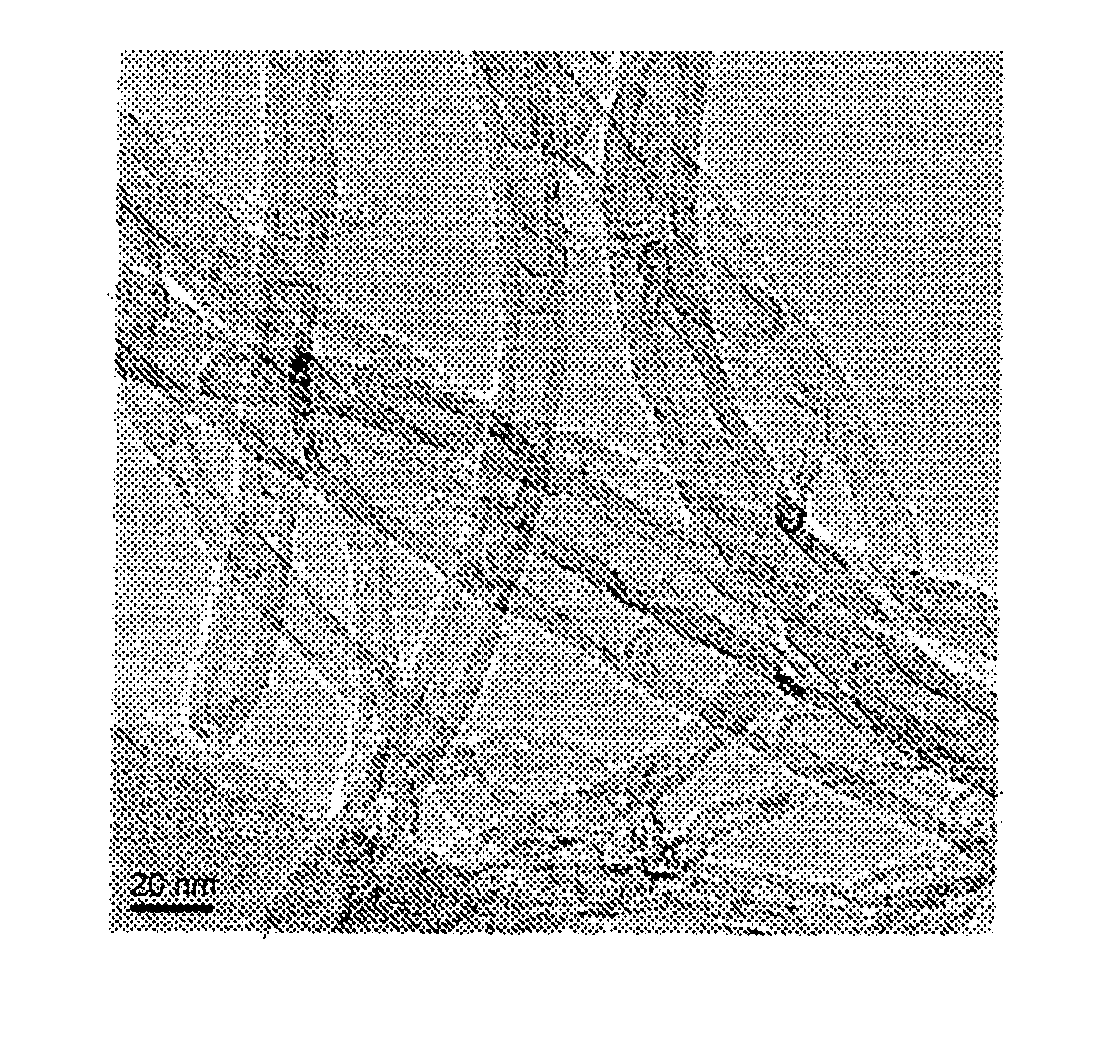
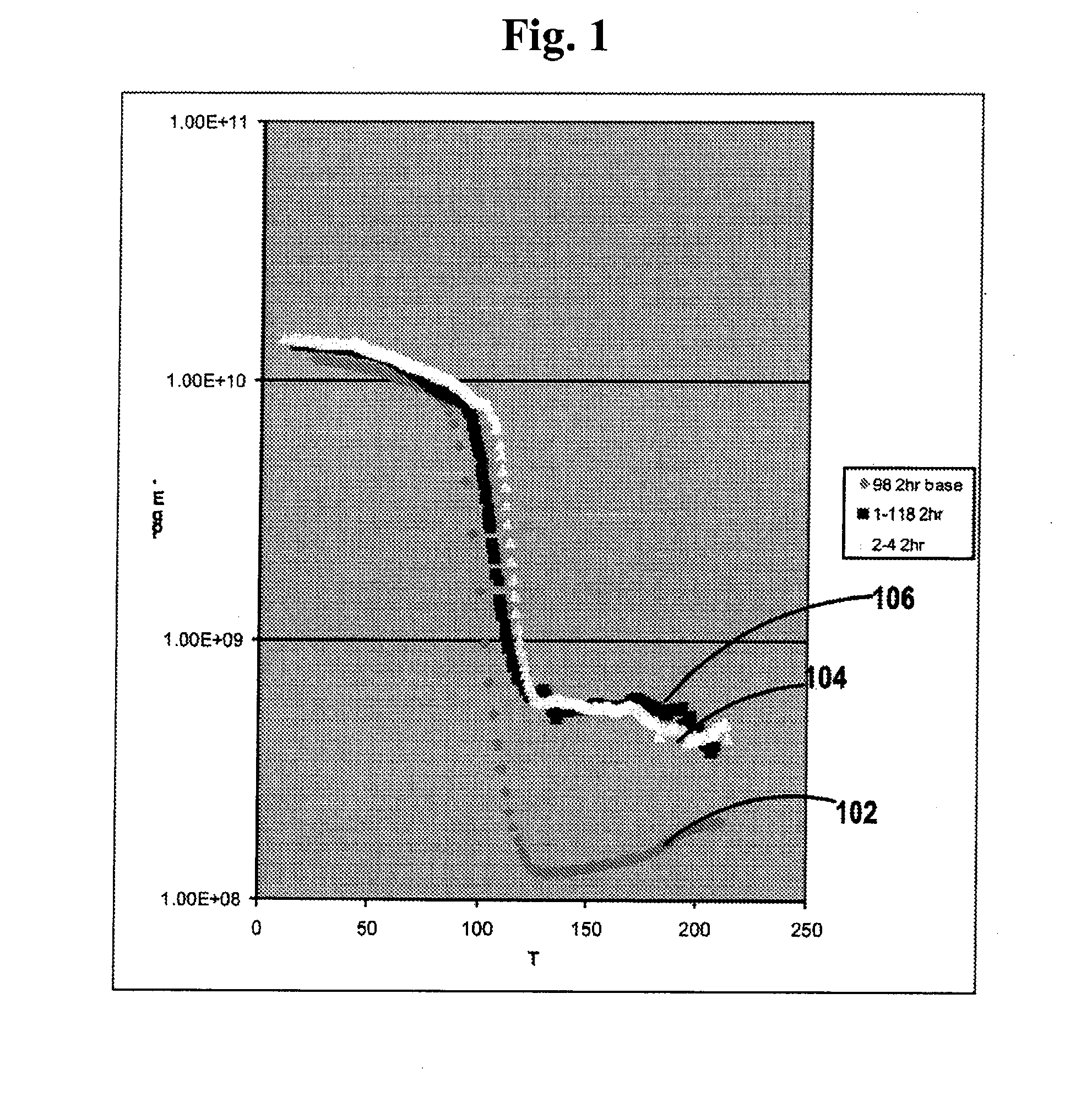
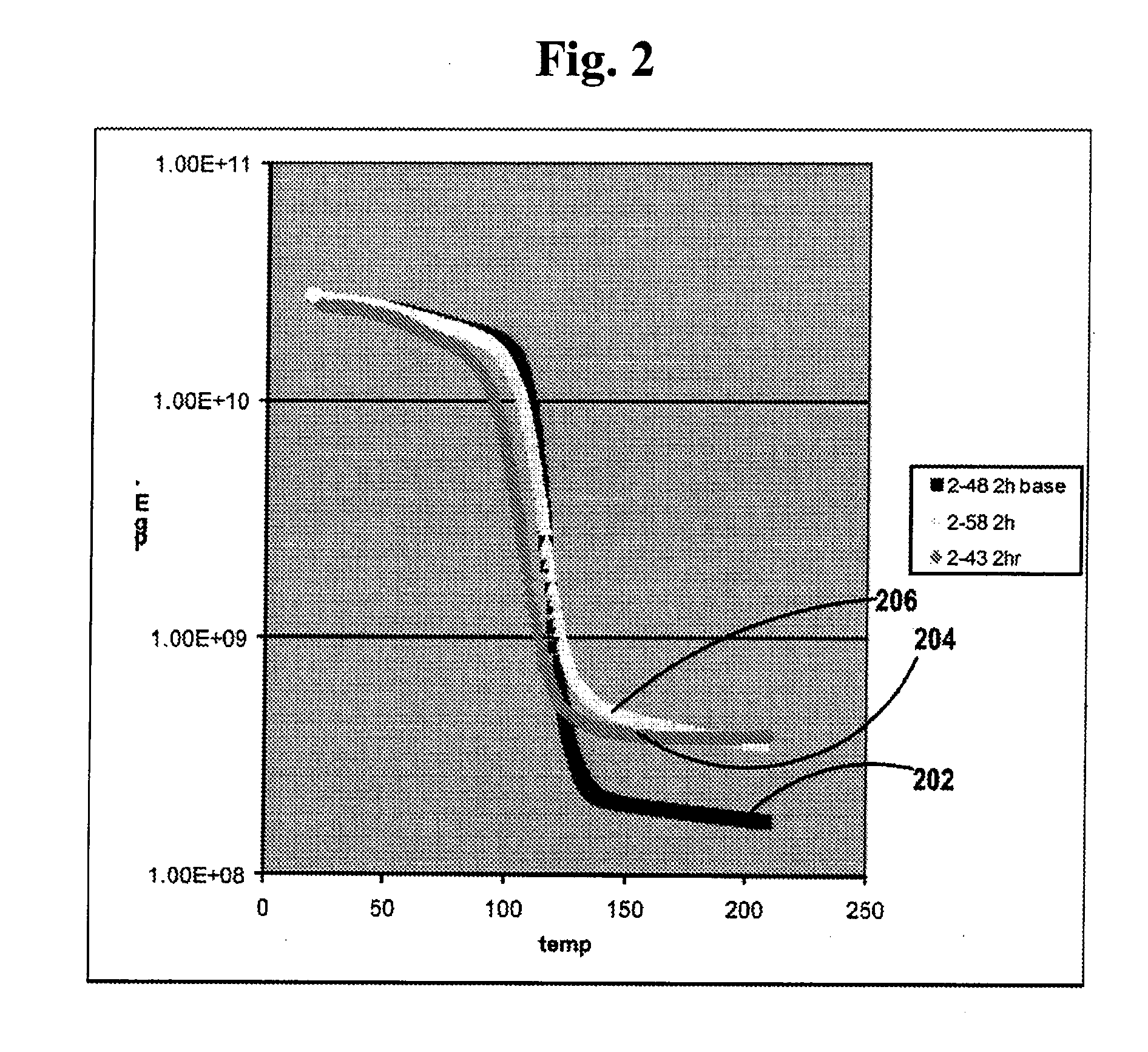
- An underfill composition comprising an epoxy resin, a curing agent, and polyhedral oligomeric silsesquioxane, with optional additives such as organo clay, carbon nanotubes, and zinc oxide, which enhances the modulus of elasticity above the glass transition temperature without significantly increasing viscosity or altering the glass transition temperature.


Underfill for high density interconnect flip chips
PatentInactiveUS20120172495A1
Innovation
- An underfill composition comprising an epoxy resin, a curing agent, and polyhedral oligomeric silsesquioxane, with specific weight ratios and optional additives like organo clay, carbon nanotubes, and zinc oxide, which enhances the modulus of elasticity above the glass transition temperature without significantly increasing viscosity or altering the glass transition temperature.

Environmental Regulations for Electronic Materials
The development of high-performance underfill materials through additive blending faces increasingly stringent environmental regulations that significantly impact material selection, manufacturing processes, and product lifecycle management. These regulations are designed to minimize the environmental footprint of electronic materials while ensuring human health protection throughout the supply chain.
The Restriction of Hazardous Substances (RoHS) directive represents one of the most influential regulatory frameworks affecting underfill formulations. This regulation restricts the use of specific hazardous materials including lead, mercury, cadmium, hexavalent chromium, and certain brominated flame retardants. For underfill developers, this necessitates careful selection of additives and base materials to ensure compliance while maintaining performance characteristics such as thermal conductivity, adhesion strength, and reliability under thermal cycling.
Registration, Evaluation, Authorization and Restriction of Chemicals (REACH) regulation adds another layer of complexity by requiring comprehensive chemical safety assessments for substances used in underfill formulations. Manufacturers must provide detailed documentation regarding the environmental and health impacts of each additive component, including nanoscale fillers, coupling agents, and curing accelerators commonly used in high-performance underfill systems.
Emerging regulations focusing on per- and polyfluoroalkyl substances (PFAS) present particular challenges for underfill development. Many high-performance additives traditionally used to enhance thermal and electrical properties contain fluorinated compounds that are now subject to increasing scrutiny and potential phase-out requirements across multiple jurisdictions.
The Waste Electrical and Electronic Equipment (WEEE) directive influences underfill design by mandating consideration of end-of-life recyclability and material recovery. This regulation encourages the development of underfill formulations that facilitate component separation and material recovery during electronic waste processing, potentially requiring the incorporation of thermally reversible or chemically dissolvable additive systems.
Regional variations in environmental regulations create additional complexity for global underfill manufacturers. While European regulations tend to be more restrictive, emerging markets are rapidly adopting similar standards, requiring manufacturers to develop globally compliant formulations that meet the most stringent requirements across all target markets.
The Restriction of Hazardous Substances (RoHS) directive represents one of the most influential regulatory frameworks affecting underfill formulations. This regulation restricts the use of specific hazardous materials including lead, mercury, cadmium, hexavalent chromium, and certain brominated flame retardants. For underfill developers, this necessitates careful selection of additives and base materials to ensure compliance while maintaining performance characteristics such as thermal conductivity, adhesion strength, and reliability under thermal cycling.
Registration, Evaluation, Authorization and Restriction of Chemicals (REACH) regulation adds another layer of complexity by requiring comprehensive chemical safety assessments for substances used in underfill formulations. Manufacturers must provide detailed documentation regarding the environmental and health impacts of each additive component, including nanoscale fillers, coupling agents, and curing accelerators commonly used in high-performance underfill systems.
Emerging regulations focusing on per- and polyfluoroalkyl substances (PFAS) present particular challenges for underfill development. Many high-performance additives traditionally used to enhance thermal and electrical properties contain fluorinated compounds that are now subject to increasing scrutiny and potential phase-out requirements across multiple jurisdictions.
The Waste Electrical and Electronic Equipment (WEEE) directive influences underfill design by mandating consideration of end-of-life recyclability and material recovery. This regulation encourages the development of underfill formulations that facilitate component separation and material recovery during electronic waste processing, potentially requiring the incorporation of thermally reversible or chemically dissolvable additive systems.
Regional variations in environmental regulations create additional complexity for global underfill manufacturers. While European regulations tend to be more restrictive, emerging markets are rapidly adopting similar standards, requiring manufacturers to develop globally compliant formulations that meet the most stringent requirements across all target markets.
Reliability Testing Standards for Underfill Applications
The establishment of comprehensive reliability testing standards for underfill applications represents a critical foundation for ensuring the long-term performance and market acceptance of high-performance underfill materials developed through additive blending. Current industry standards primarily focus on traditional underfill formulations, creating a significant gap in evaluation protocols for advanced additive-enhanced systems.
Temperature cycling tests constitute the cornerstone of underfill reliability assessment, typically following JEDEC standards such as JESD22-A104 for thermal cycling and JESD22-A103 for high-temperature storage life. These standards evaluate the material's ability to withstand repeated thermal expansion and contraction cycles, which is particularly crucial for additive-blended underfills where different thermal expansion coefficients of additives may introduce additional stress concentrations.
Moisture sensitivity testing protocols, governed by JEDEC J-STD-020, require adaptation for additive-enhanced underfills due to altered hygroscopic properties introduced by functional additives. The standard moisture sensitivity levels and preconditioning procedures may need modification to account for the unique water absorption characteristics and diffusion pathways created by additive particles within the polymer matrix.
Mechanical reliability testing encompasses adhesion strength measurements following ASTM D4541 pull-off test standards and shear strength evaluation per ASTM D1002. However, these conventional standards may not adequately capture the complex mechanical behavior of additive-blended systems, particularly regarding interfacial adhesion between additives and the base resin, necessitating supplementary test methodologies.
Electrical performance standards, including dielectric strength testing per ASTM D149 and volume resistivity measurement following ASTM D257, become increasingly important for underfills containing conductive or semi-conductive additives. The challenge lies in establishing acceptable performance thresholds that balance enhanced functionality with electrical safety requirements.
Accelerated aging protocols require careful consideration for additive-blended underfills, as traditional Arrhenius models may not accurately predict long-term behavior when multiple additive systems are present. The interaction between different additives under accelerated conditions may not linearly correlate with real-world aging mechanisms, demanding more sophisticated predictive models and extended validation periods.
Temperature cycling tests constitute the cornerstone of underfill reliability assessment, typically following JEDEC standards such as JESD22-A104 for thermal cycling and JESD22-A103 for high-temperature storage life. These standards evaluate the material's ability to withstand repeated thermal expansion and contraction cycles, which is particularly crucial for additive-blended underfills where different thermal expansion coefficients of additives may introduce additional stress concentrations.
Moisture sensitivity testing protocols, governed by JEDEC J-STD-020, require adaptation for additive-enhanced underfills due to altered hygroscopic properties introduced by functional additives. The standard moisture sensitivity levels and preconditioning procedures may need modification to account for the unique water absorption characteristics and diffusion pathways created by additive particles within the polymer matrix.
Mechanical reliability testing encompasses adhesion strength measurements following ASTM D4541 pull-off test standards and shear strength evaluation per ASTM D1002. However, these conventional standards may not adequately capture the complex mechanical behavior of additive-blended systems, particularly regarding interfacial adhesion between additives and the base resin, necessitating supplementary test methodologies.
Electrical performance standards, including dielectric strength testing per ASTM D149 and volume resistivity measurement following ASTM D257, become increasingly important for underfills containing conductive or semi-conductive additives. The challenge lies in establishing acceptable performance thresholds that balance enhanced functionality with electrical safety requirements.
Accelerated aging protocols require careful consideration for additive-blended underfills, as traditional Arrhenius models may not accurately predict long-term behavior when multiple additive systems are present. The interaction between different additives under accelerated conditions may not linearly correlate with real-world aging mechanisms, demanding more sophisticated predictive models and extended validation periods.
Unlock deeper insights with PatSnap Eureka Quick Research — get a full tech report to explore trends and direct your research. Try now!
Generate Your Research Report Instantly with AI Agent
Supercharge your innovation with PatSnap Eureka AI Agent Platform!