Developing Next-gen Pressurized Water Reactor Models
APR 28, 20269 MIN READ
Generate Your Research Report Instantly with AI Agent
PatSnap Eureka helps you evaluate technical feasibility & market potential.
Next-gen PWR Development Background and Objectives
The development of next-generation pressurized water reactor (PWR) models represents a critical evolution in nuclear power technology, driven by the urgent need for safer, more efficient, and economically viable nuclear energy solutions. Traditional PWR designs, while proven reliable over decades of operation, face increasing challenges in meeting contemporary energy demands, safety standards, and economic competitiveness in rapidly evolving energy markets.
The historical trajectory of PWR technology began in the 1950s with the first commercial applications, progressing through multiple generations of improvements. Generation II reactors dominated the nuclear landscape for decades, followed by Generation III designs that incorporated enhanced safety features and improved economics. Today's focus on Generation III+ and emerging Generation IV concepts reflects the industry's commitment to addressing fundamental limitations of earlier designs while maintaining the inherent advantages of pressurized water reactor systems.
Current market pressures and regulatory environments demand reactor designs that can demonstrate superior safety margins, reduced construction costs, shorter build times, and enhanced operational flexibility. The Fukushima incident in 2011 particularly accelerated the emphasis on passive safety systems and severe accident mitigation capabilities, fundamentally reshaping design priorities and regulatory requirements worldwide.
Next-generation PWR development aims to achieve several interconnected objectives that address both technical and commercial imperatives. Enhanced safety performance stands as the paramount goal, incorporating passive safety systems that function without external power or operator intervention, advanced containment designs, and improved severe accident management capabilities. These features must demonstrate defense-in-depth principles while simplifying overall system complexity.
Economic competitiveness represents another crucial objective, requiring significant reductions in capital costs through standardized designs, modular construction approaches, and optimized plant layouts. Operational efficiency improvements target higher capacity factors, extended fuel cycles, and reduced maintenance requirements. Additionally, next-generation designs must demonstrate enhanced flexibility to support grid stability in energy systems with increasing renewable penetration.
Environmental stewardship objectives encompass improved fuel utilization efficiency, reduced waste generation, and enhanced proliferation resistance. Advanced PWR models must also demonstrate compatibility with diverse fuel types, including accident-tolerant fuels and potentially thorium-based cycles, while maintaining or improving thermal efficiency through innovative steam cycle configurations.
The integration of digital instrumentation and control systems, advanced materials, and innovative manufacturing techniques forms the technological foundation for achieving these ambitious objectives, positioning next-generation PWRs as cornerstone technologies for sustainable nuclear energy deployment.
The historical trajectory of PWR technology began in the 1950s with the first commercial applications, progressing through multiple generations of improvements. Generation II reactors dominated the nuclear landscape for decades, followed by Generation III designs that incorporated enhanced safety features and improved economics. Today's focus on Generation III+ and emerging Generation IV concepts reflects the industry's commitment to addressing fundamental limitations of earlier designs while maintaining the inherent advantages of pressurized water reactor systems.
Current market pressures and regulatory environments demand reactor designs that can demonstrate superior safety margins, reduced construction costs, shorter build times, and enhanced operational flexibility. The Fukushima incident in 2011 particularly accelerated the emphasis on passive safety systems and severe accident mitigation capabilities, fundamentally reshaping design priorities and regulatory requirements worldwide.
Next-generation PWR development aims to achieve several interconnected objectives that address both technical and commercial imperatives. Enhanced safety performance stands as the paramount goal, incorporating passive safety systems that function without external power or operator intervention, advanced containment designs, and improved severe accident management capabilities. These features must demonstrate defense-in-depth principles while simplifying overall system complexity.
Economic competitiveness represents another crucial objective, requiring significant reductions in capital costs through standardized designs, modular construction approaches, and optimized plant layouts. Operational efficiency improvements target higher capacity factors, extended fuel cycles, and reduced maintenance requirements. Additionally, next-generation designs must demonstrate enhanced flexibility to support grid stability in energy systems with increasing renewable penetration.
Environmental stewardship objectives encompass improved fuel utilization efficiency, reduced waste generation, and enhanced proliferation resistance. Advanced PWR models must also demonstrate compatibility with diverse fuel types, including accident-tolerant fuels and potentially thorium-based cycles, while maintaining or improving thermal efficiency through innovative steam cycle configurations.
The integration of digital instrumentation and control systems, advanced materials, and innovative manufacturing techniques forms the technological foundation for achieving these ambitious objectives, positioning next-generation PWRs as cornerstone technologies for sustainable nuclear energy deployment.
Market Demand for Advanced Nuclear Reactor Technologies
The global nuclear energy sector is experiencing a renaissance driven by urgent climate commitments and growing energy security concerns. Advanced nuclear reactor technologies, particularly next-generation pressurized water reactors, are positioned at the forefront of this revival as nations seek reliable, carbon-free baseload power generation capabilities.
Developed economies are leading the demand surge, with countries like the United States, United Kingdom, and France implementing substantial nuclear modernization programs. The U.S. Infrastructure Investment and Jobs Act has allocated significant funding for advanced reactor development, while the UK's Net Zero Strategy explicitly identifies advanced nuclear as essential for achieving carbon neutrality targets. European Union member states are increasingly recognizing nuclear power as a critical component of their energy transition strategies.
Emerging markets present substantial growth opportunities, particularly in Asia-Pacific regions where rapid industrialization drives escalating electricity demand. Countries including India, China, and several Southeast Asian nations are expanding their nuclear programs to support economic development while meeting international climate obligations. These markets favor proven PWR technology enhanced with advanced safety systems and improved operational efficiency.
The market demand is characterized by specific technological requirements that next-generation PWR models must address. Enhanced passive safety systems, extended operational lifespans, and improved fuel utilization efficiency are becoming standard expectations rather than premium features. Utilities are seeking reactor designs that offer greater operational flexibility, including load-following capabilities to complement intermittent renewable energy sources.
Small modular reactor variants of PWR technology are generating particular interest due to their scalability and reduced capital requirements. This segment appeals to smaller utilities, industrial applications, and regions with limited grid infrastructure. The modular approach enables phased deployment strategies that align with evolving energy demands and financial constraints.
Regulatory frameworks worldwide are adapting to accommodate advanced reactor technologies, creating more favorable market conditions. Streamlined licensing processes and performance-based regulatory approaches are reducing deployment timelines and associated costs, making advanced PWR projects more economically attractive to investors and utilities.
The decommissioning of aging nuclear fleets in developed markets creates replacement demand for advanced reactor technologies. Many existing plants approaching end-of-life present opportunities for next-generation PWR deployment at established nuclear sites, leveraging existing infrastructure and experienced workforces while meeting enhanced safety and performance standards.
Developed economies are leading the demand surge, with countries like the United States, United Kingdom, and France implementing substantial nuclear modernization programs. The U.S. Infrastructure Investment and Jobs Act has allocated significant funding for advanced reactor development, while the UK's Net Zero Strategy explicitly identifies advanced nuclear as essential for achieving carbon neutrality targets. European Union member states are increasingly recognizing nuclear power as a critical component of their energy transition strategies.
Emerging markets present substantial growth opportunities, particularly in Asia-Pacific regions where rapid industrialization drives escalating electricity demand. Countries including India, China, and several Southeast Asian nations are expanding their nuclear programs to support economic development while meeting international climate obligations. These markets favor proven PWR technology enhanced with advanced safety systems and improved operational efficiency.
The market demand is characterized by specific technological requirements that next-generation PWR models must address. Enhanced passive safety systems, extended operational lifespans, and improved fuel utilization efficiency are becoming standard expectations rather than premium features. Utilities are seeking reactor designs that offer greater operational flexibility, including load-following capabilities to complement intermittent renewable energy sources.
Small modular reactor variants of PWR technology are generating particular interest due to their scalability and reduced capital requirements. This segment appeals to smaller utilities, industrial applications, and regions with limited grid infrastructure. The modular approach enables phased deployment strategies that align with evolving energy demands and financial constraints.
Regulatory frameworks worldwide are adapting to accommodate advanced reactor technologies, creating more favorable market conditions. Streamlined licensing processes and performance-based regulatory approaches are reducing deployment timelines and associated costs, making advanced PWR projects more economically attractive to investors and utilities.
The decommissioning of aging nuclear fleets in developed markets creates replacement demand for advanced reactor technologies. Many existing plants approaching end-of-life present opportunities for next-generation PWR deployment at established nuclear sites, leveraging existing infrastructure and experienced workforces while meeting enhanced safety and performance standards.
Current PWR Technology Status and Engineering Challenges
Current pressurized water reactor technology represents the most widely deployed nuclear power generation system globally, with over 300 units operating across more than 30 countries. These systems utilize enriched uranium fuel assemblies submerged in pressurized water that serves dual functions as both neutron moderator and primary coolant. The reactor pressure vessel operates at approximately 15.5 MPa and temperatures reaching 320°C, maintaining subcooled conditions to prevent boiling within the reactor core.
Modern PWR designs incorporate multiple engineered safety systems including emergency core cooling systems, containment structures, and passive safety features. The reactor control system relies on control rod assemblies containing neutron-absorbing materials such as boron carbide or hafnium, supplemented by chemical shim control using boric acid dissolved in the primary coolant. Steam generators facilitate heat transfer from the radioactive primary loop to the secondary steam cycle, ensuring physical separation between radioactive and non-radioactive systems.
Despite technological maturity, contemporary PWR systems face significant engineering challenges that limit their operational efficiency and economic competitiveness. Thermal efficiency remains constrained at approximately 33-35% due to relatively low operating temperatures imposed by current materials limitations and safety margins. The large reactor pressure vessels require specialized manufacturing capabilities and extensive quality assurance programs, contributing to extended construction timelines and elevated capital costs.
Materials degradation presents ongoing operational challenges, particularly stress corrosion cracking in steam generator tubes and reactor pressure vessel embrittlement due to neutron irradiation. These phenomena necessitate comprehensive inspection programs, component replacements, and operational restrictions that impact plant availability and lifecycle economics. Additionally, the accumulation of radioactive corrosion products in primary system components requires sophisticated water chemistry management and periodic maintenance outages.
Load-following capabilities of existing PWR designs are limited by thermal-hydraulic constraints and fuel performance considerations. Rapid power changes can induce xenon oscillations and thermal stresses that potentially compromise fuel integrity. This operational inflexibility becomes increasingly problematic as electrical grids incorporate higher percentages of intermittent renewable energy sources requiring more responsive baseload generation.
Waste heat rejection represents another significant challenge, as current PWR designs discharge substantial thermal energy to environmental heat sinks. This thermal pollution concern, combined with large cooling water requirements, constrains site selection and may face increasing regulatory scrutiny under evolving environmental standards.
Modern PWR designs incorporate multiple engineered safety systems including emergency core cooling systems, containment structures, and passive safety features. The reactor control system relies on control rod assemblies containing neutron-absorbing materials such as boron carbide or hafnium, supplemented by chemical shim control using boric acid dissolved in the primary coolant. Steam generators facilitate heat transfer from the radioactive primary loop to the secondary steam cycle, ensuring physical separation between radioactive and non-radioactive systems.
Despite technological maturity, contemporary PWR systems face significant engineering challenges that limit their operational efficiency and economic competitiveness. Thermal efficiency remains constrained at approximately 33-35% due to relatively low operating temperatures imposed by current materials limitations and safety margins. The large reactor pressure vessels require specialized manufacturing capabilities and extensive quality assurance programs, contributing to extended construction timelines and elevated capital costs.
Materials degradation presents ongoing operational challenges, particularly stress corrosion cracking in steam generator tubes and reactor pressure vessel embrittlement due to neutron irradiation. These phenomena necessitate comprehensive inspection programs, component replacements, and operational restrictions that impact plant availability and lifecycle economics. Additionally, the accumulation of radioactive corrosion products in primary system components requires sophisticated water chemistry management and periodic maintenance outages.
Load-following capabilities of existing PWR designs are limited by thermal-hydraulic constraints and fuel performance considerations. Rapid power changes can induce xenon oscillations and thermal stresses that potentially compromise fuel integrity. This operational inflexibility becomes increasingly problematic as electrical grids incorporate higher percentages of intermittent renewable energy sources requiring more responsive baseload generation.
Waste heat rejection represents another significant challenge, as current PWR designs discharge substantial thermal energy to environmental heat sinks. This thermal pollution concern, combined with large cooling water requirements, constrains site selection and may face increasing regulatory scrutiny under evolving environmental standards.
Current Advanced PWR Design Solutions
01 Reactor core design and fuel assembly configurations
Advanced designs for reactor cores focusing on fuel assembly arrangements, control rod positioning, and neutron flux optimization. These innovations improve fuel efficiency, enhance safety margins, and provide better control over nuclear reactions through optimized geometric configurations and material arrangements.- Reactor core design and fuel assembly configurations: Advanced reactor core designs focus on optimized fuel assembly arrangements and configurations to enhance neutron flux distribution and improve overall reactor efficiency. These designs incorporate innovative fuel rod spacing, control rod positioning, and core geometry modifications to maximize power output while maintaining safety margins. The configurations also address thermal hydraulic performance and neutron economy optimization.
- Steam generator and heat exchanger systems: Steam generation systems in pressurized water reactors utilize sophisticated heat exchanger designs to efficiently transfer thermal energy from the primary coolant loop to the secondary steam cycle. These systems incorporate enhanced tube bundle configurations, improved heat transfer surfaces, and advanced materials to optimize thermal performance while ensuring structural integrity and corrosion resistance.
- Control and instrumentation systems: Modern reactor control systems employ advanced instrumentation and monitoring technologies to ensure safe and efficient reactor operation. These systems integrate digital control algorithms, real-time monitoring capabilities, and automated safety functions to maintain optimal reactor parameters and respond to operational transients. The instrumentation provides comprehensive data acquisition and analysis for reactor performance optimization.
- Safety and emergency response systems: Comprehensive safety systems are designed to protect against various accident scenarios and provide multiple layers of defense. These systems include emergency core cooling capabilities, containment structures, and passive safety features that function without external power or operator intervention. The designs incorporate redundant safety mechanisms and fail-safe operations to ensure reactor shutdown and coolant circulation under emergency conditions.
- Reactor vessel and structural components: Reactor pressure vessel designs incorporate advanced materials and structural configurations to withstand high pressure and temperature conditions while maintaining structural integrity throughout the reactor lifetime. These components include specialized welding techniques, material selection for radiation resistance, and innovative manufacturing processes to ensure long-term reliability and safety margins.
02 Steam generator and heat exchanger systems
Specialized heat transfer systems designed for efficient thermal energy conversion in pressurized water reactors. These systems focus on improving heat exchange efficiency, reducing corrosion, and enhancing the overall thermal performance of the reactor through advanced materials and design configurations.Expand Specific Solutions03 Safety and control systems integration
Comprehensive safety mechanisms and control systems designed to monitor and manage reactor operations. These systems include emergency shutdown procedures, automated safety responses, and advanced monitoring technologies to ensure safe reactor operation under various conditions.Expand Specific Solutions04 Coolant circulation and pressure management
Advanced systems for managing coolant flow, pressure regulation, and thermal hydraulics within the reactor vessel. These technologies focus on optimizing coolant distribution, maintaining proper pressure levels, and ensuring efficient heat removal from the reactor core.Expand Specific Solutions05 Reactor vessel and containment structures
Structural designs and materials for reactor vessels, containment systems, and supporting infrastructure. These innovations address structural integrity, radiation shielding, and containment capabilities while incorporating advanced materials and construction techniques for enhanced durability and safety.Expand Specific Solutions
Major Nuclear Industry Players and Reactor Vendors
The next-generation pressurized water reactor (PWR) development landscape represents a mature yet rapidly evolving sector within the nuclear energy industry. The market is experiencing significant growth driven by global decarbonization initiatives and energy security concerns, with established players like Westinghouse Electric, Framatome, and Mitsubishi Heavy Industries leading traditional PWR technologies. Chinese entities including China General Nuclear Power Corp., China Nuclear Power Research & Design Institute, and CGN Power demonstrate strong domestic capabilities and international expansion ambitions. Technology maturity varies significantly across players, with traditional manufacturers like Toshiba and Korea Hydro & Nuclear Power leveraging decades of operational experience, while emerging companies such as Nuclearis Corp. focus on innovative small modular reactor designs. Research institutions like Xi'an Jiaotong University and Korea Atomic Energy Research Institute contribute advanced R&D capabilities, positioning the industry at a critical juncture between proven large-scale PWR technology and next-generation compact, efficient reactor systems.
Westinghouse Electric Co. LLC
Technical Solution: Westinghouse has developed the AP1000 advanced pressurized water reactor design, featuring passive safety systems that rely on natural forces like gravity and natural circulation rather than active mechanical components. The AP1000 incorporates a simplified design with fewer components, enhanced containment systems, and advanced digital instrumentation and control systems. Their next-generation approach focuses on modular construction techniques, improved fuel efficiency, and enhanced safety margins through passive safety features that can operate without external power or operator intervention for extended periods.
Strengths: Proven passive safety technology, simplified design reduces maintenance costs, strong global deployment experience. Weaknesses: Higher initial capital costs, regulatory approval challenges in some markets.
China Nuclear Power Research & Design Institute
Technical Solution: CNPRI has developed the HPR1000 (Hualong One) pressurized water reactor design, which represents China's third-generation nuclear technology. The design features active and passive safety systems combination, 177-fuel assembly core design, double containment structure, and advanced digital instrumentation and control systems. Their next-generation development focuses on enhanced safety margins, improved economics through standardized design, and advanced fuel management systems with extended operating cycles up to 18 months.
Strengths: Cost-effective design, strong domestic support, rapid deployment capabilities in Chinese market. Weaknesses: Limited international operational experience, newer technology requiring more validation time.
Core PWR Innovation Patents and Technical Breakthroughs
A modeling method for third-generation pressurized water reactor nuclear power units
PatentActiveCN102279901A
Innovation
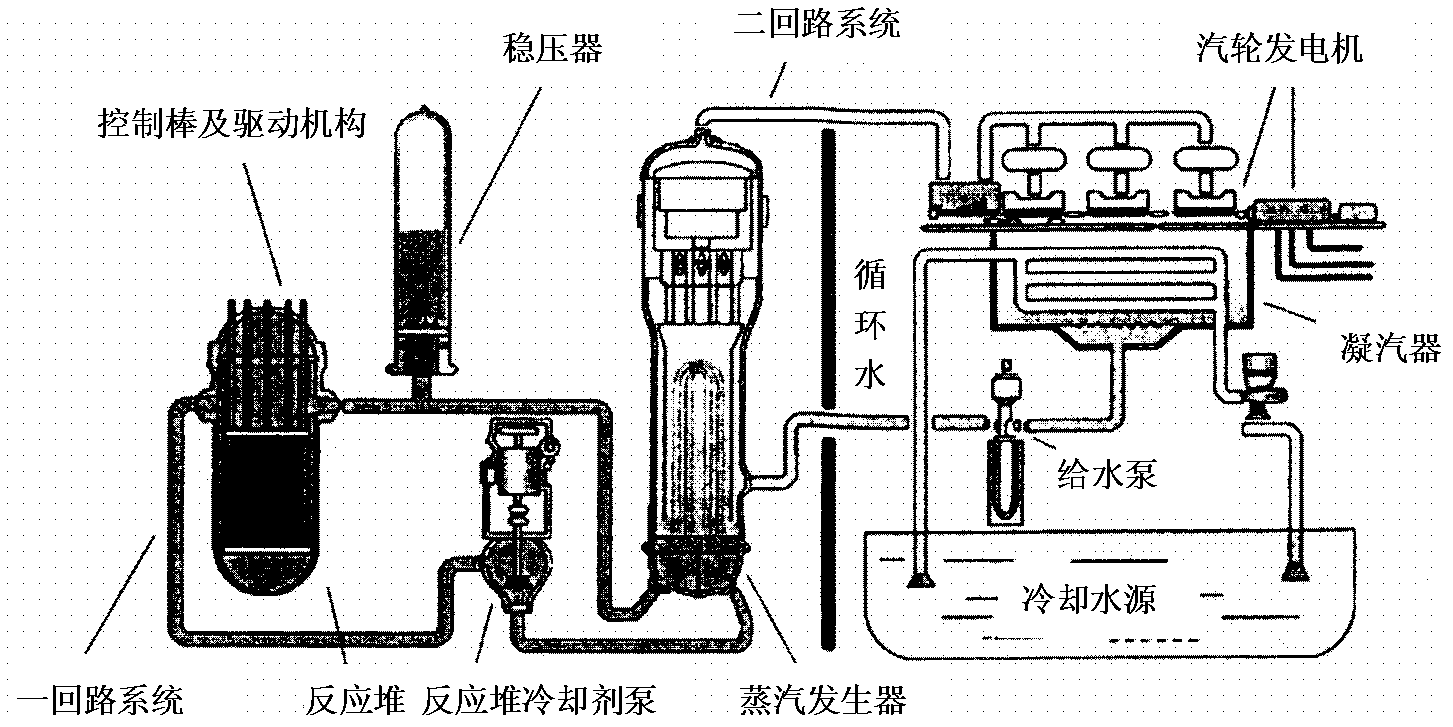
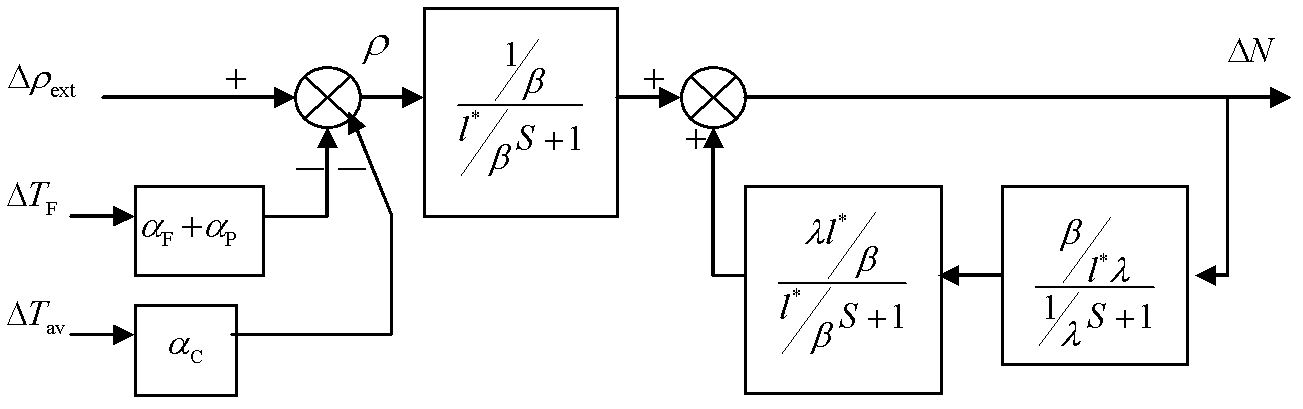
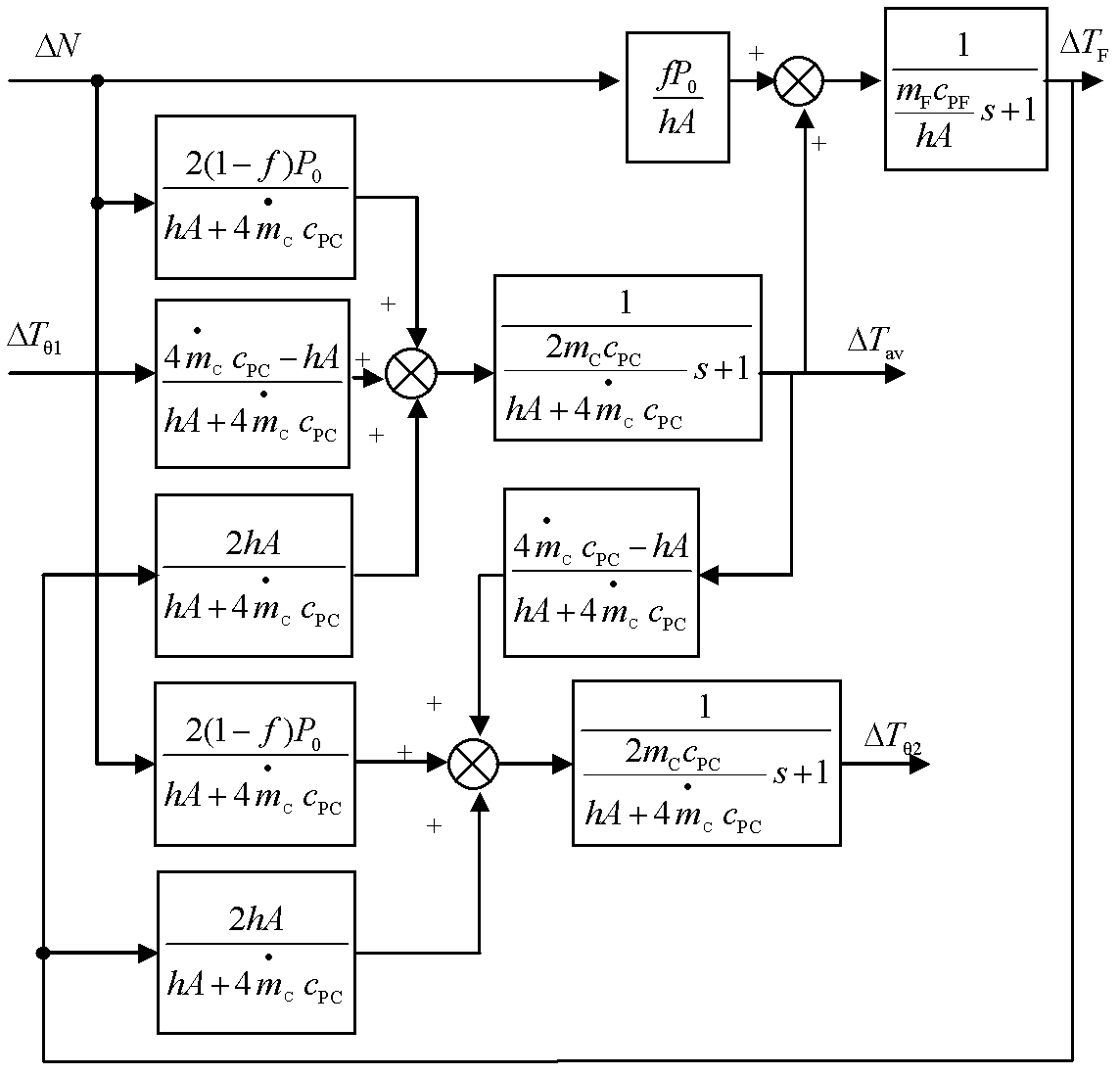
- The nuclear power unit system model is decomposed into several subsystem models, including core neutron dynamic model, fuel and coolant temperature model, hot and cold line temperature model, steam generator model, reactor control system model, etc., combined with thermal engineering and energy Transfer laws, establish a full system model of the third-generation pressurized water reactor nuclear power unit, and connect it with the power system joint model to perform customized simulations.

Pressurized water reactor with upper vessel section providing both pressure and flow control
PatentActiveUS20220277862A1
Innovation
- The reactor coolant pump is designed with an impeller inside the pressure vessel and a motor outside, connected by a drive shaft, with the motor positioned above a separator plate to avoid the pressurizer volume, allowing for reduced risk of coolant loss and simplified maintenance by using small openings for the drive shaft, and incorporating a pump diffuser within the pressure vessel to manage flow without obstructing natural circulation.


Nuclear Regulatory Framework for Advanced Reactors
The nuclear regulatory framework for advanced reactors represents a critical evolution in oversight mechanisms designed to address the unique characteristics and safety profiles of next-generation pressurized water reactor models. Traditional regulatory structures, primarily developed for conventional light water reactors, require substantial adaptation to accommodate innovative design features such as passive safety systems, modular construction approaches, and enhanced digital instrumentation and control systems.
Current regulatory bodies worldwide are implementing risk-informed and performance-based regulatory approaches specifically tailored for advanced reactor technologies. The U.S. Nuclear Regulatory Commission has established the Part 53 rulemaking initiative, which aims to create a technology-inclusive regulatory framework that can accommodate various advanced reactor designs while maintaining rigorous safety standards. This framework emphasizes functional requirements rather than prescriptive design specifications, allowing greater flexibility for innovative reactor concepts.
International regulatory harmonization efforts are gaining momentum through organizations such as the International Atomic Energy Agency and the Multinational Design Evaluation Programme. These initiatives focus on establishing common safety principles and assessment methodologies for advanced reactors, facilitating global deployment while ensuring consistent safety standards across different jurisdictions.
The licensing process for next-generation pressurized water reactors incorporates several novel elements, including early site permits, combined construction and operating licenses, and standardized design certifications. These streamlined approaches aim to reduce regulatory uncertainty and accelerate deployment timelines while maintaining comprehensive safety evaluations. Additionally, regulatory frameworks are increasingly incorporating digital transformation elements, including advanced simulation tools and data analytics for continuous monitoring and assessment.
Emerging regulatory challenges include cybersecurity requirements for digital systems, human factors considerations for advanced control rooms, and environmental impact assessments for new reactor sites. The framework also addresses decommissioning planning, waste management protocols, and emergency preparedness requirements specifically adapted for advanced reactor characteristics and their potential deployment in diverse geographical and demographic settings.
Current regulatory bodies worldwide are implementing risk-informed and performance-based regulatory approaches specifically tailored for advanced reactor technologies. The U.S. Nuclear Regulatory Commission has established the Part 53 rulemaking initiative, which aims to create a technology-inclusive regulatory framework that can accommodate various advanced reactor designs while maintaining rigorous safety standards. This framework emphasizes functional requirements rather than prescriptive design specifications, allowing greater flexibility for innovative reactor concepts.
International regulatory harmonization efforts are gaining momentum through organizations such as the International Atomic Energy Agency and the Multinational Design Evaluation Programme. These initiatives focus on establishing common safety principles and assessment methodologies for advanced reactors, facilitating global deployment while ensuring consistent safety standards across different jurisdictions.
The licensing process for next-generation pressurized water reactors incorporates several novel elements, including early site permits, combined construction and operating licenses, and standardized design certifications. These streamlined approaches aim to reduce regulatory uncertainty and accelerate deployment timelines while maintaining comprehensive safety evaluations. Additionally, regulatory frameworks are increasingly incorporating digital transformation elements, including advanced simulation tools and data analytics for continuous monitoring and assessment.
Emerging regulatory challenges include cybersecurity requirements for digital systems, human factors considerations for advanced control rooms, and environmental impact assessments for new reactor sites. The framework also addresses decommissioning planning, waste management protocols, and emergency preparedness requirements specifically adapted for advanced reactor characteristics and their potential deployment in diverse geographical and demographic settings.
Safety and Environmental Impact Assessment
Safety assessment of next-generation pressurized water reactor models represents a fundamental paradigm shift from traditional deterministic approaches to comprehensive probabilistic risk assessment frameworks. Advanced reactor designs incorporate passive safety systems that rely on natural physical phenomena such as gravity, natural circulation, and stored energy rather than active components requiring external power or operator intervention. These inherent safety features significantly reduce the probability of severe accidents and enhance overall reactor safety margins.
The implementation of defense-in-depth strategies in next-generation PWR designs establishes multiple independent layers of protection against potential hazards. Modern reactor concepts integrate enhanced containment structures with improved heat removal capabilities, advanced core cooling systems, and sophisticated emergency response mechanisms. Digital instrumentation and control systems provide real-time monitoring and automated safety responses, while advanced materials demonstrate superior performance under extreme conditions including high temperature, radiation, and corrosive environments.
Environmental impact assessment for next-generation PWRs encompasses comprehensive lifecycle analysis from uranium mining through decommissioning. These advanced designs demonstrate significantly reduced environmental footprints compared to conventional reactors through improved fuel utilization efficiency, minimized waste generation, and enhanced thermal efficiency. Advanced fuel cycles and closed-loop systems substantially reduce long-term radioactive waste volumes while maximizing energy extraction from nuclear materials.
Radiological impact assessment utilizes sophisticated atmospheric dispersion modeling and environmental pathway analysis to evaluate potential exposure scenarios. Next-generation PWR designs incorporate advanced shielding technologies and containment systems that minimize routine radiological releases during normal operations. Enhanced emergency planning zones reflect improved safety characteristics, with reduced evacuation requirements and simplified emergency response procedures.
Thermal discharge management in advanced PWR designs employs innovative cooling technologies including dry cooling systems and advanced heat exchangers that minimize impacts on aquatic ecosystems. Water consumption optimization through closed-loop cooling systems and advanced heat rejection methods significantly reduces environmental water usage compared to traditional reactor designs.
Seismic and extreme weather resilience assessment incorporates advanced structural analysis and probabilistic hazard evaluation methodologies. Next-generation PWR designs demonstrate enhanced resistance to external events through improved foundation systems, flexible piping designs, and robust containment structures capable of withstanding beyond-design-basis events while maintaining critical safety functions.
The implementation of defense-in-depth strategies in next-generation PWR designs establishes multiple independent layers of protection against potential hazards. Modern reactor concepts integrate enhanced containment structures with improved heat removal capabilities, advanced core cooling systems, and sophisticated emergency response mechanisms. Digital instrumentation and control systems provide real-time monitoring and automated safety responses, while advanced materials demonstrate superior performance under extreme conditions including high temperature, radiation, and corrosive environments.
Environmental impact assessment for next-generation PWRs encompasses comprehensive lifecycle analysis from uranium mining through decommissioning. These advanced designs demonstrate significantly reduced environmental footprints compared to conventional reactors through improved fuel utilization efficiency, minimized waste generation, and enhanced thermal efficiency. Advanced fuel cycles and closed-loop systems substantially reduce long-term radioactive waste volumes while maximizing energy extraction from nuclear materials.
Radiological impact assessment utilizes sophisticated atmospheric dispersion modeling and environmental pathway analysis to evaluate potential exposure scenarios. Next-generation PWR designs incorporate advanced shielding technologies and containment systems that minimize routine radiological releases during normal operations. Enhanced emergency planning zones reflect improved safety characteristics, with reduced evacuation requirements and simplified emergency response procedures.
Thermal discharge management in advanced PWR designs employs innovative cooling technologies including dry cooling systems and advanced heat exchangers that minimize impacts on aquatic ecosystems. Water consumption optimization through closed-loop cooling systems and advanced heat rejection methods significantly reduces environmental water usage compared to traditional reactor designs.
Seismic and extreme weather resilience assessment incorporates advanced structural analysis and probabilistic hazard evaluation methodologies. Next-generation PWR designs demonstrate enhanced resistance to external events through improved foundation systems, flexible piping designs, and robust containment structures capable of withstanding beyond-design-basis events while maintaining critical safety functions.
Unlock deeper insights with PatSnap Eureka Quick Research — get a full tech report to explore trends and direct your research. Try now!
Generate Your Research Report Instantly with AI Agent
Supercharge your innovation with PatSnap Eureka AI Agent Platform!