Digital Tech in Biotech: Enhancing Research Efficiency
FEB 24, 20269 MIN READ
Generate Your Research Report Instantly with AI Agent
PatSnap Eureka helps you evaluate technical feasibility & market potential.
Digital Biotech Integration Background and Objectives
The biotechnology industry has undergone a profound transformation over the past two decades, evolving from traditional laboratory-based research methodologies to increasingly digitized and data-driven approaches. This evolution represents a fundamental shift in how biological research is conducted, analyzed, and translated into practical applications. The convergence of digital technologies with biotechnology has created unprecedented opportunities to accelerate discovery processes, enhance experimental precision, and unlock new therapeutic possibilities.
Historically, biotech research was characterized by labor-intensive manual processes, lengthy experimental cycles, and limited data processing capabilities. The introduction of computational biology in the 1990s marked the beginning of this digital transformation, followed by the genomics revolution that generated massive datasets requiring sophisticated analytical tools. Today, the integration spans artificial intelligence, machine learning, cloud computing, robotics, and advanced data analytics platforms.
The primary objective of digital technology integration in biotechnology centers on dramatically improving research efficiency across multiple dimensions. This encompasses reducing the time required for drug discovery and development, which traditionally spans 10-15 years and costs billions of dollars. Digital tools aim to compress these timelines through predictive modeling, automated screening processes, and intelligent data analysis that can identify promising compounds and eliminate unsuccessful candidates earlier in the development pipeline.
Enhanced data management and analysis capabilities represent another critical objective. Modern biotech research generates enormous volumes of complex data from genomic sequencing, proteomics, metabolomics, and clinical trials. Digital integration seeks to transform this data deluge into actionable insights through advanced analytics, enabling researchers to identify patterns, correlations, and potential therapeutic targets that would be impossible to detect through traditional methods.
Automation and standardization of laboratory processes constitute a fundamental goal, aiming to reduce human error, increase reproducibility, and enable 24/7 research operations. This includes robotic systems for high-throughput screening, automated sample preparation, and intelligent laboratory management systems that optimize resource utilization and experimental workflows.
The integration also targets improved collaboration and knowledge sharing across global research networks. Digital platforms enable real-time data sharing, collaborative analysis, and distributed research efforts that can accelerate breakthrough discoveries by leveraging collective expertise and resources from multiple institutions and geographic locations.
Historically, biotech research was characterized by labor-intensive manual processes, lengthy experimental cycles, and limited data processing capabilities. The introduction of computational biology in the 1990s marked the beginning of this digital transformation, followed by the genomics revolution that generated massive datasets requiring sophisticated analytical tools. Today, the integration spans artificial intelligence, machine learning, cloud computing, robotics, and advanced data analytics platforms.
The primary objective of digital technology integration in biotechnology centers on dramatically improving research efficiency across multiple dimensions. This encompasses reducing the time required for drug discovery and development, which traditionally spans 10-15 years and costs billions of dollars. Digital tools aim to compress these timelines through predictive modeling, automated screening processes, and intelligent data analysis that can identify promising compounds and eliminate unsuccessful candidates earlier in the development pipeline.
Enhanced data management and analysis capabilities represent another critical objective. Modern biotech research generates enormous volumes of complex data from genomic sequencing, proteomics, metabolomics, and clinical trials. Digital integration seeks to transform this data deluge into actionable insights through advanced analytics, enabling researchers to identify patterns, correlations, and potential therapeutic targets that would be impossible to detect through traditional methods.
Automation and standardization of laboratory processes constitute a fundamental goal, aiming to reduce human error, increase reproducibility, and enable 24/7 research operations. This includes robotic systems for high-throughput screening, automated sample preparation, and intelligent laboratory management systems that optimize resource utilization and experimental workflows.
The integration also targets improved collaboration and knowledge sharing across global research networks. Digital platforms enable real-time data sharing, collaborative analysis, and distributed research efforts that can accelerate breakthrough discoveries by leveraging collective expertise and resources from multiple institutions and geographic locations.
Market Demand for Digital-Enhanced Biotech Solutions
The biotechnology industry is experiencing unprecedented demand for digital transformation solutions as research organizations face mounting pressure to accelerate discovery timelines while managing increasingly complex datasets. Traditional laboratory workflows, characterized by manual processes and fragmented data management systems, are proving inadequate for modern research requirements. This has created a substantial market opportunity for integrated digital platforms that can streamline experimental design, automate data collection, and enhance analytical capabilities.
Pharmaceutical companies represent the largest segment driving demand for digital-enhanced biotech solutions, particularly in drug discovery and development phases. These organizations are seeking comprehensive platforms that can integrate genomics data, protein analysis, and clinical trial management into unified workflows. The complexity of modern drug development, involving multi-omics approaches and personalized medicine strategies, necessitates sophisticated computational tools capable of handling diverse data types and analytical requirements.
Academic research institutions constitute another significant market segment, with growing emphasis on collaborative research platforms and cloud-based laboratory information management systems. These institutions require cost-effective solutions that can facilitate data sharing across research groups while maintaining compliance with institutional and regulatory requirements. The increasing prevalence of multi-institutional research consortiums has amplified demand for standardized digital platforms that enable seamless collaboration.
Biotechnology startups and emerging companies are driving demand for scalable digital solutions that can grow with their research programs. These organizations typically require flexible platforms that can adapt to evolving research focus areas while providing robust data management and analytical capabilities. The venture capital community's emphasis on data-driven decision making has further accelerated adoption of comprehensive digital research platforms.
Regulatory compliance requirements are creating additional market demand for digital solutions that incorporate built-in quality assurance and audit trail capabilities. Research organizations must demonstrate data integrity and traceability throughout their experimental workflows, driving adoption of platforms that can automatically generate compliance documentation and maintain detailed experimental records.
The market is also responding to increasing demand for artificial intelligence and machine learning integration within biotech research workflows. Organizations are seeking platforms that can leverage predictive analytics for experimental optimization, automated pattern recognition in complex datasets, and intelligent resource allocation for laboratory operations.
Pharmaceutical companies represent the largest segment driving demand for digital-enhanced biotech solutions, particularly in drug discovery and development phases. These organizations are seeking comprehensive platforms that can integrate genomics data, protein analysis, and clinical trial management into unified workflows. The complexity of modern drug development, involving multi-omics approaches and personalized medicine strategies, necessitates sophisticated computational tools capable of handling diverse data types and analytical requirements.
Academic research institutions constitute another significant market segment, with growing emphasis on collaborative research platforms and cloud-based laboratory information management systems. These institutions require cost-effective solutions that can facilitate data sharing across research groups while maintaining compliance with institutional and regulatory requirements. The increasing prevalence of multi-institutional research consortiums has amplified demand for standardized digital platforms that enable seamless collaboration.
Biotechnology startups and emerging companies are driving demand for scalable digital solutions that can grow with their research programs. These organizations typically require flexible platforms that can adapt to evolving research focus areas while providing robust data management and analytical capabilities. The venture capital community's emphasis on data-driven decision making has further accelerated adoption of comprehensive digital research platforms.
Regulatory compliance requirements are creating additional market demand for digital solutions that incorporate built-in quality assurance and audit trail capabilities. Research organizations must demonstrate data integrity and traceability throughout their experimental workflows, driving adoption of platforms that can automatically generate compliance documentation and maintain detailed experimental records.
The market is also responding to increasing demand for artificial intelligence and machine learning integration within biotech research workflows. Organizations are seeking platforms that can leverage predictive analytics for experimental optimization, automated pattern recognition in complex datasets, and intelligent resource allocation for laboratory operations.
Current Digital Biotech Landscape and Technical Barriers
The current digital biotechnology landscape represents a convergence of computational power, artificial intelligence, and biological research methodologies. Cloud computing platforms have become foundational infrastructure, enabling researchers to process massive genomic datasets that would be impossible to handle with traditional on-premises systems. Machine learning algorithms are increasingly integrated into drug discovery pipelines, with companies leveraging deep learning models to predict molecular behavior and identify potential therapeutic compounds.
Automation technologies have transformed laboratory workflows, with robotic systems handling high-throughput screening and sample preparation tasks. Digital twin technologies are emerging as powerful tools for modeling biological systems, allowing researchers to simulate complex cellular processes before conducting physical experiments. Additionally, blockchain technology is being explored for secure data sharing and maintaining research integrity across collaborative networks.
Despite these technological advances, several critical barriers impede optimal implementation and adoption. Data interoperability remains a significant challenge, as different research institutions and biotechnology companies often use incompatible data formats and storage systems. This fragmentation creates silos that prevent seamless collaboration and comprehensive analysis across research networks.
Computational resource limitations continue to constrain many research organizations, particularly smaller biotech firms and academic institutions. The high costs associated with advanced computing infrastructure and specialized software licenses create accessibility barriers that limit widespread adoption of cutting-edge digital tools.
Regulatory compliance presents another substantial obstacle, as existing frameworks struggle to keep pace with rapidly evolving digital technologies. The lack of standardized protocols for validating AI-driven research results creates uncertainty for regulatory approval processes, particularly in drug development and clinical applications.
Data security and privacy concerns are increasingly prominent, especially when handling sensitive genomic information and patient data. The need to balance open scientific collaboration with stringent data protection requirements creates complex technical and legal challenges that many organizations struggle to navigate effectively.
Skills gaps within the biotechnology workforce further compound these challenges, as many researchers lack the computational expertise necessary to fully leverage available digital tools. This creates a bottleneck where advanced technologies remain underutilized due to insufficient technical knowledge and training programs.
Automation technologies have transformed laboratory workflows, with robotic systems handling high-throughput screening and sample preparation tasks. Digital twin technologies are emerging as powerful tools for modeling biological systems, allowing researchers to simulate complex cellular processes before conducting physical experiments. Additionally, blockchain technology is being explored for secure data sharing and maintaining research integrity across collaborative networks.
Despite these technological advances, several critical barriers impede optimal implementation and adoption. Data interoperability remains a significant challenge, as different research institutions and biotechnology companies often use incompatible data formats and storage systems. This fragmentation creates silos that prevent seamless collaboration and comprehensive analysis across research networks.
Computational resource limitations continue to constrain many research organizations, particularly smaller biotech firms and academic institutions. The high costs associated with advanced computing infrastructure and specialized software licenses create accessibility barriers that limit widespread adoption of cutting-edge digital tools.
Regulatory compliance presents another substantial obstacle, as existing frameworks struggle to keep pace with rapidly evolving digital technologies. The lack of standardized protocols for validating AI-driven research results creates uncertainty for regulatory approval processes, particularly in drug development and clinical applications.
Data security and privacy concerns are increasingly prominent, especially when handling sensitive genomic information and patient data. The need to balance open scientific collaboration with stringent data protection requirements creates complex technical and legal challenges that many organizations struggle to navigate effectively.
Skills gaps within the biotechnology workforce further compound these challenges, as many researchers lack the computational expertise necessary to fully leverage available digital tools. This creates a bottleneck where advanced technologies remain underutilized due to insufficient technical knowledge and training programs.
Existing Digital Solutions for Biotech Research
01 AI-powered research assistance and automation systems
Digital technologies utilizing artificial intelligence and machine learning algorithms can significantly enhance research efficiency by automating data collection, analysis, and pattern recognition tasks. These systems can process large volumes of information rapidly, identify relevant insights, and assist researchers in making data-driven decisions. Advanced algorithms enable intelligent search capabilities, automated literature reviews, and predictive analytics that streamline the research workflow.- AI-powered research assistance and knowledge management systems: Digital technologies utilizing artificial intelligence and machine learning algorithms can significantly enhance research efficiency by automating literature reviews, data analysis, and knowledge organization. These systems can process large volumes of research data, identify patterns, extract relevant information, and provide intelligent recommendations to researchers. Advanced natural language processing capabilities enable semantic search and automated summarization of research materials, reducing time spent on manual information gathering and allowing researchers to focus on higher-level analytical tasks.
- Collaborative research platforms and cloud-based tools: Cloud-based collaborative platforms enable distributed research teams to work together more efficiently by providing shared workspaces, real-time communication tools, and centralized data repositories. These platforms facilitate seamless information exchange, version control, and project management across geographical boundaries. Integration of various research tools and databases within a unified environment streamlines workflows and reduces redundancy in research activities, thereby improving overall productivity and coordination among team members.
- Automated data collection and processing systems: Digital automation technologies enable efficient collection, processing, and analysis of research data through automated workflows and intelligent data pipelines. These systems can integrate multiple data sources, perform quality checks, standardize formats, and execute preliminary analyses without manual intervention. Advanced algorithms can detect anomalies, validate data integrity, and generate structured datasets ready for further analysis, significantly reducing the time and effort required for data preparation and minimizing human errors in the research process.
- Digital visualization and simulation tools for research: Advanced visualization and simulation technologies provide researchers with powerful tools to model complex systems, visualize multidimensional data, and conduct virtual experiments. These digital tools enable rapid prototyping, scenario testing, and hypothesis validation without the need for physical experiments in many cases. Interactive visualization capabilities help researchers identify trends, patterns, and relationships in data more quickly, while simulation environments allow for exploration of various parameters and conditions, accelerating the research discovery process.
- Intelligent search and information retrieval systems: Sophisticated search technologies employing semantic analysis, contextual understanding, and personalized ranking algorithms enhance the efficiency of information retrieval in research activities. These systems can understand research intent, filter irrelevant results, and prioritize the most pertinent information based on research context and user preferences. Integration with multiple databases and repositories provides comprehensive coverage of available knowledge, while advanced indexing and retrieval mechanisms ensure rapid access to relevant research materials, patents, and publications.
02 Cloud-based collaborative research platforms
Cloud computing infrastructure enables researchers to collaborate effectively across geographical boundaries through shared digital workspaces and real-time data synchronization. These platforms provide centralized storage, version control, and simultaneous access to research materials, facilitating team coordination and reducing duplication of efforts. Integration of communication tools and project management features further enhances productivity and accelerates research timelines.Expand Specific Solutions03 Big data analytics and visualization tools
Advanced data analytics technologies enable researchers to process and interpret massive datasets efficiently through sophisticated statistical methods and visualization techniques. These tools transform complex data into comprehensible formats, revealing trends and correlations that might otherwise remain hidden. Interactive dashboards and graphical representations facilitate faster insight generation and support evidence-based research conclusions.Expand Specific Solutions04 Digital knowledge management and retrieval systems
Intelligent knowledge management systems organize, index, and retrieve research information through advanced search algorithms and semantic analysis. These technologies enable rapid access to relevant literature, patents, and datasets while maintaining proper categorization and metadata tagging. Natural language processing capabilities allow researchers to query databases using intuitive search terms and receive contextually relevant results.Expand Specific Solutions05 Automated workflow optimization and task scheduling
Digital workflow management systems optimize research processes through intelligent task allocation, priority scheduling, and resource management. These technologies monitor research progress, identify bottlenecks, and suggest efficiency improvements based on historical data and performance metrics. Automation of routine administrative tasks frees researchers to focus on high-value analytical and creative work.Expand Specific Solutions
Major Players in Digital Biotech Ecosystem
The digital technology integration in biotechnology represents a rapidly evolving competitive landscape characterized by significant market expansion and diverse technological maturity levels across key players. The industry is transitioning from traditional research methodologies to AI-driven, data-centric approaches, with market participants ranging from established pharmaceutical giants like Biogen and Ajinomoto to specialized biotech innovators such as Recursion Pharmaceuticals and Codexis. Technology infrastructure providers including Huawei, SAP, and SAS Institute are enabling digital transformation through cloud computing and analytics platforms. Academic institutions like Yale University, University of Washington, and CNRS contribute foundational research, while companies like Yidu Cloud and Life Technologies demonstrate varying degrees of technological sophistication in implementing machine learning and automation solutions for enhanced research efficiency.
Life Technologies Corp.
Technical Solution: Life Technologies has developed integrated digital solutions for biotechnology research, including cloud-based data management platforms and AI-powered analytical tools. Their Ion Torrent sequencing technology incorporates real-time data processing capabilities that enable researchers to analyze genomic data as it's generated. The company's digital ecosystem includes laboratory information management systems (LIMS), automated workflow solutions, and machine learning algorithms for genomic analysis. These technologies streamline research processes by reducing manual data handling, improving data quality, and accelerating time-to-results. Their platforms support multi-omics data integration, enabling researchers to gain comprehensive insights from complex biological datasets and enhance overall research productivity.
Strengths: Comprehensive integrated platform, strong sequencing technology foundation, extensive market presence. Weaknesses: High implementation costs, complexity in system integration across different research environments.
SAS Institute, Inc.
Technical Solution: SAS has developed specialized analytics platforms for biotechnology research that leverage advanced statistical modeling and machine learning techniques. Their Life Sciences Analytics Suite provides comprehensive solutions for clinical trial optimization, regulatory compliance, and drug safety monitoring. The platform incorporates natural language processing capabilities for analyzing scientific literature and extracting relevant insights from unstructured data sources. SAS's digital solutions enable researchers to perform complex statistical analyses on large-scale biological datasets, including genomics, proteomics, and clinical data integration. Their cloud-based analytics platform supports collaborative research environments and provides automated reporting capabilities that streamline regulatory submissions. The company's AI-powered tools help identify patterns in biological data that might not be apparent through traditional analytical methods, thereby enhancing research discovery processes.
Strengths: Sophisticated statistical and analytics capabilities, strong regulatory compliance features, extensive data integration capabilities. Weaknesses: Steep learning curve for non-statisticians, high licensing costs for comprehensive implementations.
Core Digital Innovations Transforming Biotech Research
Methods and systems for in silico experimental design and for providing a biotechnology product to a customer
PatentInactiveUS20120221432A1
Innovation
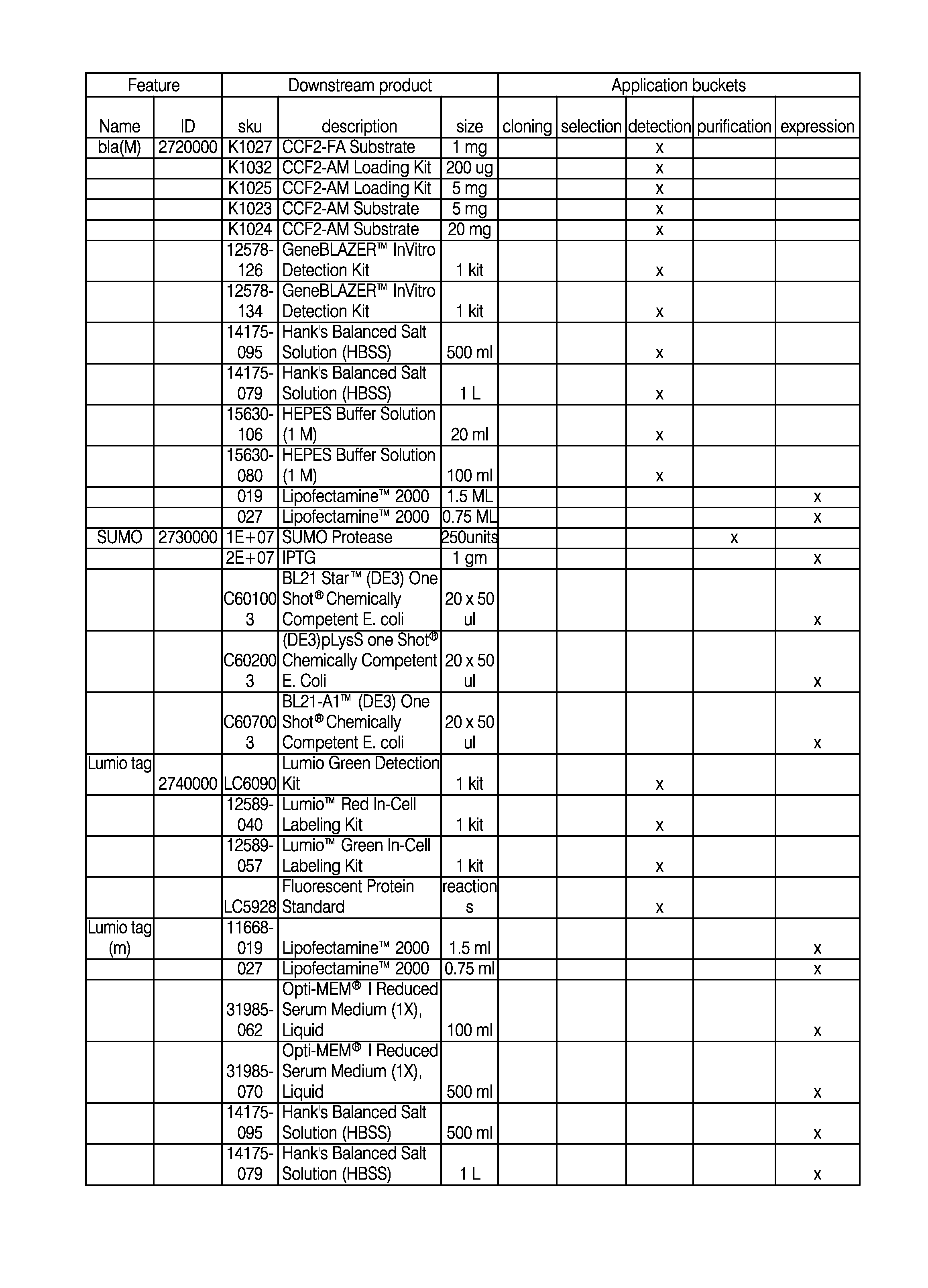
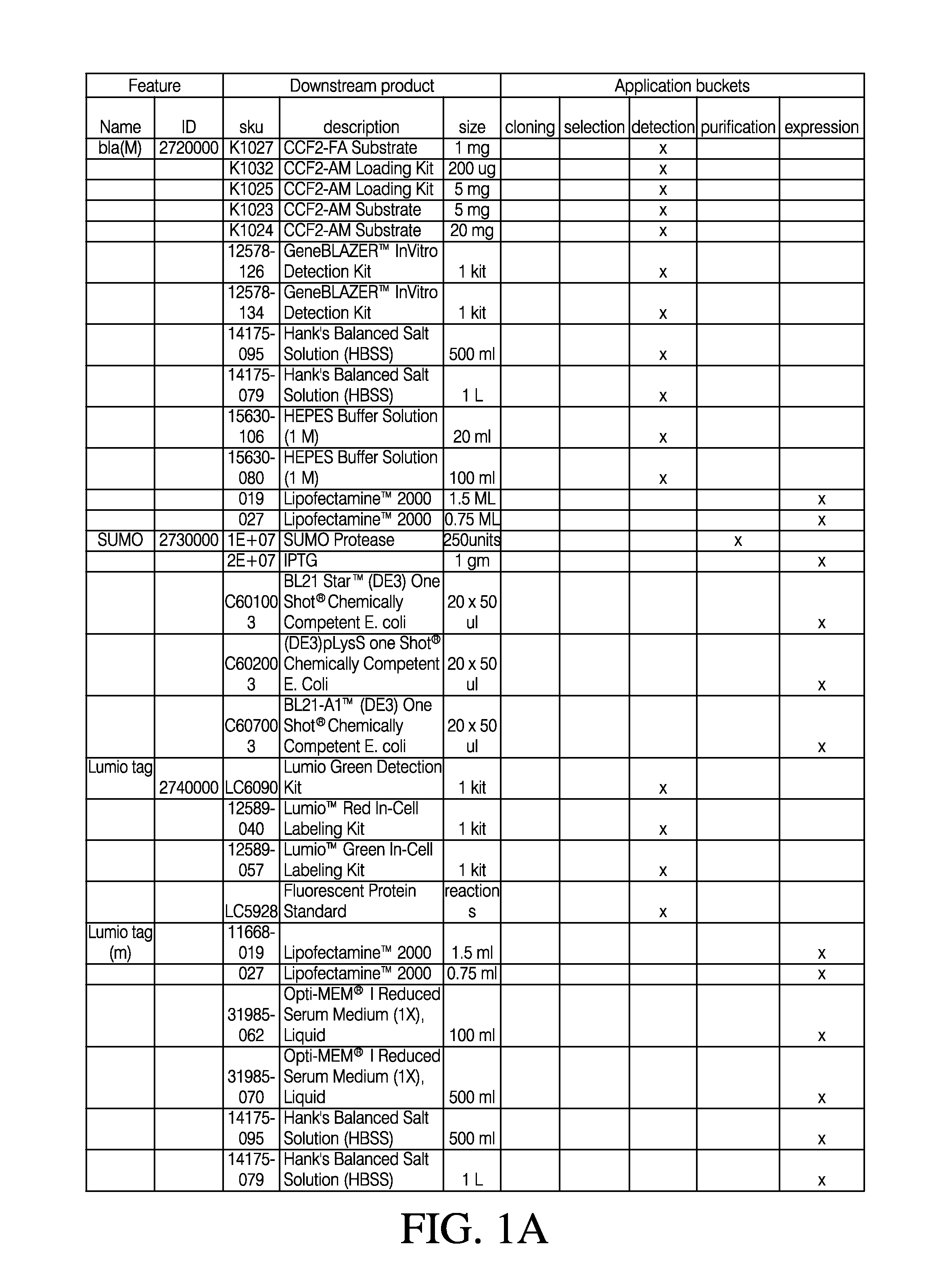
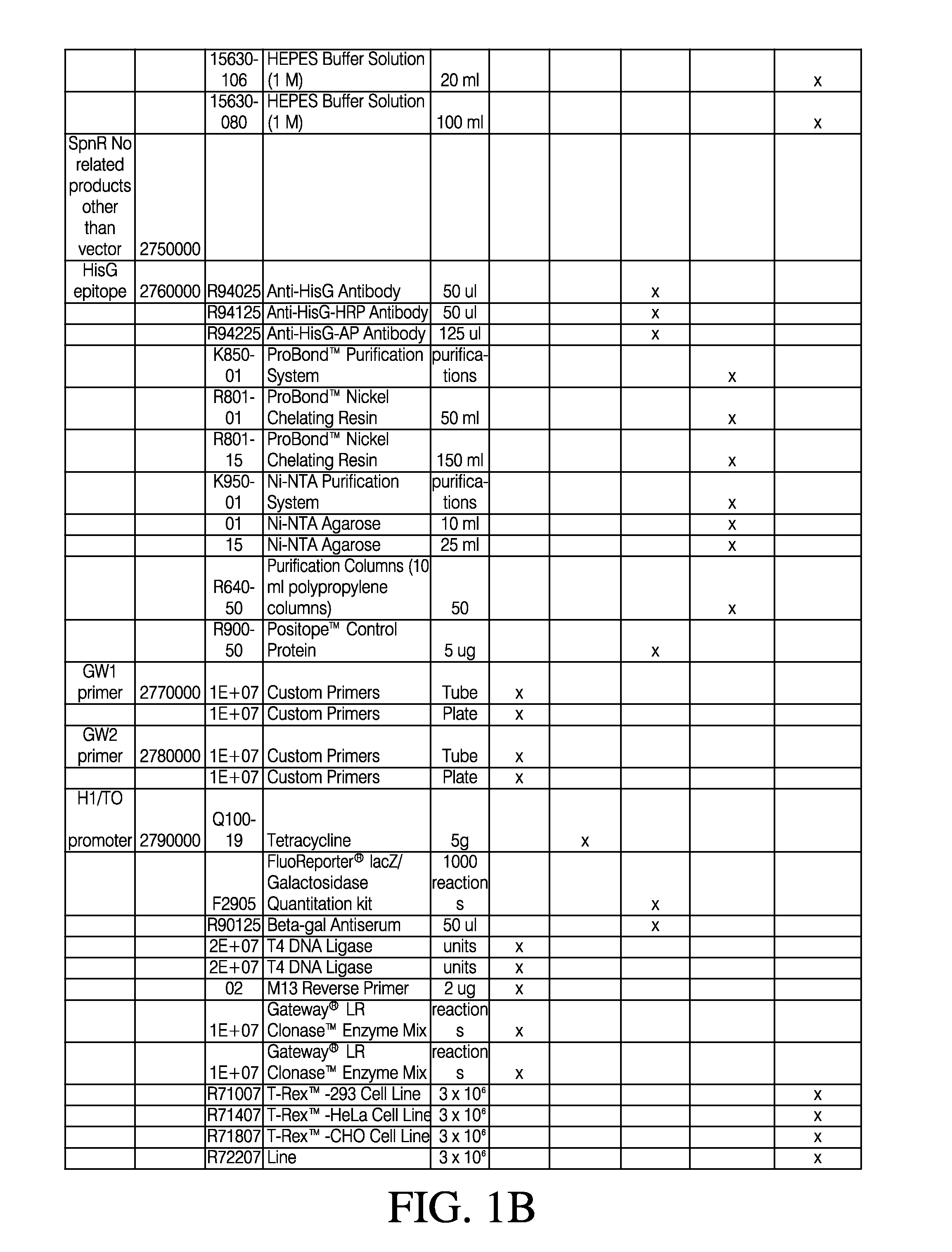
- A method and system for providing an online platform that allows customers to access information and purchase products or services related to biotechnology research, including a computer program for in silico experimental design, which reduces the effort required for researchers by offering a free basic program with links to purchase more advanced features or related products, and a database associating biomolecule features with relevant products.

Methods, systems, and software for identifying BIO-molecules with interacting components
PatentPendingEP4398255A2
Innovation
- The development of sequence-activity models that incorporate non-linear terms, particularly cross-product terms, to predict protein activity by analyzing interactions between sub-units, allowing for the selection and modification of amino acid residues to enhance protein variants' desired properties.


Data Privacy and Regulatory Framework for Digital Biotech
The integration of digital technologies in biotechnology has created unprecedented opportunities for research advancement, yet it simultaneously introduces complex data privacy and regulatory challenges that require comprehensive frameworks to address. As biotech companies increasingly rely on artificial intelligence, cloud computing, and big data analytics to accelerate drug discovery and personalized medicine, the protection of sensitive biological and patient data becomes paramount.
Current regulatory landscapes across major jurisdictions present a patchwork of requirements that biotech companies must navigate. In the United States, the FDA has established guidelines for software as medical devices and AI-based diagnostic tools, while HIPAA governs patient data protection. The European Union's GDPR imposes stringent requirements on personal data processing, with specific implications for genetic and health data. Additionally, the EU's Medical Device Regulation and In Vitro Diagnostic Regulation create additional compliance layers for digital biotech solutions.
The complexity intensifies when considering cross-border data transfers, which are essential for global clinical trials and collaborative research initiatives. Privacy-preserving technologies such as federated learning, homomorphic encryption, and differential privacy are emerging as critical enablers, allowing researchers to derive insights from distributed datasets without compromising individual privacy. These technologies enable pharmaceutical companies to conduct multi-site studies while maintaining compliance with local data residency requirements.
Regulatory bodies are actively developing frameworks to address these challenges. The FDA's Digital Health Center of Excellence provides guidance on digital therapeutics and AI-enabled medical devices, while the EMA has established pathways for adaptive clinical trials using real-world evidence. However, the rapid pace of technological advancement often outpaces regulatory adaptation, creating uncertainty for biotech innovators.
Industry stakeholders are advocating for harmonized international standards that balance innovation with patient protection. The development of regulatory sandboxes and expedited approval pathways for breakthrough digital biotech solutions represents a promising approach to fostering innovation while maintaining safety standards. These frameworks must evolve continuously to address emerging technologies such as quantum computing applications in drug discovery and advanced AI models for biological research.
Current regulatory landscapes across major jurisdictions present a patchwork of requirements that biotech companies must navigate. In the United States, the FDA has established guidelines for software as medical devices and AI-based diagnostic tools, while HIPAA governs patient data protection. The European Union's GDPR imposes stringent requirements on personal data processing, with specific implications for genetic and health data. Additionally, the EU's Medical Device Regulation and In Vitro Diagnostic Regulation create additional compliance layers for digital biotech solutions.
The complexity intensifies when considering cross-border data transfers, which are essential for global clinical trials and collaborative research initiatives. Privacy-preserving technologies such as federated learning, homomorphic encryption, and differential privacy are emerging as critical enablers, allowing researchers to derive insights from distributed datasets without compromising individual privacy. These technologies enable pharmaceutical companies to conduct multi-site studies while maintaining compliance with local data residency requirements.
Regulatory bodies are actively developing frameworks to address these challenges. The FDA's Digital Health Center of Excellence provides guidance on digital therapeutics and AI-enabled medical devices, while the EMA has established pathways for adaptive clinical trials using real-world evidence. However, the rapid pace of technological advancement often outpaces regulatory adaptation, creating uncertainty for biotech innovators.
Industry stakeholders are advocating for harmonized international standards that balance innovation with patient protection. The development of regulatory sandboxes and expedited approval pathways for breakthrough digital biotech solutions represents a promising approach to fostering innovation while maintaining safety standards. These frameworks must evolve continuously to address emerging technologies such as quantum computing applications in drug discovery and advanced AI models for biological research.
AI Ethics and Validation Standards in Biotech Applications
The integration of artificial intelligence in biotechnology research has introduced unprecedented capabilities for data analysis, pattern recognition, and predictive modeling. However, this technological advancement brings forth critical ethical considerations that must be addressed through comprehensive validation frameworks. The biotech industry faces unique challenges in establishing AI ethics standards due to the sensitive nature of biological data, potential impacts on human health, and the complexity of biological systems.
Ethical frameworks in AI-driven biotech applications must prioritize data privacy, algorithmic transparency, and equitable access to technological benefits. The handling of genomic data, patient information, and proprietary research findings requires stringent protocols to prevent misuse or unauthorized access. Additionally, the potential for AI algorithms to perpetuate biases in drug discovery, clinical trial selection, or diagnostic procedures necessitates careful monitoring and corrective measures.
Validation standards for AI systems in biotechnology encompass multiple dimensions including technical performance, regulatory compliance, and ethical adherence. These standards must address the reproducibility of AI-generated results, the interpretability of machine learning models, and the reliability of predictions in biological contexts. The dynamic nature of biological systems requires validation protocols that can adapt to evolving datasets and changing research parameters.
Regulatory bodies worldwide are developing specific guidelines for AI applications in biotechnology, with emphasis on risk assessment methodologies and quality assurance protocols. The FDA, EMA, and other regulatory agencies are establishing frameworks that balance innovation encouragement with safety assurance. These regulations focus on algorithm validation, data integrity, and the establishment of clear accountability chains for AI-driven decisions.
Industry stakeholders are collaborating to establish best practices for ethical AI implementation, including the development of standardized testing procedures, bias detection mechanisms, and continuous monitoring systems. The establishment of ethics review boards specifically for AI applications in biotech research is becoming increasingly common, ensuring that technological advancement aligns with societal values and scientific integrity principles.
Ethical frameworks in AI-driven biotech applications must prioritize data privacy, algorithmic transparency, and equitable access to technological benefits. The handling of genomic data, patient information, and proprietary research findings requires stringent protocols to prevent misuse or unauthorized access. Additionally, the potential for AI algorithms to perpetuate biases in drug discovery, clinical trial selection, or diagnostic procedures necessitates careful monitoring and corrective measures.
Validation standards for AI systems in biotechnology encompass multiple dimensions including technical performance, regulatory compliance, and ethical adherence. These standards must address the reproducibility of AI-generated results, the interpretability of machine learning models, and the reliability of predictions in biological contexts. The dynamic nature of biological systems requires validation protocols that can adapt to evolving datasets and changing research parameters.
Regulatory bodies worldwide are developing specific guidelines for AI applications in biotechnology, with emphasis on risk assessment methodologies and quality assurance protocols. The FDA, EMA, and other regulatory agencies are establishing frameworks that balance innovation encouragement with safety assurance. These regulations focus on algorithm validation, data integrity, and the establishment of clear accountability chains for AI-driven decisions.
Industry stakeholders are collaborating to establish best practices for ethical AI implementation, including the development of standardized testing procedures, bias detection mechanisms, and continuous monitoring systems. The establishment of ethics review boards specifically for AI applications in biotech research is becoming increasingly common, ensuring that technological advancement aligns with societal values and scientific integrity principles.
Unlock deeper insights with PatSnap Eureka Quick Research — get a full tech report to explore trends and direct your research. Try now!
Generate Your Research Report Instantly with AI Agent
Supercharge your innovation with PatSnap Eureka AI Agent Platform!