Digital Tech in Gaming: Enhancing User Experience
FEB 24, 20269 MIN READ
Generate Your Research Report Instantly with AI Agent
Patsnap Eureka helps you evaluate technical feasibility & market potential.
Digital Gaming Tech Background and UX Goals
The digital gaming industry has undergone a remarkable transformation since its inception in the 1970s, evolving from simple arcade games to sophisticated interactive entertainment ecosystems. This evolution has been fundamentally driven by the pursuit of enhanced user experience, transforming gaming from a niche hobby into a mainstream cultural phenomenon worth over $200 billion globally. The convergence of advanced computing power, sophisticated graphics engines, and innovative interaction paradigms has redefined what constitutes engaging digital entertainment.
The historical trajectory of gaming technology reveals distinct phases of innovation, each marked by breakthrough technologies that fundamentally altered user expectations. The transition from 2D sprite-based graphics to 3D polygonal rendering in the 1990s established visual fidelity as a primary differentiator. Subsequently, the introduction of physics engines, advanced lighting systems, and procedural generation techniques has continuously raised the bar for immersive experiences.
Contemporary gaming technology encompasses a diverse array of disciplines including real-time rendering, artificial intelligence, network architecture, and human-computer interaction. The integration of cloud computing, edge processing, and 5G connectivity has enabled new paradigms such as streaming games and cross-platform synchronization, fundamentally altering how users access and interact with gaming content.
The primary objective of modern digital gaming technology centers on creating seamless, immersive, and personalized user experiences that transcend traditional entertainment boundaries. This involves optimizing performance across diverse hardware configurations while maintaining consistent quality standards. Key technical goals include achieving sub-20ms input latency, maintaining stable frame rates above 60fps, and delivering adaptive content that responds intelligently to user behavior patterns.
Emerging technologies such as ray tracing, machine learning-driven procedural content generation, and haptic feedback systems represent the current frontier in user experience enhancement. These technologies aim to create more realistic visual environments, generate infinite content variations, and provide multi-sensory engagement that bridges the gap between virtual and physical experiences.
The ultimate vision driving digital gaming technology development is the creation of persistent, interconnected virtual worlds that offer meaningful social interactions, creative expression opportunities, and personalized entertainment experiences. This ambitious goal requires addressing complex technical challenges including scalable server architectures, advanced AI systems, and sophisticated user interface designs that accommodate diverse player preferences and accessibility requirements.
The historical trajectory of gaming technology reveals distinct phases of innovation, each marked by breakthrough technologies that fundamentally altered user expectations. The transition from 2D sprite-based graphics to 3D polygonal rendering in the 1990s established visual fidelity as a primary differentiator. Subsequently, the introduction of physics engines, advanced lighting systems, and procedural generation techniques has continuously raised the bar for immersive experiences.
Contemporary gaming technology encompasses a diverse array of disciplines including real-time rendering, artificial intelligence, network architecture, and human-computer interaction. The integration of cloud computing, edge processing, and 5G connectivity has enabled new paradigms such as streaming games and cross-platform synchronization, fundamentally altering how users access and interact with gaming content.
The primary objective of modern digital gaming technology centers on creating seamless, immersive, and personalized user experiences that transcend traditional entertainment boundaries. This involves optimizing performance across diverse hardware configurations while maintaining consistent quality standards. Key technical goals include achieving sub-20ms input latency, maintaining stable frame rates above 60fps, and delivering adaptive content that responds intelligently to user behavior patterns.
Emerging technologies such as ray tracing, machine learning-driven procedural content generation, and haptic feedback systems represent the current frontier in user experience enhancement. These technologies aim to create more realistic visual environments, generate infinite content variations, and provide multi-sensory engagement that bridges the gap between virtual and physical experiences.
The ultimate vision driving digital gaming technology development is the creation of persistent, interconnected virtual worlds that offer meaningful social interactions, creative expression opportunities, and personalized entertainment experiences. This ambitious goal requires addressing complex technical challenges including scalable server architectures, advanced AI systems, and sophisticated user interface designs that accommodate diverse player preferences and accessibility requirements.
Gaming Market Demand for Enhanced User Experience
The gaming industry has experienced unprecedented growth in recent years, driven by technological advancements and evolving consumer expectations for immersive digital experiences. Market demand for enhanced user experience has become a critical differentiator, with players increasingly seeking more engaging, personalized, and seamless gaming interactions across multiple platforms and devices.
Consumer behavior analysis reveals a significant shift toward experience-driven gaming preferences. Modern gamers prioritize visual fidelity, responsive controls, social connectivity, and personalized content over traditional gameplay mechanics alone. This transformation has created substantial market opportunities for companies developing advanced user experience technologies, including real-time rendering engines, adaptive AI systems, and cross-platform integration solutions.
The mobile gaming segment demonstrates particularly strong demand for enhanced user experiences, as smartphone and tablet users expect console-quality graphics and performance on portable devices. Cloud gaming services have further amplified this demand by enabling high-end gaming experiences on lower-specification hardware, creating new market segments and expanding the addressable user base significantly.
Emerging demographics, particularly Generation Z and younger millennials, exhibit distinct preferences for socially integrated gaming experiences that seamlessly blend entertainment with community interaction. This demographic shift has generated substantial market demand for technologies enabling real-time multiplayer experiences, integrated streaming capabilities, and social media connectivity within gaming environments.
Virtual and augmented reality gaming markets represent rapidly expanding segments where enhanced user experience technologies are essential for market viability. These platforms require sophisticated motion tracking, haptic feedback systems, and advanced display technologies to deliver compelling user experiences that justify premium pricing and drive adoption rates.
The competitive landscape has intensified as traditional gaming companies face challenges from technology giants and streaming platforms entering the gaming market. This competition has accelerated investment in user experience enhancement technologies, creating robust market demand for innovative solutions that can provide sustainable competitive advantages.
Enterprise and educational gaming applications have emerged as significant market segments, requiring specialized user experience technologies that balance engagement with productivity and learning objectives. These markets demand adaptive interfaces, progress tracking systems, and integration capabilities with existing enterprise software ecosystems.
Consumer behavior analysis reveals a significant shift toward experience-driven gaming preferences. Modern gamers prioritize visual fidelity, responsive controls, social connectivity, and personalized content over traditional gameplay mechanics alone. This transformation has created substantial market opportunities for companies developing advanced user experience technologies, including real-time rendering engines, adaptive AI systems, and cross-platform integration solutions.
The mobile gaming segment demonstrates particularly strong demand for enhanced user experiences, as smartphone and tablet users expect console-quality graphics and performance on portable devices. Cloud gaming services have further amplified this demand by enabling high-end gaming experiences on lower-specification hardware, creating new market segments and expanding the addressable user base significantly.
Emerging demographics, particularly Generation Z and younger millennials, exhibit distinct preferences for socially integrated gaming experiences that seamlessly blend entertainment with community interaction. This demographic shift has generated substantial market demand for technologies enabling real-time multiplayer experiences, integrated streaming capabilities, and social media connectivity within gaming environments.
Virtual and augmented reality gaming markets represent rapidly expanding segments where enhanced user experience technologies are essential for market viability. These platforms require sophisticated motion tracking, haptic feedback systems, and advanced display technologies to deliver compelling user experiences that justify premium pricing and drive adoption rates.
The competitive landscape has intensified as traditional gaming companies face challenges from technology giants and streaming platforms entering the gaming market. This competition has accelerated investment in user experience enhancement technologies, creating robust market demand for innovative solutions that can provide sustainable competitive advantages.
Enterprise and educational gaming applications have emerged as significant market segments, requiring specialized user experience technologies that balance engagement with productivity and learning objectives. These markets demand adaptive interfaces, progress tracking systems, and integration capabilities with existing enterprise software ecosystems.
Current State of Digital Gaming UX Technologies
The digital gaming industry has witnessed unprecedented technological advancement in user experience design, with current solutions spanning multiple domains from visual rendering to haptic feedback systems. Modern gaming platforms leverage sophisticated graphics processing units capable of real-time ray tracing, enabling photorealistic lighting and reflections that create immersive visual environments previously unattainable in consumer hardware.
Artificial intelligence integration has become a cornerstone of contemporary gaming UX, with machine learning algorithms powering dynamic difficulty adjustment systems that analyze player behavior patterns in real-time. These systems automatically modify game parameters to maintain optimal challenge levels, ensuring sustained engagement without frustration. Natural language processing technologies enable more sophisticated non-player character interactions, creating conversational experiences that adapt to individual player communication styles.
Cloud gaming infrastructure represents a significant shift in how users access gaming content, with major platforms like Google Stadia, NVIDIA GeForce Now, and Microsoft xCloud delivering high-fidelity gaming experiences through streaming technologies. These solutions eliminate hardware barriers while introducing new challenges related to latency optimization and bandwidth management, requiring advanced compression algorithms and edge computing deployment strategies.
Virtual and augmented reality technologies have matured considerably, with current headset solutions offering improved resolution, reduced motion sickness, and enhanced tracking accuracy. Hand tracking systems now provide sub-millimeter precision, while eye-tracking integration enables foveated rendering techniques that optimize computational resources by rendering high detail only where users are looking.
Cross-platform compatibility has evolved beyond simple game availability, encompassing synchronized save states, unified friend systems, and seamless progression tracking across multiple devices. Modern gaming ecosystems employ sophisticated backend architectures that maintain consistent user experiences whether playing on mobile devices, consoles, or personal computers.
Accessibility technologies have gained prominence, with current implementations including customizable control schemes, visual impairment support through audio cues, and cognitive accessibility features. These solutions demonstrate the industry's commitment to inclusive design principles while expanding potential user bases.
However, significant technical challenges persist, particularly in areas of latency reduction for cloud gaming, battery optimization for mobile platforms, and standardization across diverse hardware configurations. Network infrastructure limitations continue to constrain the deployment of bandwidth-intensive features, while privacy concerns surrounding data collection for personalization algorithms require careful balance between user experience enhancement and data protection compliance.
Artificial intelligence integration has become a cornerstone of contemporary gaming UX, with machine learning algorithms powering dynamic difficulty adjustment systems that analyze player behavior patterns in real-time. These systems automatically modify game parameters to maintain optimal challenge levels, ensuring sustained engagement without frustration. Natural language processing technologies enable more sophisticated non-player character interactions, creating conversational experiences that adapt to individual player communication styles.
Cloud gaming infrastructure represents a significant shift in how users access gaming content, with major platforms like Google Stadia, NVIDIA GeForce Now, and Microsoft xCloud delivering high-fidelity gaming experiences through streaming technologies. These solutions eliminate hardware barriers while introducing new challenges related to latency optimization and bandwidth management, requiring advanced compression algorithms and edge computing deployment strategies.
Virtual and augmented reality technologies have matured considerably, with current headset solutions offering improved resolution, reduced motion sickness, and enhanced tracking accuracy. Hand tracking systems now provide sub-millimeter precision, while eye-tracking integration enables foveated rendering techniques that optimize computational resources by rendering high detail only where users are looking.
Cross-platform compatibility has evolved beyond simple game availability, encompassing synchronized save states, unified friend systems, and seamless progression tracking across multiple devices. Modern gaming ecosystems employ sophisticated backend architectures that maintain consistent user experiences whether playing on mobile devices, consoles, or personal computers.
Accessibility technologies have gained prominence, with current implementations including customizable control schemes, visual impairment support through audio cues, and cognitive accessibility features. These solutions demonstrate the industry's commitment to inclusive design principles while expanding potential user bases.
However, significant technical challenges persist, particularly in areas of latency reduction for cloud gaming, battery optimization for mobile platforms, and standardization across diverse hardware configurations. Network infrastructure limitations continue to constrain the deployment of bandwidth-intensive features, while privacy concerns surrounding data collection for personalization algorithms require careful balance between user experience enhancement and data protection compliance.
Current Digital Solutions for Gaming UX Enhancement
01 User interface personalization and customization systems
Digital technologies enable personalized user experiences through adaptive interfaces that learn from user behavior and preferences. Systems can automatically adjust display settings, content presentation, and interaction methods based on individual user patterns. Machine learning algorithms analyze user interactions to optimize interface elements and provide tailored recommendations. These personalization systems enhance user satisfaction by creating intuitive and responsive digital environments that adapt to specific user needs and contexts.- User interface personalization and customization systems: Digital technology systems can implement personalized user experiences through adaptive interfaces that learn from user behavior and preferences. These systems utilize machine learning algorithms to analyze user interactions and automatically adjust interface elements, content presentation, and feature accessibility. The personalization can include customized dashboards, tailored content recommendations, and adaptive navigation structures that evolve based on individual usage patterns.
- Multi-modal interaction and accessibility features: Enhanced user experience through multiple interaction modalities including voice commands, gesture recognition, touch interfaces, and haptic feedback. These technologies enable users to interact with digital systems through their preferred methods while ensuring accessibility for users with different abilities. The systems can seamlessly switch between interaction modes and provide consistent experiences across various input methods.
- Real-time performance optimization and response systems: Technologies focused on improving system responsiveness and reducing latency in digital interactions. These solutions monitor user actions and system performance in real-time, dynamically allocating resources and optimizing processing to ensure smooth and immediate feedback. The systems can predict user needs and preload content or features to minimize wait times and enhance overall interaction fluidity.
- Context-aware and intelligent assistance systems: Digital platforms that provide contextual help and intelligent guidance based on user location, activity, and historical behavior. These systems can anticipate user needs, offer proactive suggestions, and provide relevant information at appropriate times. The technology integrates environmental sensors, user data analytics, and predictive algorithms to deliver timely and relevant assistance without requiring explicit user requests.
- Cross-platform consistency and seamless integration: Solutions ensuring unified user experiences across multiple devices and platforms, allowing users to transition seamlessly between desktop, mobile, and other digital touchpoints. These technologies synchronize user preferences, session states, and data across different environments while maintaining consistent interface design and functionality. The systems support continuous workflows where users can start tasks on one device and complete them on another without disruption.
02 Interactive feedback and engagement mechanisms
Enhanced user experience is achieved through real-time feedback systems that provide immediate responses to user actions. These mechanisms include haptic feedback, visual cues, and audio signals that confirm user inputs and guide interactions. Engagement is improved through gamification elements, progress indicators, and reward systems that motivate continued use. The integration of multi-sensory feedback creates more immersive and satisfying digital interactions that keep users engaged and informed throughout their experience.Expand Specific Solutions03 Accessibility and inclusive design features
Digital platforms incorporate accessibility features to ensure usability across diverse user populations with varying abilities. These include voice control options, screen readers, adjustable text sizes, and high-contrast display modes. Inclusive design principles ensure that interfaces accommodate users with visual, auditory, motor, or cognitive impairments. Universal design approaches create experiences that are intuitive and accessible to all users regardless of their technical proficiency or physical capabilities.Expand Specific Solutions04 Performance optimization and response time enhancement
User experience is significantly improved through technical optimizations that reduce latency and increase system responsiveness. Caching strategies, efficient data processing algorithms, and streamlined code execution minimize loading times and ensure smooth interactions. Performance monitoring tools identify bottlenecks and enable continuous improvement of system speed. Fast response times and seamless transitions between different application states create fluid user experiences that meet modern expectations for digital product performance.Expand Specific Solutions05 Cross-platform consistency and seamless integration
Modern digital experiences maintain consistency across multiple devices and platforms, allowing users to transition seamlessly between desktop, mobile, and tablet interfaces. Synchronized data and settings ensure continuity of experience regardless of the access point. Cloud-based architectures enable real-time synchronization of user preferences and content across different devices. Responsive design frameworks automatically adapt layouts and functionality to different screen sizes and input methods while maintaining a cohesive brand experience and familiar interaction patterns.Expand Specific Solutions
Major Players in Digital Gaming Tech Industry
The digital technology in gaming sector is experiencing rapid growth with the market reaching maturity in established segments while emerging technologies like cloud gaming and VR continue to evolve. The competitive landscape is dominated by established console manufacturers Sony Interactive Entertainment and Microsoft, alongside traditional gaming giants like Konami Digital Entertainment, BANDAI NAMCO Entertainment, and Sega Group Corp. Technology infrastructure providers such as QUALCOMM and Apple contribute essential hardware capabilities, while companies like NetEase and Playtika focus on mobile and social gaming innovations. The industry shows high technical maturity in traditional gaming platforms, with newer technologies like AI-enhanced gaming experiences and cross-platform integration still developing. Market consolidation continues as companies leverage their technological expertise to enhance user engagement through immersive experiences, personalized content, and seamless multi-device gaming ecosystems.
Sony Interactive Entertainment LLC
Technical Solution: Sony Interactive Entertainment leverages advanced haptic feedback technology through the DualSense controller, featuring adaptive triggers and 3D audio processing to create immersive gaming experiences. Their PlayStation 5 console incorporates custom SSD architecture with dedicated decompression units, enabling near-instantaneous loading times and seamless world streaming. The company also implements ray tracing technology and variable rate shading to enhance visual fidelity while maintaining performance optimization. Additionally, Sony integrates AI-driven game assistance features and personalized content recommendations to improve user engagement and accessibility across their gaming ecosystem.
Strengths: Industry-leading haptic technology and exclusive AAA game titles with strong brand loyalty. Weaknesses: Limited cross-platform compatibility and higher hardware costs compared to competitors.
NetEase (Hangzhou) Network Co. Ltd.
Technical Solution: NetEase implements advanced AI-driven personalization engines that analyze player behavior patterns to deliver customized content recommendations and dynamic difficulty adjustment in real-time. Their mobile gaming platforms utilize edge computing technology to reduce latency and improve responsiveness, particularly for multiplayer online games. The company employs sophisticated anti-cheat systems powered by machine learning algorithms that can detect anomalous player behavior and maintain fair gaming environments. NetEase also integrates social gaming features with real-time voice translation capabilities, enabling seamless communication between players from different linguistic backgrounds, thereby enhancing the global multiplayer gaming experience.
Strengths: Strong mobile gaming expertise with advanced AI personalization and large user base in Asian markets. Weaknesses: Limited presence in Western console gaming markets and regulatory challenges in international expansion.
Core Digital Innovations in Gaming User Experience
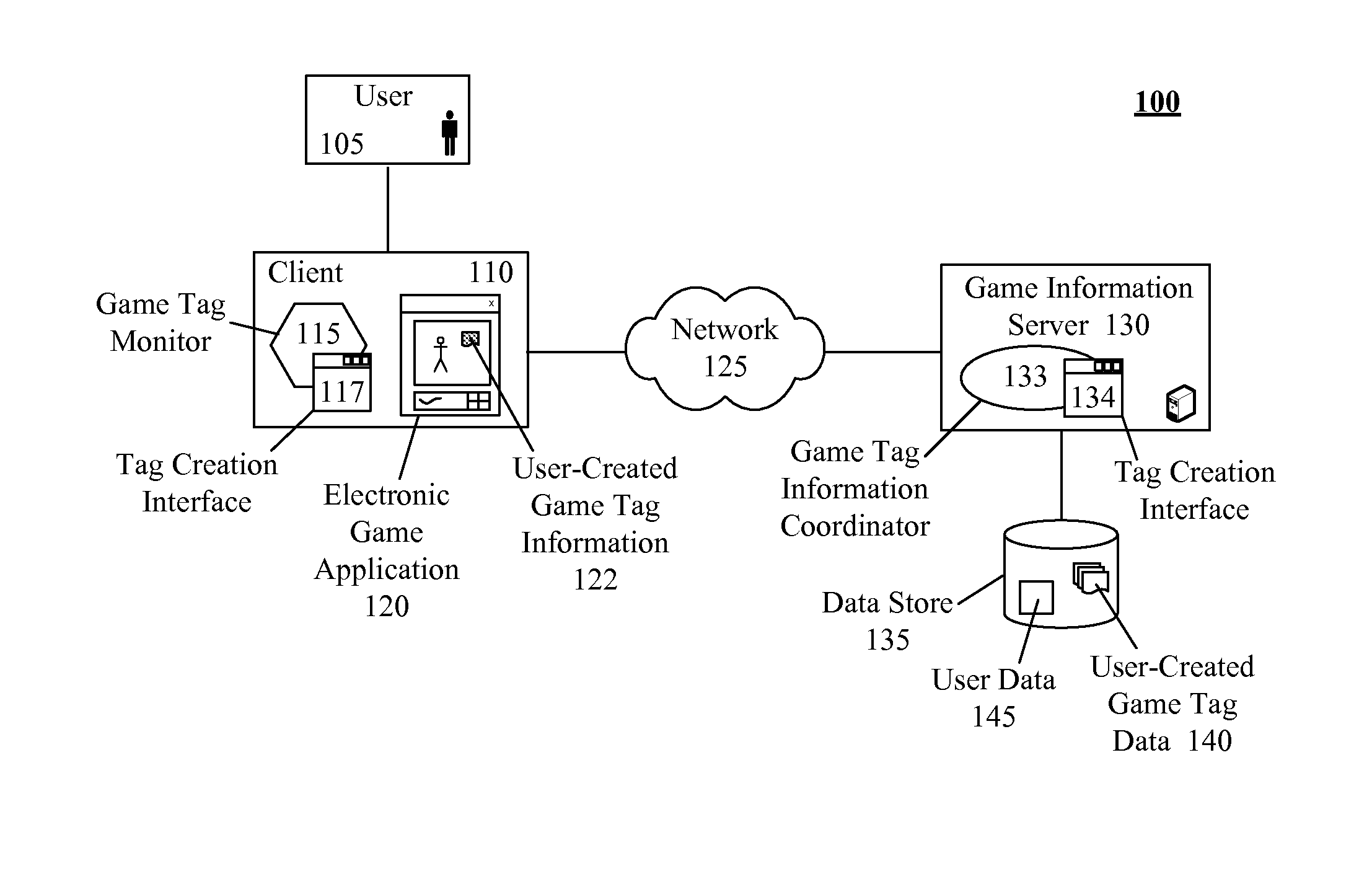
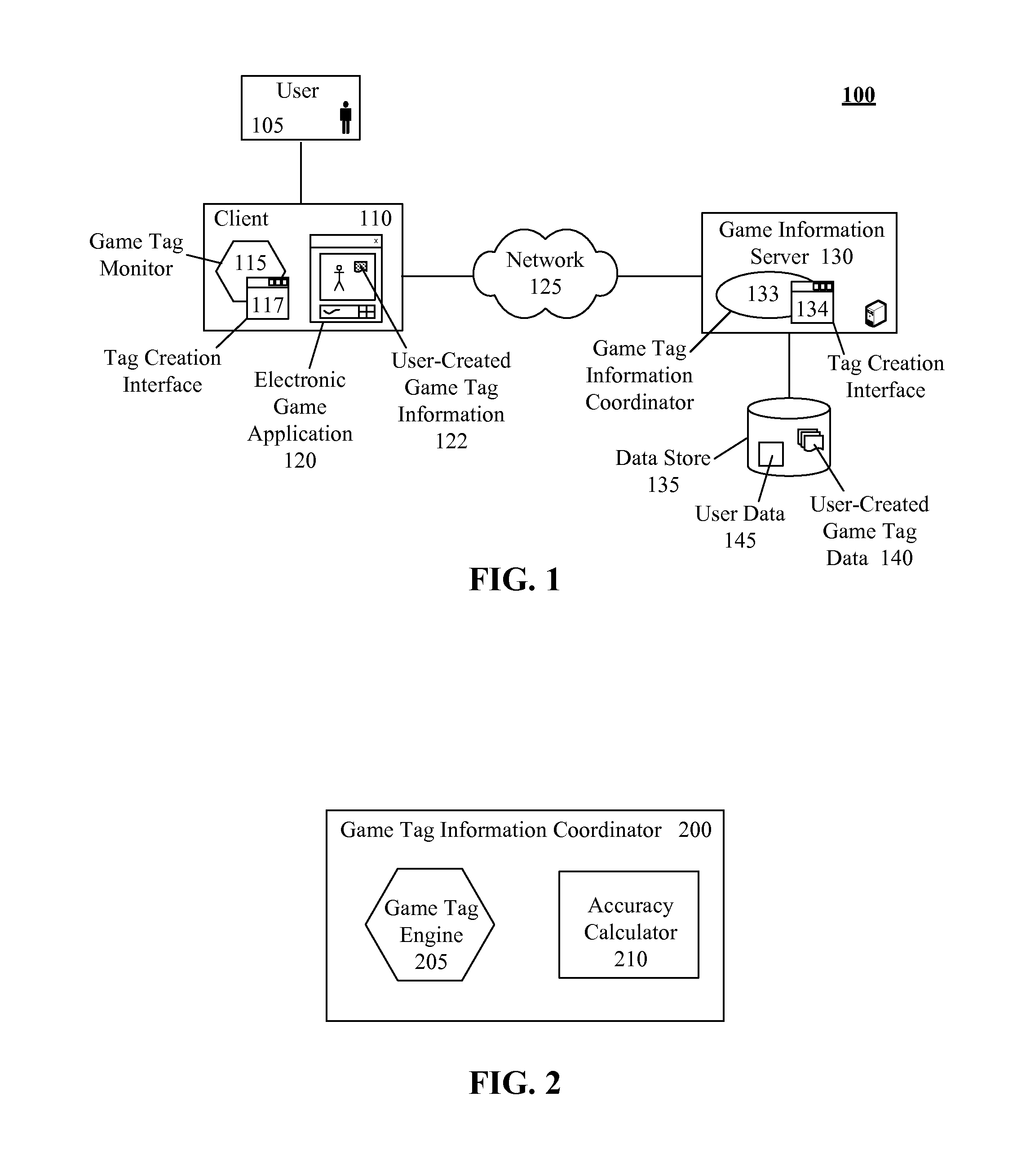
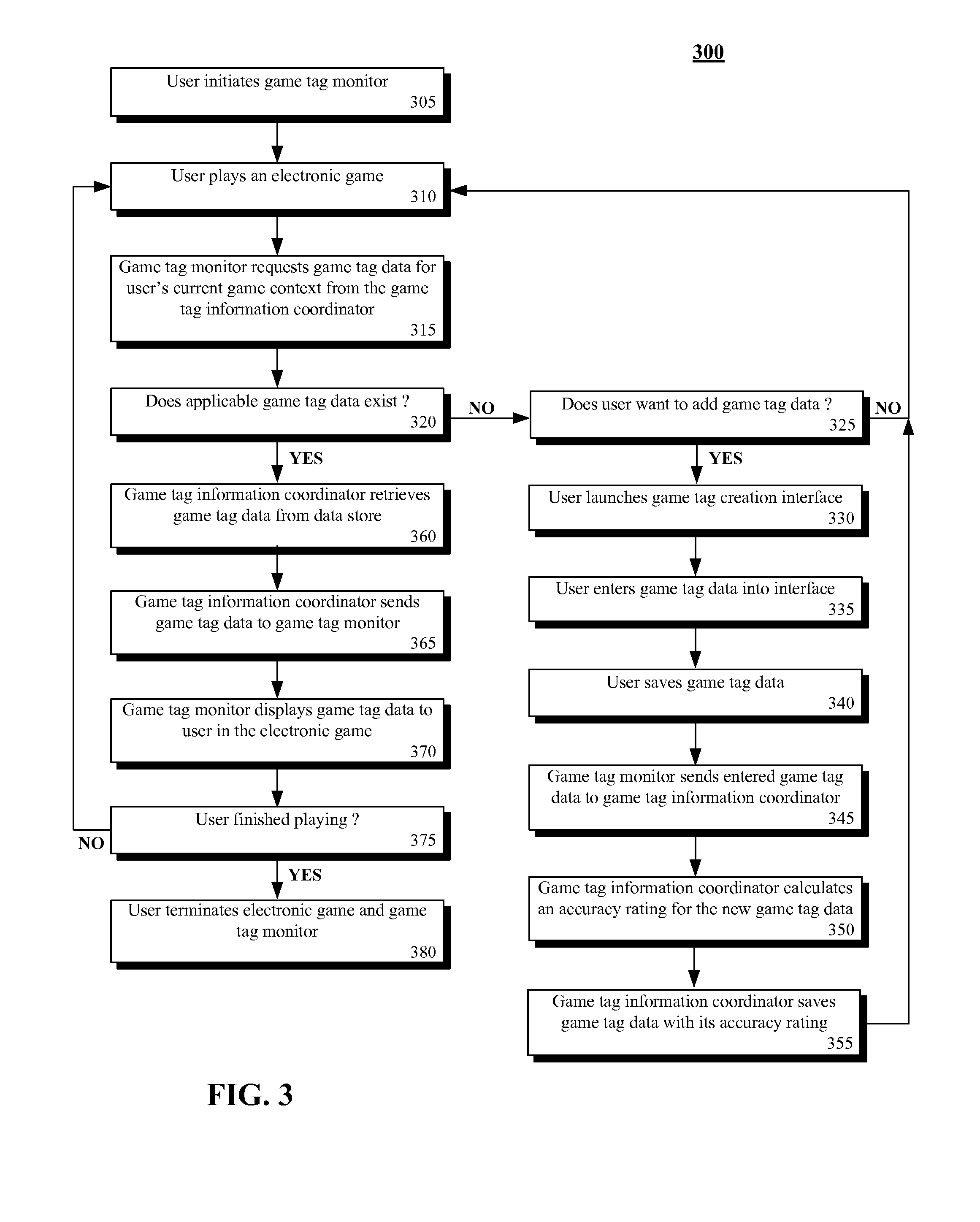
Solution for enhancing the user experience of an electronic game by making user-created game data available in context during gameplay
PatentInactiveUS20090118015A1
Innovation
- A system that integrates user-created game tag information directly into the game, using a game tag monitor and coordinator to retrieve and display relevant data with accuracy ratings, allowing seamless in-game access and sharing of hints, tips, and cheats, while assessing the trustworthiness of the information.
Techniques for video game input compensation and related systems and methods
PatentWO2021041411A1
Innovation
- The technique involves taking snapshots of the video game over time to adjust the pose of a user's input device, allowing for a more accurate determination of user inputs by analyzing historical data to align with the user's intended action, thereby improving gameplay accuracy and fairness.


Gaming Industry Standards and Platform Policies
The gaming industry operates within a complex framework of standards and policies that significantly influence how digital technologies can be implemented to enhance user experience. These regulatory and policy structures vary across different platforms, regions, and gaming segments, creating both opportunities and constraints for technological innovation.
Platform-specific policies represent one of the most critical considerations for gaming technology development. Major console manufacturers like Sony, Microsoft, and Nintendo maintain strict certification requirements that govern everything from performance benchmarks to user interface standards. These policies directly impact how developers can implement emerging technologies such as ray tracing, haptic feedback, and adaptive audio systems. Mobile platforms including iOS and Android impose additional constraints through app store guidelines that affect monetization models, data collection practices, and cross-platform integration capabilities.
Regional regulatory frameworks add another layer of complexity to gaming technology deployment. The European Union's GDPR regulations significantly influence how user data can be collected and processed for personalization features, while China's gaming regulations affect online connectivity features and content delivery mechanisms. These varying regulatory environments require technology solutions to be adaptable and compliant across multiple jurisdictions, often necessitating region-specific implementations of the same core technologies.
Industry standards organizations play a crucial role in establishing technical specifications that enable interoperability and quality assurance. The Entertainment Software Rating Board (ESRB) and similar organizations worldwide influence how content filtering and parental control technologies must be implemented. Additionally, accessibility standards such as those outlined by the AbleGamers organization are increasingly shaping how user interface technologies and adaptive gaming features must be designed to ensure inclusive experiences.
Emerging policy areas present both challenges and opportunities for next-generation gaming technologies. Privacy regulations are evolving to address concerns around biometric data collection from advanced input devices, while net neutrality policies affect cloud gaming and streaming technology implementations. Cross-platform play policies continue to evolve, influencing how developers approach unified user experience design across different gaming ecosystems.
The intersection of these standards and policies creates a dynamic environment where technological innovation must balance user experience enhancement with regulatory compliance, platform requirements, and industry best practices.
Platform-specific policies represent one of the most critical considerations for gaming technology development. Major console manufacturers like Sony, Microsoft, and Nintendo maintain strict certification requirements that govern everything from performance benchmarks to user interface standards. These policies directly impact how developers can implement emerging technologies such as ray tracing, haptic feedback, and adaptive audio systems. Mobile platforms including iOS and Android impose additional constraints through app store guidelines that affect monetization models, data collection practices, and cross-platform integration capabilities.
Regional regulatory frameworks add another layer of complexity to gaming technology deployment. The European Union's GDPR regulations significantly influence how user data can be collected and processed for personalization features, while China's gaming regulations affect online connectivity features and content delivery mechanisms. These varying regulatory environments require technology solutions to be adaptable and compliant across multiple jurisdictions, often necessitating region-specific implementations of the same core technologies.
Industry standards organizations play a crucial role in establishing technical specifications that enable interoperability and quality assurance. The Entertainment Software Rating Board (ESRB) and similar organizations worldwide influence how content filtering and parental control technologies must be implemented. Additionally, accessibility standards such as those outlined by the AbleGamers organization are increasingly shaping how user interface technologies and adaptive gaming features must be designed to ensure inclusive experiences.
Emerging policy areas present both challenges and opportunities for next-generation gaming technologies. Privacy regulations are evolving to address concerns around biometric data collection from advanced input devices, while net neutrality policies affect cloud gaming and streaming technology implementations. Cross-platform play policies continue to evolve, influencing how developers approach unified user experience design across different gaming ecosystems.
The intersection of these standards and policies creates a dynamic environment where technological innovation must balance user experience enhancement with regulatory compliance, platform requirements, and industry best practices.
Emerging Technologies Impact on Gaming UX
The gaming industry is experiencing a transformative wave driven by emerging technologies that fundamentally reshape user experience paradigms. These technological innovations are not merely incremental improvements but represent paradigm shifts that redefine how players interact with digital entertainment environments. The convergence of multiple technological domains creates unprecedented opportunities for immersive and personalized gaming experiences.
Artificial intelligence and machine learning algorithms are revolutionizing game personalization by analyzing player behavior patterns in real-time. These systems dynamically adjust difficulty levels, generate personalized content, and create adaptive narratives that respond to individual player preferences. AI-driven procedural generation enables infinite content creation, ensuring unique experiences for each gaming session while maintaining engagement through intelligent challenge scaling.
Virtual and augmented reality technologies are breaking traditional boundaries between physical and digital realms. VR creates fully immersive environments that transport players into alternate realities, while AR overlays digital elements onto real-world settings. These technologies enable new interaction modalities through gesture recognition, spatial tracking, and haptic feedback systems, creating multi-sensory gaming experiences that engage players on unprecedented levels.
Cloud gaming infrastructure is democratizing access to high-quality gaming experiences by eliminating hardware constraints. Edge computing reduces latency to near-zero levels, enabling real-time streaming of computationally intensive games to any device. This technological shift transforms gaming from a hardware-dependent activity to a service-based model, expanding market reach and enabling cross-platform continuity.
Blockchain technology and non-fungible tokens are introducing new economic models within gaming ecosystems. These technologies enable true digital ownership, cross-game asset portability, and decentralized gaming economies. Players can now own, trade, and monetize in-game assets across multiple platforms, creating sustainable value propositions that extend beyond traditional gaming boundaries.
The integration of Internet of Things devices and wearable technology creates ambient gaming experiences that extend beyond traditional gaming sessions. Biometric sensors monitor player physiological responses, enabling games to adapt based on stress levels, attention spans, and emotional states. This physiological integration creates more responsive and emotionally intelligent gaming systems.
Artificial intelligence and machine learning algorithms are revolutionizing game personalization by analyzing player behavior patterns in real-time. These systems dynamically adjust difficulty levels, generate personalized content, and create adaptive narratives that respond to individual player preferences. AI-driven procedural generation enables infinite content creation, ensuring unique experiences for each gaming session while maintaining engagement through intelligent challenge scaling.
Virtual and augmented reality technologies are breaking traditional boundaries between physical and digital realms. VR creates fully immersive environments that transport players into alternate realities, while AR overlays digital elements onto real-world settings. These technologies enable new interaction modalities through gesture recognition, spatial tracking, and haptic feedback systems, creating multi-sensory gaming experiences that engage players on unprecedented levels.
Cloud gaming infrastructure is democratizing access to high-quality gaming experiences by eliminating hardware constraints. Edge computing reduces latency to near-zero levels, enabling real-time streaming of computationally intensive games to any device. This technological shift transforms gaming from a hardware-dependent activity to a service-based model, expanding market reach and enabling cross-platform continuity.
Blockchain technology and non-fungible tokens are introducing new economic models within gaming ecosystems. These technologies enable true digital ownership, cross-game asset portability, and decentralized gaming economies. Players can now own, trade, and monetize in-game assets across multiple platforms, creating sustainable value propositions that extend beyond traditional gaming boundaries.
The integration of Internet of Things devices and wearable technology creates ambient gaming experiences that extend beyond traditional gaming sessions. Biometric sensors monitor player physiological responses, enabling games to adapt based on stress levels, attention spans, and emotional states. This physiological integration creates more responsive and emotionally intelligent gaming systems.
Unlock deeper insights with Patsnap Eureka Quick Research — get a full tech report to explore trends and direct your research. Try now!
Generate Your Research Report Instantly with AI Agent
Supercharge your innovation with Patsnap Eureka AI Agent Platform!