

Digital Tech Vs Manual Systems: Error Reduction Metrics
FEB 25, 20269 MIN READ
Generate Your Research Report Instantly with AI Agent
Patsnap Eureka helps you evaluate technical feasibility & market potential.
Digital vs Manual Systems Error Analysis Background
The evolution from manual to digital systems represents one of the most significant technological transformations across industries over the past several decades. This transition has fundamentally altered how organizations approach data processing, quality control, and operational efficiency. Manual systems, characterized by human-driven processes and paper-based documentation, dominated business operations for centuries before the advent of computing technologies in the mid-20th century.
The emergence of digital technologies began accelerating in the 1960s with mainframe computers, progressing through personal computing in the 1980s, enterprise software solutions in the 1990s, and cloud-based systems in the 2000s. Each technological milestone has progressively reduced reliance on manual processes while introducing new paradigms for error detection, prevention, and correction.
Error reduction has become a critical focal point in this technological evolution, as organizations recognize that system accuracy directly impacts operational costs, regulatory compliance, and competitive advantage. Traditional manual systems inherently carry higher error rates due to human factors such as fatigue, cognitive limitations, and inconsistent execution of procedures. Research indicates that human error rates in data entry tasks typically range from 0.1% to 5%, depending on task complexity and environmental conditions.
Digital systems emerged as a solution to address these inherent limitations of manual processes. Early computerized systems focused primarily on automation and speed improvements, but subsequent developments have increasingly emphasized error prevention through validation rules, automated checks, and real-time monitoring capabilities. Modern digital platforms incorporate sophisticated algorithms for anomaly detection, predictive error identification, and automated correction mechanisms.
The healthcare, financial services, and manufacturing sectors have been particularly instrumental in driving error reduction innovations. These industries face stringent regulatory requirements and high costs associated with errors, creating strong incentives for adopting advanced digital solutions. Healthcare organizations, for instance, have implemented electronic health records and computerized physician order entry systems specifically to reduce medication errors and improve patient safety outcomes.
Contemporary digital systems leverage artificial intelligence, machine learning, and advanced analytics to achieve error rates significantly lower than their manual counterparts. However, the transition introduces new categories of potential errors, including system failures, software bugs, and cybersecurity vulnerabilities, necessitating comprehensive error analysis frameworks that account for both traditional and technology-specific risk factors.
The emergence of digital technologies began accelerating in the 1960s with mainframe computers, progressing through personal computing in the 1980s, enterprise software solutions in the 1990s, and cloud-based systems in the 2000s. Each technological milestone has progressively reduced reliance on manual processes while introducing new paradigms for error detection, prevention, and correction.
Error reduction has become a critical focal point in this technological evolution, as organizations recognize that system accuracy directly impacts operational costs, regulatory compliance, and competitive advantage. Traditional manual systems inherently carry higher error rates due to human factors such as fatigue, cognitive limitations, and inconsistent execution of procedures. Research indicates that human error rates in data entry tasks typically range from 0.1% to 5%, depending on task complexity and environmental conditions.
Digital systems emerged as a solution to address these inherent limitations of manual processes. Early computerized systems focused primarily on automation and speed improvements, but subsequent developments have increasingly emphasized error prevention through validation rules, automated checks, and real-time monitoring capabilities. Modern digital platforms incorporate sophisticated algorithms for anomaly detection, predictive error identification, and automated correction mechanisms.
The healthcare, financial services, and manufacturing sectors have been particularly instrumental in driving error reduction innovations. These industries face stringent regulatory requirements and high costs associated with errors, creating strong incentives for adopting advanced digital solutions. Healthcare organizations, for instance, have implemented electronic health records and computerized physician order entry systems specifically to reduce medication errors and improve patient safety outcomes.
Contemporary digital systems leverage artificial intelligence, machine learning, and advanced analytics to achieve error rates significantly lower than their manual counterparts. However, the transition introduces new categories of potential errors, including system failures, software bugs, and cybersecurity vulnerabilities, necessitating comprehensive error analysis frameworks that account for both traditional and technology-specific risk factors.
Market Demand for Error Reduction Solutions
The global market for error reduction solutions has experienced unprecedented growth as organizations increasingly recognize the critical importance of operational accuracy and reliability. Industries across manufacturing, healthcare, financial services, and logistics are actively seeking comprehensive solutions to minimize human error and enhance process efficiency. This demand surge stems from mounting regulatory pressures, rising operational costs associated with errors, and the competitive necessity to maintain superior quality standards.
Healthcare sector represents one of the most significant demand drivers, where medical errors can result in life-threatening consequences and substantial liability costs. Hospitals and medical facilities are investing heavily in digital systems that can reduce medication errors, improve patient safety protocols, and ensure accurate record-keeping. The pharmaceutical industry similarly demands robust error reduction mechanisms to comply with stringent FDA regulations and maintain product quality throughout complex supply chains.
Financial services institutions face enormous pressure to eliminate transactional errors and ensure regulatory compliance. Banks, insurance companies, and investment firms are actively procuring advanced digital solutions to replace manual processes that historically generated costly mistakes. The sector's demand is particularly focused on real-time error detection systems and automated verification processes that can handle high-volume transactions with minimal human intervention.
Manufacturing industries worldwide are experiencing accelerated adoption of error reduction technologies driven by lean manufacturing principles and quality management requirements. Companies seek solutions that can minimize defects, reduce waste, and ensure consistent product quality. The automotive and aerospace sectors demonstrate particularly strong demand due to safety-critical applications where errors can have catastrophic consequences.
Supply chain and logistics operations represent another substantial market segment demanding sophisticated error reduction solutions. E-commerce growth has intensified the need for accurate inventory management, precise order fulfillment, and reliable tracking systems. Companies require integrated digital platforms that can eliminate manual data entry errors and provide real-time visibility across complex distribution networks.
The market demand is further amplified by increasing labor costs and workforce challenges. Organizations are seeking digital alternatives to reduce dependency on manual processes while simultaneously improving accuracy and efficiency. This trend has created substantial opportunities for technology providers offering comprehensive error reduction platforms that can demonstrate measurable return on investment through reduced operational costs and improved customer satisfaction.
Healthcare sector represents one of the most significant demand drivers, where medical errors can result in life-threatening consequences and substantial liability costs. Hospitals and medical facilities are investing heavily in digital systems that can reduce medication errors, improve patient safety protocols, and ensure accurate record-keeping. The pharmaceutical industry similarly demands robust error reduction mechanisms to comply with stringent FDA regulations and maintain product quality throughout complex supply chains.
Financial services institutions face enormous pressure to eliminate transactional errors and ensure regulatory compliance. Banks, insurance companies, and investment firms are actively procuring advanced digital solutions to replace manual processes that historically generated costly mistakes. The sector's demand is particularly focused on real-time error detection systems and automated verification processes that can handle high-volume transactions with minimal human intervention.
Manufacturing industries worldwide are experiencing accelerated adoption of error reduction technologies driven by lean manufacturing principles and quality management requirements. Companies seek solutions that can minimize defects, reduce waste, and ensure consistent product quality. The automotive and aerospace sectors demonstrate particularly strong demand due to safety-critical applications where errors can have catastrophic consequences.
Supply chain and logistics operations represent another substantial market segment demanding sophisticated error reduction solutions. E-commerce growth has intensified the need for accurate inventory management, precise order fulfillment, and reliable tracking systems. Companies require integrated digital platforms that can eliminate manual data entry errors and provide real-time visibility across complex distribution networks.
The market demand is further amplified by increasing labor costs and workforce challenges. Organizations are seeking digital alternatives to reduce dependency on manual processes while simultaneously improving accuracy and efficiency. This trend has created substantial opportunities for technology providers offering comprehensive error reduction platforms that can demonstrate measurable return on investment through reduced operational costs and improved customer satisfaction.
Current Error Metrics and Digital Transformation Challenges
The contemporary landscape of error measurement reveals significant disparities between traditional manual systems and emerging digital technologies. Manual systems typically rely on retrospective error detection methods, including periodic audits, quality control checkpoints, and human-based verification processes. These approaches often measure errors through sampling techniques, with metrics such as defect rates per thousand units, accuracy percentages, and compliance scores serving as primary indicators.
Digital transformation initiatives have introduced sophisticated real-time monitoring capabilities that fundamentally alter error detection paradigms. Advanced systems now employ continuous data validation, automated anomaly detection, and predictive error modeling to identify potential issues before they manifest. However, the transition from manual to digital error metrics presents substantial measurement challenges, as traditional KPIs may not adequately capture the nuanced performance characteristics of automated systems.
One of the most significant challenges lies in establishing comparable baseline metrics between manual and digital processes. Manual systems often exhibit error patterns that are episodic and human-dependent, while digital systems may demonstrate different error profiles characterized by systematic biases or algorithmic limitations. This fundamental difference complicates direct performance comparisons and requires development of hybrid measurement frameworks.
The integration of digital technologies has also revealed previously invisible error categories. While manual systems might miss subtle process deviations or low-frequency anomalies, digital monitoring can detect micro-errors and pattern-based inconsistencies that were historically undetectable. This enhanced visibility paradoxically can make digital systems appear less reliable when measured against traditional metrics, despite actual performance improvements.
Legacy measurement infrastructure presents another critical challenge during digital transformation. Many organizations struggle with data integration across heterogeneous systems, inconsistent data quality standards, and the need to maintain parallel measurement systems during transition periods. These technical constraints often result in incomplete error visibility and compromised analytical capabilities.
Furthermore, the temporal aspects of error measurement differ significantly between manual and digital approaches. Manual systems typically operate on fixed reporting cycles, while digital systems can provide continuous feedback loops. This temporal mismatch creates challenges in establishing meaningful trend analysis and performance benchmarking across different operational periods.
Human factors also complicate digital transformation efforts, as workforce adaptation to new measurement paradigms requires substantial training and cultural shifts. Resistance to automated error detection systems and over-reliance on traditional manual verification methods can undermine the effectiveness of digital transformation initiatives.
Digital transformation initiatives have introduced sophisticated real-time monitoring capabilities that fundamentally alter error detection paradigms. Advanced systems now employ continuous data validation, automated anomaly detection, and predictive error modeling to identify potential issues before they manifest. However, the transition from manual to digital error metrics presents substantial measurement challenges, as traditional KPIs may not adequately capture the nuanced performance characteristics of automated systems.
One of the most significant challenges lies in establishing comparable baseline metrics between manual and digital processes. Manual systems often exhibit error patterns that are episodic and human-dependent, while digital systems may demonstrate different error profiles characterized by systematic biases or algorithmic limitations. This fundamental difference complicates direct performance comparisons and requires development of hybrid measurement frameworks.
The integration of digital technologies has also revealed previously invisible error categories. While manual systems might miss subtle process deviations or low-frequency anomalies, digital monitoring can detect micro-errors and pattern-based inconsistencies that were historically undetectable. This enhanced visibility paradoxically can make digital systems appear less reliable when measured against traditional metrics, despite actual performance improvements.
Legacy measurement infrastructure presents another critical challenge during digital transformation. Many organizations struggle with data integration across heterogeneous systems, inconsistent data quality standards, and the need to maintain parallel measurement systems during transition periods. These technical constraints often result in incomplete error visibility and compromised analytical capabilities.
Furthermore, the temporal aspects of error measurement differ significantly between manual and digital approaches. Manual systems typically operate on fixed reporting cycles, while digital systems can provide continuous feedback loops. This temporal mismatch creates challenges in establishing meaningful trend analysis and performance benchmarking across different operational periods.
Human factors also complicate digital transformation efforts, as workforce adaptation to new measurement paradigms requires substantial training and cultural shifts. Resistance to automated error detection systems and over-reliance on traditional manual verification methods can undermine the effectiveness of digital transformation initiatives.
Existing Error Measurement and Reduction Solutions
01 Automated data validation and verification systems
Digital technologies implement automated validation mechanisms that continuously check data integrity and accuracy during input and processing stages. These systems use algorithms to detect anomalies, inconsistencies, and potential errors in real-time, significantly reducing human oversight errors that commonly occur in manual data entry and verification processes. The automated validation includes format checking, range verification, and cross-reference validation against predefined rules and standards.- Automated data validation and verification systems: Digital technologies implement automated validation mechanisms that continuously check data integrity and accuracy during input and processing stages. These systems use algorithms to detect anomalies, inconsistencies, and potential errors in real-time, significantly reducing human oversight errors that commonly occur in manual data entry and verification processes. The automated validation includes format checking, range verification, and cross-referencing with existing databases to ensure data quality.
- Error detection and correction through machine learning algorithms: Advanced digital systems employ machine learning and artificial intelligence algorithms to identify patterns in errors and predict potential mistakes before they occur. These systems learn from historical error data to improve accuracy over time, providing intelligent suggestions and automatic corrections. The technology analyzes large datasets to recognize common error types and implements preventive measures, substantially reducing the error rate compared to manual review processes.
- Digital workflow automation and process standardization: Digital technologies enable the creation of standardized workflows that eliminate variability inherent in manual processes. Automated systems enforce consistent procedures, reduce steps requiring human intervention, and maintain uniform quality standards across operations. These systems include built-in checkpoints and mandatory validation steps that prevent progression when errors are detected, ensuring compliance with predefined protocols and minimizing procedural mistakes.
- Real-time monitoring and alert systems: Digital platforms incorporate continuous monitoring capabilities that track system performance and data accuracy in real-time. These systems generate immediate alerts when deviations from expected parameters are detected, enabling rapid response to potential errors. The monitoring technology provides dashboards and reporting tools that offer visibility into error trends and system health, allowing proactive intervention before errors propagate through the system.
- Digital documentation and audit trail capabilities: Digital systems maintain comprehensive electronic records of all transactions and modifications, creating detailed audit trails that are impossible to achieve with manual systems. These capabilities include automatic timestamping, user identification, and version control that enhance accountability and traceability. The digital documentation allows for easy retrieval and analysis of historical data, facilitating error investigation and supporting continuous improvement initiatives through data-driven insights.
02 Error detection and correction through machine learning algorithms
Advanced digital systems employ machine learning and artificial intelligence algorithms to identify patterns in error occurrence and predict potential mistakes before they happen. These systems learn from historical error data to improve accuracy over time, automatically flagging suspicious entries and suggesting corrections. The technology analyzes large datasets to detect subtle errors that would be difficult or impossible for manual systems to identify consistently.Expand Specific Solutions03 Standardized digital workflows and process automation
Digital technologies enforce standardized procedures through automated workflows that eliminate variability in manual processes. These systems guide users through predefined steps, ensuring consistency and completeness in task execution. By automating repetitive tasks and enforcing standard operating procedures, digital systems reduce the likelihood of procedural errors, omissions, and deviations that frequently occur in manual operations where human judgment and memory are relied upon.Expand Specific Solutions04 Real-time monitoring and alert systems
Digital platforms incorporate continuous monitoring capabilities that track system performance and data quality in real-time. These systems generate immediate alerts when errors are detected or when parameters deviate from acceptable ranges, enabling rapid response and correction. The monitoring systems maintain audit trails and logs that facilitate error tracking and root cause analysis, providing transparency that manual systems cannot match. This proactive approach prevents error propagation and minimizes downstream impacts.Expand Specific Solutions05 Integration and interoperability reducing transcription errors
Digital systems enable seamless integration between different platforms and databases, eliminating the need for manual data transcription and re-entry that are major sources of errors in manual systems. Through application programming interfaces and standardized data exchange protocols, information flows automatically between systems while maintaining data integrity. This integration reduces human touchpoints where errors typically occur, ensures data consistency across multiple platforms, and eliminates redundant data entry processes.Expand Specific Solutions
Key Players in Digital Transformation and Automation
The digital transformation landscape for error reduction metrics represents a mature, rapidly expanding market driven by established industrial giants and emerging technology specialists. Industry leaders like Siemens AG, Robert Bosch GmbH, and Mitsubishi Electric Corp. demonstrate advanced technological maturity through comprehensive automation and digitalization solutions, while companies such as Analog Devices and Applied Materials provide critical semiconductor infrastructure enabling precise measurement capabilities. The market spans multiple sectors including automotive (Honda, GM Global Technology), healthcare (Philips, VigNet), and industrial automation (Yokogawa Electric, Bentley Systems), indicating broad adoption across industries. Technology maturity varies significantly, with traditional manufacturers like Siemens and Bosch leading in proven industrial applications, while newer entrants like Nutanix and HCL Technologies focus on cloud-based and AI-driven error detection systems. The competitive landscape suggests a transitional phase where manual systems are being systematically replaced by digital solutions, with established players leveraging decades of domain expertise while technology companies introduce innovative approaches to error measurement and reduction.
Siemens AG
Technical Solution: Siemens implements comprehensive digital twin technology and AI-powered predictive analytics to reduce operational errors across industrial automation systems. Their MindSphere IoT platform integrates real-time monitoring with machine learning algorithms to detect anomalies and prevent human errors in manufacturing processes. The company's digital factory solutions utilize advanced sensor networks and automated quality control systems that can reduce defect rates by up to 50% compared to manual inspection methods. Their SCADA systems incorporate intelligent alarm management and operator guidance systems that significantly minimize human intervention errors in critical industrial operations.
Strengths: Market-leading industrial automation expertise, comprehensive digital ecosystem, proven track record in large-scale implementations. Weaknesses: High implementation costs, complex integration requirements for legacy systems.
Robert Bosch GmbH
Technical Solution: Bosch leverages Industry 4.0 technologies including IoT sensors, AI-driven quality assurance, and automated production systems to minimize manufacturing errors. Their connected manufacturing approach uses real-time data analytics and machine learning to identify potential quality issues before they occur. The company's smart factory solutions incorporate computer vision systems for automated defect detection, reducing inspection errors by approximately 40% compared to manual processes. Bosch's digital manufacturing platform integrates predictive maintenance algorithms that prevent equipment failures and associated production errors, while their human-machine interface systems provide intelligent operator assistance to reduce manual handling mistakes.
Strengths: Strong automotive industry expertise, robust IoT and sensor technology capabilities, extensive manufacturing experience. Weaknesses: Limited presence in non-automotive sectors, dependency on hardware-centric solutions.
Core Metrics and KPIs for Error Reduction Analysis
Systems and methods for tri-column code based error reduction
PatentInactiveUS7925959B2
Innovation
- The implementation of a digital information system that utilizes a channel detector and decoder performing three slope parity checks on encoded data sets, allowing for error reduction through programmable angles and exclusive or combined use of parity data from different groups, enhancing signal-to-noise ratio without excessive design complexity.


Systems and methods for error reduction associated with information transfer
PatentInactiveUS7712008B2
Innovation
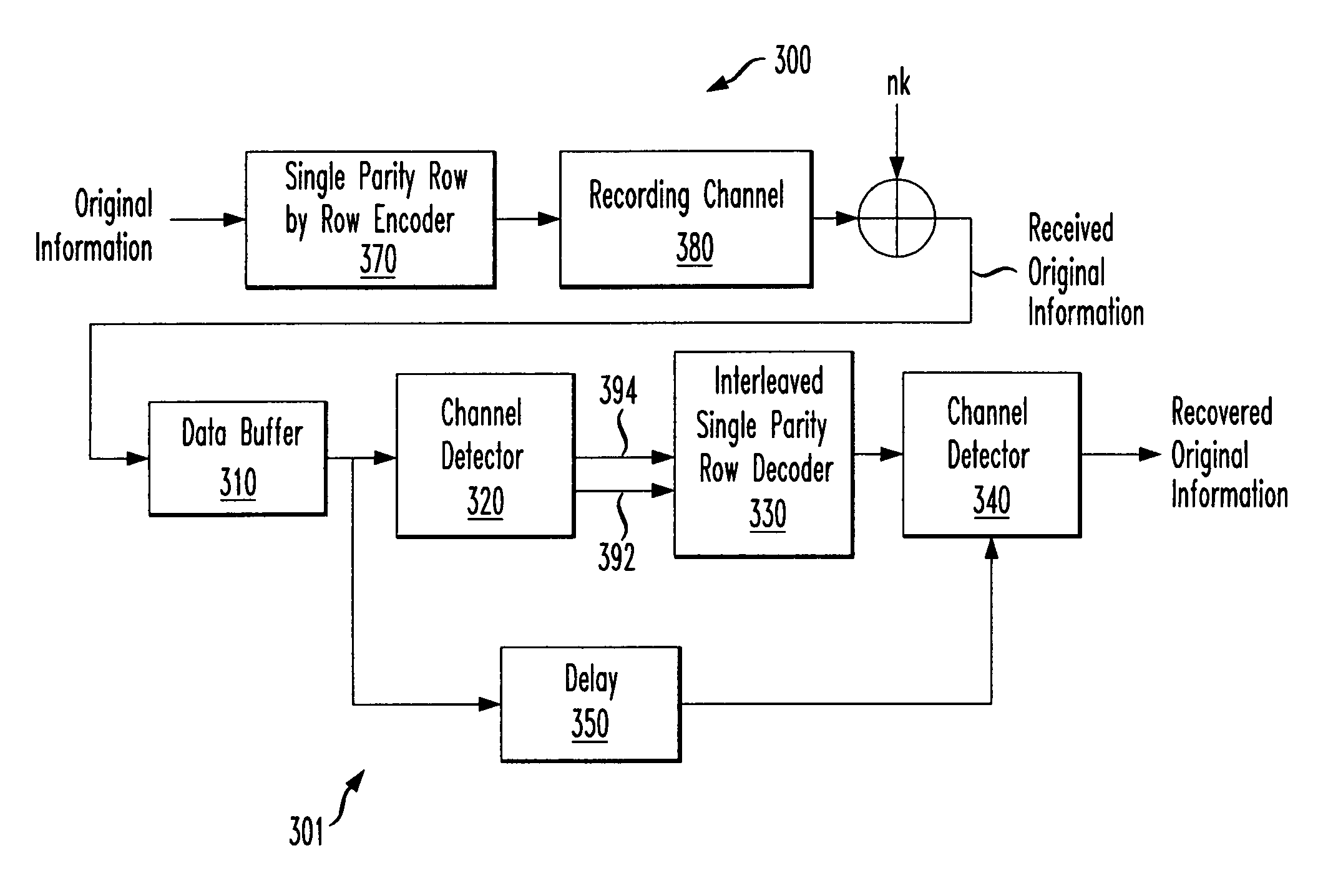
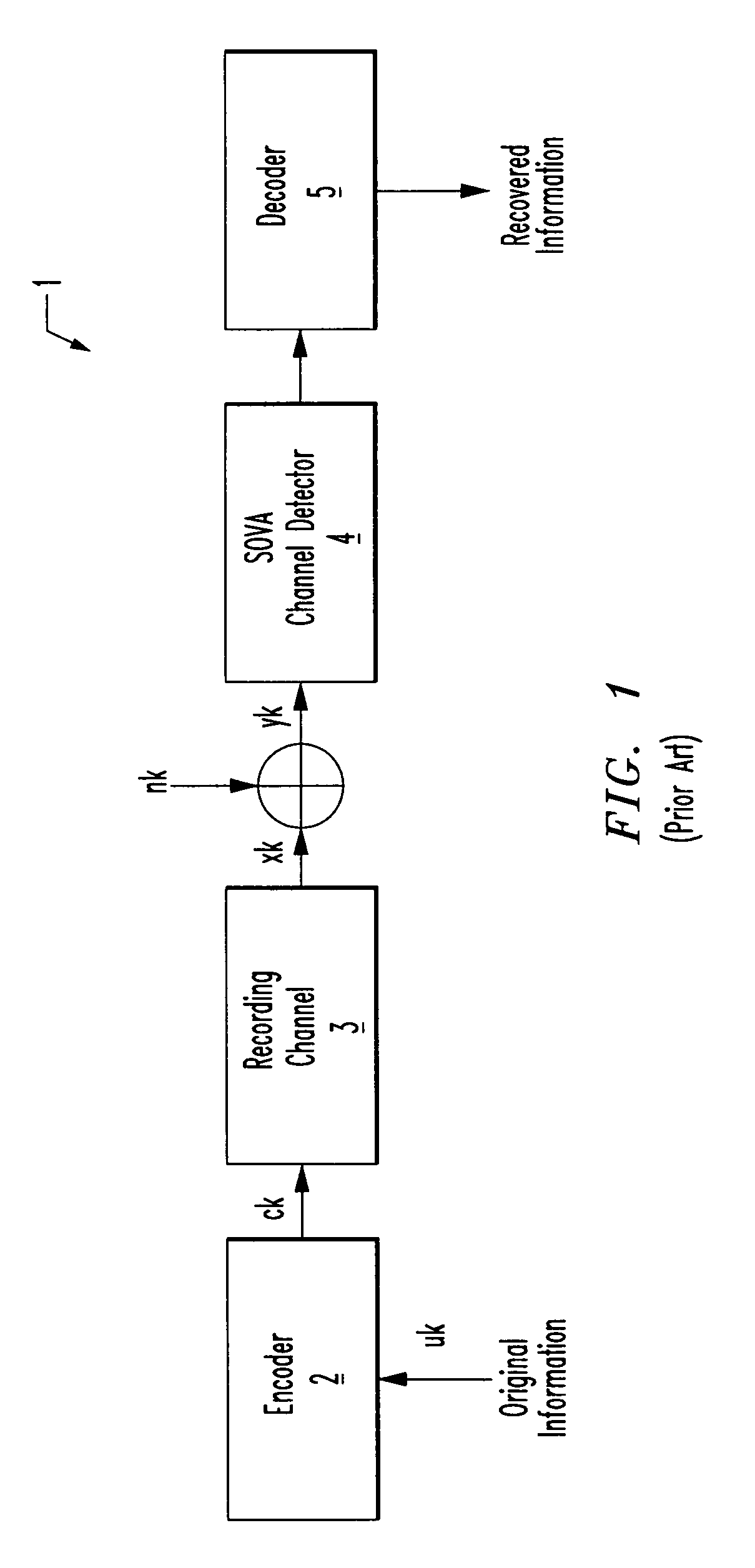
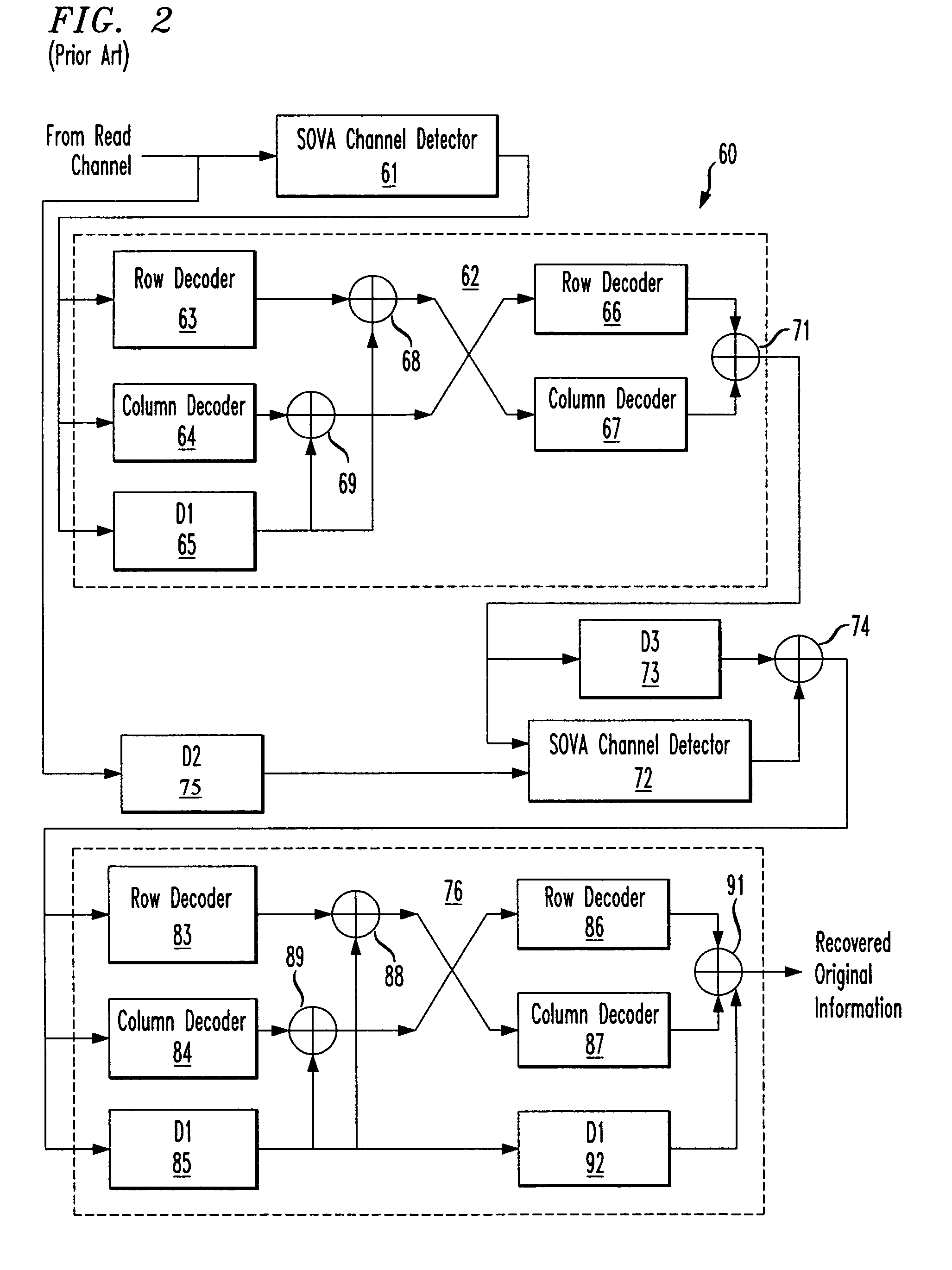
- The implementation of a digital storage system utilizing a soft output Viterbi algorithm channel detector and a single parity row decoder, with a delay element to time-shift the encoded data, which processes hard and soft outputs to provide a recovered output with reduced errors, potentially using iterative stages for further error reduction.

Data Privacy and Security in Digital Systems
Data privacy and security represent critical considerations when implementing digital systems for error reduction, particularly as organizations transition from manual processes to automated solutions. The digitization of workflows inherently creates new attack vectors and privacy vulnerabilities that must be carefully managed to maintain the integrity of error reduction initiatives.
Digital systems processing sensitive operational data face multifaceted security challenges. Authentication mechanisms must ensure that only authorized personnel can access error tracking systems, while encryption protocols protect data both in transit and at rest. Role-based access controls become essential when implementing comprehensive error monitoring across different organizational levels, preventing unauthorized modification of critical error metrics and maintaining audit trail integrity.
Privacy concerns emerge prominently when digital error reduction systems collect granular performance data about individual employees or processes. Organizations must balance the need for detailed error analytics with privacy regulations such as GDPR or CCPA, implementing data minimization principles and obtaining appropriate consent for monitoring activities. Anonymization techniques and differential privacy methods help protect individual privacy while preserving the statistical value of error reduction datasets.
Cloud-based error tracking platforms introduce additional security considerations, requiring careful evaluation of third-party vendor security practices and data residency requirements. Organizations must establish clear data governance frameworks defining retention periods, access protocols, and incident response procedures specific to error reduction systems.
The implementation of robust cybersecurity measures directly impacts error reduction effectiveness. Security breaches can compromise data integrity, leading to false error metrics and undermining confidence in digital systems. Regular security assessments, penetration testing, and compliance audits ensure that privacy and security controls do not inadvertently introduce new sources of error into the system.
Emerging technologies like blockchain and zero-knowledge proofs offer promising approaches for maintaining data integrity in error tracking systems while preserving privacy, potentially revolutionizing how organizations approach secure error reduction in digital environments.
Digital systems processing sensitive operational data face multifaceted security challenges. Authentication mechanisms must ensure that only authorized personnel can access error tracking systems, while encryption protocols protect data both in transit and at rest. Role-based access controls become essential when implementing comprehensive error monitoring across different organizational levels, preventing unauthorized modification of critical error metrics and maintaining audit trail integrity.
Privacy concerns emerge prominently when digital error reduction systems collect granular performance data about individual employees or processes. Organizations must balance the need for detailed error analytics with privacy regulations such as GDPR or CCPA, implementing data minimization principles and obtaining appropriate consent for monitoring activities. Anonymization techniques and differential privacy methods help protect individual privacy while preserving the statistical value of error reduction datasets.
Cloud-based error tracking platforms introduce additional security considerations, requiring careful evaluation of third-party vendor security practices and data residency requirements. Organizations must establish clear data governance frameworks defining retention periods, access protocols, and incident response procedures specific to error reduction systems.
The implementation of robust cybersecurity measures directly impacts error reduction effectiveness. Security breaches can compromise data integrity, leading to false error metrics and undermining confidence in digital systems. Regular security assessments, penetration testing, and compliance audits ensure that privacy and security controls do not inadvertently introduce new sources of error into the system.
Emerging technologies like blockchain and zero-knowledge proofs offer promising approaches for maintaining data integrity in error tracking systems while preserving privacy, potentially revolutionizing how organizations approach secure error reduction in digital environments.
ROI Assessment for Digital vs Manual Implementation
The financial justification for transitioning from manual systems to digital technologies requires comprehensive evaluation of both quantitative and qualitative returns on investment. Organizations must assess multiple cost-benefit dimensions to determine the economic viability of digital transformation initiatives focused on error reduction.
Initial capital expenditure analysis reveals that digital implementation typically demands substantial upfront investments in software licenses, hardware infrastructure, system integration, and employee training programs. These costs often range from hundreds of thousands to millions of dollars depending on organizational scale and complexity. However, the investment timeline extends beyond immediate deployment, encompassing ongoing maintenance, updates, and technical support requirements.
Operational cost savings emerge as primary ROI drivers through reduced error-related expenses. Manual systems generate significant hidden costs including rework expenses, quality control overhead, compliance penalties, and customer service interventions. Digital systems demonstrate measurable reductions in these areas, with organizations reporting 40-70% decreases in error-related operational costs within the first two years of implementation.
Productivity gains contribute substantially to ROI calculations through accelerated processing times and reduced manual intervention requirements. Automated workflows eliminate repetitive tasks, enabling workforce reallocation to higher-value activities. Time-to-market improvements and enhanced throughput capacity generate additional revenue opportunities that compound investment returns over time.
Risk mitigation benefits provide quantifiable value through reduced liability exposure, improved regulatory compliance, and enhanced data security measures. Organizations can calculate potential cost avoidance by analyzing historical incident frequencies and associated financial impacts. Insurance premium reductions and improved audit outcomes further contribute to positive ROI metrics.
Long-term strategic value encompasses scalability advantages, competitive positioning benefits, and future-proofing capabilities that extend beyond immediate financial returns. Digital systems provide platforms for continuous improvement and innovation, creating sustainable competitive advantages that justify initial investment costs through extended operational lifecycles and enhanced market positioning.
Initial capital expenditure analysis reveals that digital implementation typically demands substantial upfront investments in software licenses, hardware infrastructure, system integration, and employee training programs. These costs often range from hundreds of thousands to millions of dollars depending on organizational scale and complexity. However, the investment timeline extends beyond immediate deployment, encompassing ongoing maintenance, updates, and technical support requirements.
Operational cost savings emerge as primary ROI drivers through reduced error-related expenses. Manual systems generate significant hidden costs including rework expenses, quality control overhead, compliance penalties, and customer service interventions. Digital systems demonstrate measurable reductions in these areas, with organizations reporting 40-70% decreases in error-related operational costs within the first two years of implementation.
Productivity gains contribute substantially to ROI calculations through accelerated processing times and reduced manual intervention requirements. Automated workflows eliminate repetitive tasks, enabling workforce reallocation to higher-value activities. Time-to-market improvements and enhanced throughput capacity generate additional revenue opportunities that compound investment returns over time.
Risk mitigation benefits provide quantifiable value through reduced liability exposure, improved regulatory compliance, and enhanced data security measures. Organizations can calculate potential cost avoidance by analyzing historical incident frequencies and associated financial impacts. Insurance premium reductions and improved audit outcomes further contribute to positive ROI metrics.
Long-term strategic value encompasses scalability advantages, competitive positioning benefits, and future-proofing capabilities that extend beyond immediate financial returns. Digital systems provide platforms for continuous improvement and innovation, creating sustainable competitive advantages that justify initial investment costs through extended operational lifecycles and enhanced market positioning.
Unlock deeper insights with Patsnap Eureka Quick Research — get a full tech report to explore trends and direct your research. Try now!
Generate Your Research Report Instantly with AI Agent
Supercharge your innovation with Patsnap Eureka AI Agent Platform!