

Direct Injection Engine Reliability: Inspection and Maintenance
MAR 12, 20269 MIN READ
Generate Your Research Report Instantly with AI Agent
PatSnap Eureka helps you evaluate technical feasibility & market potential.
Direct Injection Engine Development Background and Reliability Goals
Direct injection (DI) engine technology emerged in the late 20th century as a revolutionary approach to internal combustion engine design, fundamentally transforming fuel delivery systems by injecting fuel directly into the combustion chamber rather than the intake manifold. This technological shift represented a significant departure from traditional port fuel injection systems, offering enhanced control over fuel atomization, combustion timing, and mixture formation.
The evolution of direct injection engines can be traced through distinct phases, beginning with early diesel applications in the 1930s and progressing to gasoline direct injection (GDI) systems that gained commercial viability in the 1990s. Pioneering automotive manufacturers recognized the potential for improved fuel economy, reduced emissions, and enhanced power output through precise fuel metering and stratified charge combustion strategies.
Contemporary direct injection systems have evolved to incorporate advanced technologies including piezoelectric injectors, high-pressure fuel pumps operating at pressures exceeding 200 bar, and sophisticated engine management systems capable of real-time combustion optimization. These developments have enabled manufacturers to achieve increasingly stringent emissions regulations while maintaining performance standards demanded by modern consumers.
The primary reliability goals for direct injection engines center on maintaining consistent fuel system performance throughout extended operational periods, typically targeting service intervals of 100,000 to 150,000 miles without major component replacement. Critical reliability objectives include preventing carbon deposit accumulation on intake valves and combustion chamber surfaces, ensuring injector longevity under high-pressure operating conditions, and maintaining fuel system cleanliness to prevent clogging and spray pattern degradation.
Long-term durability targets encompass minimizing wear on high-pressure fuel system components, particularly fuel pumps and injectors subjected to extreme operating pressures and temperatures. Engine manufacturers have established specific performance benchmarks for fuel system reliability, including maximum allowable pressure drop rates, injector flow variation tolerances, and carbon deposit thickness limits that directly impact engine performance and emissions compliance.
Modern reliability frameworks emphasize predictive maintenance capabilities through advanced diagnostic systems that monitor fuel pressure variations, injector response times, and combustion quality parameters. These systems enable proactive identification of potential reliability issues before they result in performance degradation or component failure, supporting the overarching goal of maximizing engine lifespan while minimizing maintenance costs and operational disruptions.
The evolution of direct injection engines can be traced through distinct phases, beginning with early diesel applications in the 1930s and progressing to gasoline direct injection (GDI) systems that gained commercial viability in the 1990s. Pioneering automotive manufacturers recognized the potential for improved fuel economy, reduced emissions, and enhanced power output through precise fuel metering and stratified charge combustion strategies.
Contemporary direct injection systems have evolved to incorporate advanced technologies including piezoelectric injectors, high-pressure fuel pumps operating at pressures exceeding 200 bar, and sophisticated engine management systems capable of real-time combustion optimization. These developments have enabled manufacturers to achieve increasingly stringent emissions regulations while maintaining performance standards demanded by modern consumers.
The primary reliability goals for direct injection engines center on maintaining consistent fuel system performance throughout extended operational periods, typically targeting service intervals of 100,000 to 150,000 miles without major component replacement. Critical reliability objectives include preventing carbon deposit accumulation on intake valves and combustion chamber surfaces, ensuring injector longevity under high-pressure operating conditions, and maintaining fuel system cleanliness to prevent clogging and spray pattern degradation.
Long-term durability targets encompass minimizing wear on high-pressure fuel system components, particularly fuel pumps and injectors subjected to extreme operating pressures and temperatures. Engine manufacturers have established specific performance benchmarks for fuel system reliability, including maximum allowable pressure drop rates, injector flow variation tolerances, and carbon deposit thickness limits that directly impact engine performance and emissions compliance.
Modern reliability frameworks emphasize predictive maintenance capabilities through advanced diagnostic systems that monitor fuel pressure variations, injector response times, and combustion quality parameters. These systems enable proactive identification of potential reliability issues before they result in performance degradation or component failure, supporting the overarching goal of maximizing engine lifespan while minimizing maintenance costs and operational disruptions.
Market Demand for DI Engine Inspection and Maintenance Solutions
The automotive industry is experiencing unprecedented demand for advanced direct injection (DI) engine inspection and maintenance solutions, driven by the widespread adoption of DI technology across passenger vehicles, commercial fleets, and industrial applications. Modern vehicles increasingly rely on DI engines for improved fuel efficiency and reduced emissions, creating a substantial market for specialized diagnostic and maintenance services that can address the unique challenges these systems present.
Fleet operators represent a particularly significant market segment, as they manage large numbers of vehicles requiring consistent performance and minimal downtime. Commercial transportation companies, delivery services, and ride-sharing platforms are actively seeking comprehensive inspection solutions that can predict potential failures before they occur, thereby reducing operational costs and maintaining service reliability. The complexity of DI systems necessitates sophisticated diagnostic equipment and specialized expertise that traditional maintenance approaches cannot adequately provide.
The regulatory environment is intensifying demand for reliable DI engine maintenance solutions. Stricter emissions standards and fuel economy requirements are pushing manufacturers and operators to ensure optimal engine performance throughout vehicle lifecycles. Environmental regulations in major markets are creating compliance pressures that drive investment in advanced maintenance technologies capable of maintaining DI engines at peak efficiency levels.
Technological advancement in diagnostic capabilities is expanding market opportunities significantly. The integration of artificial intelligence, machine learning algorithms, and IoT sensors into inspection systems is enabling predictive maintenance approaches that were previously impossible. These technologies allow for real-time monitoring of critical DI engine components, creating new service models and revenue streams for maintenance providers.
The aftermarket services sector is experiencing robust growth as DI-equipped vehicles age and require more frequent maintenance interventions. Independent service providers and dealership networks are investing heavily in specialized equipment and training to capture this expanding market opportunity. The complexity of DI systems creates barriers to entry that benefit established players with technical expertise and proper equipment investments.
Emerging markets present substantial growth potential as DI technology adoption accelerates globally. Developing economies are experiencing rapid motorization with newer DI-equipped vehicles, creating demand for maintenance infrastructure and services. This geographic expansion of DI technology is driving investment in inspection and maintenance capabilities across diverse market conditions and regulatory environments.
Fleet operators represent a particularly significant market segment, as they manage large numbers of vehicles requiring consistent performance and minimal downtime. Commercial transportation companies, delivery services, and ride-sharing platforms are actively seeking comprehensive inspection solutions that can predict potential failures before they occur, thereby reducing operational costs and maintaining service reliability. The complexity of DI systems necessitates sophisticated diagnostic equipment and specialized expertise that traditional maintenance approaches cannot adequately provide.
The regulatory environment is intensifying demand for reliable DI engine maintenance solutions. Stricter emissions standards and fuel economy requirements are pushing manufacturers and operators to ensure optimal engine performance throughout vehicle lifecycles. Environmental regulations in major markets are creating compliance pressures that drive investment in advanced maintenance technologies capable of maintaining DI engines at peak efficiency levels.
Technological advancement in diagnostic capabilities is expanding market opportunities significantly. The integration of artificial intelligence, machine learning algorithms, and IoT sensors into inspection systems is enabling predictive maintenance approaches that were previously impossible. These technologies allow for real-time monitoring of critical DI engine components, creating new service models and revenue streams for maintenance providers.
The aftermarket services sector is experiencing robust growth as DI-equipped vehicles age and require more frequent maintenance interventions. Independent service providers and dealership networks are investing heavily in specialized equipment and training to capture this expanding market opportunity. The complexity of DI systems creates barriers to entry that benefit established players with technical expertise and proper equipment investments.
Emerging markets present substantial growth potential as DI technology adoption accelerates globally. Developing economies are experiencing rapid motorization with newer DI-equipped vehicles, creating demand for maintenance infrastructure and services. This geographic expansion of DI technology is driving investment in inspection and maintenance capabilities across diverse market conditions and regulatory environments.
Current DI Engine Reliability Issues and Technical Challenges
Direct injection (DI) engines face significant reliability challenges that stem from their fundamental operating principles and design complexities. The high-pressure fuel injection system, operating at pressures exceeding 2000 bar, creates substantial mechanical stress on critical components including fuel pumps, injectors, and rail systems. These extreme operating conditions accelerate component wear and increase the likelihood of premature failures, particularly in high-mileage applications.
Carbon deposit formation represents one of the most persistent technical challenges in DI engine reliability. Unlike port fuel injection systems, DI engines lack the natural cleaning effect of fuel washing over intake valves. This results in progressive carbon accumulation on intake valves, combustion chambers, and injector tips, leading to reduced engine performance, increased emissions, and potential component damage. The problem is exacerbated by frequent short-trip driving patterns and poor fuel quality.
Fuel system contamination poses another critical reliability concern. The precision-engineered components in DI systems, with tolerances measured in micrometers, are highly susceptible to contamination from water, particulates, and fuel degradation products. Even microscopic contaminants can cause injector sticking, fuel pump wear, and system pressure irregularities, resulting in poor engine performance and costly repairs.
Low-speed pre-ignition (LSPI) has emerged as a significant technical challenge, particularly in turbocharged DI engines. This phenomenon, characterized by uncontrolled combustion events occurring before spark timing, can cause severe engine damage including piston crown cracking and connecting rod failure. The root causes involve complex interactions between fuel properties, oil droplet ignition, and combustion chamber deposits.
Injector coking and tip carbonization present ongoing maintenance challenges. The high temperatures at injector tips, combined with fuel residue exposure during heat soak periods, lead to carbon deposit formation that affects spray patterns and fuel atomization. This degradation impacts combustion efficiency and emissions performance while increasing the risk of injector failure.
Fuel pump reliability issues have become increasingly prevalent as system pressures continue to rise. High-pressure fuel pumps experience significant mechanical stress, leading to cam lobe wear, plunger scoring, and seal degradation. These failures often result in sudden loss of fuel pressure and potential engine damage, requiring expensive repairs and extended vehicle downtime.
The integration of advanced emission control systems adds complexity to DI engine reliability. Interactions between particulate filters, NOx reduction systems, and engine management strategies create additional failure modes and diagnostic challenges, requiring sophisticated maintenance approaches and specialized technical expertise.
Carbon deposit formation represents one of the most persistent technical challenges in DI engine reliability. Unlike port fuel injection systems, DI engines lack the natural cleaning effect of fuel washing over intake valves. This results in progressive carbon accumulation on intake valves, combustion chambers, and injector tips, leading to reduced engine performance, increased emissions, and potential component damage. The problem is exacerbated by frequent short-trip driving patterns and poor fuel quality.
Fuel system contamination poses another critical reliability concern. The precision-engineered components in DI systems, with tolerances measured in micrometers, are highly susceptible to contamination from water, particulates, and fuel degradation products. Even microscopic contaminants can cause injector sticking, fuel pump wear, and system pressure irregularities, resulting in poor engine performance and costly repairs.
Low-speed pre-ignition (LSPI) has emerged as a significant technical challenge, particularly in turbocharged DI engines. This phenomenon, characterized by uncontrolled combustion events occurring before spark timing, can cause severe engine damage including piston crown cracking and connecting rod failure. The root causes involve complex interactions between fuel properties, oil droplet ignition, and combustion chamber deposits.
Injector coking and tip carbonization present ongoing maintenance challenges. The high temperatures at injector tips, combined with fuel residue exposure during heat soak periods, lead to carbon deposit formation that affects spray patterns and fuel atomization. This degradation impacts combustion efficiency and emissions performance while increasing the risk of injector failure.
Fuel pump reliability issues have become increasingly prevalent as system pressures continue to rise. High-pressure fuel pumps experience significant mechanical stress, leading to cam lobe wear, plunger scoring, and seal degradation. These failures often result in sudden loss of fuel pressure and potential engine damage, requiring expensive repairs and extended vehicle downtime.
The integration of advanced emission control systems adds complexity to DI engine reliability. Interactions between particulate filters, NOx reduction systems, and engine management strategies create additional failure modes and diagnostic challenges, requiring sophisticated maintenance approaches and specialized technical expertise.
Current DI Engine Inspection and Maintenance Solutions
01 Fuel injection system optimization and control
Direct injection engines require precise control of fuel injection timing, pressure, and spray patterns to ensure reliable operation. Advanced fuel injection systems incorporate electronic control units that monitor and adjust injection parameters in real-time to optimize combustion efficiency and reduce engine wear. These systems may include high-pressure fuel pumps, precision injectors, and sensors that work together to maintain consistent fuel delivery under varying operating conditions.- Fuel injection system optimization and control: Direct injection engines require precise control of fuel injection timing, pressure, and spray patterns to ensure reliable operation. Advanced fuel injection systems incorporate electronic control units that monitor and adjust injection parameters in real-time to optimize combustion efficiency and reduce engine wear. These systems may include high-pressure fuel pumps, precision injectors, and sensors that work together to maintain consistent fuel delivery under varying operating conditions.
- Combustion chamber design and thermal management: The reliability of direct injection engines depends significantly on combustion chamber geometry and thermal management strategies. Optimized chamber designs facilitate proper fuel-air mixing and complete combustion while managing heat distribution to prevent hot spots and thermal stress. Materials and coatings that withstand high temperatures and pressures are employed to enhance durability and extend component life.
- Injector nozzle design and deposit prevention: Injector nozzle reliability is critical for maintaining engine performance over time. Advanced nozzle designs minimize carbon deposit formation and coking that can obstruct fuel flow and alter spray patterns. Technologies include specialized nozzle geometries, surface treatments, and materials that resist deposit accumulation. Some systems incorporate cleaning mechanisms or fuel additives to maintain injector cleanliness throughout the engine's operational life.
- Engine control strategies for knock prevention: Direct injection engines are susceptible to knock and pre-ignition phenomena that can compromise reliability. Control strategies employ sensors to detect abnormal combustion events and adjust parameters such as injection timing, fuel quantity, and ignition timing to prevent damage. Adaptive algorithms learn engine behavior and environmental conditions to proactively avoid conditions that lead to knock, thereby protecting engine components from excessive mechanical and thermal stress.
- Durability testing and diagnostic systems: Ensuring long-term reliability requires comprehensive durability testing protocols and onboard diagnostic systems. Testing methodologies simulate extended operation under extreme conditions to identify potential failure modes. Diagnostic systems continuously monitor engine parameters and component health, detecting anomalies early to prevent catastrophic failures. These systems provide feedback for maintenance scheduling and can adapt engine operation to compensate for component degradation.
02 Combustion chamber design and thermal management
The reliability of direct injection engines depends significantly on combustion chamber geometry and thermal management strategies. Optimized chamber designs facilitate proper fuel-air mixing and complete combustion while managing heat distribution to prevent hot spots and thermal stress. Materials and coatings that withstand high temperatures and pressures are employed to enhance durability and extend component life.Expand Specific Solutions03 Injector nozzle design and deposit prevention
Injector nozzle reliability is critical for maintaining engine performance over time. Advanced nozzle designs minimize carbon deposit formation and coking that can obstruct fuel flow and alter spray patterns. Technologies include specialized nozzle geometries, surface treatments, and materials that resist deposit accumulation. Some systems incorporate cleaning mechanisms or fuel additives to maintain injector cleanliness throughout the engine's operational life.Expand Specific Solutions04 Engine control strategies for knock prevention and emission control
Reliable operation of direct injection engines requires sophisticated control strategies to prevent knock, manage emissions, and optimize performance across various operating conditions. These strategies involve monitoring multiple engine parameters and adjusting fuel injection, ignition timing, and air-fuel ratios dynamically. Advanced algorithms predict and prevent conditions that could lead to engine damage while maintaining compliance with emission standards.Expand Specific Solutions05 High-pressure fuel system components and durability
The high-pressure fuel delivery system is fundamental to direct injection engine reliability. Components such as fuel pumps, rails, and connecting lines must withstand extreme pressures while maintaining seal integrity and preventing leakage. Design considerations include material selection for pressure resistance, fatigue life optimization, and fail-safe mechanisms. Manufacturing precision and quality control ensure consistent performance and long-term durability of these critical components.Expand Specific Solutions
Key Players in DI Engine Inspection and Maintenance Industry
The direct injection engine reliability market represents a mature automotive technology sector experiencing steady growth driven by stringent emission regulations and fuel efficiency demands. The industry is in a consolidation phase with established players dominating through extensive R&D investments and manufacturing capabilities. Market size continues expanding globally, particularly in emerging markets adopting cleaner engine technologies. Technology maturity varies significantly across market participants, with companies like Toyota Motor Corp., Robert Bosch GmbH, and Continental Automotive GmbH leading advanced fuel injection systems and diagnostic technologies. Traditional automakers including Ford Global Technologies LLC, GM Global Technology Operations LLC, and Volkswagen AG demonstrate high technical proficiency in engine management systems, while suppliers like DENSO Corp. and Hitachi Automotive Systems Ltd. excel in precision component manufacturing. Emerging players such as Hyundai KEFICO Corp. and Weichai Power are rapidly advancing their technological capabilities, though they remain behind industry leaders in comprehensive reliability solutions and predictive maintenance technologies.
GM Global Technology Operations LLC
Technical Solution: General Motors has developed their Advanced Direct Injection (ADI) system featuring high-pressure fuel pumps operating at pressures up to 2,900 psi and precision-engineered injectors with multiple spray patterns. Their reliability strategy focuses on robust component design using advanced materials and coatings to resist wear and carbon formation. GM's maintenance protocols include regular fuel system inspections using specialized diagnostic tools that monitor fuel pressure stability, injector response times, and spray pattern consistency. The inspection process incorporates cylinder balance testing and fuel trim analysis to identify performance degradation early. Their maintenance approach includes scheduled carbon cleaning services using walnut shell blasting or chemical cleaning methods depending on engine design. GM provides comprehensive service bulletins and technical training for dealership technicians on proper diagnostic procedures and component replacement techniques. The company's quality assurance program includes extensive field testing and customer feedback analysis to continuously improve system reliability and maintenance procedures.
Strengths: Robust component design with proven durability, extensive dealer network for service support, comprehensive technical documentation and training. Weaknesses: Maintenance procedures can be labor-intensive, some older systems may require more frequent service intervals compared to newer designs.
Robert Bosch GmbH
Technical Solution: Bosch has developed comprehensive direct injection system solutions including advanced fuel injectors with piezoelectric actuators that provide precise fuel metering and multiple injection events per cycle. Their Common Rail Direct Injection (CRDI) technology enables injection pressures up to 2,500 bar, improving fuel atomization and combustion efficiency. The company offers integrated diagnostic systems that monitor injector performance, fuel pressure variations, and carbon deposit formation through real-time sensor feedback. Their maintenance protocols include specialized cleaning procedures using ultrasonic technology and proprietary cleaning agents to remove carbon deposits from injector nozzles. Bosch also provides predictive maintenance algorithms that analyze injection timing, fuel flow rates, and pressure patterns to detect early signs of injector degradation, enabling proactive replacement before system failure occurs.
Strengths: Market-leading injection technology with high precision control, comprehensive diagnostic capabilities, extensive aftermarket support network. Weaknesses: High system complexity requiring specialized maintenance equipment, premium pricing for replacement components.
Core Technologies in DI Engine Reliability Enhancement
Direct injection engine preventing malfunction due to the presence of LPG bubbles in its fuel supply system
PatentWO2015181320A1
Innovation
- A direct injection engine design featuring a dual-pressure fuel supply system with a low-pressure circuit and a high-pressure circuit connected by a flow control valve, including means to balance pressure and eliminate gas-phase LPG, such as pressurizing the low-pressure circuit to 45 bar and providing a return path to release pressure, ensuring LPG remains in a liquid state, preventing bubble formation and ensuring engine start-up.


Cold-start reliability and reducing hydrocarbon emissions in a gasoline direct injection engine
PatentInactiveUS8312710B2
Innovation
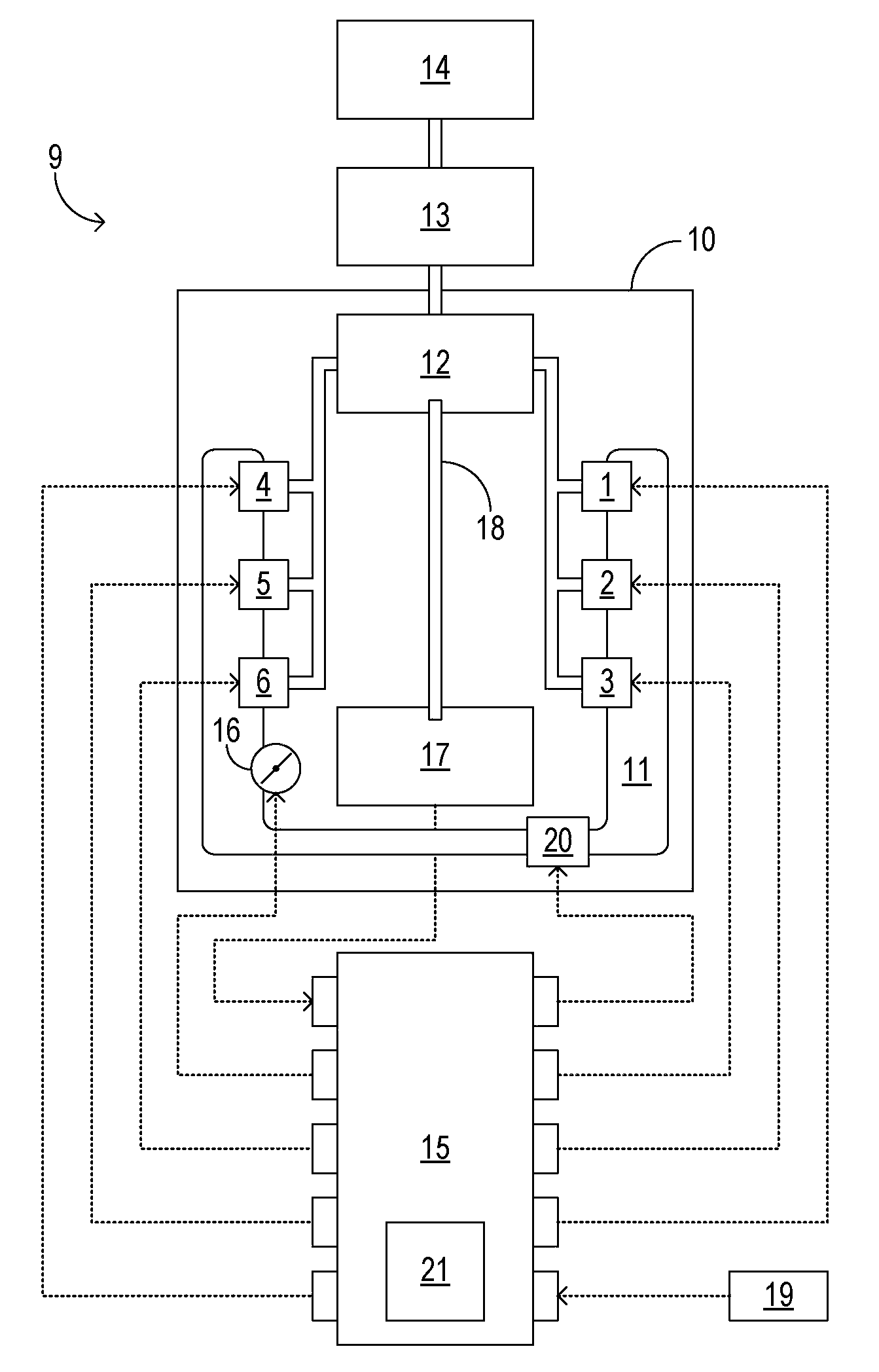
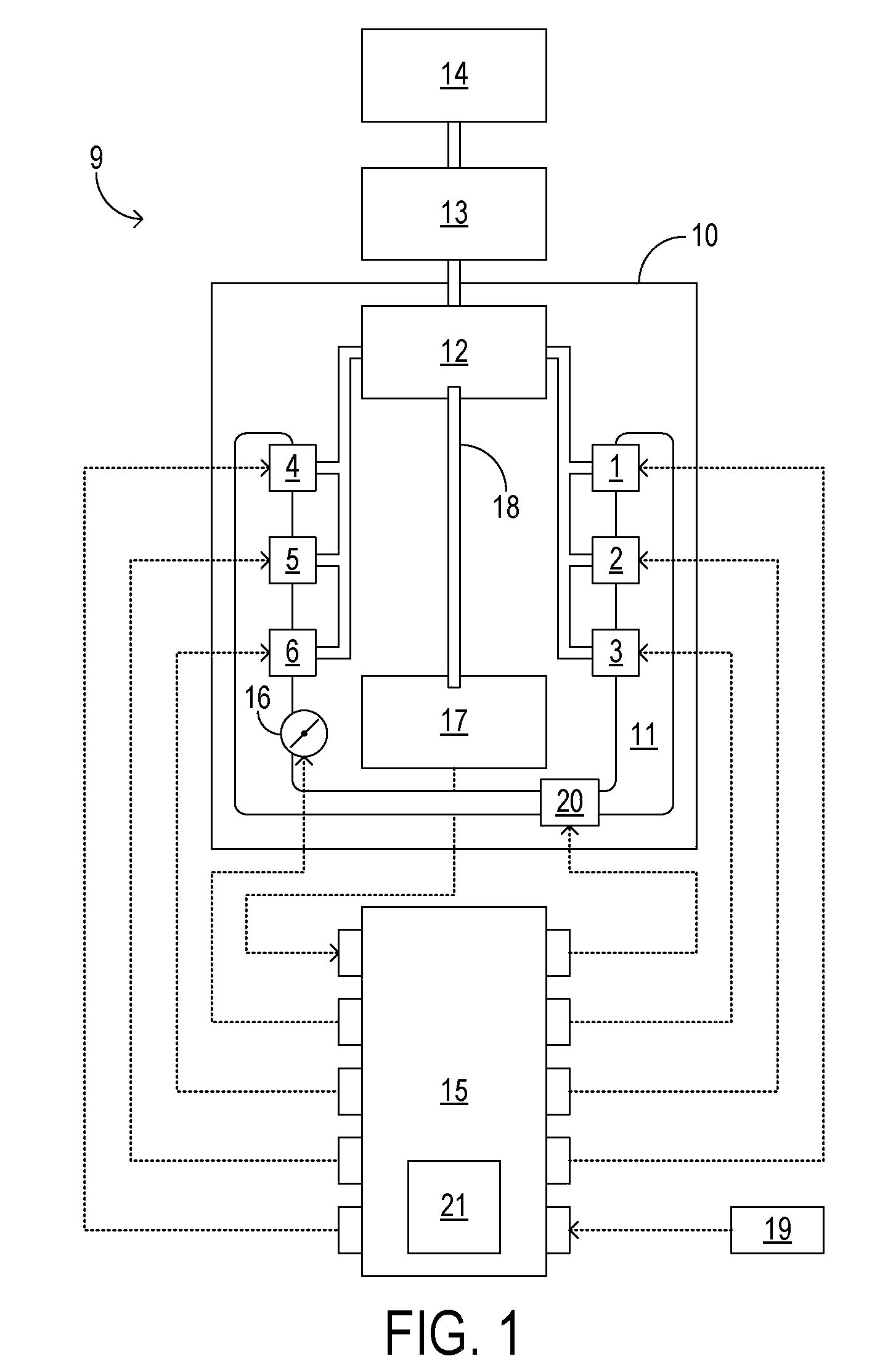
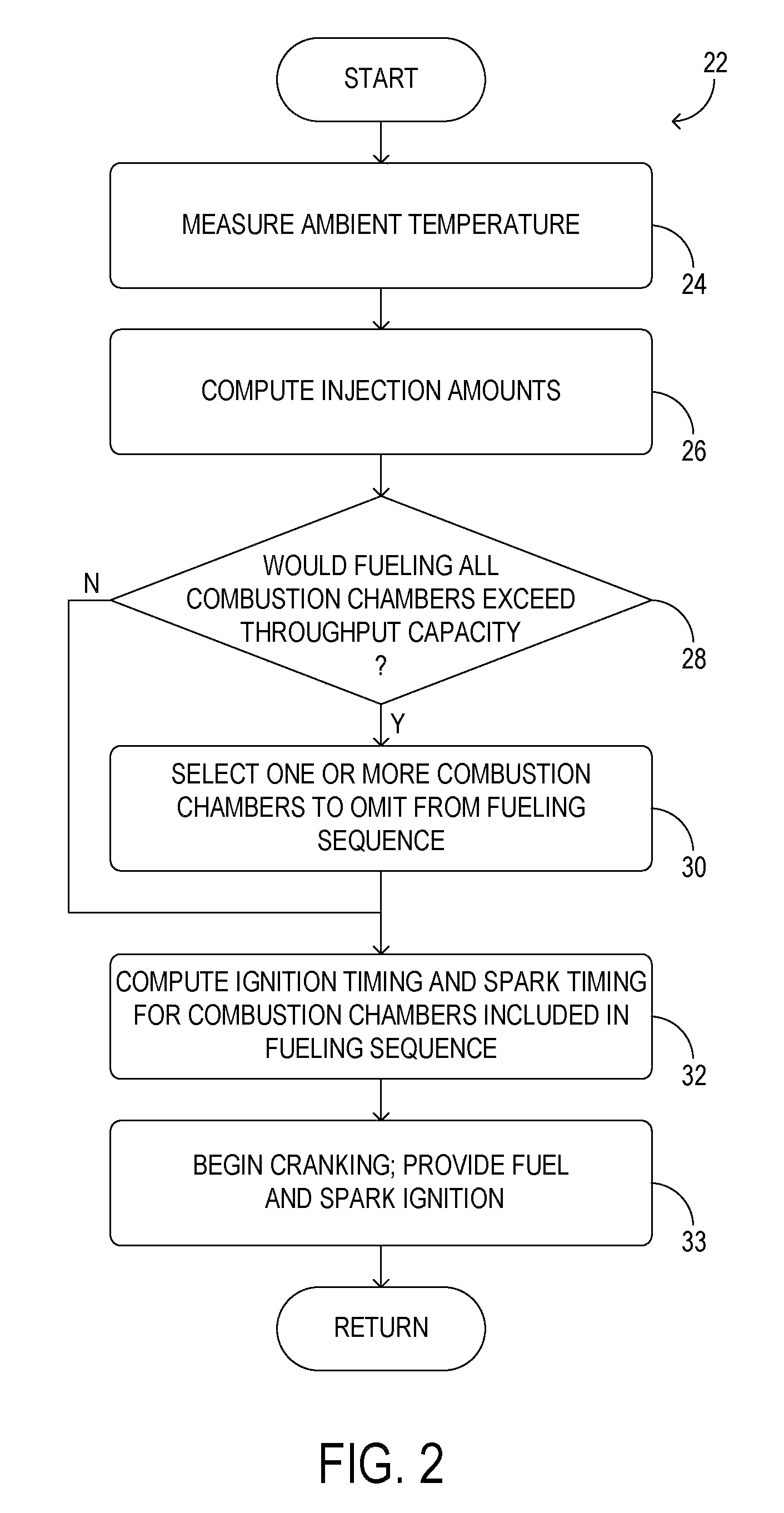
- A method that adjusts fuel injection to all or less than all combustion chambers based on temperature conditions, using reduced manifold air pressure to enhance fuel evaporation and reduce the need for overfueling, while omitting prone misfire chambers to prevent engine overload and emissions issues.

Emission Standards Impact on DI Engine Maintenance
The evolution of emission standards has fundamentally transformed maintenance protocols for direct injection engines, creating increasingly complex requirements that extend far beyond traditional service intervals. Modern emission regulations, particularly Euro 6d-ISC-FCM and EPA Tier 3 standards, have introduced stringent limits on particulate matter and nitrogen oxides that directly influence maintenance strategies and component longevity.
Particulate filter systems in DI engines now require specialized maintenance procedures due to emission compliance demands. The diesel particulate filter regeneration process, mandated by emission standards, creates elevated exhaust temperatures that accelerate component degradation in downstream systems. This necessitates more frequent inspection of exhaust manifolds, turbocharger seals, and aftertreatment components, with maintenance intervals reduced by approximately 30% compared to pre-emission standard engines.
Selective catalytic reduction systems, implemented to meet NOx emission targets, introduce urea injection components that require dedicated maintenance protocols. The crystallization tendency of diesel exhaust fluid creates deposit formation in injectors and mixing chambers, demanding specialized cleaning procedures and component replacement schedules that were previously unnecessary. These systems also require regular calibration to maintain emission compliance while preventing overconsumption of consumables.
The integration of advanced emission monitoring systems has created new diagnostic requirements that significantly impact maintenance complexity. Continuous monitoring of emission levels through multiple sensors generates vast amounts of data that must be analyzed during routine maintenance. Technicians now require specialized training to interpret emission-related fault codes and perform compliance verification procedures that extend standard maintenance duration by 40-60%.
Real-time emission monitoring capabilities have also shifted maintenance philosophy from reactive to predictive approaches. Modern DI engines equipped with emission compliance systems can predict component failures based on emission performance degradation, enabling proactive maintenance scheduling. However, this requires sophisticated diagnostic equipment and software updates that increase maintenance infrastructure costs substantially.
The stringent emission standards have also influenced fuel system maintenance requirements, as injection precision becomes critical for emission compliance. Higher injection pressures and more frequent injection events, necessary to meet emission targets, accelerate wear in fuel system components, requiring more frequent replacement of high-pressure pumps, injectors, and fuel filters to maintain both performance and emission compliance standards.
Particulate filter systems in DI engines now require specialized maintenance procedures due to emission compliance demands. The diesel particulate filter regeneration process, mandated by emission standards, creates elevated exhaust temperatures that accelerate component degradation in downstream systems. This necessitates more frequent inspection of exhaust manifolds, turbocharger seals, and aftertreatment components, with maintenance intervals reduced by approximately 30% compared to pre-emission standard engines.
Selective catalytic reduction systems, implemented to meet NOx emission targets, introduce urea injection components that require dedicated maintenance protocols. The crystallization tendency of diesel exhaust fluid creates deposit formation in injectors and mixing chambers, demanding specialized cleaning procedures and component replacement schedules that were previously unnecessary. These systems also require regular calibration to maintain emission compliance while preventing overconsumption of consumables.
The integration of advanced emission monitoring systems has created new diagnostic requirements that significantly impact maintenance complexity. Continuous monitoring of emission levels through multiple sensors generates vast amounts of data that must be analyzed during routine maintenance. Technicians now require specialized training to interpret emission-related fault codes and perform compliance verification procedures that extend standard maintenance duration by 40-60%.
Real-time emission monitoring capabilities have also shifted maintenance philosophy from reactive to predictive approaches. Modern DI engines equipped with emission compliance systems can predict component failures based on emission performance degradation, enabling proactive maintenance scheduling. However, this requires sophisticated diagnostic equipment and software updates that increase maintenance infrastructure costs substantially.
The stringent emission standards have also influenced fuel system maintenance requirements, as injection precision becomes critical for emission compliance. Higher injection pressures and more frequent injection events, necessary to meet emission targets, accelerate wear in fuel system components, requiring more frequent replacement of high-pressure pumps, injectors, and fuel filters to maintain both performance and emission compliance standards.
Cost-Benefit Analysis of DI Engine Reliability Solutions
The economic evaluation of direct injection engine reliability solutions requires a comprehensive assessment of implementation costs versus long-term operational benefits. Initial investment considerations include advanced diagnostic equipment procurement, specialized training programs for maintenance personnel, and infrastructure upgrades to support enhanced inspection protocols. These upfront costs typically range from $50,000 to $200,000 per facility, depending on fleet size and existing capabilities.
Operational cost analysis reveals significant variations across different reliability approaches. Predictive maintenance systems utilizing real-time monitoring sensors demonstrate higher initial costs but substantially reduce unplanned downtime expenses. Traditional scheduled maintenance approaches show lower implementation costs but generate higher long-term expenses due to premature component replacements and increased labor requirements.
Quantifiable benefits emerge through reduced warranty claims, extended component lifecycles, and improved fuel efficiency metrics. Fleet operators implementing comprehensive DI engine reliability programs report 15-25% reductions in maintenance-related costs within the first operational year. Additionally, enhanced reliability protocols contribute to improved vehicle availability rates, directly impacting revenue generation potential for commercial applications.
Risk mitigation benefits provide substantial economic value through avoided catastrophic failures and associated liability costs. Engine failures in critical applications can result in costs exceeding $100,000 per incident when considering replacement parts, labor, downtime, and potential safety implications. Proactive reliability solutions effectively minimize these high-impact scenarios.
Return on investment calculations demonstrate favorable outcomes for most reliability enhancement initiatives. Comprehensive programs typically achieve break-even points within 18-24 months, with subsequent years generating positive returns through sustained operational improvements. The economic justification becomes particularly compelling for high-utilization applications where downtime costs significantly impact operational profitability.
Long-term economic benefits extend beyond direct maintenance savings to include enhanced asset values, improved customer satisfaction metrics, and reduced regulatory compliance risks. These factors collectively strengthen the business case for investing in advanced DI engine reliability solutions across diverse operational environments.
Operational cost analysis reveals significant variations across different reliability approaches. Predictive maintenance systems utilizing real-time monitoring sensors demonstrate higher initial costs but substantially reduce unplanned downtime expenses. Traditional scheduled maintenance approaches show lower implementation costs but generate higher long-term expenses due to premature component replacements and increased labor requirements.
Quantifiable benefits emerge through reduced warranty claims, extended component lifecycles, and improved fuel efficiency metrics. Fleet operators implementing comprehensive DI engine reliability programs report 15-25% reductions in maintenance-related costs within the first operational year. Additionally, enhanced reliability protocols contribute to improved vehicle availability rates, directly impacting revenue generation potential for commercial applications.
Risk mitigation benefits provide substantial economic value through avoided catastrophic failures and associated liability costs. Engine failures in critical applications can result in costs exceeding $100,000 per incident when considering replacement parts, labor, downtime, and potential safety implications. Proactive reliability solutions effectively minimize these high-impact scenarios.
Return on investment calculations demonstrate favorable outcomes for most reliability enhancement initiatives. Comprehensive programs typically achieve break-even points within 18-24 months, with subsequent years generating positive returns through sustained operational improvements. The economic justification becomes particularly compelling for high-utilization applications where downtime costs significantly impact operational profitability.
Long-term economic benefits extend beyond direct maintenance savings to include enhanced asset values, improved customer satisfaction metrics, and reduced regulatory compliance risks. These factors collectively strengthen the business case for investing in advanced DI engine reliability solutions across diverse operational environments.
Unlock deeper insights with PatSnap Eureka Quick Research — get a full tech report to explore trends and direct your research. Try now!
Generate Your Research Report Instantly with AI Agent
Supercharge your innovation with PatSnap Eureka AI Agent Platform!