Direct Injection Engine Vs Traditional: Efficiency Gains
MAR 12, 20269 MIN READ
Generate Your Research Report Instantly with AI Agent
Patsnap Eureka helps you evaluate technical feasibility & market potential.
Direct Injection Engine Development Background and Objectives
Direct injection technology represents a fundamental shift in internal combustion engine design, emerging from decades of research aimed at optimizing fuel delivery systems. The evolution from traditional port fuel injection to direct injection stems from the automotive industry's persistent pursuit of enhanced fuel efficiency, reduced emissions, and improved engine performance. This technological advancement addresses critical challenges in modern automotive engineering, where stringent environmental regulations and consumer demands for fuel economy drive continuous innovation.
The historical development of direct injection can be traced back to early diesel engines in the 1930s, but its application to gasoline engines gained momentum in the 1990s. Traditional port fuel injection systems, while reliable, inherently limit fuel atomization and combustion control due to their indirect fuel delivery method. The transition to direct injection technology was motivated by the need to overcome these limitations and achieve more precise fuel metering and timing control.
The primary objective of direct injection engine development centers on maximizing thermal efficiency through improved combustion control. By injecting fuel directly into the combustion chamber at precisely controlled timing and pressure, engineers aim to achieve optimal air-fuel mixing and combustion phasing. This approach enables stratified charge combustion under certain operating conditions, allowing for leaner fuel mixtures and reduced pumping losses.
Another critical objective involves reducing particulate and gaseous emissions while maintaining or improving engine performance. Direct injection systems facilitate multiple injection strategies, including pilot injections and post-combustion injections, which help minimize nitrogen oxide formation and enable more effective exhaust aftertreatment systems. The technology also supports advanced combustion modes such as homogeneous charge compression ignition, representing a pathway toward ultra-low emission powertrains.
The development trajectory also focuses on enhancing engine downsizing capabilities without compromising performance. Direct injection enables higher compression ratios and more aggressive turbocharging strategies by providing better knock resistance through charge cooling effects. This allows manufacturers to reduce engine displacement while maintaining power output, contributing to overall vehicle fuel economy improvements.
Contemporary objectives extend beyond traditional performance metrics to encompass integration with hybrid powertrains and alternative fuel compatibility. Direct injection systems are being optimized for seamless operation with electric motor assistance and to accommodate renewable fuel blends, ensuring long-term viability in an evolving automotive landscape focused on sustainability and carbon neutrality.
The historical development of direct injection can be traced back to early diesel engines in the 1930s, but its application to gasoline engines gained momentum in the 1990s. Traditional port fuel injection systems, while reliable, inherently limit fuel atomization and combustion control due to their indirect fuel delivery method. The transition to direct injection technology was motivated by the need to overcome these limitations and achieve more precise fuel metering and timing control.
The primary objective of direct injection engine development centers on maximizing thermal efficiency through improved combustion control. By injecting fuel directly into the combustion chamber at precisely controlled timing and pressure, engineers aim to achieve optimal air-fuel mixing and combustion phasing. This approach enables stratified charge combustion under certain operating conditions, allowing for leaner fuel mixtures and reduced pumping losses.
Another critical objective involves reducing particulate and gaseous emissions while maintaining or improving engine performance. Direct injection systems facilitate multiple injection strategies, including pilot injections and post-combustion injections, which help minimize nitrogen oxide formation and enable more effective exhaust aftertreatment systems. The technology also supports advanced combustion modes such as homogeneous charge compression ignition, representing a pathway toward ultra-low emission powertrains.
The development trajectory also focuses on enhancing engine downsizing capabilities without compromising performance. Direct injection enables higher compression ratios and more aggressive turbocharging strategies by providing better knock resistance through charge cooling effects. This allows manufacturers to reduce engine displacement while maintaining power output, contributing to overall vehicle fuel economy improvements.
Contemporary objectives extend beyond traditional performance metrics to encompass integration with hybrid powertrains and alternative fuel compatibility. Direct injection systems are being optimized for seamless operation with electric motor assistance and to accommodate renewable fuel blends, ensuring long-term viability in an evolving automotive landscape focused on sustainability and carbon neutrality.
Market Demand for High-Efficiency Engine Technologies
The automotive industry is experiencing unprecedented demand for high-efficiency engine technologies, driven by increasingly stringent environmental regulations and evolving consumer preferences. Global emission standards, including Euro 7, CAFE regulations in North America, and China VI standards, are compelling manufacturers to prioritize fuel efficiency and emission reduction technologies. Direct injection engines have emerged as a critical solution to meet these regulatory requirements while maintaining performance standards.
Consumer behavior patterns reveal a significant shift toward fuel-efficient vehicles, particularly in response to volatile fuel prices and growing environmental consciousness. Fleet operators and commercial vehicle manufacturers are actively seeking technologies that can reduce operational costs through improved fuel economy. This demand extends beyond passenger vehicles to include heavy-duty trucks, marine applications, and industrial equipment sectors.
The market landscape shows strong adoption momentum for direct injection technology across multiple vehicle segments. Premium automotive brands have already integrated gasoline direct injection systems as standard equipment, while mass-market manufacturers are rapidly expanding implementation to meet competitive pressures. Diesel direct injection technology continues to dominate commercial vehicle applications despite regulatory challenges in certain regions.
Emerging markets present substantial growth opportunities for high-efficiency engine technologies. Countries with developing automotive industries are implementing fuel economy standards that favor advanced injection systems over traditional port fuel injection. Government incentives and tax policies in various regions further accelerate market adoption of efficient engine technologies.
The transition toward electrification paradoxically increases demand for highly efficient internal combustion engines in hybrid powertrains. Manufacturers require optimized engines that can operate efficiently across varying load conditions and frequent start-stop cycles. This application demands sophisticated fuel delivery systems that direct injection technology can provide.
Supply chain dynamics indicate robust investment in manufacturing capabilities for direct injection components. Tier-one suppliers are expanding production capacity for high-pressure fuel pumps, precision injectors, and advanced engine management systems. This infrastructure development supports sustained market growth and cost reduction through economies of scale.
Consumer behavior patterns reveal a significant shift toward fuel-efficient vehicles, particularly in response to volatile fuel prices and growing environmental consciousness. Fleet operators and commercial vehicle manufacturers are actively seeking technologies that can reduce operational costs through improved fuel economy. This demand extends beyond passenger vehicles to include heavy-duty trucks, marine applications, and industrial equipment sectors.
The market landscape shows strong adoption momentum for direct injection technology across multiple vehicle segments. Premium automotive brands have already integrated gasoline direct injection systems as standard equipment, while mass-market manufacturers are rapidly expanding implementation to meet competitive pressures. Diesel direct injection technology continues to dominate commercial vehicle applications despite regulatory challenges in certain regions.
Emerging markets present substantial growth opportunities for high-efficiency engine technologies. Countries with developing automotive industries are implementing fuel economy standards that favor advanced injection systems over traditional port fuel injection. Government incentives and tax policies in various regions further accelerate market adoption of efficient engine technologies.
The transition toward electrification paradoxically increases demand for highly efficient internal combustion engines in hybrid powertrains. Manufacturers require optimized engines that can operate efficiently across varying load conditions and frequent start-stop cycles. This application demands sophisticated fuel delivery systems that direct injection technology can provide.
Supply chain dynamics indicate robust investment in manufacturing capabilities for direct injection components. Tier-one suppliers are expanding production capacity for high-pressure fuel pumps, precision injectors, and advanced engine management systems. This infrastructure development supports sustained market growth and cost reduction through economies of scale.
Current Status and Challenges of Direct Injection Systems
Direct injection (DI) systems have achieved significant technological maturity across gasoline and diesel applications, with widespread adoption in modern automotive powertrains. Current gasoline direct injection (GDI) systems operate at fuel pressures ranging from 200 to 350 bar, utilizing sophisticated high-pressure fuel pumps, precision injectors, and advanced engine control units. These systems demonstrate measurable efficiency improvements of 10-15% compared to port fuel injection systems under optimal operating conditions.
The technology landscape reveals distinct regional development patterns, with European manufacturers leading diesel direct injection advancement, while Asian and American companies focus primarily on gasoline DI optimization. Advanced common rail systems in diesel applications now achieve injection pressures exceeding 2,500 bar, enabling multiple injection events per combustion cycle for enhanced performance and emissions control.
Despite technological progress, several critical challenges persist in direct injection implementation. Carbon deposit formation on intake valves represents a primary concern in GDI engines, as fuel no longer washes valve surfaces during injection. This phenomenon leads to reduced airflow, compromised combustion efficiency, and increased maintenance requirements over extended operation periods.
Particulate matter emissions constitute another significant challenge, particularly in gasoline direct injection systems. The direct fuel injection process can create fuel-rich zones during combustion, resulting in soot formation that requires sophisticated aftertreatment systems including gasoline particulate filters. This adds complexity and cost to emission control strategies.
Injector fouling and fuel system contamination present ongoing reliability concerns, especially in regions with varying fuel quality standards. High-pressure fuel systems demand precise manufacturing tolerances and advanced materials, increasing component costs and maintenance complexity compared to traditional port injection systems.
Cold-start performance remains problematic for direct injection engines, as fuel atomization quality decreases at low temperatures and pressures. This challenge necessitates supplementary systems or hybrid injection strategies, adding complexity to engine management systems.
Combustion knock sensitivity in high-compression GDI engines requires sophisticated knock detection and mitigation strategies, potentially limiting efficiency gains under certain operating conditions. Additionally, the precise timing and pressure control required for optimal DI performance demands advanced sensor technologies and computational capabilities, increasing system complexity and potential failure points.
The technology landscape reveals distinct regional development patterns, with European manufacturers leading diesel direct injection advancement, while Asian and American companies focus primarily on gasoline DI optimization. Advanced common rail systems in diesel applications now achieve injection pressures exceeding 2,500 bar, enabling multiple injection events per combustion cycle for enhanced performance and emissions control.
Despite technological progress, several critical challenges persist in direct injection implementation. Carbon deposit formation on intake valves represents a primary concern in GDI engines, as fuel no longer washes valve surfaces during injection. This phenomenon leads to reduced airflow, compromised combustion efficiency, and increased maintenance requirements over extended operation periods.
Particulate matter emissions constitute another significant challenge, particularly in gasoline direct injection systems. The direct fuel injection process can create fuel-rich zones during combustion, resulting in soot formation that requires sophisticated aftertreatment systems including gasoline particulate filters. This adds complexity and cost to emission control strategies.
Injector fouling and fuel system contamination present ongoing reliability concerns, especially in regions with varying fuel quality standards. High-pressure fuel systems demand precise manufacturing tolerances and advanced materials, increasing component costs and maintenance complexity compared to traditional port injection systems.
Cold-start performance remains problematic for direct injection engines, as fuel atomization quality decreases at low temperatures and pressures. This challenge necessitates supplementary systems or hybrid injection strategies, adding complexity to engine management systems.
Combustion knock sensitivity in high-compression GDI engines requires sophisticated knock detection and mitigation strategies, potentially limiting efficiency gains under certain operating conditions. Additionally, the precise timing and pressure control required for optimal DI performance demands advanced sensor technologies and computational capabilities, increasing system complexity and potential failure points.
Current Direct Injection Technical Solutions
01 Fuel injection timing and control optimization
Optimizing the timing and control of fuel injection in direct injection engines can significantly improve combustion efficiency. Advanced control systems monitor engine parameters and adjust injection timing to achieve optimal fuel-air mixture formation. This includes strategies for multiple injection events per cycle, variable injection pressure, and precise control of injection duration to maximize power output while minimizing fuel consumption and emissions.- Fuel injection timing and control optimization: Optimizing the timing and control of fuel injection in direct injection engines can significantly improve combustion efficiency. Advanced control systems monitor engine parameters and adjust injection timing to achieve optimal fuel-air mixture formation. Precise control of injection duration, pressure, and timing relative to piston position enables better combustion characteristics, reduced emissions, and improved fuel economy. Electronic control units with sophisticated algorithms can adapt injection parameters based on operating conditions to maximize efficiency across different engine loads and speeds.
- Multi-stage injection strategies: Implementing multi-stage or split injection strategies enhances combustion efficiency by dividing the fuel delivery into multiple events during each combustion cycle. This approach allows for pilot injection to prepare the combustion chamber, main injection for power generation, and post-injection for emissions control. The staged injection reduces combustion noise, improves fuel atomization, and enables better control over heat release rates. This technology is particularly effective in reducing particulate emissions while maintaining or improving thermal efficiency.
- High-pressure fuel injection systems: Utilizing high-pressure fuel injection systems improves fuel atomization and mixture formation, leading to more complete combustion and increased engine efficiency. Higher injection pressures enable finer fuel droplets that vaporize more quickly and mix more uniformly with air. This results in faster combustion rates, reduced fuel consumption, and lower emissions. Advanced high-pressure pumps and injector designs can maintain consistent performance across various operating conditions while ensuring durability and reliability of the fuel delivery system.
- Combustion chamber geometry optimization: Optimizing combustion chamber geometry and piston crown design enhances air-fuel mixing and combustion efficiency in direct injection engines. Strategic shaping of the combustion chamber promotes optimal turbulence and swirl patterns that improve fuel distribution and combustion completeness. Piston bowl designs can be tailored to work synergistically with injection spray patterns to achieve desired mixture stratification. These geometric optimizations contribute to improved thermal efficiency, reduced heat losses, and better control over combustion phasing.
- Injection spray pattern and nozzle design: Advanced injector nozzle designs and spray pattern optimization improve fuel distribution and combustion efficiency. Multi-hole nozzle configurations with precisely engineered hole diameters, angles, and spacing enable optimal fuel penetration and air utilization within the combustion chamber. Spray targeting strategies ensure fuel is delivered to regions with appropriate air availability and temperature conditions. Nozzle designs that minimize wall wetting and promote rapid vaporization contribute to reduced emissions and improved fuel economy while maintaining engine performance across operating ranges.
02 Combustion chamber design and geometry
The design and geometry of the combustion chamber plays a crucial role in direct injection engine efficiency. Optimized chamber shapes promote better air-fuel mixing and more complete combustion. Features such as piston crown configuration, valve positioning, and chamber volume are engineered to create optimal turbulence and swirl patterns that enhance fuel atomization and distribution throughout the combustion space.Expand Specific Solutions03 Fuel injection nozzle and spray pattern optimization
The design of fuel injection nozzles and their spray patterns directly impacts engine efficiency. Advanced nozzle designs feature multiple holes with specific angles and diameters to achieve optimal fuel atomization and distribution. The spray pattern is engineered to match combustion chamber geometry and air flow characteristics, ensuring uniform fuel distribution and complete combustion while reducing wall wetting and emissions.Expand Specific Solutions04 High-pressure fuel injection systems
Implementing high-pressure fuel injection systems enhances atomization and mixing efficiency in direct injection engines. Elevated injection pressures result in finer fuel droplets that vaporize more quickly and mix more thoroughly with air. This technology includes advanced fuel pumps, pressure regulators, and injection rail systems designed to maintain consistent high pressure across various operating conditions, leading to improved combustion efficiency and reduced particulate emissions.Expand Specific Solutions05 Stratified charge combustion strategies
Stratified charge combustion strategies involve creating intentional variations in air-fuel mixture concentration within the combustion chamber. This approach allows for lean overall mixtures while maintaining a richer mixture near the spark plug for reliable ignition. The technique improves fuel economy during partial load conditions by reducing throttling losses and enabling operation at higher compression ratios, while maintaining acceptable emissions levels through precise control of mixture distribution.Expand Specific Solutions
Major Players in Direct Injection Engine Industry
The direct injection engine technology market represents a mature growth phase within the automotive industry, driven by stringent emission regulations and fuel efficiency demands. The global market has reached substantial scale, with widespread adoption across passenger and commercial vehicle segments. Technology maturity varies significantly among key players, with established automotive manufacturers like Toyota Motor Corp., Honda Motor Co., Ford Global Technologies, and Nissan Motor Co. leading in production-scale implementation and optimization. Tier-1 suppliers including DENSO Corp., Vitesco Technologies, and Hitachi Ltd. demonstrate advanced fuel injection system capabilities, while companies like Caterpillar Inc. and Yamaha Motor Co. focus on specialized applications in heavy machinery and marine engines. Traditional automakers such as Hyundai Motor Co., Mitsubishi Motors Corp., and Ferrari SpA showcase varying levels of direct injection integration across their product portfolios. The competitive landscape indicates technology commoditization in mainstream applications, with differentiation occurring through advanced control systems, materials innovation, and integration with hybrid powertrains, positioning the market in a mature optimization phase rather than early development.
Ford Global Technologies LLC
Technical Solution: Ford's EcoBoost direct injection technology combines turbocharging with high-pressure direct fuel injection systems operating at pressures up to 350 bar. The technology delivers 20-30% better fuel economy compared to traditional naturally aspirated engines while maintaining similar power output. Ford's direct injection engines feature advanced combustion strategies including stratified charge operation during light load conditions and homogeneous charge for high power demands. The system incorporates sophisticated engine management algorithms that optimize injection timing, pressure, and spray patterns to maximize efficiency while minimizing knock tendency and emissions formation.
Strengths: High injection pressure capability, proven turbo-DI integration, significant efficiency improvements. Weaknesses: Complexity in calibration, higher maintenance requirements, potential for fuel system contamination sensitivity.
Honda Motor Co., Ltd.
Technical Solution: Honda's direct injection technology focuses on VTEC engines with i-VTEC (intelligent Variable Timing Electronic Control) combined with direct fuel injection. Their system achieves approximately 12-18% fuel efficiency improvement over conventional port injection engines through precise fuel metering and advanced combustion control. Honda employs multi-hole injectors with optimized spray patterns and injection pressures around 200-250 bar. The technology includes lean-burn capabilities during cruise conditions and stratified charge combustion for improved thermal efficiency. Honda's approach emphasizes reliability and durability while maintaining the performance characteristics of their naturally aspirated engines.
Strengths: Reliable VTEC integration, good balance of performance and efficiency, proven durability. Weaknesses: Lower injection pressures compared to competitors, limited turbocharging integration, conservative efficiency gains.
Core Technologies in Advanced Fuel Injection Systems
Internal combustion engine controller
PatentInactiveEP2390488A1
Innovation
- The controller incorporates a drive circuit with a peak current path, holding current path, ground current path, and a regenerating circuit with a voltage regulating section, allowing the boost circuit to quickly regenerate electric energy and suppress thermal energy conversion, thereby enhancing valve closing response speed and fuel efficiency.


Direct injection engine
PatentInactiveUS6928997B2
Innovation
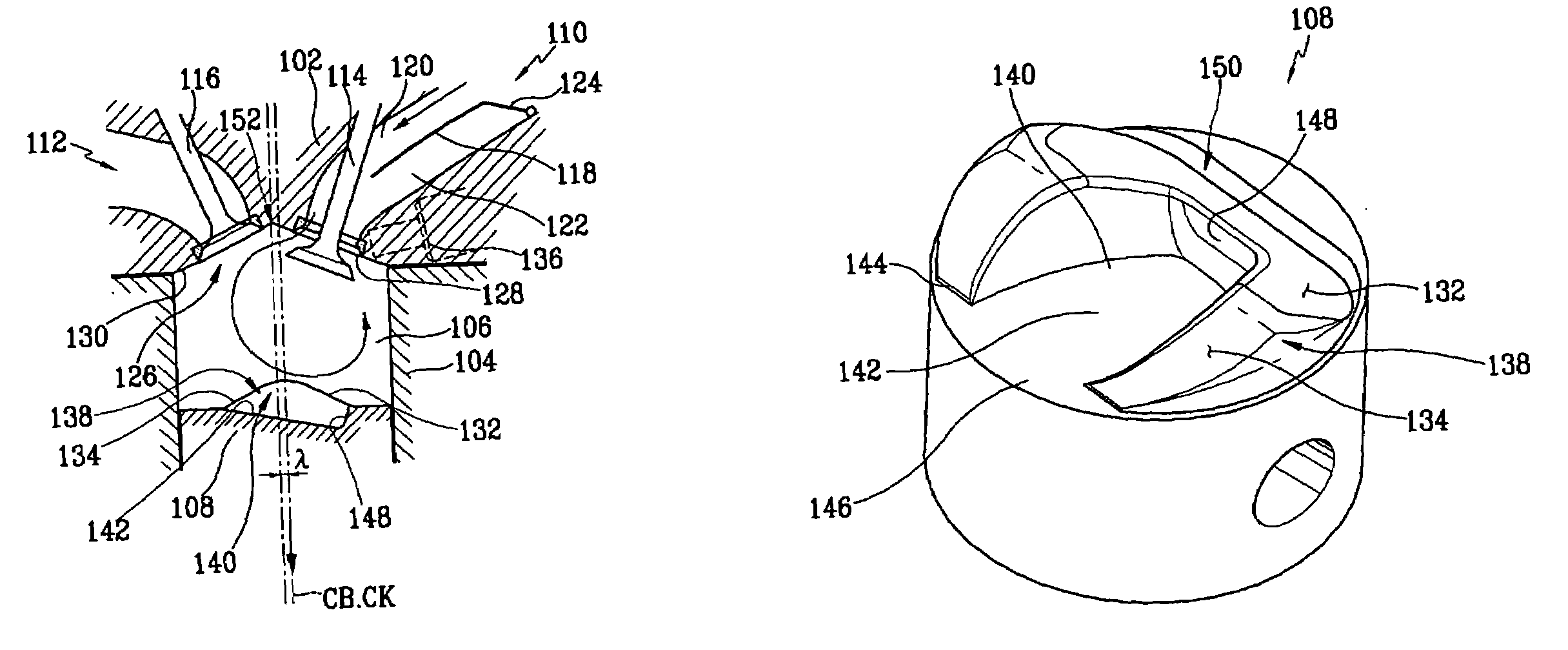
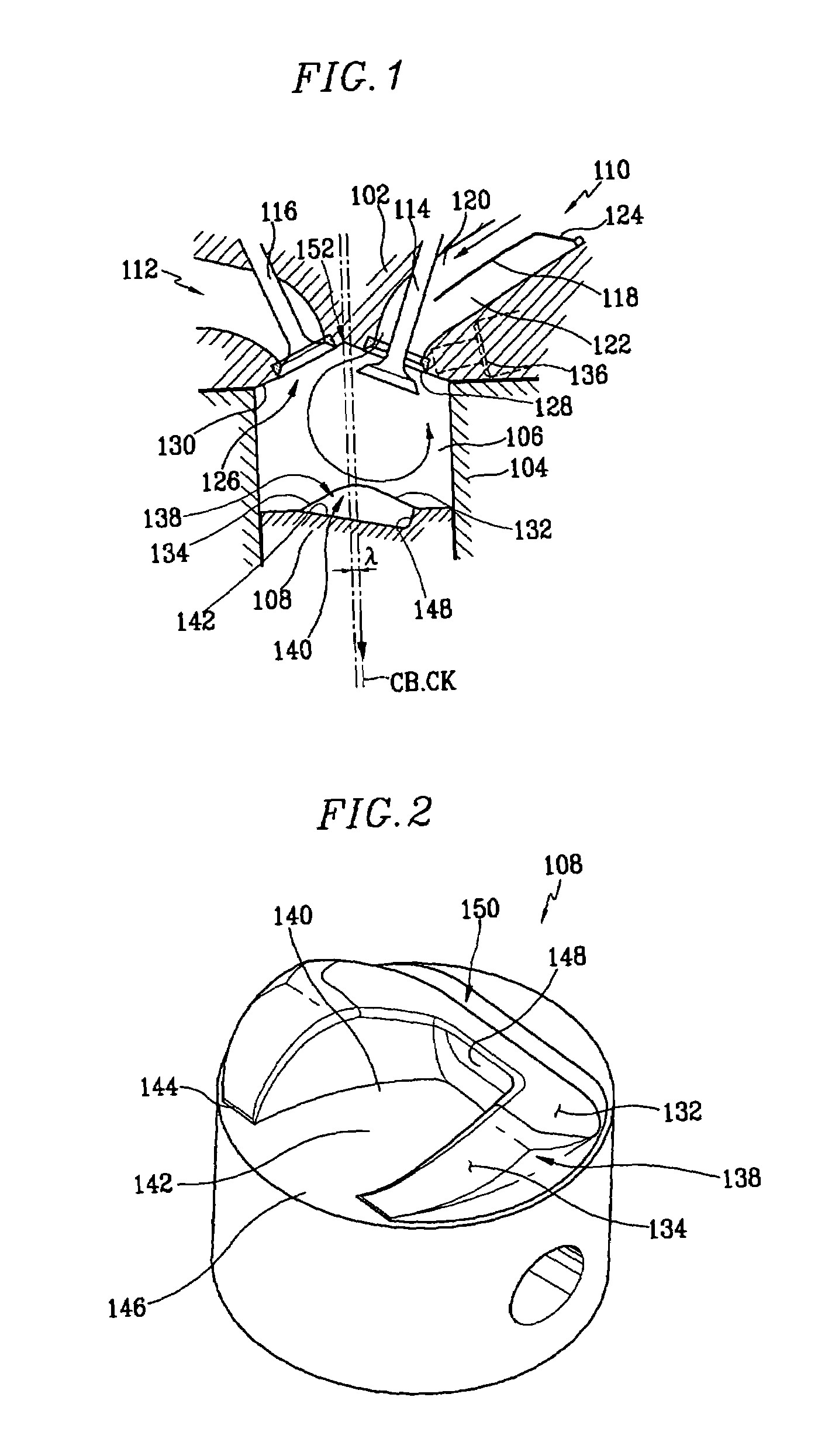
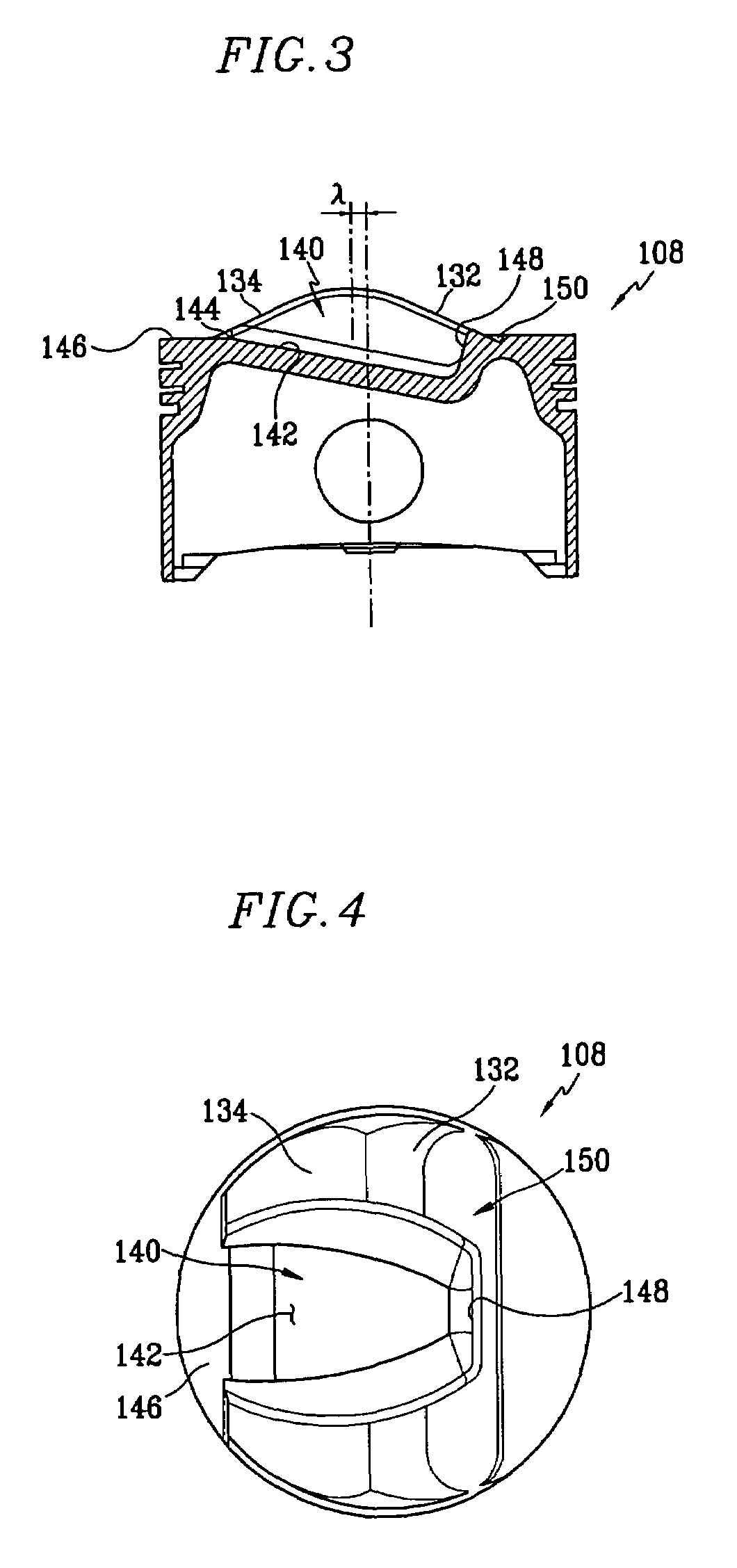
- The engine design features a pent-roof-shaped combustion chamber with a bowl-shaped protrusion on the piston, where the intake air flows through a split port system, creating a strong tumble flow that minimizes separation and wall wetting, with a curved bowl design and intake valve pocket to enhance air-fuel mixing and prevent carbon accumulation.

Emission Regulations Impact on Engine Technologies
Stringent emission regulations worldwide have fundamentally reshaped engine technology development trajectories, creating unprecedented pressure for automotive manufacturers to innovate beyond traditional combustion approaches. The European Union's Euro 6 standards, California's Low Emission Vehicle III program, and China's National VI regulations have collectively established a regulatory framework that demands substantial reductions in nitrogen oxides, particulate matter, and carbon dioxide emissions. These mandates have accelerated the transition from port fuel injection systems to direct injection technologies, as manufacturers seek to achieve compliance while maintaining performance standards.
The regulatory emphasis on particulate matter reduction has particularly influenced direct injection engine development, paradoxically creating both opportunities and challenges for this technology. While direct injection systems offer superior fuel economy and power density compared to traditional port fuel injection, they inherently produce higher levels of particulate emissions due to fuel impingement and incomplete mixing. This regulatory pressure has driven significant investment in advanced injection strategies, including multiple injection events, higher injection pressures exceeding 350 bar, and sophisticated spray targeting techniques to minimize wall wetting and optimize combustion quality.
Emission regulations have catalyzed the integration of complex aftertreatment systems that work synergistically with direct injection technologies. Gasoline particulate filters, previously unnecessary for port fuel injection engines, have become mandatory components for direct injection systems in many markets. These regulatory requirements have influenced engine calibration strategies, necessitating careful balance between combustion efficiency and aftertreatment system effectiveness. The need to maintain catalyst temperatures and manage particulate filter regeneration has led to innovative approaches in fuel injection timing and quantity control.
The regulatory landscape has also accelerated the development of hybrid powertrains that leverage direct injection engines as primary power sources. Emission standards increasingly favor technologies that can operate efficiently across diverse operating conditions, making the precise control capabilities of direct injection systems particularly valuable. This regulatory influence extends beyond hardware requirements to encompass real-world driving emissions testing, pushing manufacturers toward more sophisticated engine management systems that optimize direct injection performance across actual driving scenarios rather than laboratory conditions alone.
The regulatory emphasis on particulate matter reduction has particularly influenced direct injection engine development, paradoxically creating both opportunities and challenges for this technology. While direct injection systems offer superior fuel economy and power density compared to traditional port fuel injection, they inherently produce higher levels of particulate emissions due to fuel impingement and incomplete mixing. This regulatory pressure has driven significant investment in advanced injection strategies, including multiple injection events, higher injection pressures exceeding 350 bar, and sophisticated spray targeting techniques to minimize wall wetting and optimize combustion quality.
Emission regulations have catalyzed the integration of complex aftertreatment systems that work synergistically with direct injection technologies. Gasoline particulate filters, previously unnecessary for port fuel injection engines, have become mandatory components for direct injection systems in many markets. These regulatory requirements have influenced engine calibration strategies, necessitating careful balance between combustion efficiency and aftertreatment system effectiveness. The need to maintain catalyst temperatures and manage particulate filter regeneration has led to innovative approaches in fuel injection timing and quantity control.
The regulatory landscape has also accelerated the development of hybrid powertrains that leverage direct injection engines as primary power sources. Emission standards increasingly favor technologies that can operate efficiently across diverse operating conditions, making the precise control capabilities of direct injection systems particularly valuable. This regulatory influence extends beyond hardware requirements to encompass real-world driving emissions testing, pushing manufacturers toward more sophisticated engine management systems that optimize direct injection performance across actual driving scenarios rather than laboratory conditions alone.
Cost-Benefit Analysis of Direct Injection Implementation
The implementation of direct injection technology in automotive engines presents a complex cost-benefit equation that varies significantly across different market segments and production volumes. Initial capital expenditure for direct injection systems typically ranges from $200 to $400 per engine unit, representing a 15-25% increase over traditional port fuel injection systems. This premium stems from precision fuel injectors, high-pressure fuel pumps, advanced engine control units, and reinforced combustion chamber designs required to withstand elevated compression ratios.
Manufacturing complexity introduces additional cost considerations, including specialized tooling, enhanced quality control processes, and workforce training requirements. Production facilities must invest in high-precision machining equipment and testing apparatus, with typical facility upgrade costs ranging from $50 million to $150 million for major automotive manufacturers. However, economies of scale become apparent at production volumes exceeding 100,000 units annually, where per-unit manufacturing costs begin approaching parity with conventional systems.
The economic benefits manifest through multiple channels, with fuel efficiency improvements of 10-20% translating to substantial consumer savings over vehicle lifetime. Based on average driving patterns and fuel costs, consumers can expect annual savings of $300-600, creating a payback period of 2-4 years depending on regional fuel prices. Additionally, direct injection enables downsizing strategies, allowing manufacturers to achieve equivalent performance with smaller displacement engines, reducing material costs and vehicle weight.
Regulatory compliance represents a significant value driver, as direct injection technology facilitates meeting increasingly stringent emissions standards without expensive aftertreatment systems. The technology's ability to reduce CO2 emissions by 8-15% provides substantial regulatory credits in markets with carbon pricing mechanisms, potentially worth $200-500 per vehicle in European markets.
Long-term operational benefits include reduced warranty costs due to improved combustion stability and extended component life. Fleet operators report 5-8% reductions in total cost of ownership, driven by improved fuel economy and reduced maintenance requirements. However, potential drawbacks include higher service costs for fuel system components and increased sensitivity to fuel quality, which may impact long-term reliability in certain markets.
The cost-benefit analysis strongly favors direct injection implementation in premium and mid-market segments, where consumers demonstrate willingness to pay for efficiency gains. In economy segments, the business case depends heavily on production volumes and regulatory requirements, with break-even typically achieved at annual volumes exceeding 200,000 units per platform.
Manufacturing complexity introduces additional cost considerations, including specialized tooling, enhanced quality control processes, and workforce training requirements. Production facilities must invest in high-precision machining equipment and testing apparatus, with typical facility upgrade costs ranging from $50 million to $150 million for major automotive manufacturers. However, economies of scale become apparent at production volumes exceeding 100,000 units annually, where per-unit manufacturing costs begin approaching parity with conventional systems.
The economic benefits manifest through multiple channels, with fuel efficiency improvements of 10-20% translating to substantial consumer savings over vehicle lifetime. Based on average driving patterns and fuel costs, consumers can expect annual savings of $300-600, creating a payback period of 2-4 years depending on regional fuel prices. Additionally, direct injection enables downsizing strategies, allowing manufacturers to achieve equivalent performance with smaller displacement engines, reducing material costs and vehicle weight.
Regulatory compliance represents a significant value driver, as direct injection technology facilitates meeting increasingly stringent emissions standards without expensive aftertreatment systems. The technology's ability to reduce CO2 emissions by 8-15% provides substantial regulatory credits in markets with carbon pricing mechanisms, potentially worth $200-500 per vehicle in European markets.
Long-term operational benefits include reduced warranty costs due to improved combustion stability and extended component life. Fleet operators report 5-8% reductions in total cost of ownership, driven by improved fuel economy and reduced maintenance requirements. However, potential drawbacks include higher service costs for fuel system components and increased sensitivity to fuel quality, which may impact long-term reliability in certain markets.
The cost-benefit analysis strongly favors direct injection implementation in premium and mid-market segments, where consumers demonstrate willingness to pay for efficiency gains. In economy segments, the business case depends heavily on production volumes and regulatory requirements, with break-even typically achieved at annual volumes exceeding 200,000 units per platform.
Unlock deeper insights with Patsnap Eureka Quick Research — get a full tech report to explore trends and direct your research. Try now!
Generate Your Research Report Instantly with AI Agent
Supercharge your innovation with Patsnap Eureka AI Agent Platform!