

Efficiency Optimization Techniques in Regenerative Braking Systems
AUG 15, 20259 MIN READ
Generate Your Research Report Instantly with AI Agent
PatSnap Eureka helps you evaluate technical feasibility & market potential.
Regenerative Braking Evolution and Objectives
Regenerative braking systems have evolved significantly since their inception in the early 20th century. Initially developed for electric vehicles, these systems have undergone substantial improvements in efficiency and applicability. The primary objective of regenerative braking is to recover and store energy that would otherwise be lost as heat during conventional braking, thereby enhancing overall vehicle efficiency.
The evolution of regenerative braking can be traced through several key phases. In the 1960s and 1970s, the concept gained traction with the rise of hybrid and electric vehicles. However, early systems were limited by the energy storage technologies available at the time. The 1990s saw a resurgence of interest, driven by advances in battery technology and increasing focus on fuel efficiency and emissions reduction.
A significant milestone was reached in the late 1990s with the introduction of mass-produced hybrid vehicles featuring regenerative braking systems. This marked the beginning of widespread adoption and continuous improvement of the technology. The 2000s and 2010s witnessed rapid advancements in power electronics, energy storage systems, and control algorithms, leading to more efficient and effective regenerative braking systems.
The current objectives of regenerative braking technology are multifaceted. Primarily, there is a strong focus on maximizing energy recovery efficiency. This involves optimizing the balance between regenerative and friction braking, improving energy conversion rates, and minimizing losses in the energy storage and retrieval process. Another key objective is to enhance the integration of regenerative braking with other vehicle systems, such as stability control and anti-lock braking systems, to improve overall vehicle performance and safety.
Furthermore, there is a growing emphasis on adapting regenerative braking systems for a wider range of vehicle types and driving conditions. This includes developing solutions for heavy-duty vehicles, improving performance in extreme weather conditions, and optimizing systems for various driving patterns and terrains. The automotive industry is also exploring ways to reduce the cost and complexity of regenerative braking systems to facilitate broader adoption across vehicle segments.
Looking ahead, the future objectives of regenerative braking technology include further increasing energy recovery rates, potentially beyond 70%, and exploring novel energy storage solutions beyond traditional batteries. There is also a focus on developing more intelligent and predictive regenerative braking systems that can anticipate braking needs based on traffic conditions, road topology, and driver behavior. These advancements aim to not only improve energy efficiency but also enhance the overall driving experience and vehicle performance.
The evolution of regenerative braking can be traced through several key phases. In the 1960s and 1970s, the concept gained traction with the rise of hybrid and electric vehicles. However, early systems were limited by the energy storage technologies available at the time. The 1990s saw a resurgence of interest, driven by advances in battery technology and increasing focus on fuel efficiency and emissions reduction.
A significant milestone was reached in the late 1990s with the introduction of mass-produced hybrid vehicles featuring regenerative braking systems. This marked the beginning of widespread adoption and continuous improvement of the technology. The 2000s and 2010s witnessed rapid advancements in power electronics, energy storage systems, and control algorithms, leading to more efficient and effective regenerative braking systems.
The current objectives of regenerative braking technology are multifaceted. Primarily, there is a strong focus on maximizing energy recovery efficiency. This involves optimizing the balance between regenerative and friction braking, improving energy conversion rates, and minimizing losses in the energy storage and retrieval process. Another key objective is to enhance the integration of regenerative braking with other vehicle systems, such as stability control and anti-lock braking systems, to improve overall vehicle performance and safety.
Furthermore, there is a growing emphasis on adapting regenerative braking systems for a wider range of vehicle types and driving conditions. This includes developing solutions for heavy-duty vehicles, improving performance in extreme weather conditions, and optimizing systems for various driving patterns and terrains. The automotive industry is also exploring ways to reduce the cost and complexity of regenerative braking systems to facilitate broader adoption across vehicle segments.
Looking ahead, the future objectives of regenerative braking technology include further increasing energy recovery rates, potentially beyond 70%, and exploring novel energy storage solutions beyond traditional batteries. There is also a focus on developing more intelligent and predictive regenerative braking systems that can anticipate braking needs based on traffic conditions, road topology, and driver behavior. These advancements aim to not only improve energy efficiency but also enhance the overall driving experience and vehicle performance.
Market Demand for Efficient Energy Recovery
The market demand for efficient energy recovery in regenerative braking systems has been steadily increasing over the past decade, driven by several key factors. The automotive industry's shift towards electrification and the growing emphasis on sustainability have placed regenerative braking at the forefront of energy-efficient technologies. This demand is particularly pronounced in the electric vehicle (EV) sector, where maximizing energy recovery is crucial for extending driving range and improving overall vehicle efficiency.
In the passenger vehicle market, consumers are increasingly prioritizing fuel efficiency and environmental impact when making purchasing decisions. This trend has led to a surge in demand for hybrid and electric vehicles equipped with advanced regenerative braking systems. Major automakers have responded by incorporating more sophisticated energy recovery technologies into their vehicle lineups, from entry-level models to high-end luxury cars.
The commercial vehicle sector has also shown significant interest in efficient energy recovery systems. Fleet operators are recognizing the potential for substantial fuel savings and reduced maintenance costs associated with regenerative braking. This is particularly relevant for urban delivery vehicles, buses, and other vehicles that frequently engage in stop-and-go traffic patterns.
Public transportation authorities in many cities worldwide are investing in electric and hybrid buses with regenerative braking capabilities. These investments are driven by the need to reduce operating costs, meet stringent emissions regulations, and improve the overall sustainability of public transit systems.
The heavy-duty vehicle market, including long-haul trucks and construction equipment, is another area where the demand for efficient energy recovery is growing. While the implementation of regenerative braking in these vehicles presents unique challenges due to their size and operational requirements, manufacturers are actively developing solutions to capture and utilize braking energy effectively.
In the rail transportation sector, regenerative braking has become a standard feature in modern electric and hybrid locomotives. Rail operators are increasingly demanding more efficient energy recovery systems to reduce energy consumption and operational costs across their networks.
The market for aftermarket regenerative braking systems and upgrades is also expanding, particularly for older vehicle models. This trend is driven by fleet operators and individual vehicle owners looking to improve the efficiency of their existing vehicles without investing in entirely new ones.
As governments worldwide implement stricter fuel efficiency standards and emissions regulations, the demand for efficient energy recovery technologies is expected to continue its upward trajectory. This regulatory pressure is compelling automotive manufacturers to invest heavily in research and development to improve the efficiency of regenerative braking systems.
In the passenger vehicle market, consumers are increasingly prioritizing fuel efficiency and environmental impact when making purchasing decisions. This trend has led to a surge in demand for hybrid and electric vehicles equipped with advanced regenerative braking systems. Major automakers have responded by incorporating more sophisticated energy recovery technologies into their vehicle lineups, from entry-level models to high-end luxury cars.
The commercial vehicle sector has also shown significant interest in efficient energy recovery systems. Fleet operators are recognizing the potential for substantial fuel savings and reduced maintenance costs associated with regenerative braking. This is particularly relevant for urban delivery vehicles, buses, and other vehicles that frequently engage in stop-and-go traffic patterns.
Public transportation authorities in many cities worldwide are investing in electric and hybrid buses with regenerative braking capabilities. These investments are driven by the need to reduce operating costs, meet stringent emissions regulations, and improve the overall sustainability of public transit systems.
The heavy-duty vehicle market, including long-haul trucks and construction equipment, is another area where the demand for efficient energy recovery is growing. While the implementation of regenerative braking in these vehicles presents unique challenges due to their size and operational requirements, manufacturers are actively developing solutions to capture and utilize braking energy effectively.
In the rail transportation sector, regenerative braking has become a standard feature in modern electric and hybrid locomotives. Rail operators are increasingly demanding more efficient energy recovery systems to reduce energy consumption and operational costs across their networks.
The market for aftermarket regenerative braking systems and upgrades is also expanding, particularly for older vehicle models. This trend is driven by fleet operators and individual vehicle owners looking to improve the efficiency of their existing vehicles without investing in entirely new ones.
As governments worldwide implement stricter fuel efficiency standards and emissions regulations, the demand for efficient energy recovery technologies is expected to continue its upward trajectory. This regulatory pressure is compelling automotive manufacturers to invest heavily in research and development to improve the efficiency of regenerative braking systems.
Current Challenges in Regenerative Braking
Despite the promising potential of regenerative braking systems in improving vehicle efficiency and reducing energy waste, several significant challenges persist in their widespread adoption and optimization. One of the primary hurdles is the limited energy recovery capacity, particularly in urban driving conditions with frequent stops and starts. Current systems struggle to capture and convert a substantial portion of the kinetic energy into usable electrical energy, with efficiency rates often falling below 70% in real-world scenarios.
Another critical challenge lies in the integration and coordination of regenerative braking with conventional friction braking systems. Achieving a seamless transition between the two braking modes while maintaining optimal energy recovery and ensuring driver safety remains a complex engineering task. This challenge is further compounded by the need to adapt the system's performance across various driving conditions, vehicle loads, and road surfaces.
The management and storage of recovered energy present additional obstacles. Current battery technologies have limitations in their ability to quickly absorb large amounts of energy during intense braking events. This can lead to potential energy waste or reduced system efficiency when the battery reaches its charging capacity or thermal limits. Moreover, the added weight and cost of high-capacity energy storage systems can offset some of the efficiency gains provided by regenerative braking.
Durability and reliability of regenerative braking components are also ongoing concerns. The frequent cycling between motor and generator modes can lead to increased wear and potential failure of electrical components, particularly in harsh operating environments. This necessitates the development of more robust and long-lasting materials and designs to ensure the system's longevity and consistent performance over the vehicle's lifetime.
Furthermore, the optimization of regenerative braking systems faces challenges in terms of control algorithms and predictive technologies. Current systems often struggle to anticipate upcoming braking events and adjust their energy recovery strategies accordingly. This limitation reduces the overall efficiency of the system, particularly in dynamic driving environments where optimal energy recovery requires split-second decision-making.
Lastly, the cost-effectiveness of implementing advanced regenerative braking systems remains a significant barrier, especially for mass-market vehicles. The additional components and sophisticated control systems required for high-efficiency regenerative braking can substantially increase vehicle production costs, potentially limiting their adoption in lower-priced vehicle segments where the economic benefits may not justify the initial investment.
Another critical challenge lies in the integration and coordination of regenerative braking with conventional friction braking systems. Achieving a seamless transition between the two braking modes while maintaining optimal energy recovery and ensuring driver safety remains a complex engineering task. This challenge is further compounded by the need to adapt the system's performance across various driving conditions, vehicle loads, and road surfaces.
The management and storage of recovered energy present additional obstacles. Current battery technologies have limitations in their ability to quickly absorb large amounts of energy during intense braking events. This can lead to potential energy waste or reduced system efficiency when the battery reaches its charging capacity or thermal limits. Moreover, the added weight and cost of high-capacity energy storage systems can offset some of the efficiency gains provided by regenerative braking.
Durability and reliability of regenerative braking components are also ongoing concerns. The frequent cycling between motor and generator modes can lead to increased wear and potential failure of electrical components, particularly in harsh operating environments. This necessitates the development of more robust and long-lasting materials and designs to ensure the system's longevity and consistent performance over the vehicle's lifetime.
Furthermore, the optimization of regenerative braking systems faces challenges in terms of control algorithms and predictive technologies. Current systems often struggle to anticipate upcoming braking events and adjust their energy recovery strategies accordingly. This limitation reduces the overall efficiency of the system, particularly in dynamic driving environments where optimal energy recovery requires split-second decision-making.
Lastly, the cost-effectiveness of implementing advanced regenerative braking systems remains a significant barrier, especially for mass-market vehicles. The additional components and sophisticated control systems required for high-efficiency regenerative braking can substantially increase vehicle production costs, potentially limiting their adoption in lower-priced vehicle segments where the economic benefits may not justify the initial investment.
Existing Efficiency Optimization Solutions
01 Energy recovery and storage systems
Regenerative braking systems improve efficiency by converting kinetic energy into electrical energy during deceleration. This energy is then stored in batteries or capacitors for later use, reducing overall energy consumption and improving vehicle efficiency. Advanced energy management systems optimize the distribution and utilization of recovered energy.- Energy recovery and storage systems: Regenerative braking systems improve efficiency by converting kinetic energy into electrical energy during deceleration. This energy is then stored in batteries or capacitors for later use, reducing overall energy consumption and improving vehicle efficiency. Advanced energy management systems optimize the distribution and utilization of recovered energy.
- Hydraulic regenerative braking: Hydraulic systems use fluid pressure to store and release energy during braking and acceleration. These systems can be particularly effective in heavy vehicles or those with frequent start-stop cycles. The efficiency of hydraulic regenerative braking can be enhanced through improved pump/motor designs and advanced control strategies.
- Electric motor optimization for regenerative braking: Improving the design and control of electric motors used in regenerative braking can significantly enhance system efficiency. This includes optimizing motor characteristics, such as torque-speed curves, and implementing advanced control algorithms to maximize energy recovery across various driving conditions.
- Integration with other vehicle systems: Efficiency gains can be achieved by integrating regenerative braking with other vehicle systems, such as adaptive cruise control, stability control, and powertrain management. This holistic approach allows for better coordination and optimization of energy recovery and utilization across different vehicle operating modes.
- Adaptive regenerative braking strategies: Implementing adaptive strategies that adjust regenerative braking parameters based on driving conditions, vehicle load, and battery state can improve overall system efficiency. These strategies may use machine learning algorithms or predictive models to optimize energy recovery in real-time, considering factors such as road grade, traffic patterns, and weather conditions.
02 Hydraulic regenerative braking
Hydraulic regenerative braking systems use fluid power to capture and store energy during braking. These systems employ hydraulic accumulators to store pressurized fluid, which can be later used to assist acceleration or power auxiliary systems. This approach is particularly effective in heavy-duty vehicles and offers high power density.Expand Specific Solutions03 Electromagnetic regenerative braking
Electromagnetic regenerative braking systems utilize the principles of electromagnetic induction to convert kinetic energy into electrical energy. These systems often employ permanent magnet or wound-field electric motors/generators to provide both propulsion and regenerative braking. Advanced control algorithms optimize the balance between friction and regenerative braking for maximum efficiency.Expand Specific Solutions04 Hybrid regenerative braking systems
Hybrid regenerative braking systems combine multiple energy recovery methods to maximize efficiency. These systems may integrate electric, hydraulic, or pneumatic regenerative braking with conventional friction brakes. Sophisticated control systems manage the distribution of braking force between different mechanisms to optimize energy recovery and maintain vehicle stability.Expand Specific Solutions05 Regenerative braking control strategies
Advanced control strategies enhance the efficiency of regenerative braking systems. These include predictive algorithms that anticipate braking events, adaptive systems that adjust regenerative braking force based on road conditions and vehicle state, and cooperative control schemes that optimize energy recovery across multiple axles or in multi-vehicle platoons.Expand Specific Solutions
Key Players in Regenerative Braking Industry
The regenerative braking systems market is in a growth phase, driven by increasing demand for energy-efficient vehicles and stringent emissions regulations. The global market size is projected to expand significantly in the coming years, with major automotive manufacturers and suppliers actively developing and implementing this technology. Companies like Hyundai, Ford, Renault, and Nissan are at the forefront, integrating regenerative braking into their electric and hybrid vehicle lineups. Technological maturity varies, with established players like Bosch and Continental offering advanced solutions, while newer entrants like Gogoro are innovating in specific niches. The competitive landscape is characterized by ongoing research and development efforts to improve efficiency, energy recovery rates, and system integration across diverse vehicle types.
Robert Bosch GmbH
Technical Solution: Bosch has pioneered the iBooster, an electromechanical brake booster that significantly enhances regenerative braking efficiency. This system uses an electric motor to amplify brake pedal force, allowing for seamless transition between regenerative and hydraulic braking[2]. The iBooster can generate up to 100% of the required braking force electrically, maximizing energy recovery. Bosch's system also incorporates an intelligent control unit that optimizes brake force distribution based on real-time vehicle dynamics and driver input[4]. Furthermore, they have developed a regenerative braking system specifically for commercial vehicles, which can recover up to 70% of braking energy[6].
Strengths: High energy recovery potential, seamless integration with existing brake systems, and applicability to various vehicle types. Weaknesses: Potentially higher initial cost and complexity in implementation for some vehicle manufacturers.
Ford Global Technologies LLC
Technical Solution: Ford has developed an innovative regenerative braking system that utilizes a dual-motor setup in some of their electric vehicles. This configuration allows for increased energy recovery by using both front and rear motors for regenerative braking[10]. Ford's system incorporates an intelligent brake controller that optimizes the distribution of braking force between regenerative and friction brakes based on vehicle speed, deceleration rate, and battery state of charge. They have also implemented a variable regenerative braking feature that allows drivers to adjust the level of regeneration using steering wheel-mounted paddles[11]. Additionally, Ford has developed a predictive energy management system that uses GPS and traffic data to optimize regenerative braking in urban environments[12].
Strengths: High energy recovery potential with dual-motor setup, user-adjustable regeneration levels, and integration with navigation systems. Weaknesses: Increased complexity and potential cost due to dual-motor configuration.
Core Innovations in Energy Recapture
Regenerative braking system using reference deceleration during vehicle coasting drive and method thereof
PatentActiveUS12109913B2
Innovation
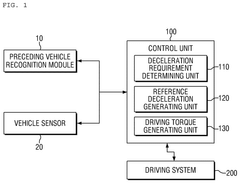
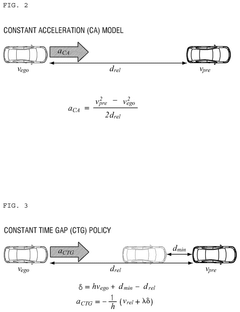
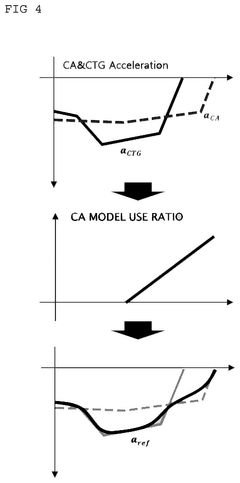
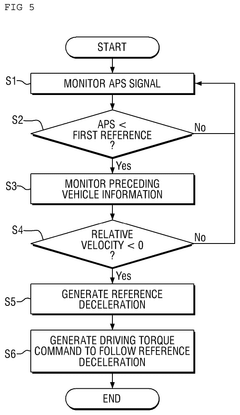
- A regenerative braking system that includes a preceding vehicle recognition module and vehicle sensors to calculate a reference deceleration, generating a driving torque command for optimized regenerative braking torque, allowing the vehicle to maintain a safe distance from the preceding vehicle, thereby enhancing driving convenience and stability.
Efficient use of regenerative energy in high-speed electric vehicles
PatentPendingIN202441016639A
Innovation
- The integration of advanced energy management algorithms for real-time data analysis and predictive control strategies, coupled with innovative energy storage solutions and emerging technologies like vehicle-to-grid communication, to optimize regenerative energy capture, storage, and utilization, ensuring maximum energy recovery and efficient power delivery.
Environmental Impact Assessment
Regenerative braking systems have gained significant attention in recent years due to their potential to improve vehicle efficiency and reduce environmental impact. This assessment focuses on the environmental implications of implementing and optimizing these systems in various vehicles, particularly in electric and hybrid vehicles.
The primary environmental benefit of regenerative braking systems lies in their ability to recover and store energy that would otherwise be lost as heat during conventional braking. This energy recovery process leads to improved overall vehicle efficiency, resulting in reduced fuel consumption and lower greenhouse gas emissions. Studies have shown that regenerative braking can recover up to 70% of the kinetic energy typically lost during braking, translating to a 5-10% increase in fuel economy for hybrid vehicles and up to 20% for electric vehicles in urban driving conditions.
The implementation of regenerative braking systems also contributes to reduced wear on traditional friction-based brake components. This decrease in brake wear leads to fewer particulate emissions from brake dust, which is a significant source of air pollution in urban areas. Additionally, the extended lifespan of brake components reduces the environmental impact associated with their production, replacement, and disposal.
However, the environmental impact of regenerative braking systems must be considered holistically, including the production and disposal of the additional components required. The manufacturing of energy storage systems, such as batteries or ultracapacitors, and power electronics involves the use of rare earth metals and energy-intensive processes. The environmental footprint of these components must be weighed against the long-term benefits of improved vehicle efficiency.
Furthermore, the optimization of regenerative braking systems can lead to even greater environmental benefits. Advanced control algorithms and predictive systems can maximize energy recovery while maintaining vehicle stability and driver comfort. These optimizations can further reduce energy consumption and emissions, particularly in stop-and-go traffic conditions typical of urban environments.
The integration of regenerative braking with other vehicle systems, such as adaptive cruise control and traffic prediction systems, can enhance its environmental impact. By anticipating braking events and optimizing energy recovery, these integrated systems can further improve overall vehicle efficiency and reduce emissions.
In conclusion, while regenerative braking systems offer significant environmental benefits through improved energy efficiency and reduced emissions, a comprehensive life cycle assessment is necessary to fully understand their net environmental impact. As technology continues to advance, the optimization of these systems is likely to yield even greater environmental benefits, contributing to the overall sustainability of transportation systems.
The primary environmental benefit of regenerative braking systems lies in their ability to recover and store energy that would otherwise be lost as heat during conventional braking. This energy recovery process leads to improved overall vehicle efficiency, resulting in reduced fuel consumption and lower greenhouse gas emissions. Studies have shown that regenerative braking can recover up to 70% of the kinetic energy typically lost during braking, translating to a 5-10% increase in fuel economy for hybrid vehicles and up to 20% for electric vehicles in urban driving conditions.
The implementation of regenerative braking systems also contributes to reduced wear on traditional friction-based brake components. This decrease in brake wear leads to fewer particulate emissions from brake dust, which is a significant source of air pollution in urban areas. Additionally, the extended lifespan of brake components reduces the environmental impact associated with their production, replacement, and disposal.
However, the environmental impact of regenerative braking systems must be considered holistically, including the production and disposal of the additional components required. The manufacturing of energy storage systems, such as batteries or ultracapacitors, and power electronics involves the use of rare earth metals and energy-intensive processes. The environmental footprint of these components must be weighed against the long-term benefits of improved vehicle efficiency.
Furthermore, the optimization of regenerative braking systems can lead to even greater environmental benefits. Advanced control algorithms and predictive systems can maximize energy recovery while maintaining vehicle stability and driver comfort. These optimizations can further reduce energy consumption and emissions, particularly in stop-and-go traffic conditions typical of urban environments.
The integration of regenerative braking with other vehicle systems, such as adaptive cruise control and traffic prediction systems, can enhance its environmental impact. By anticipating braking events and optimizing energy recovery, these integrated systems can further improve overall vehicle efficiency and reduce emissions.
In conclusion, while regenerative braking systems offer significant environmental benefits through improved energy efficiency and reduced emissions, a comprehensive life cycle assessment is necessary to fully understand their net environmental impact. As technology continues to advance, the optimization of these systems is likely to yield even greater environmental benefits, contributing to the overall sustainability of transportation systems.
Integration with Vehicle Electrification
The integration of regenerative braking systems with vehicle electrification represents a significant advancement in automotive technology, offering substantial improvements in energy efficiency and overall vehicle performance. As electric and hybrid vehicles become increasingly prevalent, the synergy between regenerative braking and electrification has become a focal point for automotive engineers and researchers.
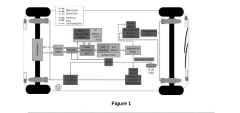
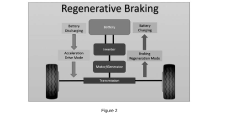
Regenerative braking systems in electric vehicles (EVs) and hybrid electric vehicles (HEVs) capitalize on the bidirectional nature of electric motors, allowing them to function as generators during deceleration. This process converts kinetic energy, which would otherwise be lost as heat in conventional friction braking, into electrical energy that can be stored in the vehicle's battery. The integration of these systems with vehicle electrification goes beyond mere energy recovery, encompassing a holistic approach to power management and drivetrain design.
One key aspect of this integration is the optimization of power electronics. Advanced inverters and converters are crucial for efficiently managing the flow of energy between the motor/generator and the battery during both acceleration and regenerative braking. These components must be designed to handle high power levels and rapid switching between motoring and generating modes, all while maintaining high efficiency across a wide range of operating conditions.
Battery technology plays a pivotal role in the effectiveness of regenerative braking in electrified vehicles. The ability of the battery to accept high charging rates during regenerative braking events is critical. Lithium-ion batteries, particularly those with advanced chemistries like lithium titanate or silicon-based anodes, offer improved charge acceptance rates and cycle life, making them well-suited for the demands of regenerative braking systems.
The integration also extends to the vehicle's control systems. Sophisticated algorithms are required to balance the regenerative braking force with conventional friction braking, ensuring optimal energy recovery without compromising vehicle stability or driver comfort. These control systems must seamlessly integrate with other vehicle subsystems, such as anti-lock braking systems (ABS) and electronic stability control (ESC), to maintain safety and performance under all driving conditions.
Furthermore, the integration of regenerative braking with vehicle electrification has implications for the overall design and packaging of the vehicle. The placement of electric motors, often in-wheel or close to the wheels, can enhance the effectiveness of regenerative braking by reducing mechanical losses. This integration also influences the sizing of friction braking components, potentially allowing for smaller, lighter conventional brake systems, which in turn contributes to overall vehicle efficiency.
As vehicle electrification continues to evolve, the integration of regenerative braking systems is likely to become even more sophisticated. Future developments may include predictive systems that optimize regenerative braking based on route information and traffic conditions, further enhancing energy recovery and efficiency. The ongoing research in this field promises to yield significant advancements in vehicle efficiency, range, and performance, solidifying the role of regenerative braking as a cornerstone technology in the electrified automotive landscape.
Regenerative braking systems in electric vehicles (EVs) and hybrid electric vehicles (HEVs) capitalize on the bidirectional nature of electric motors, allowing them to function as generators during deceleration. This process converts kinetic energy, which would otherwise be lost as heat in conventional friction braking, into electrical energy that can be stored in the vehicle's battery. The integration of these systems with vehicle electrification goes beyond mere energy recovery, encompassing a holistic approach to power management and drivetrain design.
One key aspect of this integration is the optimization of power electronics. Advanced inverters and converters are crucial for efficiently managing the flow of energy between the motor/generator and the battery during both acceleration and regenerative braking. These components must be designed to handle high power levels and rapid switching between motoring and generating modes, all while maintaining high efficiency across a wide range of operating conditions.
Battery technology plays a pivotal role in the effectiveness of regenerative braking in electrified vehicles. The ability of the battery to accept high charging rates during regenerative braking events is critical. Lithium-ion batteries, particularly those with advanced chemistries like lithium titanate or silicon-based anodes, offer improved charge acceptance rates and cycle life, making them well-suited for the demands of regenerative braking systems.
The integration also extends to the vehicle's control systems. Sophisticated algorithms are required to balance the regenerative braking force with conventional friction braking, ensuring optimal energy recovery without compromising vehicle stability or driver comfort. These control systems must seamlessly integrate with other vehicle subsystems, such as anti-lock braking systems (ABS) and electronic stability control (ESC), to maintain safety and performance under all driving conditions.
Furthermore, the integration of regenerative braking with vehicle electrification has implications for the overall design and packaging of the vehicle. The placement of electric motors, often in-wheel or close to the wheels, can enhance the effectiveness of regenerative braking by reducing mechanical losses. This integration also influences the sizing of friction braking components, potentially allowing for smaller, lighter conventional brake systems, which in turn contributes to overall vehicle efficiency.
As vehicle electrification continues to evolve, the integration of regenerative braking systems is likely to become even more sophisticated. Future developments may include predictive systems that optimize regenerative braking based on route information and traffic conditions, further enhancing energy recovery and efficiency. The ongoing research in this field promises to yield significant advancements in vehicle efficiency, range, and performance, solidifying the role of regenerative braking as a cornerstone technology in the electrified automotive landscape.
Unlock deeper insights with PatSnap Eureka Quick Research — get a full tech report to explore trends and direct your research. Try now!
Generate Your Research Report Instantly with AI Agent
Supercharge your innovation with PatSnap Eureka AI Agent Platform!