
Electromagnetic Generator vs Wind Turbines: Integration Cost Analysis
MAR 9, 202610 MIN READ
Generate Your Research Report Instantly with AI Agent
Patsnap Eureka helps you evaluate technical feasibility & market potential.
Electromagnetic Generator Wind Integration Background and Objectives
The global energy sector is undergoing a fundamental transformation driven by the urgent need to decarbonize power generation and achieve net-zero emissions targets. Wind energy has emerged as one of the most promising renewable energy sources, with installed capacity reaching over 900 GW worldwide by 2023. However, traditional wind turbine technology faces inherent limitations in efficiency, maintenance costs, and grid integration challenges that have prompted extensive research into alternative generator technologies.
Electromagnetic generators represent a revolutionary approach to wind energy conversion, offering potential advantages over conventional permanent magnet synchronous generators and doubly-fed induction generators commonly used in modern wind turbines. These advanced electromagnetic systems utilize innovative magnetic field manipulation techniques, superconducting materials, and novel rotor-stator configurations to achieve higher power density and improved energy conversion efficiency.
The evolution of electromagnetic generator technology has been accelerated by breakthroughs in materials science, particularly in high-temperature superconductors and rare-earth-free magnetic materials. Recent developments in power electronics and digital control systems have further enhanced the feasibility of integrating these advanced generators into existing wind energy infrastructure. The technology has progressed from laboratory prototypes to pilot-scale demonstrations, with several manufacturers developing commercial-grade electromagnetic generators specifically designed for wind applications.
The primary objective of this technological integration analysis is to comprehensively evaluate the economic viability and technical feasibility of replacing conventional wind turbine generators with electromagnetic alternatives. This assessment encompasses detailed cost-benefit analysis covering initial capital expenditure, installation complexity, operational efficiency gains, and long-term maintenance requirements. The analysis aims to identify optimal integration scenarios where electromagnetic generators can deliver superior return on investment compared to traditional wind turbine systems.
Secondary objectives include establishing performance benchmarks for electromagnetic generator integration across different wind resource conditions and turbine scales. The research seeks to quantify the impact of electromagnetic technology on grid stability, power quality, and overall system reliability. Additionally, the analysis will evaluate the scalability potential of electromagnetic generators for both onshore and offshore wind applications, considering manufacturing constraints and supply chain implications.
The ultimate goal is to provide actionable insights for energy developers, technology investors, and policy makers regarding the strategic deployment of electromagnetic generator technology in wind energy projects. This comprehensive evaluation will serve as a foundation for informed decision-making in renewable energy infrastructure investments and technology adoption strategies.
Electromagnetic generators represent a revolutionary approach to wind energy conversion, offering potential advantages over conventional permanent magnet synchronous generators and doubly-fed induction generators commonly used in modern wind turbines. These advanced electromagnetic systems utilize innovative magnetic field manipulation techniques, superconducting materials, and novel rotor-stator configurations to achieve higher power density and improved energy conversion efficiency.
The evolution of electromagnetic generator technology has been accelerated by breakthroughs in materials science, particularly in high-temperature superconductors and rare-earth-free magnetic materials. Recent developments in power electronics and digital control systems have further enhanced the feasibility of integrating these advanced generators into existing wind energy infrastructure. The technology has progressed from laboratory prototypes to pilot-scale demonstrations, with several manufacturers developing commercial-grade electromagnetic generators specifically designed for wind applications.
The primary objective of this technological integration analysis is to comprehensively evaluate the economic viability and technical feasibility of replacing conventional wind turbine generators with electromagnetic alternatives. This assessment encompasses detailed cost-benefit analysis covering initial capital expenditure, installation complexity, operational efficiency gains, and long-term maintenance requirements. The analysis aims to identify optimal integration scenarios where electromagnetic generators can deliver superior return on investment compared to traditional wind turbine systems.
Secondary objectives include establishing performance benchmarks for electromagnetic generator integration across different wind resource conditions and turbine scales. The research seeks to quantify the impact of electromagnetic technology on grid stability, power quality, and overall system reliability. Additionally, the analysis will evaluate the scalability potential of electromagnetic generators for both onshore and offshore wind applications, considering manufacturing constraints and supply chain implications.
The ultimate goal is to provide actionable insights for energy developers, technology investors, and policy makers regarding the strategic deployment of electromagnetic generator technology in wind energy projects. This comprehensive evaluation will serve as a foundation for informed decision-making in renewable energy infrastructure investments and technology adoption strategies.
Market Demand for Hybrid Wind Energy Systems
The global wind energy market is experiencing unprecedented growth, driven by increasing environmental consciousness and supportive government policies worldwide. Traditional wind turbine installations have dominated the renewable energy landscape, but emerging hybrid systems that integrate electromagnetic generators with conventional wind turbines are gaining significant traction among energy developers and utility companies.
Market demand for hybrid wind energy systems is primarily fueled by the need for enhanced energy efficiency and grid stability. These integrated solutions address critical limitations of standalone wind turbines, particularly intermittency issues and power quality concerns that have historically challenged wind energy adoption. Energy utilities are increasingly seeking technologies that can provide more consistent power output while reducing overall system complexity.
The commercial wind energy sector represents the largest demand segment for hybrid systems, with offshore wind farms showing particularly strong interest. Offshore installations face unique challenges including harsh environmental conditions and high maintenance costs, making the reliability improvements offered by electromagnetic generator integration especially valuable. Onshore utility-scale projects are also adopting hybrid configurations to maximize energy capture efficiency across varying wind conditions.
Industrial and commercial end-users are emerging as significant demand drivers, particularly in regions with high electricity costs or unreliable grid infrastructure. Manufacturing facilities, data centers, and large commercial complexes are evaluating hybrid wind systems as part of comprehensive energy independence strategies. These applications prioritize system reliability and consistent power delivery over pure cost considerations.
Geographic demand patterns show strong concentration in established wind energy markets including Europe, North America, and Asia-Pacific regions. European markets demonstrate particular interest in hybrid systems due to stringent renewable energy targets and grid integration requirements. Developing markets in Latin America and Southeast Asia are beginning to explore hybrid technologies as they expand renewable energy infrastructure.
The residential and small commercial segment represents an emerging demand category, driven by distributed energy trends and declining system costs. Small-scale hybrid wind systems offer improved performance characteristics that make wind energy viable in lower wind speed environments previously unsuitable for traditional turbines.
Technological maturation and cost reduction trends are expanding market accessibility, with early adopters in the utility sector paving the way for broader commercial acceptance across diverse application segments.
Market demand for hybrid wind energy systems is primarily fueled by the need for enhanced energy efficiency and grid stability. These integrated solutions address critical limitations of standalone wind turbines, particularly intermittency issues and power quality concerns that have historically challenged wind energy adoption. Energy utilities are increasingly seeking technologies that can provide more consistent power output while reducing overall system complexity.
The commercial wind energy sector represents the largest demand segment for hybrid systems, with offshore wind farms showing particularly strong interest. Offshore installations face unique challenges including harsh environmental conditions and high maintenance costs, making the reliability improvements offered by electromagnetic generator integration especially valuable. Onshore utility-scale projects are also adopting hybrid configurations to maximize energy capture efficiency across varying wind conditions.
Industrial and commercial end-users are emerging as significant demand drivers, particularly in regions with high electricity costs or unreliable grid infrastructure. Manufacturing facilities, data centers, and large commercial complexes are evaluating hybrid wind systems as part of comprehensive energy independence strategies. These applications prioritize system reliability and consistent power delivery over pure cost considerations.
Geographic demand patterns show strong concentration in established wind energy markets including Europe, North America, and Asia-Pacific regions. European markets demonstrate particular interest in hybrid systems due to stringent renewable energy targets and grid integration requirements. Developing markets in Latin America and Southeast Asia are beginning to explore hybrid technologies as they expand renewable energy infrastructure.
The residential and small commercial segment represents an emerging demand category, driven by distributed energy trends and declining system costs. Small-scale hybrid wind systems offer improved performance characteristics that make wind energy viable in lower wind speed environments previously unsuitable for traditional turbines.
Technological maturation and cost reduction trends are expanding market accessibility, with early adopters in the utility sector paving the way for broader commercial acceptance across diverse application segments.
Current State and Cost Challenges of Generator Integration
The current landscape of generator integration in wind energy systems presents a complex array of technological and economic challenges that significantly impact project viability and operational efficiency. Traditional permanent magnet synchronous generators (PMSGs) dominate the market, accounting for approximately 65% of new wind turbine installations globally, while electromagnetic generators represent an emerging alternative with distinct cost implications.
Electromagnetic generators currently face higher initial capital expenditure compared to conventional wind turbine generators, with installation costs ranging from $180,000 to $250,000 per MW capacity. This premium stems from sophisticated control systems, advanced power electronics, and specialized magnetic field regulation components. The technology requires precise electromagnetic field management systems that add approximately 15-20% to the base generator cost.
Integration complexity represents a primary cost driver, as electromagnetic generators demand enhanced grid synchronization capabilities and more sophisticated power conditioning equipment. Current implementations require additional harmonic filtering systems costing $25,000 to $40,000 per installation, alongside upgraded transformer configurations to handle variable electromagnetic field outputs. These requirements increase overall system integration costs by 12-18% compared to standard wind turbine generators.
Maintenance cost structures reveal contrasting patterns between the two technologies. Electromagnetic generators exhibit reduced mechanical wear due to contactless operation principles, potentially decreasing annual maintenance expenses by 8-12%. However, the electronic control systems require specialized technical expertise, increasing skilled labor costs by approximately 25% per maintenance cycle.
Grid integration challenges persist as a significant cost factor, particularly for electromagnetic generators operating in distributed generation scenarios. Current power quality requirements necessitate additional reactive power compensation equipment, adding $15,000 to $30,000 per installation. Voltage regulation systems must accommodate the unique output characteristics of electromagnetic generators, requiring customized solutions that increase integration complexity.
Manufacturing scalability constraints currently limit cost optimization opportunities for electromagnetic generators. Production volumes remain approximately 15 times lower than conventional wind generators, preventing economies of scale benefits. This manufacturing gap translates to component costs that are 20-30% higher than equivalent wind turbine generator components.
Regulatory compliance costs add another layer of complexity, as electromagnetic generators must meet evolving grid codes and electromagnetic compatibility standards. Certification processes require additional testing protocols costing $50,000 to $80,000 per generator design, while ongoing compliance monitoring systems add operational expenses of $3,000 to $5,000 annually per installation.
Electromagnetic generators currently face higher initial capital expenditure compared to conventional wind turbine generators, with installation costs ranging from $180,000 to $250,000 per MW capacity. This premium stems from sophisticated control systems, advanced power electronics, and specialized magnetic field regulation components. The technology requires precise electromagnetic field management systems that add approximately 15-20% to the base generator cost.
Integration complexity represents a primary cost driver, as electromagnetic generators demand enhanced grid synchronization capabilities and more sophisticated power conditioning equipment. Current implementations require additional harmonic filtering systems costing $25,000 to $40,000 per installation, alongside upgraded transformer configurations to handle variable electromagnetic field outputs. These requirements increase overall system integration costs by 12-18% compared to standard wind turbine generators.
Maintenance cost structures reveal contrasting patterns between the two technologies. Electromagnetic generators exhibit reduced mechanical wear due to contactless operation principles, potentially decreasing annual maintenance expenses by 8-12%. However, the electronic control systems require specialized technical expertise, increasing skilled labor costs by approximately 25% per maintenance cycle.
Grid integration challenges persist as a significant cost factor, particularly for electromagnetic generators operating in distributed generation scenarios. Current power quality requirements necessitate additional reactive power compensation equipment, adding $15,000 to $30,000 per installation. Voltage regulation systems must accommodate the unique output characteristics of electromagnetic generators, requiring customized solutions that increase integration complexity.
Manufacturing scalability constraints currently limit cost optimization opportunities for electromagnetic generators. Production volumes remain approximately 15 times lower than conventional wind generators, preventing economies of scale benefits. This manufacturing gap translates to component costs that are 20-30% higher than equivalent wind turbine generator components.
Regulatory compliance costs add another layer of complexity, as electromagnetic generators must meet evolving grid codes and electromagnetic compatibility standards. Certification processes require additional testing protocols costing $50,000 to $80,000 per generator design, while ongoing compliance monitoring systems add operational expenses of $3,000 to $5,000 annually per installation.
Existing Integration Solutions and Cost Models
01 Direct-drive generator systems for wind turbines
Direct-drive generator configurations eliminate the need for gearboxes in wind turbines, reducing mechanical complexity and maintenance costs. These systems feature permanent magnet generators or electrically excited synchronous generators that directly couple to the turbine rotor. The integration approach simplifies the drivetrain architecture, reduces component count, and improves overall system reliability while lowering installation and operational expenses.- Direct-drive generator systems for wind turbines: Direct-drive generator configurations eliminate the need for gearboxes in wind turbines, reducing mechanical complexity and maintenance costs. These systems feature permanent magnet generators or electrically excited synchronous generators that directly couple to the turbine rotor. The integration approach simplifies the drivetrain architecture, reduces component count, and improves overall system reliability while lowering installation and operational expenses.
- Modular generator design for cost-effective manufacturing: Modular electromagnetic generator designs enable standardized manufacturing processes and simplified assembly procedures for wind turbine integration. These designs incorporate segmented stator cores, modular winding configurations, and pre-assembled generator units that can be transported and installed more efficiently. The modular approach reduces manufacturing complexity, lowers transportation costs, and facilitates easier maintenance and component replacement throughout the turbine lifecycle.
- Integrated power conversion and control systems: Integration of power electronics and control systems directly within or adjacent to the generator assembly reduces cabling requirements and installation complexity. These integrated systems combine rectifiers, inverters, and control units in compact configurations that minimize power losses and simplify grid connection. The approach reduces balance-of-plant costs, improves power quality, and enables more efficient energy conversion from mechanical to electrical form.
- Lightweight generator structures and materials: Advanced materials and structural optimization techniques reduce generator weight and associated support structure requirements in wind turbines. These innovations include high-strength composite materials, optimized magnetic circuit designs, and lightweight housing configurations that maintain performance while reducing material costs. The weight reduction lowers tower and foundation requirements, decreases transportation expenses, and simplifies installation procedures.
- Scalable generator platforms for multiple turbine ratings: Scalable electromagnetic generator platforms enable cost-effective adaptation across different wind turbine power ratings through standardized core designs and configurable components. These platforms utilize common magnetic and electrical architectures that can be scaled through dimensional adjustments, winding modifications, or parallel configurations. The standardization approach reduces engineering costs, enables volume manufacturing benefits, and simplifies supply chain management across turbine product lines.
02 Modular generator design for cost-effective manufacturing
Modular electromagnetic generator designs enable standardized production and simplified assembly processes for wind turbine applications. These designs incorporate segmented stator cores, modular winding configurations, and pre-assembled generator units that can be transported and installed more efficiently. The modular approach reduces manufacturing complexity, lowers transportation costs, and facilitates easier maintenance and component replacement throughout the turbine lifecycle.Expand Specific Solutions03 Integrated power conversion and control systems
Integration of power electronics and control systems directly with the generator assembly reduces cabling requirements and installation complexity. These integrated solutions combine the generator with converters, inverters, and control units in compact configurations. The approach minimizes electrical losses, reduces balance-of-system costs, and improves power quality while simplifying grid connection requirements and reducing overall system footprint.Expand Specific Solutions04 Lightweight generator structures and materials
Advanced materials and structural optimization techniques reduce generator weight and associated support structure requirements in wind turbines. These innovations include high-strength magnetic materials, composite structural components, and optimized electromagnetic designs that maintain performance while reducing mass. The weight reduction lowers tower and foundation costs, simplifies installation logistics, and reduces transportation expenses for offshore and remote installations.Expand Specific Solutions05 Scalable generator platforms for multiple turbine ratings
Scalable electromagnetic generator platforms enable cost-effective adaptation across different wind turbine power ratings through standardized core designs. These platforms utilize common electromagnetic principles, manufacturing processes, and component families that can be scaled up or down to match specific turbine requirements. The standardization approach reduces engineering costs, enables volume manufacturing benefits, and simplifies supply chain management while maintaining performance optimization across the product range.Expand Specific Solutions
Key Players in Wind Turbine and Generator Industry
The electromagnetic generator versus wind turbine integration cost analysis represents a rapidly evolving sector within the renewable energy industry, currently in a mature growth phase with significant market expansion driven by global decarbonization initiatives. The market demonstrates substantial scale, with established players like Siemens Gamesa Renewable Energy, Vestas Wind Systems, and General Electric Renovables España leading traditional wind turbine technology, while companies such as Goldwind Science & Technology and ABB AB advance electromagnetic generator solutions. Technology maturity varies significantly across the competitive landscape, with conventional wind turbines reaching commercial maturity through decades of development by industry leaders, whereas electromagnetic generator integration remains in advanced development stages. Research institutions including Technical University of Denmark, Southeast University, and North China Electric Power University contribute crucial technological innovations, while grid integration specialists like State Grid Corporation of China address infrastructure challenges. The convergence of these technologies presents both cost optimization opportunities and technical complexities requiring sophisticated analysis.
Siemens Gamesa Renewable Energy AS
Technical Solution: Siemens Gamesa has developed advanced electromagnetic generator technologies integrated with their wind turbine systems, focusing on direct-drive permanent magnet synchronous generators (PMSG) that eliminate the need for gearboxes. Their approach significantly reduces integration costs by minimizing mechanical complexity and maintenance requirements. The company's electromagnetic generators feature optimized magnetic flux control and advanced power electronics that enable seamless grid integration with reduced power conditioning equipment costs. Their modular design approach allows for standardized installation procedures, reducing both initial capital expenditure and long-term operational costs compared to traditional geared systems.
Strengths: Proven track record in large-scale wind installations, reduced maintenance costs through gearbox elimination, standardized modular design. Weaknesses: Higher initial material costs due to rare earth magnets, limited flexibility in retrofitting existing turbine infrastructure.
General Electric Renovables España SL
Technical Solution: GE Renewable Energy has implemented a comprehensive cost analysis framework comparing electromagnetic generators with conventional wind turbine systems. Their Haliade-X offshore wind platform incorporates advanced electromagnetic generator technology with optimized power-to-weight ratios, reducing foundation and installation costs. The company's approach includes lifecycle cost modeling that demonstrates 15-20% reduction in total cost of ownership through improved reliability and reduced maintenance intervals. Their electromagnetic generators utilize advanced materials and cooling systems that extend operational lifespan while minimizing grid integration complexity through integrated power electronics and smart grid compatibility features.
Strengths: Extensive offshore wind experience, proven cost reduction methodologies, integrated smart grid capabilities. Weaknesses: High initial capital investment requirements, dependency on complex supply chain for advanced materials.
Core Innovations in Electromagnetic Generator Design
Wind power plant
PatentInactiveUS7061133B1
Innovation
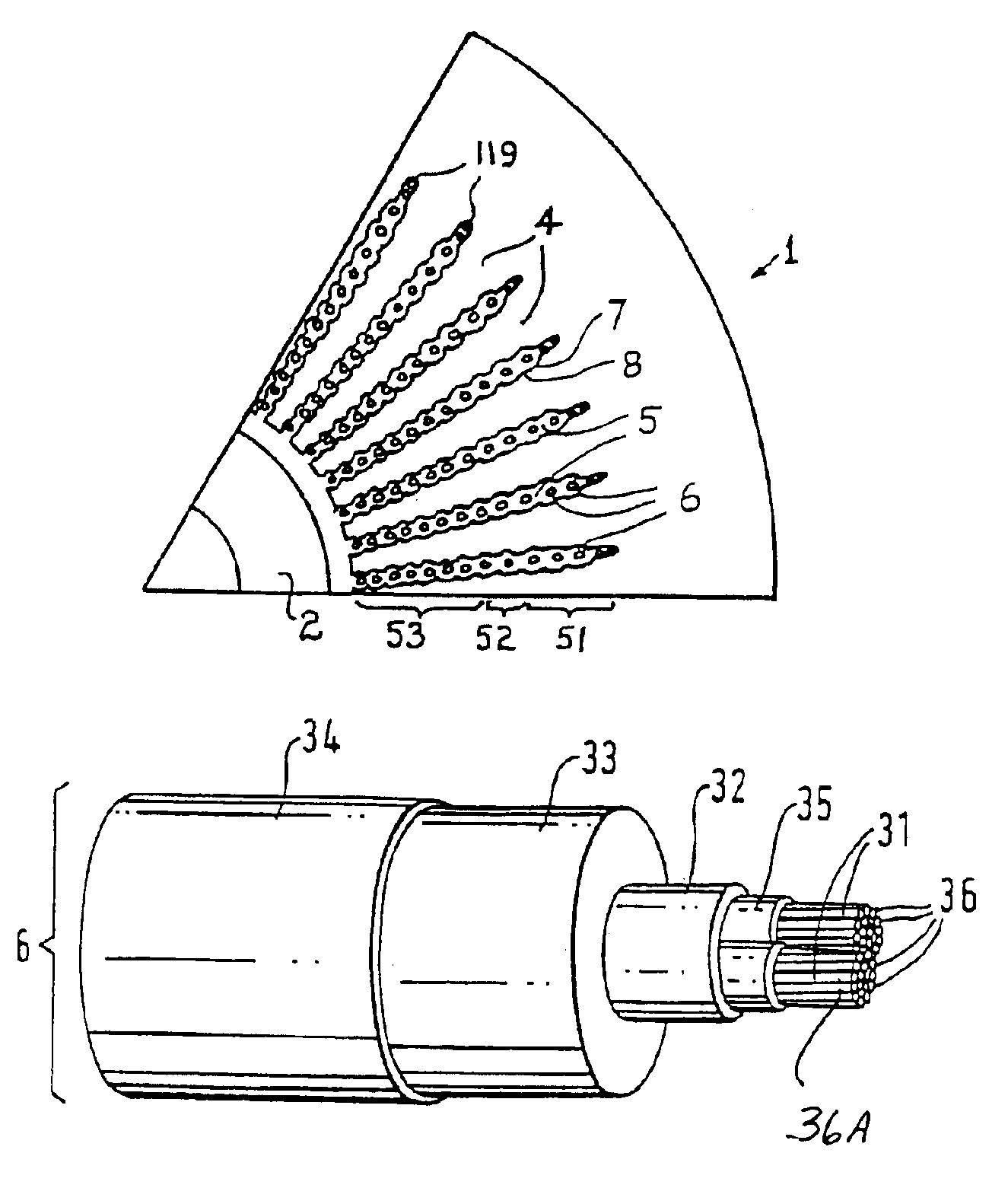
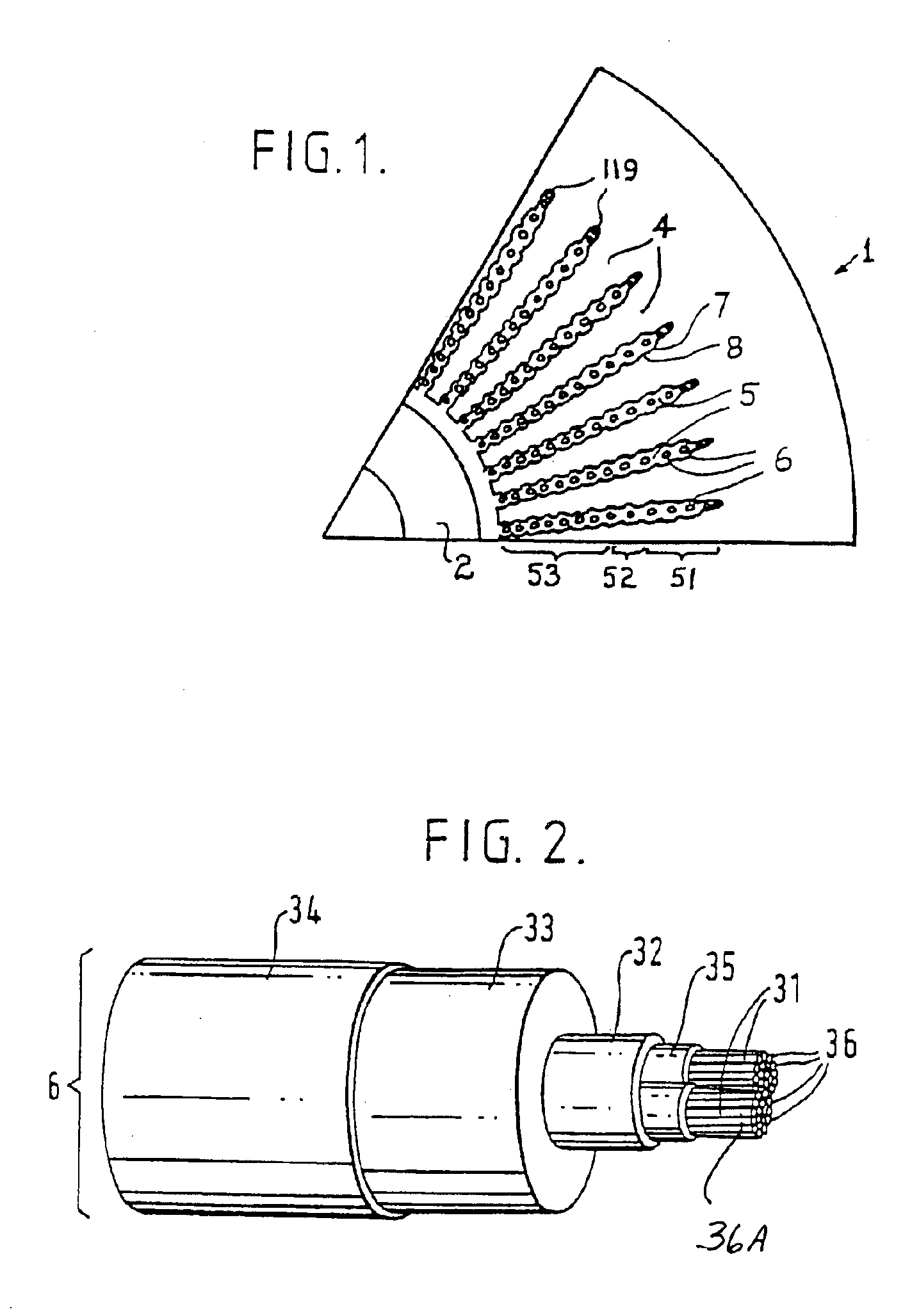
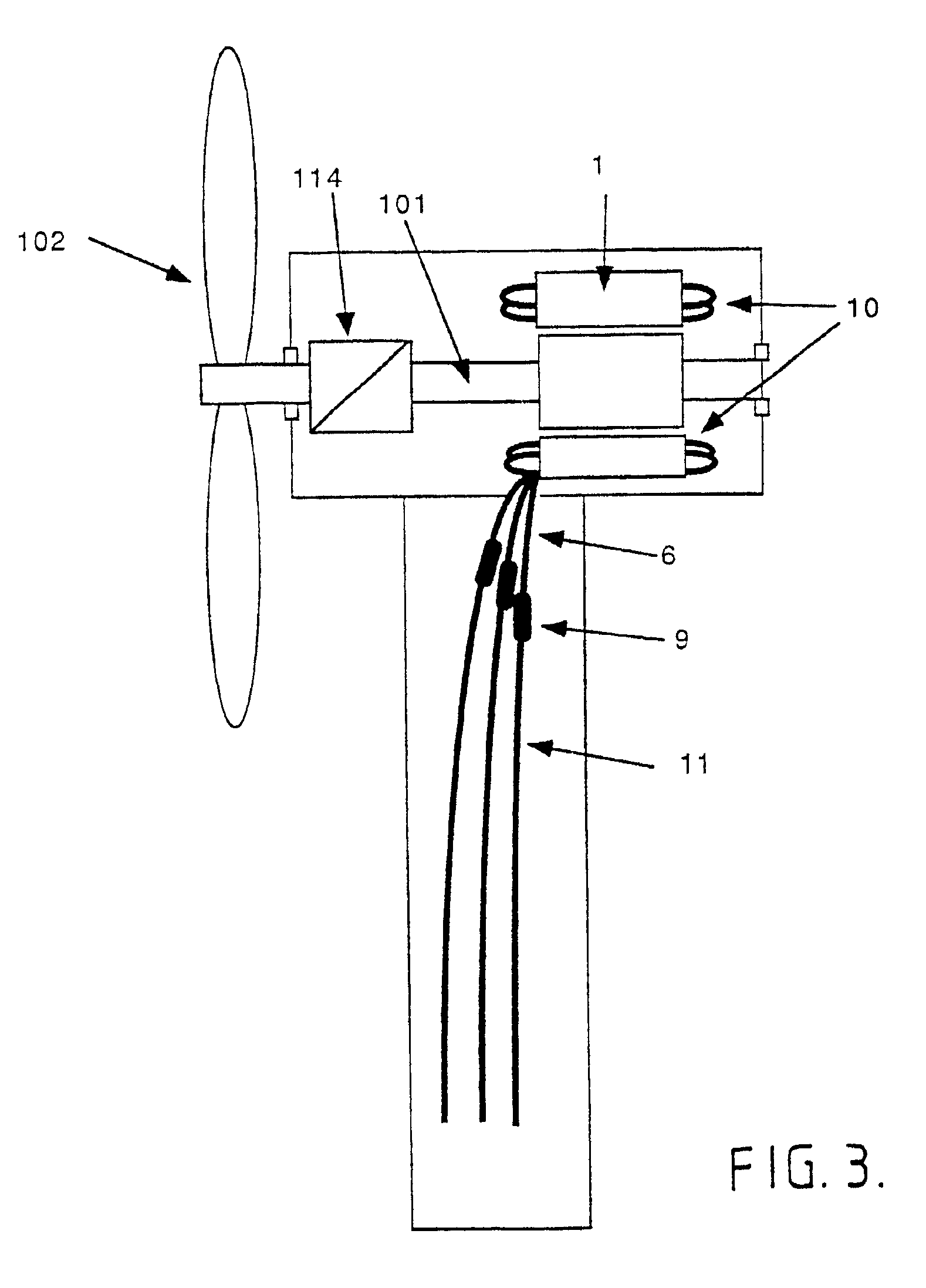
- The development of an electric generator with a solid insulation system using semiconducting layers and a laminated core with a multilayered, concentric cable winding, allowing direct connection to high-voltage networks without intermediate transformers, and featuring a magnetic circuit with slots designed for optimal utilization and reduced coil-end intersections.

Opposing piston synchronized linear engine-alternator (opslea) for electrical power generation
PatentActiveUS20220154634A1
Innovation
- A resonant free piston engine generator system with opposed piston assemblies and linear electromagnetic machines, utilizing flexure springs for high-frequency operation and variable compression ratios, combining the advantages of rotary turbine and crankshaft engine systems to achieve high power density and efficiency.


Policy Framework for Wind Energy Integration
The regulatory landscape for wind energy integration has evolved significantly across different jurisdictions, with governments implementing comprehensive policy frameworks to address the technical and economic challenges of incorporating renewable energy sources into existing power grids. These frameworks typically encompass feed-in tariffs, renewable portfolio standards, grid connection requirements, and specific provisions for emerging technologies such as electromagnetic generators.
At the federal level, most developed nations have established renewable energy targets ranging from 20% to 50% of total electricity generation by 2030-2050. These targets are supported by financial incentives including production tax credits, investment tax credits, and accelerated depreciation schedules that directly impact the economic viability of wind energy projects. The integration cost analysis between electromagnetic generators and traditional wind turbines is significantly influenced by these policy mechanisms, as they determine the revenue streams and payback periods for different technologies.
Grid integration policies have become increasingly sophisticated, addressing technical standards for power quality, frequency regulation, and voltage stability. Many jurisdictions now require wind energy installations to provide ancillary services such as reactive power support and fault ride-through capabilities. These requirements often favor advanced electromagnetic generator systems that can offer superior grid support functions, despite potentially higher initial capital costs.
Environmental impact assessment regulations play a crucial role in technology selection and deployment strategies. Policies addressing noise pollution, visual impact, and wildlife protection can significantly affect the comparative costs of different wind energy technologies. Electromagnetic generators, with their potential for reduced mechanical complexity and noise generation, may benefit from streamlined approval processes in environmentally sensitive areas.
Market liberalization policies and competitive bidding mechanisms have transformed the wind energy sector, creating pressure for cost optimization and technological innovation. These frameworks increasingly consider lifecycle costs, grid integration expenses, and system reliability metrics rather than focusing solely on initial capital expenditure, thereby influencing the comparative economic analysis between electromagnetic generators and conventional wind turbines.
At the federal level, most developed nations have established renewable energy targets ranging from 20% to 50% of total electricity generation by 2030-2050. These targets are supported by financial incentives including production tax credits, investment tax credits, and accelerated depreciation schedules that directly impact the economic viability of wind energy projects. The integration cost analysis between electromagnetic generators and traditional wind turbines is significantly influenced by these policy mechanisms, as they determine the revenue streams and payback periods for different technologies.
Grid integration policies have become increasingly sophisticated, addressing technical standards for power quality, frequency regulation, and voltage stability. Many jurisdictions now require wind energy installations to provide ancillary services such as reactive power support and fault ride-through capabilities. These requirements often favor advanced electromagnetic generator systems that can offer superior grid support functions, despite potentially higher initial capital costs.
Environmental impact assessment regulations play a crucial role in technology selection and deployment strategies. Policies addressing noise pollution, visual impact, and wildlife protection can significantly affect the comparative costs of different wind energy technologies. Electromagnetic generators, with their potential for reduced mechanical complexity and noise generation, may benefit from streamlined approval processes in environmentally sensitive areas.
Market liberalization policies and competitive bidding mechanisms have transformed the wind energy sector, creating pressure for cost optimization and technological innovation. These frameworks increasingly consider lifecycle costs, grid integration expenses, and system reliability metrics rather than focusing solely on initial capital expenditure, thereby influencing the comparative economic analysis between electromagnetic generators and conventional wind turbines.
Economic Feasibility Assessment Methods
Economic feasibility assessment for electromagnetic generator and wind turbine integration requires comprehensive evaluation methodologies that account for both quantitative financial metrics and qualitative operational factors. The assessment framework must incorporate multiple analytical approaches to ensure accurate cost-benefit analysis and risk evaluation across different deployment scenarios.
Net Present Value (NPV) analysis serves as the primary financial evaluation tool, calculating the present value of future cash flows generated by integrated systems minus initial capital investments. This method accounts for time value of money and provides direct comparison between electromagnetic generator retrofits and new wind turbine installations. The discount rate selection critically impacts NPV calculations, typically ranging from 6-12% depending on project risk profiles and regional financing conditions.
Internal Rate of Return (IRR) calculations complement NPV analysis by determining the discount rate at which project cash flows equal zero. For electromagnetic generator integration projects, IRR thresholds typically exceed 15% to justify investment risks associated with emerging technology adoption. Sensitivity analysis around IRR calculations helps identify critical variables affecting project viability, including energy output improvements, maintenance cost reductions, and grid integration expenses.
Levelized Cost of Energy (LCOE) methodology enables direct comparison between integrated systems and conventional wind power generation. LCOE calculations incorporate capital expenditures, operational expenses, financing costs, and energy production over project lifespans. Electromagnetic generator integration typically reduces LCOE through enhanced energy capture efficiency and extended turbine operational life, though initial retrofit costs may temporarily increase short-term LCOE metrics.
Payback period analysis provides intuitive assessment of investment recovery timeframes, particularly valuable for stakeholder communication and financing decisions. Simple payback calculations divide initial investment by annual cash flow improvements, while discounted payback methods incorporate time value considerations. Electromagnetic generator integration projects typically demonstrate payback periods between 5-8 years, depending on existing turbine conditions and local energy market pricing.
Real Options Valuation (ROV) addresses uncertainty inherent in emerging technology investments by treating integration decisions as financial options. This methodology accounts for flexibility value in phased implementation approaches, allowing operators to expand or modify integration strategies based on performance data and market developments. ROV particularly benefits electromagnetic generator assessments given technology maturation uncertainties and evolving grid integration requirements.
Monte Carlo simulation techniques enhance feasibility assessments by modeling probability distributions for key variables including energy output variations, maintenance cost fluctuations, and regulatory changes. These simulations generate confidence intervals around financial projections, enabling risk-adjusted decision making and contingency planning for various operational scenarios.
Net Present Value (NPV) analysis serves as the primary financial evaluation tool, calculating the present value of future cash flows generated by integrated systems minus initial capital investments. This method accounts for time value of money and provides direct comparison between electromagnetic generator retrofits and new wind turbine installations. The discount rate selection critically impacts NPV calculations, typically ranging from 6-12% depending on project risk profiles and regional financing conditions.
Internal Rate of Return (IRR) calculations complement NPV analysis by determining the discount rate at which project cash flows equal zero. For electromagnetic generator integration projects, IRR thresholds typically exceed 15% to justify investment risks associated with emerging technology adoption. Sensitivity analysis around IRR calculations helps identify critical variables affecting project viability, including energy output improvements, maintenance cost reductions, and grid integration expenses.
Levelized Cost of Energy (LCOE) methodology enables direct comparison between integrated systems and conventional wind power generation. LCOE calculations incorporate capital expenditures, operational expenses, financing costs, and energy production over project lifespans. Electromagnetic generator integration typically reduces LCOE through enhanced energy capture efficiency and extended turbine operational life, though initial retrofit costs may temporarily increase short-term LCOE metrics.
Payback period analysis provides intuitive assessment of investment recovery timeframes, particularly valuable for stakeholder communication and financing decisions. Simple payback calculations divide initial investment by annual cash flow improvements, while discounted payback methods incorporate time value considerations. Electromagnetic generator integration projects typically demonstrate payback periods between 5-8 years, depending on existing turbine conditions and local energy market pricing.
Real Options Valuation (ROV) addresses uncertainty inherent in emerging technology investments by treating integration decisions as financial options. This methodology accounts for flexibility value in phased implementation approaches, allowing operators to expand or modify integration strategies based on performance data and market developments. ROV particularly benefits electromagnetic generator assessments given technology maturation uncertainties and evolving grid integration requirements.
Monte Carlo simulation techniques enhance feasibility assessments by modeling probability distributions for key variables including energy output variations, maintenance cost fluctuations, and regulatory changes. These simulations generate confidence intervals around financial projections, enabling risk-adjusted decision making and contingency planning for various operational scenarios.
Unlock deeper insights with Patsnap Eureka Quick Research — get a full tech report to explore trends and direct your research. Try now!
Generate Your Research Report Instantly with AI Agent
Supercharge your innovation with Patsnap Eureka AI Agent Platform!