
Enhance Electromagnetic Generator Energy Conversion Rates
MAR 9, 20269 MIN READ
Generate Your Research Report Instantly with AI Agent
Patsnap Eureka helps you evaluate technical feasibility & market potential.
Electromagnetic Generator Efficiency Background and Targets
Electromagnetic generators have served as fundamental components of power generation systems for over a century, with their origins tracing back to Michael Faraday's groundbreaking electromagnetic induction principles in 1831. The evolution from simple dynamos to sophisticated modern generators reflects continuous efforts to maximize energy conversion efficiency while minimizing losses inherent in electromagnetic processes.
The historical development trajectory reveals significant milestones in efficiency enhancement, beginning with basic DC generators achieving 60-70% efficiency in the early 1900s, progressing to modern synchronous generators reaching 95-98% efficiency in large-scale applications. However, substantial room for improvement remains, particularly in smaller-scale applications and emerging renewable energy integration scenarios where efficiency gains directly translate to enhanced economic viability.
Contemporary electromagnetic generators face mounting pressure to achieve higher conversion rates due to escalating energy demands and environmental sustainability requirements. Traditional efficiency limitations stem from multiple loss mechanisms including copper losses in windings, iron losses in magnetic cores, mechanical friction, and electromagnetic field leakage. These losses collectively reduce overall system performance and represent significant opportunities for technological advancement.
The primary technical objective centers on developing innovative approaches to minimize energy dissipation while maximizing useful power output. This encompasses advanced magnetic materials with superior permeability characteristics, optimized winding configurations that reduce resistive losses, and enhanced cooling systems that maintain optimal operating temperatures. Additionally, integration of smart control systems enables real-time optimization of generator parameters based on varying load conditions.
Emerging applications in renewable energy systems, electric vehicles, and distributed power generation demand generators with exceptional efficiency across diverse operating conditions. The target efficiency improvements of 2-5% above current benchmarks may appear modest but represent substantial energy savings when scaled across global power generation infrastructure.
Future development goals emphasize achieving near-theoretical maximum efficiency through revolutionary design paradigms, including superconducting materials, advanced permanent magnet configurations, and hybrid electromagnetic-mechanical systems. These innovations aim to establish new performance standards while maintaining cost-effectiveness and operational reliability essential for widespread commercial adoption.
The historical development trajectory reveals significant milestones in efficiency enhancement, beginning with basic DC generators achieving 60-70% efficiency in the early 1900s, progressing to modern synchronous generators reaching 95-98% efficiency in large-scale applications. However, substantial room for improvement remains, particularly in smaller-scale applications and emerging renewable energy integration scenarios where efficiency gains directly translate to enhanced economic viability.
Contemporary electromagnetic generators face mounting pressure to achieve higher conversion rates due to escalating energy demands and environmental sustainability requirements. Traditional efficiency limitations stem from multiple loss mechanisms including copper losses in windings, iron losses in magnetic cores, mechanical friction, and electromagnetic field leakage. These losses collectively reduce overall system performance and represent significant opportunities for technological advancement.
The primary technical objective centers on developing innovative approaches to minimize energy dissipation while maximizing useful power output. This encompasses advanced magnetic materials with superior permeability characteristics, optimized winding configurations that reduce resistive losses, and enhanced cooling systems that maintain optimal operating temperatures. Additionally, integration of smart control systems enables real-time optimization of generator parameters based on varying load conditions.
Emerging applications in renewable energy systems, electric vehicles, and distributed power generation demand generators with exceptional efficiency across diverse operating conditions. The target efficiency improvements of 2-5% above current benchmarks may appear modest but represent substantial energy savings when scaled across global power generation infrastructure.
Future development goals emphasize achieving near-theoretical maximum efficiency through revolutionary design paradigms, including superconducting materials, advanced permanent magnet configurations, and hybrid electromagnetic-mechanical systems. These innovations aim to establish new performance standards while maintaining cost-effectiveness and operational reliability essential for widespread commercial adoption.
Market Demand for High-Efficiency Energy Conversion Systems
The global energy landscape is experiencing unprecedented transformation driven by urgent climate commitments and accelerating electrification across multiple sectors. Governments worldwide have established ambitious carbon neutrality targets, creating substantial regulatory pressure for cleaner energy solutions. This policy environment has generated massive demand for high-efficiency energy conversion systems that can maximize output from renewable sources while minimizing waste.
Industrial applications represent the largest market segment for enhanced electromagnetic generators. Manufacturing facilities, data centers, and processing plants require reliable, efficient power conversion to reduce operational costs and meet sustainability mandates. The industrial sector's focus on energy optimization has intensified as electricity costs continue rising and environmental regulations become more stringent.
Renewable energy integration presents another critical demand driver. Wind turbines, hydroelectric installations, and emerging wave energy systems all rely on electromagnetic generators to convert mechanical energy into electrical power. As renewable capacity expands globally, operators increasingly prioritize generator efficiency improvements to maximize energy yield from variable natural resources. Enhanced conversion rates directly translate to improved project economics and faster return on investment.
Electric vehicle infrastructure development has created substantial demand for high-efficiency charging systems. Fast-charging networks require sophisticated power conversion equipment capable of handling high-power transfers with minimal energy loss. The rapid expansion of EV adoption is driving continuous demand for more efficient electromagnetic conversion technologies throughout the charging ecosystem.
Grid modernization initiatives worldwide are spurring demand for advanced power conversion systems. Smart grid implementations require bidirectional energy flow capabilities, energy storage integration, and improved power quality management. Utilities are investing heavily in high-efficiency conversion equipment to reduce transmission losses and accommodate distributed energy resources.
Market research indicates strong growth trajectories across all application segments. The convergence of regulatory requirements, economic incentives, and technological advancement is creating sustained demand for electromagnetic generator efficiency improvements. Energy conversion rate enhancements deliver measurable value propositions including reduced fuel consumption, lower operational costs, decreased carbon emissions, and improved system reliability.
Emerging applications in aerospace, marine propulsion, and portable power systems are expanding market opportunities. These specialized sectors demand compact, lightweight generators with maximum efficiency to optimize performance within strict weight and space constraints.
Industrial applications represent the largest market segment for enhanced electromagnetic generators. Manufacturing facilities, data centers, and processing plants require reliable, efficient power conversion to reduce operational costs and meet sustainability mandates. The industrial sector's focus on energy optimization has intensified as electricity costs continue rising and environmental regulations become more stringent.
Renewable energy integration presents another critical demand driver. Wind turbines, hydroelectric installations, and emerging wave energy systems all rely on electromagnetic generators to convert mechanical energy into electrical power. As renewable capacity expands globally, operators increasingly prioritize generator efficiency improvements to maximize energy yield from variable natural resources. Enhanced conversion rates directly translate to improved project economics and faster return on investment.
Electric vehicle infrastructure development has created substantial demand for high-efficiency charging systems. Fast-charging networks require sophisticated power conversion equipment capable of handling high-power transfers with minimal energy loss. The rapid expansion of EV adoption is driving continuous demand for more efficient electromagnetic conversion technologies throughout the charging ecosystem.
Grid modernization initiatives worldwide are spurring demand for advanced power conversion systems. Smart grid implementations require bidirectional energy flow capabilities, energy storage integration, and improved power quality management. Utilities are investing heavily in high-efficiency conversion equipment to reduce transmission losses and accommodate distributed energy resources.
Market research indicates strong growth trajectories across all application segments. The convergence of regulatory requirements, economic incentives, and technological advancement is creating sustained demand for electromagnetic generator efficiency improvements. Energy conversion rate enhancements deliver measurable value propositions including reduced fuel consumption, lower operational costs, decreased carbon emissions, and improved system reliability.
Emerging applications in aerospace, marine propulsion, and portable power systems are expanding market opportunities. These specialized sectors demand compact, lightweight generators with maximum efficiency to optimize performance within strict weight and space constraints.
Current State and Challenges in EM Generator Efficiency
Electromagnetic generators currently achieve energy conversion efficiencies ranging from 85% to 95% in commercial applications, with the most advanced permanent magnet synchronous generators reaching peak efficiencies of 97%. However, these peak performance levels are typically sustained only under optimal operating conditions, with efficiency dropping significantly during variable load scenarios or non-ideal environmental conditions.
The global landscape of electromagnetic generator technology shows distinct regional concentrations. European manufacturers lead in wind turbine generator efficiency, particularly in offshore applications, while Asian companies dominate the permanent magnet material supply chain critical for high-efficiency designs. North American research institutions focus heavily on superconducting generator technologies, though commercial viability remains limited due to cooling system requirements.
Magnetic losses represent the most significant challenge in current generator designs, accounting for 40-60% of total energy losses. Eddy current losses in stator cores increase exponentially with frequency, while hysteresis losses vary with magnetic flux density changes. Advanced silicon steel grades and amorphous metal cores have reduced these losses by approximately 20-30% compared to conventional materials, but further improvements face diminishing returns.
Thermal management constraints severely limit generator performance optimization. Heat generation from resistive losses and magnetic losses creates temperature gradients that affect permanent magnet strength and electrical conductivity. Current cooling systems add substantial weight and complexity, particularly in aerospace and automotive applications where space and weight constraints are critical.
Mechanical losses from bearing friction, windage, and vibration contribute 5-15% of total losses depending on generator size and operating speed. High-speed generators face particular challenges with bearing wear and rotor dynamic stability, limiting their operational lifespan and requiring frequent maintenance interventions.
Material limitations pose fundamental barriers to efficiency improvements. Permanent magnet materials face supply chain vulnerabilities and temperature stability issues, while superconducting materials require cryogenic cooling systems that often negate their efficiency advantages. Conventional copper windings approach theoretical current density limits due to thermal constraints.
Power electronics integration challenges affect overall system efficiency. Inverter losses, harmonic distortion, and electromagnetic interference reduce the effective energy conversion rates in grid-connected applications. Advanced control algorithms show promise but require sophisticated sensors and processing capabilities that increase system complexity and cost.
The global landscape of electromagnetic generator technology shows distinct regional concentrations. European manufacturers lead in wind turbine generator efficiency, particularly in offshore applications, while Asian companies dominate the permanent magnet material supply chain critical for high-efficiency designs. North American research institutions focus heavily on superconducting generator technologies, though commercial viability remains limited due to cooling system requirements.
Magnetic losses represent the most significant challenge in current generator designs, accounting for 40-60% of total energy losses. Eddy current losses in stator cores increase exponentially with frequency, while hysteresis losses vary with magnetic flux density changes. Advanced silicon steel grades and amorphous metal cores have reduced these losses by approximately 20-30% compared to conventional materials, but further improvements face diminishing returns.
Thermal management constraints severely limit generator performance optimization. Heat generation from resistive losses and magnetic losses creates temperature gradients that affect permanent magnet strength and electrical conductivity. Current cooling systems add substantial weight and complexity, particularly in aerospace and automotive applications where space and weight constraints are critical.
Mechanical losses from bearing friction, windage, and vibration contribute 5-15% of total losses depending on generator size and operating speed. High-speed generators face particular challenges with bearing wear and rotor dynamic stability, limiting their operational lifespan and requiring frequent maintenance interventions.
Material limitations pose fundamental barriers to efficiency improvements. Permanent magnet materials face supply chain vulnerabilities and temperature stability issues, while superconducting materials require cryogenic cooling systems that often negate their efficiency advantages. Conventional copper windings approach theoretical current density limits due to thermal constraints.
Power electronics integration challenges affect overall system efficiency. Inverter losses, harmonic distortion, and electromagnetic interference reduce the effective energy conversion rates in grid-connected applications. Advanced control algorithms show promise but require sophisticated sensors and processing capabilities that increase system complexity and cost.
Existing Solutions for Improving Generator Conversion Rates
01 Optimization of magnetic circuit design for improved energy conversion
Electromagnetic generators can achieve higher energy conversion rates through optimized magnetic circuit configurations. This includes the arrangement and geometry of magnetic poles, air gaps, and flux paths to minimize magnetic resistance and maximize flux linkage. Advanced magnetic circuit designs incorporate specific core materials and geometries that reduce energy losses during the conversion process. These optimizations focus on improving the magnetic field distribution and reducing eddy current losses.- Optimization of magnetic circuit design for improved energy conversion: Electromagnetic generators can achieve higher energy conversion rates through optimized magnetic circuit configurations. This includes the arrangement and geometry of magnetic poles, air gaps, and flux paths to minimize magnetic resistance and maximize flux linkage. Advanced magnetic materials with high permeability and low hysteresis losses are utilized to enhance the magnetic field strength and reduce energy losses during conversion. The optimization of magnetic circuit topology directly impacts the efficiency of electromagnetic induction and overall generator performance.
- Multi-phase winding configurations for enhanced power output: The implementation of multi-phase winding systems in electromagnetic generators significantly improves energy conversion efficiency. These configurations utilize multiple sets of coils arranged in specific patterns to capture electromagnetic energy more effectively. The phase arrangement allows for smoother power output, reduced harmonic distortion, and better utilization of the magnetic field. Advanced winding techniques including concentrated windings and distributed windings are employed to optimize the electromagnetic coupling and minimize copper losses, thereby increasing the overall conversion rate.
- Power electronics integration for conversion efficiency improvement: Integration of advanced power electronics systems enables precise control and optimization of energy conversion in electromagnetic generators. This includes the use of rectifiers, inverters, and power conditioning circuits that convert and regulate the generated electrical energy. Smart control algorithms monitor operating parameters in real-time and adjust the electrical load to maintain optimal conversion efficiency across varying operational conditions. The power electronics interface also facilitates grid connection and energy storage integration, maximizing the utilization of generated power.
- Mechanical design optimization for reduced energy losses: The mechanical structure of electromagnetic generators plays a crucial role in energy conversion efficiency. This involves optimizing rotor and stator geometries, bearing systems, and mechanical coupling mechanisms to minimize friction and mechanical losses. Advanced materials with low weight and high strength are employed to reduce inertial losses while maintaining structural integrity. Precision manufacturing techniques ensure minimal air gap variations and mechanical tolerances, which directly affect the electromagnetic performance and energy conversion rates.
- Thermal management systems for sustained high efficiency: Effective thermal management is essential for maintaining high energy conversion rates in electromagnetic generators. Heat generated from electrical resistance, magnetic hysteresis, and mechanical friction can significantly reduce conversion efficiency if not properly managed. Advanced cooling systems including liquid cooling, forced air circulation, and heat sink designs are implemented to maintain optimal operating temperatures. Temperature monitoring and control systems ensure that the generator operates within the ideal thermal range, preventing efficiency degradation due to increased resistance and material property changes at elevated temperatures.
02 Use of high-efficiency coil winding configurations
The configuration and arrangement of coil windings significantly impact the energy conversion efficiency of electromagnetic generators. Specialized winding patterns and multi-phase coil arrangements can enhance the electromagnetic induction process and reduce resistive losses. These configurations optimize the interaction between the magnetic field and conductor, resulting in improved power output and conversion rates. The winding design also considers factors such as conductor material, cross-sectional area, and insulation properties.Expand Specific Solutions03 Implementation of advanced power electronics and control systems
Energy conversion rates can be enhanced through sophisticated power electronics and control mechanisms that regulate the generator output. These systems include rectifiers, inverters, and maximum power point tracking controllers that optimize the electrical output under varying load conditions. Advanced control algorithms adjust operational parameters in real-time to maintain peak efficiency across different operating speeds and loads. The integration of smart control systems enables adaptive performance optimization.Expand Specific Solutions04 Application of novel magnetic materials and composites
The selection and application of advanced magnetic materials directly influence the energy conversion efficiency of electromagnetic generators. High-performance permanent magnets, soft magnetic composites, and nanocrystalline materials offer superior magnetic properties that enhance flux density and reduce hysteresis losses. These materials enable higher power density and improved thermal stability during operation. The use of specialized magnetic materials also contributes to reduced weight and compact generator designs.Expand Specific Solutions05 Structural design for mechanical-to-electrical energy optimization
The mechanical structure and configuration of electromagnetic generators play a crucial role in maximizing energy conversion rates. This includes rotor-stator geometry, bearing systems, and mechanical coupling mechanisms that minimize friction and mechanical losses. Innovative structural designs incorporate features such as axial flux configurations, dual-rotor arrangements, and modular construction that enhance overall efficiency. These designs also address vibration reduction and thermal management to maintain optimal operating conditions.Expand Specific Solutions
Key Players in Advanced Generator and Power Electronics Industry
The electromagnetic generator energy conversion enhancement field represents a mature technology sector experiencing steady growth, with the global market expanding due to increasing demand for renewable energy and energy efficiency solutions. The industry has progressed beyond early development stages, with established players demonstrating commercially viable technologies across multiple applications. Key market participants include major industrial conglomerates like Hitachi Ltd., Robert Bosch GmbH, and Siemens Gamesa Renewable Energy AS, alongside specialized companies such as EnOcean GmbH and Perpetuum Ltd. focusing on energy harvesting solutions. Research institutions including The University of Southampton, Chongqing University, and Commissariat à l'énergie atomique contribute significant technological advancement through academic research. The technology maturity varies across applications, with automotive and industrial sectors showing high readiness levels, while emerging areas like vibration energy harvesting and thermoelectric generation remain in advanced development phases, indicating substantial innovation potential.
EnOcean GmbH
Technical Solution: EnOcean has pioneered miniaturized electromagnetic generators for self-powered wireless devices, focusing on ultra-low power energy harvesting from mechanical motion such as switch actuations and rotary movements. Their technology employs optimized magnetic circuits with high-energy permanent magnets and precision-wound coils to generate sufficient power for wireless communication in building automation systems. The company has developed innovative generator designs that can produce energy pulses from minimal mechanical input, incorporating efficient rectification and energy storage circuits. Their electromagnetic generators achieve conversion efficiencies of 60-75% for intermittent mechanical inputs, enabling battery-free operation of wireless sensors and switches in smart building applications with energy outputs in the microjoule to millijoule range per actuation.
Strengths: Ultra-low power specialization, proven commercial deployment, maintenance-free wireless solutions. Weaknesses: Very limited power output, application-specific designs with limited scalability.
Robert Bosch GmbH
Technical Solution: Bosch has developed advanced electromagnetic generator systems focusing on permanent magnet synchronous generators with optimized rotor designs and enhanced magnetic flux control. Their technology incorporates high-efficiency power electronics and intelligent control algorithms to maximize energy conversion rates. The company utilizes rare-earth permanent magnets combined with innovative winding configurations to achieve conversion efficiencies exceeding 95% in automotive and industrial applications. Their electromagnetic generators feature adaptive field control systems that dynamically adjust magnetic field strength based on operating conditions, significantly improving overall energy harvesting performance across variable load scenarios.
Strengths: High conversion efficiency, robust automotive-grade reliability, advanced control systems. Weaknesses: Higher cost due to rare-earth materials, complex manufacturing processes.
Core Innovations in Electromagnetic Efficiency Enhancement
Method and apparatus for improving the energy conversion efficiency of electrical power generators
PatentInactiveUS7658070B2
Innovation
- A secondary energy conversion mechanism, such as a Seebeck device or Stirling engine, is used to convert the rejected thermal energy into electrical energy, which is then combined with the primary generator's output to boost total electrical power production and efficiency beyond the Carnot limit.


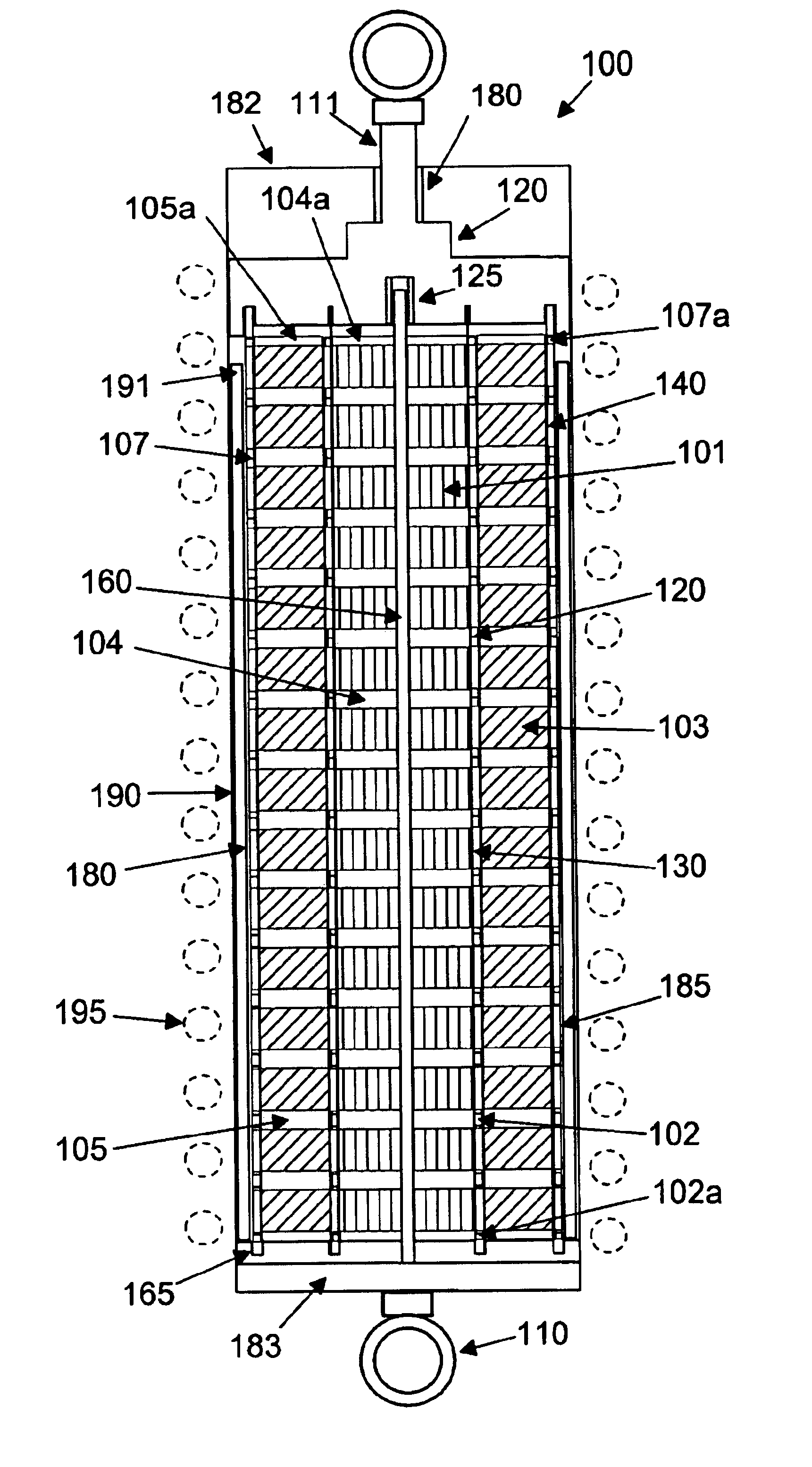
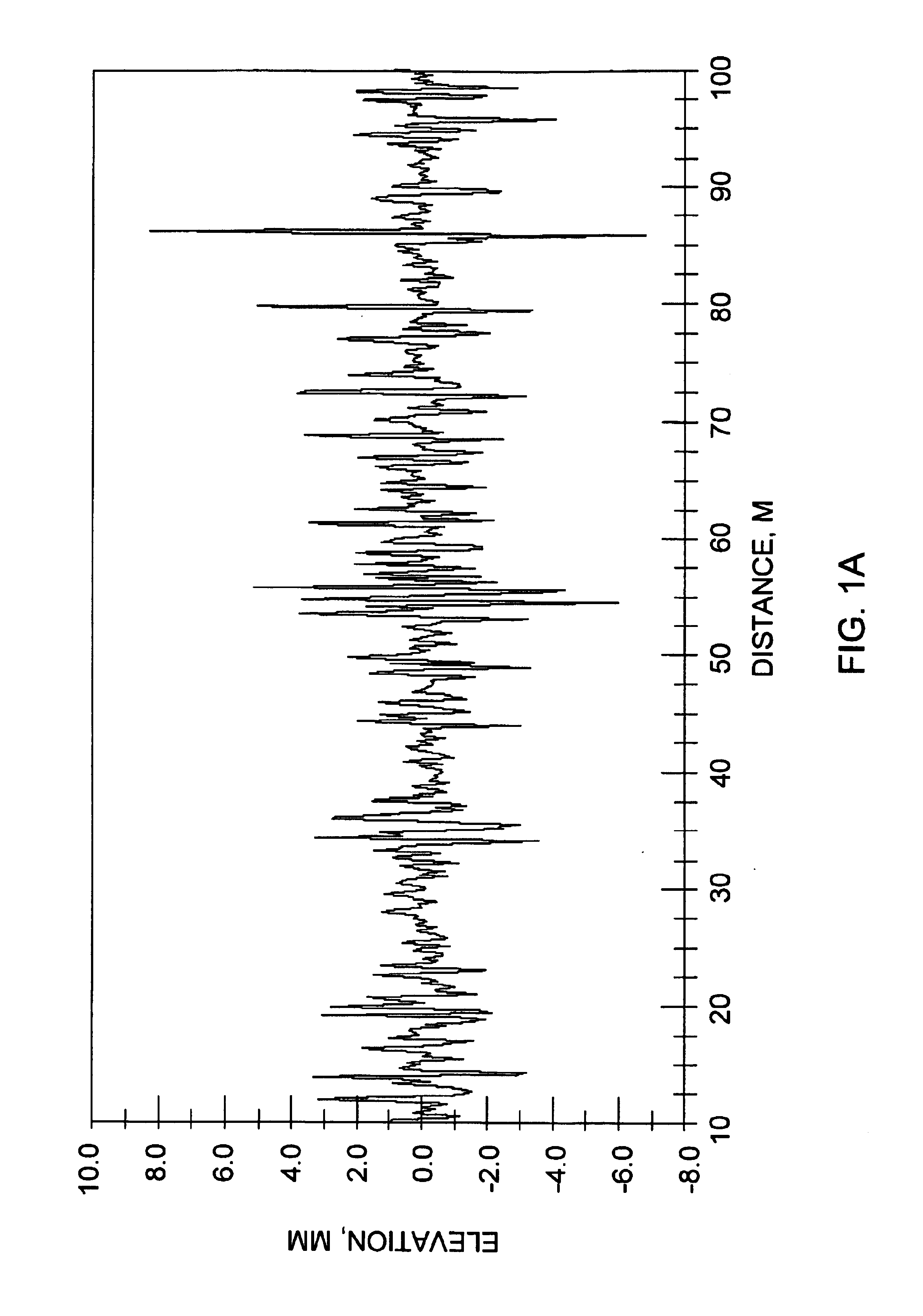
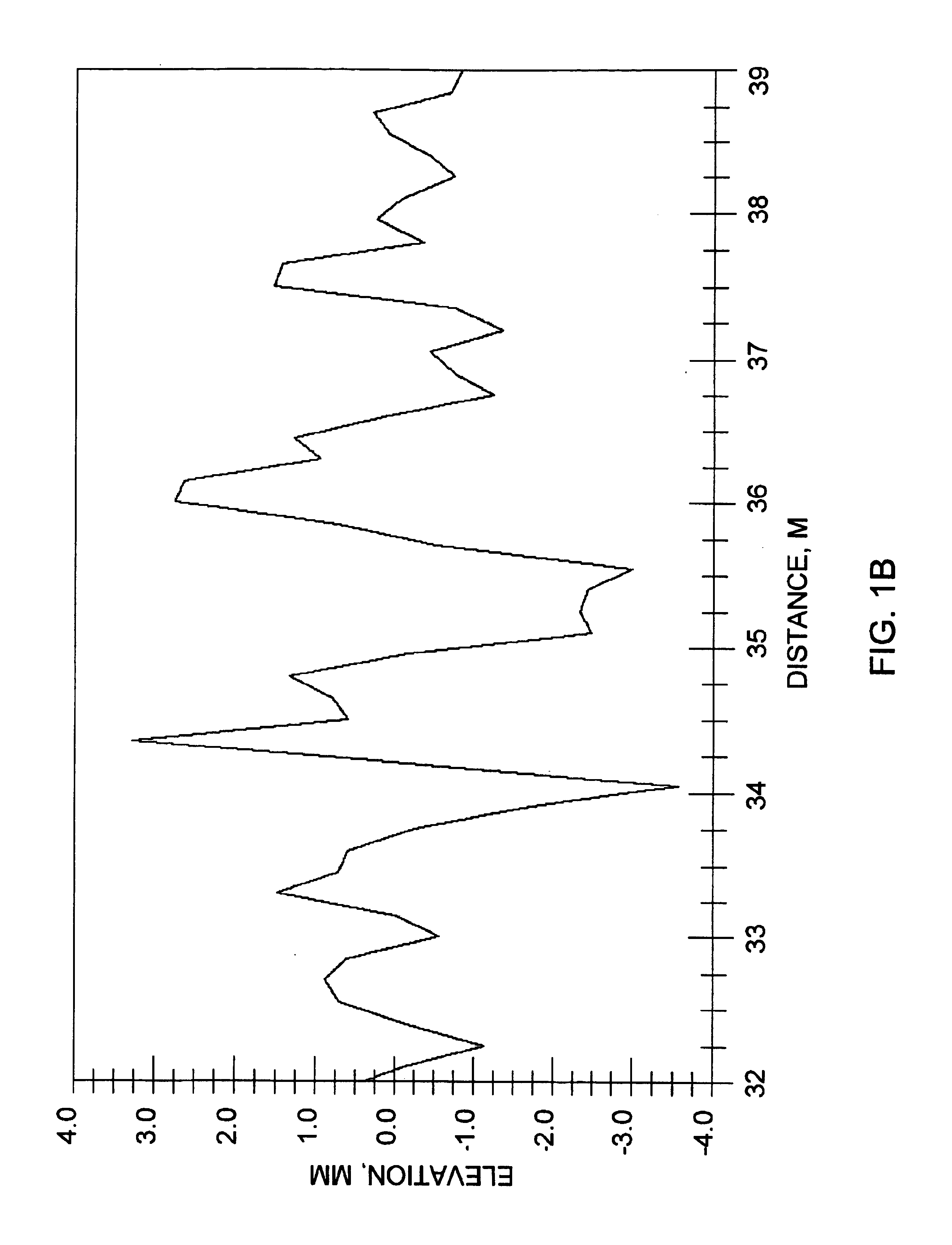
Electromagnetic linear generator and shock absorber
PatentInactiveUS6952060B2
Innovation
- A linear electromagnetic generator design that employs vector superposition of magnetic fields from multiple magnets using high magnetic permeability spacers to maximize radial magnetic flux density within coil windings, reducing magnetic field dispersion and enhancing power generation efficiency.

Environmental Impact Assessment of Generator Technologies
The environmental implications of electromagnetic generator technologies present a complex landscape of benefits and challenges that must be carefully evaluated across their entire lifecycle. Traditional electromagnetic generators, while offering reliable energy conversion, often rely on rare earth materials such as neodymium and dysprosium for permanent magnets, creating significant environmental concerns during extraction and processing phases. Mining operations for these materials frequently result in soil contamination, water pollution, and habitat destruction, particularly in regions where environmental regulations are less stringent.
Manufacturing processes for electromagnetic generators involve energy-intensive procedures, including metal smelting, precision machining, and magnetic material processing. These operations contribute to carbon emissions and generate industrial waste streams that require proper management. However, the environmental cost-benefit analysis becomes more favorable when considering the operational phase, as electromagnetic generators enable clean energy production from renewable sources like wind and hydroelectric power, offsetting their initial environmental footprint over time.
Efforts to enhance energy conversion rates in electromagnetic generators are driving innovations that simultaneously reduce environmental impact. Advanced magnetic materials with improved efficiency characteristics allow for smaller generator designs, reducing material consumption per unit of energy output. Superconducting technologies, while requiring cryogenic cooling systems, offer dramatically improved conversion efficiencies that can justify their additional environmental costs through reduced material usage and enhanced performance.
End-of-life considerations reveal both challenges and opportunities in electromagnetic generator environmental assessment. Permanent magnet materials retain significant value for recycling, though current recovery processes are energy-intensive and not widely implemented. The development of recyclable magnetic materials and improved disassembly techniques represents a critical area for reducing long-term environmental impact.
Emerging generator technologies, including those utilizing bio-based magnetic materials and recyclable components, demonstrate potential for substantially reduced environmental footprints. These innovations align with circular economy principles, emphasizing material recovery and reuse throughout the product lifecycle, ultimately supporting sustainable energy infrastructure development.
Manufacturing processes for electromagnetic generators involve energy-intensive procedures, including metal smelting, precision machining, and magnetic material processing. These operations contribute to carbon emissions and generate industrial waste streams that require proper management. However, the environmental cost-benefit analysis becomes more favorable when considering the operational phase, as electromagnetic generators enable clean energy production from renewable sources like wind and hydroelectric power, offsetting their initial environmental footprint over time.
Efforts to enhance energy conversion rates in electromagnetic generators are driving innovations that simultaneously reduce environmental impact. Advanced magnetic materials with improved efficiency characteristics allow for smaller generator designs, reducing material consumption per unit of energy output. Superconducting technologies, while requiring cryogenic cooling systems, offer dramatically improved conversion efficiencies that can justify their additional environmental costs through reduced material usage and enhanced performance.
End-of-life considerations reveal both challenges and opportunities in electromagnetic generator environmental assessment. Permanent magnet materials retain significant value for recycling, though current recovery processes are energy-intensive and not widely implemented. The development of recyclable magnetic materials and improved disassembly techniques represents a critical area for reducing long-term environmental impact.
Emerging generator technologies, including those utilizing bio-based magnetic materials and recyclable components, demonstrate potential for substantially reduced environmental footprints. These innovations align with circular economy principles, emphasizing material recovery and reuse throughout the product lifecycle, ultimately supporting sustainable energy infrastructure development.
Grid Integration Standards for High-Efficiency Generators
The integration of high-efficiency electromagnetic generators into existing power grids requires adherence to stringent technical standards that ensure system stability, power quality, and operational safety. Current grid integration standards primarily focus on IEEE 1547 series for distributed energy resources, IEC 61400 for wind power systems, and various national grid codes that define voltage regulation, frequency response, and fault ride-through capabilities.
High-efficiency generators with enhanced energy conversion rates present unique challenges for grid integration due to their improved power output characteristics and potentially different operational parameters. These generators often exhibit superior power factor performance and reduced harmonic distortion, which can actually benefit grid stability when properly integrated. However, their enhanced efficiency may result in different transient response behaviors that require careful consideration in protection system design.
Voltage regulation standards become particularly critical when integrating high-efficiency generators, as their improved conversion rates can lead to voltage fluctuations during rapid load changes. Grid codes typically require generators to maintain voltage within ±5% of nominal values while providing reactive power support. Advanced generators must demonstrate compliance with power quality standards including total harmonic distortion limits below 5% and flicker emission constraints.
Frequency response requirements mandate that integrated generators participate in grid frequency regulation through primary and secondary control mechanisms. High-efficiency generators must demonstrate capability to adjust output within specified timeframes, typically responding to frequency deviations within 2-30 seconds for primary control and 30 seconds to 15 minutes for secondary control.
Protection and safety standards require comprehensive fault detection and isolation capabilities, including anti-islanding protection, overvoltage/undervoltage protection, and overcurrent protection. High-efficiency generators must coordinate with existing grid protection schemes while maintaining their enhanced performance characteristics.
Emerging standards are beginning to address the specific requirements for next-generation high-efficiency generators, including enhanced grid support functions, improved ride-through capabilities, and advanced communication protocols for smart grid integration. These evolving standards will likely incorporate more stringent efficiency requirements and expanded grid support functionalities.
High-efficiency generators with enhanced energy conversion rates present unique challenges for grid integration due to their improved power output characteristics and potentially different operational parameters. These generators often exhibit superior power factor performance and reduced harmonic distortion, which can actually benefit grid stability when properly integrated. However, their enhanced efficiency may result in different transient response behaviors that require careful consideration in protection system design.
Voltage regulation standards become particularly critical when integrating high-efficiency generators, as their improved conversion rates can lead to voltage fluctuations during rapid load changes. Grid codes typically require generators to maintain voltage within ±5% of nominal values while providing reactive power support. Advanced generators must demonstrate compliance with power quality standards including total harmonic distortion limits below 5% and flicker emission constraints.
Frequency response requirements mandate that integrated generators participate in grid frequency regulation through primary and secondary control mechanisms. High-efficiency generators must demonstrate capability to adjust output within specified timeframes, typically responding to frequency deviations within 2-30 seconds for primary control and 30 seconds to 15 minutes for secondary control.
Protection and safety standards require comprehensive fault detection and isolation capabilities, including anti-islanding protection, overvoltage/undervoltage protection, and overcurrent protection. High-efficiency generators must coordinate with existing grid protection schemes while maintaining their enhanced performance characteristics.
Emerging standards are beginning to address the specific requirements for next-generation high-efficiency generators, including enhanced grid support functions, improved ride-through capabilities, and advanced communication protocols for smart grid integration. These evolving standards will likely incorporate more stringent efficiency requirements and expanded grid support functionalities.
Unlock deeper insights with Patsnap Eureka Quick Research — get a full tech report to explore trends and direct your research. Try now!
Generate Your Research Report Instantly with AI Agent
Supercharge your innovation with Patsnap Eureka AI Agent Platform!