

Enhance Performance by Reducing Oxidation in MEMS
FEB 26, 20269 MIN READ
Generate Your Research Report Instantly with AI Agent
PatSnap Eureka helps you evaluate technical feasibility & market potential.
MEMS Oxidation Background and Performance Goals
Microelectromechanical Systems (MEMS) technology has evolved significantly since its inception in the 1960s, transforming from simple silicon-based mechanical structures to complex integrated systems that combine mechanical, electrical, and optical functionalities. The fundamental principle of MEMS relies on the precise fabrication of microscale mechanical components using semiconductor manufacturing processes, enabling the creation of sensors, actuators, and complete microsystems with unprecedented miniaturization and integration capabilities.
The historical development of MEMS technology has been marked by continuous innovation in materials science, fabrication techniques, and design methodologies. Early MEMS devices primarily utilized single-crystal silicon due to its excellent mechanical properties and compatibility with established semiconductor processes. However, as applications expanded into harsh environments and demanding operational conditions, the limitations imposed by material degradation, particularly oxidation-related phenomena, became increasingly apparent.
Oxidation in MEMS represents a critical challenge that significantly impacts device performance, reliability, and operational lifetime. Silicon-based MEMS components are inherently susceptible to oxidation when exposed to oxygen-containing environments, leading to the formation of silicon dioxide layers that alter mechanical properties, dimensional stability, and surface characteristics. This oxidation process can result in stress generation, surface roughening, and changes in electrical conductivity, ultimately compromising the precision and functionality of MEMS devices.
The performance degradation caused by oxidation manifests in various forms across different MEMS applications. In accelerometers and gyroscopes, oxidation-induced stress can shift calibration parameters and reduce measurement accuracy. For pressure sensors, surface oxidation can affect diaphragm flexibility and pressure response characteristics. In optical MEMS devices, oxidation can alter surface reflectivity and introduce optical losses that degrade system performance.
Current technological objectives focus on developing comprehensive strategies to mitigate oxidation effects while maintaining the inherent advantages of MEMS technology. Primary goals include extending operational lifetime in ambient and elevated temperature environments, preserving dimensional accuracy and mechanical properties over extended periods, and ensuring consistent performance across diverse application scenarios.
The target performance improvements encompass multiple aspects of MEMS functionality. Mechanical stability objectives aim to minimize drift in resonant frequencies, maintain structural integrity under thermal cycling, and preserve surface quality for optimal device operation. Electrical performance goals focus on maintaining consistent conductivity, minimizing leakage currents, and preserving signal integrity throughout the device lifetime.
Advanced material engineering approaches represent a key pathway toward achieving these performance objectives. The development of protective coatings, alternative structural materials, and innovative packaging solutions offers promising avenues for oxidation resistance enhancement while maintaining the fundamental advantages of MEMS technology in terms of size, power consumption, and manufacturing scalability.
The historical development of MEMS technology has been marked by continuous innovation in materials science, fabrication techniques, and design methodologies. Early MEMS devices primarily utilized single-crystal silicon due to its excellent mechanical properties and compatibility with established semiconductor processes. However, as applications expanded into harsh environments and demanding operational conditions, the limitations imposed by material degradation, particularly oxidation-related phenomena, became increasingly apparent.
Oxidation in MEMS represents a critical challenge that significantly impacts device performance, reliability, and operational lifetime. Silicon-based MEMS components are inherently susceptible to oxidation when exposed to oxygen-containing environments, leading to the formation of silicon dioxide layers that alter mechanical properties, dimensional stability, and surface characteristics. This oxidation process can result in stress generation, surface roughening, and changes in electrical conductivity, ultimately compromising the precision and functionality of MEMS devices.
The performance degradation caused by oxidation manifests in various forms across different MEMS applications. In accelerometers and gyroscopes, oxidation-induced stress can shift calibration parameters and reduce measurement accuracy. For pressure sensors, surface oxidation can affect diaphragm flexibility and pressure response characteristics. In optical MEMS devices, oxidation can alter surface reflectivity and introduce optical losses that degrade system performance.
Current technological objectives focus on developing comprehensive strategies to mitigate oxidation effects while maintaining the inherent advantages of MEMS technology. Primary goals include extending operational lifetime in ambient and elevated temperature environments, preserving dimensional accuracy and mechanical properties over extended periods, and ensuring consistent performance across diverse application scenarios.
The target performance improvements encompass multiple aspects of MEMS functionality. Mechanical stability objectives aim to minimize drift in resonant frequencies, maintain structural integrity under thermal cycling, and preserve surface quality for optimal device operation. Electrical performance goals focus on maintaining consistent conductivity, minimizing leakage currents, and preserving signal integrity throughout the device lifetime.
Advanced material engineering approaches represent a key pathway toward achieving these performance objectives. The development of protective coatings, alternative structural materials, and innovative packaging solutions offers promising avenues for oxidation resistance enhancement while maintaining the fundamental advantages of MEMS technology in terms of size, power consumption, and manufacturing scalability.
Market Demand for Oxidation-Resistant MEMS Devices
The global MEMS market has experienced substantial growth driven by increasing demand for miniaturized, high-performance sensors and actuators across diverse industries. However, oxidation-related performance degradation has emerged as a critical limitation, creating significant market demand for oxidation-resistant MEMS devices. This demand stems from the need for enhanced reliability, extended operational lifespans, and consistent performance in challenging environmental conditions.
Automotive applications represent one of the largest market segments driving demand for oxidation-resistant MEMS devices. Modern vehicles incorporate numerous MEMS sensors for airbag deployment, electronic stability control, tire pressure monitoring, and advanced driver assistance systems. These devices must operate reliably in harsh automotive environments characterized by temperature fluctuations, humidity variations, and exposure to corrosive substances. Oxidation-induced failures in these safety-critical applications have intensified the automotive industry's demand for robust, oxidation-resistant MEMS solutions.
The consumer electronics sector constitutes another major market driver, with smartphones, tablets, wearables, and IoT devices requiring increasingly sophisticated MEMS components. Accelerometers, gyroscopes, magnetometers, and pressure sensors in these devices face oxidation challenges due to miniaturization trends and exposure to environmental moisture. Consumer expectations for device longevity and consistent performance have pushed manufacturers to seek MEMS solutions with superior oxidation resistance.
Industrial automation and process control applications generate substantial demand for oxidation-resistant MEMS devices. Manufacturing environments often expose sensors to corrosive chemicals, high temperatures, and humid conditions that accelerate oxidation processes. Industries such as chemical processing, oil and gas, and semiconductor manufacturing require MEMS devices capable of maintaining accuracy and reliability despite these challenging operating conditions.
Healthcare and medical device markets present growing opportunities for oxidation-resistant MEMS technologies. Implantable medical devices, diagnostic equipment, and portable health monitoring systems require sensors that can withstand bodily fluids and sterilization processes without performance degradation. The increasing adoption of remote patient monitoring and personalized healthcare solutions has amplified demand for reliable, long-lasting MEMS components.
Aerospace and defense applications demand the highest levels of reliability and performance consistency, making oxidation resistance a critical requirement. MEMS devices in aircraft navigation systems, satellite components, and military equipment must function flawlessly in extreme environments while maintaining precision over extended operational periods. The stringent qualification requirements in these sectors have created premium market segments willing to invest in advanced oxidation-resistant MEMS technologies.
Automotive applications represent one of the largest market segments driving demand for oxidation-resistant MEMS devices. Modern vehicles incorporate numerous MEMS sensors for airbag deployment, electronic stability control, tire pressure monitoring, and advanced driver assistance systems. These devices must operate reliably in harsh automotive environments characterized by temperature fluctuations, humidity variations, and exposure to corrosive substances. Oxidation-induced failures in these safety-critical applications have intensified the automotive industry's demand for robust, oxidation-resistant MEMS solutions.
The consumer electronics sector constitutes another major market driver, with smartphones, tablets, wearables, and IoT devices requiring increasingly sophisticated MEMS components. Accelerometers, gyroscopes, magnetometers, and pressure sensors in these devices face oxidation challenges due to miniaturization trends and exposure to environmental moisture. Consumer expectations for device longevity and consistent performance have pushed manufacturers to seek MEMS solutions with superior oxidation resistance.
Industrial automation and process control applications generate substantial demand for oxidation-resistant MEMS devices. Manufacturing environments often expose sensors to corrosive chemicals, high temperatures, and humid conditions that accelerate oxidation processes. Industries such as chemical processing, oil and gas, and semiconductor manufacturing require MEMS devices capable of maintaining accuracy and reliability despite these challenging operating conditions.
Healthcare and medical device markets present growing opportunities for oxidation-resistant MEMS technologies. Implantable medical devices, diagnostic equipment, and portable health monitoring systems require sensors that can withstand bodily fluids and sterilization processes without performance degradation. The increasing adoption of remote patient monitoring and personalized healthcare solutions has amplified demand for reliable, long-lasting MEMS components.
Aerospace and defense applications demand the highest levels of reliability and performance consistency, making oxidation resistance a critical requirement. MEMS devices in aircraft navigation systems, satellite components, and military equipment must function flawlessly in extreme environments while maintaining precision over extended operational periods. The stringent qualification requirements in these sectors have created premium market segments willing to invest in advanced oxidation-resistant MEMS technologies.
Current MEMS Oxidation Issues and Technical Challenges
MEMS devices face significant oxidation challenges that fundamentally compromise their operational integrity and long-term reliability. Native oxide formation occurs spontaneously on silicon surfaces when exposed to ambient conditions, creating an uncontrolled oxide layer typically 1-3 nanometers thick. This natural oxidation process becomes particularly problematic in MEMS structures where precise dimensional control and surface properties are critical for device functionality.
Thermal oxidation during manufacturing processes presents another major challenge, especially during high-temperature fabrication steps such as annealing, diffusion, and chemical vapor deposition. These processes can generate unwanted oxide layers on critical surfaces, altering the mechanical properties of movable structures and affecting the electrical characteristics of sensing elements. The oxidation rate accelerates exponentially with temperature, making process control increasingly difficult at elevated temperatures.
Stress-induced oxidation represents a particularly complex challenge in MEMS devices. Mechanical stress concentrations at sharp corners, thin beams, and suspension points create preferential oxidation sites where accelerated oxide growth occurs. This localized oxidation leads to non-uniform stress distribution, potentially causing device failure through fracture or performance degradation through altered resonance frequencies and sensitivity.
Environmental oxidation poses long-term reliability concerns for deployed MEMS devices. Humidity, temperature cycling, and chemical exposure in operational environments continuously drive oxidation processes. Water vapor acts as a catalyst, significantly accelerating silicon oxidation rates even at room temperature. This environmental sensitivity limits device lifetime and creates reliability uncertainties in harsh operating conditions.
The dimensional impact of oxidation creates cascading performance issues throughout MEMS systems. Oxide growth consumes silicon substrate material while simultaneously expanding volume, leading to dimensional changes that affect gap spacing in capacitive sensors, alter spring constants in mechanical resonators, and modify surface roughness in contact interfaces. These changes directly translate to drift in sensor calibration, reduced Q-factors in resonant devices, and increased stiction in movable structures.
Current mitigation strategies including protective coatings, controlled atmospheres, and surface passivation techniques provide only partial solutions, often introducing additional complexity, cost, and potential failure modes while failing to address the fundamental oxidation mechanisms at the nanoscale level where MEMS performance is ultimately determined.
Thermal oxidation during manufacturing processes presents another major challenge, especially during high-temperature fabrication steps such as annealing, diffusion, and chemical vapor deposition. These processes can generate unwanted oxide layers on critical surfaces, altering the mechanical properties of movable structures and affecting the electrical characteristics of sensing elements. The oxidation rate accelerates exponentially with temperature, making process control increasingly difficult at elevated temperatures.
Stress-induced oxidation represents a particularly complex challenge in MEMS devices. Mechanical stress concentrations at sharp corners, thin beams, and suspension points create preferential oxidation sites where accelerated oxide growth occurs. This localized oxidation leads to non-uniform stress distribution, potentially causing device failure through fracture or performance degradation through altered resonance frequencies and sensitivity.
Environmental oxidation poses long-term reliability concerns for deployed MEMS devices. Humidity, temperature cycling, and chemical exposure in operational environments continuously drive oxidation processes. Water vapor acts as a catalyst, significantly accelerating silicon oxidation rates even at room temperature. This environmental sensitivity limits device lifetime and creates reliability uncertainties in harsh operating conditions.
The dimensional impact of oxidation creates cascading performance issues throughout MEMS systems. Oxide growth consumes silicon substrate material while simultaneously expanding volume, leading to dimensional changes that affect gap spacing in capacitive sensors, alter spring constants in mechanical resonators, and modify surface roughness in contact interfaces. These changes directly translate to drift in sensor calibration, reduced Q-factors in resonant devices, and increased stiction in movable structures.
Current mitigation strategies including protective coatings, controlled atmospheres, and surface passivation techniques provide only partial solutions, often introducing additional complexity, cost, and potential failure modes while failing to address the fundamental oxidation mechanisms at the nanoscale level where MEMS performance is ultimately determined.
Existing Anti-Oxidation Solutions for MEMS Devices
01 Thermal oxidation processes for MEMS fabrication
Thermal oxidation is a fundamental process in MEMS manufacturing where silicon substrates are exposed to oxygen or water vapor at elevated temperatures to form silicon dioxide layers. This process is critical for creating insulating layers, passivation coatings, and sacrificial layers in MEMS devices. The oxidation temperature, time, and ambient conditions can be controlled to achieve desired oxide thickness and properties. Thermal oxidation provides excellent uniformity and quality for MEMS structures.- Thermal oxidation processes for MEMS fabrication: Thermal oxidation is a fundamental process in MEMS manufacturing where silicon substrates are exposed to oxygen or water vapor at elevated temperatures to form silicon dioxide layers. This process is critical for creating insulating layers, passivation coatings, and sacrificial layers in MEMS devices. The oxidation temperature, time, and ambient conditions can be controlled to achieve desired oxide thickness and properties. Thermal oxidation provides excellent uniformity and quality for MEMS structures.
- Oxidation protection and prevention methods: Various techniques are employed to prevent unwanted oxidation of MEMS components during fabrication and operation. These methods include the use of protective coatings, barrier layers, and controlled atmosphere processing. Anti-oxidation treatments help maintain the structural integrity and performance of MEMS devices, particularly for metal components and sensitive materials that are susceptible to oxidation degradation. Encapsulation and hermetic sealing are also utilized to protect MEMS structures from environmental oxidation.
- Selective oxidation for MEMS structure formation: Selective oxidation techniques enable precise patterning and formation of MEMS structures by controlling where oxidation occurs on the substrate. This approach uses masking materials and localized oxidation processes to create specific geometries and features. Selective oxidation is particularly useful for forming isolation regions, defining device boundaries, and creating three-dimensional structures in MEMS fabrication. The technique allows for improved design flexibility and integration density.
- Oxidation-based release and sacrificial layer techniques: Oxidation processes are utilized to create and remove sacrificial layers in MEMS fabrication, enabling the formation of suspended and movable structures. Silicon dioxide formed through oxidation serves as an effective sacrificial material that can be selectively etched to release mechanical components. This technique is essential for fabricating cantilevers, membranes, and other free-standing MEMS elements. The oxidation-based release process provides good control over gap dimensions and structural clearances.
- Advanced oxidation methods for enhanced MEMS performance: Novel oxidation approaches including plasma-enhanced oxidation, rapid thermal oxidation, and low-temperature oxidation techniques offer improved control and capabilities for MEMS manufacturing. These advanced methods enable oxidation at lower temperatures, faster processing times, and better compatibility with temperature-sensitive materials. Enhanced oxidation processes also provide superior film quality, reduced stress, and improved interface properties, leading to better device performance and reliability.
02 Oxidation protection and prevention methods
Various techniques are employed to prevent unwanted oxidation of MEMS components during fabrication and operation. These methods include the use of protective coatings, barrier layers, and controlled atmosphere processing. Anti-oxidation treatments help maintain the structural integrity and performance of MEMS devices, particularly for metal components and sensitive materials that are susceptible to degradation through oxidation. Encapsulation and hermetic sealing are also utilized to protect MEMS structures from environmental oxidation.Expand Specific Solutions03 Selective oxidation for MEMS structure formation
Selective oxidation techniques enable precise patterning and formation of MEMS structures by controlling where oxidation occurs on the substrate. This approach utilizes masking materials and localized oxidation processes to create specific geometries and features. Selective oxidation is particularly useful for forming isolation regions, defining device boundaries, and creating three-dimensional structures in MEMS fabrication. The technique allows for improved design flexibility and integration density.Expand Specific Solutions04 Oxidation-based release and sacrificial layer techniques
Oxidation processes are utilized to create and remove sacrificial layers in MEMS fabrication, enabling the formation of suspended and movable structures. Silicon dioxide formed through oxidation serves as an effective sacrificial material that can be selectively etched to release mechanical components. This technique is essential for manufacturing cantilevers, membranes, and other free-standing MEMS elements. The controlled oxidation and subsequent removal allow for precise gap formation and structural definition.Expand Specific Solutions05 Advanced oxidation methods for MEMS performance enhancement
Novel oxidation approaches including plasma oxidation, rapid thermal oxidation, and low-temperature oxidation techniques are employed to enhance MEMS device performance and enable new functionalities. These advanced methods provide better control over oxide properties, reduce thermal budget, and minimize stress in MEMS structures. Such techniques are particularly beneficial for integrating MEMS with sensitive materials and creating complex multi-layer structures with improved electrical and mechanical characteristics.Expand Specific Solutions
Key Players in MEMS and Surface Protection Industry
The MEMS oxidation reduction technology sector represents a mature yet evolving market within the broader semiconductor industry, currently valued at approximately $15-20 billion globally. The competitive landscape is dominated by established semiconductor giants including Taiwan Semiconductor Manufacturing Co., Samsung Electronics, Intel Corp., and Texas Instruments, who leverage their advanced fabrication capabilities and R&D investments to address oxidation challenges in MEMS devices. Technology maturity varies significantly across players, with foundries like TSMC and GLOBALFOUNDRIES leading in advanced process nodes and anti-oxidation techniques, while specialized companies such as SiTime Corp. focus on MEMS-specific solutions with silicon-based timing devices that inherently reduce oxidation issues. Asian manufacturers including Semiconductor Manufacturing International Corp. and SK hynix are rapidly advancing their capabilities, while research institutions like Interuniversitair Micro-Electronica Centrum contribute fundamental innovations. The market shows strong growth potential driven by automotive, IoT, and consumer electronics applications demanding higher reliability and performance from MEMS components.
Taiwan Semiconductor Manufacturing Co., Ltd.
Technical Solution: TSMC employs advanced atomic layer deposition (ALD) techniques and specialized barrier coatings to minimize oxidation in MEMS devices. Their approach includes implementing hermetic packaging solutions with getter materials that absorb residual oxygen and moisture. The company utilizes low-temperature processing methods below 400°C to prevent thermal oxidation of sensitive MEMS structures. Additionally, TSMC has developed proprietary passivation layers using silicon nitride and aluminum oxide combinations that provide excellent oxidation resistance while maintaining mechanical flexibility required for MEMS operation.
Strengths: Industry-leading fabrication capabilities and extensive experience in advanced packaging. Weaknesses: High cost solutions may not be suitable for all market segments.
Samsung Electronics Co., Ltd.
Technical Solution: Samsung focuses on developing anti-oxidation coatings using nanostructured materials and advanced surface treatments for MEMS components. Their technology incorporates plasma-enhanced chemical vapor deposition (PECVD) to create dense protective films that prevent oxygen diffusion. The company has implemented innovative encapsulation techniques using wafer-level packaging with controlled atmosphere environments. Samsung's approach also includes the use of sacrificial layers during fabrication that are selectively removed while leaving protective barriers intact, ensuring long-term stability of MEMS devices in harsh operating conditions.
Strengths: Strong R&D capabilities and integrated manufacturing ecosystem. Weaknesses: Limited specialization compared to dedicated MEMS manufacturers.
Core Patents in MEMS Oxidation Prevention Methods
Method for fabricating a microelectromechanical system (MEMS) resonator
PatentActiveUS8234774B2
Innovation
- The method involves defining and filling slots within the MEMS resonator with oxide to reduce the thermal coefficient of frequency (TCF), allowing for thinner oxide layers on the surface and improved control over oxide growth, thereby reducing stress and frequency drift.


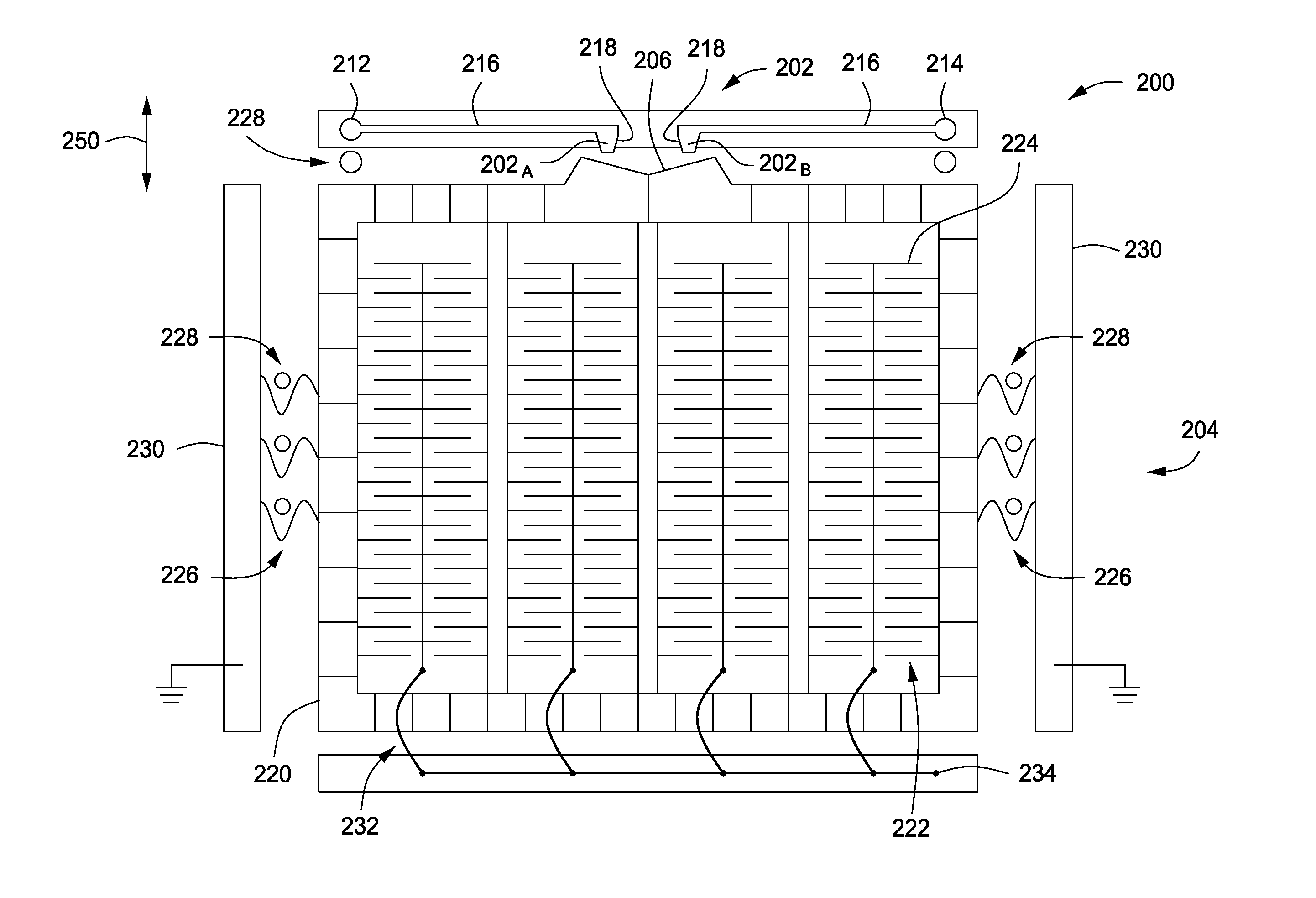
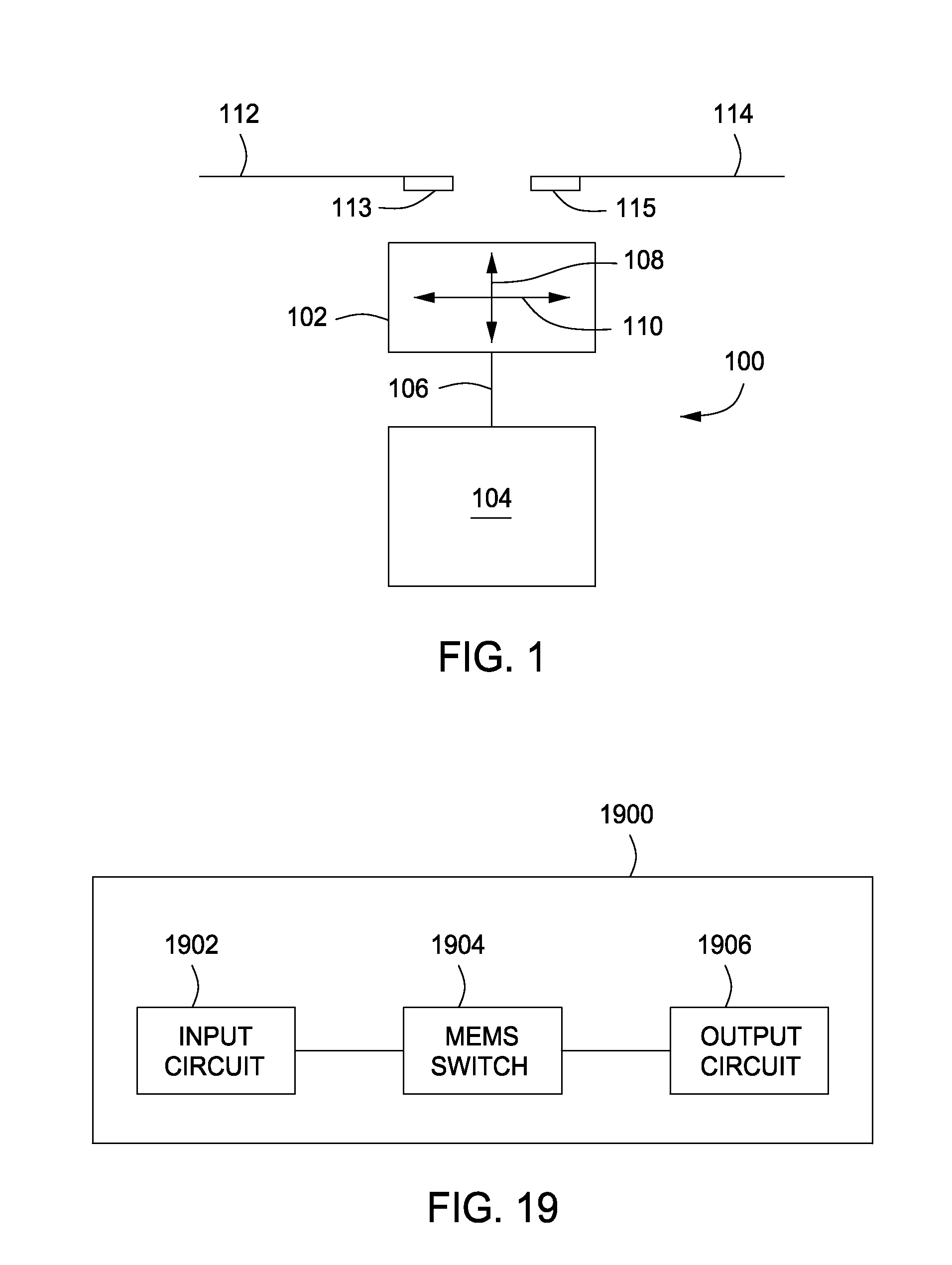
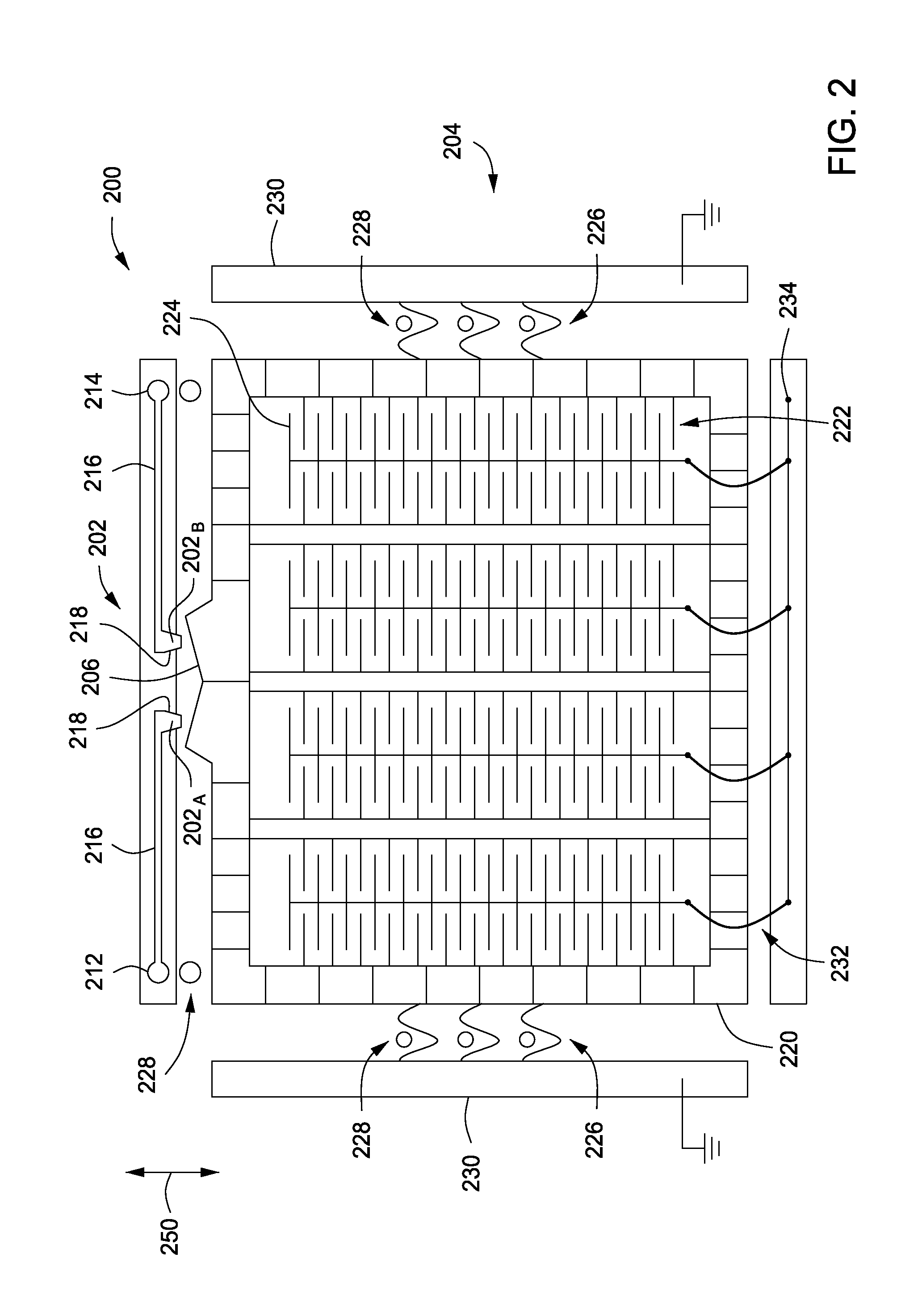
Switch for use in microelectromechanical systems (MEMS) and MEMS devices incorporating same
PatentInactiveUS20090260960A1
Innovation
- The development of MEMS switches with resilient contact elements and multi-stage spring systems that include a beam with a tip configured to wipe the contact surface, coupled with actuators that provide controlled movement and increased restoring forces to overcome stiction and contamination, enhancing electrical contact quality and switch lifetime.

Environmental Impact Assessment of MEMS Materials
The environmental implications of MEMS materials, particularly in the context of oxidation-related performance degradation, present multifaceted challenges that extend beyond immediate device functionality. Silicon-based MEMS devices, while generally considered environmentally benign during operation, face significant sustainability concerns throughout their lifecycle when oxidation mitigation strategies are implemented.
Traditional approaches to reducing oxidation in MEMS often involve the application of protective coatings containing heavy metals or rare earth elements. These materials, including platinum, gold, and various nitride compounds, raise substantial environmental concerns due to their extraction processes and limited recyclability. The mining and refining of such materials contribute to ecosystem disruption, water contamination, and significant carbon emissions, creating a paradox where environmental protection of the device conflicts with broader environmental stewardship.
Manufacturing processes designed to minimize oxidation typically require controlled atmospheres, high-temperature treatments, and chemical vapor deposition techniques that consume considerable energy and generate hazardous byproducts. Nitrogen-rich environments, while effective for oxidation prevention, necessitate continuous gas purging systems that contribute to greenhouse gas emissions. Additionally, the disposal of spent process chemicals and contaminated substrates poses long-term environmental risks.
The lifecycle assessment of oxidation-resistant MEMS reveals concerning trends in material consumption and waste generation. Devices requiring frequent replacement due to oxidation failure create electronic waste streams containing non-biodegradable components. Conversely, over-engineered solutions employing exotic materials for oxidation resistance may extend device lifespan but introduce materials with unknown long-term environmental impacts.
Emerging bio-compatible and biodegradable materials for MEMS applications offer promising alternatives, though their oxidation resistance properties remain under investigation. Organic semiconductors and bio-derived protective coatings represent potential pathways toward environmentally sustainable oxidation mitigation, albeit with current performance limitations that require continued research and development efforts.
Traditional approaches to reducing oxidation in MEMS often involve the application of protective coatings containing heavy metals or rare earth elements. These materials, including platinum, gold, and various nitride compounds, raise substantial environmental concerns due to their extraction processes and limited recyclability. The mining and refining of such materials contribute to ecosystem disruption, water contamination, and significant carbon emissions, creating a paradox where environmental protection of the device conflicts with broader environmental stewardship.
Manufacturing processes designed to minimize oxidation typically require controlled atmospheres, high-temperature treatments, and chemical vapor deposition techniques that consume considerable energy and generate hazardous byproducts. Nitrogen-rich environments, while effective for oxidation prevention, necessitate continuous gas purging systems that contribute to greenhouse gas emissions. Additionally, the disposal of spent process chemicals and contaminated substrates poses long-term environmental risks.
The lifecycle assessment of oxidation-resistant MEMS reveals concerning trends in material consumption and waste generation. Devices requiring frequent replacement due to oxidation failure create electronic waste streams containing non-biodegradable components. Conversely, over-engineered solutions employing exotic materials for oxidation resistance may extend device lifespan but introduce materials with unknown long-term environmental impacts.
Emerging bio-compatible and biodegradable materials for MEMS applications offer promising alternatives, though their oxidation resistance properties remain under investigation. Organic semiconductors and bio-derived protective coatings represent potential pathways toward environmentally sustainable oxidation mitigation, albeit with current performance limitations that require continued research and development efforts.
Reliability Standards for Oxidation-Resistant MEMS
The establishment of comprehensive reliability standards for oxidation-resistant MEMS devices represents a critical framework for ensuring consistent performance and longevity across diverse applications. These standards must address the unique challenges posed by oxidative degradation in microelectromechanical systems, where even minimal material deterioration can significantly impact device functionality and operational lifetime.
Current reliability assessment protocols for MEMS devices often lack specific provisions for oxidation resistance evaluation. Traditional accelerated aging tests, while useful for general reliability assessment, may not adequately capture the complex oxidation mechanisms that occur in MEMS structures under various environmental conditions. The development of specialized testing methodologies becomes essential to establish meaningful reliability metrics for oxidation-resistant designs.
Environmental stress testing protocols must incorporate controlled oxidative environments that simulate real-world exposure conditions. These tests should encompass varying temperature profiles, humidity levels, and atmospheric compositions to evaluate device performance degradation over extended periods. Standardized test chambers with precise control over oxygen concentration, moisture content, and temperature cycling are fundamental requirements for reproducible reliability assessments.
Material characterization standards play a pivotal role in defining acceptable oxidation resistance levels for different MEMS applications. These standards must establish baseline measurements for surface oxidation rates, bulk material stability, and interface degradation under specified conditions. Quantitative metrics such as oxide layer thickness growth rates, electrical parameter drift, and mechanical property changes provide measurable criteria for reliability evaluation.
Qualification procedures for oxidation-resistant MEMS devices require multi-tiered testing approaches that validate performance across various stress levels and durations. Initial screening tests can identify fundamental oxidation susceptibility, while extended reliability testing confirms long-term stability under operational conditions. Statistical analysis methods must be incorporated to establish confidence intervals and failure rate predictions based on accelerated test results.
Documentation and traceability requirements ensure that reliability data can be effectively utilized for design optimization and quality assurance purposes. Standardized reporting formats facilitate comparison between different device architectures and enable systematic improvement of oxidation-resistant technologies through comprehensive data analysis and correlation studies.
Current reliability assessment protocols for MEMS devices often lack specific provisions for oxidation resistance evaluation. Traditional accelerated aging tests, while useful for general reliability assessment, may not adequately capture the complex oxidation mechanisms that occur in MEMS structures under various environmental conditions. The development of specialized testing methodologies becomes essential to establish meaningful reliability metrics for oxidation-resistant designs.
Environmental stress testing protocols must incorporate controlled oxidative environments that simulate real-world exposure conditions. These tests should encompass varying temperature profiles, humidity levels, and atmospheric compositions to evaluate device performance degradation over extended periods. Standardized test chambers with precise control over oxygen concentration, moisture content, and temperature cycling are fundamental requirements for reproducible reliability assessments.
Material characterization standards play a pivotal role in defining acceptable oxidation resistance levels for different MEMS applications. These standards must establish baseline measurements for surface oxidation rates, bulk material stability, and interface degradation under specified conditions. Quantitative metrics such as oxide layer thickness growth rates, electrical parameter drift, and mechanical property changes provide measurable criteria for reliability evaluation.
Qualification procedures for oxidation-resistant MEMS devices require multi-tiered testing approaches that validate performance across various stress levels and durations. Initial screening tests can identify fundamental oxidation susceptibility, while extended reliability testing confirms long-term stability under operational conditions. Statistical analysis methods must be incorporated to establish confidence intervals and failure rate predictions based on accelerated test results.
Documentation and traceability requirements ensure that reliability data can be effectively utilized for design optimization and quality assurance purposes. Standardized reporting formats facilitate comparison between different device architectures and enable systematic improvement of oxidation-resistant technologies through comprehensive data analysis and correlation studies.
Unlock deeper insights with PatSnap Eureka Quick Research — get a full tech report to explore trends and direct your research. Try now!
Generate Your Research Report Instantly with AI Agent
Supercharge your innovation with PatSnap Eureka AI Agent Platform!